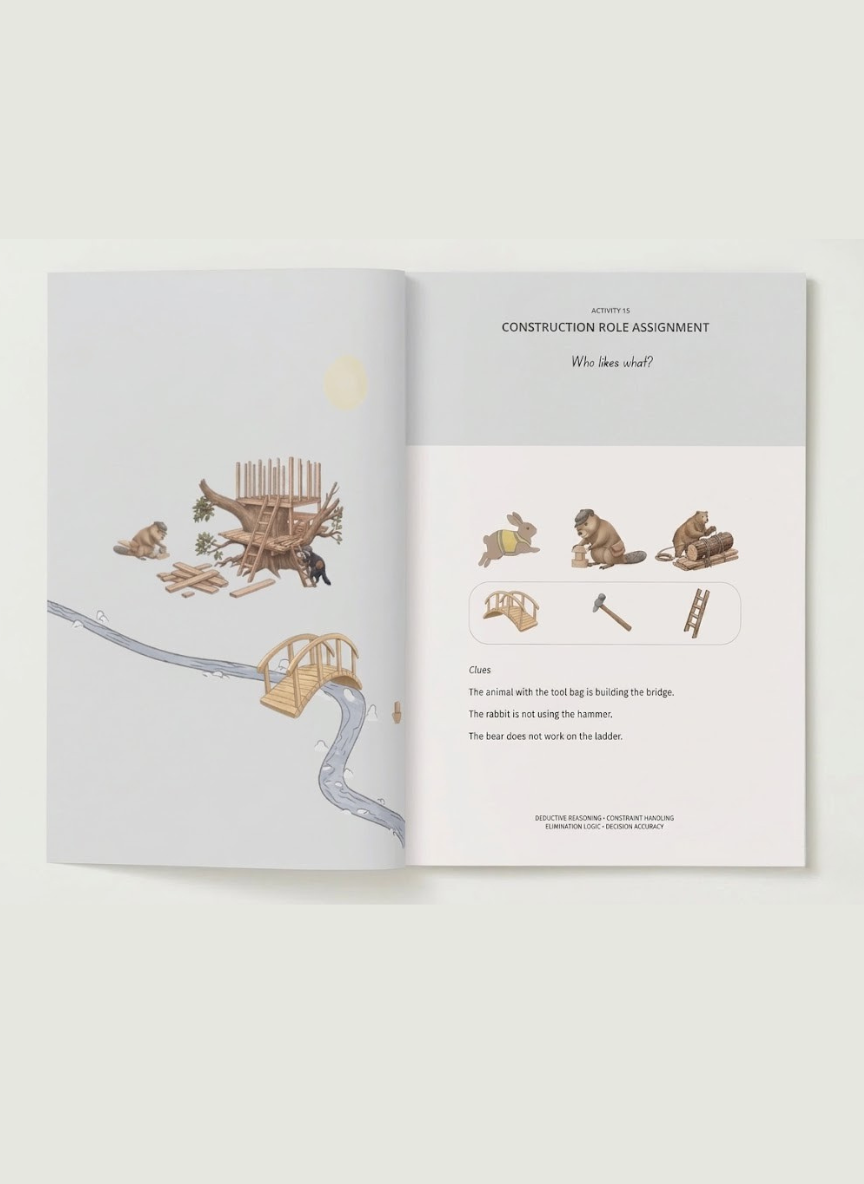

The Ultimate Screen-Free Guide for Ages 3–7
Ages 3–7 struggle most during the exact moments parents need calm:
restaurants, long flights, waiting rooms, after school, and bedtime wind-down.
Parents search things like:
- “calm activities for kids at restaurants”
- “quiet travel activities ages 3–7”
- “screen free calm ideas for evenings”
This guide gives you the highest-performing screen-free activities from real parent queries — all aligned with the calm, structured design of Tiny Thinks™ workbooks.
🍓 Download the Free Calm Pack
🍒 Shop Workbooks by Age
Calm Activities for Restaurants & Cafes
Best for Google queries:
“calm activities for restaurants for kids”
“screen free activities for 3–7 year olds at dinner”
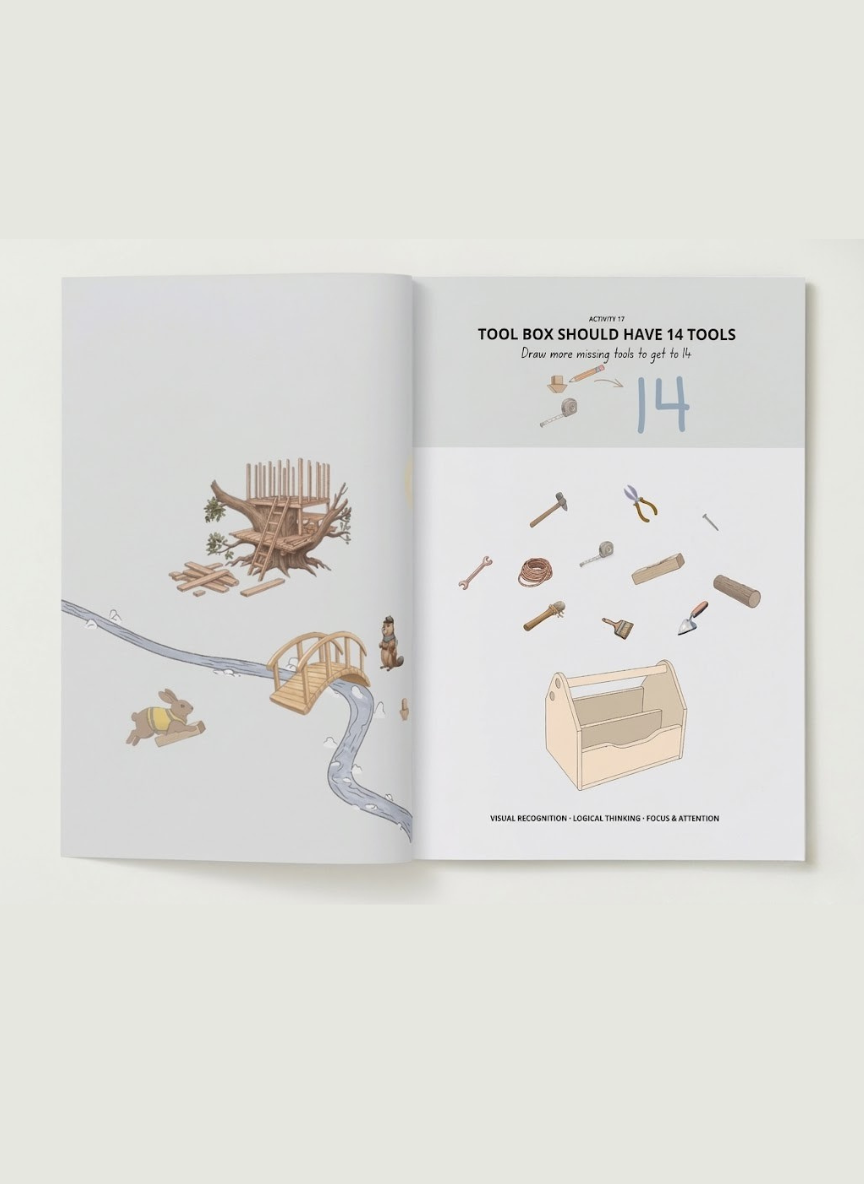
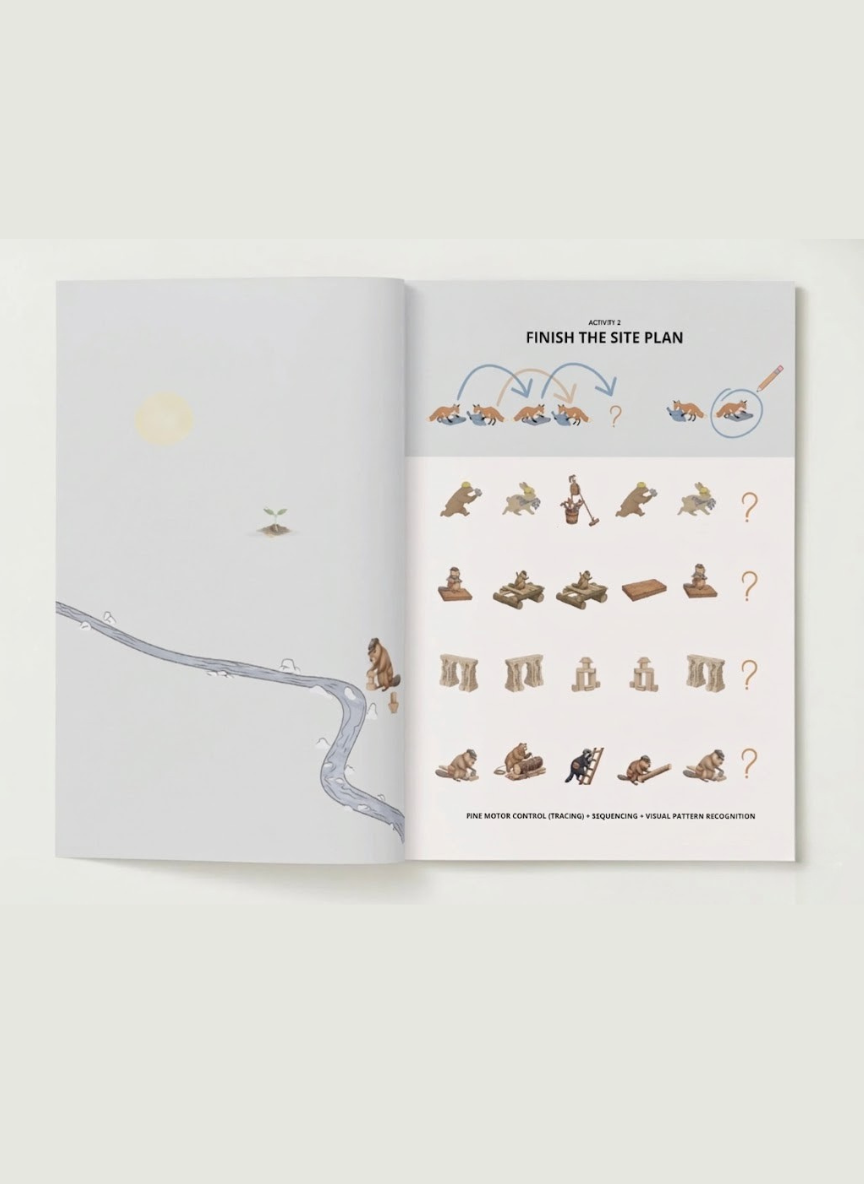
Kids settle fastest with contained, predictable micro-tasks:
- matching pictures or objects
- wide-stroke tracing
- gentle spot-the-difference
- short pattern-following
- look-and-find prompts
- simple 1–2–3 sequencing
Why this works:
Low-noise visuals reduce sensory overload and stop fidgeting.
If you want these calm, table-ready pages done for you, the Tiny Thinks™ workbooks for ages 3–7 bundle matching, tracing, spot-the-difference and sequencing specifically for restaurant and café moments.
See all restaurant-friendly calm-play pages
Quiet Activities for Flights & Long Travel
High-intent search queries:
“quiet travel activities for 4 year olds”
“screen free travel ideas for 5 year olds”
Calm travel ideas that keep kids busy without movement:
- pattern cards
- observation challenges
- picture-story prompts
- spatial matching
- gentle logic puzzles
- “find and circle” tasks
Why this works:
Structured pages = 20–50 minutes of independent focus. For flights and long journeys, Tiny Thinks™ workbooks act as a ready-made “calm play kit” – 20–50 minutes of quiet, screen-free pages that fit in a single folder.
Waiting Room Calm Activities (Doctor, Dentist, Admin)
Related winning terms:
“quiet waiting room activities for kids”
“calm activities no screens kids”
Stick to self-contained tasks:
- simple mazes
- picture tracing
- matching pairs
- gentle reasoning puzzles
- one-page visual challenges
Why this works:
Children get a clear start–finish task during unpredictable waits. For waiting moments, Tiny Thinks™ workbooks are perfect because each page takes about 5-15 min of focus, in which time your child will be curious, having fun and busy.
Evening Wind-Down Activities at Home
Queries this targets:
“calm evening activities for kids”
“screen free calming ideas 3–7”
Evenings require slow thinking, not stimulation:
- slow tracing
- sequencing
- picture-led stories
- visual reasoning
- observation + “spot it” tasks
- connecting pictures to real-life ideas
Why this works:
Predictable tasks help the nervous system shift out of overstimulation. Tiny Thinks™ workbooks are designed to allow relaxing bonding moments which allow both parents and children to gently wind down.
Independent Calm Play at Home
High-value terms:
“independent play activities for kids”
“quiet independent ideas 3–7”
Kids can focus alone when the task is small + finishable:
- simple pattern completion
- gentle logic
- story sequencing
- spatial matching
- “find and circle” games
- 10–20 minute picture-led tasks
Why this works:
Finishable tasks build confidence → independence → longer focus. Independent play becomes crucial focus moments for child to gain pure deep thinking. Tiny Thinks™ workbooks are designed for such attention and play.
Sibling Calm-Time Activities
Search intent triggered:
“sibling calm activities”
“quiet activities for two kids”
Works best when both use the same structure:
- cooperative spotting
- matching races
- shared pattern challenges
- picture-story prompts
- parallel calm play (same theme, different page)
Why this works:
Same-task calm play reduces conflict dramatically.
Real Moments Where Calm Play Works Best
Parents use these routines during:
- restaurants
- flights & long travel
- waiting rooms
- evening wind-down
- after-school decompression
- sibling calm-play
- slow weekend mornings
The win is always the same: predictable, calming, screen-free structure.
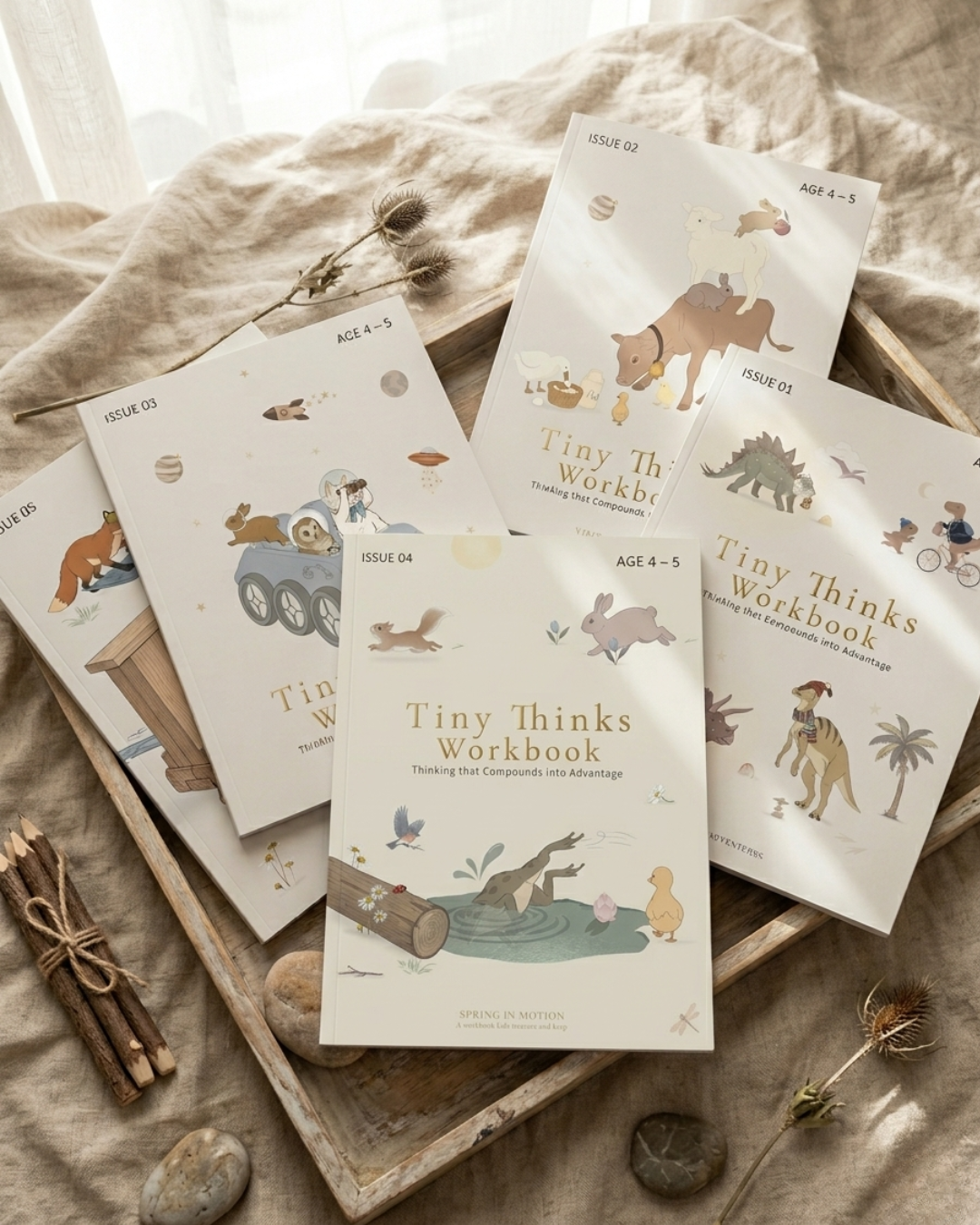
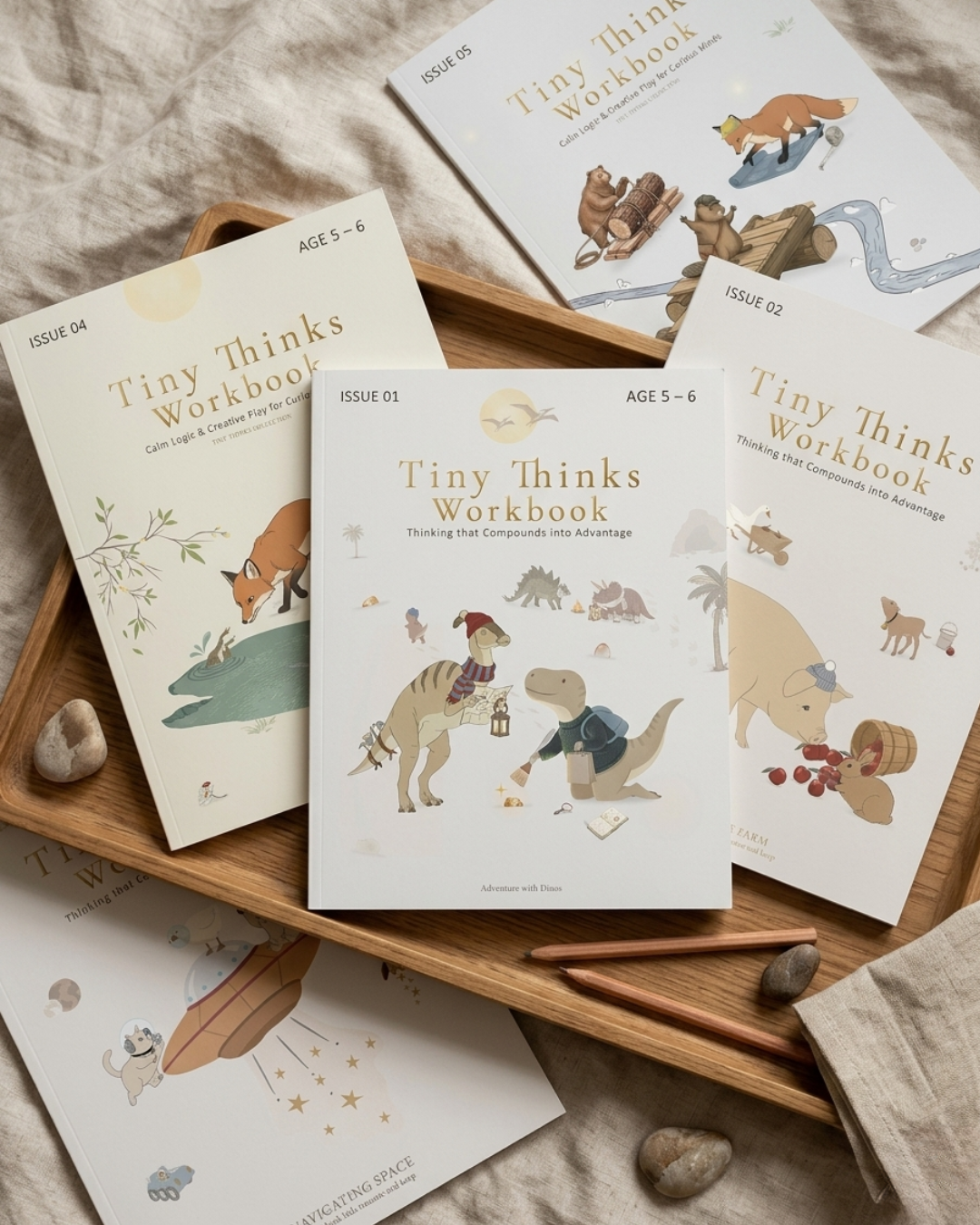
Tiny Thinks Workbooks (Ages 3–7)
Each monthly drop includes:
- matching, patterns, sequencing
- early logic & reasoning
- tracing + visual stories
- 10–20 min independent tasks
- gentle illustrations for calm focus
- a collectible sapling that grows each month

🍓 Download the Free Calm Pack
🍎 Shop Workbooks by Age
FAQ
What are the best calm activities for meals?
Matching, tracing, spotting, and simple pattern tasks work best — low sensory, predictable, and screen-free.
What can I offer on flights besides screens?
Pattern cards, observation challenges, tracing, and gentle logic puzzles — activities that don’t require movement.
How do I keep siblings calm without screens?
Give both children the same type of task (spotting, patterns, tracing) so neither feels left out.
Why do calm-play activities reduce overstimulation?
They lower sensory load and give kids grounding, structured tasks that regulate the nervous system.