★★★★★
Sophie
Mom of twins, age 4
One twin really enjoyed and understood the tasks, and completed a lot of the workbook very neatly. The other one enjoyed it in a more freestyle way.
Different learning styles

● ● ● Designed in the Netherlands
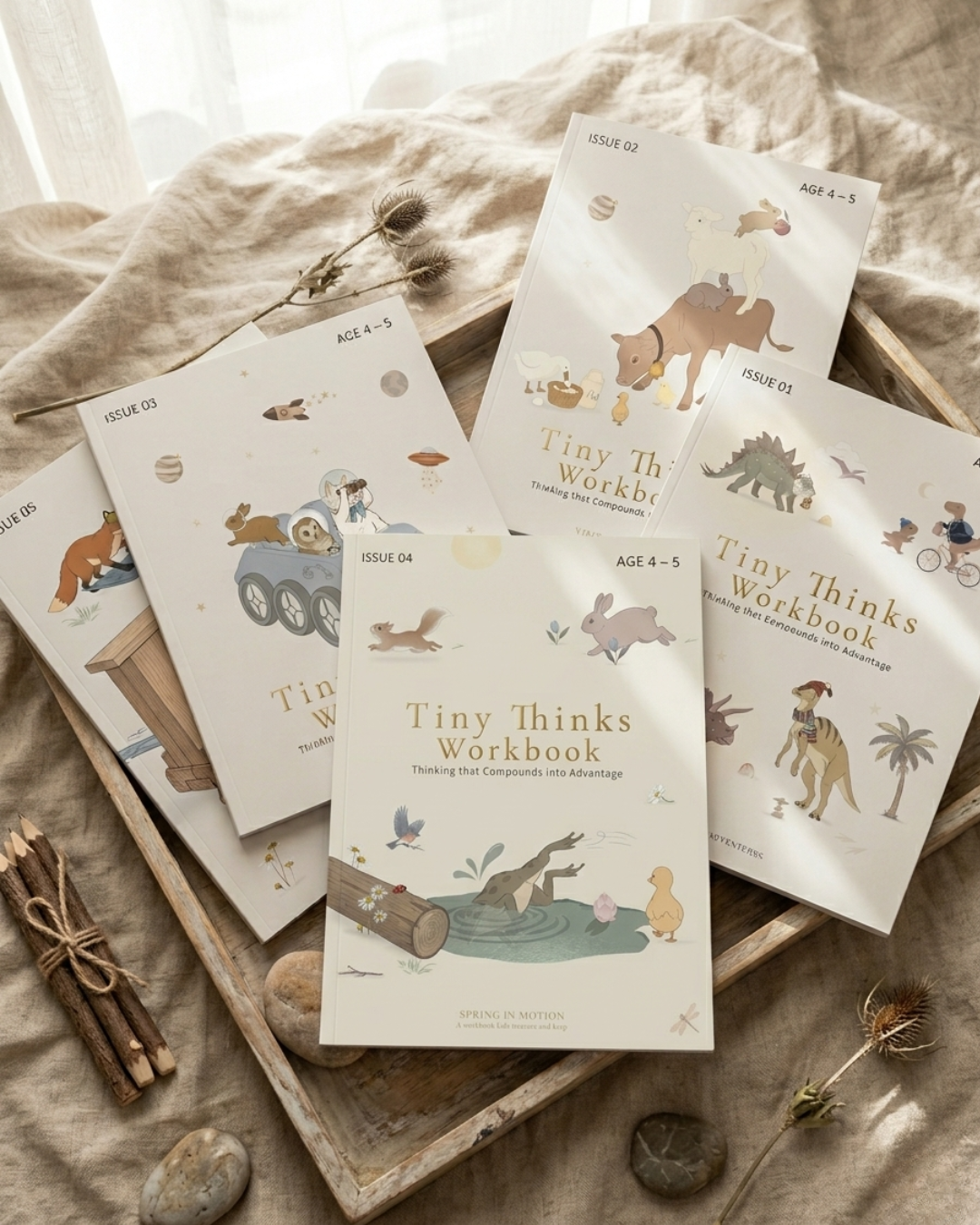
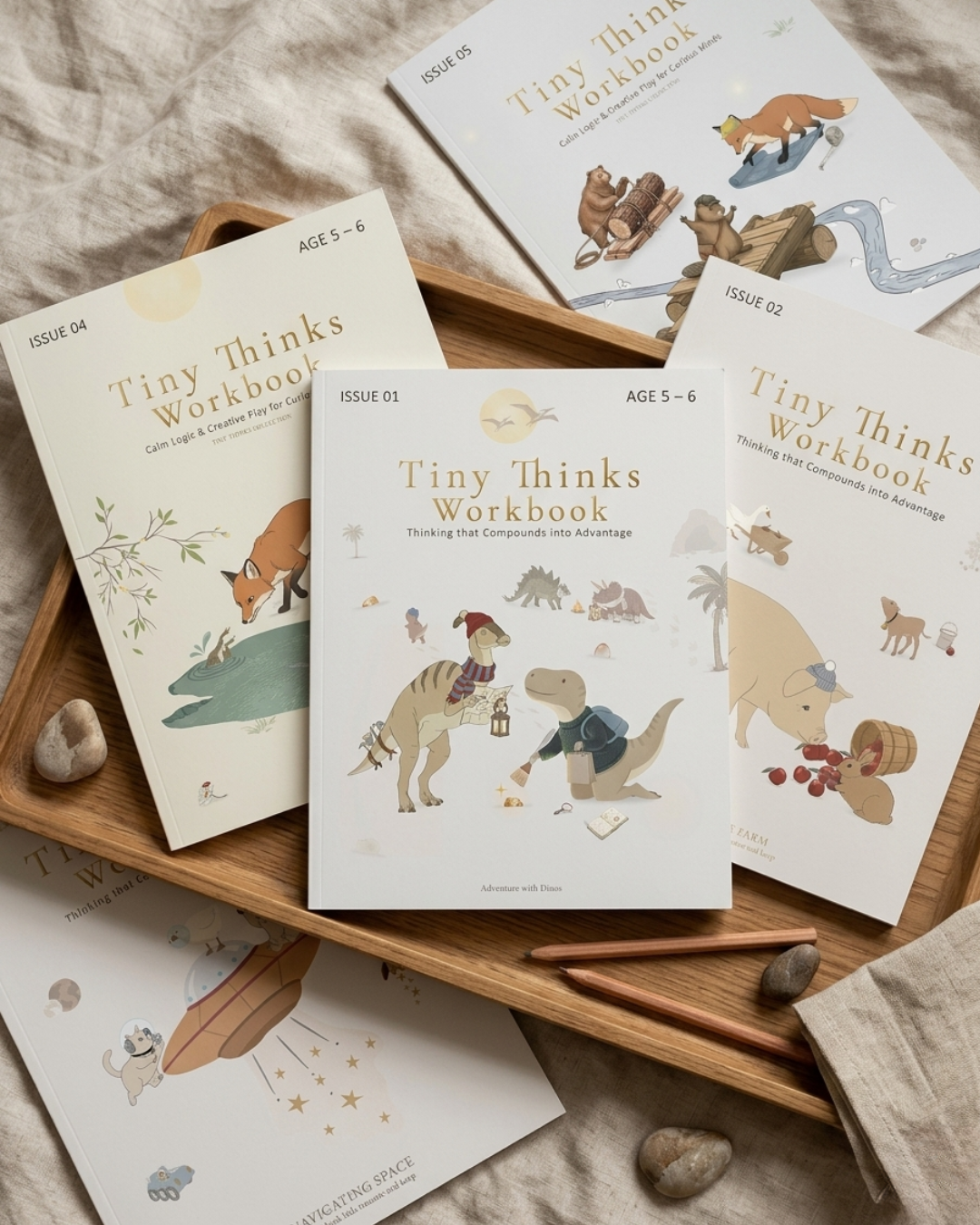
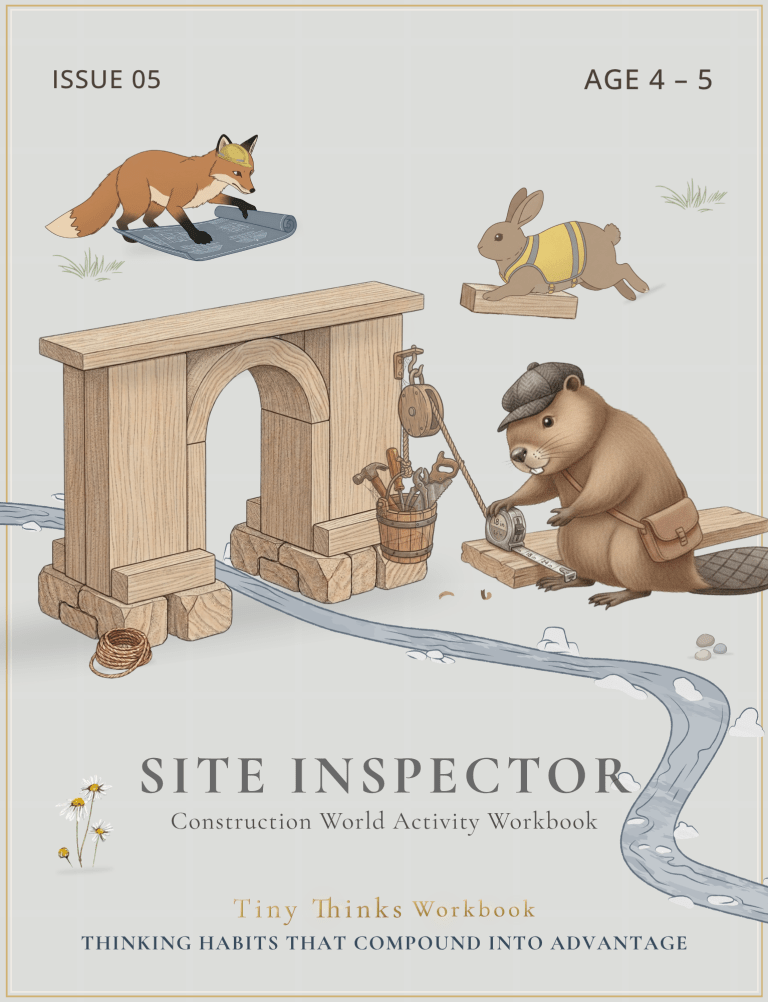
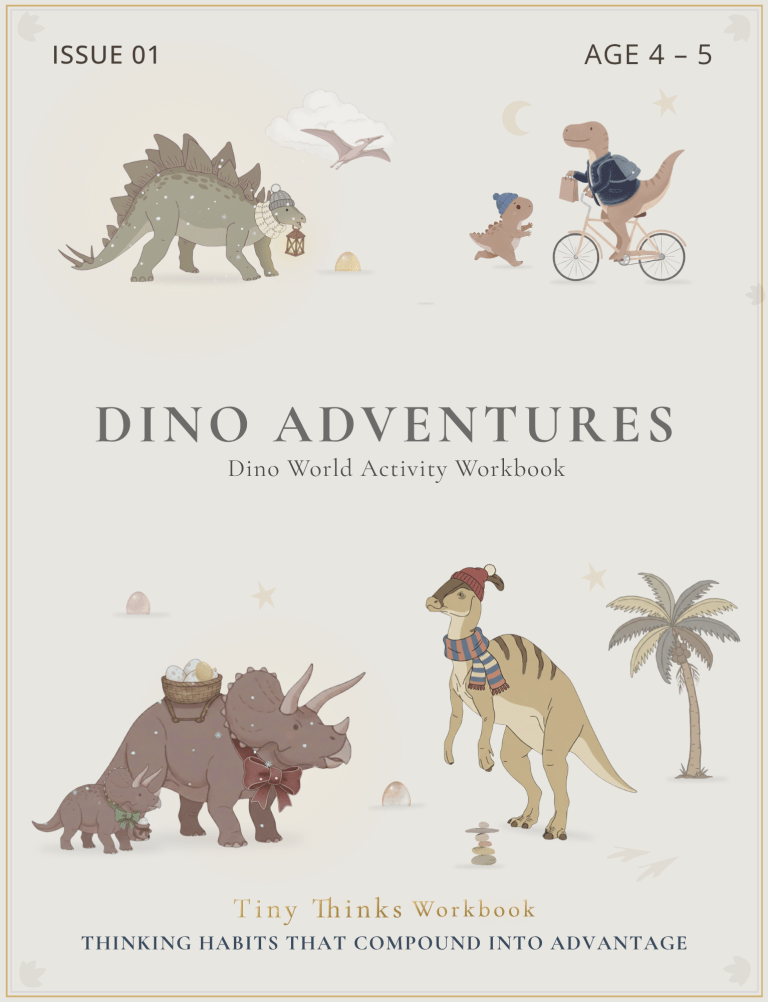
Monthly thinking workbook series for ages 3 to 7. Calibrated to four developmental levels, built to compound page by page through The Pre-Seven Learning Method™.

The Attention Architect
Early focus, matching, noticing, simple sequencing and finishing.
Buy Age 3–4 →

The Logic Foundation
Longer attention, comparing, sorting, checking and early planning.
Buy Age 4–5 →

Strategic Navigator
Working memory, reasoning, persistence and problem-solving.
Buy Age 5–6 →
The Executive Function Lab
Planning, strategy, self-checking, sustained effort and independence.
Buy Age 6–7 →Choose your age bundle
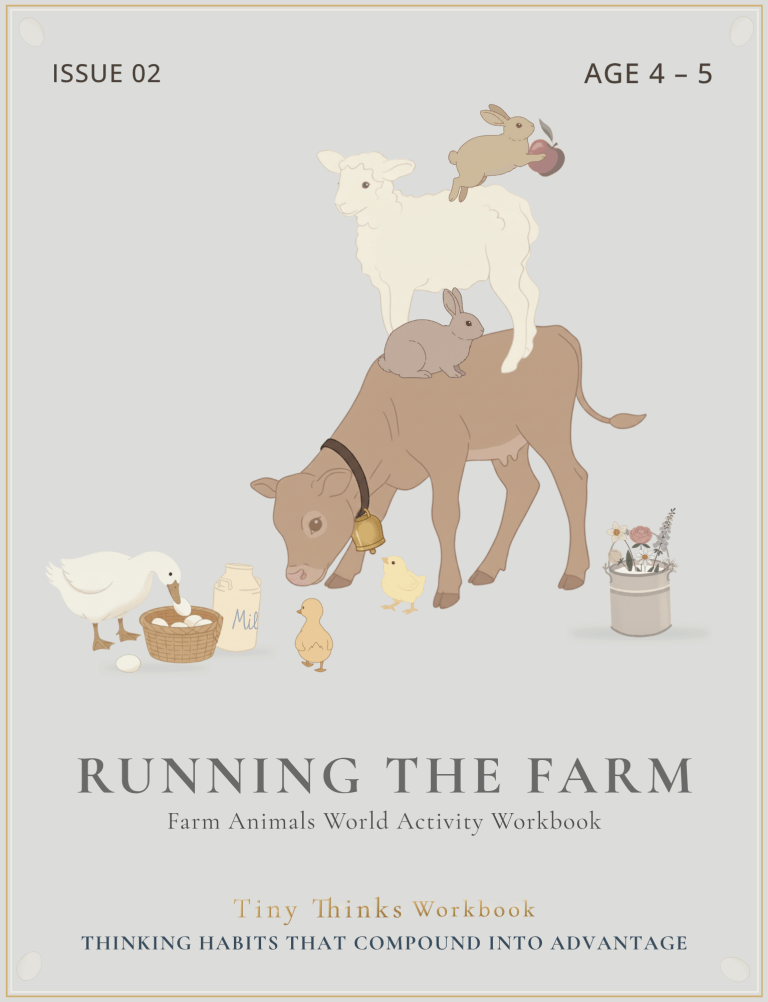
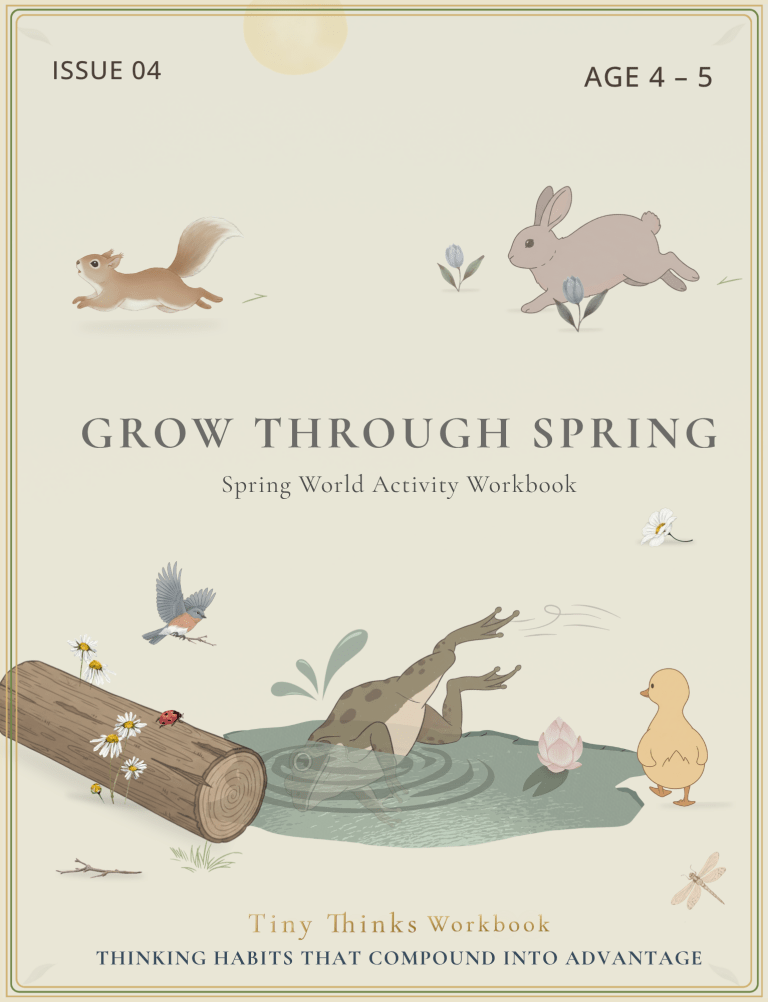
Each age bundle includes five themed workbooks built around The Pre-Seven Learning Method™, a progressive screen-free system for attention, persistence, reasoning, planning, independent thinking, and creativity before age seven.
Ages 3–4
For the child beginning to sit, notice, match, sequence and finish short thinking tasks.
$52$75
Buy Age 3–4 Bundle →Inside this bundle
Ages 4–5
For the child building longer attention, comparing, sorting, checking and early planning.
$52$75
Buy Age 4–5 Bundle →Inside this bundle
Ages 5–6
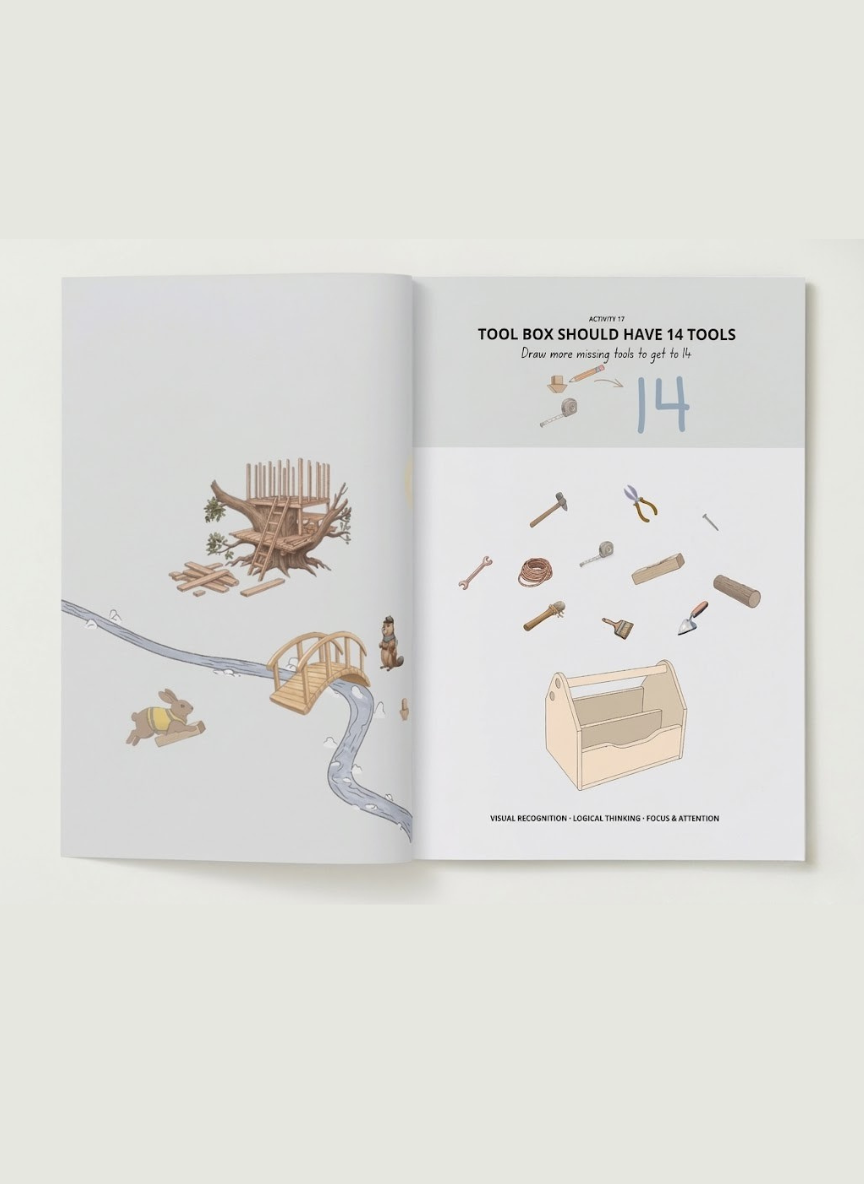
For the child ready to hold rules in mind, reason through clues and persist with challenge.
$52$75
Buy Age 5–6 Bundle →Inside this bundle
Ages 6–7
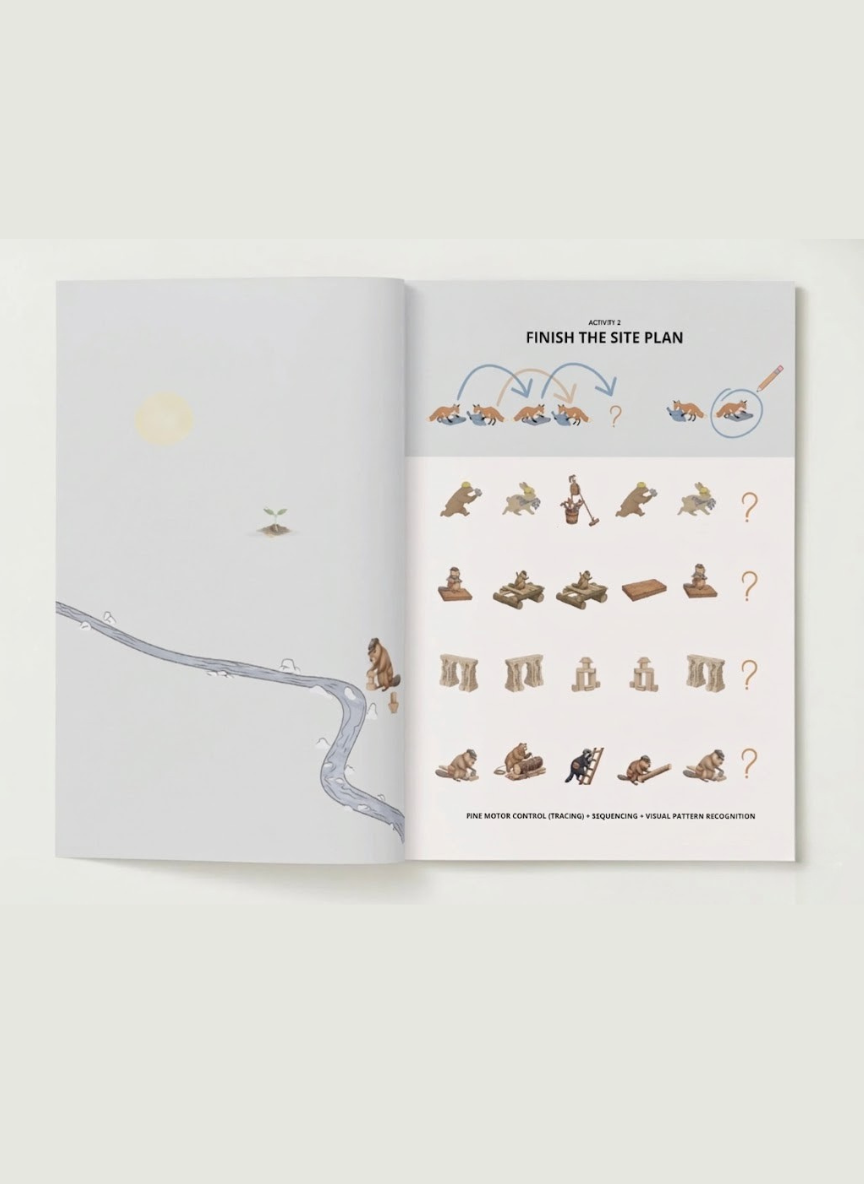
For the child building strategy, planning, self-checking, sustained effort and independence.
$52$75
Buy Age 6–7 Bundle →Inside this bundle
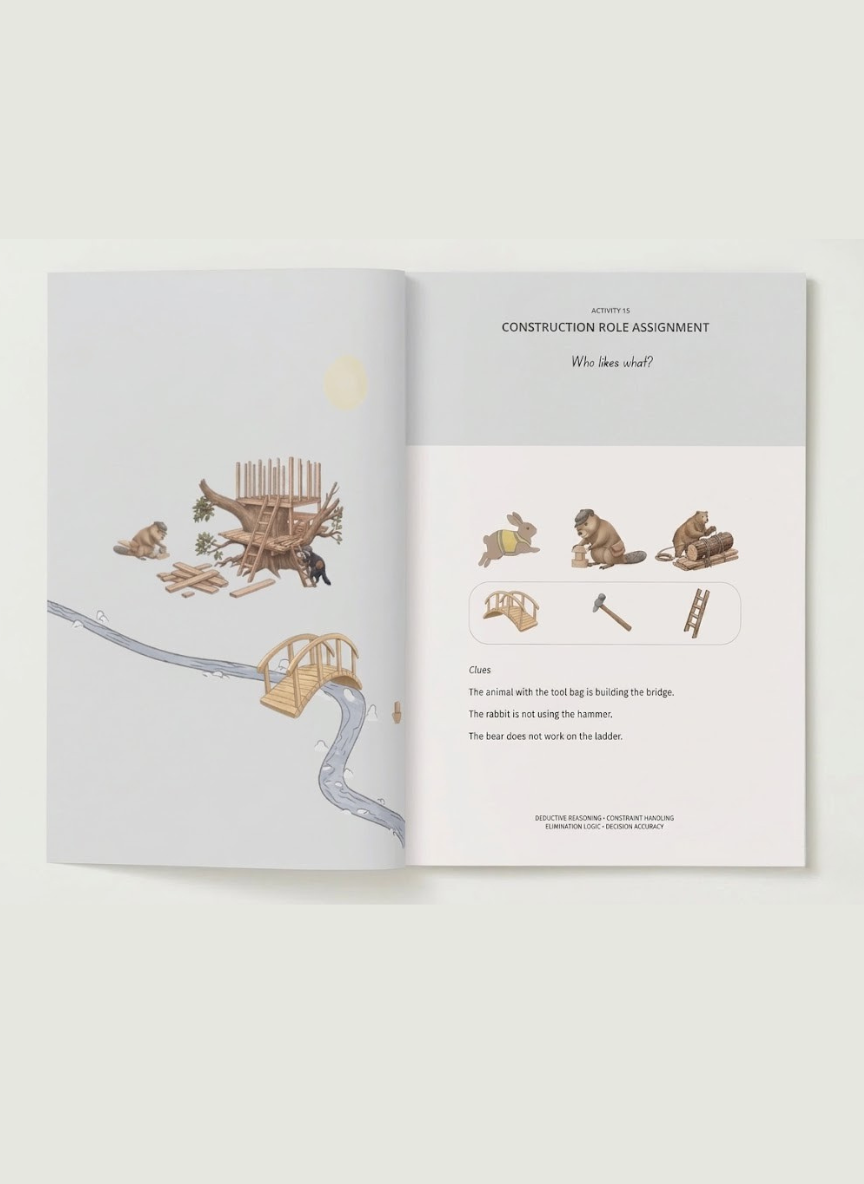
The Pre-Seven Learning Method™
The same ten capabilities repeat across every Tiny Thinks stage. What changes is the level of independence, complexity and challenge.
Your child stays with a challenge when others get easily distracted.
Your child tries another way when the first didn’t work.
Your child spots the rule before others.
Your child holds the instruction in their head while doing the work.
Your child tries it themselves before asking.
Your child works through it step by step, instead of guessing.
Your child notices a mistake and goes back to fix it.
Your child keeps going even when they’re not sure.
Your child thinks one step ahead before they start.
Your child sees new possibilities and explains ideas in their own way.
Feedback from 220+ parents
Parents described the same pattern in different ways: more focus, more persistence, more independence, and more pride after completing a task.
★★★★★
Early feedback from 220+ parents points to the same behaviours: children stay with the work longer, return to it independently, keep going when it feels hard, and feel proud after completing a mission.
★★★★★
Mom of twins, age 4
One twin really enjoyed and understood the tasks, and completed a lot of the workbook very neatly. The other one enjoyed it in a more freestyle way.
Different learning styles
★★★★★
Mom to a 4-year-old
We both reached for this before my phone. Forty minutes, completely absorbed. She said it was hard sometimes, and kept going anyway.
Attention and persistence
★★★★★
Dad to a 4.5-year-old
He stayed at the table, enjoyed the work, and was proud of his effort.
Confidence after effort
★★★★★
Gifted as a 5-book bundle
We gave the 5 book bundle as a birthday gift. He left the other toys, kept fanning through the books with joy, and we eventually had to put them aside so he could focus on the rest of his presents.
Chosen over toys
★★★★★
Mom to a 4-year-old
The workbook arrived during a hectic family week and came at the perfect time. It kept my 4 yr old busy in a calm, focused way when we really needed something screen free.
Screen-free calm
★★★★★
Observed outside the workbook
Parents noticed that the workbook language carried into everyday life: children began calling tasks “missions,” trying more things independently, and showing more willingness to help, solve and complete small jobs around the house.
Independence beyond pages
Swipe to read more parent observations →
Why this matters: these observations show transfer. Children were not only completing workbook pages, but beginning to carry the same habits into everyday tasks — attention, independence, persistence, problem-solving and confidence through completion.
Parent feedback is based on early responses from families using Tiny Thinks. These are observational comments, not clinical claims.
Ages 3–4
By age 4, your child finishes what they start.
No products were found matching your selection.
Ages 4–5
By age 4, your child sees patterns others miss.
Ages 5–6
By age 6, your child works it out without asking you.
No products were found matching your selection.
Ages 6–7
By age 7, your child is the one who figures it out when others give up.
No products were found matching your selection.
Every activity gently settles the nervous system, helping kids shift out of fast, scattered energy.
Sequencing, logic, focus, and visual memory woven into playful, age-fit challenges.
Kids stay absorbed because every page feels perfectly challenging and naturally rewarding.
Feels like play. Builds real skills. Supports screen-free habits that last.
Tiny Thinks workbooks are designed for progessive learning, that grows with the child. It has beautiful, calm layout, detailed designs, no clutter, progressive thinking tasks, focus building. Every page trains one real cognitive skill.
Yes. Each page is designed around the calm-learning sequence—quick wins, rhythmic hand-work, and gentle focus tasks. This helps settle the nervous system, reduces overstimulation, and makes transitions easier without screens.
Tiny Thinks isn’t a screen replacement for fast-paced videos — it works because it slows the child’s dopamine cycle back to a natural rhythm, supports independent focus, and gives them calming, predictable tasks they can return to anywhere: restaurants, travel, or at home.
Tiny Thinks shifts the mind from passive consumption to quiet, hands-on focus that strengthens early logic, sequencing, visual memory, and self-regulation. Parents typically see screen time naturally decrease once their child has Tiny Thinks as an alternative.
The issue is passive, high speed content replacing real thinking work. Kids need slow logic, working memory, and hands on problem solving — exactly what Tiny Thinks builds.
Behaviour changes come from overstimulation + passive consumption + rapid-fire videos. Calm, hands-on activities reset that cycle quickly. Yes, Tiny Thinks workbooks are designed to solve many parent worries, including emotional regulation.
Excessive fast paced screen time trains the brain to expect constant dopamine hits, which reduces patience, focus and frustration tolerance. Tiny Thinks is a scree free alternative designed to follow a child's natural curiosity but with foundational thinking.
Use channel blocking, time limits, and replace transitions with short, calming tasks (Tiny Thinks pages work here).
Yes — the quiet tasks were designed for exactly those meltdown-prone moments.
Use supervised accounts, disable “auto-play”, remove Shorts, and set a predetermined time-window routine. Dont feel guilty if you need to use it as certain moments. Tiny Thinks only gives an alternative for when you want to have a transition or other skill building fun activities.
Usually 24–72 hours of predictable, screen-free routines with hands-on calming activities.
Sequencing, early logic, pattern spotting, focus stamina, visual memory, self-regulation, independent thinking — all foundational pre-STEM thinking.
Tiny Thinks is built around real biological limits. You can see our Insights page for more data.
Many parents love YouTube Kids for quick entertainment — but some notice their child becomes wired, restless, or harder to settle afterwards. That’s usually because fast, high contrast videos overstimulate the parts of the brain responsible for focus and self-regulation.
Tiny Thinks workbooks offer the opposite input: slow, predictable tasks that calm the nervous system and strengthen attention, logic, and fine-motor skills. Parents often use them as a gentle reset when screens leave their child over excited.
Your child doesn’t need to “quit screens” — they just need a balance that protects their focus. Tiny Thinks makes that balance easier.
AAP recommends consistent limits. 30–60 minutes of high-quality content max, with calm, hands-on routines around it.
Yes — parents typically report 15–70 minute independent stretches, even with energetic kids.
Families who enjoy calm, beautifully designed children’s brands—whether that’s Montessori shelvezs, Lovevery-style intentional play, Konges Slojd and Maileg aesthetics, or the gentle storytelling of Julia Donaldson and Eric Carle—often choose Tiny Thinks as their screen-free learning companion. It offers the same quiet, curated feeling as premium toys, travel kits, and classic activity books like Highlights and Water Wow, but adds something unique: a progressive series of illustrated, calming workbooks that build focus, pattern logic, and early problem-solving in a gentle, age-based path for a confident tomorrow.
Tiny Thinks sits naturally beside the things parents already love: Montessori materials, aesthetic playrooms, travel-friendly kits, seasonal gifts, and early-learning routines. It becomes the part of the day where children slow down, think deeply, and enjoy hands-on learning without screens.
Each drop is a collectible workbook — your child’s very own post, exciting to receive, treasured to keep.”
Ages 3–7
Used in flights, cafés, and those “just give the iPad” moments