
Key Takeaways
- High-speed shows such as CoComelon can over-stimulate young children with quick scene changes and non-stop stimulation that makes it difficult for them to concentrate or soothe themselves later.
- While my kids never had tantrums after playing a video game, many parents report meltdown behavior when screen time is over, which quick, flashy content might be causing.
- They suggest moderation, close supervision, and complementing screen time with hands-on, creative, or social activities.
- Viewing programs as a family allows parents the opportunity to direct their child’s interpretation and demonstrate calm, considered responses to the action on screen.
- Free play, creative assignments, and regular routine allow kids to develop focus, grit, and crucial interpersonal skills away from screens.
- By establishing such limits and promoting open family conversations around media consumption, you’re giving your kids the tools to form healthy habits early on.
When screen time leaves your child overstimulated or unable to settle, families use Tiny Thinks provides calm, structured thinking play that children naturally enjoy and return to regularly.. See how calm, screen-free thinking play works in these moments.
This article addresses one core parent concern: post screen overstimulation and difficulty settling after fast paced shows like CoComelon. All routing supports families during moments when screens disrupt calm, transitions, or attention. Tiny Thinks appears only as the calm, structured alternative used in those moments.
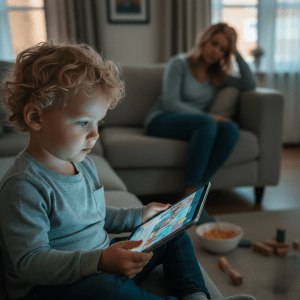
Is Cocomelon bad for kids? Numerous parents find that post episodes of hyper-shows such as Cocomelon, their kids are either too wound up or jumping around to settle down for more low-key pastimes.
Research identifies those fast scene changes and ear grabbing songs as overstimulating the developing brain. Knowing why some kids respond like this can assist parents in making more composed decisions around screen time and everyday schedules.
When parents search whether cocomelon bad for kids is a real concern, it’s usually after noticing changes in attention, calm, or post-screen behavior.
Why CoComelon Concerns Parents
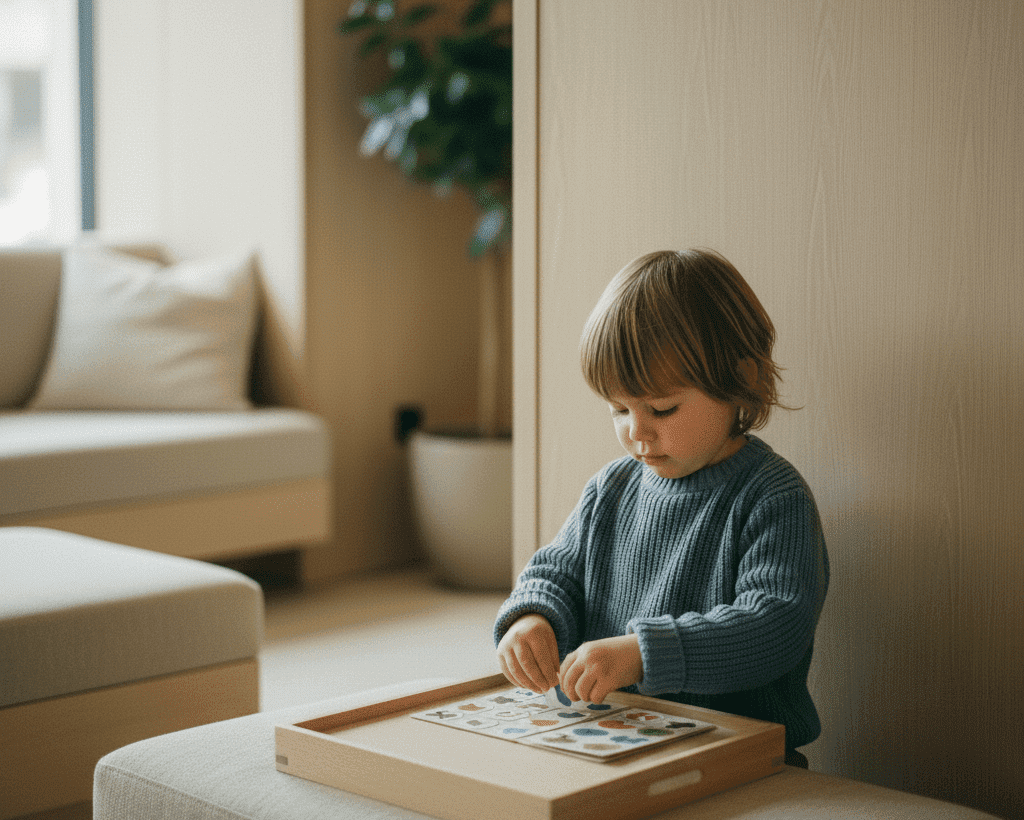
Parents looking for less frantic, more attentive kids express concerns about CoComelon and its distinct style. The show’s high-energy visuals, rapid-fire scene changes, and constant music produce a wholly different sensory experience than slow-moving classics or tactile activities. For families already grappling with overstimulation, tantrums or bedtime battles, these touches may not simply amuse; they can upset regulation and daily rhythms.
1. The Pacing Problem
CoComelon shifts scenes every one to three seconds. The picture changes. For a toddler’s brain, this fast pace is overstimulating. The nervous system, still figuring out how to massage and filter stimuli, can’t keep up.
Perhaps you observe your little one appears “buzzed” post-watching, hopping from activity to activity, unable to settle on one. As many other parents report, my kids get tired of waiting for their turn for slower, quieter activities after a CoComelon exposure.
With a new shot or a new song every couple of seconds, regular play starts to feel boring in comparison. This can shrink attention spans and hamper their ability to transition back to predictable, screen-less routines. Quick cuts threaten sensory overload.
Particularly in noise or motion sensitive tots, this steady stream of stimulation can leave them cranky, agitated or even weepy. Observing these indicators is critical, as not every kid responds in the same way, but a lot demonstrate distinct behavioral overstimulation once the episode is over.
2. The Stimulation Factor
The show’s high-tempo music and bright, moving colors keep children’s brains revved up. This non-stop stimulation increases children’s arousal, which makes it difficult for them to calm down after watching. Some kids get clingy or cranky, while others are near ‘wired.’
For parents, this frequently translates to increased meltdowns during transitions, such as unplugging, dinner, or bedtime. Overstimulation doesn’t simply make kids fidgety. It’s increasingly clear that repeated viewing of such shows can fuel behavioral problems like aggression or impulsivity, especially if kids don’t have the opportunity for counterbalance with slower, hands-on activities.
That’s your child’s nervous system sending the message from ‘too much, too fast’ when they cry or fight you to turn off the TV or are irritable after watching. calm, low-stimulation play activities
3. The Behavioral Impact
Parents often report meltdowns or rigidity as CoComelon ends. Others mention their kids are yelling for more episodes and throwing tantrums if refused. This attachment leads to a loop where fast pacing’s quick dopamine hits make regular play less interesting.
Executive functioning, like impulse control and flexible thinking, may be temporarily weakened immediately after watching. Studies indicate that hyperactive programs can decrease temporary attention and self-discipline in pre-schoolers.
That’s why it’s crucial to counterbalance screen time with creative, screen-less activities. They require chances for silent, open-ended play to replenish calm and reinforce regulation.
|
Excessive Screen Time: Key Implications |
|---|
|
Shortened attention span |
|
Increased irritability or meltdowns |
|
Weaker impulse control |
|
Reduced social interaction |
|
Sensory and cognitive under-stimulation |
4. The Developmental Questions
Language development is another worry. CoComelon provides fewer opportunities for reciprocal conversation or real-world rehearsal, particularly compared to playing with adults or peers. Other parents observe their little ones parroting CoComelon instead of speaking in full sentences.
The show’s fantastical elements, talking animals and magical events, can sometimes muddle reality and fantasy for very young children. Kids under five can’t differentiate between potential and pretend, particularly without adult intervention.
Finally, healthy brain growth relies on a balance of sensory experiences: not just sight and sound, but touch, movement, and face-to-face interaction. When screens substitute for hands-on play, kids don’t build critical neural pathways.
That’s why so many regulation-first families seek out screen-free alternatives, like the Tiny Thinks™ Free Calm Pack or age-based Tiny Thinks™ Workbooks. These provide slow, deliberate, thinking-based activities that rejuvenate attention and help kids diffuse in overstimulating situations, dinnertime, in waiting rooms, after school, and before bed.
During transitions like dinner, travel, or after a fast-paced episode, Tiny Thinks is what families use instead of more stimulation—structured thinking play children can sit with calmly. View a calm thinking play example used after screen time.
Understanding The Toddler Appeal
The bright colors, playful songs, and gentle voices of CoComelon are no accident. They are designed to lure in toddlers, making it a popular choice among young audiences. For most families, the show’s appeal becomes clear the moment you witness a child’s eyes light up at the opening jingle or catch them humming the tunes at breakfast, showcasing its entertainment value.
The faces on screen are amiable, feelings are direct, and the world is secure and expected. Stories resonate with established patterns, such as morning dress-up, backyard playing, and bedtime stories, which makes the narrative familiar and soothing. It is not simply entertaining, but a reflection of the little victories and defeats that pepper a preschooler’s day.
3-5 year-olds are particularly susceptible to repetition and routine. The show’s predictable structure, including song, lesson, and resolution, matches the way young brains learn: through seeing things again and again. This repetition allows children to identify structure, feel comfort, and expect what’s to follow.
Their gentle manner and obvious emotional cues help even the youngest viewers grasp simple social situations. For others, a brief stint can translate into a reprieve to gulp down a meal or wash their hair repeatedly. Studies back that brief, purposeful engagement of 30 minutes can slot into a balanced day when deployed judiciously.
However, the hyper speed of CoComelon, its rapid-fire change of scenes, frenetic songs, and non-stop motion can overstimulate a developing nervous system. Specialists caution that fast-paced input can hyper-stimulate, leaving kids less able to calm themselves, a critical capacity anticipated by the time they enter kindergarten. This raises concerns for parents about the potential risks associated with excessive screen time.
Other parents observe that following viewing, their kids are more agitated and have difficulty transitioning to calming activities or even display speech development delays. Although the studies are inconclusive and still underway, the prevailing worry is about the amount of time in front of screens, not necessarily the content.
Excessive screen time in this crucial 3-5 year window can displace hands-on play, communication, and real-world experiences essential for robust executive function. Expert recommendations suggest no screen time before 2, and under an hour a day between 2 and 5.
Knowing what attracts kids to a show allows parents to select shows that suit their family, slower paced, quieter, with lots of room for thinking. For families seeking screen-free alternatives, organized paper activities can provide the same repetition, patterning, and soothing routine minus the blitz of quick images.
This is where Tiny Thinks™ comes in: calm, screen-free workbooks and activities built for hands-on focus, gentle thinking, and emotional regulation. The Free Calm Pack is usually a reliable go-to, and age-specific Tiny Thinks™ Workbooks deliver that same comforting predictability kids adore, only with crayons, not screens.
The Screen Time Context

The worldwide dialogue surrounding kids’ screen time is rife with viewpoints. Most health organizations and research groups concur on a few simple things. Except for video chatting, the American Academy of Pediatrics advises zero screen time for kids younger than 2. For toddlers between 18 and 24 months, if screens are introduced, it should be with high-quality programming that is always co-viewed, so parents can help direct comprehension.
For preschoolers 2 to 5, it is one hour or less per day, and once again, quality trumps quantity. For older kids, parents should establish consistent, predictable limits that align with their family’s schedule. These figures might seem rigid; they mirror what we understand about developing young brains.
Too much screen time, especially when it’s fast-paced or highly stimulating, can shape behavior in ways that show up at home: trouble sitting still, trouble sleeping, frustration over small transitions, or bouncing from one activity to the next. Studies indicate that kids with excessive screen time exceeding the guidelines might experience increased challenges with attention, self-regulation, and even sleep. Bad sleep then compounds the problem by making it even more difficult for kids to focus or regulate their emotions the following day.
This is where the context of the screen time matters. Other research indicates that educational programming, particularly if it includes interactive prompts, models problem-solving, or builds language, may help bolster development in areas such as vocabulary, early math, or social interaction. A gentle, slow show watched with others and talked about can be a very different experience than a rapid, continuous cartoon playlist.
For many families, screens often fill the hardest moments: mealtimes, travel, waiting rooms, and after-school chaos. It’s almost never about “lazy parenting”-it’s about requiring something that works quickly. That’s why developing well-defined, healthy screen habits early is so precious.
Reasonable boundaries, intentional decisions around content, and frequent intervals of offline play support your child in developing the cognitive acumen, self-awareness, and attention span required for sustainable learning. For families seeking screen-free options, especially in those in-between moments, a grounded, soothing activity can do more than just occupy. It can assist children in moving from hyped to grounded, from scattered to concentrated, and from jittery to at ease.
That’s what the Tiny Thinks™ Workbooks and Free Calm Pack were created for. Their organized, tactile pages provide kids with both control and comfort, presenting them with soft, repetitive activities that calm racing brains. No longer do they receive a dopamine spike from a quick-paced cartoon.
Kids become immersed in activities that foster concentration, early logic, and quiet confidence. Parents who employ them during dinner prep, travel, or after-school wind down frequently observe a tangible difference: reduced mayhem, increased serenity, and extended periods of solo, silent play.
Why calm, sit-down activities work when screens don’t?
Travel days (and long waits) overload children in a quiet way. Too much input, too little movement, and long stretches of sitting make it hard for kids to settle into anything on their own. screen free alternatives to fast paced shows.
What helps most in these moments isn’t stimulation or distraction, it’s gentle structure.
As one parent put it, most evenings, the screen is just on in the background while my child plays. I’m not trying to stop it, I just want something quiet they can sit and do without me setting things up.
Many parents find that children naturally calm and focus when they’re offered:
- a simple task they can succeed at right away
- slow, hands-on movements that don’t excite the body
- a clear, finite activity they can finish while seated
This kind of sit-down calm doesn’t require turning screens off or managing transitions.
Children ease into it on their own, and screens fade into the background.
Expert Developmental Perspectives
Research on CoComelon and young children is still nascent, and there’s no evident direct line to overstimulation or long-term harm. Several parents and teachers have observed that certain kids appear more hyper or inattentive after viewing rapid-cut, frenetic shows. Most child development experts would tell you that kids react to screen content differently depending on their age, temperament, and what’s going on in their environment.
One kid replicates songs and maintains attention, another gets fidgety or sullen. That’s why sweeping statements about a single show are seldom the full picture. For kids younger than two, nearly all research advises against any digital media exposure. Babies and toddlers in this age group learn best through direct engagement, by looking, listening, touching, and moving alongside his or her caregiver.
Not even the best shows or apps can substitute for the brain-building effects of actual in-person back-and-forth. Pediatricians point out that screens divert attention from learning language and social skills, particularly in kids younger than 24 months. For kids aged 18 to 24 months, if screens are used, it should be with high-quality programming and with adult involvement so parents can discuss what they’re seeing on screen.
This makes the kids interpretive and reflective of what they’re viewing, but it still isn’t a replacement for actual play. For ages 2 to 5, expert guidance is clear: aim for less than one hour per day of screen time and choose content carefully. Educational shows can help with language, problem solving, and even social skills, particularly if parents watch along with their child and discuss the material.
Quick edit shows including CoComelon are more likely to hyperstimulate some children. This could appear as activity-hopping, difficulty settling, or high emotions post-watching. Once more, not every kid responds the same. Most pediatricians and child development experts advocate for parents to limit and monitor screen time.
Observe if your child is becoming overstimulated or struggling to transition from screens. If you’re not sure what’s best for your kid, expert advice can assist. Your developmental professional can provide specific tips that work best for your child, family schedule, and culture.
For parents seeking screen-free serenity, I find the best success with hands-on activities structured around patterns, matching, and soft logic, particularly for high-octane shifts like meal prep, travel, or bedtime. Our Tiny Thinks™ Workbooks and the Free Calm Pack are created for these moments.
They employ languorous, predictable activities that assist your child in calming, concentrating, and refreshing. The pages are easy, visual, and compelling, so kids opt to get lost, and parents get a reprieve from endless redirection. They’re portable and don’t rely on connection, mute, or charge, just a couple of peaceful minutes and a serene, rational sheet.
A Parent’s Practical Guide

Cocomelon screen time, are we right? While quick-hitting content can overstimulate young children, screens are sometimes needed and this guide acknowledges that reality. The suggestions below center on moderation and cultivating screen-free habits for those looking for alternatives, particularly during moments of stress, such as mealtimes or after school.
-
Establish a visual schedule for your day with blocks for meals, outside play, creative projects, and screen time.
-
Employ a timer or visual countdown so kids can anticipate when screen time begins and when it ends.
-
Provide options for after-screen activities, such as drawing or constructing with blocks, to soften the transitions.
-
Remain calm and patient if your child is upset after viewing. Dysregulation is typical and generally remits with kind, consistent caregiving.
-
Attempt co-viewing whenever you can. Watching alongside enables you to demonstrate calm responses and steer your child’s interpretation of narratives or melodies.
-
Replace fast, loud content with quiet, focused work kids love with screen-free tools from the Tiny Thinks™ Free Calm Pack. This pack is perfect for travel or dinner!
Having a short list of screen-free activities for kids ages 3 – 7 makes transitions easier during meals, travel, and after-school chaos.
Set Boundaries
Choose a daily screen time cap, such as 30 minutes. Set a timer or music to indicate when it is screen turn-off time. Put screen time on a predictable schedule, such as after lunch or before dinner. Respect the limits, even on weekends or vacations.
Routine boundaries give children a sense of predictability. Meltdowns caused by transitions are less frequent with predictable routines, which makes waiting easier for kids who find it difficult.
Watch Together
Query the show, “What color is the bus?” Pause to talk about feelings or actions characters show. Dance or sing along to model engagement and joy. Relate stories to real life situations. Remember when you shared your toy, too?
By watching together, you build connection and help your kids make sense of what they see. Your chill aura educates them to react to thrills or downfalls on screen, reducing the chances of post-screen freak outs.
Choose Alternatives
Drawing, tracing, and matching games such as Tiny Thinks™ Calm Pack activities. Nature walks, building with blocks, or simple puzzles. Quiet reading time with picture books. Music, dance, or role-play.
Options that aligned with your child’s interests were best at capturing their attention. If screens are involved, pick slower, thinking-type content and try to rotate genres. That’s what Tiny Thinks™ pages are for this age: quiet, predictable, hands-on engagement that soothes rather than overstimulates.
Encourage Play
Free play is essential to healthy development and emotional regulation. Provide open-ended toys, such as blocks, dolls, and play kitchens, or ask your child to assist with actual chores, like folding laundry.
Play together if you can, even for five minutes, to role model social turn taking and flexible thinking. Play calms the nervous system from screen highs and strengthens transitions throughout the day.
Beyond The Hype
The hype around ‘Is CoComelon bad for kids?’ is all over the place. WHAT’S GOING ON IN YOUR OWN HOUSE is what counts. Every family battles with screen-time as the default in certain situations, plane delays, late meals, and sibling squabbles, and we’re not here to shame those decisions.
That said, when parents want to make a change, it helps to take a moment and see beyond the CoComelon hype. Ask yourself: what does your child actually do after watching an episode? Most parents can tell when their kid is cranky or when they’re bouncing from activity to activity, unable to settle.
The question of whether cocomelon bad for kids matters less in theory and more in how individual children respond to fast-paced digital content.
Other kids replicate the quick scene changes in their play by changing toys every few seconds, unable to complete a puzzle or eat a meal. This isn’t a finger-pointing exercise. It’s about seeing trends. The frenetic editing of CoComelon, with fast cuts, flashy colors, and continuous songs, activates rapid dopamine hits in the brain.
This may make it harder for some children to settle into slower, unhurried play or adhering to an unfussy schedule without frequent stimulation. It aids to discuss with your child what they’re viewing. Even a basic, “How does that show make you feel?” can open a dialogue about overstimulation and what ‘calm’ actually feels like.
Inquire with your children about how their body feels post-screen time versus post-quiet activity. This isn’t about shaming, but awareness building in general. If kids are in on the conversation, they’re more apt to notice when they need a reset and to receive gentle redirection.
Being informed counts. Streaming services are constantly changing, and new series are appearing all the time. What’s hot today will be demoted by something swifter tomorrow. Be curious about what your kid is watching and read new research so you can make informed decisions.
For instance, research has demonstrated that quick-cutting kids’ media reduces attention span and impedes self-regulation, particularly in 3- to 7-year-olds. Now, this doesn’t imply that all screens are bad, but it does imply being selective about what, when, and how much children watch.
Proactive parenting is about having a plan for hard moments. That way, when your kid is having a post-school meltdown or a tablet-begging frenzy on a road trip, you’ve got options. This is where tools that are designed and screen-free actually make a difference.
Our Tiny Thinks™ Workbooks and the Free Calm Pack are designed for exactly these types of situations. They provide quiet, tactile challenges such as pattern matching, light tracing, and elementary logic puzzles that easily pull kids into a flow state of play. Parents tell me that even a couple of minutes can reset the mood, calm the chaos, and get kids over to the next chunk of the day.
How Tiny Thinks fits into this moment
When screens feel like the only option, Tiny Thinks offers a calmer alternative that works with how children actually settle.
- starts easy, with no setup or pressure
- uses quiet hand movements to slow the nervous system
- naturally leads children into calm, focused play
Conclusion
Questions about CoComelon, at their core, tend to be proxies for larger concerns regarding screen time, rapid-fire content and its influence on shaping toddler cognition and habits. Programs such as CoComelon hook kids with songs and flashy imagery. Science and common experience concur that moderation is key. Children ages 3 to 7 do best with predictable schedules, slow-paced activities, and hands-on play that helps their minds calm and focus.
For most families, transitioning from perpetual screens to screenless deliberate activities generates more peace and less freaking out during actual stress moments, such as mealtime or travel. At least as important as what children consume is how they consume it. The frenetic, fast-paced nature of many digital products does not align well with how kids think and feel.
If you want structured, calm moments without adding extra work, start with the Free Calm Pack or choose the workbook for your child’s age.
When screens stop working and calm is needed, Tiny Thinks provides the structured thinking play children naturally return to without reminders or pressure. Explore calm, screen-free thinking play families rely on.
Frequently Asked Questions
Is CoComelon harmful for toddlers?
There’s no compelling proof that CoComelon is intrinsically bad. Issues primarily revolve around rapid scene changes and too much screen time. Moderation and parental oversight is the name of the game.
Why do some parents worry about CoComelon?
Some parents are concerned that the quick scene changes and repetitive nature of the show can overstimulate or shorten attention spans in toddlers. Each child is different.
How much CoComelon is too much for kids?
Experts suggest that limiting screen time for kids under 5 years to an hour or less a day, alongside educational YouTube kids content, promotes balance with active play and social engagement.
Does CoComelon affect child development?
Research indicates that passive viewing by itself does not reinforce language or social development as strongly as interactive activities. Co-viewing and content conversations work.
Are there educational benefits to CoComelon?
CoComelon presents simple numbers, colors, and social skills, offering young viewers some educational value, but it’s not very educational compared to real-life play and interaction.
What can parents do to make screen time safer?
View shows as a family, limit screen time and promote physical activity. Talk about what your child watches to develop awareness and good habits.
Is CoComelon suitable for all cultures?
By CoComelon. We’re not sure, but it uses universal themes like family and friendship. Some of the songs and references may feel more familiar to certain cultures. Parents can then add context if necessary.