
- Key Takeaways
- The Science Behind Video Tantrums
- A New Perspective on Screen Time
- How to Handle Video Tantrums
- Tools for Screen Time Self-Regulation
- When Tantrums Signal More
- My Unconventional Approach
- Conclusion
- Frequently Asked Questions
- What causes children to have video tantrums?
- Are video tantrums normal?
- How can I help my child handle video tantrums?
- Can too much screen time affect my child’s mood?
- What tools help children self-regulate screen time?
- When should I worry about video tantrums?
- What is an unconventional approach to video tantrums?
Key Takeaways
- Kids’ ‘one more video’ tantrums are instinctively wired into their brain chemistry, with dopamine loops trapping impressionable minds in screen-switching hell.
- It’s not just about time. Quality and format of media also count. Age-appropriate, enriching content promotes healthy development and emotional regulation.
- Co-viewing and open conversations about content cultivate critical thinking and connection within the family and can make the transition off screens much easier.
- Established routines, visual timers, and family agreements developed together enable kids to expect screen time boundaries and manage their emotions more peacefully.
- Identifying the patterns and triggers behind tantrums and asking for professional support if necessary is paramount to tackling more profound emotional needs.
- By embracing boredom, modeling healthy habits, and connecting emotionally with your kids, you’ll lay the foundation for balanced screen use and fewer battles for control.
One more video tantrum captures that all-too-common time when the kids just can’t be convinced to set the screens aside without an accompanying meltdown.
These episodes tend to pop up after a stint of quick-hit, stimulating content that fractures focus and impairs control. For most families, the routine is a daily occurrence during hectic transitions such as after school or before dinner.
Knowing what powers these outbursts allows parents to transcend frustration and move toward more serene, manageable fixes.

The Science Behind Video Tantrums
Kids’ “one more video” tantrums are not arbitrary or even about screen time. They’re the result of rapid, repeated dopamine loops, vulnerable developmental moments and slick digital design. Knowing these things reframes the tantrum from a discipline problem to a predictable cognitive event.
|
Dopamine Loops |
Emotional Response |
Screen Addiction Risk |
|---|---|---|
|
Fast, high-reward cycles |
Anger peaks, quick sadness |
Increased craving, less self-control |
|
Autoplay/scroll triggers |
Screaming, yelling, kicking |
Harder to disengage, more tantrums |
|
Always “something next” |
Sad sounds persist |
Loops drive return, not satisfaction |
Brain Chemistry
Screen time activates dopamine and adrenaline, the identical chemical messengers associated with addiction and impulsive mood swings. Overstimulated by constant screen exposure, these systems become overloaded, rendering super-young children incapable of self-soothing or transitioning off screens.
High-speed input impedes the slow growth of prefrontal regulation skills. Early brains are designed for slow, tactile, sensory input, not cyclical reward loops. Knowing what’s happening in their brains empowers parents to detect when stimulation is too high, shattering attention, fracturing calm, and fueling tantrums.
Dopamine Loops
The ‘just one more’ cycle is a dopamine loop. Rapid, visually stimulating videos or games activate a little reward in the brain. Autoplay, swipe, and ‘next episode’ features keep dopamine flowing and push kids to crave even more.
Exposure weans kids off of natural regulation. They become unable to self-stop, and the tantrums become worse when you take the screen away. The cycle is reinforced every time a child throws a fit and mom or dad caves, which makes the next transition more difficult.
To break the loop, the environment needs to change: slow the input, remove the trigger, and offer structured, tactile alternatives.
Developmental Stage
Screen-related tantrums at age 3 look different than those at age 7. Little ones possess little impulse control or self-awareness, so their tantrums come quick and screeching. Older kids, while more articulate, still can’t handle sudden shifts and can easily spiral when left uncontained post-screen.
Too much rapid-fire input in these early years, when brains are wiring for focus and patience, can postpone these grit-building abilities. Age-appropriate, slow, predictable input promotes development, while fast and random content does not.
Content Design
Digital content is designed to hook and hold attention. Eye-popping colors, fast edits, and cliffhangers keep them in a cycle. Overstimulating or violent content escalates arousal and can result in more anger or depression, not less.
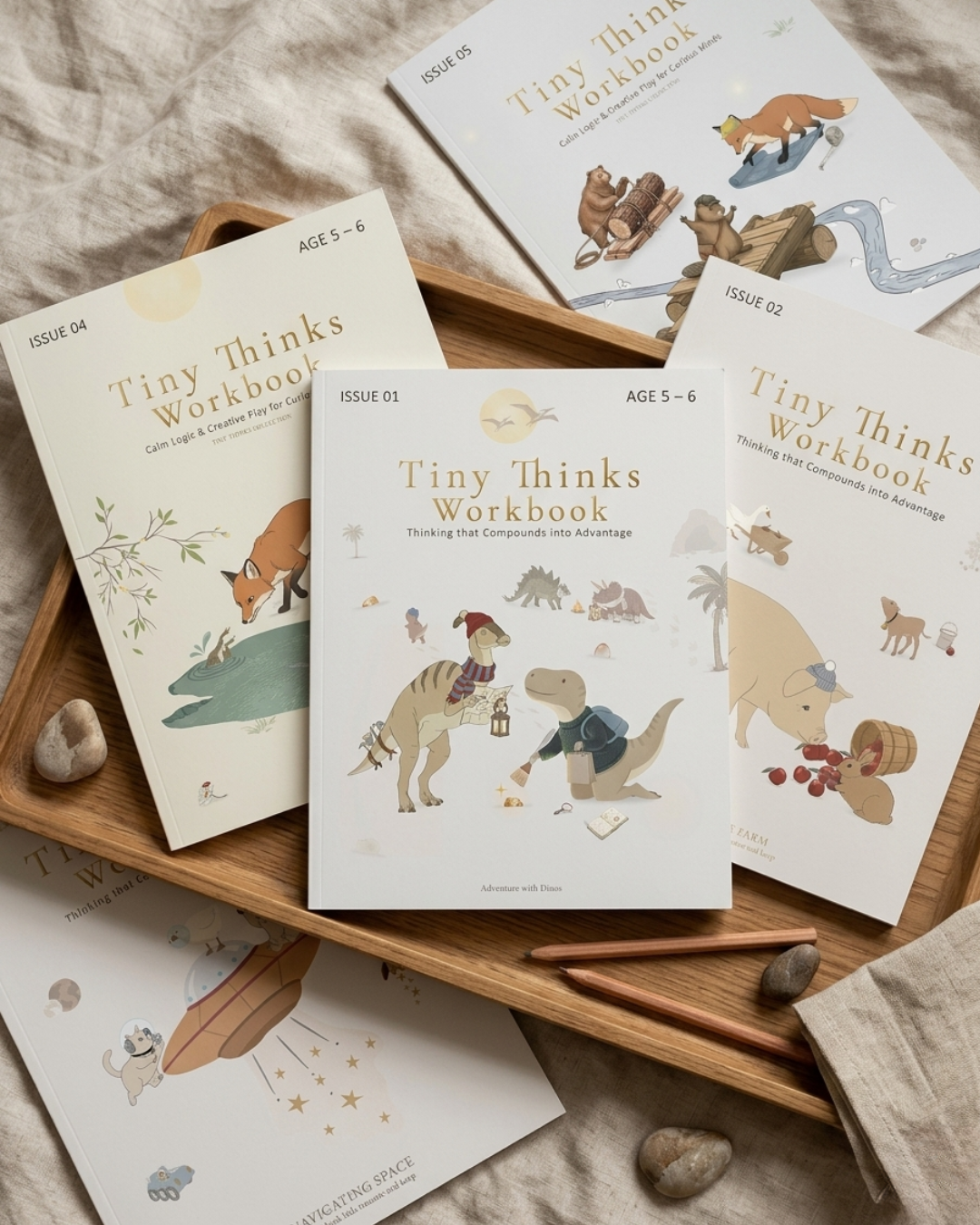
Quality matters: simple, calm, predictable media like a slow story or gentle puzzle fosters focus and easier transitions. For parents who need their kids settled, Tiny Thinks™ delivers with a Free Calm Pack and age-based workbooks that are screen free, visually quiet, and built for thinking, not distraction.
A New Perspective on Screen Time
Screen time is the reality of our daily lives in houses around the world. For the majority of families, screens are not a luxury or moral quandary; they’re a pragmatic tool for winding down, managing transitions, or just surviving a hard moment. The real culprit isn’t screens; it’s the velocity and randomness of content.
Rapid, autoplay videos fragment attention, particularly in young children (ages 3 to 7), whose regulatory systems are still developing. It’s not about how to get rid of screens; it’s about how to develop healthier cognitive scaffolding for their presence.
Quality Over Quantity
About: A New Approach to Screen Time A child who spends ten minutes engaged with a deliberate, carefully crafted educational video might end up calmer than a child who spends ten minutes with strobing, frantic clips. So it’s not about hours; it’s about content.
Media curation is now a foundational parenting skill. Thinking-inviting shows, such as pattern tales, soothing animation, and straightforward causality chains, construct stronger cognitive scaffolding than mindless diversion. When parents actually watch with their kid, even for a short time, it changes the game.
Pointing out details, pausing for questions, or repeating a scene develops both language and emotional intelligence. One quality, co-viewed video can accomplish more regulation and connection than an hour of background noise distraction. It’s not about zero screens, but about choosing tools that replenish, not exhaust, a child’s focus.
Co-Viewing Benefits
Co-viewing is not solely concerned with monitoring. It’s an opportunity to observe what captivates your child, what delights them, what baffles them, and what they mimic. This common time is a portal to their universe.
Sitting together, parents can ask questions to enrich understanding. Asking questions like, “What do you think happens next?” or, “How did she feel?” fosters critical thinking and empathy, not just lazy passive watching. These are important conversations.
About: A New Take on Screen Time. When parents co-view to initiate discussions of emotions, kids get a chance to rehearse managing feelings off screen. In families where co-viewing is the norm, tantrums about “one more video” begin to fade. The kid is not merely missing a dopamine hit; they are receiving an attachment, a buffer to frustration.
Digital Nutrition
Digital nutrition is providing the mind with content that encourages healthy development. The appropriate media, at the appropriate time, supports development. Too much, too soon, disturbs it. Guidelines help: choose content made for the child’s age, with clear structure, slow pacing, and no surprise ads.
Balance is key. Screens should never become more important than movement, face-to-face play, or quiet. Our kids need to witness us, as grown-ups, modeling habits of health: pausing, powering off notifications, and intentionally selecting media. This molds habits for life.
Beyond The Screen
Alternatives are key. When a video finishes and a kid melts down, it’s usually because there’s no scaffold in place to support them. Simple, tactile alternatives, such as matching cards, tranquil tracing, and a silent pattern page, provide a gentle touchdown.
Outdoor play, even a few minutes, turns over the nervous system. Easy family traditions, such as reading or having a snack together at the table, are building blocks of resilience. Screens can augment real life, not supplant it.
Tiny Thinks™ was designed for exactly these instances. The Free Calm Pack and age-specific Workbooks offer low-stimulation, predictable activities that kids naturally gravitate back to. Parents see the shift: less arguing, more focus, and quieter transitions.

How to Handle Video Tantrums
Video tantrums are the signature of the early years, particularly when quick, autoplay content becomes the default for calming kids after school or during moments of high stress. The thing is, screens aren’t the trouble; they’re used thoughtfully by most parents, but fast content shards attention and tougher transitions.
Tiny Thinks™ is founded on regulation-first, screen-free design and provides actionable alternatives for parents seeking a more serene path without guilt or coercion involved.
1. The PREP Method
The PREP Method gives parents a predictable, four-step structure for managing screen time: Preparation, Regulation, Engagement, and Post-Engagement.
Preparation is laying down the expectations while the screen is still off—direct, easy, consistent. Regulation is about keeping the storm as mild as possible, turning down the background noise, and opting for slower, non-autoplay fare when you can.
Engagement is proactive—nestling with your toddler for a moment, labeling when a video is coming to an end, incorporating a timer, and providing that ‘last video’ warning. Post-Engagement is providing a consistent follow-up opportunity such as a snack, a quiet play activity, or a simple task they can complete.
PREP parents see fewer meltdowns, particularly if the steps become habit. Toddlers and younger kids flourish with ritual and they do well when we know what happens before, during, and after screens.
2. The In-The-Moment Strategy
Dealing with video tantrums When a video tantrum begins, your first move should always be to reduce the stimulation in the room. Turn off the TV, dim the lights, and talk softly.
Give yourself a couple of slow breaths—kids mimic what they see. Instead of arguing, use a calm, short phrase: “Screen is done. Next is snack.” If your child is flooded, provide a tactile diversion—hand them a plushy, a picture match, or a pattern block.
Validate their frustration without lingering: “You wanted more. It’s difficult to put down.” Then, redirect fast, providing a new focus. Most kids calm down quicker when you don’t have the back and forth negotiation.
3. The Post-Tantrum Reset
Regulation, not a lesson, is the priority after a tantrum. Provide your child with a few minutes of silence. Other families rely on a “calm basket” with soothing textures, easy puzzles, or a zen workbook page.
Afterward, discuss briefly what occurred. You were hysterical when it was time to turn it off. Next time, we will do a timer. Reward any attempt your child made to bounce back. This develops resilience over time.
4. The Long-Term Goal
It’s not about banning screens, it’s about establishing a healthy rhythm around them. As time goes on, kids come to anticipate the routine—when screens occur, for how long, and what’s next.
The more regulation, the more independence. For those high-friction moments, parents could bring in low-key screen alternatives, like Tiny Thinks™ Free Calm Pack or our age-based Workbooks, that kids voluntarily go back to.
Tools for Screen Time Self-Regulation
Most parents know the “one more video” spiral: a child glued to fast, bright content, then melting down when it stops. It’s not the screen, it’s the pace—autoplayed clips that short-circuit young brains. Steady routines, clear rules, and practical tools are the keys to effective self-regulation, not guilt or big proclamations.
Tiny Thinks™ steps in here: regulation-first, screen-free, and built for pressure moments when children need to settle and focus.
Guidelines for Selecting Age-Appropriate, Educational Content
- Select shows and apps that have slow pacing, minimal visuals, and expected stories.
- Steer clear of autoplay. Opt for platforms where you have to actively open a video.
- Opt for content with obvious educational benefits, like counting, patterns, or sequencing.
- Utilize services with strong parental controls to vet what is viewed.
- Favor content providers that publish clear age ratings and learning goals.
- Engage kids in selecting to create ownership.
- Try visual timers and cues to bookend sessions so you’re not dropping them off a cliff.
- Create a family media contract committing to screen time limits and rules.
- Save screens for when and where they’re appropriate, not just because.
Tech Solutions
A number of apps give parents the ability to impose limits on screen usage, schedule breaks and review content kids watch. Daily caps, content filters and activity reports make it easy. From Apple Screen Time to Google Family Link to local alternatives, global families calibrate.
Parental controls are crucial—they don’t simply restrict, they scaffold safe, age-appropriate exploration. All families are unique. Some require granular timers, others prefer simple “off at dinner” reminders. Choose tools that fit your habits, not someone else’s.
Visual Timers
A basic sand timer or visual countdown clock can change the tenor of screen transitions. Children understand what they see: a colored bar shrinking, dots disappearing. These cues help make time limits concrete, not abstract.
Letting kids participate in setting the timer makes them less likely to resist when time’s up. They’re visual, so fewer battles before they begin—no more ‘five more minutes’! Anxiety subsides, transitions feel more certain, and your children begin to trust the routine. The timer is not a menace; it’s a visible limit.
Family Contracts
A family contract makes screen rules concrete — on paper, not in the ether. It’s a pact, collaboratively crafted, not dictated. Kids doodle, mums pen, all sign. This brings the rules to life.
It empowers kids with a voice, which increases buy-in and accountability. Contracts age with the child — what works at four won’t work at seven. Check in and revise together every few months. The contract becomes a living part of your home — visible, referenced, honored.
Designated Zones
Screens are optimal with borders. Set clear zones: screens in the living room, never in bedrooms or at meals. These zones safeguard sleep, concentration, and family bonding.
Tech-free spaces like tables and beds ground routines that count. Once screens have a ‘home’ other things take back their place. Children learn that everything has its time and place. The environment itself becomes the prompt.
Tiny Thinks™ is there for those high-friction moments—travel, after school, mealtime—where a child needs to settle, not spiral. The Free Calm Pack offers quick, tactile thinking pages: picture matches, patterns, simple tracing.
The workbooks build on this, providing each age group a soft landing from screen time. No stress, no fanfare—just a cool, organized avenue toward attention redemption.
When Tantrums Signal More
Tantrums are a way of life with young kids — particularly pre-4 years-old, when their brains are still figuring out how to control themselves. Most meltdowns after “one more video” are a normal response to emotional overload: the prefrontal cortex, responsible for impulse control, is under construction.
Yet, not every tantrum is simply about the here and now. Occasionally, frequent, severe, or long-lasting outbursts can signal deeper issues such as frustration, anxiety, or sensory overload. Knowing when a tantrum might be signaling something more is important. For parents, it’s not blame or overreacting; it’s noticing patterns and understanding the real needs behind the behavior.
Identifying Triggers
- Keep track of when and where tantrums strike, particularly near screens, before, during, or after.
- Pay attention if quick-hit, autoplay content causes you to have meltdowns more often or with greater intensity.
- Watch for environmental cues: hunger, tiredness, changes in routine, too much noise or stimulation.
- See if there are certain times of day, after school, before meals, and bedtime that are common problem areas.
- Look for signals that your child is overwhelmed: covering ears, withdrawing, or rapid mood shifts.
By taking on these triggers, you can decrease how often and how intense tantrums are, making children feel safer and more in control.
Recognizing Patterns
Maintaining a basic log — just notes on your phone or a small notebook — will soon indicate whether tantrums always precede certain triggers, such as moving away from screens or leaving loud spaces. For a lot of kids, tantrums tend to cluster after rapid digital stimulation or when there are disruptions to their routine.
If you find that meltdowns are becoming more frequent or intense, or new behaviors such as withdrawal or aggression are emerging, that’s the time to stop and investigate further. By the time kids are nearing four, their brain is maturing and their prefrontal cortex starts to catch up, making emotional regulation easier.
Until then, recognizing patterns and responding to them can help children navigate these stages with less drama. Proactively replacing high stimulation activities with slower, structured thinking play like simple matching or pattern work tends to help bring back regulation and reduce tantrum spirals.
Seeking Support
When serious tantrums stick around, consulting professional support is smart, not defeat. Child psychologists, pediatricians or behavioral specialists can help decode patterns and lead families through customized tactics. Many of us seek community in parent groups or community resources where the shared experience is less isolating.
Occasionally, what feels overwhelming turns out to be a pretty typical developmental phase. When behaviors interfere with daily life or become overwhelming, consulting early can help avoid them becoming a bigger battle down the road.
Tiny Thinks™ is here for those moments — not as a screen guilt trip, but rather as a go-to when a kid has to calm down, concentrate, and participate solo. The Free Calm Pack is designed for easy starts: structured, tactile pages that reset attention without overstimulation.
For continued support, our age-based Workbooks provide grounding, low-noise activities kids seek out themselves, particularly following sugar-high moments like after school, travel, or bedtime wind down. They do not have to do it all themselves. Tiny Thinks™ is a chill thinking layer for daily regulation.
My Unconventional Approach
Most parents are familiar with the ‘one more video’ moment. It’s almost never about the particular video; it’s about the pattern—rapid input, immediate reward and a child’s nervous system eager for the next hit. The subsequent tantrum isn’t a character flaw or a parenting slip up. It’s an understandable response from a youthful mind that’s been supercharged by fast, autoplay-fueled video.
Tiny Thinks™ was made for these moments—not as a screen judgment, but a relief valve for families who want a peaceful, organized way to reset.
Embrace Boredom
|
Teaching Self-Entertainment |
Excessive Screen Use |
|---|---|
|
Builds patience |
Reduces frustration tolerance |
|
Sparks creative thinking |
Limits imagination |
|
Strengthens focus |
Fragments attention |
|
Fosters independence |
Increases reliance on input |
|
Encourages problem-solving |
Weakens persistence |
Boredom is not a puzzle to address. It’s the jumping off point for innovation and agile thinking. When your kids whine they’re bored, their brains are craving newness. If every crack is filled with a quick screen, they miss the opportunity to create their own games and to go off on their own to discover quiet things.
A kid building a tower out of blocks, copying a geometric pattern or lining up junk by size is learning to sit with boredom and entertain himself. These are the times that attention and autonomy are developed. It’s convenient to just pass over a phone in a waiting room or in the middle of the after-school madness, but these small pockets of time are where kids learn to navigate themselves without unrelenting stimulation.
Model Behavior
Small children observe adult behaviors with near-scientific scrutiny. If a parent scrolls at dinner or peeks at texts at every downtime, kids view screens as the automatic cure for boredom or anxiety. Modeling healthy screen habits doesn’t imply device banishment, but rather demonstrating temperance by tucking a phone away during dinner, grabbing a book while waiting, or going on a silent nature stroll rather than scrolling.
Kids figure out what ‘normal’ looks like by observing what grownups really do, not what they say! When a parent opts for a peaceful, screen-less solution in frazzled moments, a kid is more apt to follow. Not perfect, just balanced.
Connect First
Before bargaining about screen time, a moment of connection shifts it all. As any parent knows, a mom or dad who gets down on one knee, makes eye contact and validates their child’s frustration usually meets with less opposition. ‘You really need another video. It’s hard to put down.
This easy acknowledgment establishes credibility and welcomes collaboration. Kids feel noticed, not controlled. Taking a brief, sincere moment to chat, whether a few sentences about their day, melts away barriers. Compassion doesn’t eliminate boundaries, but it helps us embrace them.
When a kid thinks their feelings count, they are more willing to attempt a calm alternative. Tiny Thinks™ exists for these high-friction moments: after school, travel, waiting rooms, meals, bedtime, when regulation is at its lowest and the need for calm is highest.
The Free Calm Pack provides parents with a no-prep, visual schedule that occupies a kid’s focus – screen free. For longer stretches, age-appropriate Workbooks keep hands and minds occupied, cultivating focus and pattern recognition in small, repeatable chunks.
These aren’t things to occupy kids. They’re a thinking layer – a way to reset, settle, and practice independent engagement when it counts.

Conclusion
While video tantrums can be challenging to handle, they are unmistakable warnings of a child’s nervous system having difficulty shifting gears from rapid, exciting input to slower real-world contemplation. Other families hear the same story—post-video, attention dissolves and frustration escalates.
These moments are not about willpower or discipline. They are about control. Kids need this calm, predictable structure in order to recuperate from the pace of screens. Swapping the next video in for a basic, hands-on sequence or a silent, thought-based activity forms that bridge. Over time, these predictable rituals reset their attention, increase patience, and help kids calm themselves. Tiny Thinks is all about constructing this calm thinking layer. It is not about mastering screens, it is about cultivating self-reliant minds for real life.
Frequently Asked Questions
What causes children to have video tantrums?
One more video tantrum Their little brains are addicted to the stimulation and dopamine hits from videos, which makes shifting to something else hard.
Are video tantrums normal?
Oh yes, video tantrums, yes. A lot of kids throw absolute fits when screen time is over. With reinforcement and consistency, the majority of children keep their tantrums under control.
How can I help my child handle video tantrums?
Establish solid screen time parameters and announce when it’s about to end. Provide engaging activities following screen time and remain calm during tantrums. Consistency gets kids used to it.
Can too much screen time affect my child’s mood?
Yes, excessive screen time affects mood and behavior. It can cause irritability, insomnia, and problems with concentration. Balanced routines are necessary for healthy development.
What tools help children self-regulate screen time?
Timers, visual schedules, and child-friendly apps can empower kids to monitor their own screen use. These tools build independence and good habits.
When should I worry about video tantrums?
If tantrums are frequent, intense, or impact daily life, consult with a healthcare professional. Sometimes, tantrums can be indicative of deeper emotional or behavioral issues.
What is an unconventional approach to video tantrums?
A few parents get innovative, like cardboard box forts or bedtime stories, to help kids communicate the video-crap. This promotes emotional awareness and positive communication.