- Key Takeaways
- The Screen Time Dilemma
- A New Family Blueprint
- Practical Alternatives to Screen Time
- Cultivating Calm Without Screens
- Leveraging Your Community
- Navigating The Transition
- Conclusion
- Frequently Asked Questions
- What are effective alternatives to screen time for kids?
- How can families reduce screen time together?
- Are non-digital activities important for child development?
- How can parents help children transition away from screens?
- What role can communities play in reducing screen time?
- How can families create a calm environment without using screens?
- Are screen time alternatives suitable for children of all ages?
Key Takeaways
- Mindless screen time can interfere with children’s brain development, attention span, and social and physical growth.
- Hands-on, sensory-rich activities such as imaginative play, movement breaks, and time in nature provide powerful screen alternatives that cultivate attention, grit, and critical thinking.
- Family rituals and spaces established for serene, device-free interaction minimize mayhem and bolster kids’ capacity to relax and self-soothe.
- Setting limits and talking openly about technology lays the foundation for healthy tech habits and deeper family bonds.
- Community resources like libraries, parks, and local programs offer great chances for socializing, acquiring skills, and lessening screen dependence.
- Weaning off screens is easier with small shifts, household contracts, and positive support helping to make it manageable and maintainable for all involved.
Engaging Alternatives to Screen Time for kids are activities that are planned and engaging and promote attention, sequencing, and independent play.
For kids ages 3 to 7, low-stim routines and soothing, tactile work provide dependable methods to calm down after hectic school days or during high-energy transitions.
In place of rapid, algorithmic stimuli, these alternatives rely on slow, steady rhythms to reset regulation and develop attention.
What follows are hands-on, kid-driven solutions. get the free Tiny Thinks activities.
The Screen Time Dilemma
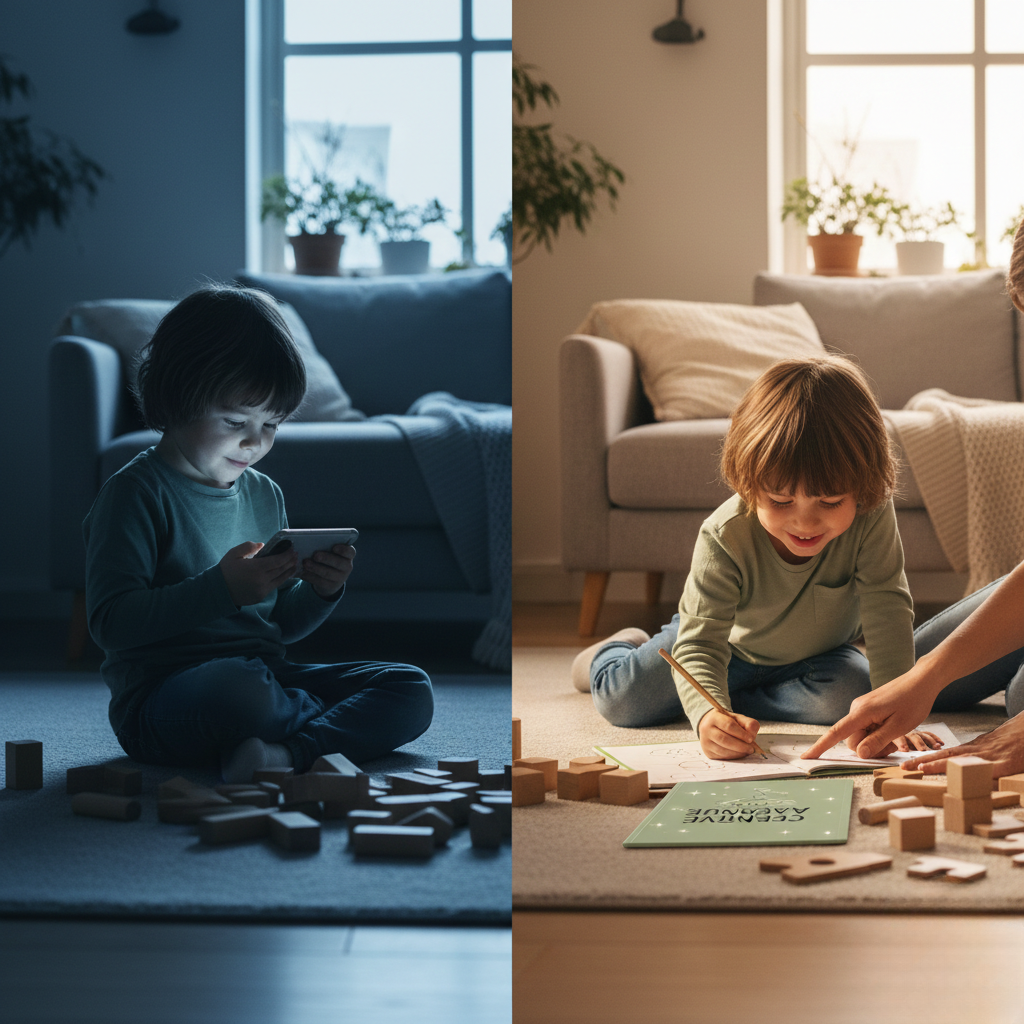
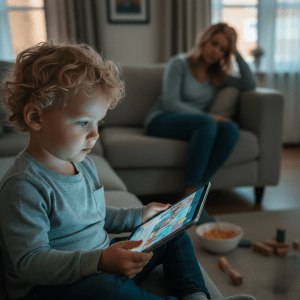
Screens are embedded in contemporary family experience and are useful, occasionally essential, and not intrinsically “evil.” Most parents already understand the compromises. The deeper concern is not just screen time but the impact of quick, autoplay-fed online content on young brains.
Children as young as a week old now encounter screens. For children under three, the brain’s wiring depends on real-world interaction, which includes adults, toys, and the environment. For families who want a calmer, more sober path forward, the point isn’t to demonize screens; it’s to see how digital exposure affects attention, social skills, health, and independent thought.
|
Impact Area |
Excessive Screen Time Risks |
Observable Signs |
Long-Term Effects |
|---|---|---|---|
|
Brain/Cognition |
Disrupted neural pathways; attention loss |
Shortened focus; restlessness |
Impaired critical thinking |
|
Social Skills |
Reduced empathy, less real interaction |
Withdrawal; poor cooperation |
Underdeveloped social reasoning |
|
Physical Health |
Sedentary habits, poor sleep, eye strain |
Fatigue; posture issues; weight gain |
Chronic health risks |
|
Addiction |
Reliance for comfort; compulsive use |
Tantrums when stopped; sneaking screens |
Dependency; poor regulation |
Brain Development
Rapid screen content circumvents the gradual means by which attention, working memory, and actual problem solving are developed. Kids require hands-on interaction — blocks, puzzles, matching games — to establish the neural pathways for sequencing and critical, creative thinking.
When screens usurp tactile play, the brain loses out on this foundational wiring. Play — and specifically unhurried, open-ended play — is how kids put ideas to the test and learn patience. Too much screen time, particularly for toddlers under 3, is linked with reduced attention spans, more frustration, and less independent concentration.
Social Skills
Face-to-face time — talking, listening, reading emotions — teaches kids empathy and self-regulation. Screens, in particular solo use, tend to displace these moments. Team play, group storytelling, and shared chores develop communication and cooperation.
When screens reign, kids skip out on valuable opportunities to hone their skills to navigate peer conflict or decipher subtle social cues.
- Preparing meals together
- Reading stories aloud
- Building forts or puzzles as a team
- Playing simple board games
- Family walks and nature scavenger hunts
Screens can short-circuit the glacial work of conflict resolution. A kid who opts for screen time instead of hashing out an argument misses out on important experience in negotiation and compromise.
Physical Health
Active play, such as running, skipping, and climbing, fights the sedentary screen draw. When children move, they balance energy and nourish healthy body growth. Fewer screens lead to better sleep, better mood, and less eye strain.
Parents who model screen limits and prioritize movement help set enduring habits.
|
Benefit |
Effect |
|---|---|
|
Improved Sleep |
Less blue light, better circadian rhythm |
|
Mental Health |
Lower anxiety, better mood |
|
More Active Play |
Increased physical fitness, stamina |
A New Family Blueprint
A new family blueprint is about moving your home environment, daily rhythms and rituals out of high-stimulation digital intake and into calm, intentional connection. Studies see kids spending more than three hours daily on gadgets aside from college, regularly with friction at home over restrictions. The real problem is not screens per se but how swiftly autoplay-fueled content drowns emergent attention.
A new family blueprint helps kids view screens as one tool of many, not the star of the show. It is about designing environments, habits, and traditions that assist children in self-regulating, self-settling, and self-engaging on their terms, without endless discussions.
Redesign Your Space
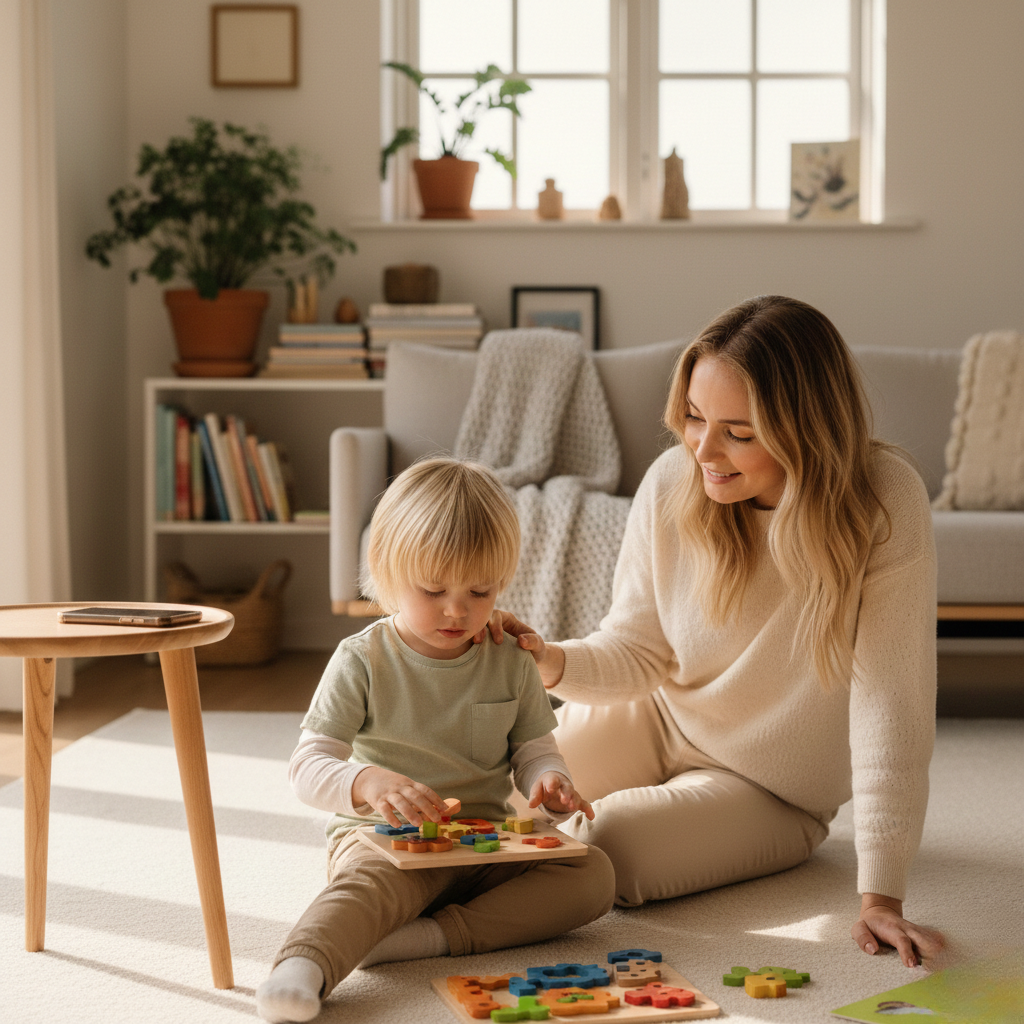
Most families inhabit environments engineered for practicality, not thought. Kids gravitate to screens because they’re the most immediate, convenient choice. By turning common areas into welcoming spaces for imaginative play, we provide kids with a concrete alternative.
Other parents have a low table with easy puzzles, blocks, or picture-matching cards in the middle of the room instead of the remote. Calm corners — soft rugs, a basket of tactile objects, gentle lighting — provide a respite from sensory overload, particularly post-school or post-travel.
Set aside shelves or bins for art, building, or reading. This eliminates visual overwhelm and allows kids to begin and end independently. Natural light and soft furnishings encourage relaxation; consider pillows or fabric canopies. Even modest revisions, such as a designated blank canvas for sketching beneath a window, can move the family’s center of gravity away from the screen.
Redefine Your Time
It’s easier for families to set boundaries when routines are predictable. Weekly game nights, walks, or dinners become cornerstones. Other families arrange for some “green time” at the park or garden.
This fosters curiosity and combats the decrease in outdoor activity associated with more device use. Daily routines might incorporate screen-free time for intentional family connection, like a post-school silent hour for imaginative play or reading.
Inspire kids to explore hobbies—drawing, constructing, basic science kits—by keeping supplies prepared and on display. When children see adults model these habits, it reinforces the message that screens are part of life, not the default.
Reconnect Your Rituals
Reconstituting family rituals need not be nostalgic or grandiose. Easy traditions—story time, cooking together, sharing highs and lows of the day—build connection and regulation. Mindfulness, such as a minute of slow breathing before dinner, calms the nervous system after an active day.
Tech-free meals are an obvious boundary; they encourage conversation and lead by example. At bedtime, transitioning from screens to still time—story, soft sketching or memory games—calms them.
Tiny Thinks™ Calm Pack is designed for these moments: visually calm, structured, and easy for children to use alone. Moms and dads observe their children gravitating back to these pages, unbidden, during that after-school crash or pre-bedtime wind-down.
To provide structure for this fun learning, our age-based Tiny Thinks™ Workbooks keep attention steady and routines predictable, providing parents a trusted tool for calm engagement—no hype, just what works.
Practical Alternatives to Screen Time

Screen-free solutions aren’t about demonizing screens. They’re about giving children a stable, reliable framework in a time of extreme overstimulation when autonomous concentration is in desperate demand. These calm, hands-on interventions can intercept after-hours spiraling energy or a dreary waiting room.
These practical, regulation-first alternatives help kids settle, think, and engage without the fast input of digital media.
1. Creative Pursuits
-
Drawing, painting, and crafts can really help kids settle after a long day. A box of colored pencils, a stack of blank paper, and a roll of tape offer unlimited possibilities without an overwhelming array of choices. Kids can chalk up the driveway or make sock puppets from rags.
-
DIY projects—making paper airplanes, constructing a felt story board, creating a nature collage—repurpose what’s lying around the house. Simple supplies, clear steps and repeatable results encourage independent initiation.
-
Building with Legos, blocks or Magna-Tiles provides kids a hands-on avenue to direct their attention. There’s a sequencing challenge in sorting, stacking and building, which supports working memory and calm persistence.
2. Cognitive Challenges
-
Board games and good old Go Fish or Crazy Eights provide a great outlet for cognitive thinking that’s a bonding experience for the family. These games develop pattern recognition and frustration tolerance.
-
Brain teasers, easy puzzles, and scavenger hunts indoors or outdoors keep those minds busy. Nothing gets creative juices flowing more than storytelling prompts. Things like fabricating a felt board story or sketching a comic strip ignite narrative glue and imagination.
-
Science experiments with common items around the house, or collecting leaves and stones to make a nature bracelet, foster curiosity and hands-on exploration. A quick scavenger hunt or matching game can generate concentration.
3. Movement Breaks
-
Quick dance parties or active games of tag between transitions help calm the wiggles. The kids can hang with some simple yoga or mindfulness exercises, practicing slow breathing and soft movement.
-
Outdoor play—running or jumping or just lying in the grass—gives that precious break from inside noise. These moments provide a physical reset and emotional regulation.
4. Household Contributions
-
Age-appropriate chores, such as setting the table and sorting laundry, can be positioned as small, winnable challenges. These develop both agency and routine.
-
Cooking together—from stirring batter to selecting a recipe—encourages involvement and skill development.
-
Family projects such as organizing a communal shelf or decorating an area promote collaborative efforts and achievement.
5. Nature Connections
-
Walks in local parks, nature reserves, or even the backyard provide kids an immediate outlet for decompressing. Collecting things for a shadow box or just watching wildlife anchors their focus and inquisitiveness.
-
Gardening, watering, digging, and planting seeds all instill a sense of responsibility and deliver a calm, sensory rush.
Tiny Thinks™ are meant for these moments. Free Calm Pack provides organized, screen-free thinking work for settling after school, at the table or on-the-go.
Kids grab a page, get going on their own, and return without nagging. For families wanting more, age-specific Tiny Thinks™ Workbooks prolong tranquil thinking habits, bolstering concentration and self-directed focus wherever you are.
Cultivating Calm Without Screens

Cultivating calm for toddlers isn’t about banning screens. It’s about providing actionable, small-scale alternatives that calm both mind and body. It’s not to be preachy about screens, but rather to insert alternatives that return calm and agency where it’s most urgently required.
Regulation-first screen-free routines equip kids with the reset they need after overstimulation, whether it’s a packed day, digital transitions, or typical familial chaos. Below is a checklist of calming activities and environmental strategies for parents seeking dependable, low-effort options:
- Plant care: Gently watering a plant or wiping a leaf allows a child to slow down, notice details, and experience responsibility. This links science with the senses, providing a soothing cadence and a chance to observe.
- Physical movement: Setting up a simple obstacle course with cushions or tape lines on the floor challenges both the body and mind. Movement assists in regulating by helping to release the accumulation of extra energy, particularly after extended indoor or screen time.
- Nature connection: Time spent outdoors, whether it is collecting leaves, lying in the grass for two minutes, or watching clouds, builds observation skills and offers a natural reset for fragmented attention.
- Art with natural materials: Forming a mandala out of stones, leaves, and sticks engages creativity and provides tactile feedback that anchors attention.
- Reading: Sharing quiet reading time or letting a child look at picture books supports vocabulary, comprehension, and a natural wind-down from overstimulation.
- Cooking projects: Measuring, pouring, and mixing ingredients involve sequencing and real-life math. This transforms routine moments into hands-on learning.
- Imaginative play: Creating stories, characters, and plots using puppets, simple props, or just voices helps children process emotions and build narrative thinking.
Sensory Bins
Sensory bins offer a controlled, hands-on environment for kids to engage with textures such as rice, beans, or polished stones. As hands sift, scoop, and pour, nervous systems get calm feedback and fine motor skills are sneakily reinforced.
We can theme sensory bins, such as “ocean,” “garden,” or “construction,” to ignite the imagination and captivate even the wildest tot. These bins aren’t busywork. When a toddler is overstimulated or tantruming, a trusty sensory bin provides a consistent, tangible buoy to help them regain equilibrium.
For parents, setup and cleanup are minimal and once introduced, kids frequently gravitate back to them on their own, especially in those moments of stress such as after school or mealtime transitions.
Quiet Corners
One long pillow, a low shelf of books, a basket of crayons—quiet corners are about predictability, not perfection. Kids figure out that these corners are theirs, opting for quiet, solitude, and focus when they get overwhelmed.
The key is consistency: the same spot, the same materials, every day. Parental prerogative, parents don’t have to control every minute. Gradually, the kids flock to quiet corners on their own and use them to relax and decompress, to think, or just sit and observe.
Quiet corners transform the household from reactive to regulated, creating a self-settling habit that endures.
Mindful Moments
Easy breathing exercises, counting to four on each inhale and exhale, can be introduced at any age. Mindfulness needs no special training. Labeling what you’re seeing, hearing, or feeling in the moment helps kids ground themselves in the present, particularly when emotions are intense.
A gratitude jar or picture board provides kids with a quiet moment to reflect on their world, cultivating emotional consciousness. A few minutes of short, guided meditations or soft background music, for example, can change the tone of a room in minutes, making them practical tools for regulation.
Tiny Thinks™ is made for just these times. Child-led, research-backed activities from the Free Calm Pack and age-based Workbooks create visually calm, structured activities that settle the mind and rebuild focus. No policing required; merely a lure to calm, over and over.
Leveraging Your Community
Screen-free routines flourish when families engage with their local community and each other. Most communities provide a variety of easily implemented, organized options that disrupt the digital loop without requiring continuous parent exertion. In addition to supporting children’s regulation and focus, tapping into these systems helps families build lifelong relationships and belonging.
Examples of local resources and programs for screen-free activities include:
- Public libraries with story times, reading challenges, crafts, and workshops.
- City park programs, sports leagues, and family nature walks.
- Community centers offering music, art, or practical skill classes.
- Volunteer opportunities for families and children.
- Neighborhood gardens or group cooking events.
- Parent groups or online forums for sharing ideas.
Local Libraries
Frequent library visits instill a silent, routine cadence, which is precisely what a shattered attention system requires to reboot. Almost every library in the world has weekly story time, reading circles, or seasonal reading challenges that are completely screen-free and require minimal effort on the part of the parents.
Libraries sometimes offer free workshops, easy crafts, or even beginners’ courses on making or storytelling. These are all inclusive activities that support kids at various ages and skill levels. Audiobooks, picture books, and early reader series can be taken out for home, allowing kids peaceful choices for independent time, promoting creativity and reducing excess screen time.
This social learning occurs organically at the library events. Kids observe other kids immersed in a book or art project, and the environment inherently demonstrates deliberate, slow engagement. Parents bond with other parents navigating these screen transitions, swapping advice or even establishing co-sharing schedules.
Park Programs
Outdoor park programs are a lifeline for kids who need to run, unplug and distance themselves from rapid input. Most cities provide free or inexpensive sports clinics, nature walks, or group games for 3 to 7 year olds. These sessions are intentionally unhurried and promote collaboration, patience, and sharing, important skills screens seldom encourage.
Whether it’s gardening, guided hikes, or an environmental discovery day, nature-based activities teach children to feel a connection to their surroundings. Park events bring together families who might not have encountered one another, with parents lending support and kids making friends.
Basic exploitation of park amenities—picnic tables, walking paths, open fields—provides screen-free scaffolding. Community potlucks or weekend gatherings provide an opportunity for kids to play autonomously in a controlled, safe group setting.
Shared Skills
Skills flow organically from families and communities. A child learning to roll dough with a grandmother, fold origami with a neighbor, or plant seeds with a friend gains more than just temporary entertainment; these activities promote creativity and personal interaction. They require pattern, patience, and pride, all of which are essential for healthy development.
Community workshops, typically held by libraries or local centers, instruct hands-on skills such as cooking, basic woodworking, or crafting. These environments provide kids with hands-on experience, patient one-on-one guidance, and the chance to retry or perfect a technique.
Having your kids exchange their own skills in small groups empowers confidence and fosters real connection. It could be as simple as showing a peer how to construct a block tower or sharing a favorite song. In time, these common experiences fortify concentration and communal confidence, reducing reliance on technology.
Tiny Thinks™ takes this concept back to the home with their Free Calm Pack and age-specific workbooks for self-starting, repeatable focus. This system offers instant succor at high-friction points—after school, dinner, travel, or bedtime—without parent enforcement or continued newness.
It’s not a screen judgement; it’s a dependable, regulation-first choice for fams looking for tranquility and order.
Navigating The Transition
Swapping screens has nothing to do with forbidding or guilt. It’s about recapturing serenity, concentration, and autonomous cognition. Most parents see the same cycle: after a day of fast input, children struggle to settle, bounce from activity to activity, and resist quieter forms of play.
The aim is to establish a structural transition, one in which kids step away from screens and into self-directed, low-stimulation activity. This transition fares best when it’s predictable, collaborative, and anchored in routines, not abrupt rules. Regulation is the result, not the point of departure.
The Family Pact
A family bargain gets everyone involved. Instead of enforcing top-down rules, ask your kids to assist with setting screen limits and generating alternatives. This could be as easy as a paper contract or a wall chart. The important thing is that it is visible and communal.
Families could set an agreed-upon daily screen cap, designate explicit “screens off” areas, such as the dinner table, and have built-in after-school quiet time. Every family member can propose offline activities. Some families rotate the choice: one day it’s building blocks, another day sorting objects, another day matching cards.
It’s not variety for the sake of variety, but giving each kid a voice. These tasks need not be fancy. Drawing, tracing, picture matching, singing simple songs, and sorting household items all count. Go over the pact once a week. Observe what was effective and what wasn’t and evolve as one.
This keeps the process organic and helps children view rules as changing, not punishment. Eventually, the agreement turns into a reliable lodestar. Kids punch the chart, parents nudge supportively, and all parties have an architecture to rest upon. Visual reminders, like picture schedules, help younger kids anticipate the change and minimize meltdowns.
The Gradual Wean
A controlled tapering works better than a hard stop. Begin by carving out ten minutes from standard screen windows, then replace that void with a quiet, self-directed activity. Set timers to create clear boundaries and help kids know what’s next.
The goal is to equip kids to transition from one activity to the next without anxiety—a life skill that extends well beyond screens. Slowly wean in new routines. Maybe after school is forever a silent scavenger hunt until dinner, or bedtime always closes with an effortless sorting scooper.
Consistency trumps novelty. Celebrate small wins: a meltdown averted, a child who sits quietly sorting for five minutes, a sibling who joins in. Screen limits that fit your kids, your family, your life. Exercise, such as a walk or light stretching, can re-set energy after screen exposure.
The Inevitable Pushback
Resistance is to be expected. Kids are hardwired to like quick, dopamine-laden stimulation. Prepare for whining, bargaining, and even flat out rebellion when the new schedule kicks off. Name this plainly: “We’re all used to quick TV after school. This will freak you out initially.
Talk frustrations on the table, but don’t get stuck—get going. What instead can we do?” Provide options, “Would you like to match cards now or after snack?” This re-establishes a sense of control. Use positive reinforcement when children stick to the new plan: “I noticed you started your puzzle as soon as the timer went off.
Small, targeted praise builds buy-in. Celebrate each successful transition, even if it is short. Normalize setbacks. Nobody has to be flawless in order for this to be effective. As they get used to this slower, more tactile input, their resistance subsides and their independent engagement increases.
Tiny Thinks™ was made for these very occasions. The Free Calm Pack provides uncomplicated, visually soothing activities for screen transitions, mealtimes, or bedtime wind-down. Children grab an organized, quiet page, and in minutes, focus wanes.
For continued scaffolding, age-specific Tiny Thinks™ Workbooks offer a consistent, thought-centered framework kids come back to without parental coercion or new-shiny syndrome required. These aren’t pastimes for amusement but thought design that helps kids recalibrate and relax in whatever instances screens are not the solution.
Conclusion
Screen time is the default filler when families need a pinch hitter, but it almost never brings the peace or attention that most parents seek. Kids flourish on experiences that are slow, structured, and tangible — experiences that allow their minds to settle and engage. These little tweaks, whether replacing quick screens with quiet, pattern-based play or handing your kids simple tasks in the madness of the moment, generate genuine behavior change. Communities can exchange what’s working and what routines and ideas make the transition feel less lonely.
Over time, kids start to look for these more tranquil alternatives themselves. Less distraction, less resistance, and more concentration. Building this kind of calm thinking layer takes intention, but the payoff shows up in everyday moments: quieter dinners, smoother transitions, and more independent play.
Frequently Asked Questions
What are effective alternatives to screen time for kids?
Get kids outside, engaging in family fun through arts and crafts, reading, playing board games, or conducting simple science experiments. These choices foster creativity, education, and social development.
How can families reduce screen time together?
Establish a routine, define screen boundaries, and organize quality family moments such as cooking, sports, or storytelling. Consistency and engagement keep everyone on board with the transition.
Are non-digital activities important for child development?
Yes, non-digital activities encourage physical health, social skills, and cognitive development. They promote outdoor adventure, collaboration and mindfulness.
How can parents help children transition away from screens?
Ease in new activities like board games or podcasts, give them options for free fun, and have patience. Engage kids in choosing the alternatives to foster positive habit formation.
What role can communities play in reducing screen time?
Communities can organize group outdoor adventures, workshops, or kids’ clubs. They provide kids the chance to make friends and find new passions off screen.
How can families create a calm environment without using screens?
Promote quiet time with books, audiobooks, or mindfulness activities for family fun. Regular schedules and calming rituals help kids de-stress and feel safe.
Are screen time alternatives suitable for children of all ages?
Yes, many of the alternatives, such as reading audiobooks, crafts, and outdoor play, can be age adjusted to promote family fun and creativity.