
- Key Takeaways
- Why Calm Routines Matter
- Design Your Calm Routine
- Age-Specific Strategies
- Powerful Calming Activities
- The Parent’s Role
- Overcoming Common Hurdles
- Conclusion
- Frequently Asked Questions
Key Takeaways
- Calm routines make kids feel safe and lower their stress. They make life easier for the whole family.
- Establishing uncomplicated, calm routines fosters improved sleep, enhanced emotional regulation, and healthier brain development in toddlers.
- Mindfulness and sensory-based activities, such as gentle movement or imaginative play, naturally assist children in controlling stress and communicating their emotions.
- As parents, we are key in this process by modeling calmness, consistency, and nurturing environments.
- Flexibility is key. Be prepared to tweak routines for your child’s evolving needs and allow them to co-create activities for improved involvement.
- So even with crazy schedules or sibling dynamics, those small calming rituals and regular check-ins really go a long way to create a peaceful, connected family life.
Calm routines for kids are a series of predictable steps that take them through a moment. For kids 3–7, a calm routine minimizes cognitive load and encourages focus, whether after school, at mealtime, or bedtime. Some families use simple activity-based supports, such as those in the Tiny Thinks system, to structure these transitions without adding more screen time.
Soothing, hands-on activities and repeated signals provide kids a feeling of control and security. In the excerpt below, we investigate how calm routines establish a stable cognitive context for toddlers.
Why Calm Routines Matter
Calm routines are a practical armor for parents facing the challenges of overstimulation and attention fragmentation in young children. When the day is jam packed with noise, chaos, and rapid-fire input, a calm routine provides a predictable, screen-free opportunity to reset. For a broader breakdown of alternatives to screens, see this core guide on screen-free activities for kids ages 3–7
These routines are more than just silent; they lay the groundwork for self-regulation, clearer thought, and long-term well-being. The benefits are observable: fewer tantrums, less resistance, smoother transitions, and more settled evenings. Calm routines are not a luxury. They are scaffolding for developing brains.
The Science
As we saw in Chapter 1, research has demonstrated that consistent, low-stimulation routines help children regulate their emotions and reduce stress. Predictable patterns alleviate the cognitive burden, enabling kiddos to focus and absorb.
Calm, repetitive routines lower children’s cortisol levels, which is an indicator of stress and helps improve emotional stability. A calm bedtime routine, for instance, is associated with quicker sleep onset and fewer night wakings.
Mindfulness practices, whether simple breathing or tactile activities, engage networks in the brain that are responsible for attention and self-regulation. These small, structured neurological moments build pathways that support long-term attention and working memory. Activities like matching, sequencing, and copying patterns align closely with early thinking development explained in early logic skills for kids ages 3–7
Calm routines generate a low-arousal environment in which kids are more likely to listen, learn, and internalize discipline.
Emotional Regulation
A calm routine provides children with consistent, anticipated signals, which decreases stress and conflict. When a child knows what to expect next, their internal SOS alarm settles.
This predictability bolsters self-discipline and keeps emotional overwhelm at bay. Kids do not resist or melt down when they can anticipate transitions.
Small habits such as a visual daily schedule, a consistent after school come-down, or a brief breathing exercise support kids in noticing their emotions and learning to pause before reacting.
Cultivating an emotional vocabulary with picture cards or calm talk allows kids to define frustration or joy without spinning out. Over time, these small steps create giant shifts in strength and patience.
Brain Development
Early childhood is a crucial period for brain development. Calm routines offer the structure the busy, developing brain needs to embrace and organize new experiences.
Mindfulness activities, like copying a pattern or quietly matching pictures, bolster cognitive functions including sequencing and working memory. These skills provide the foundation for reading, problem-solving, and independent initiation.
Nurturing environments, anchored by calm routines, support children in developing executive function, which includes planning, flexibility, and sustained attention. Consistent routines instill healthy habits, from balanced meals to physical activity, promoting well-being.
When kids own a little piece of a routine, they feel confident, independent, and responsible.
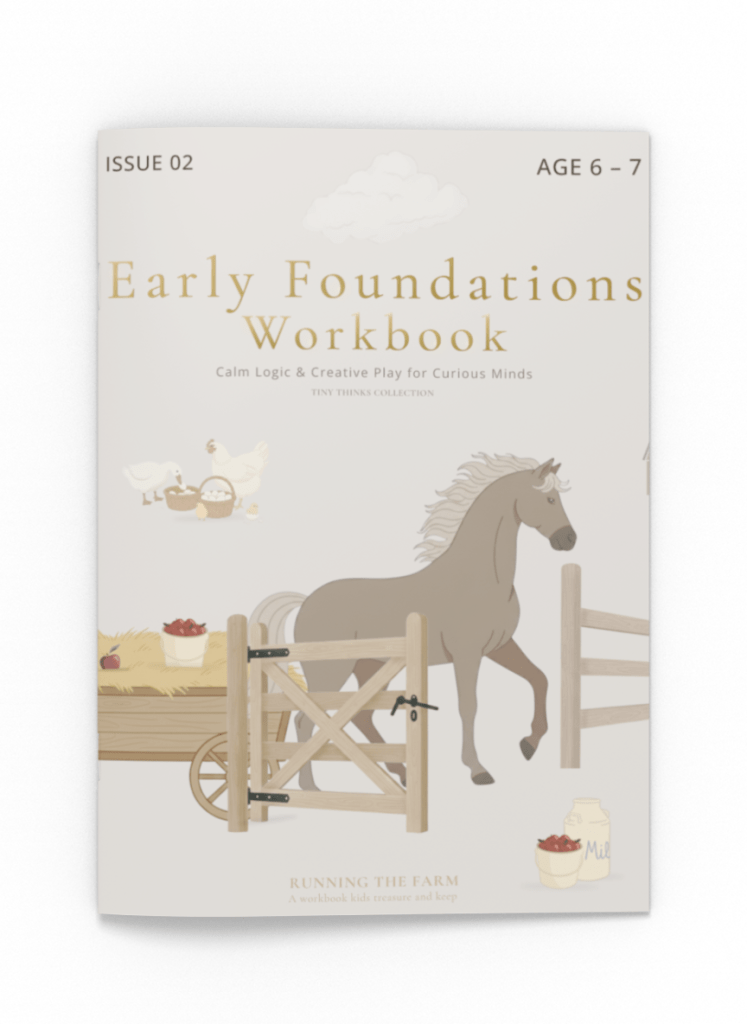
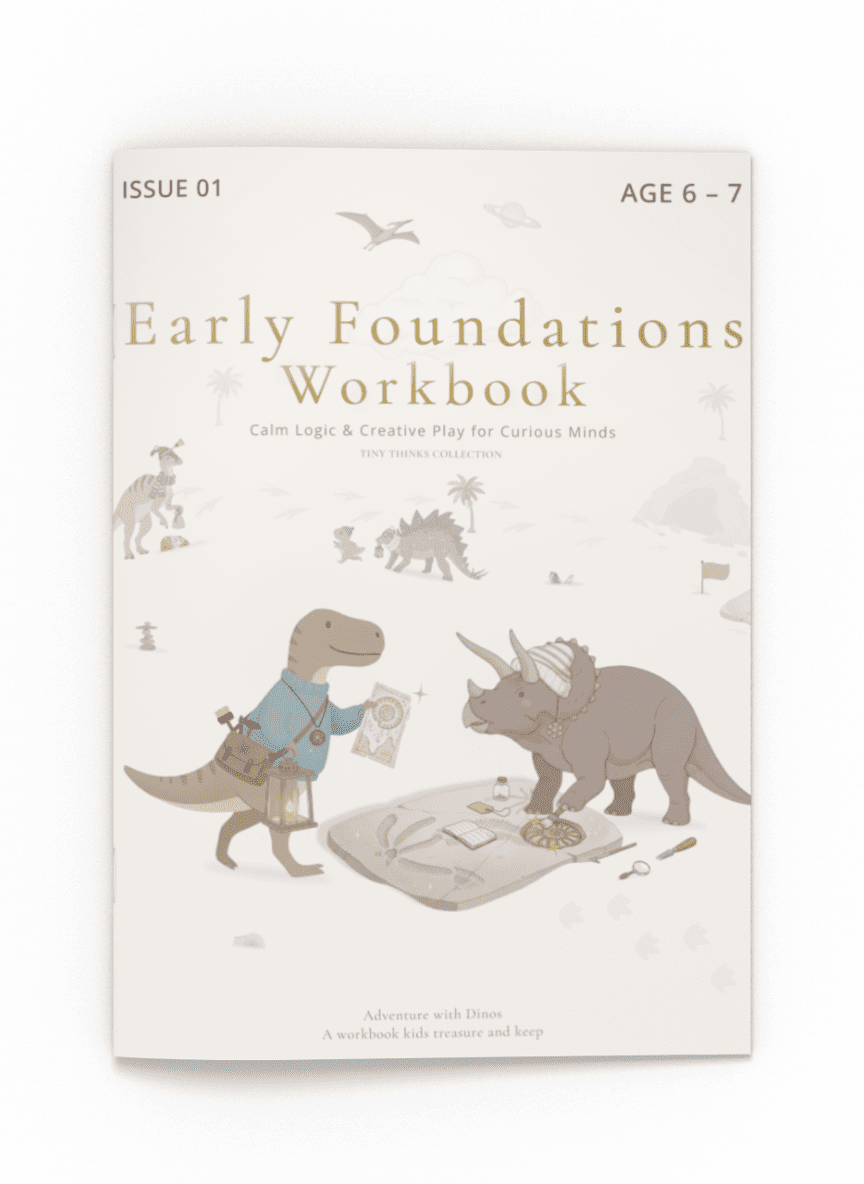
Tiny Thinks™ was made for these moments—afterschool, during dinner madness, before bedtime, or in waiting rooms when kids need to calm down and parents need a trustworthy, screen-free solution.
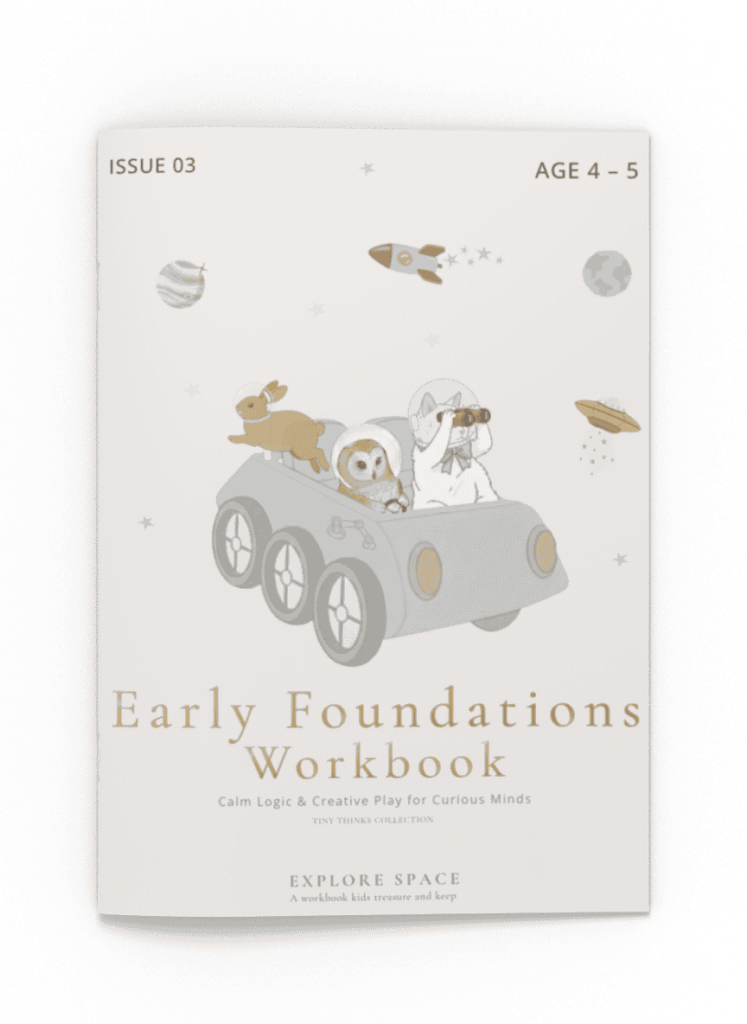
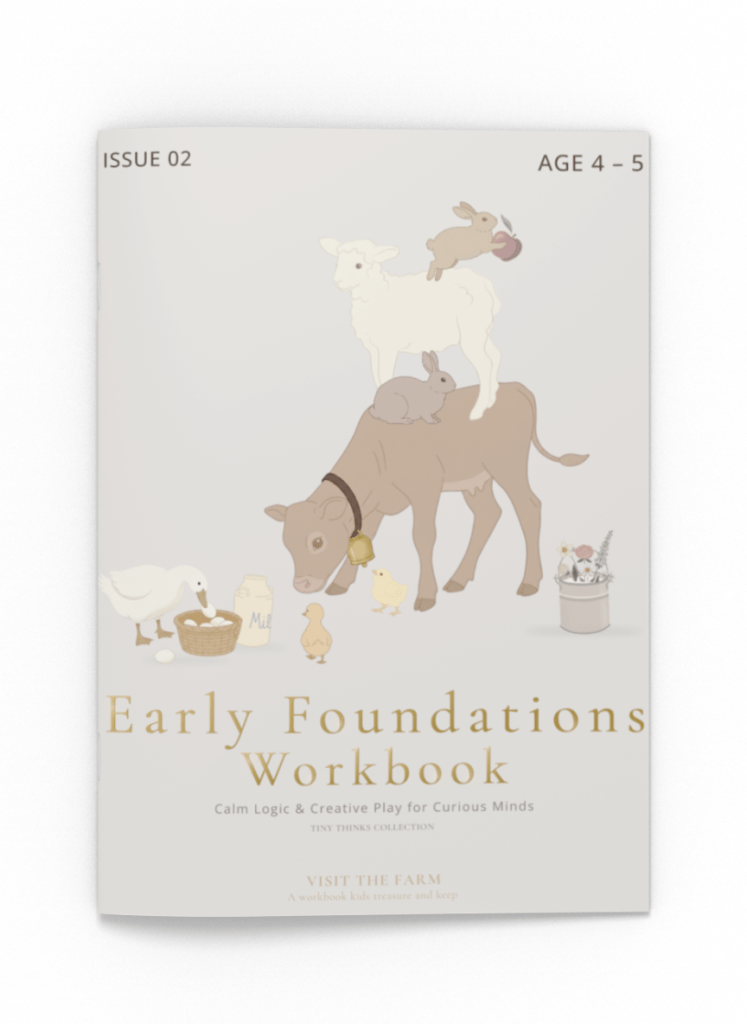
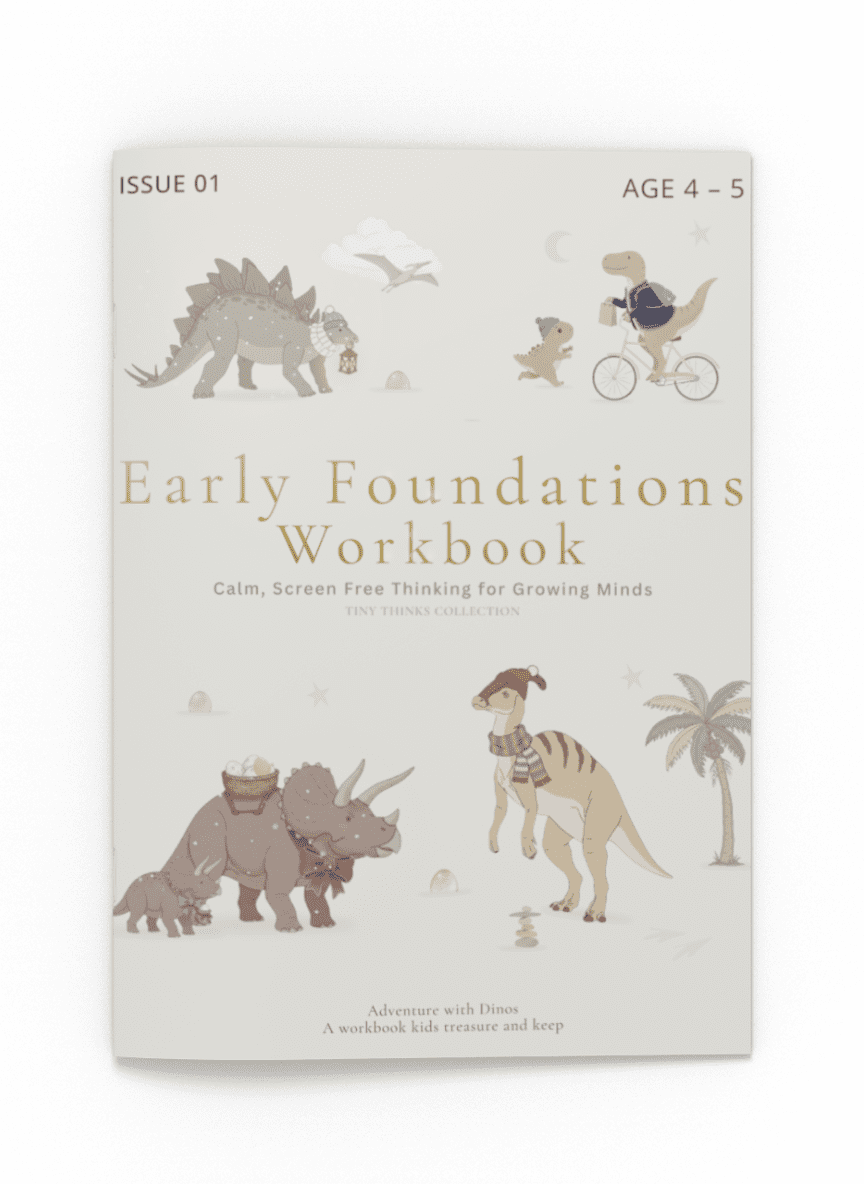
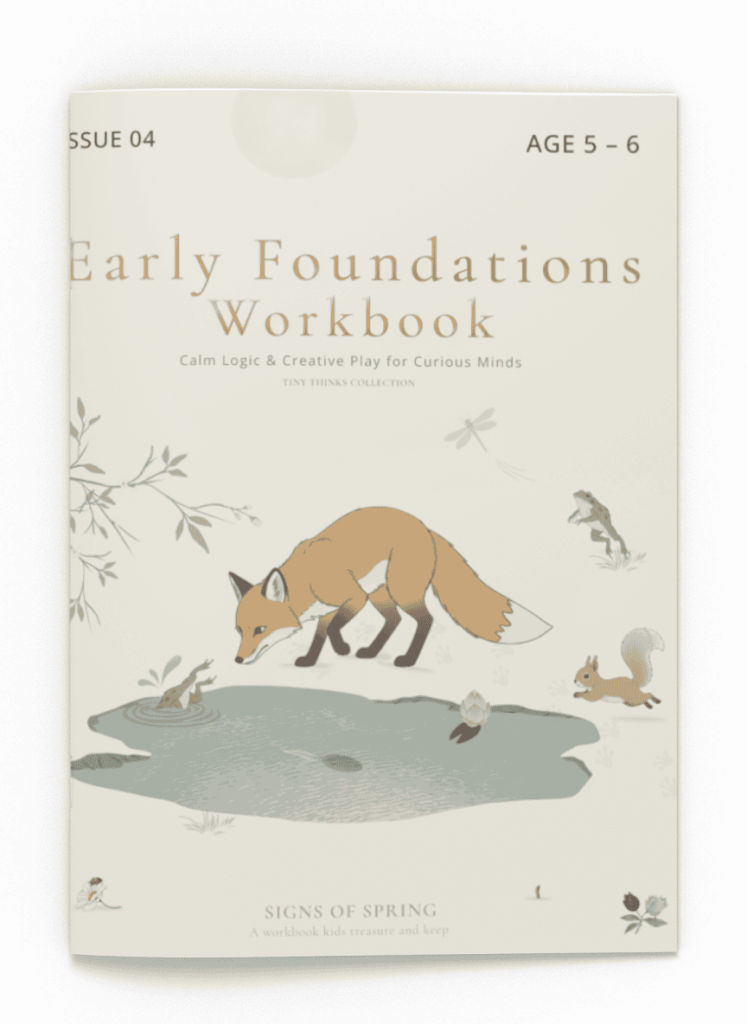
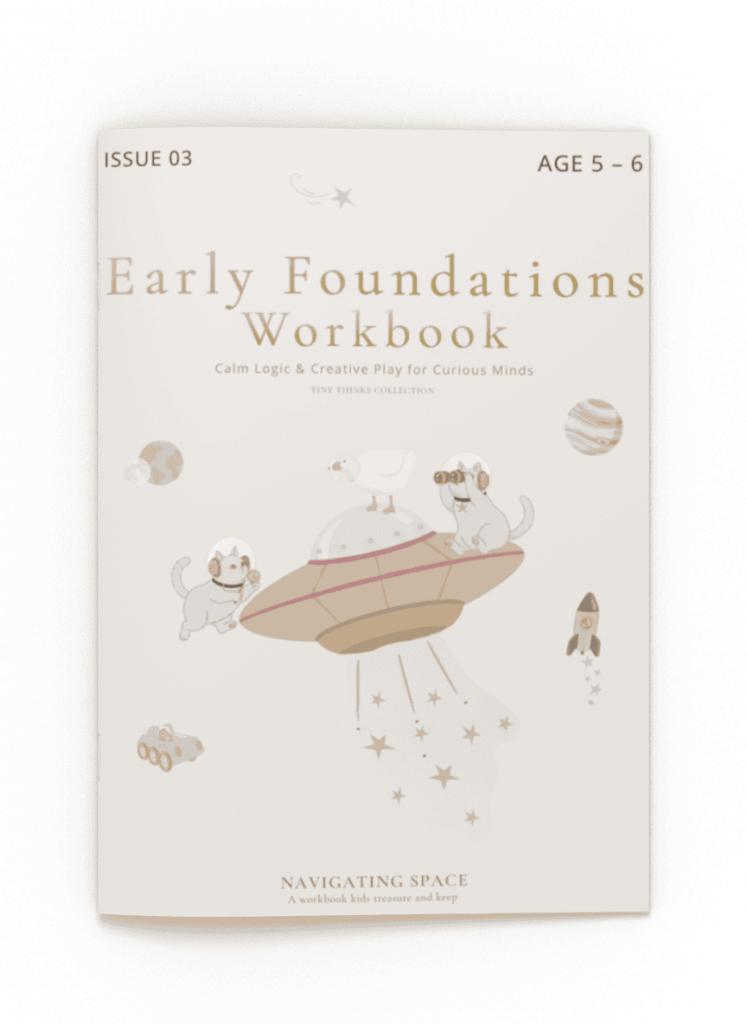
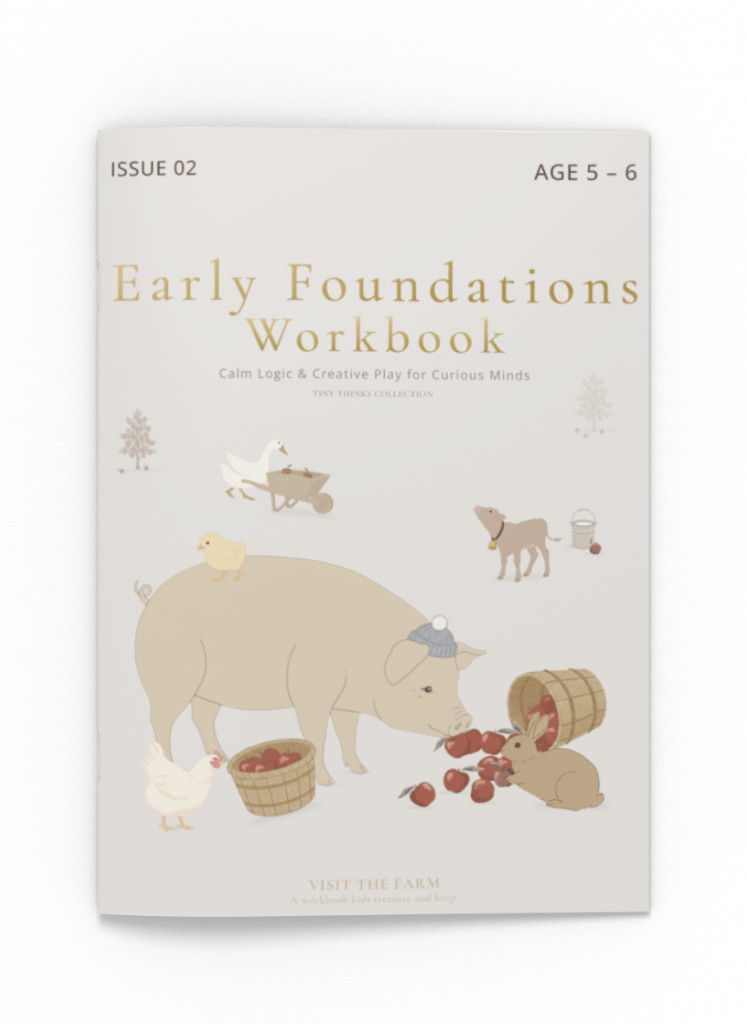
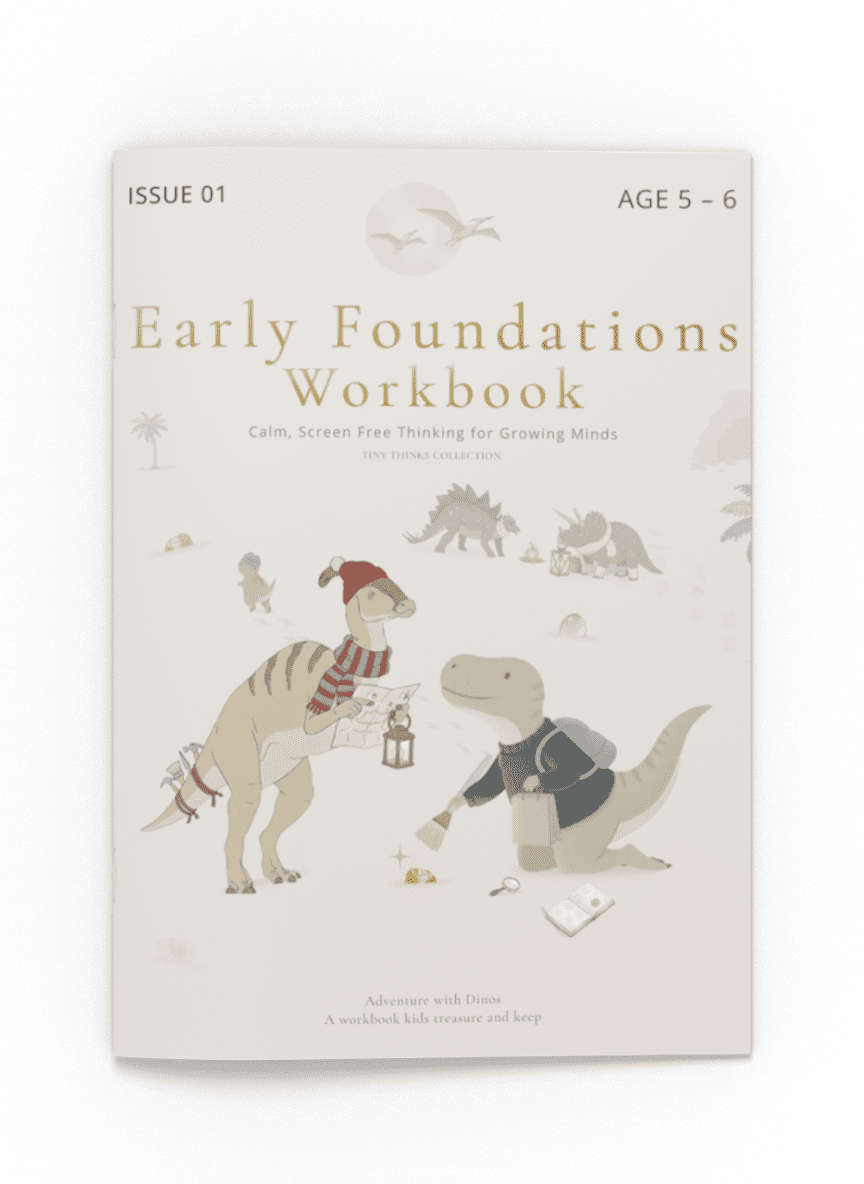
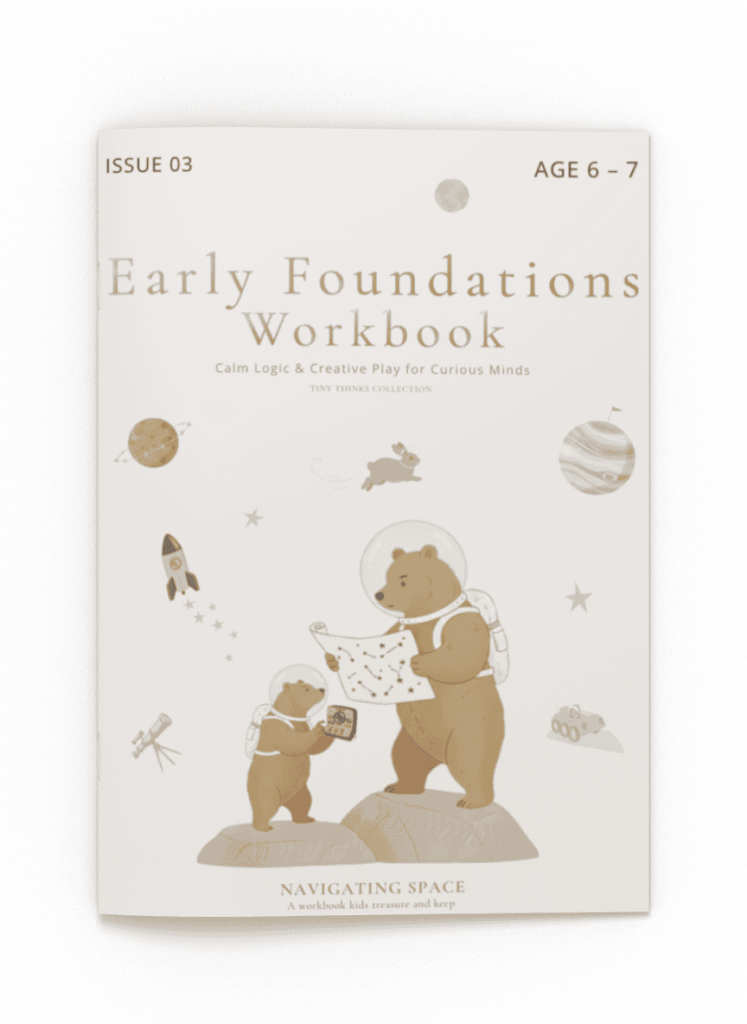
The Free Calm Pack offers straightforward, organized thinking pages that restore focus quickly. To support long-term by age, Tiny Thinks™ Workbooks cultivate these fundamental skills with a familiar, soothing structure.
No pressure, no judgment—just hands-on relief for those real-life moments when calm counts most.
Design Your Calm Routine
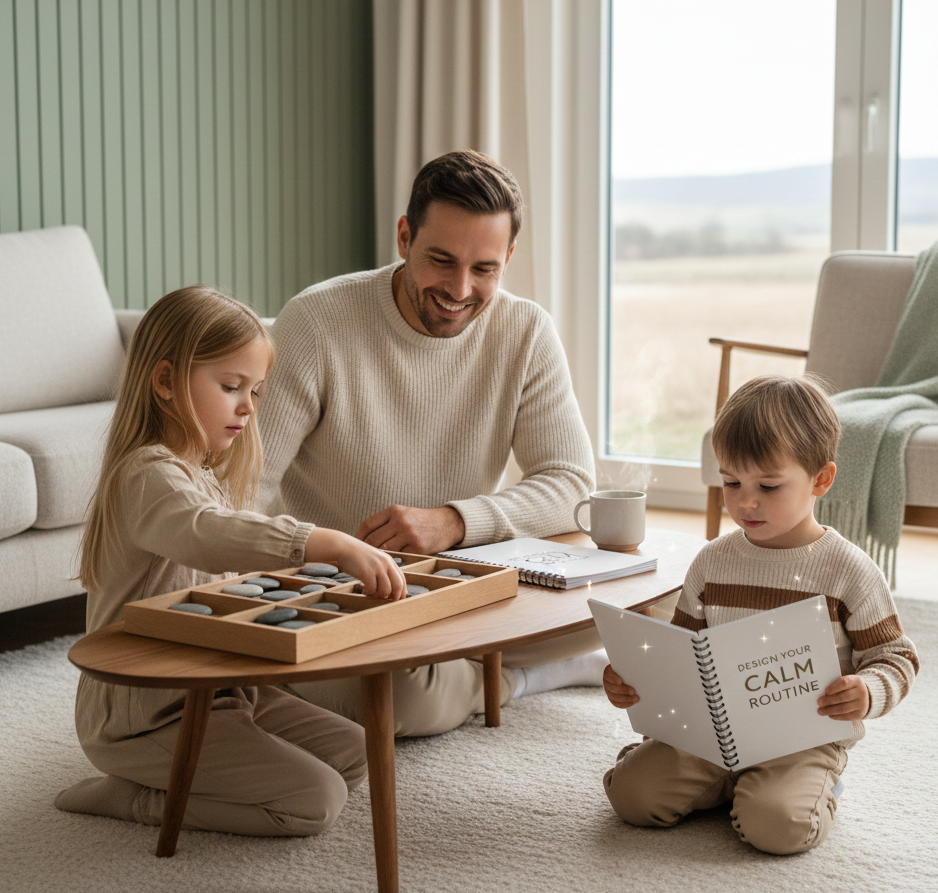
A calm routine is a simple, dependable pattern that reduces the day’s din and provides kids with a feeling of control. Designing your calm routine isn’t about perfection or getting rid of all chaos. The aim is a predictable rhythm that aids young children in knowing what’s coming, calming down after stimulation, and returning to solo cognition.
These phases provide a straightforward blueprint for parents pursuing a screenless, regulation-first strategy.
Designing a Calm Routine:
-
Watch for natural rhythms. See when your child is most alert, cranky, or fatigued.
-
Create smooth transitions, such as a five-minute warning or a visual cue.
-
Offer small choices—two shirts, which book first—to boost cooperation.
-
Use sensory tools: soft lighting, a favorite object or deep pressure.
-
Anchor routines with visuals, like a basic picture schedule.
-
Add mindfulness: deep breaths, slow stretches, or quiet time.
-
Design your calm routine.
-
Design your calm routine.
-
Leave space for flexibility. Routine is a roadmap, not a screenplay.
-
Log what works, tweak as your child grows, and do again what brings calm.
1. Observe Patterns
Observing your child’s stress triggers is the first useful action. Maybe after school, they crash — restive, famished, or introverted. Record these times, even in brief notes. Over a week, patterns emerge: what time, what setting, what seems to help.
Regularity breeds reliability. If you notice that a silent snack and five minutes with a picture book soothes the after-school turbulence, do it every day. Kids learn by rhythm. Half the battle is understanding what is about to happen.
Be on the lookout for subtle changes in mood or energy, and modify routines to maintain regulation strength.
2. Choose Anchors
Kids calm best when their routines have familiar touches, a beloved stuffed animal, a quick breath exercise, and a song for switching tasks. These little rituals become cues for their brain to calm.
A calming corner, even just a cushion in the corner of the room, provides them a physical space to compose themselves. Small grounding activities like lying your finger along the grooves of a textured path or gripping a heated cup provide sensory calm in a hectic moment.
One or two grounding anchors at each transition can reset the tone.
3. Select Activities
Calming activities appear different for each child. Others require sensory input such as clay, water play, or simple puzzles. Some like silent reading, block-stacking, or soft yoga stretches.
Mix and match choices and maintain each one basic and deliberate. Arts and crafts, provided without expectation for a ‘perfect’ product, provide kids an outlet to express emotion silently.
Design your calm routine. Even one shared calm activity can reduce the whole household’s stress.
4. Set The Tone
It’s not just you. Dimming the lights, putting on soft background music, or lowering your voice can immediately set the tone. Kids respond to tone more than words. Consistent, loving guidance makes routines comforting.
A bath, pajamas, one story—your brain’s routine for calm. Close the day with a collective sigh or a tender squeeze. Those little moments accomplish more to calm a child than any sermon.
5. Stay Flexible
There will be days when your child’s energy is off. Have them decide what to initiate first, or replace a scheduled step for a stroll outside. Flexibility doesn’t imply relinquishing a structure. It implies honoring the child’s present state.
Design your calm routine. If they get to choose between two calm-down activities, their buy-in is even greater. Routine is a scaffolding, but true calm arises from meeting the kid where they are, adapting as necessary, and returning to anchors that work.
Tiny Thinks™ is made for these moments—when you want a kid to calm down on their own, not just be occupied. The Free Calm Pack provides families screen-free, thinking-based pages that children can initiate on their own.
For everyday pressure points like meal prep, waiting rooms, or bedtime, age-based Tiny Thinks™ Workbooks provide predictable, low-stimulation routines. They’re not upgrades or rewards; they’re the calm structure that works when screens can’t.
Age-Specific Strategies
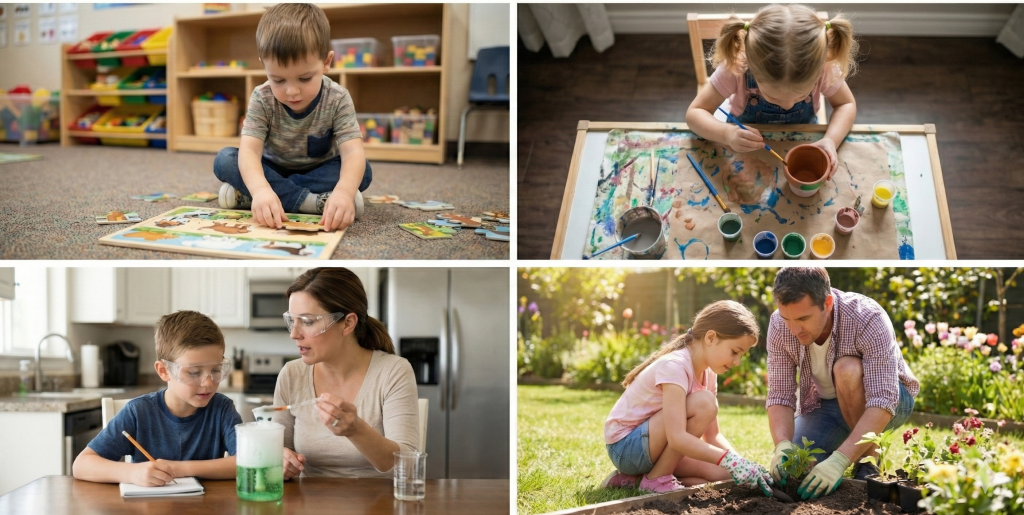
To create a serene schedule for children, age-specific bedtime routines are a must. A three-year-old’s needs look very different from a seven-year-old. Effective bedtime routines include structure, predictability, and calming activities as the foundation of self-regulation in early childhood. Below are age-specific strategies tailored to developmental stages.
- Toddlers (ages 1–3) benefit from short, sensory-based routines and adult-guided regulation.
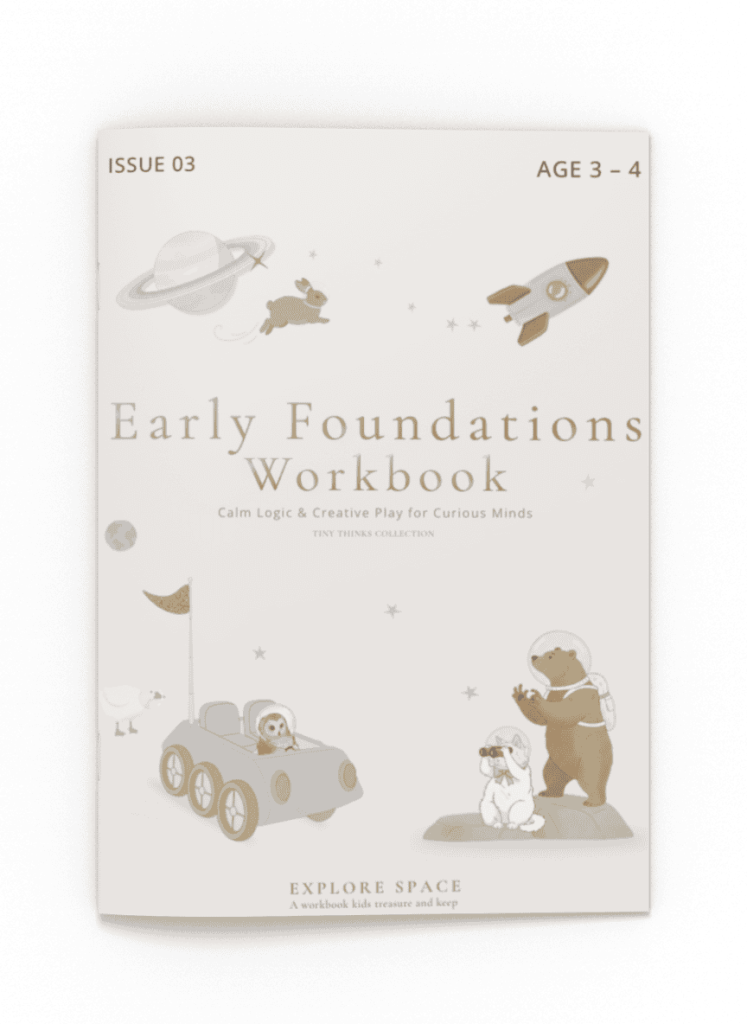
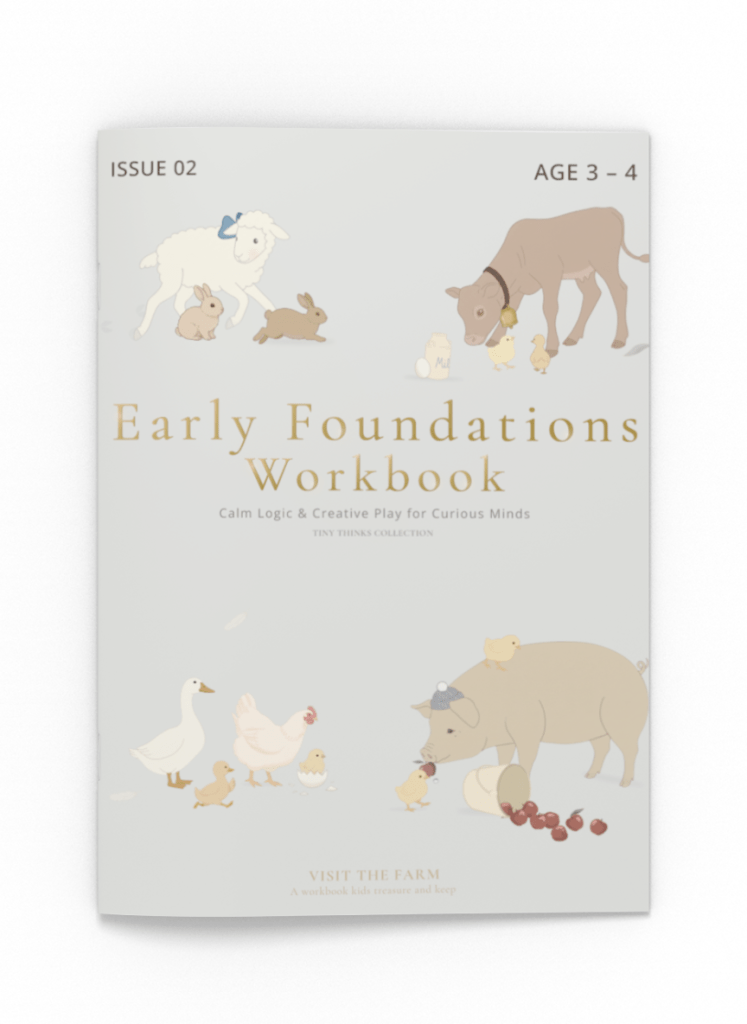
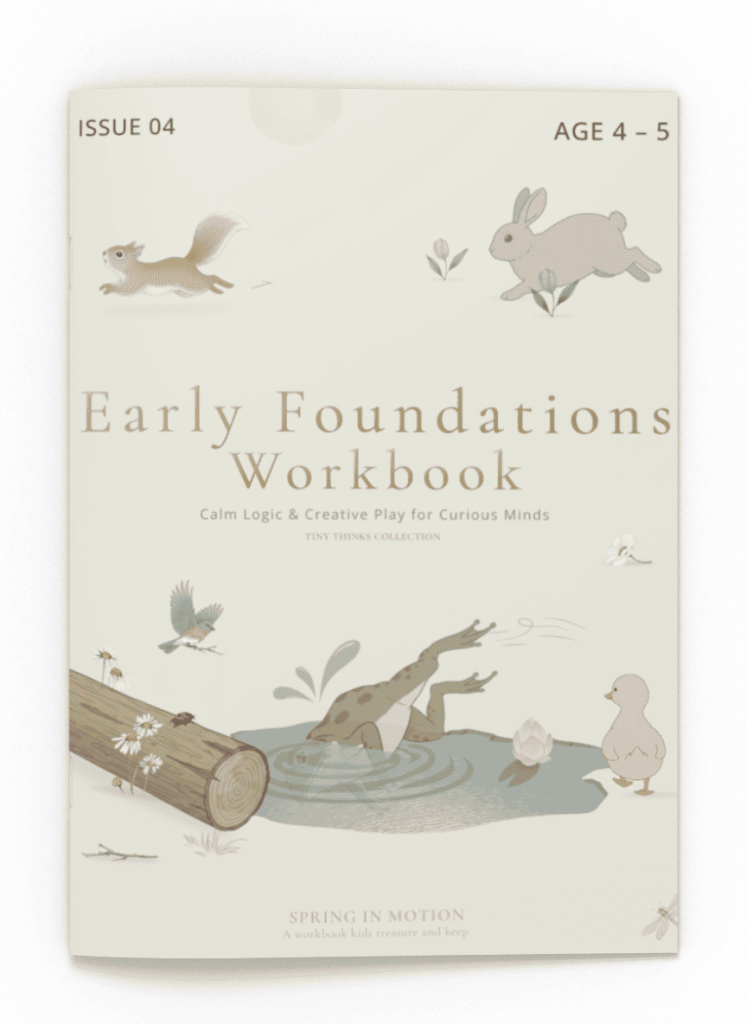
- Preschoolers (ages 3–5) respond well to imaginative play, simple mindfulness games, and connection-driven rituals. You can explore age-appropriate tools in the 3–4 years and 4–5 years collections
- School-age (ages 6–9): Can begin to initiate self-calming strategies and benefit from independent choices. Relevant workbooks are available for 5–6 years and 6–7 years
- Pre-teens (ages 10–12) need autonomy, peer connection, and structured tools for self-regulation.
Toddlers
Easy breathing games are your friend. Try having a toddler blow out a pretend candle or take ‘dragon breaths.’ Visual reminders, such as directing them to a smiley face or ringing a soft bell, establish the mood. Brief, anticipated rituals, like a lullaby prior to nap or a visual schedule, minimize stress and support safety.
Sensory play is essential. A tray of rice to sift, soft fabrics, or water play not only calms but expends the “big muscle” energy that often motivates dysregulation. Nap routines are a must; you cannot override this. Here, consistency is the bedrock for emotional sanity at this age.
Preschoolers
Pretend play is the toddler’s tongue. Lure them into a “quiet cave” with blankets or get them to do some animal slow downs. Storytelling works wonders. Opt for soothing, repetitive tales that reflect their world and provide closure.
Mindfulness games, such as “statue freeze” or following slow finger paths, impart concentration stress-free. At bedtime, offer a wind-down ritual: a familiar book, dim lighting, and five minutes of quiet drawing. Preschoolers benefit from rituals that decelerate the momentum and make space for security after a frenetic day.
School-Age
School-age kids are ready for a little more freedom. Help them learn to recognize when their energy feels “too big” and brainstorm self-calming strategies together, such as stretching, drawing, or just sitting with a silent workbook page.
Journaling and easy art projects aid in externalizing feelings and developing self-reflection. When school stress or social worries spike, talk through coping strategies out loud. Promote active play outside. Movement is still a natural medicine at these ages.
Pre-Teens
Pre-teens crave independence. Allow them to craft their own soothing sequences or select from a buffet of regulation implements. Be explicit about how emotional regulation functions and why it is important.
Peer activities, such as group meditation or mindfulness games, forge social bonds in addition to supporting serenity. Progressive muscle relaxation or guided body scans can be added to tackle bigger stressors. The goal is simple: equip them with a toolkit they can use without adult prompting as life gets more complex.
Age-Specific Strategies Tiny Thinks™ Workbooks provide age-based pages for focus, sequencing, and independent initiation. These are designed for the pressure moments: after school, screen transitions, meal prep, travel, or bedtime wind-down. The objective is never moral; it is about providing pragmatic relief for worried minds.
Tiny Thinks™ is a trustworthy thinking layer that operates when your child must settle and you require respite.
Powerful Calming Activities
Calm routines rely on organized, low-arousal activities that fit a child’s sensory profile. Not every child reacts the same way to the same input. Some require motion, others need tactile input or visual organization. Adding diversity to calming activities creates resilience and adaptability when home feels chaotic or hectic.
With the whole family involved, these snippets become daily rituals, reasserting connection without clutter. Experimenting with new approaches uncovers what suits your child’s temperament and cultivates a sense of peace in your daily flow. Tiny Thinks™ is there for these moments exactly when screens have had their way and you need a regulation tool, not a distraction.
Sensory Soothers
Sensory experiences can be your friend when kids are overstimulated. Playdough, sand, or water trays provide languorous tactile stimulation that centers attention away from rapid fire, scattered input. Other families build a sensory corner, which is a basket with soft textures, fidgets, squishy balls, or a weighted lap pad.
Scents such as lavender or orange peel, incorporated into a breath exercise, even more decelerate the nervous system. Constructing a fort or quiet tent provides a physical boundary that muffles noise and visual stimulation, where the kids can reset in their own private worlds. These tools assist kids with self-soothing, particularly during screen transitions or after-school decompression.
Mindful Movement
Motion soothes in a way that sitting still rarely does for toddlers. Easy yoga postures, such as child’s pose, cat-cow, or light stretches, calm the body and ground energy. Animal walks or silly movement, such as slithering like a snake or buzzing like a bee, make mindfulness approachable.
Powerful calming activities include outdoor walks, breathing in time to birdsong or wind, which ground children in the present. Breathing games, like lion’s breath, snake hissing, and bee buzzing, make regulation fun. These techniques cultivate body awareness and emotional regulation, particularly pre-bedtime or following active afternoons.
Creative Outlets
Creativity directs the unfocused spirit towards concentration. Art activities, such as mindful coloring, modeling clay, or simple crafts, let kids explore emotions without language. Other kids are moved by music or soft dancing, transforming the mood through cadence.
Storytelling or role-play provides kids with a safe narrative to work out anxiety or enthusiasm. There is nothing like having an art table or basket to make creative options more readily available and less prone to adult intervention. These outlets encourage self-motivation and foster quiet, self-directed activity.
Quiet Connection
Calm is communal and can be enhanced through effective bedtime routines. Whether it’s reading together, engaging in a puzzle, or even silent cuddling, these powerful calming activities create a baseline of safety and presence. Actively listening and softly talking together builds connection without expectation, fostering emotional awareness in kids.
Some families have a daily check-in at night, one gratitude each, or just a moment of stillness to close the day grounded. Stillness is active, not passive; it’s co-regulation that exemplifies regulation. This is where Tiny Thinks™ is uniquely effective: the Free Calm Pack offers simple, repeatable cognitive tasks that draw children in and hold their focus.
With age-based workbooks extending this structure for families who need more, it serves as a reliable means to still a room, providing calming techniques for a peaceful bedtime routine.
The Parent’s Role
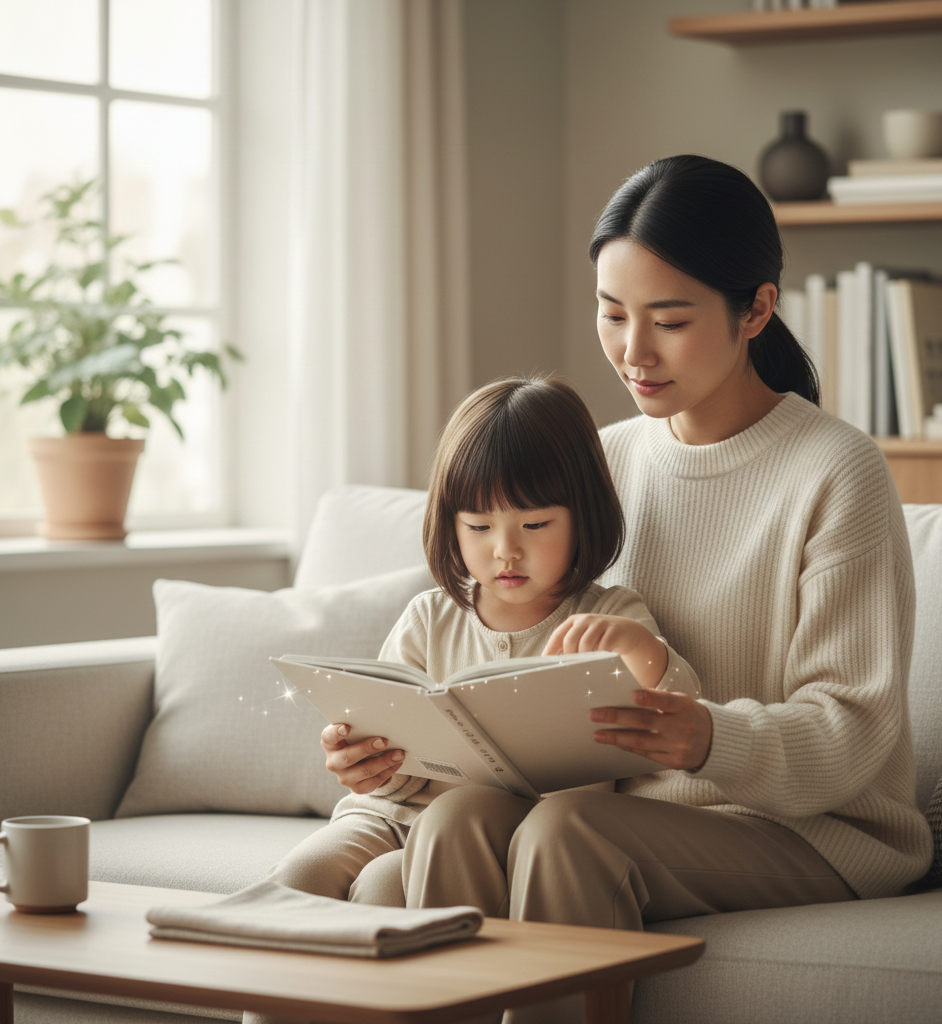
Parents are the designers of peaceful habits, curating the space and demonstrating the habits that cultivate attention and control. Kids 3–7 figure out how to calm their emotions, focus their attention and regulate their impulses by observing and internalizing what parents do in daily life. The work isn’t about nailing every meltdown or eradicating screens.
It’s about providing a reliable, repeatable protocol that kids can use to put themselves to bed when life’s stressors strike. The checklist below summarizes the core roles parents play in building this stable foundation:
- Co-regulator in emotional storms
- Consistent, predictable presence
- Model for calm, healthy coping
- Keeper of open, judgment-free communication
- Builder of regulation-first environments
Co-Regulation
Kids’ regulation starts with co-regulation. When a kid spirals—post-school, screen-comedown, in a traumatizingly loud waiting room—they are borrowing your calm to stabilize their own system. A parent’s soft hand or a soft phrase (“Let’s take three deep breaths together”) can ground a child in the now.
Over time, these routines become second nature and kids begin to grab at them unbidden. Verbal reminders, such as gently narrating what’s going on (“You look upset. Your body feels fast now.”), assist kids in labeling their emotions and begin to link emotion with action. Practicing mindfulness through simple routines helps them identify their feelings.
Demonstrating slow, intentional responses—steady breath, gentle voice, unhurried movements—shows kids that calm is attainable, even in the midst of tension. It assists with honing these skills when all is controlled, not only in a bout of chaos.
Attempt to combine easy soothing tasks, a gentle sorting game, a matching puzzle, or a mindful coloring sheet, when the home is already calm. They develop self-soothing tactics most effectively with practice and positive pairing, not just in moments of intensity. This is how regulation goes second nature.
Modeling Calm
Kids observe and model behaviors from their caregivers. Your reaction to stress, whether that’s establishing limits, taking a break, or practicing mindfulness techniques like breathing exercises, educates kids on how to handle their own discomfort. Sharing anecdotes about your own coping strategies, such as saying, ‘When I get stressed, I take five deep breaths,’ normalizes healthy coping methods.
By reinforcing the moments when your child attempts to self-regulate, albeit imperfectly, you’re building confidence. A subtle head shake or a whisper of ‘You got your body to calm down and now you’re ready to give it another shot’ communicates that process trumps result.
In households where emotional health is openly prioritized, kids are more inclined to speak up for themselves and mindfulness is integrated into the family lifestyle.
Consistent Presence
|
Strategy |
Description |
|---|---|
|
Regular Check-Ins |
Brief, daily moments to ask about feelings/thoughts |
|
Predictable Routines |
Simple structure—same order for meals, bedtime, downtime |
|
Safe Expression Spaces |
Quiet, uncluttered area for children to unwind |
|
Attentive Listening |
Full attention when child speaks, no multitasking |
It’s not just being there as a parent’s role; it’s being dependable. With routines, the kids know what’s next, which reduces anxiety and helps them move from activity to activity. Brief check-ins (“How was your day? What was tricky?”) establish connection and encourage dialogue.
By taking time for rest, hydration, and mindful breaks, you are sending the message to your kids that well-being is the priority. Through all this, parents aren’t reaching for perfection.
It’s about establishing a foundation of security and predictability, where kids are safe to be truthful and to attempt another effort after failure. Tiny Thinks™ is there for these moments not as a screen substitute, but as a tested, regulation-first alternative.
The Free Calm Pack provides easy-to-use, formatted pages kids can grab for during those after-school crashes, screen hangovers or dinner battles. No hype, just a calm, tactile methodology that allows kids to calm down and reboot their brains without adult intervention.
For families wanting more, the age-based Tiny Thinks™ Workbooks bring this calm into every high-friction part of the day, cultivating focus and independent initiation one step at a time.
Overcoming Common Hurdles

Calm routines are often challenged by real-world pressures, including resistance from children, busy family schedules, and sibling dynamics that disrupt quiet moments. Most parents encounter these hurdles not because they’re not trying, but because our environment is quick, loud, and chaotic.
The table below details typical stumbling blocks and straightforward solutions that work universally, regardless of family structure or culture.
|
Hurdle |
Solution |
|---|---|
|
Child resistance |
Use positive reinforcement, offer choices, and model patience. |
|
Busy schedules |
Prioritize short, scheduled calm times and simplify routines. |
|
Sibling rivalry |
Foster shared activities, provide individual attention, build empathy. |
Resistance
Most kids fight new routines. It’s natural, not a signal you’re flunking. Toddlers are hard-wired for predictability. Anything new can set off resistance. Your kid will say no, wander off, or start complaining. That’s not rebellion; that’s regulation in action!
Provide options within the framework. Make your child choose between two self-soothing activities, like tracing lines or sorting objects. This micro-control overcomes friction. Use simple positive reinforcement: a quiet “I noticed you started on your own” goes further than praise.
Patience is important. Some days a child explodes, some days they require a different rhythm. Make schedules pliable. Modify activities to suit your child’s immediate needs. If your kid appears antsy, trade a calm drawing assignment for a kinetic one, like light yoga or deep breathing.
With time, kids absorb the order and calm down faster, particularly if you continue to demonstrate calm responses yourself.
Busy Schedules
Everywhere families juggle tight schedules. The trick isn’t piling on more, but instead planting minute-long peaceful pauses into your day. Your “calm time” may be five minutes after school, a meal transition, or before bed. Persistence, not time, is what counts.
Cut down wherever possible. If a full routine is out of reach, choose one grounding activity—a mini mantra, a breathing exercise, a silent page of a Tiny Thinks™ workbook. Talk to your kid about how these moments make us all feel better, even the grown-ups.
Kids learn by example. Model self-care openly: take a walk to reset and use a calming phrase aloud. These activities teach kids real-world tools for managing stress, making peaceful practices become second nature, not artificial.
Sibling Dynamics
Just shared routines can devolve fast with siblings. Rather than pit siblings against each other, bring them into collaborative activities by pairing matching cards or alternating with tranquil work. Use guided conversations when conflict arises: What happened? How do we figure this out together?
Routine checkups cultivate creative problem-solving and diminish competition. Each boy needs solo time. Rotate one-on-one moments, even mini ones, so each child feels noticed. This avoids competing for attention. Help brothers and sisters identify each other’s emotions.
An easy question, “What do you think your brother is feeling right now?” fosters empathy. This is where Tiny Thinks™ routines really shine. The Free Calm Pack provides organized calm activities siblings can share or enjoy individually.
Workbooks by age level address different needs, so it’s a cinch to keep everyone hooked and working at their own speed. When kids are frictioning, these tools offer a neutral, silent restart.
Conclusion
Crafting a calm routine for little ones is less about pristine schedules and more about consistent frameworks that come together in genuine moments. We all have the same pressure points—after school, before bed, mealtimes, and those periods where nothing sticks. Calm routines give kids the tools they need to settle their brains, make the transition, and slowly carve out their own path into concentration. As you start to really simplify and develop a rhythm, you’ll find the calm routine for kids that you’re seeking.
Parents don’t have to entertain or micromanage—just keep it low noise and high structure. As time goes on, these calm routines become anchors, buffeting the rocky shoals and providing both parent and child a sense of groundedness in the day to day.
Frequently Asked Questions
What is a calm routine for kids?
A peaceful bedtime routine is a series of comforting, predictable actions that allow your kids to wind down, feel safe, and transition after school or before sleep.
Why is a calm routine important for children?
Calm routines foster emotional stability, mitigate anxiety, and boost concentration. They make kids feel secure and instill good habits for handling life’s daily battles.
How do I create a calm routine for my child?
Begin with light, consistent practices such as stretching, reading, or calming music to create a peaceful bedtime routine. Stick with the same order and timing every day to establish predictability and comfort for kids.
Which calming activities work for all ages?
Deep breathing, soft music, gentle movement, and storybooks work wonders for most kids. Make age and preference appropriate activities.
What role do parents play in calm routines?
Parents lead and model calm by incorporating effective bedtime routines, offering guidance and good vibes to teach kids a calming technique.
How can I manage disruptions to the routine?
Be flexible and patient. If disruptions occur, resume the routine soothingly as quickly as you can. If you stick with it, routines become habits.
How long should a calm routine last?
A calming bedtime routine can be as quick as 10 to 20 minutes. It’s about creating a peaceful setting and practicing mindfulness, not necessarily about duration.