
- Key Takeaways
- Why Independent Play Matters
- Creating a Safe Play Space
- How to Teach Independent Play
- Age-Appropriate Activities
- The Role of Toys
- Select toys that promote independent play and support skill development.
- Choose educational toys that encourage creativity and problem-solving in toddlers.
- Incorporate versatile playthings that can be used in multiple ways to enhance engagement.
- Regularly assess and rotate toys to keep playtime fresh and stimulating.
- Navigating Common Challenges
- Conclusion
- Frequently Asked Questions
- What is independent play for toddlers?
- Why is independent play important for toddlers?
- How can I create a safe play space for independent play?
- What activities support independent play for toddlers?
- How long should a toddler play independently?
- Which toys encourage independent play?
- What if my toddler resists playing alone?
Key Takeaways
- Toddlers Independent play teaches vital skills they will need later in life, such as focus, resilience, and problem-solving.
- Designing a protected, structured, and minimally stimulating play environment fosters a toddler to play on his own terms without being led or guided by an adult every thirty seconds.
- Beginning with brief, easy solo endeavors and building up play time bolsters toddlers’ comfort and confidence in independent play.
- Stocking a toddler playroom with a healthy mix of open-ended, age-appropriate toys and options encourages creativity, decision-making skills and curiosity.
- By listening to your child’s signals and tailoring activities to their interests and developmental pace, you can ensure playtime remains enjoyable and productive.
- By role modeling independent play and sharing your own feelings and experiences, you can help normalize solo play for your little one and make it feel fun and special.
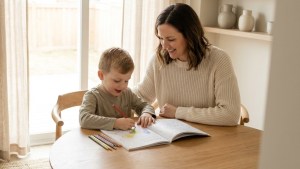
Toddler independent play is your child’s capacity to interact with resources without being led by an adult eye at all times. In early childhood, this ability undergirds attention, patience, and self-starters.
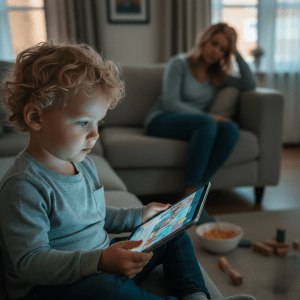
Most parents find that after hectic days or too much screen time, kids have a hard time calming down and playing independently. Knowing how predictable, quiet spaces promote independent play can assist households in navigating their daily transitions and minimizing overstimulation.
After school or during the screen comedown, when your child needs to settle and play on their own, this is what families use instead. The Free Calm Pack provides calm, structured thinking play children can start independently.
Why Independent Play Matters
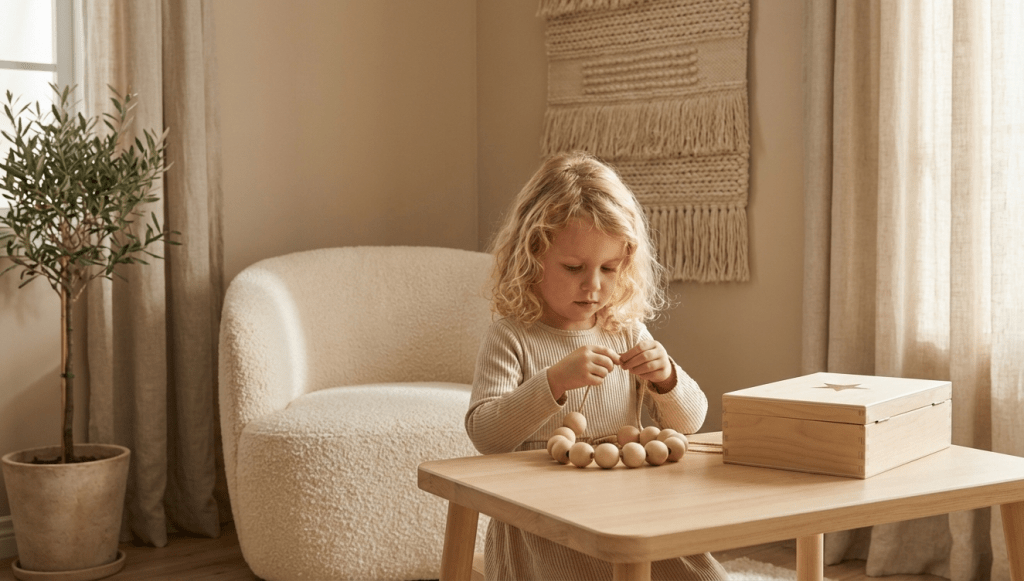
Independent play provides toddlers the opportunity to silently construct lifelong competencies in their own time. When your child plays alone, they discover how to concentrate, how to overcome challenges, and how to experience silence. This isn’t about occupying them or amusing them.
It’s about providing their brain with the low-stimulation environment it requires to calm and develop. Tiny Thinks™ provides peaceful, screen-less solutions for those very moments—after school, pre-dinner, on road trips, waiting at the doctor’s office—when your child’s mind needs soothing, not stimulus.
For parents who want a pragmatic, reproducible alternative to screens, independent play is the junk drawer, duct tape, good old reliable go-to tool.
1. Cognitive Growth
Kids process most deeply when given room to play. A toddler building a rudimentary block tower is figuring out sequencing, balance, and prediction, which are all foundational thinking skills. While playing freely, the child’s brain is exercising focus and working memory.
Taken together, these interludes of silent focus accumulate and turn your kids into more attentive, persistent individuals. Toys that are easy and open-ended—matching cards, puzzles, stacking cups—encourage a child to play and problem-solve on their own.
This helps not only intellectual rigor but inquisitiveness. When kids get to pick their own play, they find what they’re passionate about, teaching them to motivate themselves and stay focused without adult prompting.
2. Emotional Regulation
Through independent play, toddlers learn to handle frustration and disappointment, whether a puzzle piece doesn’t click into place or a tower topples. These little failures are rehearsal for surviving larger obstacles down the road.
Uninterrupted play provides them room to experience and release emotions healthily. Routines constructed around quiet, solo play, like a quiet corner with known activities, ground self-regulation.
As time passes, children come back to these spaces independently, using play as a means to self-soothe following an overstimulating experience, such as screen time or a hectic excursion.
3. Creative Expression
Given time to play alone, children conjure worlds, characters and plots and answer questions. When a kid doodles on blank paper or constructs something with play dough, they’re not killing time; they’re exercising creative muscles.
Open-ended materials—blocks, art supplies, pretend food—encourage creativity and allow a child to communicate their individual thoughts. Each little object made, a scribbled picture or an invented story, is an expression of increasing self-assurance.
This unfettered inquiry and invention, with no specific goals in mind, is crucial for later work tackling open-ended challenges and mental well-being.
4. Problem-Solving Skills
Independent play offers intrinsic challenges such as shapes that fit, patterns that match, and sequences that need to be completed. They tinker, they flub, they have a beta, and they learn the importance of persistence and trial and error.
They figure out a variety of solutions to problems and develop adaptability. Backing up this process is providing challenges that are just hard enough but not overwhelming.
These tiny triumphs encourage a child to think he or she can solve things independently, a mindset that follows them into school and beyond.
5. Language Development
Solo play can bolster language. When a kid tells a story with toys or talks to himself through an action, he or she is practicing new vocabulary and sentence structures. Books, picture cards, or role-play sets can all spark vocabulary development and social expression.
Even in the absence of a conversational partner, children practice dialogue and communication, setting the stage for future verbal ability. Pretend play specifically helps them grasp perspective and social rules.
Tiny Thinks™ is designed for these occasions. The Free Calm Pack provides parents with an instant toolkit for intentional, focused play at home or on the road.
For families craving more, age-based Tiny Thinks™ Workbooks provide structured, visually soothing activities kids return to again and again—no nagging required. These tools aren’t a judgment on screens; they’re a practical refuge for those moments when still thinking is the aim.
Creating a Safe Play Space
A serene safe play space is the sacred soil for independent play in the preschool years. It is not a space of excess or newness. It’s about tender scaffolding, about rhythm and routine, and a feeling of safety that allows kids to find their center and cogitate.
Tiny Thinks™ are designed on this principle—fewer options, low distraction sounds, and uncomplicated patterns that encourage concentration. Establishing a play zone in the house that is specifically for play helps kids know when and where you expect them to play independently.
It could be a corner with a cushy rug, a tiny table, or a special shelf. Consistency, not size, matters. When a kiddo views the same arrangement daily, his or her mind transitions to “play mode” more quickly. Establishing boundaries, whether it’s visual markers, a mat, or low shelving, communicates that this is their space to ponder and discover without adult intervention.
Safety is paramount. Kids pick up stuff when they’re feeling safe. For toddlers, this translates to eliminating choking hazards, anchoring heavy furniture, and storing sharp items or cleaning products beyond reach. These measures enable actual exploration—touching, stacking, sorting—without incessant adult interference or warnings.
Clear, predictable boundaries assist kids in discerning what is permissible. When they know the boundaries, they can make little safe adventures. This develops confidence and early problem-solving skills in a safe, not reckless-feeling way. Order facilitates independence.
With toys and materials in open baskets or trays, at the child’s level, they can select and put things away independently. This arrangement minimizes overwhelm and encourages self-starting. Less, but the right stuff—blocks, wooden puzzles, matching games—less visual distraction and more play immersion.
Under-fives flourish on straightforward solitary play. Whether it’s matching cards, stacking cups, or threading beads, these activities cultivate working memory and sequence skills at their own pace. Sensory factors provide dimension and help to moderate attention.
A calm play space could have a basket of smooth stones, some silky fabrics, or wooden shapes. These hands-on materials decelerate play and stimulate inventiveness. Natural light, soothing hues, and simple adornment maintain the space grounded. For others, a little potted plant or a window view can provide soft fascinations.
Not all kids are prepared for solo play immediately. For those accustomed to grown-up companionship, mum and dad can slowly withdraw in phases. For instance, begin by sitting close to them and then move away a few feet or exit the room for one minute. Kids might get separation anxiety or cry out for attention.
That’s fine. Your proximity without direct involvement or intervention builds the confidence to take a risk, make a mistake, and learn on their own. That’s what Tiny Thinks™ was built for.
The Free Calm Pack and age-based Workbooks deliver structured, screen-free play kids can initiate solo, even in hectic households. They’re magic for after school, traveling, and mealtimes, wherever peaceful concentration is required, pronto.
How to Teach Independent Play
Free play isn’t about occupying kids, it’s about fostering in them the capacity to focus, troubleshoot, and be comfortable with their own mind. For many families, this matters most during high-pressure moments: after school, during screen transitions, at mealtimes, or while waiting. With the proper scaffolding in place, peaceable self-motivated play becomes achievable again, even for fast-input toddlers. Ease them in and keep it easy.
During dinner prep or quiet afternoon stretches, when you need dependable independent play, this system replaces guesswork. Tiny Thinks Workbooks give children a structured play loop they return to without prompting.
Start Small
Start with as little as three to five minutes. Put your child in a safe, uncluttered area with a very limited task—blocks, crayons, or a matching game. Most 3 to 7 year olds require a few days of practice before independent play comes easy.
Lengthen the time gradually, a minute or two per sitting. Observe what clicks. Others calm fast with sensory tools such as dough or nature. Some require visual structure, such as a basic puzzle or a ‘mini station’ of two or three choices.
It’s not to keep them entertained; it’s to let them feel capable. If your child drifts or cries out to you, retreat without ‘repairing.’ Independence doesn’t roar; it expands in tiny, consistent cycles.
Observe Cues
Look for signs that they’re ready—slower, deliberate movements, exploratory glances, or peaceful absorption in a toy. Certain kids exhibit this post-transition, while others require a fixed schedule. Frustration or boredom are signposts, not flubs.
If he’s meandering or escalating, swap the activity for something more basic or tactile. Backing doesn’t mean running the game. Instead, comment on what you see: “You’re stacking the yellow blocks.
This responsive method comforts the child without hijacking. Gradually, you’ll observe what hooks your child: a particular texture, sorting, or organizing. Inquire about their tastes. What turned out to be enjoyable? What felt difficult? This guides future play experiences without overwhelming them with options.
Offer Choices
Toddlers are more invested when they have choices. Offer two or three activities, never a pile. For instance, a tray with blocks, a mini-puzzle, and crayons. Let them choose. Cycle toys on a weekly basis. New but familiar things maintain interest without overstimulation.
You might set up simple stations: a sorting tray, a nature basket, or a pattern-matching game. They learn decision-making by making a choice and sticking with it. Talk through the options together: “Do you want to work with the blocks or the puzzle?
Decisions have to feel controllable, not overwhelming. What we want is predictable variety, not novelty.
Model Behavior
Demonstrate to your child what independent play is. Sit nearby and draw, read, or sort quietly. Narrate your thought process: “I’m matching the socks by color.” Kids observe adult behavior more than they hear words.
If your child balks, relate a tale from your own youth on how you constructed towers or lined up shells. This normalizes lone play. Be truly enjoying your own task, and the kid is going to pick up on that peaceful, concentrated vibe.
Tiny Thinks™ was made for moments like these. Parents pull out the Free Calm Pack at transitions, after school, or in crazy waiting rooms. Each page is visually calm and designed for independent play with no preparation and no adult guidance.
Tiny Thinks™ Workbooks extend this principle by delivering age-appropriate sequences that kids start and cycle through independently. Calm regulation becomes habit, not a treat.
Age-Appropriate Activities
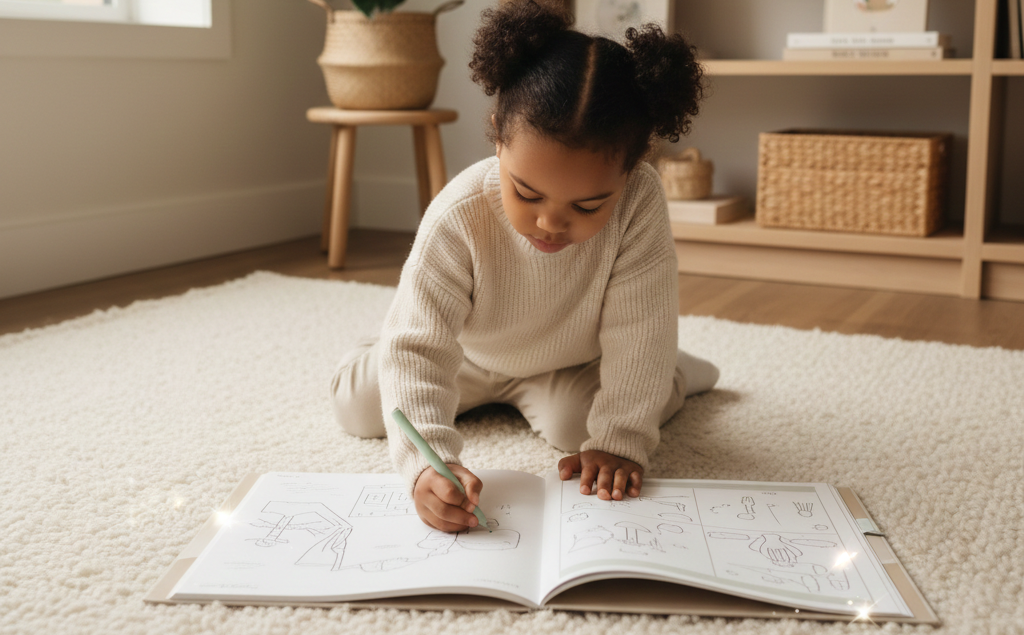
Independent play in early childhood is most productive when age and stage appropriate. Toddlers, which range from about 1 to 3 years, are driven by curiosity and learn most effectively through play with their hands. At this age, the brain is growing fast. So, the right activities contribute to forming focus, patience, and early problem-solving.
These years are not about extended periods of independent play, but brief, replicable instances where a toddler can experiment, control, and encounter with little parental assistance. Mobility begins to take flight prior to that magical first birthday, and once a child is walking and grabbing, independent activity is more feasible.
Simple, hands-on activities work best. Paper play—ripping, crumpling, sorting bits by color or size—can hold attention for surprisingly long. Sensory containers filled with safe objects, textured balls, or large wooden blocks provide little hands something to manipulate and arrange. Water play is an amazing choice. Pouring and scooping and making things float in a shallow tray, little or no, at the kitchen sink or a towel-lined floor is enjoyable.
Ever so slightly supervised, that feeling of command and experimentation is huge for a toddler. Play dough with a basic cookie cutter or rolling pin is another staple. It’s not about the finished product so much as the act of pressing, rolling, and pulling apart, developing strength and patience.
As kids become preschool-aged, 3 to 5 years, activities can go a bit longer. Independent play now expands to include sorting games, simple puzzles, stacking cups, match cards, and simple pattern activities. Dolls, animals, or vehicles encourage silent story-making, allowing a child to create and string together adventures.
For some, a block set or a box of things to sort by size or color provides a serene, concentrated interlude from more active periods. The secret is things that are predictable and simple—things that do not overwhelm, but instead provide a defined beginning, end, and feeling of accomplishment. Of course, not every kid is going to adore every option, so rotating options—sometimes a lacing board, sometimes a tray of stones and tweezers—keeps engagement high without adding noise or novelty.
Tiny Thinks™ is built for these real-life moments: the after-school crash, the wait at the doctor’s office, the screen transition that never goes smoothly. Screens, while pragmatic, escalate stimulation and shred attention. A calm, organized replacement, such as the Free Calm Pack or our age-appropriate Tiny Thinks™ Workbooks, provides kids with the resources to calm, organize and think on their own, bringing regulation back without a battle.
Screen-free by design, not judgment, it’s for parents who need something that works, not something to add to the “should” pile. When the day is loud and you need your kid to change gears, these helpers bring peace; no fluff, just helpful.
The Role of Toys
Toys lay the foundation for independent play, particularly for toddlers constructing their attention, sequencing, and self-starting abilities. The right toys are a silent support structure, not amusement. They provide children with an opportunity to establish their own problem solving, develop confidence, and rehearse their new skills on their own ground rules.
For most moms and dads, the issue isn’t how many toys, but which ones—a small handful that will really encourage quiet, concentrated play during the windows that count after school, dinner prep, or on those extended travel days.
Select toys that promote independent play and support skill development.
Toys that provide low-level open ended structure are the backbone here. Stacking cups, wooden blocks, pegboards, nesting dolls—they’re not glamorous, but they’re magical. They encourage a kid to sequence, categorize, associate and construct, all nourishing working recall, dexterity and endurance.
A toddler with a classic set of stacking rings will find himself invariably going back to the job, yanking off, lining up and replacing ring after ring after ring. It’s not tedium; it’s self-motivated mastery. Toys of the best kind subtly encourage the child to initiate, organize and complete a task without the ongoing supervision of an adult.
Choose educational toys that encourage creativity and problem-solving in toddlers.
Educational toys do their real work when they provide room for the child to figure out what goes next. A collection of wooden animals can be played with, sorted, counted, or made into stories. A basic puzzle with big pieces instructs on shape matching and trial and error thinking.
Even a bunch of colored scarves can transform into rivers, capes, or picnic blankets, based on your child’s whim. Toys like these don’t do the thinking on behalf of the child; they encourage creativity, planning, and flexible thought. One or two hard hits will suffice. Too much choice splinters attention and minimizes the sustained concentration parents desperately want to observe.
Incorporate versatile playthings that can be used in multiple ways to enhance engagement.
Multi-purpose toys span play—blocks that transform into homes, vehicles, or tunnels. Baskets are used for organizing, transporting, and make-believe shopping. Open-ended toys outlive fads and age with the child’s abilities.
Sensory bins of rice, beans, or fabric scraps allow kids to scoop, pour, and sift, developing hand strength and coordination. These toys grow with the child and provide new challenges as their skills grow.
Regularly assess and rotate toys to keep playtime fresh and stimulating.
Even the most fantastic toy loses its magic if it’s constantly available. The occasional rotation of toys every few weeks revives interest and gets a child to once again ‘dig in’ with focus. This doesn’t need a huge museum-level collection—just a small box hidden in the closet, rotated on whatever schedule works for your family.
A parent might observe that, post-rotation, a long-ignored puzzle has a newfound appeal or blocks spark a longer, more calm kitchen table building session. The less, the better. Bare shelves and a limited selection minimize overwhelm and encourage more meaningful, self-directed play.
Tiny Thinks™ is built on this regulation-first, screen-free philosophy. It doesn’t compete with digital content or guilt parents for screen time necessity. Instead, it provides a serene, regimented override for when parents need a dependable, low-arousal fallback they can slip into on their own—especially during those high-stakes moments.
The Free Calm Pack is an easy entry—visually calm, hands-on, and intended to be reused by kids ages 3 to 7. For those who want more, the age-based Workbooks add this thinking layer, ever consistent and ever low-noise. These toys don’t amuse. They become complacent. They enable a child to initiate, concentrate, and come back—resetting regulation and attention, one silent stint at a time.
Navigating Common Challenges
Independent play sounds easy, but parents know the battle behind the scenes. It’s never silent in there. Brothers and sisters fight, devices distract, and your little one wants to be held. Distractions are everywhere, and kids go through toys at lightning speed. Separation anxiety can only make it worse. Most kids are accustomed to having mom or dad right around the corner, so distancing yourself, even a little, can seem like a huge step. Other kids just have stubborn streaks or, plain and simple, they flourish on social interaction, so playing alone is a bigger tall order.
The initial move is to reduce the arousal. A Yes Space or a well-defined play zone assists. When a toddler understands precisely where play occurs and that everything in that location is safe for them, they calm quicker. It takes the guesswork out. Some families set up small stations: a puzzle table, a basket of calm tactile objects, and a simple pattern-matching tray. Rotating these every few days keeps the environment fresh without overstimulating.
For brothers and sisters, definite lines and common-sense signs assist. Two mats, two trays, and a timer mean you each have your own place and task. Most parents experience less sibling rivalry when brothers and sisters each have a role.
Frustration is in the mix. Toddlers will jump from toy to toy, sometimes in less than a minute. This is not a failure. Focus flourishes with exercise, not stress. When frustration appears, a calm, brief explanation grounds the moment: “I’ll be back in a few minutes, you’re safe here.” There’s nothing to rescue, to open up, or to extend play.
Being close but not intrusive—folding the laundry in the same room, for instance—can support kids in feeling safe as they elongate their autonomy. For the defiant kids, begin with 2 or 3 minutes. Gradually increase as their confidence builds. All kids are different; some require additional assistance. That’s to be expected.
Habit is the mooring. Navigating common challenges. Predictable independent play—right after snack, before dinner or after school—helps kids know what to expect. The more regular the cadence, the less haggling you’ll require. With time, kids start to self-initiate play, particularly if the space remains tranquil and organized.
Open-ended, silent free play in early childhood has been associated with improved self-regulation later on. It’s not about padding time; it’s about constructing an appetite for concentration and independence.
Parents are generally advised to ‘simply allow them to figure it out’. The truth is, most days are rowdy, and patience wears thin. Tiny Thinks™ was made for such moments. The Free Calm Pack is a relief tool: structured, visually quiet activities that invite children to settle, sequence, and think for themselves.
No screens, no novelty chase, just a calm, dependable system kids come back to on their own. For families wanting more, age-tailored Tiny Thinks™ Workbooks layer on this calm, screen-free thinking granularity, such as in stressful moments like post-school, travel, and bedtime wind-down. It’s not a prize or a peal. It’s simply what happens to work when you need your child calm, concentrated, and self-engrossed. here is a link to screen-free activities.

Conclusion
Independent play develops genuine skills in toddlers, including focus, patience, and the capacity to begin and complete easy tasks all by themselves. Not everything will be peaceful or silent, but little bits of self-initiated play add up. It’s your setup, not your toy pile. Open space, some anticipated options, and soothing rituals assist the majority of kids in easing in. Mini bursts of play and frustration are all part of the process, not a failure. Over time, toddlers become better and braver in their independent thought. It’s not the pursuit of perfection or eternal silence; it’s about empowering children and creating the foundation to construct focus, one serene moment at a time.
At bedtime wind-down or long waiting-room moments, when calm focus matters, families rely on this instead of screens. The Free Calm Pack restores quiet, self-directed play without negotiation.
Frequently Asked Questions
What is independent play for toddlers?
Independent play means a toddler plays solo with no adult engagement. It facilitates creativity, ingenuity, and confidence in toddlers.
Why is independent play important for toddlers?
Independent play is critical for allowing toddlers to develop social, emotional, and cognitive skills. It cultivates autonomy, creativity, and concentration.
How can I create a safe play space for independent play?
Select a tidy, clutter-free space. Eliminate small or sharp objects and use soft mats or carpets. Ensure toys are age appropriate and non toxic.
What activities support independent play for toddlers?
Easy puzzles, stacking blocks, sketching, and pretend play with dolls or cars are strong choices. These are great activities that a toddler can do independently.
How long should a toddler play independently?
Begin with 5 to 10 minutes for younger toddlers. Build up to 20 to 30 minutes as your child gains confidence.
Which toys encourage independent play?
Open-ended toys such as building blocks, play kitchens, and soft dolls foster creativity and encourage toddlers to experiment at their own pace.
What if my toddler resists playing alone?
Remain close by with encouragement. Begin with brief stints and applaud their attempts. Over time, with practice and patience, most toddlers come to enjoy independent play.