
- Key Takeaways
- Why Cocomelon Concerns Experts
- The Science of Overstimulation
- Spotting Negative Effects
- The Rise of Hypnotic Content
- Creating Healthier Screen Habits
- Better Alternatives for Toddlers
- Conclusion
- Frequently Asked Questions
- Is watching Cocomelon harmful for toddlers?
- Why do some experts criticize Cocomelon?
- What are signs my child is overstimulated by screen time?
- How much screen time is safe for toddlers?
- Are there better alternatives to Cocomelon?
- What is “hypnotic content” in children’s media?
- How can I create healthy screen habits for my child?
Key Takeaways
- Fast-moving shows like Cocomelon can overstimulate toddlers’ brains, leaving them less able to concentrate, control themselves, and learn in a peaceful state.
- Fast scene changes and loud sounds tax cognitive load, which can cause attention problems and behavioral difficulties in young children.
- Over and over again, being exposed to content that overstimulates them can lead to an unhealthy vicious cycle, where kids need more screen time and have a hard time with meltdowns or sleep.
- Passive viewing restricts language development and social skills. Slower, interactive shows encourage stronger communication and emotional skills.
- Parents can assist by establishing defined screen time limits, selecting softer, slower content, and leading their kids through peaceful activity transitions.
- Viewing alongside your child, talking about what you watch, and promoting play away from the screen are effective strategies to encourage healthy screen habits and cultivate developing brains.
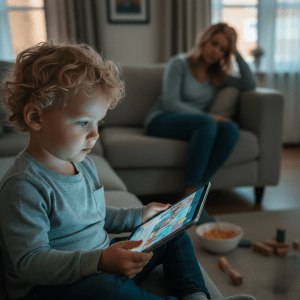
Cocomelon is a super popular kids’ show with animated nursery rhymes and songs that my 3 to 7 year olds would watch or play. A lot of parents want to know is cocomelon bad for kids, particularly after observing altered attention or behavior post-viewing. Some families balance this kind of fast-paced media with simple, hands-on options from Tiny Thinks to help kids shift back into slower, calmer play.
The show’s rapid-fire pace and eye-popping colors have the potential to cause overstimulation, which can break up toddlers’ attention spans. Knowing how this content affects behavior assists parents in making more calm, informed decisions at home.
Why Cocomelon Concerns Experts
Cocomelon is one of the most widely viewed children’s programs in the world. Its style alarms experts in young child development. The show’s fast pace, colorful animation, and non-stop music generate a high-stimulation environment. For toddlers and preschoolers, this level of stimulation can tax their capacity to control attention, process information, and calm down post-viewing.
Although screens are a pragmatic aspect of 21st-century parenting, we should still be informed about the mind-altering impact of rapid-fire content.
1. Rapid Pacing
Cocomelon’s editing is fast, with scenes switching every one to three seconds. This generates urgency and newness. Kids are flooded with new colors, sounds, and motions before they can register each. For these kids, this leads to overstimulation.
Toddlers and preschoolers are still learning to pay attention and regulate themselves. When their brains encounter fast scene changes, the overstimulation can make them jittery and unable to calm down. Other kids are just antsy after watching, flitting from activity to activity or fighting you for dinner or bedtime.
By comparison, slower-paced shows like Bluey or Daniel Tiger’s Neighborhood employ soft transitions and quieter scenes. These formats allow children time to process what they’re watching and foster self-regulation and attention.
2. Cognitive Load
High stimulation actually puts real stress on developing minds. Rapid, overstimulating sights and sounds in conjunction can overwhelm a young child’s underdeveloped cognitive processing system. Preschoolers have very little working memory and executive function, and when content speeds along, their brains are made to juggle too much information at once.
Even brief exposure is impactful. One study discovered that nine minutes of rapid programming temporarily dampened preschoolers’ executive functioning, leaving them less able to focus, obey directions, or regulate impulses. For some kids, particularly those with sensory sensitivities, the impact is even greater.
Keeping an eye on what kind of content and how fast it is an excellent way to nurture a child’s cognitive well-being. Opt for gentler, less frenetic shows to preserve their attention and sanity.
3. Dopamine Effect
Flashy colors and peppy music that latch onto dopamine, the brain’s feel-good chemical. With every quick cut or unexpected noise, little brains receive a burst of dopamine, sparking a dopamine loop. Over the long term, this can steer kids toward screen addiction.
Kids who consume stimulating programming can become insistent for additional screen exposure, have difficulty disengaging, or lose enthusiasm in calmer pursuits. Others develop addictive-like behavioral patterns, particularly if screens are the primary form of entertainment.
Well-rounded media consumption keeps dopamine well-regulated. Unpredictable, quiet rituals such as reading or sensory play can offset the desire for never-ending stimulation.
4. Passive Viewing
Cocomelon’s style frequently promotes passive viewing. Kids watch, but don’t engage – no stopping to respond to questions, say a word again, or jump forward. Passive viewing can delay language and social development.
Active involvement, discussing the story, reciting lines, and singing along promotes stronger learning. Programs that encourage interaction develop vocabulary, recall, and interpersonal bonding.
Parents can foster development by selecting content that promotes interaction. Even basic banter during or after viewing can help convert passive time into a learning opportunity.
5. Language Delays
Cocojelly is rapid, noisy programming that may be bad for language development, experts warn. Toddlers require the opportunity to listen, imitate, and experiment with words. Fast-paced shows displace these opportunities, making it more difficult for toddlers to develop vocabulary or parse sounds.
Slower shows, with enunciated speech and soothing pace, provide kids time to absorb the language and repeat new vocabulary. Soothing aids phonemic awareness, which boosts early reading and communication.
As a parent, if you notice your child has a language delay, observe what kind of patterns he follows: repeats phrases, converses, and uses new words.
How Cocomelon worries experts.
Tiny Thinks™ was created for such moments. When your little one is overstimulated, having a hard time concentrating, or winding down from screen time, our Free Calm Pack and age-specific Workbooks provide quiet, intentional thinking play.
These technologies reintroduce control by walking kids through manual, repeatable activities with no sound, no quick edits, and no stress. They’re a savior at the dinner table, in the car, at bedtime wind-down, or any high-friction transition. Just a trusted method to inject calm and focus back in, screen-free, whenever it’s needed.
The Science of Overstimulation

Overstimulation occurs when a child’s brain is exposed to more sensory input — bright lights and colors, loud sounds, or fast scene changes — than it can handle. Young children, particularly those 3 to 7, are especially vulnerable to this flood. Their brains are still building that filter, sequence, and processing capacity.
When the pace is too rapid or the input too powerful, kids can have a hard time concentrating, managing their feelings, or calming themselves. You might see this after a busy screen session: restlessness, difficulty calming for bed, or a meltdown at the dinner table. By understanding these mechanisms, parents can choose more intentionally — not out of guilt or pressure, but out of a practical need for more predictable, calm moments in daily life.
What Experts Say
Nearly all pediatric and developmental experts advised against screen time for toddlers. The general advice is no more than an hour a day for 2 to 5 year-olds, focusing on slower-paced, interactive, and age-appropriate content. Specialists note that rapid programs, fast cuts, and loud music interfere with children’s ability to pay attention afterwards, leading to sensory overload in young minds.
Multiple studies have associated this type of overstimulation with short-term hyperactivity spikes and long-term difficulties with self-regulation and emotional control. Advice from pediatric groups likewise emphasizes joint media attention, recommending that parents watch together when feasible, choose calming cartoons, and monitor for signs of irritability or fidgetiness.
As in, it’s not just how much screen time, but what kind and tempo of screen time. Programs such as Cocomelon, celebrated for its fast pace and sensory intensity, can be particularly hard-hitting. You know they’re overstimulated if they have trouble settling for bed, if they’re throwing frequent tantrums, or if they can’t transition their toddler brain into slower activities.
For families, keeping these expert tips in mind can assist in fostering a more balanced media landscape that promotes healthy development.
How Brains React
Kids’ brains handle hyper stimuli really differently than adults. Rapid-fire, flashy scenes and endless newness saturate the brain’s reward system, training it to crave ever-higher doses of stimulation. Over time, this can make slow or quiet activities—such as reading or drawing—feel boring or even exasperating.
Neurologically, frequent doses of overstimulation can affect the maturation of executive function—attention span, working memory, and self-control. Some kids are just more sensitive than others. Kids with sensory processing differences, such as those on the autism spectrum, may be more emotionally charged by overstimulation.
Creating room for slow, tactile, predictable activities can help reestablish regulation and attention. This is when peaceful, screen-free solutions like the Tiny Thinks™ Free Calm Pack provide a hands-on alternative, particularly when you need your kid to calm fast and think solo, like before dinner or on-the-go, promoting emotional balance and a peaceful viewing experience.
Long-Term Impact
Once that fast, high-stimulus content becomes a daily staple, some kids end up with chronic focus and frustration issues. Research has connected screen-related chronic overstimulation to higher risks of attention disorders later in childhood. Early intervention, such as setting boundaries, providing quiet play, and emphasizing slow structured input, can go a long way toward shielding growing brains from these dangers.
Tiny Thinks™ is made for this reality. For parents desperate for a break post-school, bedtime wind down, or in waiting rooms, our Free Calm Pack and age-based Workbooks offer a consistent, low-hum cognitive tranquility palette. No hype, no judgment — just a reliable method to reintroduce calm and develop early focus anytime your kid requires some regulation.
Spotting Negative Effects
Most parents observe the subtle changes initially — a kid who can’t calm down post-school, who demands a show at every lull, who loses it when the screen turns off. These aren’t moral failures or evidence of ‘poor parenting’. These are indications that a child’s regulatory system is swamped by rapid, high-stimulus material. Identifying these signs early provides parents with more opportunities to reintegrate calm and focus into the day.
Here’s a checklist for spotting potential negative screen-time effects in daily life.
Checklist: Signs of Negative Screen Effects
- Restlessness after watching, difficulty sitting with quiet play.
- Short attention span for books, puzzles, or slow activities.
- Increased irritability or frustration with simple challenges.
- Trouble transitioning away from screens, including tantrums or tears.
- Trouble settling at bedtime, resistance at bedtime, or night wakings.
- Choosing screens instead of playing with others in person leads to hesitating to participate in group activities.
- Dependence on screens to manage boredom, waiting, or transitions.
Focus Issues
|
Symptom |
What You See |
How It Shows Up |
Why It Matters |
|---|---|---|---|
|
Short attention span |
Drifting off during stories or tasks |
Can’t finish puzzles or simple jobs |
Struggles to learn sequencing, memory, and self-regulation |
|
Jumping between activities |
Constantly switching toys, asking for new stimulation |
Never settles, always seeking “what’s next?” |
Hard to build deep focus and persistence |
|
Racing mind |
Talks fast, seems “wired” after screens |
Buzzing energy, trouble calming down |
Makes it harder to absorb or recall new information |
Fast scene changes, occasionally under two seconds a shot, can splinter a child’s attention. Once a show’s tempo exceeds real life, a developing mind comes to hunger only for the quickest stimulation. This isn’t boredom; it’s a lagging regulatory system.
Slow, scaffolding environments such as a calm matching game or a basic tracing page assist kids in regaining attention. It’s all about predictability and repetition. Opt for slow pattern play, simple sequencing, and sorting tasks. These extend attention spans without adult prodding.
Meltdown Triggers
Flipping off a rapid-fire show frequently sparks immediate distress. Parents say their kid has a meltdown when Cocomelon is over. This isn’t “acting up.” It’s nervous system overstimulation and an abrupt dopamine crash.
Babies could scream, whine, or appear uncomforted. These emotional surges are a physical response to losing quick feedback. The answer isn’t more negotiation or caution. It’s a dependable, soothing ritual post-screens.
Provide a low-stimulation activity immediately following screens, such as a picture match, a silent puzzle, or a slow drawing prompt. This assists the nervous system in stepping down.
Tiny Thinks™ Free Calm Pack is made for this moment. One worksheet, one silent assignment, and the shift ease. No protests, no shouting.
Sleep Disruption
Too much screen time, in particular prior to bed, can disrupt sleep cycles. Light and quick stimulation contributes to melatonin suppression, making it difficult for kids to transition to relaxation. Many parents observe bedtime resistance or night wakings following screen-intense evenings.
Even just setting a screen curfew in the hour before bed helps you sleep better. Replace screens with calm, tactile routines: a bath, a short story, or a quiet pattern workbook page. Other predictable, low-stimulation inputs cue your body for rest.
Tiny Thinks™ Workbooks are designed for the bedtime wind-down. They offer easy organization, pretty pictures, and no co-pilot is necessary. Kids calm down, the house gets quiet, and bedtime becomes more manageable.
Social Withdrawal
For some kids, they begin opting for screens instead of in-person play. Over time, it can slow social skill development. Conversation, turn-taking, and emotional reading are learned in real moments, not from shows.
Parents can role model and encourage social play, such as easy games, shared drawing, or block building. Just a brief daily window of screen-free, hands-on play can re-integrate kids back with friends or siblings.
Tiny Thinks™ activities are meant to be shared with your peers. Quiet partner pages, matching games, or group pattern projects function in waiting rooms, at dinner, or on the run. It’s about resuscitating the social tissue, one tiny instant at a time.
The Rise of Hypnotic Content
Kids’ shows have transformed. Ten years ago, choices were slower and quieter and confined to certain times of day. Today, the emergence of online platforms means kids can find whatever content they want, whenever and wherever they want it. This transformation has led to an explosion of hypnotic content, shows crafted to grip focus with ceaseless intensity.
Cocomelon is right in the middle of this new wave, a classic case of what’s frequently referred to as hypnotic content. Cocomelon and its ilk employ bright colors, quick scene changes, and infectiously catchy music to mesmerize toddlers. The images bounce, and the cheerful nursery rhymes repeat over and over. The tempo is rapid, with new pictures flashing on the screen every few seconds, creating a sensory overload that captivates young brains.
It’s not simply entertainment; it’s optimized for engagement. A lot of parents observe how their kids are unable to turn away, requesting ‘one more’ episode. It’s not an accident. The content is engineered using methods pulled from marketing and game design to extend session lengths and drive addiction.
It’s not that these programs are “bad”—Tiny Thinks doesn’t call screens good or bad. The real question is what this does to a child’s attention system when they’re subjected to this type of content day in and day out. Others have claimed that rapid media scatters attention, preventing kids from ever slowing down enough to concentrate.
Parents say their kids are more agitated post-viewing, can’t play on their own as easily, and occasionally have difficulty transitioning, especially after bingeing on their favorite TV shows. There’s rising concern about the industry’s approach: videos are repackaged, stitched into endless compilations, and pushed for maximum ad revenue, creating a media environment that hardly gives the mind a moment to relax.
It’s comforting for parents to bring out the screens—the after-school crash, the pre-dinner madness, the desire for a few moments of quiet. The trouble is that hypnotic content doesn’t rejuvenate regulation. It takes stimulation to a high level and then lets kids crash.
That’s why Tiny Thinks is here—not to criticize, but to provide a regulation-first, screen-free option for the high-stakes times. When a kid’s system is fried, the right pacifying activity—say, a bare matching page, a two-step pattern, or slow sequencing puzzle—can recalibrate their attention in minutes.
The Free Calm Pack is designed for these real moments: after school, screen transitions, dinner prep, travel, waiting rooms, and bedtime. Kids sit down, work on their own, and come back happy. For families seeking something a bit more profound, the age-specific Tiny Thinks Workbooks offer additional structure without increasing the stimulation level.
Creating Healthier Screen Habits
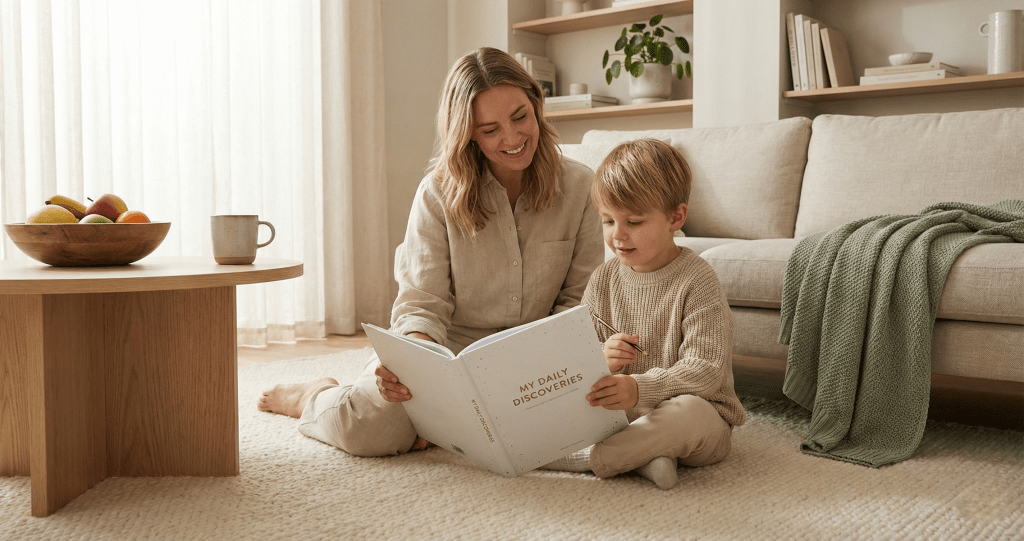
Screens are a lifesaver for parents of young kids, not a mark of shame. Most families use them for after-school decompression, travel, or when the day’s din gets too loud. The problem is that speedy, nursery-rhyme infused channels and autoplay functions, such as those found on YouTube, transform momentary respite into sustained habits that splinter a child’s focus.
We’re not trying to ban screens, but rather impose some structure and bring back balance.
Practical strategies for fostering healthier screen habits in children:
- Establish screen time limits and commit to them.
- Select slow, predictable, gentle material when screens come in.
- Watch together and discuss what you see.
- Transition calmly from screens to quiet, tactile activities.
- Avoid fast-paced, highly stimulating shows and autoplay platforms.
- Be explicit with your child about screen boundaries and routines.
Set Clear Limits
For kids 2 to 5 years old, an hour a day of quality programming is recommended. Older kids can benefit from consistent limits, too, which prevents usage from invading every open moment. Choosing age-appropriate programming counts.
Programming that is intended for 3 year olds is not the same as programming for a 6 year old in terms of pace and complexity. A timer makes the boundary feel predictable and fair, not arbitrary, to children. Explaining the “why” behind screen limits builds cooperation.
For example, “When your show is done, we’ll do a puzzle so your brain gets strong focusing.” Kids less than 18 months old might get something out of family video calls, and 2-4 year olds can learn from slow, educational content.
Choose Slow Content
Rapid nursery-rhyme channels and YouTube autoplay hijack developing brains. Instead, slower-paced shows with gentle visuals and simple narratives promote calm and concentration. Low-stimulation media guides kids in managing emotions, developing attention, and avoiding the “high” that trails rapid content.
- Bluey (Australia) — slow, gentle pacing, real-life themes.
- Puffin Rock (Ireland) — calm visuals, nature focus, soft narration.
- Pocoyo (Spain) — simple animation and storylines, minimal noise.
- Sarah & Duck (UK) — slow conversation, curiosity-driven plots.
Ideally, content that sparks the imagination or encourages open-ended thinking. Skip the shows engineered to addict a kid to watch through endless newness.
Watch Together
Co-viewing provides parents a glimpse into their child’s world. Being present enables you to gently interject with questions or comments to help kids process what they see and hear. Shared viewing fortifies connection and constructs language.
-
Take a break every once in a while to say, “What just happened?” or “What do you think is going to happen next?”
-
Name feelings you see in characters: “She looks surprised. Why?”
-
Connect storylines to the child’s own experiences.
-
Disable autoplay and involve your kid in selecting the upcoming program.
-
Then, get creative. Draw or play according to what you watched together.
Transition Gently
Quick screen to real life switches typically set off meltdowns. Kids require warning and a consistent step-down ritual. Give a five-minute warning, then turn off screens and invite your child to join you for a peaceful activity, such as matching pictures, easy tracing, or sorting by color.
Make sure you are using the same transition each time. Maybe it’s a song, a snack, or a tranquil activity in your vicinity. This communicates “screen time is done” in a manner that seems secure and anticipated.
Our Tiny Thinks™ Free Calm Pack is just for these moments—low-stimulation, organized, and simple for kids to initiate themselves. For more, age-specific Tiny Thinks™ Workbooks carry the quiet, self-directed attention screens can’t deliver.
Better Alternatives for Toddlers

Parents see the distinction between speedy, colorful screen input and calmer, slower-paced input. Lots of toddlers thrive on shows and activities that are gently paced, with low sound effects and obvious, predictable patterns. For families experiencing Cocomelon overload, it’s useful to know what’s available, including alternatives that promote emotional balance.
The following table offers a look at several calming and enriching options that parents around the world have found effective for young children:
|
Show Name |
Origin |
Features |
Why It’s Calmer |
|---|---|---|---|
|
Bluey |
Australia |
Family routines, social skills |
Slow pace, real-life stories |
|
Puffin Rock |
Ireland |
Nature, friendship, exploration |
Gentle animation, soft colors |
|
Daniel Tiger’s Neighborhood |
USA |
Emotions, routines, empathy |
Simple songs, slow transitions |
|
Tumble Leaf |
USA |
Problem-solving, outdoor exploration |
Quiet music, tactile visuals |
|
Mouk |
France |
World cultures, travel, teamwork |
Story-driven, less noise |
|
Little Bear |
Canada |
Imagination, family, calm stories |
Slow stories, minimal music |
Slower-paced content can make a real difference to a toddler’s capacity to remain calm and focused, post-school or in the thick of busier parts of the day. These shows tend to employ less rapid scene changes and background noise, allowing kids to control their energy and focus, which is crucial for young brains.
For instance, ‘Bluey’ explores day-to-day family life with authentic scenarios and subtle humor, and ‘Tumble Leaf’ encourages kids to find solutions out in nature. Both stimulate kids to reason, observe sequences, and fantasize, rather than respond to flickering lights or non-stop sudden stimuli.
Educational shows that have real world experiences, such as visiting farms and seeing how things are made, tend to be effective in connecting screen time to life outside the house. That type of content promotes emergent literacy, develops vocabulary, and helps children find their way in the world.
Other families enjoy more traditional story-driven fare like “Little Bear” or “Puffin Rock,” which emphasize friendship, nature, and quiet adventures over constant motion. These formats can be simpler for toddlers to consume and reread independently.
It’s worth acknowledging that each child responds differently. What soothes one toddler might not calm another. Certain kids yearn for tales of collaboration and compassion, and some prefer direct problem-solving or creative role-playing.
Studies on fast-paced programming’s impact on executive function are underway, but preliminary evidence indicates that slower, more predictable input is less apt to splinter attention and self-control.
Tiny Thinks™ was designed for these moments—after school, in between screens, at the dinner table or in a waiting room—when families require a trusted, soothing framework.
The Free Calm Pack provides a soft, screenless path to calm and refocus, using visually light, thinking tasks. For more advanced self-directed play, the age-specific Workbooks take this method further, promoting focus, order, and control without parental intervention.
No hype, no pressure, just a cool, calm choice that lands when the concentration tank is empty, supporting young minds in their development.
Conclusion
To understand the real impact of shows like Cocomelon, look at what happens in everyday life: fast, looping content often leaves young children restless, impatient, or craving more stimulation. It’s not just about screen time, but the nature of the input—fast edits, non-stop music and ceaseless newness fray focus and make it difficult for children to calm down afterwards. Calmer, expected activities foster better focus and easier transitions. Several families have discovered that slow, hands-on play or even just simple, mini-structured routines can bring back balance when screens result in frazzled kids.
Opting for less stimulating fare and cultivating habits around low-key, solo play frequently returns the patience, focus, and even-keeled disposition parents wish to encounter. Tweak your morning routine.
Frequently Asked Questions
Is watching Cocomelon harmful for toddlers?
There’s no proof that Cocomelon is damaging. Professionals fret over its frenetic action, which can overstimulate little kids. As with anything, moderation and supervision are key.
Why do some experts criticize Cocomelon?
Some experts say that Cocomelon’s rapid scene shifts and colorful visuals overstimulate kids. They are worried this could influence attention or screen behaviors in little ones.
What are signs my child is overstimulated by screen time?
Typical symptoms are crankiness, difficulty concentrating, difficulty sleeping, or having a tantrum post-watching. If you observe these symptoms, it might be time to tweak your kid’s screen routine.
How much screen time is safe for toddlers?
Worldwide health groups suggest that children under 2 years old should spend limited time with screens. For kids 2 to 5, limit screen time to less than an hour a day, supervised.
Are there better alternatives to Cocomelon?
Yes. Seek shows with slower pacing, educational content, and interactive components. Books, pretend play, or outside play are great options.
What is “hypnotic content” in children’s media?
Hypnotic content refers to those shows with endless loops of songs, quick edits, and minimal talking. These characteristics are attention grabbing for children but not necessarily conducive to healthy development.
How can I create healthy screen habits for my child?
Establish boundaries and promote calm play by co-viewing and discussing what you’re seeing. Encourage breaks and complement screen time with activities like outdoor play or reading.