
- Key Takeaways
- Why Screens Are So Alluring
- The Unseen Family Influence
- Reclaiming Your Child’s Attention
- Beyond Entertainment: The Content Trap
- Our Family’s Screen Detox Story
- When to Seek Professional Help
- Conclusion
- Frequently Asked Questions
- Why do children prefer screens over other activities?
- How can parents set healthy screen time limits?
- Does screen use affect my child’s development?
- What role does family behavior play in children’s screen habits?
- How can we encourage children to choose non-screen activities?
- When should I seek professional help for my child’s screen use?
- Are all screen activities equally harmful?
Key Takeaways
- Screens are purposefully engineered to be compelling so kids can get addicted to the instant gratification they provide.
- Family habits and home environment play a significant role in influencing children’s screen behaviors. Demonstrating balanced screen usage is crucial.
- Acknowledging and addressing parental stress can alleviate a child’s dependence on screens as a soothing mechanism.
- Taking just a moment to audit your child’s screen time provides insight and reveals opportunities for change.
- Establishing a transparent family agenda and schedule with compelling offline options promotes better habits and greater bonding.
- If screen use feels unmanageable or starts to affect your child’s wellbeing, consulting a professional can be a useful next step.
When screens become the default after school or during dinner prep, families need something calm and immediate that actually holds attention. Tiny Thinks calm pack is what parents use in those moments instead of handing over a device.
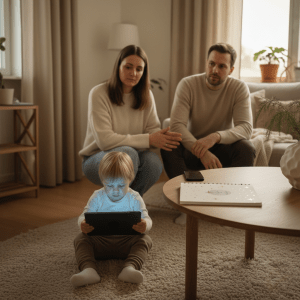
A child who only wants screens is demonstrating the classic early childhood pattern of today. Most parents report that their kid wants a device at virtually any lull after school, dinner, in the car, or waiting.
This schedule can make it difficult for families to experience serene, independent play. To know why screens tug so forcefully, it helps to examine what is going on in a toddler’s brain and physiology.

Why Screens Are So Alluring
Screens hook kids for reasons more mechanical than magical. Screen use is directly connected to dopamine release, which is a chemical the brain associates with pleasure and reward. Every new video, game level, or notification provides a rapid, gratifying shock. This system is designed to be addictive, not just for kids, but for anyone with a screen. The result is predictable: children seek out screens for that fast, reliable hit of stimulation, and it’s no surprise they want more.
Content is engineered to capture attention, with flashing lights, attention-grabbing sounds, and relentless novelty. For a 3 to 7-year-old, whose attentional system is still maturing, this deluge of stimulation drowns out innate curiosity and autonomous play. Rather than engaging in simple activities like digging into blocks or doodling, they are enticed by the infinite feed or the subsequent video recommendation, which can disrupt their sleep routine.
Gaming and interactive apps introduce an additional feedback layer. Each tap, win, or level-up provides immediate reinforcement, making it ever more difficult for a child to disarm the device. This immediate reward is potent, and it conditions the brain to anticipate rapid payoffs, causing more gradual, understated pursuits to seem boring by contrast.
Social media and video-sharing platforms bring a new type of allure. These spaces provide kids with a feeling of belonging and a sense of connection, even at a very early age. Kids could talk about emotions, favorite programs, or even struggles with anxiety and self-worth. To others, screens become a go-to mechanism to deal with or avoid emotions, creating a power struggle between parents and children over technology use.
The problem is this type of perpetual accessibility can render it even more difficult for a kid to switch off and make the leap to offline existence. Self-regulation, knowing when to stop or how to pause or how to handle feelings without a device, is incredibly difficult and particularly challenging without scaffolding.
It’s crucial to see the big vision. Screens themselves aren’t inherently “bad.” They link kids to buddies, to thoughts and to the broader world. They can provide an escape from loneliness, boredom or stress. The design of many platforms is not neutral, instead being optimized to keep users hooked.
For certain kids, years of deep use can lay down difficult-to-undo grooves. Parents tell me they feel at wit’s end, not knowing how or when to intervene or “reset” the equilibrium at home. The struggle isn’t a mark of failure—it means the system is working perfectly.
When real-world pressure points strike after school, during the dinner mayhem, in the doctor’s office waiting room, or at bedtime calm-down, most alternatives seem either too noisy, too untidy, or too taxing. This is where Tiny Thinks™ fits in: it’s a practical, calm alternative for parents who want their child to settle and stay engaged without relying on screens.
In waiting rooms, car rides, or the post-screen crash before bedtime, Tiny Thinks Calm Pack gives children a structured way to settle without negotiation or stimulation spikes. This is the calm replacement families reach for when screens stop working.
The Free Calm Pack is a gentle entry, providing organized, low-stimulation blank thinking pages that your kids can apply on their own. For continued reinforcement, age-specific Tiny Thinks™ Workbooks deepen these rewards, developing attention, planning, and self-directed activation without rapid stimuli or distraction.
The Unseen Family Influence
Kids don’t engage with screens individually. The hidden family factor is that household rhythms, parent habits, and the emotional atmosphere all mold how kids engage with media. A lot of parents look up and discover that screens have stealthily invaded every moment of daily life—at the table, in the car, before going to sleep.
Setting boundaries sometimes feels impossible. Most families have more than one device, and the fear of missing out is real. The consequence is confusion, guilt, and fear of what’s slipping away.
Your Habits
Kids observe adult screen habits. If mom checks texts at dinner or scrolls in the checkout line, kids soak that up. The initial move is not about establishing boundaries for your child, but turning the lens inward on yourself.
Parents who prioritize face-to-face conversation and quiet hobbies send a clear message: screens are not the only way to relax or connect. Little nudges count, like putting phones away at the table or picking up a book, not a screen, in waiting rooms.
When grown-ups demonstrate that offline pursuits have worth, kids are more inclined to join in. Some parents believe they’ve ‘lost’ their child to a device, but frequently the modeling began with the adults.
By curtailing your own screen use during family time, you’re scaffolding some positive habits. It’s not about being perfect; it’s about being intentional in example.
Your Home
How screens are permitted shapes how kids use them. Phones in bedrooms or at the dinner table make screens seem omnipresent. Designating zones, like a communal living room for screens and device-free bedrooms, establishes organic digital detoxes.
Screen-free zones function as visual borders. A kitchen table piled with books or a puzzle beckons peaceful involvement. A basket of crayons in the living room whispers options.
Visual cues, a little sign or shelf, remind family members to pick a non-screen activity. Parents have difficulty setting limits. Active lives result in rules slipping through the cracks.
Rather than policing, prepare the environment. Arrange your home so kids can easily get to calm, organized play. This reduces mental overhead for parent and child alike.
Your Stress
Parental stress drives screen time. When the day is beating you up, handing a kid a screen feels like the only way to get a break. Most parents are utilizing screens as a practical tool, not because they’re lazy or neglectful.
Yet stress screens can become a habit, particularly at pressure-cooker moments such as after school or bedtime wind-down. Stress reduction starts with simple practices: slow breathing, short walks, honest conversations about what’s hard, and even a five-minute reset.
Our kids need to witness us managing stress without immediately grabbing for a screen. Done well, screens can be helpful. Some kids find relief in viewing educational videos or listening to other people discuss their anxiety.
When screens become the default coping tool, space for real connection and problem-solving shrinks. In the long run, this can impact social relationships and family dialogue.
If peaceful concentration is the target, Tiny Thinks™ provides a screenless solution. The Free Calm Pack is designed for those pressure points: waiting rooms, after school, mealtime chaos.
All three foster focus, persistence, and independent thought. For continued assistance, age-specific Tiny Thinks™ Workbooks get kids to calm down, concentrate, and come back to that very same still work — no newness necessary, no grown-up coercion necessary.

Reclaiming Your Child’s Attention
Screens everywhere you turn, tablets at dinner, phones in the car, cartoons before bed. The draw is strong: screens deliver fast, frictionless entertainment, and for parents, they often feel like the only break in a relentless day. With kids spending 5.5 to 8.5 hours per day on screens, the distraction of high-value activities is significant.
Parents notice the consequences: shorter attention spans, less outdoor play, and rising frustration when the device is removed. Reclaiming your child’s attention begins with structure, not blame—first understanding the patterns, then constructing a system that tips the scale.
1. The Audit
Start by monitoring your child’s real screen time each day. Make a note of when, where, and which device they use and for how long. Most parents are shocked by the aggregate. Occasionally, screens sneak in between activities, in cars, or during brief waits.
Observe the types of content your child pursues. Are they rapid-fire videos, games, or more subdued educational apps? This step is not judgment but acknowledgment. Kids can spend hours in freeform, hyper-stimulating content and then have a fit when it’s time to sit down for dinner or fall asleep.
Involve your child in the process. Ask them to help log their own time or draw a chart with screens on one side and offline play on the other. Having the contrast on paper allows both parent and child to realize where time is actually going.
2. The Plan
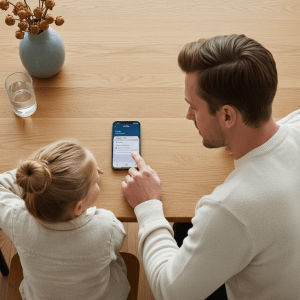
Now with more clarity, set a family media plan. Establish clear, predictable limits, such as no personal devices at the table or designating screens as computer-based only, not phones, to reduce their ever-present availability.
Discuss goals as a family: perhaps you aim to reduce daily screen time by half an hour or reserve screens only for certain moments. Have children help shape the rules to create ownership. Check in on your progress weekly.
If the plan doesn’t work, tweak it together. Other families have the most success by implementing unyielding no-screen reigns for a designated amount of time, like a weekend or holiday. These replacement periods enable your child to adapt to new rhythms and reconnect with offline activities.
3. The Alternatives
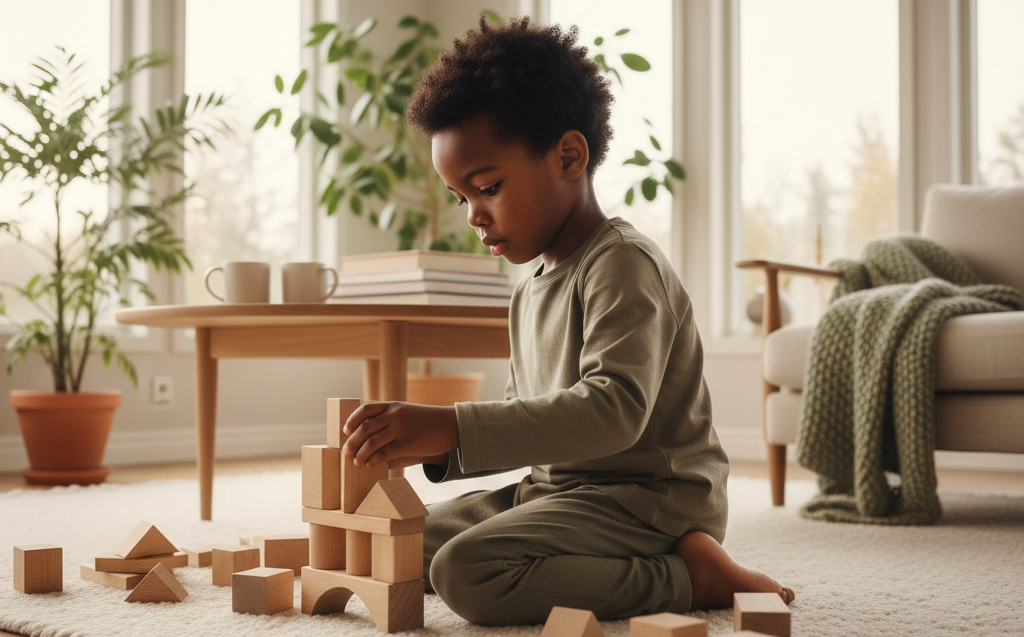
With screens in check, kids require interesting options. Offer practical, hands-on options like simple arts and crafts, building blocks, or puzzles that require sequencing and patience. Rotate in books that match their age and interests.
Outdoor time is crucial; remember that certain research reports that kids today spend less time outdoors than prisoners. Even a walk or a quick playground visit resets their system.
List family activities everyone can enjoy such as board games, cooking together, or gardening. These shared moments cultivate skills and provide a subtle pivot away from passive screen consumption toward active engagement.
4. The Routine
Structure is the antidote to chaos. Design a schedule with well-defined screen and offline blocks—kids love a sense of predictability. Put screen time after a quiet time, not before or when they wake up.
Demand tech-free meals and unwind before bedtime. Turn to clocks, timers, or picture charts so kids can predict what’s next. They help minimize negotiation and pushback and keep transitions painless for all involved.
5. The Connection
Put connection first in screen-free windows. Have brief, intentional talks, inquire about their day, the most interesting aspect of a book, or what they want to attempt tomorrow. Use shared activities to build communication: work on a puzzle, draw together, or simply take a walk.
When kids discuss their ‘relationship’ with screens, listen, don’t lecture. These moments build emotional vocabulary and teach kids to recognize their impulses, creating the foundation for self-regulation throughout life.
Tiny Thinks™ is a savior for these moments. The Free Calm Pack provides kids with a much-needed, structured, visually quiet alternative after school, while traveling, at the dinner table, or when settling down for bed.
Kids opt in and parents observe the difference: calmer concentration, gentler transitions, and increased autonomy. For families craving a richer system, age-based Tiny Thinks™ Workbooks enhance the thinking layer, scaffolding attention and working memory without the need for continual adult guidance.
No hype, no pressure. Simply a reliable, soothing method for kids to be quiet and ponder.
Beyond Entertainment: The Content Trap
Screens are everywhere, and children are drawn to them for clear reasons: they are fast, bright, and always changing. It’s not a character flaw for a kid to gravitate to screens. These instruments are intended for immediate gratification and persistent involvement. Pings, swipes, and snapstreaks distract focus from more gradual, more profound contemplation. In this digital age, new parents must navigate the balance between technology use and fostering meaningful interactions.
The issue isn’t simply “screen time overload,” but the type of content that occupies those moments. Many parents see the fallout: a child unable to settle, ricocheting from activity to activity, asking for more stimulation. Attention spans contract down to eight seconds, one less than a goldfish. The nervous system is wired for quick jabs, not deep punches.
The true danger of screens isn’t necessarily the sheer quantity. It’s what’s occurring within those minutes. Violent or age-inappropriate content can slide in fast and mold behavior or expectations in difficult to undo ways. Even under careful supervision, recommendation algorithms tend to highlight content designed to elicit immediate responses—shock, anxiety, or indignation—instead of reflective responses.
For kids 3–7 years, these times may be even more intense. Regulation breaks down and the capacity to transition serenely between activities gets drowned in the din. It’s not about demonizing tech but recognizing that toddlers desperately require slow, predictable input to create stable attention and self-regulation. Engaging in simple activities that promote interaction can help mitigate the effects of overstimulation.
It matters to monitor what kids are watching — not just for how long. It’s tempting to center on the clock or to get stuck in arguments about ‘quality’ and ‘bad screen time’. Yet, the real work is in noticing the quality and tone of the content: Is it fast, fragmented, and loud? Or does it promote sequencing, puzzle solving, and independent thinking?
There’s no exact science in all this. Some studies find damage while others find minimal impact. One extensive review discovered that content contributed to less than 0.4% of wellbeing. Most parents don’t need a statistic to notice the difference between a kid who’s collected and involved and one who’s whirled up and antsy post-screen time.
What works is moving the emphasis away from time-bound to connection, learning, and reflection. Tiny Thinks™ was made for these moments—after school, screen transitions, waiting rooms, bedtime wind-down—when regulation is tenuous and the parent needs a steady, calm ballast.
The Free Calm Pack provides your kids with an organized, screen-free path to calm and refresh their minds. No hype, no pressure, just one silent page at a time. When kids revisit these workbooks on their own, parents watch attention, sequencing and independent initiation begin to reconstruct without having to cajole or amuse.
Our Family’s Screen Detox Story
Screen detox is not often easy. It is not about drawing a hard line—no screens from 15:00 to 17:00—and expecting a peaceful, instant shift. In our household, it stirred up tension immediately. Our little one oscillated between fidgeting and full-on rebellion, requesting their beloved cartoons every 20 minutes. I caught myself reflexively reaching for a device just to keep the peace, particularly after a long day as new parents navigating the challenges of early parenthood.
The initial days were uneasy at best, boredom looming and everyone feeling slightly adrift. The first few days were rough. My wife and I had to fight the temptation to eliminate every quiet moment with an easy distraction. Our kids meandered from room to room, looking for something to occupy themselves. There was more bickering, more snack requests, and an omnipresent chatter of “Just let me watch one episode.
We didn’t shame anyone for craving screens. Whenever the request returned, we gently reminded them of the plan, then provided something simple and tactile — a pattern match, a puzzle, a few crayons, and a quiet corner. Then, after a week or so, something changed. The incessant screen requests abated. Our kids began to stretch their time at the table, caught up in sketching or silently stacking blocks.
One afternoon, I observed as they created a game from wooden animals and a pile of napkins. They had started spontaneously grabbing puzzles. Our house’s moods softened. Bedtime, once a struggle following the evening cartoons, became quieter. No screens before bed meant everyone fell asleep faster and woke less groggy.
What we observed most was a change in our family dynamic. Mealtimes became more peaceful. We conversed more. Brothers made up tales together. Occasionally, we’d have a fast-paced, energetic game of football in the yard or simply sit and read. The house seemed quieter but not void, more centered but not flat. I was less irritable. We each had more patience for one another.
The magic cure strategies that actually worked had simplicity about them. We didn’t exchange screens for fancy crafts or complex activities. Instead, we switched around a few peaceful, lightly visual activities — matching, tracing, easy pattern games. We left them open so the little ones could initiate.
When the screen itch struck hardest after school, during dinner preparation time, or while waiting at the doctor, we would suggest a Tiny Thinks Free Calm Pack page or a favorite workbook. These were regimented, low-arousal, and on-demand, so they didn’t require nebulous, stressful, high-maintenance monitoring to get our kids to settle.
A detox requires time. Not without its bumps, the rewards—more focus, better sleep, calmer transitions—are tangible. Tiny thinks is not a prize, it’s not a diversion. It’s the weapon we always reach for when it’s time to get the kids off devices and unplug, to reset, regroup and think.
When to Seek Professional Help
For most families, screen time is a realistic aspect of life. When a kid just wants screens — and nothing else seems to interest them — it can turn the entire house upside down. The point is not whether screens are “bad,” but whether their use is starting to disrupt real-world rhythms, relationships, or the child’s mental health. This is where professional help is a helpful tool, not a stigma, especially for new parents navigating these challenges.
It’s obvious when screen use becomes unhealthy. If a child gets highly anxious, irritable or even angry when a device is taken away, that’s more than just garden-variety protest. It indicates a dependence that is difficult to overcome. Certain kids get antsy or upset if they can’t check a screen, even for a brief period. Others pull away from family, lose interest in favorite toys or have difficulty engaging in group play.
If your routine—meals, bed time, school prep—keeps falling apart because a screen is always in the way, that’s a red flag. In these instances, it’s not a matter of parental discipline or ‘tougher regulations’. It’s about a vicious cycle that requires external assistance to break. Psychologists now provide easy diagnostic quizzes for parents to determine whether their child’s habits have crossed this threshold.
Professional matters when the patterns don’t shift with home changes. A mental health professional can assist if parents observe new anxiety, social withdrawal, or ongoing mood changes associated with device use. This isn’t uncommon. Studies indicate that roughly one in 10 older children and young adults become compulsive, problematic internet users.
In young children, the signs may be quieter: sleep disruptions, loss of interest in non-screen play, or trouble managing big feelings without a device. These are times to reach out for assistance, not berate yourself or your kid. It’s essential to create a supportive environment that fosters emotional health.
While open conversations are good, they need boundaries. In lots of households, suspicion around “screen addiction” results in fraught standoffs. Instead of threats or guilt, center on describing what you observe (“You’re struggling to put down the tablet, even when you wish to”) and ask your child basic questions about how screens make them feel.
If you feel overwhelmed, anxious, or upset for your child or yourself, this is a good time to consult a professional who works with children and their behavior, not screen time specifically.
Help is worldwide. There are numerous clinics, hospitals, and parenting centers that provide direct assistance for screen difficulties. Search for pediatric mental health providers, child psychologists, or family therapists who have experience with digital habits.
A few provide online consults, parent groups, and personalized plans. If you require instant direction, begin with a local pediatrician or trusted school counselor. They can refer you to local resources and recommended initial steps.
For families who require a quiet, screen-free option in the meantime while building out these habits, Tiny Thinks™ provides tangible respite. Free Calm Pack offers relief on demand for those high-pressure moments after school, mealtime, travel, and bedtime when parents just need their kid to settle down, focus, and think calmly.
These are low-stimulation, self-initiating activities that cultivate attention and regulation without parent imposition. If you need more guided, age-specific Tiny Thinks™ Workbooks bring this system to life at home or on the go. This is not a prize or penalty. These utensils serve as a cognitive buffer that enables kids to reset, particularly during screen transitions.
Conclusion
Most families attempting to reduce screen time encounter the exact same behavior. Kids request a device, parents resist, and angst ensues. Beneath it, the true battle lies in a kid’s brain addicted to speeded-up dopamine hits and a family dynamic that covertly supports the cycle. Screens are convenient, they are reliable, and they are immediately gratifying. Of course kids keep returning to them over and over.
It takes more than new rules or guilt to shift away from this. It means disrupting the environment, providing a peace-centered, structured alternative that actually occupies a child’s brain. With consistent schedules, hands-on cognitive play and time, focus starts to reforge. Kids compromise and with it the family rhythm. It’s not about battling screens, it’s about providing the mind with something superior to come back to.
When screen battles keep repeating and parents want a dependable system not rules or reminders Tiny Thinks Workbooks become the default at home and on the go. This is how families replace screen time with calm, structured thinking play.
Frequently Asked Questions
Why do children prefer screens over other activities?
Screens provide immediate gratification and vivid imagery, making technology use feel more rewarding than preferred activities like sensory play or family goals.
How can parents set healthy screen time limits?
Establish firm guidelines around technology use, develop everyday habits, and involve your kid in selecting screen-free pursuits to promote family goals. Consistency and rewards help hold those good boundaries in place.
Does screen use affect my child’s development?
Too much screen time can affect sleep, learning, and social skills. Moderate consumption, accompanied by active exposure to the real world, promotes more robust growth.
What role does family behavior play in children’s screen habits?
Kids do what adults do. If you and other family members are constantly on screens, then your kids are bound to follow suit. Modeling balanced use promotes healthier habits.
How can we encourage children to choose non-screen activities?
Provide alternatives such as outdoor activities, books, or art. Get involved to make these activities exciting and interesting so kids get their minds off screens.
When should I seek professional help for my child’s screen use?
If your child demonstrates withdrawal, moodiness, or difficulty functioning in daily life due to technology use, seek a health professional. Prevention at an early age can help avoid difficulties in the future.
Are all screen activities equally harmful?
No. Learning and activity content is good in moderation. Passivity or violence might be bad. Be sure to supervise and direct your child’s screen time.