Key Takeaways
- Overstimulating kids shows tend to be a combination of fast pace, loud sounds, and flashy visuals, which can drown out young children’s senses and make it difficult for them to pay attention or control their impulses.
- As the article points out, symptoms of overstimulation in kids include crankiness, being unable to sit still, and trouble concentrating, particularly after watching some kids’ shows.
- Selecting programs featuring subdued images, quiet sounds and unhurried plots encourages calm, sustained attention and fosters robust cerebral growth.
- Parents have their part to play by watching for the signs of overstimulation and redirecting children towards soothing educational shows that promote imagination and learning.
- To make a healthy media diet is to supplement overstimulating kids shows.
- Thoughtful screen selections and continued discussions around conscientious viewing can assist families in cultivating healthy practices and nurturing kids’ development.
Overstimulating kids shows are those ultra-wacky, rapid-scene-changing, loud-sounds, bright-visuals type of kids’ shows you find on streaming platforms.
Most parents observe that these shows overstimulate little kids and can cause them to become agitated, unfocused, or tearful when viewing.
Studies indicate a connection between fast screen stimulation and shifts in attention and self-control. Knowing how this occurs aids parents in selecting more tranquil, healthier schedules for their youth.
What Are Overstimulating Shows?
Overstimulating shows are those that overwhelm toddlers’ brains with too much sensory information at a time. They are designed to overstimulate young kids’ nervous systems with fast-paced scene changes, loud noises, flashing lights, and kinetic animations. For 3 to 7 year olds, their brains are still wiring the ability to focus, self-soothe, and process language.
Overstimulating kids shows place excessive demands on a child’s developing nervous system by combining rapid pacing, loud audio, and nonstop visual movement.
When shows either go too fast or assault them with relentless noise, these fledgling skills can be thrown out of whack.
The table below outlines key characteristics of overstimulating shows and their effects:
|
Characteristic |
Example |
Potential Effect on Children |
|---|---|---|
|
Rapid scene changes |
2–3 seconds per scene |
Shorter attention span, fragmented focus |
|
Loud sound effects & music |
Constant background noise |
Heightened arousal, irritability |
|
Flashy visuals & animations |
Neon colors, spinning objects |
Sensory overload, difficulty calming |
|
Lack of pauses |
No breaks between action |
Poor comprehension, reduced retention |
Hit shows such as Spongebob Squarepants exemplify these qualities with rapid-fire editing, cartoonishly loud characters, and an almost non-stop parade of images moving across the screen. They produce a hyperarousal state, where kids are over-stimulated and have a hard time settling down when it’s over.
As some of you parents out there may have observed, these types of overstimulating shows often make children cranky or unfocused. The frenetic pace and intensity leave their brains on edge.
Overstimulating shows have real impacts when they’re consumed repeatedly. The American pediatric community has cautioned that rapid-fire media overstimulates attention, impedes emotional control, and renders silent pursuits tedious or unviable.
According to research, babies who watch these types of shows tend to have delayed speech development and trouble with transitions.
1. The Pacing
Rapid pacing results in cognitive overload in toddlers and preschoolers, whose brains are not wired to handle rapid-fire visuals and nonstop action. Educational content with slow pacing provides space to process and reflect.
Overstimulating shows hop from scene to scene every few seconds, giving young viewers no opportunity to make sense of what’s going on. Without the deliberate pause, understanding wanes and kids are just responding, not processing.
Calm, slow pacing, like in the old Mister Rogers’ Neighborhood, helps kids concentrate, participate, and chill out, skills that transfer to everyday life.
2. The Visuals
Bright colors, spinning shapes, and flashing graphics illuminate the screen and can overstimulate a child’s brain as well. When each scene changes with neon intensity, the visual system goes into overdrive, and it becomes difficult to focus on the narrative or absorb anything significant.
This type of stimulation pulls us away from genuine learning and leaves low-stimulation play feeling boring in comparison. By opting for shows with muted colors and minimal imagery, you cultivate peaceful, mindful viewing habits.
This also facilitates the transition of kids back to screen-free activities, such as Tiny Thinks™ Workbooks, which are non-tasking attention-lavishing instruments.
3. The Audio
Loud, jarring sound effects and relentless music are the signature of overstimulating shows. For kids, particularly those noise-sensitive kids, this can induce stress and make it more challenging to control emotions.
Soft background music and soft sound cues create a calm mood, while persistent noise can cause kids to be hyperactive and scattered. Calming sound design in shows helps foster a calm atmosphere and facilitates a smoother shift into silent, independent play.
Activities such as doodling, matching, or patterning with Tiny Thinks™ Free Calm Pack can be beneficial.
4. The Narrative
What are overstimulating shows? Overstimulation, or too much screen time with high-intensity content, has been associated with attention issues, tantrums, and even delayed language development.
The link between overstimulation and developmental delays is greatest in the early years, when the brain is most sensitive to input. Healthy media, with slow stories, predictable structure, and soft images, nourishes brain development.
Parents who transition into calm, structured activities tend to witness fast gains in focus, regulation, and independent play readiness. Our Tiny Thinks™ Workbooks are specifically designed to deliver this type of screen-free structured engagement that helps kids reset and flourish.
Why calm, sit-down activities work when screens don’t?
Children are often overloaded, not bored. After fast-paced screen content, their nervous systems are already saturated, which makes it harder to sit, listen, or transition smoothly.
Gentle, hands-on activities work because they offer structure without stimulation. Unlike screens, they don’t demand constant reaction or sensory processing. Finite, quiet tasks allow children to reset independently and regain a sense of control.
Calm activities don’t distract children from dysregulation; they help resolve it.
The Impact on Child Development

Overstimulating kids’ shows, particularly those with quick cuts, loud noises, and rapid plot progression, actually impact the way young children think, behave, and self-regulate. For kids 3 to 7, whose brains are still learning to filter input and calm their nervous systems, these impacts surface rapidly and distinctly. Low stimulation shows can provide a different experience that aids emotional development and self-regulation.
These common signs of overstimulation in children are easy to spot once you know what to look for. You may spot crankiness, an inability to complete tasks, or a decrease in patience. Some kids get more aggressive, some melt down, and many just throw a can’t-handle-it fit when you ask them to do something simple like eat, put on shoes, or follow a quick instruction.
After a speed show, a child might fidget during other activities, talk louder, or have a hard time moving to something quiet. These are hardwired signals that the child’s system is saturated and seeking a release. Behavioral cues frequently go overlooked because they resemble “bad behavior” or “hyperactivity,” but they’re actually the nervous system’s method of indicating overwhelm.
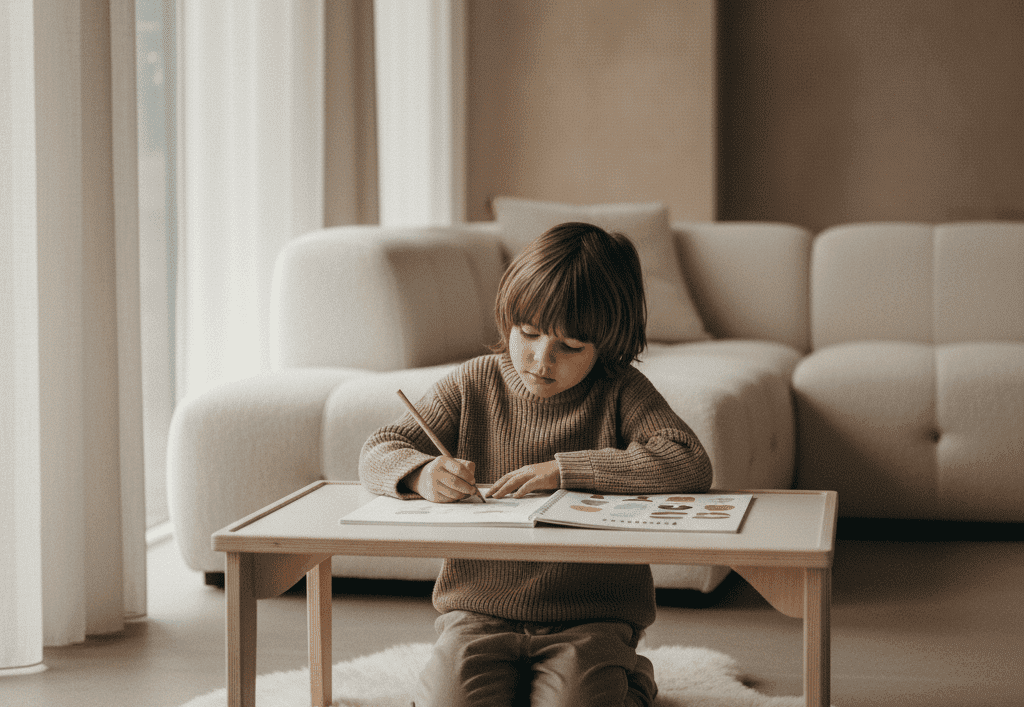
For instance, a child who was quiet before he watched a program, but who afterward becomes insistent or fidgety is probably responding to the rapid stimulus. Research backs this up: children exposed to fast-paced television cartoons perform worse on executive function tasks, things like holding a rule in mind, paying attention, or stopping themselves from acting out, compared to children watching slow-paced educational shows or doing an activity like drawing.
These are not mood swings, but short-term fluctuations in the brain’s capacity to control attention and regulation, triggered by the show’s rhythm. As a parent, you can help your child by looking for these signs and responding early. If the child’s behavior changes, if they become impatient, can’t complete a meal, or resist every single transition, it’s generally time to put down the screen and attempt an alternate activity that promotes emotional regulation.
Even educational shows are not all equal. Slow-paced and interactive content has a gentler effect, while entertainment shows with lots of action, quick jokes, and constant noise are more likely to overwhelm. Research suggests that toddlers who consume more than 90 minutes of daily television, particularly if it’s fast-paced or adult-themed, could have reduced abilities with attention, memory, and self-control.
That’s why it’s useful to monitor not only how much, but what type of content they’re viewing. For screen-needy families, no judgment—we all do it sometimes, parents. When parents need to change gears, nothing works better than providing a soothing, organized option.
Tiny Thinks™ Workbooks and the Free Calm Pack both provide kids with this slow, predictable input their brains beg for after overstimulation. These activities swap out quick dopamine for basic logic, matching, and gentle patterning work, which calms the nervous system and helps regain attention. Several parents report that their kids do gravitate to these silent activities once they’re presented, particularly following a hectic or screen-saturated day.
It’s the transition from frantic to serene that kids experience internally. For any parent in pursuit of a real, screen-free reset, Tiny Thinks™ is your practical, portable solution that goes wherever you go, from the dinner table to the backseat or a waiting room.
Spotting the Overstimulation Signs
Children in households all over the globe have access to more screen-based entertainment than ever. Overstimulating kids shows with quick edits, bright colors and shrill soundtracks have become a standard in early childhood. I’ve seen plenty of parents grab for screens out of pragmatism, particularly in the thick of stressful moments, and the cultural implications are sweeping.
The thing about today’s media landscape is that this is the default, and children are coming across content intended for immediate arousal, not incremental education. Scene lengths less than four seconds, for instance, abound in popular cartoons. These rapid cuts can overwhelm the brain, particularly for kids 3 to 7 whose nervous systems are still developing the ability to process and temper input.
Societal trends fuel this reality. Kid content is designed by a digital-first attention-is-the-currency culture. Studios understand that quick scene changes and high-impact visuals prevent kids from looking away. Accordingly, even educational shows now vie for attention with the very same stimulant techniques used by entertainment.
This never-ending fast-paced content flow has the potential to push a child’s nervous system out of balance. Studies indicate that merely a half-hour of fast-paced cartoon viewing can impair executive control, making it difficult for a kid to delay gratification, troubleshoot, or identify trends. A few, including highly sensitive kids or kids with other special needs, may respond with hyperarousal, crankiness, or difficulty settling themselves post-watching.
This is where parental guidance is needed. Some parents still debate whether their child’s meltdowns or restless behavior are “just who they are” or if screen habits are having a hand in things. It’s hard to distinguish, particularly if screens have been part of the daily landscape since infancy.
Monitoring trends can assist. Counting scene changes with a basic stopwatch app is a good practical start and demonstrates where cuts longer than six seconds are less likely to overstimulate. Selecting slow-paced, desaturated, lightly musicked programs encourages attention and self-regulation. These minor adjustments can steer kids back toward the capacity to focus, listen, and settle.
These capabilities support not just peace at home but social and school triumph. Talks on media literacy are important. Families do well to talk openly about how different shows make their kids feel and to spot when overstimulation results in bad sleep, listening difficulties, or moodiness.
Responsible viewing is not about eliminating all screens but about aligning content with a child’s stage of development. For screen-free answers that return focus and calm to your household, Tiny Thinks™ Workbooks and the Free Calm Pack provide structure, soothing images, and exercises crafted for quiet, controlled play.
Many people discover that these slow, analog crafts organically crowd out the frantic screen hum, particularly during meals, travel, or after school, providing their families the quieter, more present days they desire.
Beyond the Screen: A Cultural View
The truth is, digital devices are a fact of life for families all over. By 2020, almost half of 2-to 4-year-olds in the US had their own device. It’s not an American tale; this is a worldwide change that parents across the globe are confronting. Many parents grab for screens to navigate hectic days, soothe a meltdown, or survive dinner prep. It’s totally reasonable—no criticism at all.
It’s true that this reliance might influence the way kids play with technology, even prior to entering preschool. Choosing the appropriate programming becomes complex. The bar for kids’ media has shifted so much, and the really good stuff can get lost beneath a tsunami of commercial, frenetic programming. While some parents wish that educational apps or shows might help teach their kids, it turns out that most apps just teach basic, repetitive things and don’t often inculcate deep thinking or self-regulation building.
Instead, overstimulating kids’ shows feature frequent scene changes, over-amplified sound effects, and non-stop action. These things captivate a child’s attention for a moment, but in the long run, they can erode attention span and make it more difficult for kids to calm down and think through a problem. Studies associate too much screen time with reduced executive function. That is, children have a harder time with planning, memory, and impulse control.
Low-stimulation shows are definitely an improvement, particularly shows that promote creative, slow thinking. Programs like *Sesame Street* are excellent examples of calming shows that feature gentle animation and steady pacing. Then there are slow shows with natural challenges, like bare-bones nature documentaries or slices of life, that nurture patience and critical thinking. Locating these shows is difficult. Lots of parents don’t realize the influence of quick-cut shows until they attempt to remove them or their kid has difficulty concentrating at the dinner table or when falling asleep.
It’s easy to feel stumped about where to look for alternatives. Some families rely on public broadcasters or lists curated by child development experts, but these aren’t always easy to find, especially beyond big urban centers. One alternative is to make screen time a communal activity. Family viewing, picking slower, more substantial shows and watching together, can transform media use into an opportunity to converse, inquire, and bond.
In this manner, screens do not supplant family time but integrate into it. Still, a lot of parents want more help, just like they get advice about health or nutrition from a pediatrician. For parents wishing for a screen detox shift, Tiny Thinks™ provides soothing, low-prep, hands-on activities designed for calm, focus and early logic skills.
In particular, the Free Calm Pack and age-specific Tiny Thinks™ Workbooks are recommended. These sources swap frenetic sequences for the slow, reliable activities kids truly love. They are simple to operate, function anywhere, and aid kids in cultivating the patience and concentration that hyperactive programs can chip away at.
How to Choose Better Shows
Every parent knows the mayhem that can ensue after a quick blast of a raucous cartoon, wired kids, jittery limbs, and a house on edge. For toddlers, picking shows with soothing plots and slow pacing makes a difference. Quiet, meandering stories calm the nervous system, particularly in hyper-aroused contexts such as post-school or pre-bedtime.
The calm visual design, soft voices, and simple backgrounds mitigate this sensory overload, creating a more focused, peaceful environment. Most popular shows are noisy and rapid, awash in quick edits or strobing lights. These catch the eye, but such shows tend to leave children overstimulated and less capable of concentrating or moving to calm play.
Instead, seek out low stimulation shows with the least visual and aural distractions possible. Easy colors, soothing music, and transparent, stable camera work allow for young brains to absorb what they’re seeing and hearing easily. For instance, shows like gentle animal adventures, daily routines, or simple crafts can provide the perfect balance.
It helps to maintain a shortlist of suggested soothing shows for quick access. Calm titles, such as tales of friendship, nature, or puzzles, are known as nurturing for toddlers. Many parents discover that soft animation styles, such as watercolor backgrounds or mellow pencil-cut characters, captivate their child without overwhelming him or her.
This list becomes a go-to, particularly at high-stress times or when your rhythm unravels.
Seek Calm
Kids get the most out of shows that intrigue and encourage pretend play. Calm, thoughtful content inspires kids to be curious about the world, ask questions, and make up their own stories long after the screen is dark. Educational programming that promotes language and critical thinking can make limited screen time nourishing and productive.
Storytelling is great for building empathy and social skills. When kids watch characters manage friendships or solve a problem in a kind way, they tend to model this in their own lives. Parents can seek out interactive shows, ones that stop and have viewers answer a question or attempt a movement, to make passive viewing active.
Promote Thought
Shows that encourage kids to get involved, to sing or solve puzzles keep those little brains spinning. Others use these moments as a springboard for family conversations, talking about what went down that episode or reenacting favorite scenes together.
These types of educational adventures, whether it’s numbers, letters, or animal sounds, can get you motivated to do some activities away from the screen. Balanced screen routines reign. Short episodes with clear stopping points help limit stimulation and make transitions easier.
My expert simply suggests no screens until 18 months, then roughly an hour a day on weekdays for the preschool years, ages two to seven, with an emphasis on quality over quantity. Tiny Thinks™ Workbooks and the Free Calm Pack take over where calm shows off.
Using gentle pacing, hands-on logic games, and creative prompts, these screen-free tools support focus, regulation, and independent thinking. Most parents report their kids pick these over screens once they experience how soothing and captivating they are.
Encourage Interaction
A nutritious media diet implies balancing low-stimulation content with real-world experiences. Establish screen time boundaries and fill the rest of the hours with family games, outdoor activity, or collective storytelling. Keep an eye on what your child watches and observe their reaction.
Do they seem calm and focused or fidgety and cranky? Some families create a routine: a short, gentle show followed by a Tiny Thinks™ activity, matching games, simple puzzles, or drawing prompts. This routine gets kids to calm down, control themselves, and shift gears.
It is not perfection, but small predictable habits that safeguard attention and nourish thought. For parents looking for screen-free moments that actually work, our Tiny Thinks™ Workbooks and Free Calm Pack deliver instant, practical rescue.
These assets soothe the nervous system and encourage calm attention in the car, at dinner, after school, or bed whenever you need a trusted option to screens.
Create a Healthy Media Diet
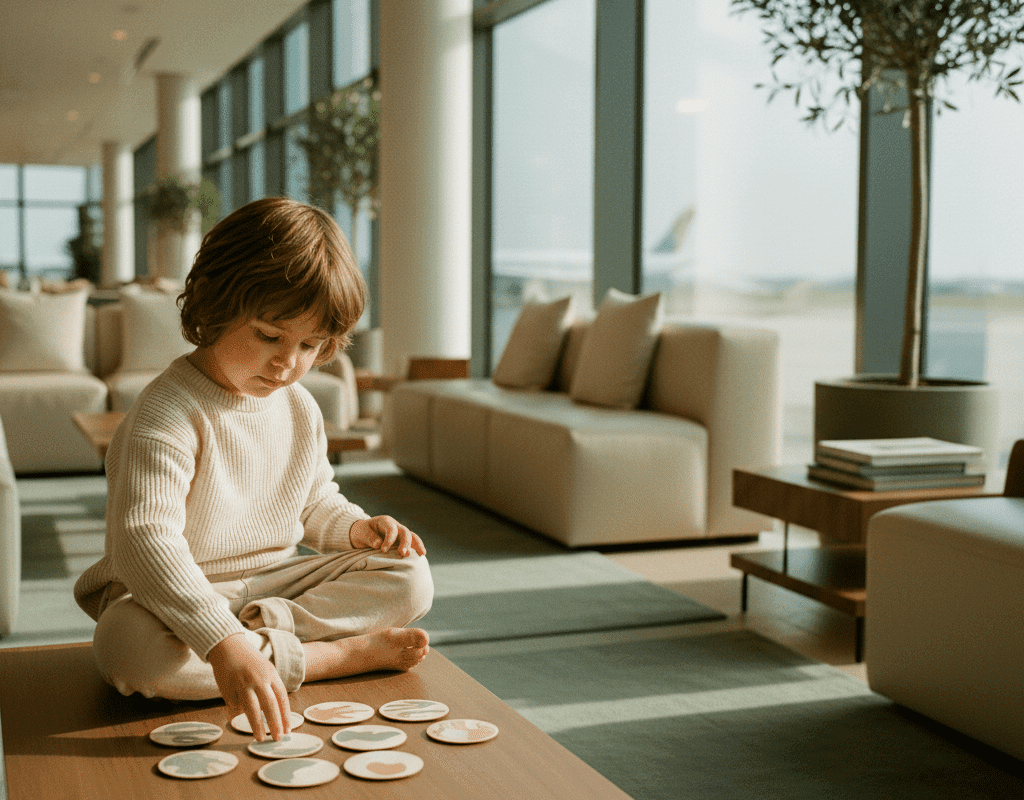
The first few years are a period of incredible brain development, the brain triples in size by age two and grows to almost 85% of its adult volume by just age three. What goes on in these years counts. Overstimulating kids shows, particularly those that have fast paced scene changes, loud sound tracks, and flashy visuals, can interrupt natural attention rhythms and make young children more likely to have difficulty settling, focusing, and learning.
They’re wired for slow, steady input: faces, hands, simple objects, and stories read aloud. Today, kids younger than two are spending twice as many hours in front of screens as they did in the 1990s. They are not learning patience, language, or self-control, but are more prone to restless habits, trouble focusing, and a hard time parsing reality from what’s just flashing on a screen.
Screens aren’t the villain, they can be useful during a quiet meal or a long line. It’s worth being conscientious about what they’re consuming and for how long. Research still finds that the majority of “educational” apps for young kids emphasize rote skills, not real learning, and have no evidence base for cognitive or emotional benefit.
For example, e-storybooks lead to poorer reading comprehension than their paper counterparts. Fine motor, language, and attention all develop best through hands-on, real-world repetition, real objects, and real people. Even though toddlers in front of high-speed programs appear calm, their brains are buzzing. Dopamine is spiking, attention is darting, and regulatory control is more difficult to reclaim when the screen shuts off.
A healthy media diet is about balance and predictability, not just less screen time. Families can begin by engaging in continuous dialogue about what their kids are viewing, their motivation for watching it, and their emotional response to it. Kids pick up media habits from the grownups in their lives.
When parents explain what is going on with a show or discuss what characters must be thinking or even stop the program to ask questions, kids start to learn media literacy. These little moments teach kids how to respond to what they see, not just react. Smart watching habits also have defined screen-free times, such as during meals, before bed, or on feel-good afternoons after school burnout.
To cultivate a healthy media environment is to provide options that promote authentic engagement and peace. That’s where Tiny Thinks™ comes in. The Free Calm Pack and age-based Tiny Thinks™ Workbooks are screen-free and are purposefully crafted to encourage kids to self-regulate, concentrate, and develop foundational thinking skills.
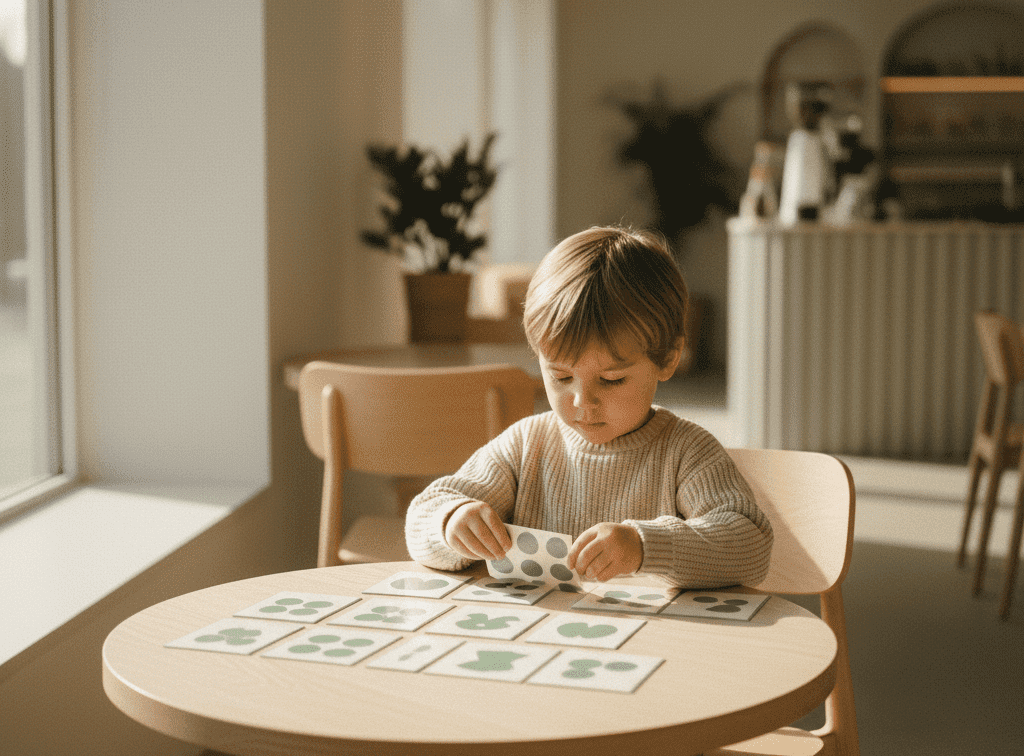
To keep your kids calm during dinner prep, in the backseat, or in waiting rooms, a basic pattern matching page or soft tracing exercise can transform your child from manic to mindful quickly. These predictable, hands-on activities engage children at their developmental level, providing the slow, structured sensory input their brains need.
Kids really savor the silent awe that results from these projects. After a few weeks, parents report calmer evenings, clearer thinking, and more independent play, even at times that previously resulted in meltdowns.
How Tiny Thinks fits into this moment?
When kids are dysregulated after screens, they don’t need more stimulation; they need structure.
- starts easy, with no pressure to perform
- uses quiet hand movements that calm the nervous system
- naturally leads children into focused, independent play
Conclusion
Parents are all ears about how fast overstimulating shows affect a kid’s mood, attention, and even family dynamics. Escaping the overstimulating kids shows is not just a screen-time rule. It’s about constructing a smoother home flow, encouraging stronger focus, and aiding kids in becoming more grounded in themselves. Opting for slower, more predictable programming or stepping into screen-free, hands-on activities provides kids room to decompress and flourish.
Every little bit of difference counts. Even replacing one loud episode with a calm matching game or an easy coloring page can recalibrate the vibe in a room. Sometimes the quietest moments are born from the most minimal adjustments, and those small adjustments accumulate with time.
If you want structured, calm moments without adding extra work, start with the Free Calm Pack or choose the workbook for your child’s age.
Frequently Asked Questions
What makes a kids’ show overstimulating?
Overstimulating shows feature fast-paced scenes, loud sounds, and bright colors. These features overstimulate young children’s developing brains and it becomes difficult for them to settle and calmly process information.
How can overstimulating shows affect my child’s development?
Overstimulating shows, like many popular TV shows, can lead to trouble focusing, sleep problems, or mood swings, making it harder for toddlers to enjoy calming shows and hands-on learning.
What are signs that a show is too much for my child?
See if there are signs such as restlessness, irritability, difficulty sleeping, or disinterest in other activities following their viewing. These can indicate overstimulation.
Are all animated shows overstimulating?
Not every cartoon is overstimulating. Most have calm pacing and substantial narratives. You need to vet each show’s style and content before putting your child in front of it.
How do cultural factors influence children’s shows?
Different cultures have different teaching styles and value different stories. Certain shows are overstimulating and others take a low-key, teachy approach. Think about your family’s needs when selecting content.
What are safer alternatives to overstimulating shows?
Instead, opt for shows like Sesame Street that feature gentle pacing, calming music, and clear visuals, as educational programs tend to be less overstimulating.
How much screen time is healthy for young children?
They have said that kids under 2 shouldn’t watch any screen and that young kids should have less than an hour a day. Concentrate on quality and balance with offline time.