- Key Takeaways
- The Unseen Costs
- Navigating Life After YouTube Kids
- Beyond The Screen
- What Research Reveals
- Your Digital Philosophy
- A New Beginning
- Conclusion
- Frequently Asked Questions
- What happens when children stop using YouTube Kids?
- How can parents help children adjust after quitting YouTube Kids?
- Are there benefits to life after YouTube Kids?
- What challenges might families face after leaving YouTube Kids?
- What does research say about reducing screen time?
- How can families create a new digital philosophy?
- What activities can replace YouTube Kids?
Key Takeaways
- Cutting back on YouTube Kids can help your child rediscover concentration, comportment, and bond with the family doing something worthwhile.
- Informed and gradual transitions and open conversations about screen use can help shift away from digital entertainment more smoothly and less stressfully for everyone.
- Supplying a variety of imaginative, active, and interactive play provides kids with fresh opportunities to explore, connect, and develop critical skills.
- Establishing age-appropriate screen time limits encourages healthy habits and teaches kids the importance of moderation.
- Involved parents who model balanced digital lives can still navigate kids in the direction of positive, mindful technology engagement.
- Returning to the real world and experiencing those little victories together as a family builds stronger, more sustainable habits beyond the screen.
When YouTube shuts off and your child is restless or agitated, families use the Free Calm Pack to replace that moment with quiet, predictable thinking play that settles attention without negotiation.
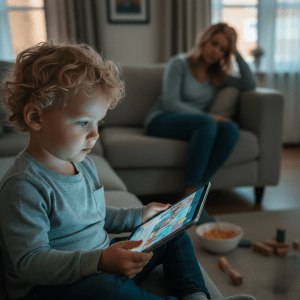
Life post-YouTube Kids can translate into a feeling of upheaval around the house, kids agitated and seeking the next quick diversion. Numerous parents experience reduced attention spans and increased meltdowns when screens go dark.
Beneath the surface, kids are recalibrating to reduced tempos and figuring out how to entertain themselves once more. It’s when we understand these shifts that things become clear.
The article that follows is about recovering quiet and cultivating autonomous attention after the screen fades to black.

The Unseen Costs
Taking away YouTube Kids may seem like a panacea. The true costs of rapid, autoplay-fueled content are subtler and more tenacious. This is not about bashing screens or their place in parenting today. It’s about recognizing how these platforms covertly divide our attention, steer our actions, and disrupt the serene, attentive time each mom and dad wishes to recover.
The impacts are seldom headline-grabbing, but they manifest stubbornly in the day-to-day. These include after school meltdowns, dinner-time battles, bed-time struggles, and the incessant ‘one more video’.
|
Effect |
Observable Behavior |
Long-term Implication |
|---|---|---|
|
Shortened attention span |
Flitting from task to task |
Difficulty focusing in school and play |
|
Lower frustration tolerance |
Quick to anger or withdraw |
Struggles with problem-solving |
|
Disrupted sleep and regulation |
Trouble winding down at night |
Poorer emotional control |
|
Social withdrawal |
Prefers screens to group play |
Weaker peer relationships |
|
Delay in communication/problem solving |
Reluctant to talk, less curious |
Slower language/cognitive growth |
|
Imitation of influencer behavior |
Mimics online “personalities” |
Confused sense of self, privacy loss |
|
Exposure to inappropriate content |
Repeats adult themes or language |
Early exposure to risk, fear, confusion |
|
Reduced independent play |
Needs constant entertainment |
Less creative, less resilient |
This loop of fast rewards, bright colors, and endless autoplay taps into developing attention systems, making it difficult for a child to stop themselves. Over time, this can fuel a relentless appetite for stimulation, eroding their capacity to calm down, concentrate, or savor slower pursuits.
Some research observes associations between heavy screen exposure and attention-related difficulties, with some studies showing a possible two-way relationship: more screens lead to more symptoms and then more screens to cope. The enduring cost is a kid who can’t stand being bored, waiting, or figuring out solutions without immediate gratification.
Family dynamics change. Screen time can sneakily supplant shared meals, discussions, and even free play. Kids who turn to screens for relief or distraction can’t relate to friends or siblings, losing out on those mini daily interactions that nurture trust and compassion.
Social withdrawal is insidious in its inception. A kid who benches himself during group games or tunes out at dinner eventually chips away at confidence and social skills.
Unmoderated content is an additional factor. Even “kid-friendly” platforms aren’t safe from algorithmic drift, where seemingly innocuous suggestions eventually snowball into confusing, scary, or just too grown-up content. This exposure can disrupt emotional regulation, impact decision-making, and undermine a child’s belief that the world is safe.
For those children pulled into kidfluencer culture, the risks multiply. Their privacy, reputation, and future well-being are placed in public view, often for adult financial gain. The internet never forgets, and anything posted could haunt a kid for years.
Tiny Thinks™ is built for times like these. It’s not a reward or punishment, just a tranquil option for when your kiddo needs to chill and reflect after school, pre-meal, on the road, or bedtime.
The Free Calm Pack offers immediate structure: quiet, predictable, self-starting pages that absorb attention without overstimulation. For families hungry for more, our age-specific Workbooks deliver the very same tranquility architecture—no buzz, no stress, just straightforward thought structures that click.
Navigating Life After YouTube Kids
Leaving YouTube Kids behind isn’t about disavowing screens, but creating a healthier, more boundary-oriented space for kids who need it. Most parents get here after seeing fractured attention, irritability, or tantrums when screens power down. The issue isn’t screens per se, but the speed and uncertainty of rapid content.
Tiny Thinks™ is made for these moments, providing peaceful organization when excitement overload hits.
1. The Transition
Stepping off YouTube Kids is best done in stages. Sudden removal makes behavior worse before it makes it better. Beginning with an inevitable routine—fifteen minutes of video, then a planned offline activity—gives kids predictability about what to expect.
Anticipate pushback; it is a natural indication that their brain is adjusting. Certain kids can be cranky when they do not have their typical dopamine hit from quick clips.
Parents discover that including kids in choosing new activities eases this transition. Providing a menu of picture matching, easy puzzles, and tracing gives kids a sense of control.
Every day, extend the white offline segments and maintain the order. Repetition creates safety.
2. The Dialogue
It’s important to talk about screens openly. Three-year-olds get the cause and effect—‘When we watch a lot, our brains get tired.’ Use easy language, give short explanations and encourage them to observe how they feel post-viewing.
Ask questions: “Does your body feel busy or slow?” Urge them to propose what they’d like to attempt in its place.
When your child asks why screens are being restricted, respond matter-of-factly without drama or guilt. ‘We’re experimenting with other stuff so your brain feels nice and healthy. Respect their opinions.
This indicates that regulation is a collaborative family endeavor, not a penal action.
3. The Alternatives
These alternatives need to be easy to both initiate and complete independently. For a lot of families, this translates into serene, hands-on activities—matching cards, easy sorting, tracing, or stacking.
They’re not entertainment, but they instead re-center attention and nourish cognition. Rotate in books, coloring, or playing with natural materials. Family game nights, walks, or trips to the library can all be routines to anchor.
Tiny Thinks™ offers agnostic, visual-minimal packs for these moments. The Free Calm Pack is an easy entry point—no prep, no mess, just open and go. During after-school or pre-dinner screen comedown—when meltdowns usually surface—parents reach for the Free Calm Pack as the automatic reset instead of another video.
Link:
Most moms and dads find their little one goes back to these pages unasked, particularly during after-school or pre-dinner madness.
4. The Boundaries
Boundaries work best when they are clear and consistent. Set daily limits based on your child’s age, usually no more than 30 to 60 minutes for ages 3 to 7. Use plain timers.
Make screens one small piece of the day, not the center ring. Parental controls may be helpful, but structure beats enforcement.
Kids are easier to manage when they have an idea of what’s coming next. A visual schedule, even a simple two-step chart, maintains expectations.
Reassure them softly, “We’ll get screen time after your silent work.” As new habits set in, the resistance fades.
5. The Skills
Skill-building occurs softly, behind the scenes. Sorting or matching or two-step directions develops working memory and sequencing. Playdates or group games introduce turn-taking and negotiation.
Peaceful, tactile activities aid kids in developing waiting and frustration tolerance, both skills corroded by hyper-speed, random-access content.
Tiny Thinks™ organizes these times for you. Each page is designed to calm an active brain, promote independent use, and support the slow, steady sensory input kids require to reboot.
For families looking for more, the age-based Workbooks spread this tranquil thinking layer across daily routines.
Beyond The Screen
Post-YouTube Kids isn’t about scaring screens or guilt-tripping parents. It’s about reclaiming equilibrium when it’s most difficult—after school, before dinner, and mid-travel delays—when overstimulation is most acute and attention is most fragmented. Screens are now a fact of life in most homes, contributing to the growing issue of youtube addiction among young children. The challenge isn’t the tool, but the pace. Fast digital content doesn’t give young brains the space to recover or settle.
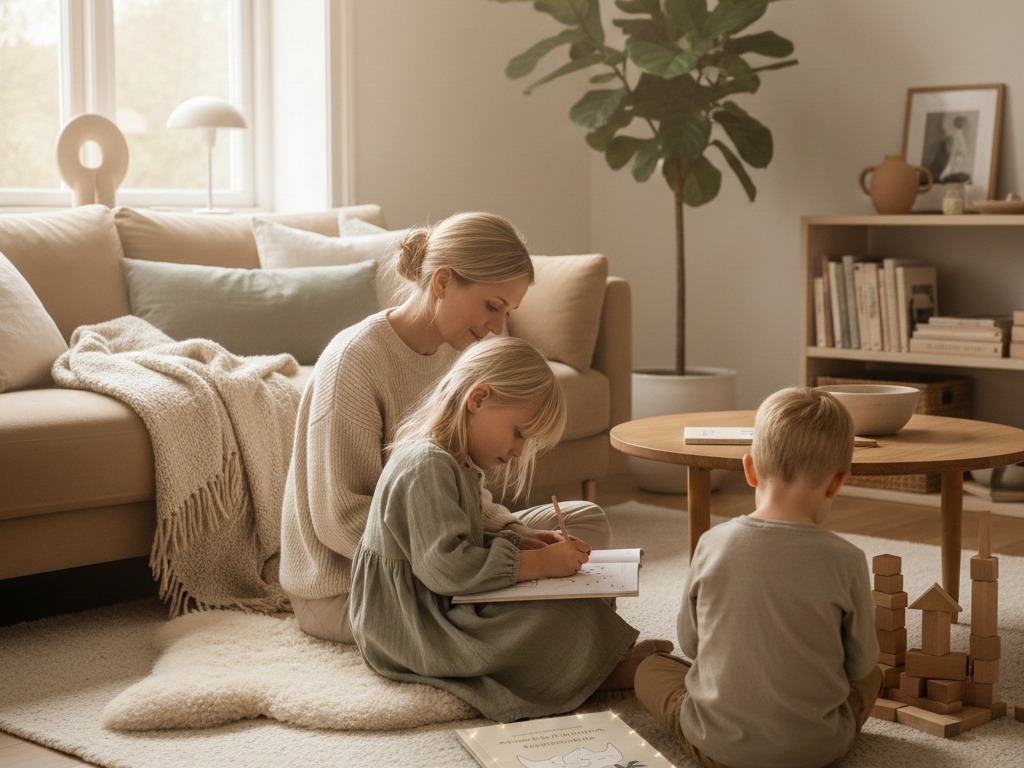
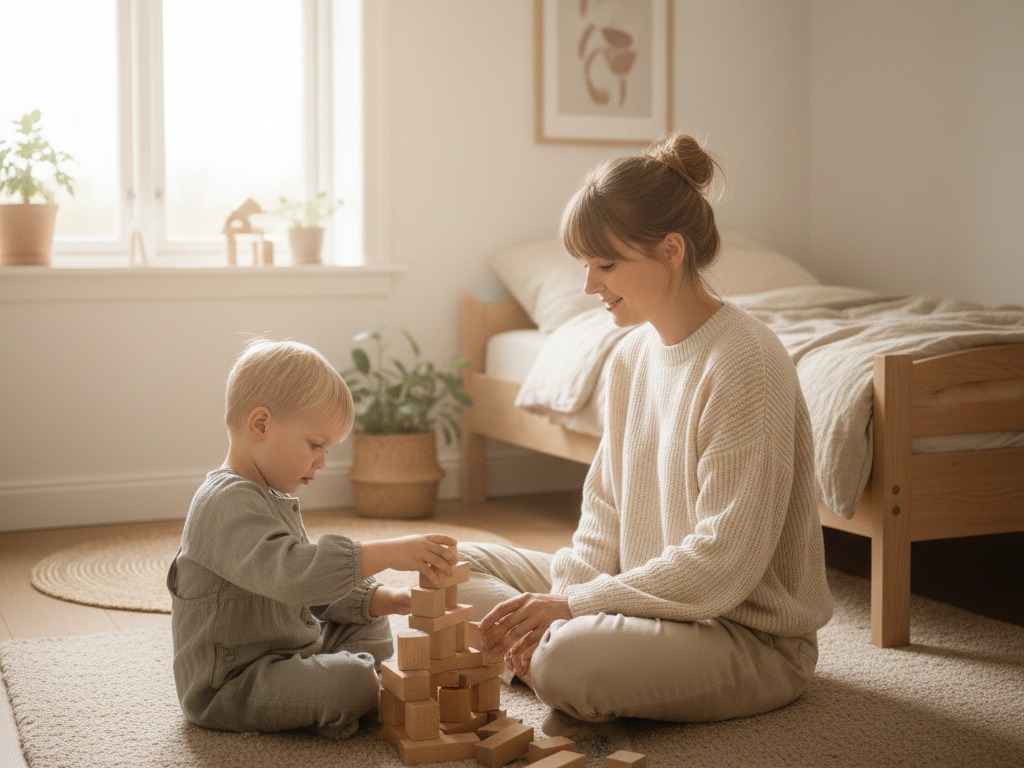
When screens die down, offline engagement replaces the void with substance, not mere diversion. Drawing, easy puzzles, and construction toys become not just a substitute but the star of the show. Other parents observe their child’s play begins to fill out—building forts from pillows, categorizing items, and even drawing designs—as the digital noise subsides, helping to mitigate the effects of excessive youtube usage.
These experiential punches aren’t a cheap thrill. They’re how attention, patience and problem-solving skills are constructed. The transition is not immediate. Others will experience withdrawal from the screen being initially put away, leading to restlessness and irritability. It’s a natural recalibration, not evidence of defeat. It’s an indication that attention systems are rebooting.
Exercise and outdoor time allow your body and mind to reset. For that child who runs, climbs, or just walks outside after a screen-drenched day, their senses are engaged in ways a video never can. Outside play and daily movement are supported by robust evidence. Children who engage in these activities develop better cognitively and socially.
They learn to read cues, test boundaries, and regulate frustration. These are all skills that support focus indoors later. Family bonding gets beefed up when screens aren’t the default. Parents say less screen time means more shared reading, family games, and real conversations, which are crucial for healthy development.
It’s not about orchestrating perfect “quality time,” but about being present through small, repeated activities: sorting groceries together, matching socks, or winding down with a book. These moments foster trust and autonomy. They learn to endure boredom, bargain, and create new games with whatever’s around.
Mindfulness intervenes in the most elementary ways. Requesting a child to observe three things they hear, see, or feel while you sit together can ground them in the present. Minor ceremonies, such as taking time to breathe or running a finger along a design, reconnect children to their environment after overstimulation, a common issue after excessive youtube videos.
Tiny Thinks™ is built for these moments. The Free Calm Pack provides you with structure at just the right moment after school, before bed, and during a screen transition. Each page is peaceful, unhurried, and tangible. No distractions, no incentive structure, and no parent monitoring.
Kids can fire up and calm down independently. When you need a deeper layer, longer routines and age-graded challenges, the Workbooks extend the system. They are designed for habit, not innovation. They reinstate silent concentration, manage attention, and develop cognitive skills at the times parents require them most.
What Research Reveals
Research in early childhood development reveals a few distinct trends around screen usage, particularly rapid, algorithm-based platforms such as YouTube. It’s not screens per se, but the rapidity, randomness, and mind-boggling quantity of content that can atomize a young kid’s attention and regulation. For parents observing reduced focus, increased irritability, or a heightened emotional response following screen time, research provides clear answers regarding YouTube addiction.
Research tells a consistent story. Kids who start YouTube and the like at a younger age tend to develop more emotional and behavioral issues. In fact, 21% of kids begin watching YouTube before age four, with the most prevalent being eight to nine years old. The younger the age at first exposure, the more robust the connection to subsequent regulatory trouble.
Research found a direct link between longer screen time and internalizing symptoms in kids. These can manifest as anxiety, depression, or loneliness. Externalizing symptoms, like acting out or aggressive behavior, were found in the high smartphone and YouTube groups. In South Korea, for example, where kids watch YouTube nearly every day, the majority spend more than an hour a day on it, contributing to their overall behavioral problems.
Emotional and behavioral problems increase with more use. It’s not about a single junk video or an occasional binge, but the repeated, rapid, random-access input. Research reveals that even in homes with well-meaning parents, overstimulation continues to override sleep, mood, and the ability to calmly focus on non-screen tasks.
Balanced media exposure counts. What the research underscores is that kids who get a combination of active, hands-on, structured play and controlled, slow media time have more stable moods and focus. The goal is not zero screens but balanced input: slow, hands-on activities during key transition moments and predictable, limited screen experiences when needed to mitigate the effects of excessive YouTube usage.
As research tells us, parents really do make a difference. When parents establish predictable routines, restrict autoplay, and provide soothing, screen-free options, Screen-Free Activities particularly after school, before meals, or during travel, kids revert more quickly to controlled, solo play. Toddlers rely on this architectural regularity to acquire concentration and self-starting.
Tiny Thinks™ is designed for these high-pressure moments: after school decompression, screen transitions, mealtime chaos, travel, waiting rooms, and bedtime wind-down. The Free Calm Pack provides parents with an immediately accessible, screen-free antidote to reclaim concentration and autonomous thought, optimized for rapid, consistent consumption.
For families wanting age structure, Tiny Thinks™ Workbooks provide soothing, repeatable brain taps that kids voluntarily return to. No pressure, no hype—just what works when you need it most.
Your Digital Philosophy
Each family has its own special sauce when it comes to digital living. For some parents, technology is a key to opportunity. For others, they fear losing concentration or have concerns about how kids are relating, thinking, and learning differently. The digital world isn’t mere screen time; it’s a new reality in which identity and selfhood and the rhythms of daily experience are formed.
Digital philosophy urges us to pay attention to how these technologies are reshaping our kids’ identities, attention patterns, and friendships.
|
Value/Approach |
Description |
|---|---|
|
Mindful Use |
Choosing when, what, and how much screen time is allowed |
|
Co-Viewing |
Watching together to guide understanding and connection |
|
Regulation-First |
Prioritizing calm, predictable input over fast, algorithm-driven content |
|
Tech as Tool, Not Reward |
Using digital media for specific needs, not as a default distraction or emotional crutch |
|
Screen-Free Anchors |
Establishing daily routines that do not involve screens (meals, wind-down, travel) |
|
Autonomy & Boundaries |
Letting children self-initiate calm activities, with clear limits and structure |
Aligning family goals with technology use means asking: what role does digital play in our lives? Are screens bridging voids that could instead be addressed with slow, tactile, or communal experiences? Rapid content — in particular, autoplay feeds — can fracture nascent attention and add to overstimulation.
Absent structure, many kids have difficulty calming down, sequencing thoughts, or navigating transitions. When tech is considered a craft, wielded deliberately, not by default, families reclaim agency. That’s not about screen rejection or perfection chasing. It’s about understanding the science behind the screen and selecting structure that suits your kid and your family’s flow.
There is not one right answer for each family. Some parents swear by co-viewing educational programming, others by screen-free rituals punctuated by predictable, tactile activities. Most observe that following a day of rapid digital input, their child is more cranky, less attentive, and less capable of entertaining themselves.
These are not failures—they’re data. Digital philosophy invites parents to reflect on what’s working, what’s not, and what feels sustainable? It’s about small, deliberate adjustments that cut down on noise and give back room for slow thinking, closeness, and peace.
Tiny Thinks™ is built on this regulation-first, screen-free principle. It doesn’t moralize screen time or demonize screens as 4th grade “bad.” Instead, it provides peaceful, low-stimulation options for families who sense the need for a reset after school, during transitions, at meals, while traveling, or at wind-down.
The Free Calm Pack offers a low barrier way in with organized, low-noise thinking sheets that kids can begin and revisit independently. For families who want more, age-based Tiny Thinks™ Workbooks stretch out these moments, growing focus, regulation, and early thinking skills without the push or newness treadmill.
A New Beginning
To put down YouTube Kids is not so much about giving up screens but rather embracing a new cadence to family life. For most families, screens have been a white noise—dependable and quick, but draining in the way that overstimulates kids’ focus to scatter in a million different directions simultaneously. The shift begins with a simple reevaluation: What do we want our children’s minds to experience at home, after school, or during those long minutes before dinner?
It’s not about guilt or perfection. It’s about allowing families to experiment with rhythms that truly accommodate real days and real kids. Transforming screens’ role begins with these modest, actionable steps. Some families establish a ‘quiet start’ after school, where the TV or tablet remains off for the initial 30 minutes. Instead, kids may relax with a trusted set of memory match cards, a handful of basic tangrams, or a peaceful coloring page, steering clear of the allure of endless YouTube videos.
These aren’t entertainment swaps—they’re mind resets. Gradually, kids come to understand how this more measured pace unfolds. Parents notice the difference fast: less arguing, fewer meltdowns, and a more peaceful transition into family life. Your new routine doesn’t need to be complex or as easy as a tray on the kitchen table with a few peaceful, tactile materials constantly accessible for the child to select.
Mindful balance with your technology means using screens intentionally, not compulsively. A lot of families like to plan screen time around natural transitions—after breakfast, just before leaving for school, or as an established wind-down before bed. For the remainder of the day, family life is governed by low stimulation, open-ended activities that encourage genuine thought.
It’s not about being strict. It’s about making tech one tool among many, not the automatic response to boredom or restlessness. Young children, in particular, gain the most from experiences that permit them to create, repeat, and master simple patterns, something digital media talks very little about providing. Small wins count. One afternoon when a kid decides to complete a basic tracing page rather than grab a tablet is worth observing.
So is the night they hit the sack without bargaining for “one more video.” These are the times that establish new habits, gradually but steadily. Most parents agree it’s the initial week that is the toughest. Focus might be frayed and your kids might push on those new limits. With every tranquil, deliberate decision, kids get to know what control tastes like—grounded, stately, and autonomous.
Tiny Thinks™ isn’t a replacement for screens. It’s a serene blanket that kicks in when families need a dependable, screen-free reset. The Free Calm Pack is intended to provide instant relief with easy, visually minimal activities that kids can self-initiate in the heat of friction. Gradually, the age-specific Tiny Thinks™ Workbooks offer the steady, low-stimulus path to cultivating attention, pattern intuition, and genuine autonomy.
No pressure, no hoopla. Simply a pragmatic, easy to implement strategy to support focus and moderation when it counts.
Conclusion
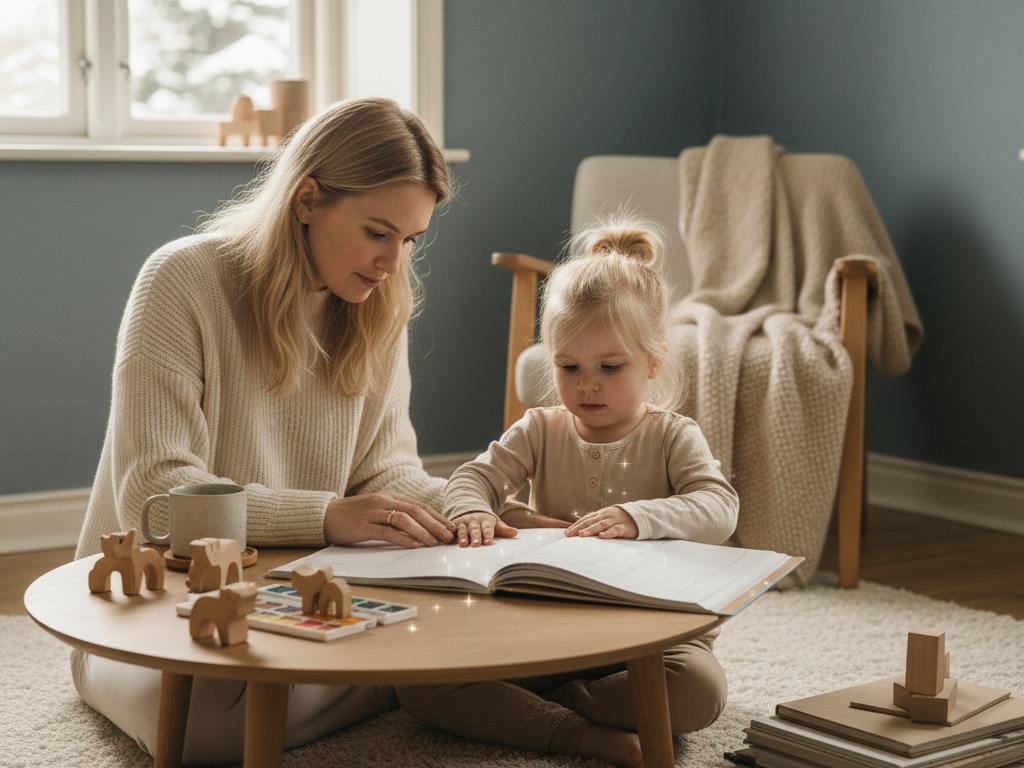
Taking a break from YouTube Kids alters the pace around the house. The initial days tend to be restless. Kids push back, parents doubt, and silence feels weird. As the days tick by, a new rhythm commences. Kids begin to regain concentration, experience peace in slow, hands-on play, and tolerate anger more patiently. Less meltdowns, extended independent play, and more manageable wind-downs are all signs of progress.
The shift is not about pulling screens away but planting something stronger underneath: a dependable, low-stimulation framework that supports a kid in self-regulation and independent thought. Almost quietly, most families observe that everyone takes a breath a little easier. That’s the real sign of life after YouTube Kids: a home that feels a little more manageable and a child who feels more themselves.
When screen removal becomes a daily routine rather than a one-time experiment, families install Tiny Thinks Workbooks so calm, independent focus is already there when YouTube turns off.
Frequently Asked Questions
What happens when children stop using YouTube Kids?
Engaging more with other activities, such as reading or playing outdoors, can help young children explore new passions and talents, reducing the risk of youtube addiction and behavioral problems.
How can parents help children adjust after quitting YouTube Kids?
Parents can support interests and offer replacement content by steering kids away from youtube addiction towards imaginative or learning-based activities, emphasizing the importance of patience.
Are there benefits to life after YouTube Kids?
Yes. Kids might get more focused, sleep better, and develop real-world social skills. Less screen time leads to healthier habits.
What challenges might families face after leaving YouTube Kids?
Your kids might get bored or grumpy initially, especially with increased youtube usage during the pandemic. Parents may have to walk and talk in screen time boundaries and seek appropriate forms of entertainment and education.
What does research say about reducing screen time?
Research proves that reducing youtube usage helps kids’ minds and bodies, fostering healthier habits and stronger family bonds.
How can families create a new digital philosophy?
Families might establish explicit guidelines, demonstrate healthy digital behaviors, and have ongoing conversations about technology. Being open with them gives kids a sense of why these changes are occurring.
What activities can replace YouTube Kids?
Kids can experiment with books, puzzles, sports, music, and crafts or just being outside, as these activities promote healthy development and reduce the risk of youtube addiction.