
Key Takeaways
- Recognizing sensory overload in toddlers involves watching for behavioral, emotional, physical, and verbal signs. These signs include sudden mood changes, withdrawal, or covering ears in busy environments.
- Each kid responds to sensory input differently, so it assists to watch for patterns across locations and time to determine individual triggers.
- Calming techniques such as establishing a quiet sanctuary, providing sensory aids, and promoting exercise can assist toddlers in recovering from over-stimulation.
- Minimizing background noise, decluttering spaces, and maintaining routine predictability takes the stress out of everyday life for sensitive children.
- Creating a sensory-friendly home environment and engaging caregivers makes sure that your toddler’s needs are recognized and accommodated.
- When sensory overload is common or serious, guidance from pediatricians or occupational therapists can offer personalized remedies for your household.
Sensory overload in toddlers happens when a child’s brain absorbs more input than it can handle, frequently resulting in meltdowns, agitation, or retreat. Busy places, pounding music, or flashing lights can flood and stun a small child, typically between the ages of 3 and 7.
Most moms and dads recognize these episodes at family events, crowded shops, or at the end of a hard day at preschool. Knowing what’s going on in your child’s nervous system is the first step to returning to calm.
Sensory overload toddler episodes often appear suddenly, but they are usually the result of accumulated stimulation rather than a single trigger.
Decoding Toddler Sensory Overload Signs
Sensory overload in toddlers may manifest as an inexplicable jumble of behaviors and moods, frequently misdiagnosed as “terrible 2s” or a temporary phase. Identifying these hints prematurely is crucial to offering the correct assistance. Sensory processing disorder can affect any of the eight sensory systems, causing an over- or under-sensitivity to things like noise, texture, movement, or even smells.
Your kids might be hyper, afraid of crowds, or uncomfortable with movement. They have nothing to do with discipline or willfulness and everything to do with a nervous system working overtime processing the world’s input.
1. Behavioral Clues
A toddler who abruptly forsakes beloved pursuits or turns violent midway through playtime might be overstimulated, not “misbehaving.” Repetitive behaviors, such as rocking, spinning, or hand-flapping, may be their coping mechanism. Other kids have meltdowns or tantrums that feel way overblown for the situation.
These can be a sensory stress release, not just a defiance battle. Observing these tendencies across various experiences allows you to identify which environments or actions are the most activating, be it a loud grocery store, an overstimulating birthday party, or even a disruption in schedule.
2. Emotional Shifts
Mood swings are part of childhood. When your toddler’s sudden transition from glee to rage follows her encounter with strobe lights or the bass from a neighbor’s party, it’s typically symptomatic of something bigger than a momentary emotion. Anxiety might manifest itself as toddlers who are clingy or shy around groups of people.
Occasionally, a child will coast from glee to meltdown in unfamiliar or overly stimulating scenarios. Validating these feelings for your toddler, “You’re worried right now,” allows them to feel heard, even when they can’t find the words yet themselves.
3. Physical Reactions
Watch for subtle physical signs: rubbing eyes, covering ears, or turning away from certain textures or smells. Following a sensory-rich excursion, certain toddlers appear drained and others escalate into hyperactivity. Discomfort can manifest as sweating, shallow breathing, or even muscle tightness.
By tracking what sets these off, such as a rattling car ride versus a silent park, you can identify trends and guide everyday decisions.
4. Verbal Cues
Even young toddlers may voice discomfort: “Too loud!” “I want to go home!” Getting them to talk even a little really establishes early self-advocacy skills and helps you identify the patterns. When a toddler says “scratchy shirt” or “soft blanket,” they’re letting you know about sensory preferences or aversions.
Responding with empathy, “That sound was loud, wasn’t it?” solidifies your bond and makes the child feel secure in communicating his needs.
5. Avoidance Tactics
Other toddlers avoid hitting corners or clutching mom for a familiar routine. A toddler who refuses to wear certain clothes or play with mud, or who hides under tables during fireworks might be coping with sensory distress in the only way they know how.
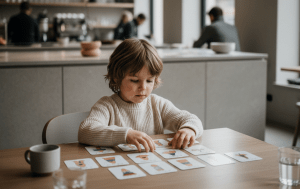
Slow, gentle exposure combined with comforting can help them build tolerance, but support and predictability are still key. For families seeking quick regulation-first options, screen-free resources such as Tiny Thinks™ Workbooks and the Free Calm Pack provide guided, soothing activities that encourage concentration and cognitive abilities without overwhelming the senses.
These are designed to be used anywhere: at home, on the go, or during daily transitions, providing a gentle path back to calm.
The “Why” Behind The Meltdown
Sensory overload in toddlers isn’t merely about a loud noise or one bright light. It’s the slow build, where the nervous system attempts to catch up with a world that’s too quick. For a child under seven, the world can be overwhelming, especially when they face sensory processing challenges. Their nervous system is still immature, figuring out how to sift what counts from what does not.
The result: what seems like a minor inconvenience to adults, a humming fan, a scratchy shirt, a busy supermarket can tip a child straight into meltdown territory. It’s not even always one big thing, but an accumulation of small triggers. Perhaps a tag in their shirt, an unexpected hand dryer, and then mom or dad making them choose between snacks. Each contributes to the “sensory cup,” and when it overflows, that’s when the meltdown strikes.
Language is another huge part of it. Toddlers can’t say, “The lights are too bright,” or, “That noise hurts my ears.” Instead, distress bleeds out through actions, tantrums, ear covering, fleeing or non-compliance. It’s not defiance or attention-seeking. It’s a true indication that their sensory system requires assistance in settling.
It’s easy to assume kids should “use their words,” but in moments of overwhelm, even your most loquacious offspring may not be able to reach them. Triggers are different, and every kid’s amount is different. Some kids can manage a packed café, while others fall apart at the crackle of a blender. For kids with SPD or increased sensitivity, their sensory cup is smaller.
They can be pushed to the edge by things we hardly register. Even the mundane school-to-home errands accumulate sensory input. Supermarket lights that are too bright after preschool busyness, a car seat buckle that is off, and repeated prompts of “Which backpack?” can all add up. Some days, a child’s sensory needs change from hour to hour. What was fine in the morning is too much by afternoon.
Understanding the “why” behind The Meltdown is crucial. Regulation is the key to helping kids cope. When a meltdown strikes, their nervous system is operating in survival mode. What assists is slow, predictable, structured input.
Screens may distract in the moment, but hyperstimulating content, particularly YouTube kids or rapid succession shows, significantly increases dopamine levels and leaves kids even more dysregulated. Instead, screen-free options that nudge attention, such as Tiny Thinks™ Workbooks or the Free Calm Pack, operate by drawing the brain into silent, tangible thought, which is essential for sensory processing therapy.
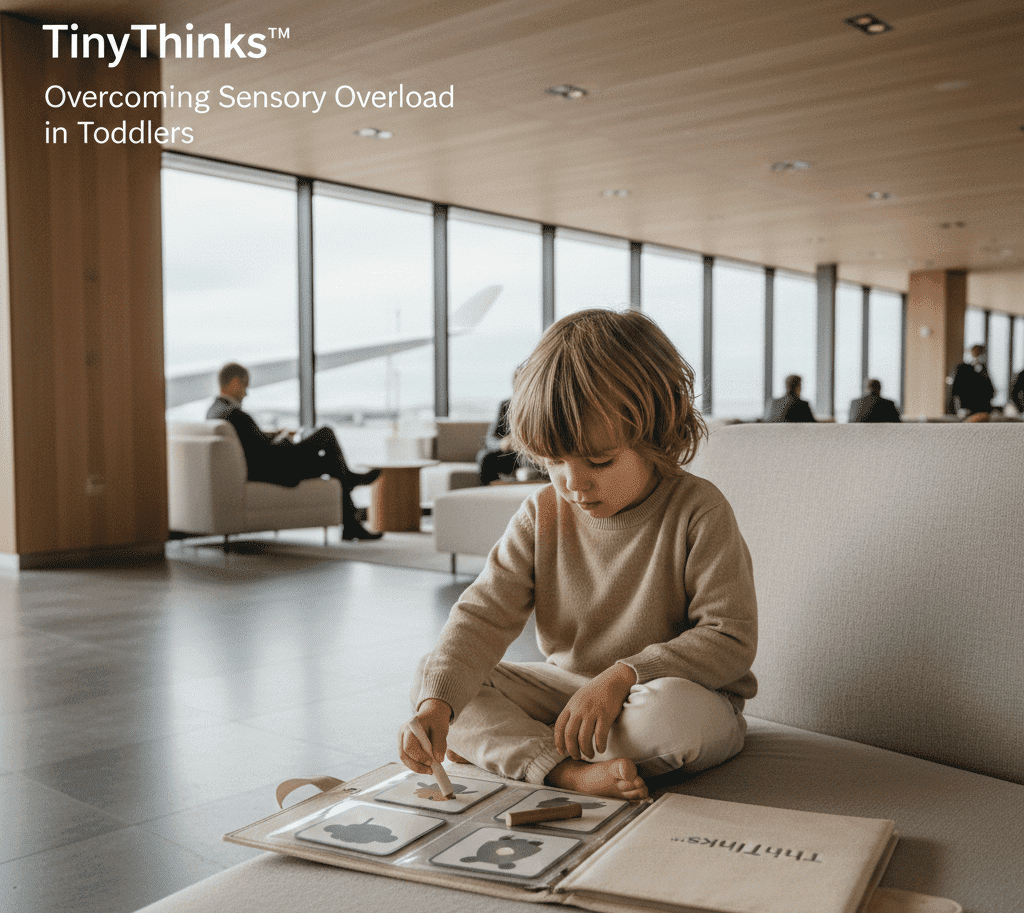
Matching games, tracing, or simple sequencing activities organize sensory input, allowing the nervous system space to reset. These tools are intentionally designed for real life: at dinner, during travel, in waiting rooms, or after a long school day. Kids pick them because they seem secure, soothing, and possible.
Why do calm, sit-down activities work when screens don’t?
Most toddlers experiencing sensory overload are not bored; they are overloaded. When stimulation keeps stacking, the nervous system looks for predictability, not novelty.
Fast-paced screens can distract briefly, but they add more sensory input to an already overwhelmed system. Bright visuals, rapid cuts, and sound effects increase arousal rather than helping the body settle.
Calm, sit-down activities work because they introduce a gentle structure. Finite, hands-on tasks with a clear beginning and end give the brain something manageable to focus on, allowing sensory input to organize instead of collide.
Quiet movements, simple problem-solving, and repetition help toddlers regain a sense of control. This kind of calm engagement supports regulation without forcing rest, silence, or compliance.
Immediate Sensory Overload Calming Strategies
Sensory overload in toddlers can strike during everyday transitions, in loud places, or at the tail end of a busy day. When a child’s nervous system is overloaded, immediate soothing intervention at the right moment can stop meltdowns in their tracks and nurture self-regulation. A regulation-first approach is about always prioritizing slow, predictable, screen-free methods whenever possible while honoring other family choices.
When sensory overload toddler reactions begin, immediate reduction of stimulation is more effective than distraction or reasoning.
Here’s a checklist of key calming strategies, with further elaboration on what to do at each step.
Reduce
To effectively manage sensory processing issues, reduce sensory stimulation immediately by lowering music, silencing devices, and dimming harsh lights. Sometimes, closing curtains or turning off overhead lights in favor of soft lamps can help lighten a child’s visual load. If possible, minimize traffic in the room; fewer people, less talking, and a slower pace all contribute to a calm environment.
Throw in a crowded shop, busy street or noisy playground and even the toughest toddlers can feel overloaded. If possible, schedule outings during quieter times and wear headphones to provide a bit of sound buffering if you need to be out.
De-cluttering makes a huge difference at home. Fewer toys and basic, open spaces create a visual sense of order which helps kids settle. Routine things are also important. Kids that know what’s coming next feel safer and more regulated. Incorporate downtime following school, pre-meals, or post outings.
Quiet playdough, tactile bins, or simply sitting with a book can help your child recharge. The aim is to foster sensory input that is soft, foreseeable, and controllable.
Retreat
Every home should have a quiet corner, a reading nook, a teeny tent, or a cozy nook with fluffy pillows and your kids’ comfort objects. Weighted blankets, favorite stuffed animals, and noise-canceling headphones can provide instant relief. Encourage your child to use this space when you feel overload creeping in, not just after a meltdown.
Train your child to pause when in the heat of craziness. Model this by pausing with them. Use simple language: “You can take a break when things feel too loud.” Other parents use a “calm down” sign or picture card so the kid can non-verbally communicate when they are overwhelmed.
Eventually, kids know their sensory limits and they pursue retreat spaces independently.
Reconnect
Following the tempest, tender touch, such as a hug, holding hands or slow rocking, can rescue a frazzled child. Simply sitting together for a few minutes, reading quietly, or drawing side by side can often bring nervous systems back into alignment. Playdough or slow yoga poses such as Child’s Pose or Down Dog can help ground a child post-overload.
Begin to encourage open discussion about what felt overwhelming, using simple language or even drawings. Rejoice when your child makes an attempt to self-calm or express their needs. Positive reinforcement builds confidence: “I noticed you went to your quiet space when it got noisy, great job listening to your body.
This three-step sequence regulate first, relate gently, and reason then builds the foundation for lifelong self-regulation.
By incorporating sensory integration therapy and a sensory diet into daily routines, parents can help their children navigate sensory processing challenges more effectively.
Building A Sensory-Friendly World

A sensory-friendly world begins at home, with tiny, deliberate changes that help kids feel safe and regulated. Most traditional spaces are overwhelming for many toddlers, especially those with sensory sensitivities or autism. Bright lights, loud noises, scratchy fabrics, and unstructured routines can easily cause overwhelm.
Creating a sensory home where kids feel calm and cared for can help them relax, concentrate, and thrive during daily moments, be it dinner, playtime, or bedtime.
-
Pick calming colors and natural light whenever you can. Soft blues, greens, and earth tones are proven to reduce visual stress. Stay clear of bold, clashing patterns, which can overstimulate sensitive eyes. Open blinds to admit daylight or employ warm, dimmable lamps. Research illuminates natural light’s ability to reduce anxiety and promote regulation, particularly in kids prone to overstimulation.
-
Provide soothing textures and easy sensory play. Mats, soft rugs, and cozy nooks provide children with secure locations to decompress. Sensory activities, whether it is playdough, water beads, or kinetic sand, allow kids to experience new textures with no sensory jolt. A mini-basket of textured balls or fidgets can be a godsend in after-school crashdowns or waiting room downtime.
-
Design multi-sensory environments on the home front. Even a beanbag corner with soft lights and tranquil music can approximate the sense-relaxing aura of a Snoezelen room. Many families discover that including a mini multi-sensory room (MSR) or sensory box keeps meltdowns at bay and promotes calm, quiet play.
These environments minimize repetitive behaviors while maximizing engagement, according to research on kids with neurological divergences.
-
Provide sensory accommodations for everyday battles. Noise-cancelling headphones, blackout curtains, and flexible lighting assist kids in showing up in their whole selves to daily activities without avoidance or meltdown. Sensory breaks, such as jumping on a mini-trampoline or stretching for example, can easily fit into natural transitions between activities, which allows kids to reset after a hectic or loud burst.
-
Plan low-key playdates and inform your village. Structured environments with few kids, defined schedules, and well-loved toys provide space for social development without overwhelm. Communicate your child’s sensory needs to family, teachers, and caregivers so that the support is consistent at home, at school, or out in public.
Building trust with your child creates the consistency needed to feel secure.
Families seeking screen-free regulation-centric activities find that structured paper exercises tend to perform best. Tiny Thinks™ Workbooks and the Free Calm Pack are designed for just these moments: dinner rush, travel, or after school.
With soft graphics, slow pacing, and tactile logic puzzles that soothe the nervous system and develop practical reasoning skills, every page creates a sensory-friendly environment. Kids opt to lose themselves in these experiences, implying increased silent concentration, decreased meltdowns, and a more harmonious daily cadence, no device surrender required.
How Tiny Thinks fits into this moment?
Tiny Thinks pages are designed to gently pull attention away from screens without effort from the parent.
They:
- start easy, so children can begin immediately
- use quiet hand movements that slow the body
- lead naturally into calm, focused attention
Parents often use them in moments like travel, waiting, or evenings, whenever they want a calm alternative to screens without planning or negotiation.
The Gut-Brain Sensory Connection
Sensory overload in toddlers often feels like a sudden storm: one moment, your child is fine, the next, they’re melting down over the sound of the blender or refusing to wear socks. Most parents have no idea how intimately linked the gut and brain really are in these moments. The gut-brain connection is no woo-woo phrase; it’s a true feedback loop where what your kid eats can impact their temperament, attention, and even reactivity to common sensory input.
We found that children with GI issues were more likely to have sensory processing problems, particularly in sensitivity, avoiding, and seeking. This is especially true in younger girls, who may demonstrate heightened fear or aversion to some sensations.
The sensory system absorbs stimuli from the environment, flavors, aromas, consistencies, and noises and categorizes them in the mind. When sensory integration is working well, children respond appropriately: they can ignore background noise at dinnertime or tolerate a new food’s texture. If the system is overloaded or disorganized, sensations become overwhelming and can provoke stress or even pain.
It correlates with the SSP-2 tool, which tends to score higher for kids with GI issues in particular, indicating increased difficulty with sensory regulation. In other words, your kid could gag at smells, turn their nose up at certain textures or get wired after processed snacks.
Diet plays a significant role in this equation. Some foods may support gut health and therefore regulate sensory processing. Probiotic-packed foods such as yogurt, kefir, and fermented vegetables promote a thriving gut microbiome, which is correlated with improved mood and even gentler behavior.
Fiber from fruits, vegetables, and whole grains feeds good gut bacteria as well, helping digestion flow and energy stay even. Here’s a simple table of foods to consider:
|
Food Type |
Example Foods |
Sensory/Brain Benefit |
|---|---|---|
|
Probiotics |
Yogurt, kefir, kimchi |
Supports gut bacteria, may improve mood |
|
Fiber |
Apples, carrots, oats |
Regulates digestion, steadies mood |
|
Healthy Fats |
Avocado, olive oil |
Supports brain growth, calms nervous system |
|
Protein |
Eggs, beans, fish |
Maintains energy, aids focus |
It’s useful to note your child’s responses towards certain foods. Unexpected shifts in focus, mood, or comfort post-meal or snack can indicate sensitivities or triggers. Sure, small children refuse all sorts of foods because of mouth feel or flavor, but sometimes it’s their bodies’ way of warding off pain.
A nutritious diet packed with whole foods and not simply ‘kid-approved’ choices delivers the nutrients their brains require for consistent sensory regulation.
For parents looking to go screen-free in these moments, Tiny Thinks™ provides workbooks and a Free Calm Pack that are purposefully crafted to promote focus and soft sensory stimulation. These are tools designed for low noise, manual work that help organize the nervous system and allow the gut-brain loop room to breathe during overwhelming stretches.
Many families discover that these paper activities work particularly well post-meal, on travel days, or during the evening wind-down, when screens tend to exacerbate the situation. Tiny Thinks™ isn’t about perfection. It’s about having pragmatic, soothing alternatives prepped for actual instances.
The workbooks provide age-specific assistance, containing activities that encourage regulation, patterning, and soft attention, which is a welcome respite from frenetic stimulation. Kids tend to select these activities because they seem controllable and calming, providing parents with instant relief from sensory chaos. No struggle is necessary!
Seeking Professional Guidance

When sensory overload in toddlers begins to dictate daily life, when a specific smell, a specific noise, or even the sensation of a sock triggers an out-of-proportion meltdown, it’s a signal that outside assistance is necessary. A lot of parents know something is amiss when minor shifts, stepping from a silent room into a bustling street or turning off a video, elicit massive tantrums. These red flags are frequently the initial tip-off that sensory sensitivities or seeking behaviors are actually more than your average toddler quirks.
Consulting an occupational therapist who specializes in sensory processing can be a turning point. These professionals are trained to spot patterns, such as a child who avoids sticky textures or seeks out spinning and crashing. They often use play-based assessments and structured observation to build a detailed picture of a child’s needs.
The therapist might introduce gentle, targeted activities, such as swinging, tactile bins, or noise-reducing headphones, designed to help children become more comfortable with different sensory input. This is not about forcing adaptation, but about slow, safe exposure in a way that feels manageable for the child. For families, this often brings relief. Daily life becomes less about avoiding triggers and more about building confidence and coping skills.
Pediatricians are critical, but it’s usual for parents to feel shrugged off. A lot of doctors view sensory quirks as a phase, something most toddlers grow out of. Still, when struggles linger or become more severe, when a kid won’t endure tags in clothes, won’t eat anything new, or has a public tantrum every single day, it’s appropriate to advocate for additional help.
A pediatrician can help exclude other medical or developmental problems and refer families to specialists who will listen. Support groups and parent networks are a godsend. Knowing you’re not alone and hearing wisdom from others who have lived through the same mealtime battles, hair-washing refusals, or mall panic can provide both emotional relief and practical insight.
Abroad, countless online communities and even local groups link up families for tips, resources, and therapist referrals. These groups help parents remember they are not alone and that sensory challenges are typical, not an indicator of bad parenting or a broken child. Professional evaluations dig deeper than what parents can see at home. They might include standardized instruments that examine a child’s response to touch, sound, movement, and more.
Knowing if a child’s brain is overreacting or underreacting to sensory stimulation is key. Other times, sensory integration dysfunction is connected to neurological imbalances or infancy experiences such as C-section intervention or forceps delivery. Getting help early can really matter because it provides a guide for the child and their parents.
For parents seeking screen-free alternatives, particularly when sensory overload hits an all-time high during after-school chaos or in public spaces, Tiny Thinks™ Workbooks provide a stepwise option for supporting regulation and thinking skills. The Free Calm Pack is an easy entry with soothing, reliable activities for overstimulated moments.
For continued assistance, age-specific Tiny Thinks™ Workbooks cultivate habits that help kids calm down, center, and think clearly even through those everyday stress moments. They aren’t just screen substitutes; these products are purpose-built to bring back a sense of calm and confidence for kids and their families.
Conclusion
Sensory overload toddler rears its respective head in all very real, very everyday moments, noisy rooms, hectic stores, or simply the tail end of a long, exhausting day. Beneath those meltdowns, a kid’s nervous system is hustling to parse the world. These little adjustments, warm lighting, peaceful rituals, and calm play allow children to regain composure.
Patterns, predictable chores, and slow play can generate sufficient security for their bodies and minds to relax. Some days it takes supplemental assistance. Trust your gut and grab professional support if they feel too huge. Most families experience actual transformation with small, consistent strides. Tiny Thinks™ experiences, constructed around peaceful routine, offer mothers and fathers simple methods to lead their kids back to focus and calm, right when it matters most.
If you want structured, calm moments without adding extra work, start with the Free Calm Pack or choose the workbook for your child’s age.
Frequently Asked Questions
What are common signs of sensory overload in toddlers?
Toddlers with sensory processing issues may cover their ears, weep, hide, or wriggle. Others might reject touch or food, so being vigilant for these early warning signs helps you prevent meltdowns.
Why do toddlers experience sensory overload?
Toddlers have growing little heads. They can have difficulty processing sound, sight, or touch. Overstimulating environments can rapidly become too much for them.
How can I calm my toddler during sensory overload?
Take your kid to a quiet, safe space to help manage sensory processing issues. Provide a special comfort toy and whisper, as deep pressure hugs or light rocking can aid in sensory processing challenges.
What causes meltdowns during sensory overload?
Meltdowns occur when a child experiences sensory processing challenges, leading to an overload of their senses. Unable to articulate their discomfort, their body reacts with tears or tantrums.
How can I make my home sensory-friendly?
Employ gentle illumination, soothing hues, and minimize harsh sounds. Provide sensory toys and a quiet nook where your child can escape.
Is there a link between digestion and sensory overload?
Yes, the gut and brain talk closely. Digestive discomfort exacerbates sensory sensitivity, making overload imminent for certain kids.
When should I seek professional help for my child?
If sensory processing issues lead to sensory overload that interferes with daily life, sleep, or development, seek advice from a pediatrician or occupational therapist.