Key Takeaways
Toddler meltdown after screen time is usually due to a sharp drop in dopamine, along with sensory overload and transitions that are difficult for young children.
Gentle, predictable routines and transition rituals can help ease toddlers off screens and into other activities.
Addressing basic needs such as hunger, rest, and connection before and after screen time can reduce the likelihood of toddler meltdowns.
By validating your child’s feelings and staying calm during meltdowns, you help support emotional regulation skills and strengthen connection with your child.
By modeling balanced screen habits and creating screen free zones, you encourage healthier routines for the whole family.
As your child grows, remain flexible and adjust screen time expectations while keeping open conversations about technology.
When screen time ends and emotions spike, children need something predictable to land on. The Tiny Thinks™ Free Calm Pack provides simple, screen free pages that help toddlers reset calmly after shows turn off.
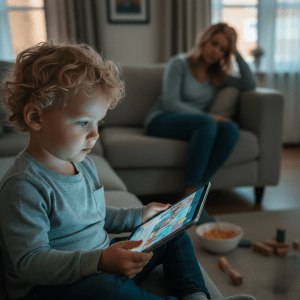
A natural reaction to fast transitions from rapid, high intensity input to everyday reality. Every parent knows the moment when a little one shifts from calm to inconsolable within seconds after a device turns off, especially after highly stimulating content like cartoons or YouTube Kids.
A toddler meltdown when screen turns off is a common response to a sudden loss of stimulation, not a sign of bad behaviour or weak parenting.
The brain experiences an abrupt dopamine drop, leaving kids dysregulated and overstimulated. When parents recognize this pattern, they can choose calmer, more structured transitions that help restore balance.
Why Toddler Meltdowns Happen
What you’re experiencing are toddler meltdowns when a screen turns off, and they are a typical response to sudden changes in stimulation. In many families, these moments feel chaotic, but understanding how screen time affects young children can clarify why meltdowns happen. Learning about the brain, sensory system, and emotional development helps caregivers handle these situations with more confidence and less stress.
Brain Chemistry
Screens activate a rush of dopamine in the developing brain. This “feel good” chemical is linked to pleasure and reward. When kids watch shows or play games, rapid images and sounds keep dopamine elevated. Once the device is turned off, dopamine drops, which can lead to irritability, restlessness, or meltdowns.
It’s not only a behavioral issue, it’s also a biological shift taking place in the brain. Kids’ brains are still developing self control and emotional regulation. Research suggests that frequent exposure to fast paced, highly stimulating content, such as YouTube Kids, can make it harder for children to settle once screens are removed.
When parents understand this, they can focus less on punishment and more on guiding their child through the transition.
|
Dopamine Level |
Mood/Behavior |
|---|---|
|
High (during screen) |
Excitement, hyper-focus |
|
Falling (screen off) |
Irritability, agitation |
|
Low (no screens) |
Boredom, calm (with support) |
Choosing screen free activities that provide slow, predictable input, like Tiny Thinks™ Workbooks, can help dopamine levels settle more gradually and support smoother transitions.
Sensory Shock
Abrupt disconnection from a screen can feel overwhelming. Toddlers move from bright visuals and constant sound to quiet calm within seconds. This sensory shift can feel jarring, leading to tears, yelling, or hitting.
For many families, a toddler meltdown when screen turns off happens because the nervous system shifts too quickly from loud input to quiet reality.
Gradual transitions help. Rather than turning screens off abruptly, offer a visual warning such as “one more minute” or a timer, then follow with a quiet, hands-on activity.
Watch for signs of sensory overload, such as covering ears, hiding the face, or sudden outbursts.
Emotional Immaturity
Toddler meltdowns happen because young children are still learning how to regulate emotions. Their brains are not yet wired for patience, self soothing, or flexible thinking. When screens turn off, they lose a familiar source of stimulation and comfort without having adult coping tools.
Emotional regulation develops over time. Children need help naming feelings and practicing recovery after disappointment. Parents can support this by staying calm, labeling emotions (“You’re upset that the show ended”), and offering gentle alternatives.
Tiny Thinks™ exercises offer children a small, achievable task that redirects attention and quietly builds coping skills. Development is gradual, and steady support matters.
Why calm, sit-down activities work when screens don’t?
Most toddlers aren’t bored when screens turn off, they’re overloaded. Fast visuals, constant sound, and rapid rewards push the nervous system into a heightened state. When stimulation suddenly disappears, the brain struggles to regain balance.
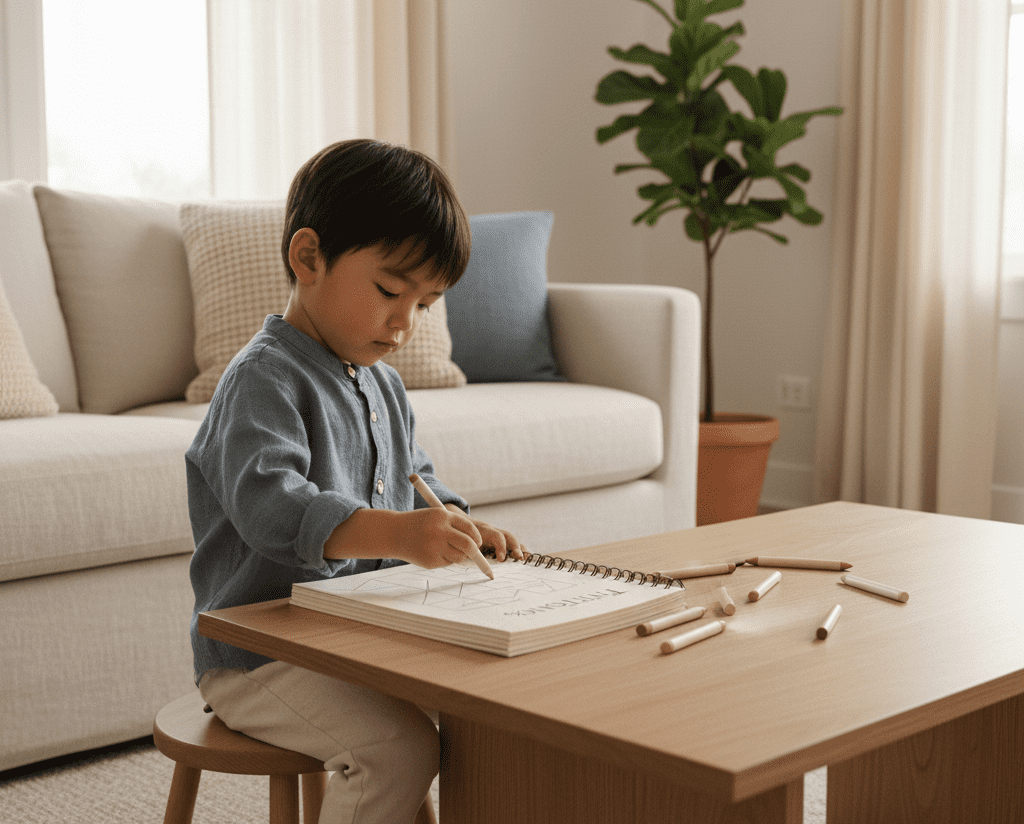
Calm, sit down activities work because they provide gentle structure rather than distraction. Simple matching, tracing, or sorting tasks slow sensory input and give the brain something predictable to focus on.
Hands-on activities also help toddlers feel more in control. Unlike endless videos, a worksheet or logic page has a clear beginning and end, which reduces power struggles and supports emotional regulation.
This is why quiet, tactile activities often succeed where screens fail. They help children settle independently instead of relying on constant stimulation.
After screens shut off, quiet structure helps toddlers regain balance. Tiny Thinks™ Workbooks offer calm, hands-on activities that support smoother transitions during after screen moments at home or on the go.
Unmet Needs
Meltdowns are more likely when a child is tired, hungry, or overwhelmed. These basic needs form the foundation for regulation. When one is missing, even small triggers, like ending screen time, can feel overwhelming.
|
Unmet Need |
Signs of Frustration |
|---|---|
|
Hunger |
Whining, asking for snacks |
|
Fatigue |
Rubbing eyes, zoning out |
|
Overstimulation |
Clinginess, restlessness |
|
Powerlessness |
Refusing, throwing, resisting change |
Creating a habit of checking in with these needs, snacks, rest, or sensory breaks, before and after screen time can prevent many meltdowns.
Tiny Thinks™ Workbooks and the Free Calm Pack are designed for these high risk moments. They offer a quick, calming reset that works even when a child is dysregulated, giving them independence and control through simple, hands-on thinking tasks.
How Tiny Thinks fits into this moment?
Tiny Thinks pages are designed to gently pull attention away from screens without effort from the parent.
They:
- start easy, so children can begin immediately
- use quiet hand movements that slow the body
- lead naturally into calm, focused attention
Parents often use them in moments like travel, waiting, or evenings, whenever they want a calm alternative to screens without planning or negotiation.
How to Prevent Screen Time Tantrums

Predictable schedules, reasonable boundaries, and honest communication form the foundation of more peaceful screen time transitions for little kids. Toddlers love to operate within a solid structure and establishing a strong routine for screen use not only prevents tantrums but encourages self control and trust.
Preventing a toddler meltdown when screen turns off starts with predictable transitions, not stricter limits or sudden device removal.
Instead of last-minute negotiations or sudden device snatching, parents can construct a system where kids know what’s ahead, feel involved in the process, and are led through transitions with compassion and consistency.
1. The Shared Agreement
Constructing a shared screen time pact begins with discussing the rules. Young kids love to know how long they can watch and what we are doing next. Accompany your plan with easy-to-understand charts or picture cards, such as a clock or sticker chart.
These visuals help your toddlers recall the conversation, even if they can’t read yet! Talk about screen time feelings. Some kids need an opportunity to throw out the, “I wish I could watch more,” even if the response is no.
Review these agreements every few weeks, particularly as your child ages and their needs evolve. This keeps the plan fresh and helps kids feel listened to.
2. The Transition Ritual
Transition rituals provide kids with a feeling of closure and readiness. A five minute warning or visible timer gives kids a heads-up on closure, minimizing abrupt anger. For some, a beloved tune indicates ‘screens off’.
For others, a countdown with fingers does the trick. Incorporating something playful, like a silly dance, a bell, or a quick round of “guess what’s next?” into your handoff can make it feel less abrupt.
Consistency is what counts. When the ritual occurs every single time, kids come to trust the process. Positive reinforcement, such as applauding your child for switching the screen off calmly, builds cooperation.
3. The Bridge Activity
Bridge activities are the secret to seamless transitions. Offer a choice: “After the show, do you want to do stickers or build with blocks?” Providing agency makes kids feel a sense of control.
Switch up bridge activities to avoid boredom! It might be a fast puzzle, a coloring page, or even assisting with setting the table. Get siblings or parents involved so it feels like a community thing, not a punishment.
When the whole family gets involved, it’s a moment of connection, not conflict.
4. The Consistent Boundary
Limits on screen time need to be consistent. Set the boundaries in advance: “We view for 20 minutes, then we play.” Double down on these limits, even when it’s inconvenient.
If pushing a limit, be calm and firm. If a tantrum erupts, validate emotions but stay firm. They are seeing you too. By modeling healthy screen habits yourself, you are teaching them to respect boundaries.
5. The Connection Promise
Offer something even better than the screen: genuine connection. Commit to five minutes together after the device shuts off. This could be a cuddle, reading a book, or discussing what they observed.
Question them about their favorite part of the show. Take an interest. Over time, kids figure out that genuine connection is more rewarding than mindless screen time. This pledge softens transitions and strengthens relationships.
- Preventive strategies for emotional regulation:
- Employ a five minute warning or visual timer.
- Screen time ends a minimum of one hour prior to bedtime.
- Provide a next activity choice.
- Make sure kids are fed, rested, and calm before transitions.
- Engage in trading up to a preferred non screen activity.
- Keep screen time an orderly, predictable portion of the routine.
- Set healthy digital habits with a family media plan.
Our tiny thinks™ workbooks and our free calm pack include these gentle bridge activities for focus and calm, perfect for those screen off moments that can be so tricky.
These screen free solutions are consciously designed for independent play and transitions you can count on, bolstering regulation and thinking skills at home, on the go, or wherever you need a reset.
Responding to Meltdowns in the Moment
During a toddler meltdown when screen turns off, the goal is co-regulation, not reasoning or correction.
Meltdowns when screens go off don’t indicate bad parenting or a “spoiled” kid. They’re a stress response in a young brain drowning in the abrupt plunge from quick, high-stimulus input to zero. Understanding the impact of excessive screen time is crucial, as regulation-first responses help kids bounce back quicker and give parents a sense of agency instead of helplessness in the moment. Your goal in these moments isn’t to teach; it’s to co-regulate, help the child’s nervous system settle so they can move on.
Stay Calm
Kids can feel your vibe immediately. Staying calm is not just for their sake, but yours as well. When a child is melting down, reason is out of the question. Their brain is in ‘fight or flight’ and is not working through a problem. Your calm, consistent presence helps them feel grounded when their feelings are berserk.
Mindfulness can be nothing more than taking a pause before you say or do something. Sometimes just taking a slow breath or counting to five is enough to keep your own reaction in hand, especially if you’re tired or stressed. Use a soft, even tone; don’t raise your voice or rush. This calm is contagious. They develop emotional regulation not by hearing you say it but by seeing you do it.
Validate Feelings
Kids have to know their feelings are acknowledged, not shamed. When you label what they’re feeling, “I see you’re frustrated,” “It’s tough to turn off,” you provide them with verbal tools for their experience, making it less intimidating. Encourage simple words: “mad,” “sad,” “frustrated.” This demonstrates you get it and that feelings are permitted.
- Step back and engage eye contact, dropping to your child’s level.
- Say, “I know it’s disappointing when screen time ends.”
- Assure them, “It’s alright to be upset. I’m right here with you.”
- Offer, “When you’re ready, you can tell me more.”
Sometimes, just hearing “I get it” is enough to defuse the biggest feelings.
Hold Space
Once a screen goes dark, some kids require time and distance, not fixes. Establishing a reliable calm space, a nice pillow, a little tent, a quiet nook, welcomes them to reboot. It’s not a punishment, just a safe space to ride out the storm.
Some kids seek comfort, others require calm. Providing a break, “Let’s take a seat together in the quiet corner,” or “Want to do some deep breaths with me?” models healthy coping. Providing room for big emotions, without criticism or rush, instructs that feelings are secure and controllable.
Redirect Gently
Once things have calmed down, tender redirection aids little ones in gear changing. Offer a novel, desired activity; this is ‘trading up.’ For instance, ‘Screen time’s over, but how about we work on your favorite puzzle together?’ Or propose a fast run outdoors, a baseball game, or a doodle prompt.
Distraction isn’t evasion, it’s the path from dysregulation to regulation. Calming games such as matching cards, basic tracing, or sensory play can immediately redirect attention. Patience is important because transitions don’t happen instantly, and prodding a new activity too early can ignite the meltdown again.
Tiny Thinks™ Workbooks, particularly the Free Calm Pack, are made for precisely these moments of stress! They provide slow, reasoned activity, picture matching, pattern tracing, and tender logic that engage kids and substitute the quick dopamine of screens with silent, deliberate thinking.
Many parents report that keeping a Tiny Thinks™ pack on hand at the table, in the bag for travel, or in the car helps these transitions go smoother and the meltdowns shorter.
The Parent’s Role in Screen Habits

You may not recognize your power in this arena, but as the parent you do form the initial basis of your child’s screen habits. These preschool years are a sensitive window for the development of a child’s brain when habits of attention, self-regulation, and focus are being nurtured. What parents select, model, and openly discuss around screens sets the framework kids mature within, particularly during those everyday moments when meltdowns occur as the screen powers down.
Your Mindset
A parent’s disposition around screens silently guides the family’s overall habits. Most parents experience an ongoing battle between concern for harm and the in the moment reprieve that screens afford during dinner prep or a long commute, for example. Aware of this tension, it assists in rooting your mentality in balance and adaptability.
Screens are not inherently good or bad; they can be educational, soothe a difficult moment, or bond a child with family members. What you’re really after is not a perfect record but a balanced week in which screens are one of many options, not the default.
Bad screen beliefs can certainly add guilt, but they prevent discussions about what works in YOUR family. Instead, take a growth mindset. Work through issues openly. Sometimes I reach for my phone when I’m stressed, but it doesn’t always make me feel better. What else could we experiment with?” This models reflective thinking and introduces your child to the problem-solving process around screen use.
Your Example
As we all know, they imitate. If screens are omnipresent at mealtime, car rides, or rest time, kids absorb it as standard. Parents who consciously put away devices during family moments send an immediate signal: together time matters. It’s not easy, particularly when pressed, but they add up.
Share your own highs and lows with tech. A tale of distraction after excessive online scrolling or a time a video call lifted your spirits helps kids appreciate that screens are both boons and banes. Invite discussions: “How did you feel after watching that show?” or “Was it hard to turn it off?” Plain-spoken conversations assist children in developing self-awareness regarding their screen habits.
Your Connection
Co-viewing is a super effective way to turn screen time into connection. Catching a favorite show together, then pausing to discuss how a character might be feeling or what might happen next, transforms passive viewing into an active experience. These shared experiences develop language, empathy, and even critical thinking.
Have your kid tell you what they enjoyed or didn’t about what they saw. Tune in for signs of their mood or stress. When you get parents deeply involved, kids start to learn to think about their own reactions, which is an early form of self-regulation.
For parents looking for options, this is when guided, in-person learning opportunities such as Tiny Thinks™ really stand out. These are for calm, for focus, for thinking, so they’re perfect, reliable go-toss post screen shift. The Free Calm Pack is a soft landing. Age based Tiny Thinks™ Workbooks provide a comforting, screen free, predictable routine that kids love and parents count on during stressful moments like meal prep or bedtime.
Building a Screen-Balanced Life
Balancing screen time limits is a daily struggle for many families, particularly with young kids who can experience temper tantrums when a device powers down. Having digital devices you can predictably access and implementing tech limits can help smooth these moments and facilitate more peaceful transitions. It’s not about blaming screens but about providing parents actionable alternatives for times they want a different sort of calm.
Screen-Free Zones
A screen-free zone is wherever in the home you’ve intentionally stashed devices. Bedrooms, dining rooms, and reading nooks are great places to begin. These zones provide kids relief from fast input and reconnect the entire family.
In these areas, parents can promote talking, eating together, or easy games that are screen free. Eventually, kids figure out these places are for quiet, focused endeavors. This bakes in the practice of unplugging as a family.
Even parents will observe how frequently the TV switches on following work and can attempt to substitute that instance with a brief walk or family conversation. Daily, predictable routines for these zones make the boundaries feel safe, not rigid, and actively support healthy digital habits.
Interactive Alternatives
Active, tactile experiences provide kids the sluggish, repetitive sensory input their chaotic brains crave to land after screen time. Here are a few options families can use anywhere:
- Simple board games or memory cards
- Watercolor painting or collage with colored paper
- Building block challenges or puzzles
- Nature walks, scavenger hunts, or planting seeds
- Role play with dolls, animals, or miniature vehicles
- Tiny Thinks™ Free Calm Pack Sorting, matching, pattern
- Family dance parties or yoga stretches
- Baking together or preparing snack plates
- Story circles, where everyone adds a sentence
- Rapid trace or dot-to-dot from age based Tiny Thinks™ Workbooks.
Stirring these in throughout the day, particularly after school or before bed, assists kids transition gently from screen time to quiet concentration. When meltdowns hit, providing a Tiny Thinks™ page can disrupt the spiral and provide your child with an instant, doable task.
Digital Nutrition
Being intentional about what digital content you consume is just as crucial to time restricting. Parents can encourage kids to be reflective about what they see or play and how it affects them.
By setting a family media plan, leveraging built in parental controls, and modeling screen balanced habits, you’re giving your kids a strong example to emulate. Ongoing discussions about the reason we have limits and explaining how screens can occasionally lead to overstimulation or irritability help kids grasp the “why” behind the rules.
-
Khan Academy Kids is interactive, free, and curriculum based for ages 3 to 7.
-
ScratchJr: Beginner coding that builds logic and problem solving.
-
National Geographic Kids: Nature videos and facts are slow-paced and gentle.
-
Peekaboo Barn: Language building with animal sounds for younger children.
-
Tiny Thinks™ Free Calm Pack: Printable, no screen activities for calming transitions.
Adapting as Your Child Grows

Children’s needs change swiftly as they transition from toddlerhood into early childhood, and screen time is among the earliest things to reveal this shift. What works for a 3-year-old never works for a 6-year-old. It’s natural for families to feel unsettled as the schedule requires adjustment over and over.
Toddlers’ screens easily become a pacifier during a tantrum, but as kids age, their capacity for self-regulation and handling transitions begins to build if parents continue adapting the strategy with them. Knowing that screen time requirements will shift is step one. Toddlers might require minimal, sparse exposure, considering 5 to 10 minutes of gentle-paced, engaging material, preferably with adult supervision.
Around age five or six, kids will start requesting certain shows or games, and their interests become more acute. Many parents notice the real effects of screen time only after a few months: shorter attention spans, more frequent meltdowns, or resistance to offline activities. Knowing these rhythms, even if the switch is subtle, allows parents to react before issues spiral.
Tweaking limits and content is never-ending. What seemed doable during the toddler years, say a quick video while you’re furiously prepping dinner, swells into an evening struggle with a big kid who’s now got more fight left. Rules about rules are tough as kids push boundaries. Consistency counts, but so does adaptability.
Occasionally, a family media plan documented and posted eases the burden on everyone to recall the “why” behind the limits. It’s not just a time-based plan; it’s an evolving strategy for opting for slower, soothing content that aligns with developmental needs and saving rapid-fire, glittery videos for the occasional treat.
You can encourage your kid to take ownership of their screen habits, even if they’re still little. For instance, a four-year-old can assist in setting a timer for their show or select a quiet activity to transition to when the screen shuts off. As their autonomy increases, so do the negotiations.
The trick is making it predictable, countdowns, visual schedules, or gentle reminders about ‘what comes next.’ When a meltdown strikes, taking a moment to affirm the child’s emotions (“You really needed more time, and it’s hard to stop”) cultivates emotional intelligence, not just compliance.
These conversations about technology need to continue as your children reach school age and their teen years. Even with toddlers, co-watching shows and discussing what they watch connects digital and physical realms. As children mature, discuss openly why limits exist, how screens impact emotions and concentration, and how you establish boundaries for yourself as well.
While children pick up on family habits, demonstrating mindful use by putting the phone away at dinner and choosing a book over scrolling provides a strong example. Screen-free solutions continue to be your most dependable tool for regulation and attention, particularly during transitions.
Our Tiny Thinks™ Workbooks and Free Calm Pack are crafted specifically for these moments, dinner prep, waiting rooms, travel, or the after-school slump, delivering gentle, hands-on thinking activities that kids actually love. Families who use Tiny Thinks™ see meltdowns drop, focus increase, and stretches of quiet independent play get longer.
When needs shift, these workbooks shift along, pick by age and passion, trade pages in and out, and see your kid’s self-regulation capacity flourish right alongside them.
Conclusion
Yes, toddler meltdowns can happen when screens turn off, but that doesn’t mean there is something wrong with your child or your parenting. Young brains respond strongly to fast, bright input, and sudden changes can feel overwhelming. Predictable routines and simple, hands-on activities help the nervous system settle.
Parents support these transitions by offering gentle structure, such as a short warning before screens end or a calm activity ready for what comes next. Over time, these moments become less intense. Children learn to handle big feelings with guidance and consistency.
When meltdowns follow screen time at dinner, bedtime, or travel, having a steady routine matters. The Tiny Thinks™ Free Calm Pack gives parents a reliable, screen-free transition tool for those daily pressure points.
Frequently Asked Questions
Why does my toddler have a meltdown when the screen turns off?
Toddlers are terrible with transitions. Toddlers meltdown when a screen goes off. This response is typical for their emotional development level.
How can I prevent tantrums when screen time ends?
Give warnings before turning the screen off. Establish defined boundaries and habits. Use a timer or visual cues to prepare your child for the transition.
What should I do if my child is already having a meltdown?
Keep your cool and soothe. Validate your child’s emotions. Wait until they are calm to talk about screen habits or justify your decision.
How much screen time is safe for toddlers?
Specialists including the World Health Organization suggest no more than an hour a day of screen time for children between 2 and 5 years old. Less is more for healthy development.
Can screens affect my toddler’s mood or behavior?
Excessive screen time can lead to meltdowns and irritability in teens, affecting their sleep and mood. To promote healthy tech use, balance screen time with activities that support their development.
How can I help my child transition away from screens?
Provide stimulating options, such as outdoor play, books, or art. Maintain the plan and compliment your kiddo for adapting. Consistency helps the meltdown fade away over time.
Does my response to tantrums affect my child’s screen habits?
Yes, your soothing, predictable reaction is programming your kid to deal with frustration. Over time, this assists them in adjusting to boundaries and establishing self-control.