Key Takeaways
- Knowing about these common triggers, sensory overload, unmet needs, and emotional contagion, equips you to better prepare your toddler for dining out and prevent meltdowns.
- By picking the right restaurant, rehearsing at home, and going when your toddler’s timing is just right, you can make meals fun and take a lot of the stress out.
- Remaining calm, validating your child’s feelings, and employing gentle redirection or calming routines are effective ways to soothe your toddler.
- Having screen-free activities on hand such as sensory toys, coloring books, and mini toys keeps little hands busy and minds occupied while waiting for meals.
- Really family friendly restaurants with appropriately trained servers and thoughtful design and policies go a long way toward fostering positive dining experiences for parents and kids alike.
- By reflecting on each experience, practicing self-care, and communicating with your child and restaurant staff, we can all continue to learn, adapt, and look forward to our next outing.
A toddler restaurant meltdown is when little ones get overwhelmed or dysregulated during family meals out and blow up in tears. Most parents recognize this mayhem begins with extended waits, new environments, or excessively hungry little stomachs.
The combination of new sights, smells, and noises can swiftly push a child’s nervous system into overload. Knowing what makes meltdowns tick allows grownups to discover peaceful, un-screened methods of guiding kids through these difficult times.
Why Toddler Restaurant Meltdowns Happen
Restaurant meltdowns are par for the course with toddlers ages 1 to 3 because their brains have yet to learn how to appropriately manage powerful emotions, unfamiliar environments, or even fundamental needs such as hunger or tiredness. Outings can pile unpredictable sensory input, foreign foods, and changing schedules onto kids who seek routine and control. Implementing a calm toolkit and understanding the dinnertime triggers helps parents develop actionable strategies for prevention and regulation.
A toddler restaurant meltdown is more likely when developmental limits collide with adult expectations of sitting still, waiting quietly, and trying new foods.
1. Sensory Overload
Restaurants are loud and bright and have smells and voices that they don’t know. For toddlers, whose brains are still learning how to process sensory input, this can quickly become overwhelming. Symptoms of overload can manifest as ear covering, turning away, fidgeting, or shutting down.
Selecting a table far from speakers or kitchen activity, dimming overhead lights if feasible, and packing a comfort item, such as a stuffed animal or a small blanket, can help protect your child from over-stimulation. Going at quieter times, like mid-afternoon instead of peak dinner time, can ease the sensory burden as well.
Sometimes, all it takes is a simple redirect to something calming, like tracing shapes on a napkin or a quiet matching game from the Tiny Thinks™ Free Calm Pack, to reset the nervous system and soften the urge to melt down.
2. Unmet Needs
A hangry or tired toddler has zero patience for waiting, sitting, or trying new foods. Meltdowns tend to stem from needs that are overlooked or postponed, such as extended hunger or nap-strike. Bringing along a comfort snack, napping the toddler before you depart, and empathetically labeling desires can stop the spiral.
If the food is unknown or sparse, request plain bread or something easy to eat, or bring safe snacks with you. Checking in with your child gives them a sense of agency and communicates you’re tuned in.
3. Developmental Mismatch
Toddlers don’t sit still or shut up for extended periods. Don’t expect a three-year-old to act like an adult. Most kids need to roam, discover, and have a say, hold their own fork, and pick what to sample.
Understanding what’s developmentally normal reduces frustration for all involved. Provide options inside boundaries, such as “This fork or that one?” Pack uncomplicated, screen-free play, such as the age-appropriate Tiny Thinks™ Workbooks, to maintain hands and minds enjoyably occupied while waiting.
4. Environmental Triggers
Every restaurant is unique, and some places just don’t gel with young children. Overcrowded spaces, loud televisions, or cramped seating all can spark meltdowns. Search out family-friendly establishments that provide space, high chairs, and a positive disposition toward kids.
Temperature matters too; a chilly or stuffy room can bother sensitive kids. Rearrange chairs, add a sweater, or request a cosier location.
5. Emotional Contagion
A parent’s stress is infectious. When you’re nervous about your child acting up, they feel it. By modeling calm, slow breathing, steady voice, you’re helping your child feel safe.
Discuss emotions directly. You can say, “I can see you’re getting frustrated waiting for food,” to develop emotional literacy. Softly bringing attention to other people waiting as well can instill empathy.
Tiny Thinks™ activities, particularly the Free Calm Pack, allow the entire family to reset as one, bringing quiet focus and control to moments of chaos.
Why calm, sit-down activities work when screens don’t?
Travel days (and long waits) overload children in a quiet way. Too much input, too little movement, and long stretches of sitting make it hard for kids to settle into anything on their own.
What helps most in these moments isn’t stimulation or distraction, it’s gentle structure.
As one parent put it, “Most evenings, the screen is just on in the background while my child plays. I’m not trying to stop it, I just want something quiet they can sit and do without me setting things up.”
Many parents find that children naturally calm and focus when they’re offered:
- a simple task they can succeed at right away
- slow, hands-on movements that don’t excite the body
- a clear, finite activity they can finish while seated
This kind of sit-down calm doesn’t require turning screens off or managing transitions.
Children ease into it on their own, and screens fade into the background.
Your Pre-Meal Game Plan
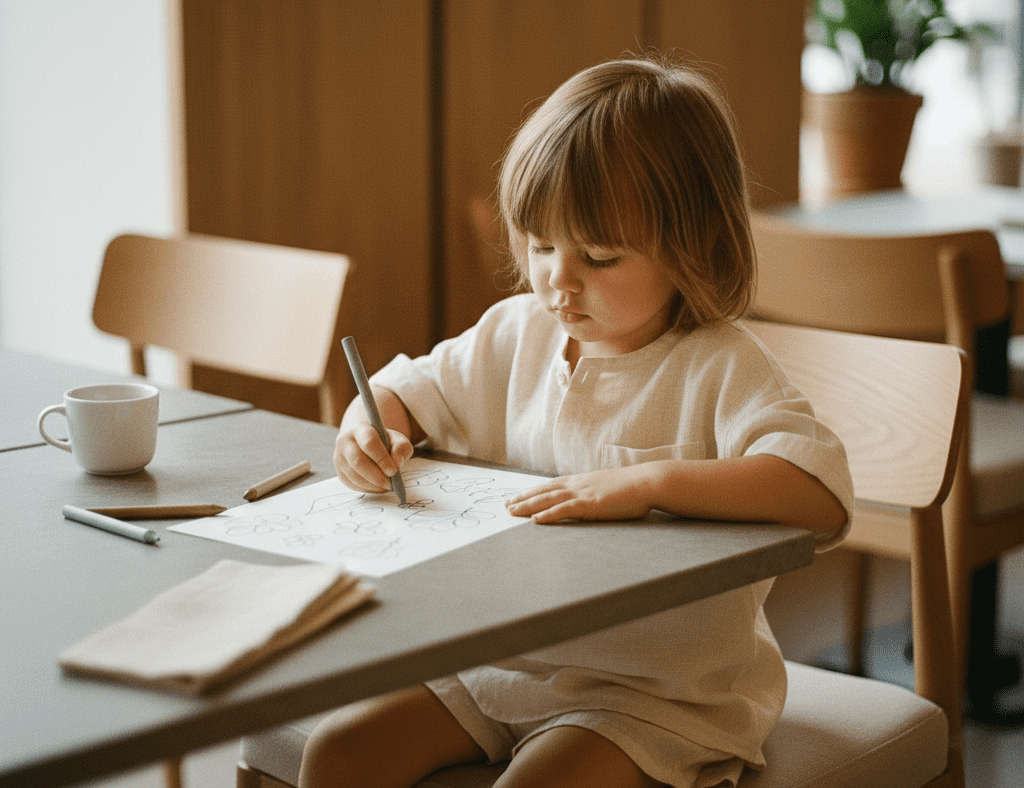
Toddlers have a hard time with new places and inconsistent schedules. Meltdowns tend to result from overstimulation, hunger, or too much waiting. A little planning ahead, expectation setting, and environment picking can go a long way to helping kids discover calm and focus, even sans screens.
Here are the key tactics for less stress and preparation for a smoother meal all around.
- Give a little snack, such as berries, puffs, or o’s, before you leave to keep blood sugar even.
- Engage your child by letting them pick the restaurant.
- Lay out clear, developmentally appropriate expectations about behavior and what will occur.
- Bring some familiar trappings, a favorite spoon or napkin.
- Keep a list of approved snacks and quick-to-dish-up options for emergencies.
- Plan for easy, screen-free diversions such as picture books, ‘I Spy,’ or an easy Tiny Thinks™ page.
- Give your kid a “job” like distributing napkins to help maintain focus.
- Call an appetizer right away and request entrées to come right behind.
- Choose off-peak hours like 16:45 on weekdays for shorter waits and calmer rooms.
- Prepare for fast escapes.
Restaurant Selection
Restaurants are all over the board when it comes to how they handle families with little ones. Letting the venues that you visit take the lead and prioritizing places with kid-friendly menus and patient waiters can make a huge difference.
Checking online reviews for family-friendliness or just querying other parents about their experience helps you set expectations. Places that provide play areas or activity sheets give kids an outlet to move and participate in a controlled manner while waiting.
Overall, prioritizing places that understand the dynamics of dining with kids can lead to a more pleasant experience for everyone involved. Remember, a calm toolkit like the dondersteen dining kit can be a game-changer during outings with your little ones.
At-Home Practice
Acting out restaurant situations at home creates comfort and confidence. Incorporate toy plates, make-believe menus and even order-taking games to make it enjoyable.
Role play the simple table manners. If your child is little, stick to one or two skills at a time, such as napkin use or taking turns.
Discuss what to expect: “We’ll sit at a table, look at a menu, then wait for our food.” Practicing these steps helps calm nerves and makes the actual experience less intimidating.
Attempt a ‘restaurant rehearsal’ dinner before a big night out. The more predictable the routine, the calmer your child will be.
Timing Is Everything
- Eat early, way before prime time. Skip the crowds and the noise.
- Plan around your little one’s nap and snack times so they are well rested and not too hungry.
- Be flexible. If your kid is tired or overstimulated, reschedule.
- Pack easy, known snacks and light activities for backup in case you get held up.
How To Calm A Toddler In A Restaurant
Restaurant meltdowns are a rite of passage for most families with toddlers. Crowded rooms, new scents, waits, and a break in routine all bombard a toddler’s delicate sense of order. Instead of judgment or blame, the emphasis here is on pragmatic, regulation-first, screen-free tools that get kids back to calm.
Preparation counts. Sleep and hunger are outsized influencers. Yet even with planning, trying moments can still unfold. These strategies mix emotional validation, subtle redirection, and sensory resets to help families navigate these struggles.
During a toddler restaurant meltdown, regulation matters more than reasoning, and calm connection works faster than correction.
The Acknowledge
Start by greeting your child’s distress with acceptance, not opposition. ‘You’re mad that we have to wait for the food,’ said softly and in direct address, which can de-escalate the surge of emotion. Toddlers don’t have the words to describe what’s wrong, so providing vocabulary, “mad,” “sleepy,” “hungry,” helps them organize their emotions.
Allowing your kid to hear that it’s natural for them to feel frustrated in restaurants, where schedules are disrupted and the situation is new, enforces to them that they’re safe and validated. Have your child, even at age three, point or say a word for what they want.
If they’re struggling, a soft push like, ‘Are you sad because it’s loud?’ or ‘Do you miss your toys?’ engages them. This cultivates dialogue, not mere obedience. Reassure them: “It’s okay to feel this way. We’ll make it through together.” Recognition provides the platform upon which all other soothing measures are built.
The Redirect
Next, try to gently redirect your child’s attention. Redirection is not about dismissing distress; it is about offering something your little one’s nervous system can handle. Pull out a known, screen-free friend, a stuffed animal, an easy match card, or a small Tiny Thinks™ page if you possess one.
These organized, physical activities anchor focus and control the flood of feelings. For others, perusing menu patterns or counting chairs is magic. Humor helps too: a silly face, a gentle game like “Can you find something red?” or even letting them pretend to “take your order” can pull a child out of a meltdown spiral.
Distraction is best when combined with options. Wanna color, or check out the fish tank?” This not only redirects but also gives control, which is frequently what a toddler most desires. Try not to use screens unless you really have no choice. Rapid digital stimulation boosts dopamine and makes kids harder to calm down once the device is put away.
The Reset
Other times, your best play is to simply extricate your child from the stimulating situation altogether. Either step outside for a few minutes or seek a quieter corner of the restaurant. This change of scenery gives the nervous system a chance to downshift.
Exhale and practice slow breathing together. Let’s take three deep breaths. Provide a comforting physical anchor, like a wobble cushion or favorite blankie if you have one. Many moms carry a mini kit of soothing sensory objects in their bag for precisely these moments, ensuring they are prepared for any dining disaster.
Once your child’s breathing slows and their body relaxes, go back to the table. Don’t make it a hurry-up process. If the tantrum is associated with being tired or hungry, admit it and change plans if necessary.
If sleep has been bad, for example, decide if sitting through a full meal out is realistic that day or if a shorter, simpler outing is more appropriate. That’s exactly what Tiny Thinks™ Workbooks and the Free Calm Pack were invented for.
They offer you a dependable, portable arsenal of calm activities, including patterning, matching, and light thinking tasks that assist kids in re-centering sans screens. These are purposefully slow, calming, and easy to set up tools for regulation in times of public stress.
Screen-Free Restaurant Activities
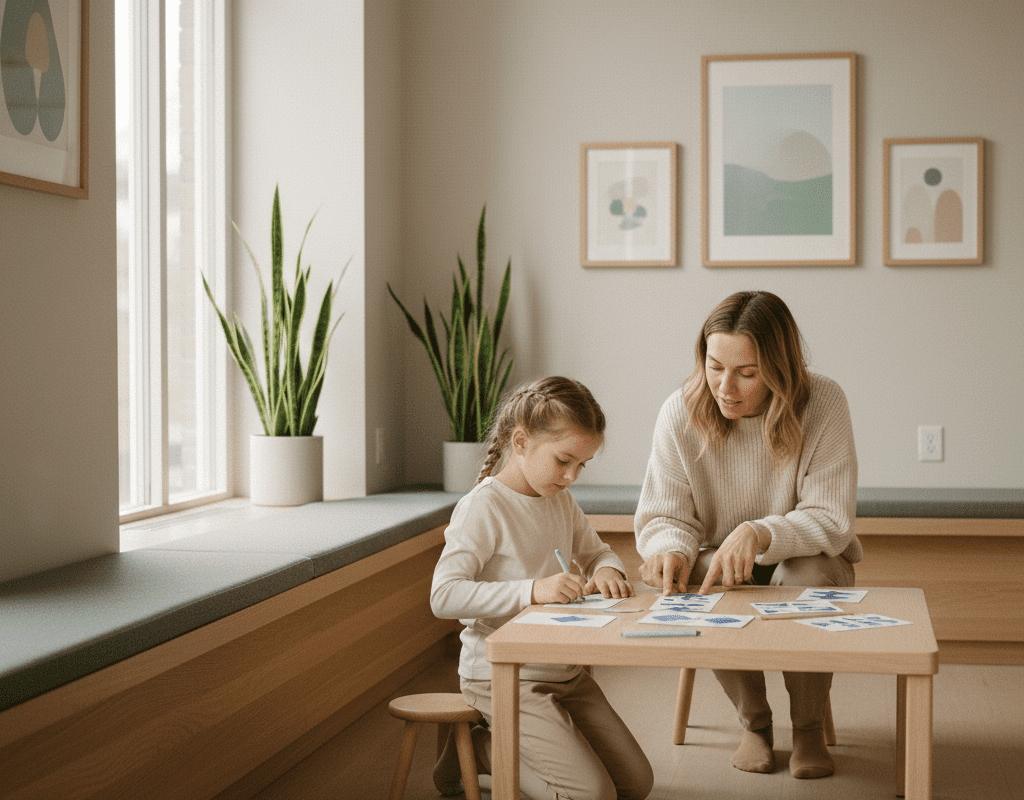
These screen-free restaurant activities assist toddlers in controlling their emotions and focus, foster socialization and promote early language development. Like many parents, I seek screen-free alternatives, particularly when we’re out to eat, to avoid overstimulation and meltdowns.
There’s something soothing about a low-stimulation, repetitive activity for both parent and child in this screen-free restaurant activity. Here are some great screen-free restaurant activities that incorporate sensory, creative and imaginative play, all of which are perfect quiet table activities.
-
Sensory items such as squishy balls, soft-textured fidgets or silicone puzzles occupy small hands and soothe the nervous system.
-
Doodling or coloring on paper placemats, on reusable stickers, or in a small coloring book can help anchor attention and direct fidgety energy.
-
These mini wargame looking things, like travel-sized tic-tac-toe, checkers, or silicone tool sets, provide interactivity and education in a small, limited setting.
-
Miniature toys, such as cars, animals, and blocks, lure in pretend play and provide a quiet means for kids to tell stories and practice social skills without mess.
-
Screen-Free Restaurant Activities Storytelling games take turns adding lines to a story or discussing the day’s events. These activities encourage connection and imagination while waiting for food.
Sensory Items
Providing tactile items like textured fidget toys, squishy balls, or even silicone puzzles introduces a soft distraction. These can be rotated; bring 2 or 3, but only provide one at a time so novelty is kept without swamping the table.
Opt for pieces that are easy to swab down and compact enough to not overfill. Sensory tools aren’t merely distractions; they envelop the child in slow, calming input that settles the nervous system. Safety first; stay away from anything that’s a potential choking hazard or might roll under tables.
Creative Tools
Coloring books and crayons are classics. Reusable sticker pads and wipe-clean pages lengthen the engagement. Certain interactive books, flaps, textures, and easy find and seek type activities hold their attention longer than regular paper.
Small puzzles or magnetic games work, keeping little hands moving and minds working. At the table, it can be as easy as creating a story about the restaurant staff or designing a new dish together. These creative activities make waiting a communal experience, not just empty time to fill.
Miniature Toys
Small, portable toys, animal figurines, cars, and mini-block sets encourage imaginative play that occupies a restaurant table just enough. Have your little one construct a story or re-enact a restaurant scene, or even sketch a mini adventure right on the placemat.
Rotating toys every outing keeps interest high. Role-play can double as polite conversation practice and a social skills lesson, turning the meal itself into a soft exercise in taking turns and listening. As many parents discover, these quiet, hands-on activities stave off the restlessness that cascades into meltdowns.
Our Tiny Thinks™ Workbooks and Free Calm Pack provide you with structured, screen-free activities created specifically for restaurants and waiting moments. The age-appropriate activities subtly direct concentration, control energy, and develop cognitive abilities without any distracting noise, clutter or overstimulation.
Best of all, they work in the real world, right at the table, wherever you are.
How Tiny Thinks fits into this moment?
Tiny Thinks pages are designed to gently pull attention away from screens without effort from the parent.
They:
- start easy, so children can begin immediately
- use quiet hand movements that slow the body
- lead naturally into calm, focused attention
Parents often use them in moments like travel, waiting, or evenings, whenever they want a calm alternative to screens without planning or negotiation.
The Restaurant’s Role
Restaurant’s influence on family dining. Their design, servers and rules make the difference between a dinner being stressful or enjoyable, particularly when dining with toddlers. A lot of parents feel like they have to make a quick exit if their kid starts to break down, concerned about bothering other diners. Not all restaurants are kid-centric, and that can amplify tension for families and employees.
The top restaurants strike a balance, providing considerate amenities and policies that make eating out pleasurable for all.
|
Feature |
Description |
|---|---|
|
Kids’ Menu |
Dishes suited to young tastes and portion sizes |
|
Play Area |
Small, safe zone for quiet play or movement |
|
High Chair Availability |
Clean, safe seating for toddlers |
|
Noise Control |
Sound-absorbing materials, soft music, and strategic table placement |
|
Flexible Seating |
Booths, room for strollers, and larger tables |
|
Friendly Staff |
Training in child development and positive engagement |
|
Quick Service |
Faster delivery for kids’ meals to prevent impatience |
Staff Training
Toddler hell requires staff training. Training should have in it actual advice on managing meltdowns, like how to calmly offer alternatives or lead families to less crowded spaces. When servers answer with compassion instead of frustration, parents feel less like they’re being judged and more like they’re being helped.
Attitude is everything. Employees who welcome families with patience and warmth can instantly reduce everyone’s tension. Small touches, such as providing crayons and recommending kid-appropriate dishes, earn respect. Kids who feel acknowledged and welcomed are not going to misbehave, and parents don’t feel as much urge to grab a phone or tablet.
Knowing toddler fundamentals goes a long way. They can find out, for instance, that three-year-olds have a hard time sitting still and waiting for more than a few minutes. Armed with this information, servers can provide quick drink service or check in more frequently, diffusing a meltdown before it ignites.
Environmental Design
Space is important. Family booths, open layouts, and free sightlines in restaurants make it easier for parents to rein in their wild offspring. Play corners, discreet, silent, and screenless, can make waiting for food less stressful.
On the restaurant side, sound-absorbing panels or soft furnishings reduce piercing clatter, designing a serene oasis that supports kids in self-soothing. Not every family requires a play area, but high chairs, booster seats, and stroller parking go a long way. Convenient restrooms with changing tables show they care, too.
A beautiful, welcoming environment invites families to stay and savor, not dash and stress toward meltdown. A carefully-designed space isn’t merely comfortable; it’s regulatory-supportive. As we noted in last month’s piece, these predictable, gentle spaces encourage kids to calm their nervous system and concentrate on the meal.
That’s why Tiny Thinks™ provides quiet, mobile play, such as the Free Calm Pack that functions anywhere, presenting households with the routine and gradual stimulation screens will never deliver.
Family Policies
|
Policy |
Purpose |
|---|---|
|
Family Meal Discounts |
Make dining out more affordable |
|
Kids-Eat-Free Nights |
Encourage family visits on slower days |
|
Priority Seating for Families |
Reduce wait times for young children |
|
Feedback Channels |
Allow parents to suggest improvements |
Family Fun Balance, flexible seating, and early bird specials help families dine outside peak hours. Restaurants dish out kid-sized portions or allergy-friendly options, which can indicate a respect for families’ needs.
Requesting parent feedback, either by cards or online, demonstrates a dedication to making the experience better. The most family-friendly restaurants develop policies that benefit all guests, not just parents.
By providing actionable assistance, such as Tiny Thinks™ Workbooks for table play, they keep kids calm and engaged, making life easier for everyone in the dining room. When families are aware that these choices exist, they are unlikely to default to screentime and are more likely to share their meal.
After The Meltdown
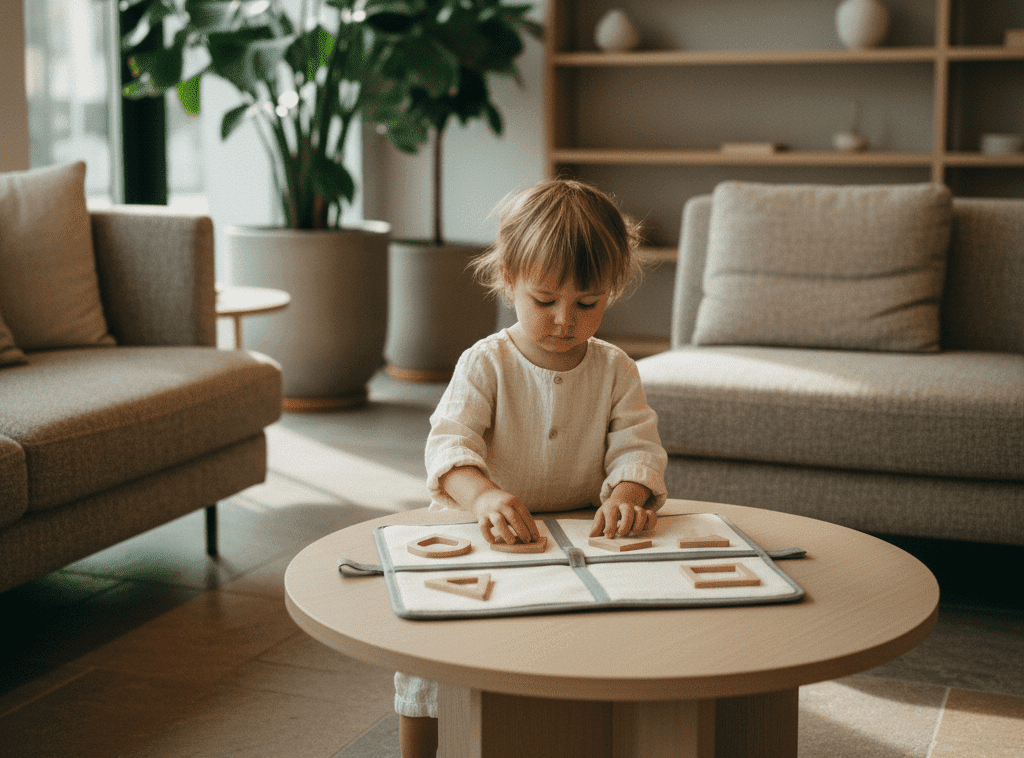
Restaurant meltdowns are emotionally exhausting for both kids and parents. These times can seem lonely, but they provide worthy lessons in regulation, needs, and growth. Repairing your child’s nervous system after a restaurant meltdown requires deliberate care and a lot of patience. Regulation-first tactics are the priority in this moment.
Taking a deep breath and reflecting calmly on the experience, helping your child through their feelings, and caring for yourself are all important. Being open with restaurant staff goes a long way toward helping create more accommodating spaces for families.
For Your Child
- Take a reset walk outside or in a quiet corner.
- Try deep breathing exercises. For example, trace each finger while breathing in and out.
- Draw a picture about how they felt.
- Choose between two activities: coloring or matching games.
- Enjoy a moment of peace, even if it’s just 30 seconds.
- Snack on something stable to regulate blood sugar.
- Use a calm kit: a familiar soft toy, simple puzzles, or a Tiny Thinks™ Calm Pack page.
Post meltdown, recognize what occurred together. Use a soft, matter-of-fact tone: “That was hard for you. It felt like forever waiting.” Invite your child to either draw or talk or both about their feelings, but don’t push if they’re not ready.
Give them two options: “Do you want to sit with me or color at the table?” to reestablish some control and predictability. Stress to him that we all have times like this, then peace settles in. Quietly observe even brief passages of calm: “You inhaled three deep breaths. That gets your body feeling safe.
These mini-festivals develop bravado and self-discipline habits. Whether it’s the right calm-down tool or a tactile activity from a ready-made kit, like a Tiny Thinks™ calm page, these can be a soft mooring in these times, especially when screens aren’t your go-to.
For Yourself
Stop and breathe. Parenting public meltdowns is difficult, and self-compassion makes a difference. Remember that regulation is practice for everyone, adults included. Reflecting on the meltdown, take a moment to consider what helped perhaps a reset walk or a finger-breathing exercise, and what you’d do differently next time.
Connect with other parents. We all have a public meltdown story, and these moments, when shared, alleviate the embarrassment and loneliness. Give yourself permission to regroup. Even a couple of silent minutes or a cup of tea after you come home can help.
Your presence in the moment directly sustains your child’s capacity to calm and heal. Knowing you have dependable, screen-free activities at the ready, like the Free Calm Pack or a Tiny Thinks™ workbook, means you’re not winging it when tension peaks.
For The Restaurant
Parent post-mortems can really matter. Inquire about what would have been helpful during the wait, such as quieter corners, more expedient water service, and a little snack menu. Little things, like having coloring sheets or a rotating box of basic toys, can turn the ‘wait’ into something very different for families.
Staff training in basic toddler needs, such as what over-stimulation is, how to read the signs of rising distress, and how to react with flexibility, creates trust and a welcoming atmosphere. Restaurants now tend to support the community by openly championing families, indicating that meltdowns are not disruptions, but part of early childhood.
When families have their needs anticipated, outings are less stressful for all involved. In these moments, the presence of a Tiny Thinks™ Calm Pack or workbook on the table, which is not only helpful for parents, marks a real dedication to family inclusion.
Conclusion
Toddler restaurant meltdowns are always a crap shoot. They don’t often indicate that you’ve failed as a parent. Most toddlers can’t wait, don’t like new foods, and hate additional noise. Their nervous systems just get fried. Slow, hands-on activities, like matching cards, simple sticker sheets, or a favorite Tiny Thinks™ page, help bring things back to center.
Thinking in advance with some peaceful rituals renders munchies away more controllable for you and your munchkin. Staff might not always get it, but you are your child’s biggest advocate. Each hard-fought meal is one more moment in building these skills together. Simple shifts, such as screen-free play and a consistent routine, accumulate and inject more calm into family dinners, one excursion at a time.
Frequently Asked Questions
What causes toddlers to have meltdowns in restaurants?
Toddler restaurant meltdowns can occur during family dinner due to long wait times.
How can I prevent my toddler from having a meltdown at a restaurant?
Think ahead by bringing snacks, a calm toolkit, and favorite toys, while also picking kid-friendly venues to ensure a smooth family dinner.
What should I do if my toddler starts crying in a restaurant?
Keep your cool, validate your kid’s emotions, and provide reassurance. Step them outside for a quick break if necessary.
Are screens the best way to keep toddlers calm at restaurants?
Screens can be a godsend, but they’re not the only alternative. Fun distractions such as coloring books, stickers or mini-puzzles can keep kids occupied in a totally screen-free way.
How can restaurants support families with toddlers?
Restaurants can offer high chairs, kids menus, and fast food. A hospitable setting and supportive wait staff go a long way.
What should I do after a restaurant meltdown?
Keep your composure, soothe your tot, and discuss it afterwards. Use it as a lesson and modify your approach next time.
Is it normal for toddlers to have meltdowns in public places?
Yes, it’s normal for toddlers to vibe as they figure out their feelings, a common experience for busy moms.