- Key Takeaways
- The Cognitive Rewiring
- Unseen Behavioral Changes
- What Is “Brain Rot”?
- The Algorithmic Trap
- Your Child’s Digital Well-being
- Fostering Healthy Media Habits
- Conclusion
- Frequently Asked Questions
- Does watching YouTube harm children’s brain development?
- What is “brain rot” and is it a real risk for kids?
- How does the YouTube algorithm affect children’s behavior?
- Can YouTube use cause behavioral changes in children?
- What can parents do to promote healthy YouTube habits?
- Is educational content on YouTube beneficial for kids?
- How can I tell if my child is watching too much YouTube?
Key Takeaways
- Too much YouTube can fry kids’ attention spans and inhibit their ability to focus on critical tasks, from schoolwork to everyday activities.
- Passive video watching constrains critical thinking. Active debate, inquiry, and hands-on exploration empower kids to cultivate deeper understanding and reasoning ability.
- High-intensity, never-ending fast-cut videos probably destroy attention spans and make it hard for kids to cope with delayed gratification, which is why it’s crucial to balance screen time with activities that cultivate self-control.
- Excess screen exposure may suppress time for creative play, imagination, and in-person socialization, which are all critical to healthy development.
- YouTube’s algorithms tend to emphasize addictive content and can expose kids to inappropriate material, so active supervision and clear family standards are particularly important for safe viewing.
- Healthy media habits come from ongoing monitoring, clear content boundaries, and a pursuit of offline experiences that encourage development, creativity, and well-being.
Youtube does not make kids “stupid”, but fast, algorithmic, cheap videos can fragment attention in young children and make it harder for them to focus, process, and handle frustration in everyday life. So Is YouTube Turning Your Child into a Zombie?
Kids aged 3 to 7 are particularly vulnerable to fast, erratic material. Many parents report shorter attention spans and more irritability post-screen time. Some families address this by introducing calmer transitions through the Tiny Thinks system rather than relying on unstructured screen breaks.
Knowing how speed and unpredictability impact developing brains guides families to select new routines that support calmer, more focused days.
The Cognitive Rewiring
Cognitive rewiring, known as “brain decay,” refers to the manner in which rapid, highly-novel input from short-form videos such as YouTube alters children’s brains’ processing, attention, and learning. It’s not that YouTube is “bad,” but it’s about the effect of fast-paced content on a developing brain that’s still laying down foundational cognitive wiring.
A 2023 review of close to 100,000 youth displayed a moderate association between intense short-form video usage and decreased attention spans, as well as impaired inhibitory control. The effects show up in daily life: harder time settling, difficulty finishing tasks without reminders, and increased irritability during transitions. These are genuine, measurable changes in cognitive wiring, not just “kids these days” stuff.
The table below summarizes the main impacts:
|
Cognitive Domain |
Impact of Excessive YouTube Use |
|---|---|
|
Attention Span |
Shortened, fragmented focus; difficulty with single-tasking; constant seeking of novelty |
|
Critical Thinking |
Less questioning and analysis; more passive acceptance of information |
|
Passive Learning |
Absorption without participation; weaker knowledge transfer to real life |
|
Delayed Gratification |
Preference for instant results; weaker patience and frustration tolerance |
|
Creative Imagination |
Reduced unstructured play; repetitive content narrows imaginative range |
1. Attention Span
Kids used to YouTube’s ultra-fast scene changes cannot concentrate on a single thing for more than a few minutes. Rapid cuts and nonstop newness train the brain to expect new stimulation every few seconds. This rewiring comes with real consequences.
He can’t follow directions, he struggles with reading, and he can’t get through even simple routines without prompting. In school, these kids may space out during lectures, require constant prodding, and struggle to begin or complete assignments.
As a fix for attention, counterprogram screen input with slow, predictable activities. Brief, hands-on activities such as matching, sorting, and tracing rewire the brain. Tiny Thinks™ provides Free Calm Packs designed for standalone activities, assisting your kids in cognitive rewiring after too many screen-saturated days.
2. Critical Thinking
Binge-watching video after video, kids rarely pause to interrogate or critique what they watch. The mind drifts away and the cognition remains unstirred. When you provide them room to inquire, ‘Why did that occur’ or ‘Is this reality’ they begin constructing genuine critical thought abilities.
Parents can stop action for a quick discussion or select programming that promotes problem solving rather than amusement. There’s nothing like hands-on activities—puzzles, open-ended questions, and Tiny Thinks™ workbooks all force kids to act and think, not just soak.
3. Passive Learning
YouTube promotes passive learning by observing, not engaging. Kids retain less and transfer even less to life. When learning is active, through lab tasks or engaging platforms, the brain links information to experience.
This shift is vital between ages 3 and 7, when brains are wiring for how to learn, not just what to learn. Tiny Thinks™ structures every page for participation: find, trace, sequence, solve. Every step takes a child from watcher to doer.
4. Delayed Gratification
Instant access to videos erodes kids’ patience. They become accustomed to instant gratification, which atrophies their tolerance for frustration or deferral. Over time, this can manifest as waiting room meltdowns or a resistance to attempt efforts that aren’t immediately gratifying.
Family rituals—gardening, board games, baking—exemplify wait-reward spirals. Tiny Thinks™ pages are intentionally paced. Every to-do generates a mini gratifying victory that rewards perseverance, not surrender.
5. Creative Imagination
Unstructured playtime shrinks when screens are always available. Looped YouTube content limits the ideas kids play with. Imagination gets constructed in the silence—sketching, fantasizing, innovating.
Art, building, storytelling, and open-ended play are imperative. Tiny Thinks™ designs every Calm Pack to restore this space: simple, visually calm prompts that let children invent, explore, and build their own stories away from the noise.
Unseen Behavioral Changes
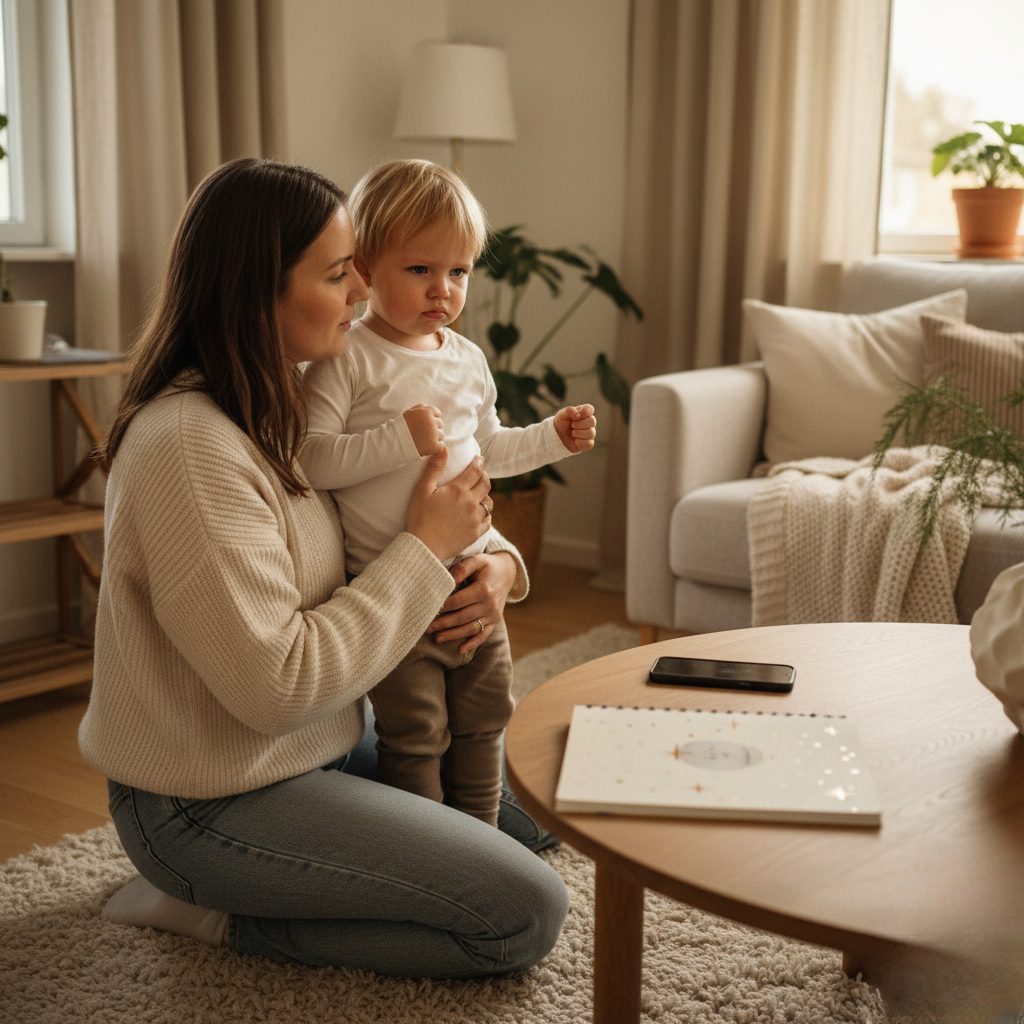
Content, particularly fast, highly stimulating video, can orient kids’ behavior in unseen directions most parents never expect. Young brains internalize behavioral habits from screen consumption, often with no clear warning until the rhythms begin to unravel. Parents have all observed irritability, impatience, or more ‘neediness’ following an extended YouTube binge.
These changes don’t occur simultaneously. They creep in: a child who once played independently now asks for constant screen time; a kid who could wait five minutes now melts down when asked to pause. Others say that these videos are designed for passive, brain-dead engagement, prizing rapid response but never fostering reflection. Across years, this molds how kids navigate boredom and frustration, frequently at the expense of patience and adaptable thinking.
Dangerous Imitation
Children mimic their surroundings, even without comprehending the dangers. YouTube is teeming with stunt, prank, or challenge videos from creators that are unsafe for young viewers. Some kids attempt to replicate these behaviors at home, not understanding the potential damage.
Mommy tales usually include a kid climbing furniture, parroting taglines, or replaying a scene that was “right on tape.” It’s not only explicit danger; children may mimic disrespectful words or peer interactions they observe on screen. Parental guidance is required here, not to embarrass but to explain.
While we can’t control the content that’s out there, boundaries around what we watch and direct conversations about what’s “safe for our family” help. Kids need to be asked, “Does that seem safe to you? Would we do that at home?” This type of active reflection shifts them from thoughtless mimicry to thoughtful consideration. The best structure is predictable: children know what is allowed, what isn’t, and why.
New Anxieties
What appears to be benign content to adults can become genuine nightmare fuel to kids. Rapidly edited videos, jump scares, or even subtle emotional manipulation can have kids feeling anxious or scared well beyond the screen. A child could out of the blue start resisting sleeping alone or become nervous about attending school.
Occasionally, even silly cartoon violence or ‘fail’ videos can generate subconscious stress. Backing kids is assisting them label their anxieties and discover tranquil rituals to quiet after displays. Mindfulness techniques such as slow breathing or silent tactile engagement aid in returning regulation.
Observing, for example, which videos prompt stress and then silently scaling back frequently offers respite. Parents don’t need to ban screens outright, but restricting access to triggering material can help.
Social Disconnect
Heavy YouTube can displace real-world social rehearsal. Kids who watch videos for hours will have a hard time with direct conversation, reading cues, or managing group boredom. You see it at playdates: one child tries to interact, the other repeats video catchphrases or drifts away.
Eventually, this can blunt instinctive interest in others. It’s practice talking, listening, taking turns. Healthy development involves enabling real-world social moments, not orchestrating playdates. It’s about giving children the room to practice connecting.
Simple games, meals together, or quiet shared tasks develop skills that screens can’t. The danger is not just missed opportunity but the gradual substitution of actual friendships with parasocial ones on-screen.
Tiny Thinks™ is made for those moments after school, transitions, mealtime, or waiting when regulation and focus must be reinstated. The Free Calm Pack offers instant, screen-free relief: structured thinking pages that children can start alone, repeat, and return to without direction.
Each activity aims to still the mind and promote authentic, reflective play. For parents who want even more, our age-specific Workbooks build on these gains, always anchored in a peaceful, reliable routine. No judgment, no “better than” just a dependable instrument for reconstructing patience and attention when it counts.
What Is “Brain Rot”?
‘Brain rot’ is what happens when you consume too much mindless, high-speed media—particularly online. It was Oxford University Press’s word of 2024, demonstrating just how pervasive the concern has grown. The term points to a real pattern: children exposed to endless streams of low-quality video, often filled with surreal characters, absurd music, and storylines that defy logic, can experience cognitive stagnation.
It doesn’t stop on the screen. Sensory overload, bad sleep, and inattention spill into the day. As one expert puts it, we all need brain rot once in a while, but regular submersion in this type of content can erode serious thinking. The real question for parents isn’t whether screens are “bad,” but what kind of screens—and what comes after.
The Concept
Brain rot, as far as early childhood is concerned, is more than just spacing out. When kids watch “junk” videos over and over, their brains become used to immediate rewards and crazy images and nonstop stimulation. This trains their attention out of slow, sustained focus.
As a result, children have a hard time working on tasks that require patience, sequencing, or active problem-solving. Instead of developing working memory or frustration tolerance, their brain development can stagnate.
Critical thinking is a skill. When media spoon-feeds kids a senseless, over-the-top loop, it numbs their inquisitiveness and ingenuity. The more a kid is exposed to this loop, the more difficult it may be to return to quiet, free play or focused work.
Media literacy is your best protection. Open parenting conversations about what makes content “good” or “empty” help build awareness. Basic checklists, such as “Is this contributing to your knowledge acquisition?” and “Does my body feel calm?” can even steer young kids. Tools such as Common Sense Media and local library guides can assist families in healthier decisions.
The Appeal
Kids don’t gravitate toward brain candy because it’s good for them. Vibrant colors and infectious pings strike the brain’s pleasure centers and keep us glued. This isn’t a weakness; it’s how young brains function.
Algorithms observe what holds kids’ attention and push more of that, frequently AI-created, viral videos that accumulate tens of millions of views in the span of a day. As you can see, this is a juvenile version of the addictive loop. Each video is tailored to be just weird or funny enough to snag attention.
Then the next plays automatically. Parents can disrupt this cycle by providing options with genuine structure and intention, such as basic puzzles, placid drawing exercises, or unconstrained tales.
The Gateway
Even the most harmless video can lead, one click away, to something not so much. The danger isn’t even the information per se; it’s the fundamentally unpredictable way it shifts. It’s important to monitor what kids watch, but it’s equally important to set parental controls and use platforms with robust filters.
Safe viewing begins with trusted, age-appropriate choices. Calm, organized alternatives such as Tiny Thinks™ Workbooks or the Free Calm Pack provide kids a landing spot when they need to calm down, develop attention, or detach from screens.
These aren’t tools that are rewards or upgrades; they are just relief for moments when chaos needs to calm.
The Algorithmic Trap

The algorithmic trap is the workhorse at the heart of much of YouTube’s stickiness for young kids. Recommendations aren’t neutral; they’re designed to maximize watch time, regardless of developmental appropriateness. In other words, a kid who starts with a cartoon can within a few taps be trapped in a spiral of rapid, recursive clips—sometimes excruciatingly happy, sometimes creepy, and always hard to break free from.
It’s built to keep them watching, not cultivate attention or nurture healthy cognitive development. For parents, this can manifest as a child zoned out in front of the screen, scrolling through videos, even more cranky when told to pause. Unsupervised, the algorithm sneakily moves the kid from one content vortex to another, dragging them deeper from autonomous, self-directed cognition.
Content Spirals
When kids hit a content spiral, what starts as innocent viewing can turn fast. The algorithm figures out what grabs their attention—neon colors, boom boxes, cartoon favorites—and dishes out more of it, frequently amping up intensity or freshness. This is not just a matter of wasted time.
Some creators exploit algorithmic loopholes, producing videos that mimic popular themes but introduce mature or disturbing material: violence, injury, or fear, sometimes hidden in otherwise family-friendly thumbnails. Parents have said they’ve discovered train crashes or crying kids between baby ducklings.
A media diet that’s balanced is crucial. Curating a small list of trusted, quality channels can ground screen time and establish boundaries around what is “safe” and what is off-limits. In practical terms, this means sitting with your child, previewing content, and constructing a visual ‘okay to watch’ list they can reach on their own.
In families, this frequently turns into a peaceful ritual, selecting together prior to the screen lighting up.
Inappropriate Exposure
One never-ending scroll can effortlessly expose a kid to hardcore or disturbing content. The platform’s filters are far from flawless, and even YouTube Kids isn’t a safe bet. The best measure is active oversight, actively monitoring what your kid watches, particularly when new content comes on.
Open, explicit discussions about what’s okay help kids grasp why certain videos aren’t appropriate, providing them with words to tell you when something feels off. For younger kids, YouTube Kids adds a small extra layer of protection, but no filter replaces active adult supervision.
Some families find it helpful to set clear boundaries: certain devices, certain times, and certain rooms.
Commercial Influence
Little kids are the holy grail for YouTube ads. Ads, occasionally embedded in the videos themselves, aim to influence aspirations, instigate demands, and generate necessity. The rapidity and subtlety of these strategies make them difficult to detect, even for vigilant grownups.
|
Statistic |
Impact |
|---|---|
|
90% of kids recall ads seen online |
Increased requests for products |
|
1 in 3 pre-school ads are for food |
Higher demand for unhealthy snacks |
|
4 of 5 parents report “ad pressure” |
More frequent “I want” behavior |
A simple step is to talk openly about ads: what they are, why they exist, and how to spot them. Even children as young as three can be taught that not all videos are suitable for them. Opt, when you can, for safe alternatives like ad-free platforms or at least minimize your time in ad-dense environments.
When screens are inevitable, the objective is not to vilify, but to organize. For numerous households, Tiny Thinks turns into the rescue instrument on the finish of a display spiral—one peaceful, tactile web page that resets the frightened nervous system and switches the mind from passive watching to energetic considering.
The Free Calm Pack is a useful, screen-less anchor for after-school transitions, dinner prep, or travel. For parents craving more control, age-based Workbooks deliver reliable, independent activity without the need for an app, making them a great resource for managing childhood screen addictions.
Your Child’s Digital Well-being
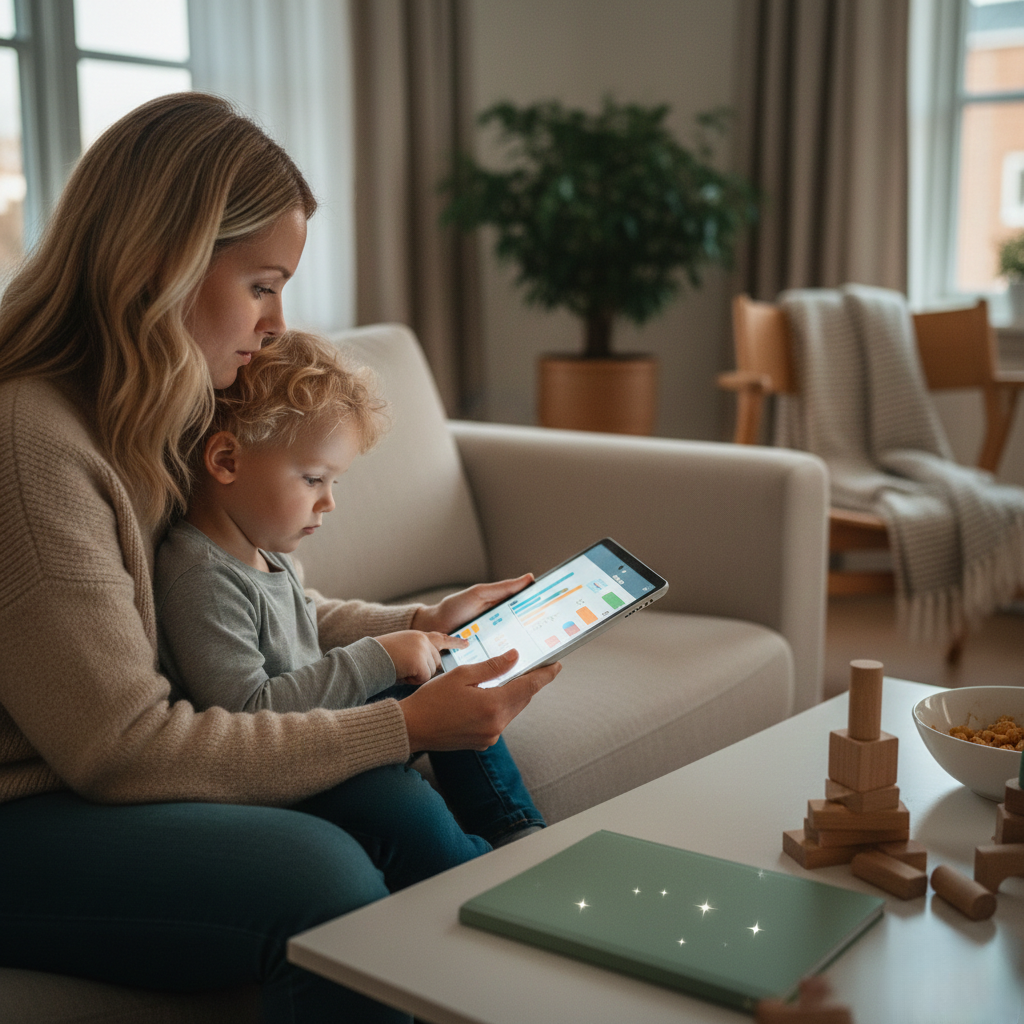
Children today navigate an ever-shifting, never-ceasingly accelerating digital world. It’s not that screens are “bad” — it’s that digital habits form a child’s focus, self-regulation, and well-being over years. For most families, YouTube and similar platforms are practical reality — sometimes a relief, sometimes a stress.
Even if they don’t use social media themselves, kids as young as three can be exposed to viral content or trends through siblings, friends, or shared devices. Regulation-first, screen-free systems like Tiny Thinks™ exist for parents who want structured, calm alternatives without judgment or moral framing.
Supervise Actively
Kids don’t necessarily know what they’re watching or how to interpret it. Active supervision means sitting with your kids while they watch YouTube—not merely because it’s safer, but so that you can help them make sense of the content. When a parent watches along, it’s more convenient to pause, question, and explain confusing moments.
This is how kids begin to discern what’s real, what’s goofy, and what’s merely attention grabbing. Talking about videos can ignite early critical thinking—“Why do you think that was funny?” or “How did that video make you feel?”—instead of just letting the algorithm determine what’s next.
Supervision means noticing patterns: is your child compulsively scrolling, struggling to stop, or using screens to cope with difficult feelings before bed? These are indicators that action might be necessary.
- Tips for active supervision:
- Watch with your child during screen time, especially on YouTube.
- Ask open-ended questions about what they see and hear.
- Encourage them to talk about confusing or upsetting content.
- Set gentle reminders when it’s time to switch off.
- Model digital habits—put your phone down, too.
Set Standards
Definitive, firm standards allow children to understand what to anticipate. This means setting boundaries for both time and content: how long screens are on, which channels or creators are allowed, and what is off-limits. Consistency is what counts when screens are everywhere in various rooms or on multiple devices.
Guidelines should be fluid and grow as kids age. Three-year-olds have different guidelines than seven-year-olds. When kids know the reason for limits, enforcement doesn’t seem like a punishment but a family ritual.
- Checklist for setting standards:
- Talk about screen rules as a family.
- Get kids involved in selecting viewing material.
- Check in on limits over time and tweak as kids age.
- Establish device-free zones or times, such as meals and bedtime.
- Discuss online safety and digital literacy.
Explore Alternatives
Screens do fill a void, but too frequently eclipse endeavors that replenish concentration and tranquility. Kids need slow, tactile routines — puzzles, drawing, matching, hands-on patterns — after school or before bed. These offline alternatives allow the mind to decompress from sensory saturation.
Family outings or even just a few walks together around the neighborhood or pursuing a hobby can introduce new experiences without the digital din. Stick to educational apps and websites with your family. Find things that are slow, structured learning and easy to predict.
Tiny Thinks™ delivers cognitive architecture, not entertainment, providing peace and screen-free moments. The FREE Calm Pack is a tangible rescue during high-pressure moments when a child needs to calm down and reconnect with thinking, post-screen spiral or pre-dinner.
Age-based Tiny Thinks™ Workbooks take this schema further, cultivating attention and independent initiation without additional parental hard work. They create a quiet focus tool, not more novelty, to help kids come back by choice to calm thinking.
Fostering Healthy Media Habits
Healthy media habits start with family media use and communication. Screen content per se is not the enemy. Most parents know that the YouTube app comes through in a pinch—on a trip, after school, or while making dinner. It’s not screens that are the challenge, but the rapid pace, uncertainty, and voracious amount of quick-flip content found in popular brain rot content.
Young children, particularly 3 to 7-year-olds, have immature attention systems. What fragments them isn’t “screen time,” but the always-on junk food algorithmic hop from video to video and sound to sound. Mindful consumption is about pacing and predictability. Don’t just let autoplay run on the main YouTube service.
Instead, attempt brief, targeted viewing windows with defined start and stop, or co-view and discuss with your kiddo what’s going on. When the video is over, stop and pose some simple questions—what did you notice, what made you laugh, what amazed you. These micro checkpoints help kids process what they observe rather than internalize it passively.
Over time, short, predictable viewing with parent engagement soothes the nervous system much more than brain-numbing endless scrolling. Families can make media a routine subject, not a fight. Kids observe everything—how commonly screens are pulled, how soon they close, and what they transition into.
Just having easy, candid discussions about what your child watched and how it made them feel creates consciousness. It’s not about shaming, but connecting. For instance, “That video was loud and fast, did it make your head feel busy or quiet?” Children become aware of their state and can differentiate between appropriate and inappropriate videos.
Other families use a timer or a visual schedule. The method matters less than the routine: media use gets a predictable beginning, middle, and end. Media literacy isn’t something that begins in school — it begins at home, even for preschoolers. Educate kids to identify ads, redundancy, or over-the-top characters.
Point out patterns: “Notice how all the videos end with a cliffhanger?” or “Did you see that the toy showed up in every video?” These observations empower kids. They learn that not everything on a screen is for them. It’s an easy basis for becoming a discerning, thoughtful viewer, even at five years old.
Balance is not simply limiting screens, but providing what follows. Kids require low-stimulus, slow, hands-on play to regain their concentration, particularly following rapid media. That’s where Tiny Thinks™ comes in.
When your kid is bouncing off the walls after YouTube or a dinner that can’t settle, a tranquil, screenless alternative resets the rhythm. The free Calm pack is for these real moments—waiting, unwinding, transitioning. Simple, structured pages allow children to slow down and think without adult guidance.
For families ready to establish a regimen, the age-specific Workbooks provide additional substance, always with a simple aesthetic and zero distractions. No stress. No pitch. Just a sensible, nice soft reboot for your daily craziness.
Conclusion
YouTube itself doesn’t make kids ‘stupid,’ but the rapid, random, personalized algorithmic content that it delivers can, if misused, fragment young attention and chip away at the tolerance for slow, structured thinking. For most families, all this plays out in daily routines—kids have trouble getting going, flit from activity to activity, or require consistent stimulation. These transitions aren’t an indicator of defective children, but an organic reaction to their minds acclimating to digital velocity.
Incorporating calm, predictable, and tactile alternatives helps kids regain focus and rebuild the skills that screens erode. Steady routines, clear structure, and thoughtful media choices make a difference. It’s not about banishing all screens, but about re-establishing equilibrium and guiding kids back into richer, more rewarding cognitive rhythms.
Frequently Asked Questions
Does watching YouTube harm children’s brain development?
About: Does YouTube make kids stupid? Guided, age-appropriate use in moderation is not shown to adversely affect brain development.
What is “brain rot” and is it a real risk for kids?
‘Brain rot’ is the colloquialism for diminished cognition from passive screen consumption. Not that we have scientific evidence, but the abuse of dumb stuff probably hurts cognition.
How does the YouTube algorithm affect children’s behavior?
Kids mindlessly consumed content endlessly promoted by the YouTube algorithm. This might make kids watch longer and affect attention and behavior.
Can YouTube use cause behavioral changes in children?
Too much screen time can cause irritability, less social interaction, or attention problems in kids. With healthy boundaries and parental controls, it will not change them for the worse.
What can parents do to promote healthy YouTube habits?
Establish boundaries, select thoughtful educational material from the YouTube Kids app, and co-view whenever you can to promote safety.
Is educational content on YouTube beneficial for kids?
Yes, good educational videos can back up learning and inquisitiveness. One needs to supervise and select age-appropriate channels.
How can I tell if my child is watching too much YouTube?
Symptoms of screen addiction in kids include missing other activities, crankiness if stopped, or bad sleep, making parental controls essential for healthy viewing.