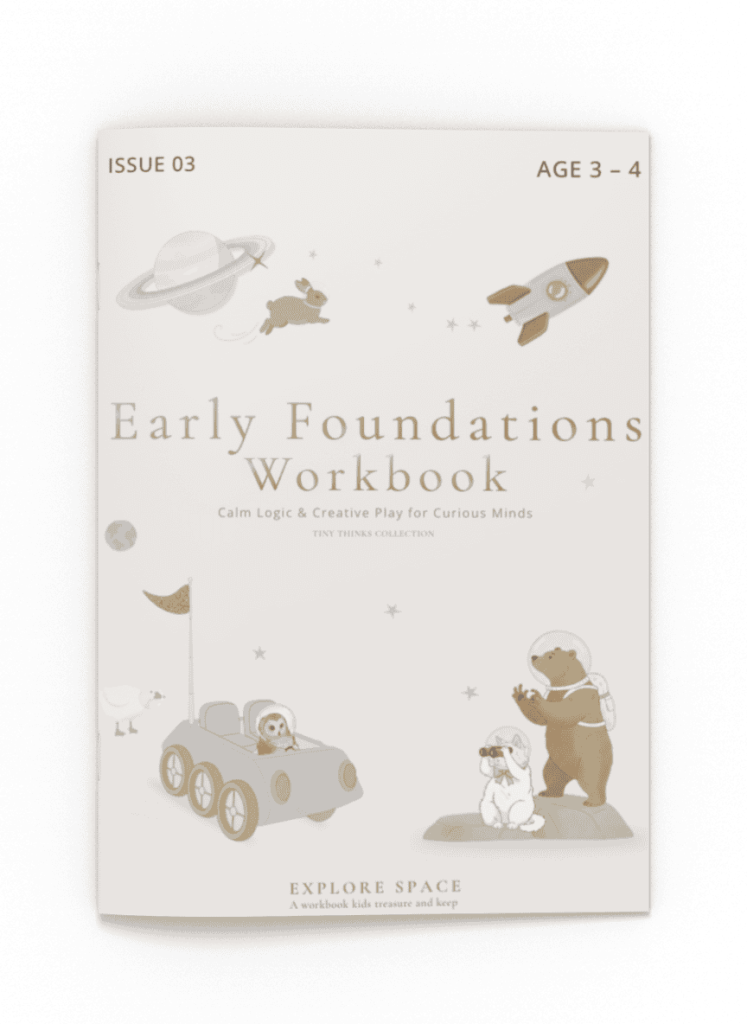
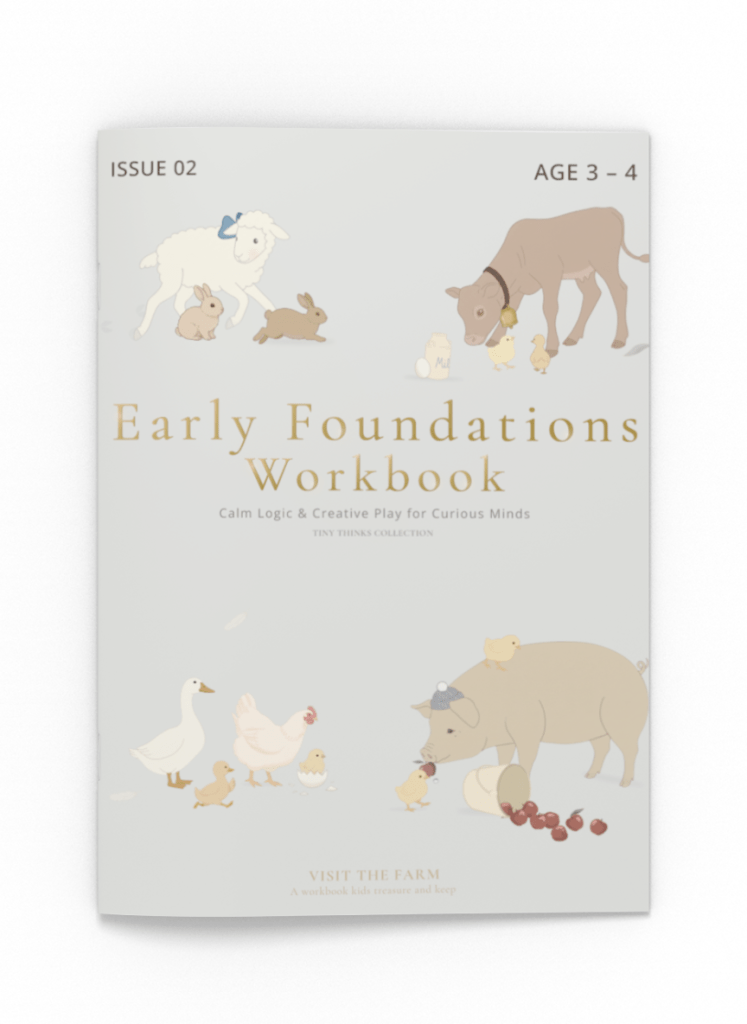
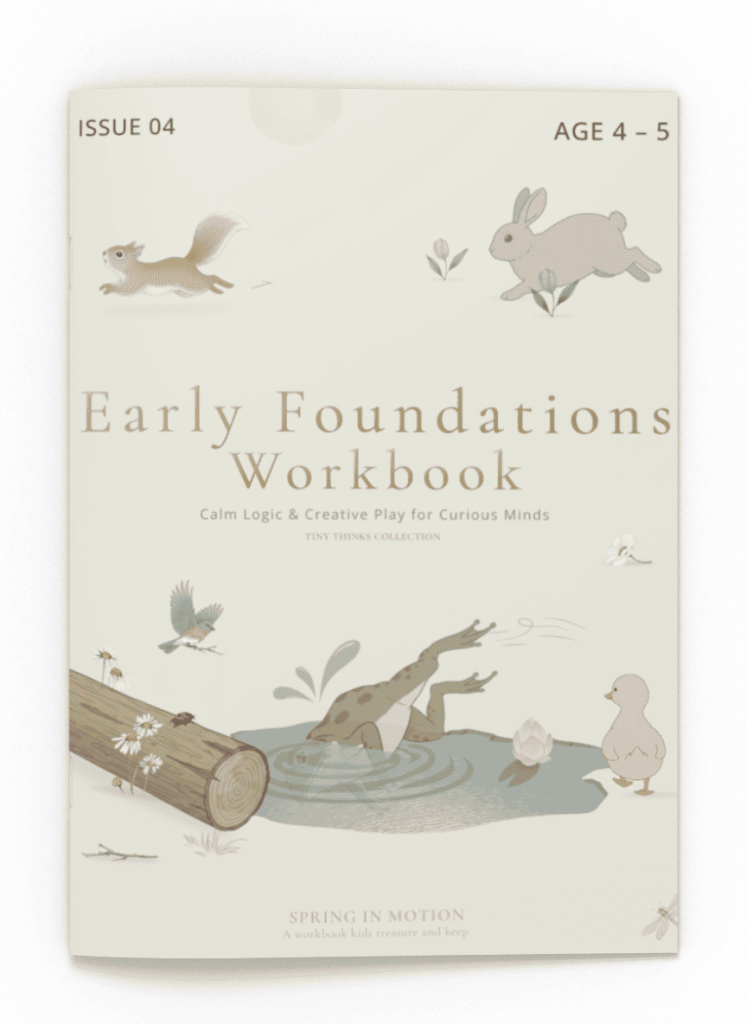
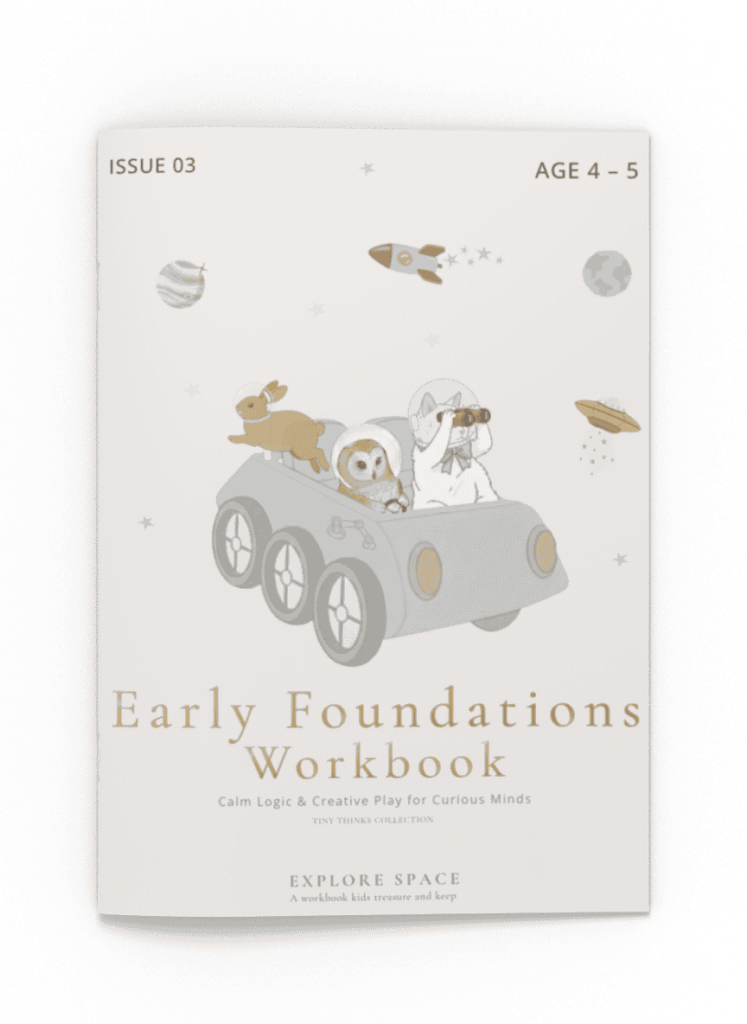
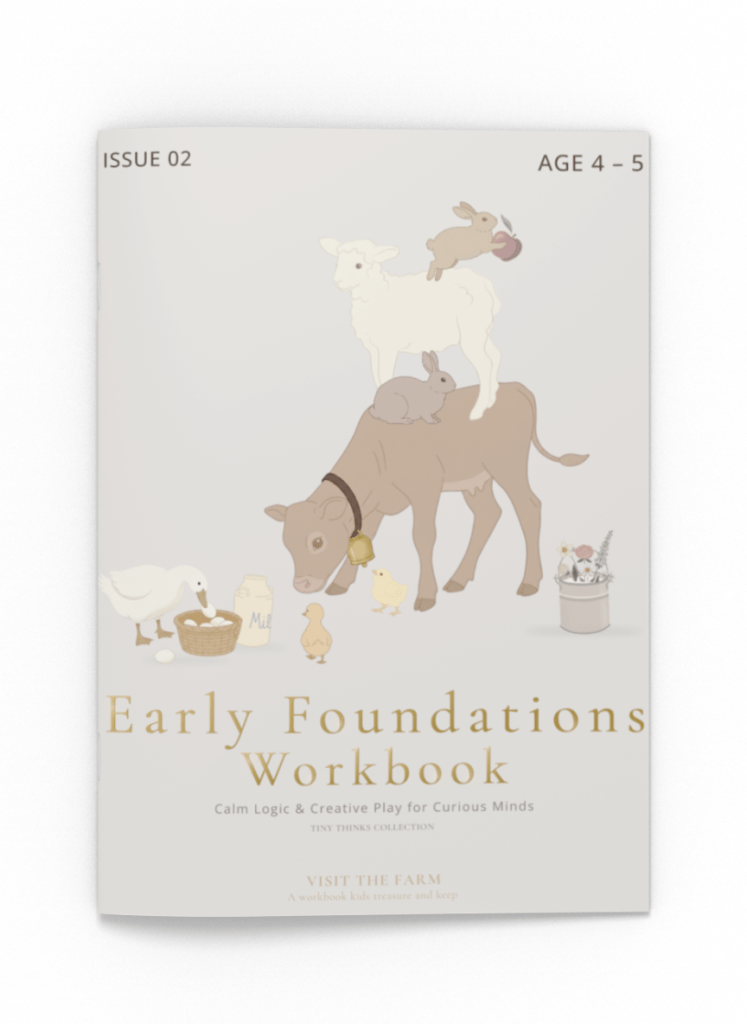
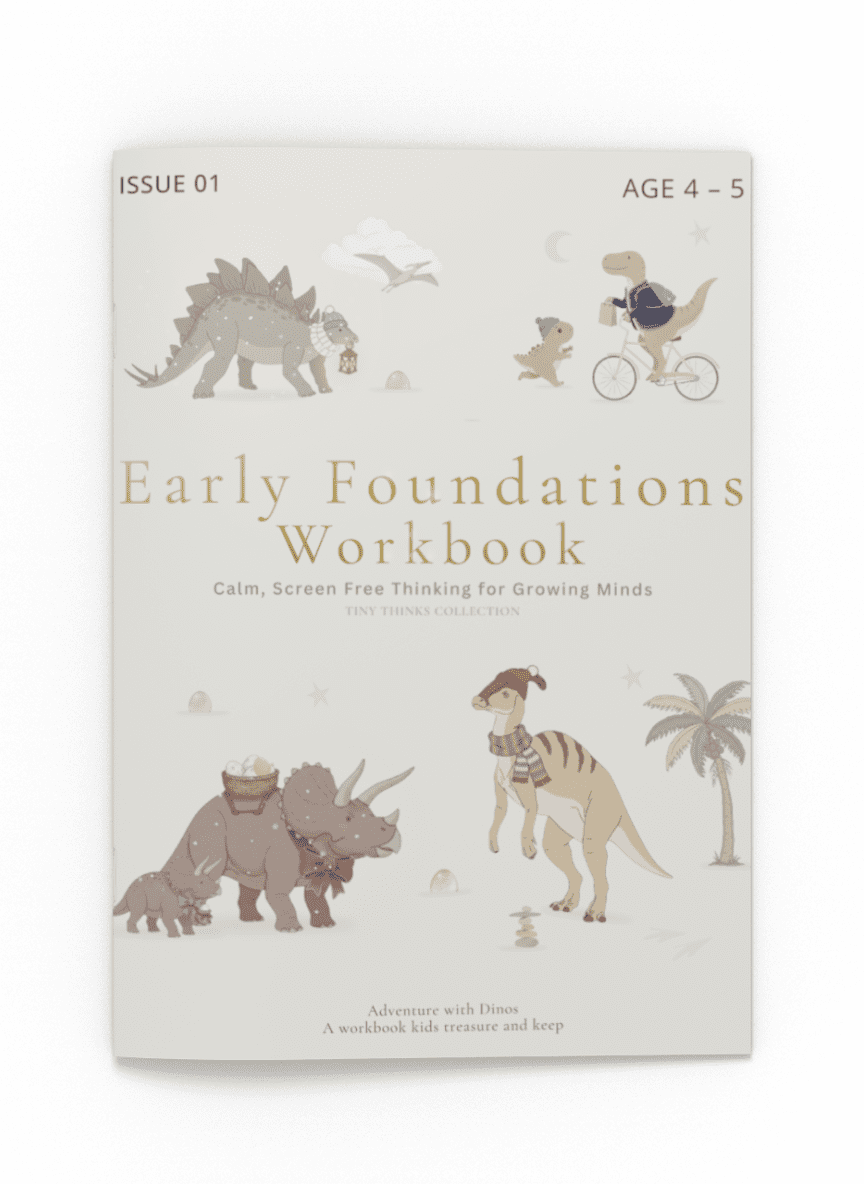
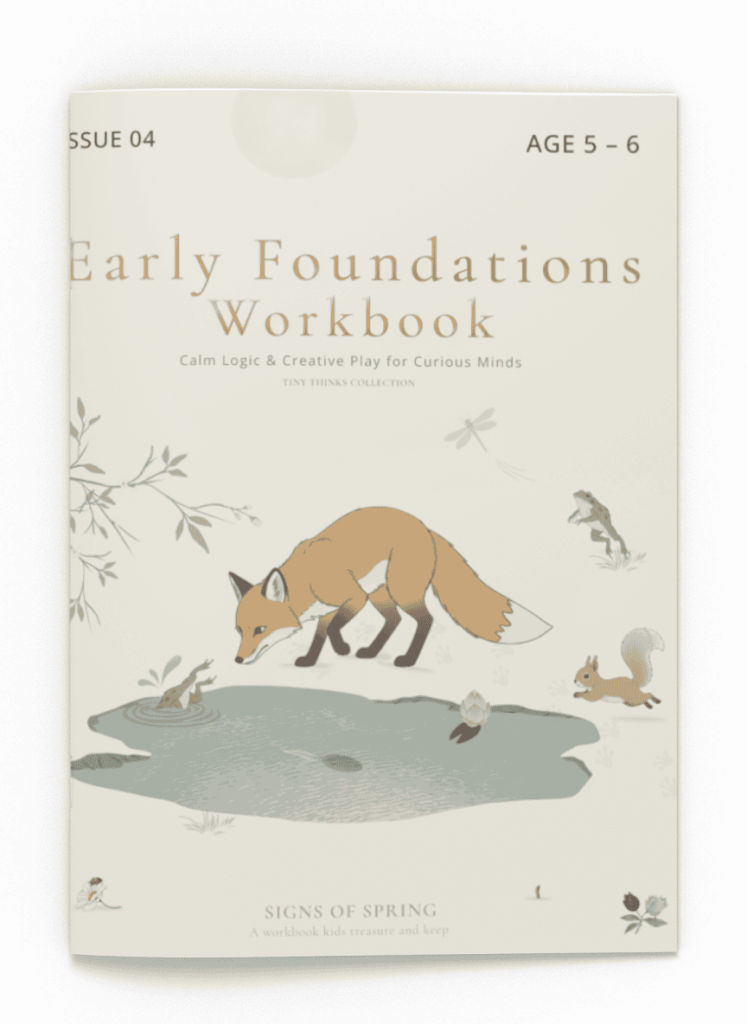
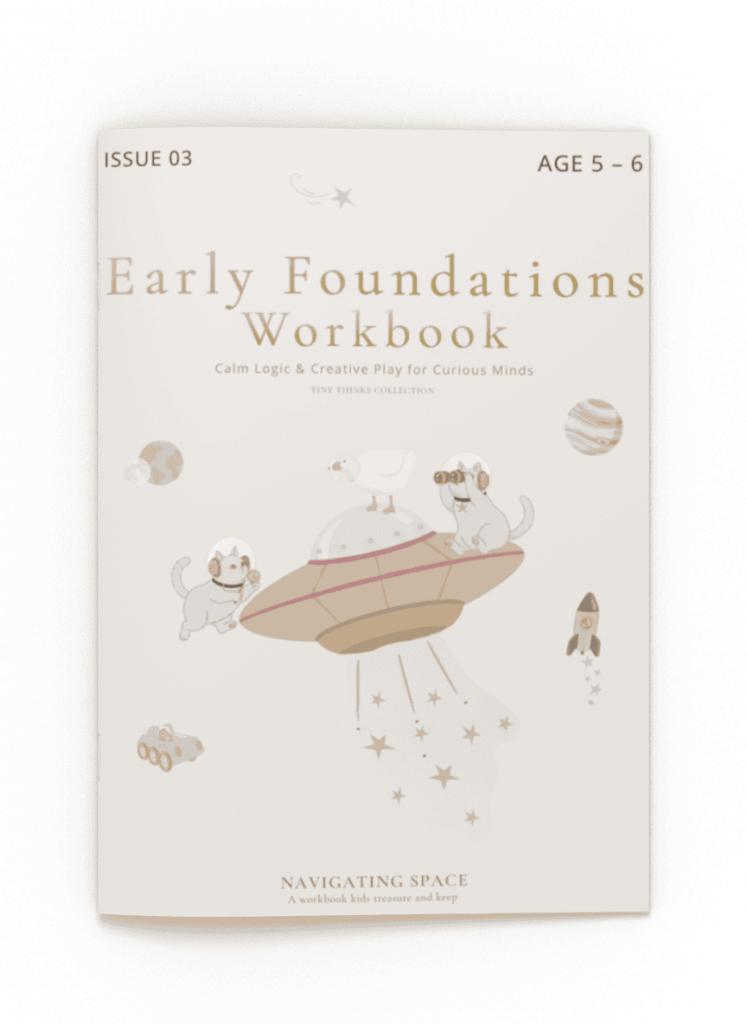
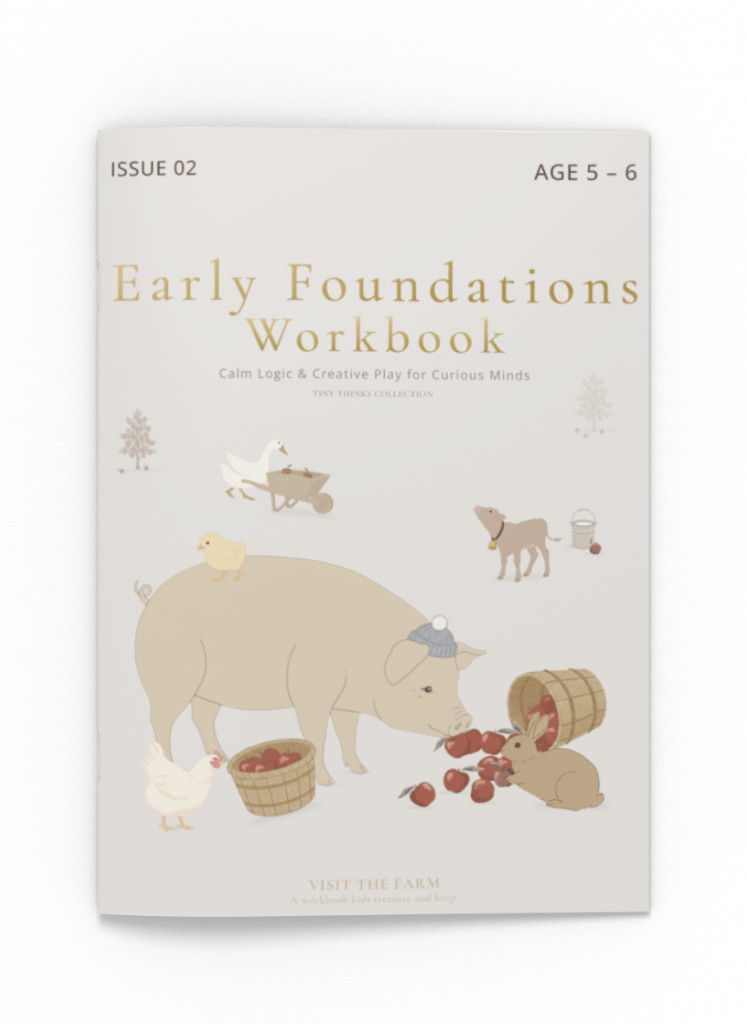
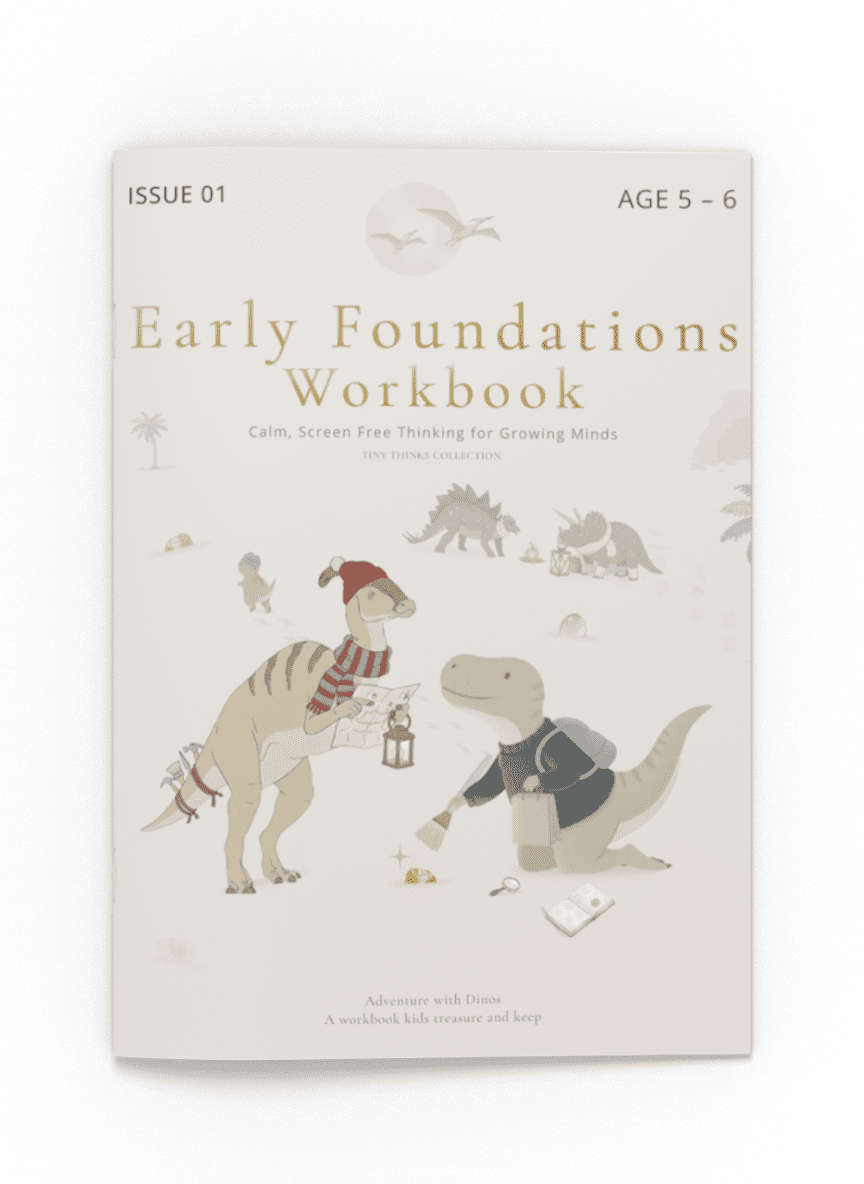
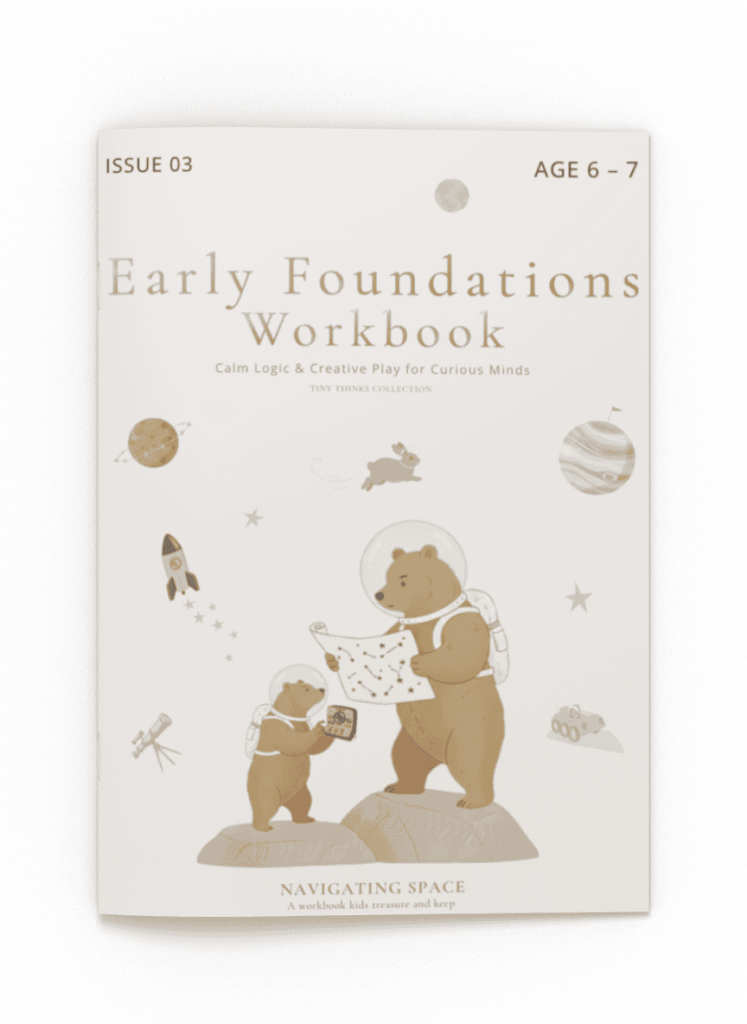
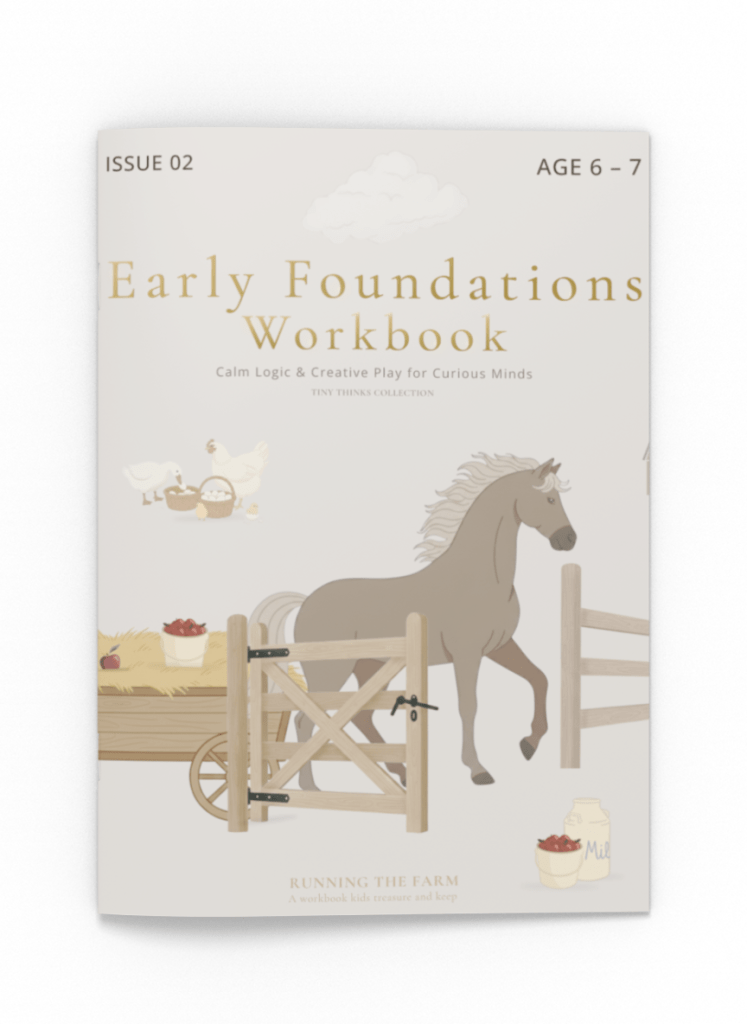
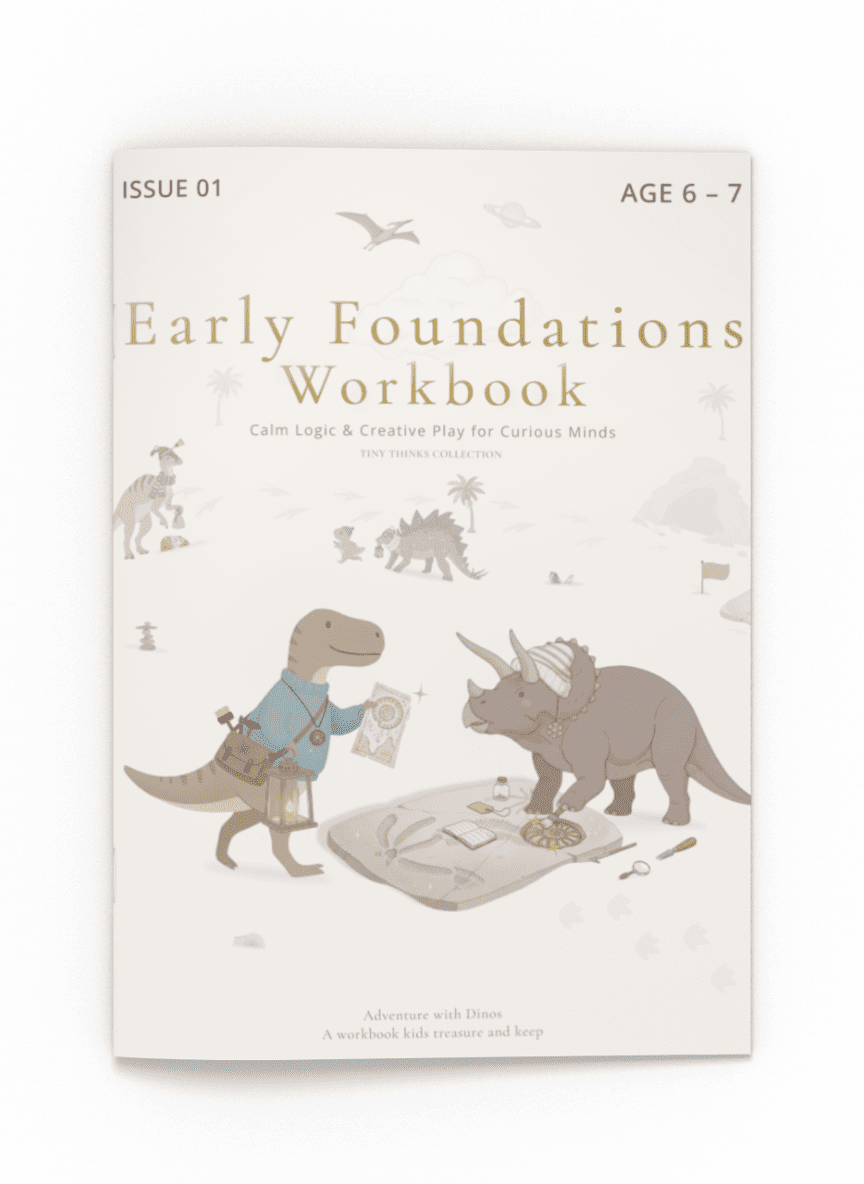
Calm activities that help children settle, focus. Age 3-7, used in groups and classrooms.
To manage a diverse group of kids with different, is no longer a simple task every day. Tiny Thinks offers a solution that works for all children in transition or reset moments.
Children today encounter constant stimulation — not because parents choose it, but because screens and fast-paced content are everywhere. Tiny Thinks workbooks exist for these moments, giving children calm thinking.
Progressive Difficulty 4 Levels. Each new Issue brings new world of challenges for engagement and growth.
Independent Engagement Children can work through many pages without constant help.
Low stimulation builds focus: Strengthens attention and thinking over time, making managing different needs easier. Not more activities. Better ones, in the right order, that children stay with.
Each Tiny Thinks workbook follows the calm learning system. The Space Series includes progressive levels for ages 3–7, guiding children from early focus and pattern recognition to deeper logic and multi-step thinking.
Helps Children Settle and Focus
Gives tired minds something finite to hold onto — so attention doesn’t spiral.
Guided Thinking, Not Random Worksheets
You guide once. The page structure carries the rest.
Children Keep Coming Back
Children return to it for the characters — and stay for figuring things out
Story-led scenes that invite kids to notice details
Step-by-step drawing or tracing
Find-and-circle games
Purposeful stickers (pattern completion, scenes)
Quiet sensory tasks like threading or stacking
Kids stay calmer when activities have a defined start and finish rather than open-ended “entertainment.”
This is the core design principle behind Tiny Thinks.
How do I keep my child calm at dinner without screens?
Calm dinners come from structured, low-arousal activities that give the child something to focus on without overstimulating them. What works:
Story-led pages with objects to find
Simple tracing or drawing challenges
Gentle puzzles they can do independently
Sticker scenes with a clear goal
Pair with a predictable “quiet start cue”:
“I have your calm page ready.”
Most children settle once the routine is consistent for 3–4 days.
What builds early logic and thinking skills for preschoolers?
Thinking skills grow fastest when children engage with:
Pattern-recognition games and Sequencing
Step-by-step problem solving
Story-led observation exercises
Short puzzles that require focus, not speed
This lays the foundation for attention, working memory, and early reasoning.
It’s exactly what Tiny Thinks workbooks are designed to strengthen.
How do I help my child focus without relying on apps or screens?
Children focus better when the activity gives them structure, short wins, and a clear finish. The strongest screen-free focus builders for ages 3–7 are: