
Key Takeaways
- Fast-paced shows like Cocomelon overstimulate young children and shorten their attention spans. Opting for alternatives with gentler pacing and soothing visuals aids healthy brain growth.
- Seek out screen content that delivers real stories, life lessons, and interactive engagement, not just passive viewing or constant flashy colors and noises.
- Shows with music, dance, and an interactive component hold children’s attention and encourage learning in language, rhythm, and social skills.
- Counter screen time with hands-on activities like crafting, playing outside, and sensory games to develop creativity, imagination, and physical growth.
- Parents have an important role too, previewing shows, setting clear limits, and talking through content to help kids process what they’re watching and learning.
- Family participation, whether co-viewing Cocomelon episodes, engaging in game nights, or discovering new hobbies together, can transform screen substitutes into moments of bonding and development.
For families exploring calmer alternatives to fast-paced shows like Cocomelon, having quiet, screen-free options can help restore focus and reduce overstimulation. The Tiny Thinks™ Free Calm Pack offers simple, hands-on activities designed to support attention and self-directed play.
Cocomelon alternatives span the gamut of screenless play and soothing, structured toddler schedules. Most families find that hyper shows like Cocomelon can leave their toddler overstimulated, agitated, or unable to concentrate.
For families searching for alternatives to Cocomelon, the goal is often simple, quieter input, better focus, and fewer post-screen meltdowns.
For parents who just want something quieter to recharge little ones, whether it’s dinnertime, travel, or post-school, digging into hands-on, Montessori-inspired activities provides practical ways to cultivate attention and infuse your day with more calm.
The Cocomelon Effect
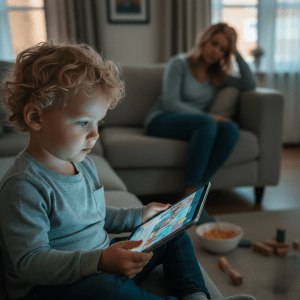
Cocomelon is a hit with toddlers. Its quick scene shifts, bright colors, and constant musical stimulation attract growing brains. For numerous households, the ramifications of this hyper-speed material are tough to overlook. Parents frequently report their child bouncing from activity to activity after viewing, unable to calm down, or even throwing a fit once the show has concluded. These anecdotes represent more than mere preference. They demonstrate how overstimulation and screen habits shape early development.
Scientists have raised a few issues. In a widely-covered test, the Cocomelon Effect, a mere nine minutes of fast-moving kids’ programming temporarily reduced executive functioning in toddlers. That is, kids could have a tough time concentrating, exercising self-discipline, and finishing what they’ve started immediately after viewing.
The table below summarizes key effects of excessive screen time on young children’s learning and attention:
|
Effect |
Description |
|---|---|
|
Reduced attention span |
Difficulty focusing on single tasks, frequent shifting between activities |
|
Lower executive functioning |
Temporary decrease in self-control, planning, and task management |
|
Impaired creativity |
Less imaginative play, more reliance on external stimulation |
|
Inhibited arithmetic efficiency |
Slower development of early math and logical reasoning skills |
|
Increased hyperactivity |
Heightened energy and impulsivity after viewing |
|
Emotional dysregulation |
More frequent meltdowns, trouble calming down after screen time |
Cocomelon’s brightly animated, high-intensity style can overload young nervous systems. Our brains are hardwired for novelty and rapid scene changes serve it up in small, addictive bursts. For a minority of kids, this can create a feedback cycle, craving more stimulation, shunning calm activities, or getting stuck on screens.
What is the ‘Cocomelon effect’? A lot of parents describe their toddler as being ‘obsessed’ with Cocomelon, requesting episodes over and over, becoming irritable when refused, or having difficulty switching to another activity. These are the hallmarks of habit formation and, in some cases, the early warning bells of screen addiction.
Balance is key. Not all screen use is bad, and screens can sometimes meet real needs while traveling, when a parent is busy, or waiting in a long line. When faced with frequent doses of adrenaline-pumping media, slower, self-directed play and hands-on activities that develop deep attention and flexible thinking get crowded out.
Kids who rely on frenetic shows may exhibit less imaginative play and struggle with soothing, deep tasks later. Others have resorted to slower, low stimulation standby, nature documentaries, soothing storybooks, or basic puzzles to bring back serenity.
In my experience, the most consistent results are generated by paper-based, thinking-first activities children can do on their own. Tiny Thinks™ Workbooks and the Free Calm Pack are structured for this exact purpose: they offer slow, predictable input that soothes the nervous system and builds focus.
Every page encourages silent, tactile interaction, no batteries, no noise, just actual thought. These resources are intentionally crafted to support children in the moments when parents most need calm: during meals, after school, in waiting rooms, or winding down at bedtime. Kids are drawn to them for the same reason parents rely on them: they feel good, they work quickly, and they provide genuine, sustained concentration.
Why calm, sit-down activities work when screens don’t?
Travel days and long waits overload children in a subtle way. Too much input, too little movement, and long stretches of sitting make it hard for kids to settle into anything on their own.
What helps most in these moments isn’t stimulation or distraction, it’s gentle structure.
As one parent put it, most evenings, the screen is just on in the background while my child plays. I’m not trying to stop it, I just want something quiet they can sit and do without me preparing things.
Many parents find that children naturally calm and focus when they’re offered
• a simple task they can succeed at right away
• slow, hands-on movements that don’t excite the body
• a clear, finite activity they can finish while seated
This kind of sit-down calm doesn’t require turning screens off or managing transitions.
Children ease into it on their own, and screens fade into the background.
Many parents find that children regulate more easily when fast-paced content is balanced with predictable, tactile activities. The Tiny Thinks™ Free Calm Pack is often used during meals, travel, or post-screen transitions to help children settle without additional stimulation.
What Makes a Good Alternative?
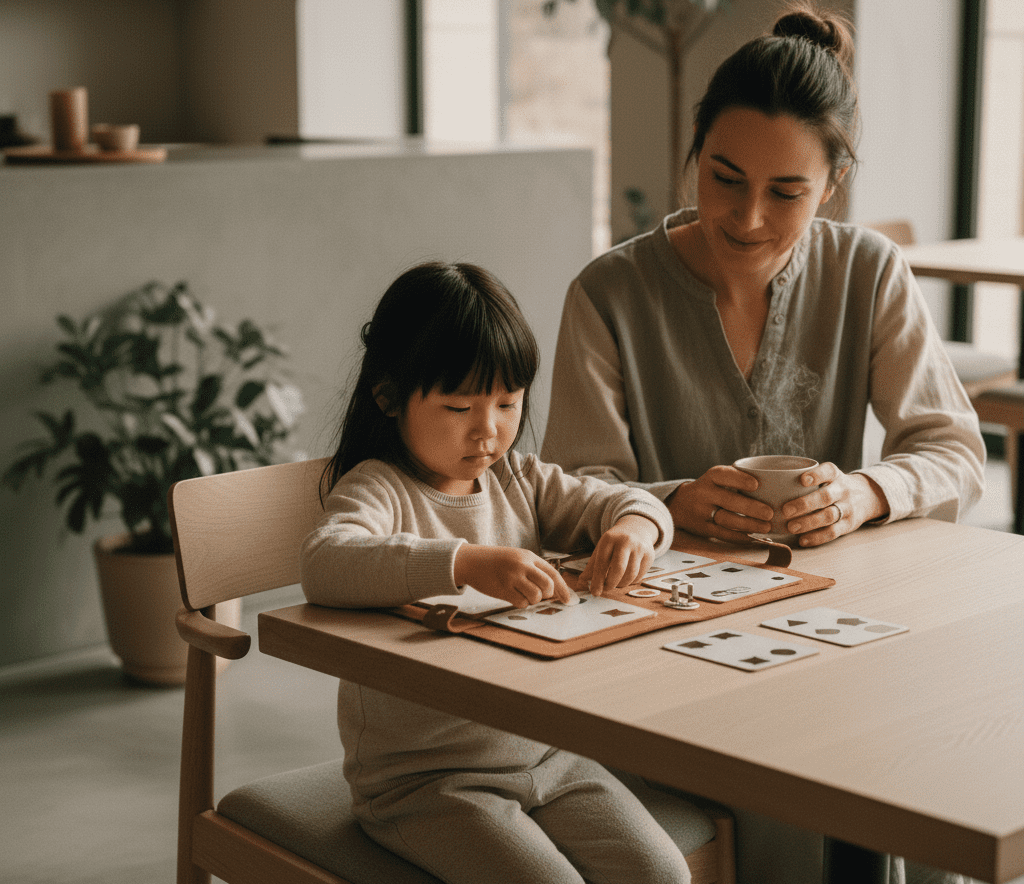
Alternatives to Cocomelon are ones that soothe kids’ minds, encourage genuine learning, and function in the moments parents need respite the most, meals, travel, bedtime, and post-school unwinding. A good alternative does more than just keep kids occupied. It regulates their nervous system, cultivates skills, and draws them into focused, tactile play or narrative.
Below is a table summarizing the core qualities of effective screen alternatives:
|
Characteristic |
Why It Matters |
Example |
|---|---|---|
|
Slow, story-driven pacing |
Reduces overstimulation, aids attention |
Picture books, calm podcasts |
|
Real-world experiences |
Links learning to daily life |
Farm visits, home baking tasks |
|
Educational, milestone-based |
Builds early language, math, and social skills |
Counting games, tracing cards |
|
Supportive family settings |
Models positive relationships, empathy, teamwork |
Cooperative board games, role-play |
|
4-second+ scene duration |
Supports healthy brain development |
Nature videos, simple animations |
|
Imagination and exploration |
Sparks curiosity, creative problem-solving |
Construction kits, open-ended art |
|
Interactive engagement |
Promotes active participation, not passive watching |
Sorting tasks, movement songs |
Pacing
Offer activities with natural starts and stops. Small, easy projects or stories assist kids’ brains to think about one concept at a time. Add natural breaks, where kids can stop, chat, or dance before continuing so their minds aren’t overwhelmed by constant stimulation.
Use mixed pacing: combine calm narratives with gentle interactive moments. Shift tempo to keep interest without overwhelming. Restrict activities to 10 to 20-minute sessions. For screen-based alternatives, opt for episodes with scenes of four seconds or more in duration to assist understanding and self-control.
Narrative
Stories resonate. Pick stories with simple, relatable characters who confront real dilemmas, like sharing or assisting a friend. These stories mirror kids’ daily lives and allow them to work through empathy and problem-solving in safe ways.
Seek out stories that subtly expose different topics. This might translate into a family’s day at the market or a silent adventure through a new park. When a plot pauses to allow kids to ponder what a character feels or decides, it fosters emotional literacy and imagination.
Learning
Zeroing in on pre-learning skills, good alternatives offer an age-appropriate challenge. Count blocks as you stack, match colors, or do some simple tracing. These hands-on activities reinforce language, memory, and early math while occupying busy little hands and minds.
Real world exploration based activities, such as sorting kitchen utensils or “visiting” a pretend farm with figures, spark interest. Unlike passive watching, these inspire kids to explore and experiment.
Engagement
Engaging alternatives maintain kids actively engaged. Songs with easy motions, call and response activities, or group art projects encourage engagement. Get them to assist a brother or sister or parent, replicating the teamwork and supportive family atmosphere alternatives to screens should be modeling.
Tiny Thinks™ Workbooks and the Free Calm Pack are built around these concepts. They provide quick, carefully ordered activities that employ pattern-building, gentle narratives, and practical reasoning, all in a physical, electronic-free medium.
Kids grab them joyfully, and parents experience calmer focus, particularly during challenging daily transitions.
Better Screen Time Options
A lot of parents want other options than fast paced programming like Cocomelon. I’m not trying to shame screen use, I want to give families better options that guard attention and support regulation. Shows with fast scene changes and frenetic visuals can overstimulate younger tots, making it harder for them to calm down, concentrate, or regulate their emotions.
Instead, soft, carefully curated content or real-world engagement can help bring back serenity and nurture healthy growth. Below is a concise summary of better screen time options:
- Instead, look for slow shows with long shots, pastel colors, and subtle music.
- Choose programs that encourage movement breaks and outdoor adventures.
- Favor content that models empathy, friendship, and emotional understanding.
- Choose age-appropriate shows that encourage co-viewing and communal conversation.
1. Gentle Pacing
Gentle pacing in kids’ shows translates to less frenetic scene chopping, more muted colors, and lullaby-like background music. Most kids require this slower input, particularly after a hectic day of school or leading up to bedtime. Well-designed shows with soothing images, extended scenes, and real-world sounds quiet small frazzled nervous systems.
Overstimulation is avoided when scenes shift at a gentle pace, giving kids a moment of silence to ponder. Some families find that their kids are less cranky and more attentive after viewing slow-paced shows, particularly when compared to speedy, flashy, looping cartoons. For noise-sensitive or transition-quick kids, this pacing can turn screen time into a truly restorative experience.
2. Emotional Learning
Opting for content that educates emotional intelligence is one of the best ways to leverage screen time in a positive way. This demonstrates that modeling sharing, turn-taking, and clearly labeling feelings helps kids develop self-awareness. These real-life scenarios, like a character coping with rejection or entering a new friendship, can provide kids with narratives for handling difficult situations.
When these stories feature diverse characters and conflict resolution, kids learn how to work through disagreements and include others, cultivating empathy and acceptance. These shows can encourage parent-kid talks about emotions, making co-viewing a functional upskilling opportunity.
3. Creative Storytelling
With some creative storytelling, screen time can become an imaginative experience. Unique art styles and non-traditional animation types, such as stop-motion or watercolor backgrounds, entice visual interest without over-saturating the senses. Certain shows are interactive or have branching narratives, allowing kids to make choices and experience their effects.
Creative shows tend to get kids drawing, acting out stories, or making up their own characters after the show has ended. This kind of content is a launching point for off-screen play, which is important for independent thought and problem-solving.
4. Real-World Exploration
Certain kids shows are actually centered around real world adventure and hands on learning. These shows bring nature, science and world cultures into your living room in an engaging fashion. With sequences of kids adventuring outside, conducting basic experiments, or experiencing new traditions, it sparks the same curiosity at home.
When shows propose hands on activities, such as collecting leaves or building a bird feeder, kids are empowered to leave the screen and enter real life. This mix of watch and act helps balance screen time with activity and exploration.
5. Musical Education
Music is another great choice. Shows that teach rhythm, melody, and basic music concepts make learning entertaining and unforgettable. With interactive sing-alongs, different instruments, and songs in various styles, kids develop listening skills and coordination.
Music-based ones are usually soothing, particularly when they utilize mild vocals and uncomplicated instrumentation. These shows can generate interest in playing actual instruments or dancing, making screen time a catalyst for creative movement.
Tiny Thinks™ Workbooks and the Free Calm Pack were purposely developed to swap out overstimulating screens for moments of quiet concentration. Every page employs soft hues, unhurried activities, and consistent reasoning to soothe kids, perfect for dinnertime, road trips, or post-school decompression.
For families looking for screen-free, regulation-first tools, Tiny Thinks™ provides a trusted route to more peaceful, productive days.
Beyond The Screen

Parents in search of Cocomelon alternatives are looking to cut screen time and bring back the zen, seconds after overstimulating their kids. Certain kids’ shows will forever be classic in their educational and slow-television glory. A lot of families are looking for screenless alternatives to cultivate learning, concentration, and imagination.
Many parents discover that the best alternatives to Cocomelon aren’t shows at all, but quiet, hands-on activities that help children regulate naturally.
Here are actionable, play-regulation-first concepts for parents looking to nurture young children’s growth at home or away:
- Construct block arrangements or basic cushion and blanket forts.
- Make pillows and chairs create obstacle courses.
- Draw chalk art or play hopscotch outside.
- Plant a mini-garden with recycled containers and simple seeds.
- Turn empty bottles, beans, or rubber bands into easy instruments.
- Coordinate indoor or outdoor scavenger hunts with simple pictorial clues.
- Play old school games of Simon Says, hide and seek, or freeze dance.
Auditory Play
Sound play enhances listening and sound awareness, talents frequently neglected when kids view quick-cut programs. One simple game is to hide a ticking clock or ringing bell and let children find it by listening closely. Families can take turns making animal sounds for others to identify, transforming passive listening into active fun.
Storytelling sessions, when each member of the family contributes a sentence, help kids visualize scenes and characters simply by listening to words, not staring at pictures. Music and rhythm games, such as clapping patterns, drumming on pots, or singing call-and-response songs, assist kids in developing auditory discrimination.
You can venture out and experiment with the sounds around you, whether that be bird calls or the whirr of your appliances, to build sound consciousness. These audio adventures condition the ear, encourage patience, and deliver moments of communal magic, a precious commodity while traveling or waiting.
Tactile Fun
Sensory play is an instinctual way to help little ones regulate their bodies and minds. Playdough, finger painting, and water play, for example, all allow your child to explore textures on their own terms. Test a basic sorting task with dried beans or coins. They adore the sensation and sound as they shift them from one bowl to another.
Outdoor tactile play, digging in dirt, stacking rocks, gathering leaves, grounds kids in the moment and builds fine motor skills. Let the kids assist with easy crafts using cardboard, fabric scraps, or bottle caps. Tactile experiences, in addition to building coordination, calm an overstimulated nervous system way better than screens.
They’re particularly grounding after a busy day or after-school crash.
Creative Time
Unstructured playtime is the dirt where creativity flourishes. Give kids a box of recycled junk, such as tubes, boxes, and wrappers, and see what they create. Open-ended art projects, like painting with natural brushes made from twigs and leaves or building with clay, allow them to express emotions and concepts in a stress-free manner.
Whether it’s blocks or magnetic tiles or even stacking cups, building isn’t just fun. It teaches spatial reasoning and tenacity. Imaginative play promotes problem solving, trying new things, and experimentation. These are all abilities that quick-paced shows don’t leave room for.
For parents who need quick, calm interventions, Tiny Thinks™ Free Calm Pack and our age-specific Workbooks provide mild, structured activities designed to help kids focus and regulate their emotions.
They’re purposefully designed for solo, screens-free play at the dinner table, in the car, or while waiting, helping kids calm down and engage in deep thinking, not just stay occupied.
How to Choose Wisely
Seeking alternatives to Cocomelon is about more than simply finding any old show or activity. It’s about finding those that truly promote your child’s regulation, attention, and development. It’s not about simply switching screens, but selecting what encourages your kid to calm down and think well, particularly during challenging times, such as meals, after school, or on the road.
The objective is not to demonize parents who adopt screens. It’s to assist families who are interested in giving it a shot, providing a roadmap that takes some of the stress out of the endeavor.
A plain checklist aids. First, pair content to your child’s age and learning level. Preschoolers require slow pacing and simple narratives, as quick cuts, screechy noises and rapid scene changes overwhelm young brains and make it difficult for them to concentrate.
Instead, choose slower paced, story-based shows or activities that encourage your child to stop, consider, and question. Notice if the show or app inspires kids to be creative, solve puzzles, or get hands-on, like teaching kids to build or explore a real-world location, such as a farm or bakery. These real-world tie-ins make lessons stick and feel relevant, which makes learning more fun.
Always preview a show before your child watches it. Even courses differ widely. Opt for proven strategies, such as those advocated by speech therapists or early childhood specialists. Songs, nursery rhymes, and easy language drills are particularly excellent for speech and language development and require a rhythm that allows children to participate, not just observe.
Inspect content creators’ backgrounds. Are they actual teachers? Do they work with young children? One of the surest ways to make sure content is crafted around your child’s development.
Be very cognizant of the way your child responds to various material. Some are overexcited or cranky after certain shows. If you see meltdowns or difficulty transitioning activities, that’s an indicator the content might be too rapid or consuming.
Try disabling Wi-Fi and pre-downloading a couple of educational episodes. This limits what’s accessible and stops the infinite scroll that inevitably results in more screen time than intended.
A moderate schedule is important. Intermingle brief, slow screen sessions with offline activities like puzzles, drawing, or matching games. Social-emotional skills flourish from in-person play and direct engagement.
For parents looking for a dependable, soothing screen-free alternative, Tiny Thinks™ Workbooks and the Free Calm Pack are purposefully crafted to introduce quiet concentration and soft organization wherever at home, in a waiting room, or on a flight.
These activities employ logic, patterns, and easy thinking exercises to settle children, regulate them, and encourage deep thought, fostering skills that persist beyond the page.
A Parent’s Viewing Guide

Alternative to Cocomelon – What really works for 3-7 year olds who need calm and structure badly when the daily schedule gets loud and fast. Don’t get me wrong, many parents want to get past the bright, fast cartoons, but striking a balance between real life and real needs can feel impossible. No shame, a device is often the only thing that saves dinner cooking or a waiting room tantrum.
If you’re looking for healthier habits, the research is clear: slow, simple, and realistic content keeps children’s nervous systems steady and helps them focus better. Pointing screen time boundaries is just the beginning. At this age, brief, anticipated viewing periods, typically 20 to 30 minutes maximum a day, assist in avoiding overstimulation and establishing limits children can comprehend.
A timer or even a basic sand clock provides kids with a visual signal, minimizing fights when the time ends. While some pros advise waiting on solo TV time until about 7, if screens are in your house, adhere to material that is appropriate for your child’s development, not just their years. Previewing shows yourself or watching together allows you to identify anything too fast or loud before your child does.
The speed and manner of content are more important than most parents think. Pick gentle animation, muted colors, and scenes that last longer than 7 seconds. Series such as ‘Bluey’, ‘Sarah & Duck’ or ‘Puffin Rock’ are world-renowned for being slow-moving, tuneful, and relevant. Stay away from shows that scene-hop every few seconds or constantly use sound effects.
These design touches assist kids in self-regulating and remaining calm, rather than fueling the dopamine spiral that has them more agitated and distracted once the screen goes off. Discussing what you watch even briefly cultivates early critical thinking skills in kids. Inquire, ‘What caught your attention?’ or ‘What emotions did that character experience?’
It’s a small act that gives a huge uptick to language, empathy, and memory. Interactive shows that have children solve clues or answer simple questions, like “Blue’s Clues” or “Mister Maker,” encourage kids to stop and ponder, not merely sponge. For parents looking for screen-free alternatives, activity packs and workbooks that target real quality are an instant solution.
Tiny Thinks™ Workbooks and the Free Calm Pack are designed for moments when you’d reach for a screen: dinner prep, car rides, after-school crashes. These soothing, tactile pages utilize logic, pattern, and sequence to calm minds prone to distraction, providing children with the same sense of centeredness and gratification that screens allure, but in a manner that truly cultivates attention and self-control.
Unlike most shows, Tiny Thinks™ doesn’t simply keep you bored. It reinstates peace and helps your kids exercise genuine thinking anywhere.
How Tiny Thinks fits into this moment?
- starts easy
- quiet hand movements
- leads into calm focus
Conclusion
To escape Cocomelon, most parents observe smarter play, easier thinking and less tantrums when they opt for slower, more intentional content or swap screens for hands-on activities. Kids ages 3 to 7 live for simple structure and predictable routines. When overstimulation subsides, attention comes back and meltdowns dissipate. A strong alternative often means quiet tasks: puzzles at the table, matching games in a waiting room, or a gentle story during bedtime wind-down.
Moms and dads notice the difference right away: less fidgeting, more solo play, and actual pockets of peace. There is no one-size-fits-all answer for every family, but opting for slow, screen-free moments tends to yield the slow, steady focus and peace families desire. Tiny Thinks™ provides useful instruments for these daily transitions, anywhere they occur.
If you want structured, calm moments without adding extra work, start with the Free Calm Pack or select the workbook tailored to your child’s age.
When families move away from overstimulating shows, simple routine changes can make a noticeable difference. The Tiny Thinks™ Free Calm Pack provides calm, screen-free activities that support focus, imagination, and smoother daily transitions for young children.
Frequently Asked Questions
What are some popular alternatives to Cocomelon?
Other great choices include Bluey, Peppa Pig, Sesame Street, and Puffin Rock. These shows are age-appropriate and emphasize learning and social skills.
Why do parents look for alternatives to Cocomelon?
Many parents seek variety in stimulating content, aiming for interactive learning and educational shows rather than mindless animations.
Are there educational shows better than Cocomelon?
Yes. Programs such as Sesame Street and Daniel Tiger’s Neighborhood utilize stimulating content to address problem solving and empathy while entertaining young children with educational content.
How can I choose the right show for my child?
Seek out shows that have good messages, diversity, and age-appropriate learning. Check out the reviews and sample a few episodes with your little one to make sure they align with your family’s values.
Is watching less screen time better for young children?
Yes. While experts do suggest limited screen time for young kids, they encourage active play, reading, and real-life interaction in order to learn and develop in a healthy way.
What can children do instead of watching Cocomelon?
Your child can engage with their educational toys, do some simple crafts, listen to stimulating content like Cocomelon songs, or read their picture books, encouraging off-screen creativity and learning.
Are there non-screen alternatives for Cocomelon fans?
Yes. Storybooks, Spotify playlists, and character-based interactive games can provide stimulating content and educate curious kids without the screen.