



Key Takeaways
- Kids are aggressive after screen time because of brain overload, dopamine crash, and disconnection from real life emotions.
- Establishing screen time limits and tech-free spaces at home may help kids shift more peacefully to non-digital activities.
- Selecting age-appropriate, educational, and interactive content for your children and avoiding violent or passive programming can reduce screen-related aggression.
- Physical activity, outdoor play, and good sleep are all essential to counterbalance screen time and help build emotional control.
- As a parent, you’re not helpless, you have a powerful role to play by showing calm reactions, validating feelings during meltdowns, and reinforcing healthy outlets for energy.
- Including the entire family in making screen time agreements and routines creates accountability and keeps screen-related behavior issues in check.
For families noticing irritability or aggression after screen time, having calm, screen-free options can make transitions easier. The Tiny Thinks™ Free Calm Pack offers gentle, hands-on activities that support emotional regulation and focus.
Kids can get aggressive after screen time, especially when they’ve been watching or playing something fast-paced. Many moms and dads have noticed their child becoming irritable, snapping, pushing, hitting, or wrestling immediately after screen time or cartoon viewing.
These responses are commonly linked to nervous system overload and dopamine surges from fast moving content. Knowing how screens affect regulation and behavior can help families find calmer rhythms.
The feature article explores this pattern and offers actionable, screen-free solutions for daily life.
Kids aggressive after screen time is a common concern for parents dealing with irritability, hitting, or emotional outbursts once screens turn off.
Why Kids Get Aggressive
Aggression after screen time isn’t just about what’s on the device. It’s about what’s happening inside the developing brain and body. If a child binges fast-moving videos or gaming, their nervous system is flooded, mood destabilized, and real-world connections weakened.
If you’re a family noticing more outbursts and meltdowns post-screens, recognizing these rhythms is the first step toward calmer and less reactive days.
Understanding why kids aggressive after screen time react this way helps parents respond with structure instead of punishment.
|
Factor |
What Happens |
Management Strategy |
|---|---|---|
|
Brain Overload |
Cognitive overwhelm, tantrums, outbursts |
Monitor/limit screen time, quiet activities |
|
Dopamine Crash |
Mood swings, irritability, frustration |
Predictable routines, screen-free transitions |
|
Emotional Disconnect |
Poor empathy, less communication |
Face-to-face play, family discussions |
|
Transition Trouble |
Meltdowns, resistance to stopping screens |
Gentle warnings, clear limits, structured activities |
|
Physical Neglect |
Restlessness, poor sleep, health issues |
Outdoor play, movement breaks, active family time |
1. Brain Overload
When screens are quick, hopping from scene to scene or flashing intense imagery, kids’ brains can become overstimulated. Their cognitive processing, the way they filter and respond to information, can’t keep pace. This overload makes it harder for them to regulate emotions.
They may resort to tantrums, screaming, or hitting. Tantrums and aggressive outbursts are signals that the nervous system is overloaded. Watching for these signs helps parents know when to step in. Shorter screen sessions, especially for the 3 to 7-year-old group, can help prevent this type of cognitive strain.
2. Dopamine Crash
Screens are designed to keep kids watching by triggering dopamine, the brain’s reward chemical. When the screen goes dark, dopamine drops quickly. This sudden crash can leave kids feeling sluggish, cranky, and short-tempered.
The more often a child relies on screens for stimulation, the more they crave that quick dopamine hit, and the harder it becomes to enjoy slow, quiet activities. Parents can support this shift by limiting screen frequency and duration and choosing calmer, screen-free routines during transitions, such as after school or before bed.
Over time, this helps kids regulate moods and become less reactive.
3. Emotional Disconnect
Too much screen time can interrupt the social and emotional learning that develops through in-person play and conversation. Kids may struggle to read facial expressions, practice turn-taking, or build empathy when most interaction happens through a screen.
This emotional disconnect can show up as frustration, defiance, or sibling conflict. Structured family talks and gentle, screen-free activities like Tiny Thinks™ workbooks help kids practice these skills in a calm, supportive way.
4. Transition Trouble
Many kids struggle to stop screens and move on. Without clear boundaries or expectations, transitions can spark tantrums or resistance. Giving a soft warning a few minutes before screen time ends and offering a predictable, hands-on activity afterward reduces these struggles.
Tiny Thinks™ pages are designed for these moments, giving kids a tangible, calming activity to focus on right after a screen.
.
5. Physical Neglect
Screens often replace time for physical movement. When kids sit for long stretches, they can become restless or irritable afterward. Limited movement also affects sleep and overall health, which worsens mood and self-control.
Parents can swap some screen sessions for family walks, bike rides, or short movement breaks indoors. The Tiny Thinks™ Free Calm Pack includes activities that get little hands and bodies moving in calm, focused ways.
The Content Culprit
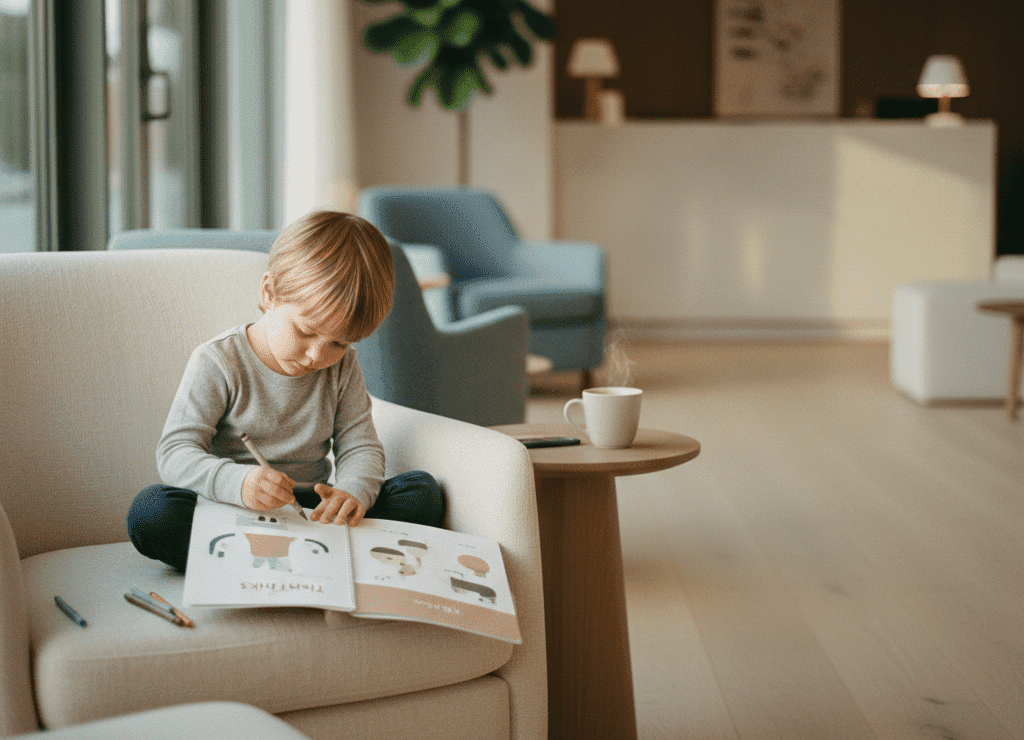
Kids’ screen-time behavior is shaped by both content and engagement style. Not all screens are equal, for example, passive TV viewing versus interactive gaming affects emotional development differently. Overexposure, especially to rapid-fire or violent content, can increase screen dependency, leading to aggression, anxiety, and attention issues. Understanding these differences helps parents create better habits and reduce meltdowns.
In many homes, kids aggressive after screen time behavior is closely linked to fast-paced or passive content choices.
Passive Viewing
When kids zone out in front of a screen, their brains receive heavy sensory input without active participation. Flashy programs and noisy cartoons, especially on YouTube Kids, can overstimulate the nervous system. The result is often a wired, restless toddler who suddenly becomes cranky or aggressive once the screen turns off.
Passive watching doesn’t give kids control over the activity. Their brains absorb information but aren’t asked to organize or respond to it. This can disrupt regulation and trigger emotional outbursts. Choosing gentler programming that encourages thinking, such as slow nature shows or simple rhythmic stories, can help.
Even better, switching to paper-based activities like the Tiny Thinks™ Free Calm Pack redirects attention toward calming, tactile tasks. A single matching page or tracing activity can help slow the nervous system after a screen-heavy day.
Interactive Gaming
Interactive games, especially violent ones, may increase aggressive behavior in children under 10. Because kids control the activity and receive constant rewards, the effects can be stronger. Long sessions can trigger addictive cycles that are hard to stop and harder to calm down from.
Setting limits, such as 30 to 60 minutes per day for 2 to 4-year-olds, is important. When parents play alongside kids, they see the content firsthand and can guide conversations around choices and emotions. Still, even educational games can’t replace the benefits of hands-on, predictable routines like Tiny Thinks™ Workbooks, which support real-world skills, memory, and focus at a pace kids’ brains can manage.
Social Media
For little kids, social media is a double-edged sword. Digital interactions are frequently too fast for immature brains, and mean or exclusive remarks can make kids feel alone or enraged. These platforms can erode self-esteem and social learning, particularly for children who have difficulties with in-person signals. Frequent use is associated with anxiety and bad memory.
Promote open dialogue around digital experiences and exemplify healthy online behaviors, prioritizing positive engagement and exposure. It’s face-to-face play and unhurried, screen-free activities that offer the feedback and safety children require to learn emotional regulation. Tiny Thinks™ pages are made to fill these moments, bringing calm back after digital chaos and helping kids re-engage with the real world.
Age-Specific Screen Time Issues
Screen time is not one-size-fits-all. Different ages have different needs and their brains react to digital input differently. Knowing these differences enables parents to customize routines that encourage healthy development and minimize post-screen aggression. Regulation-first, screen-free fixes are always the aspiration, but every family’s reality is unique. These decisions are to assist, not to criticize.
Age matters because kids aggressive after screen time respond differently depending on how developed their regulation skills are.
Toddlers
Toddlers under three are particularly sensitive to screens, which can lead to excessive screen usage and behavioral problems. Their brains are exploding with development, soaking up language, social cues, and emotional self-regulation from face-to-face exposure. Early and prolonged screen media use can disrupt this process, occasionally resulting in late speech, attention difficulties, and even emotional meltdowns. A recent large meta-analysis demonstrated that more screen time in this age group frequently predicts lower cognitive skills and subsequent academic difficulties. Even a single extended sitting of mindless video can be enough to send a toddler’s day awry.
A recent large meta-analysis demonstrated that more screen time in this age group frequently predicts lower cognitive skills and subsequent academic difficulties. Even a single extended sitting of mindless video can be enough to send a toddler’s day awry. Instead, open-ended play, such as stacking blocks, simple puzzles, matching cards, or sorting objects, allows them to explore, touch, and talk with caregivers.
Such activities establish the base of language and thinking in addition to training attention and soothing the nervous system. Interactive play, not watching, is key. For parents, screens should be kept out of sight, particularly at mealtime and bedtime, and if screens are unavoidable, enforce rigorously short daily limits. This is where Tiny Thinks™ activities shine: they guide toddlers toward regulation, curiosity, and calm, using slow, hands-on input.
Children
Kids 3-7 usually have a separate set of issues. School routines, hectic afternoons, and peer distractions, screens can immediately establish themselves as the lowest hanging fruit to secure some peace and quiet. Overstimulating or disorganized screen sessions, particularly YouTube Kids or high-energy cartoons, fracture their attention and can incite crankiness, impulsiveness and rage when it’s time to shut off the screen.
Studies associate excess screen time with sleep disturbance, reduced academic achievement and even increased prevalence of anxiety and depression. Structured limits are a huge help. Just a few scheduled, short screen blocks, always interspersed with long stretches of non-screen play, safeguard attention and mood.
Things like tracing, logic puzzles, and pattern-matching from Tiny Thinks™ Workbooks help kids settle, concentrate, and experience screen-free play! These aren’t simply “busy work”; they reinforce the very same reasoning skills that screens can erode. For parents, the Free Calm Pack is a sure-fire way to reset a rough afternoon or swap screens at dinner, travel, or waiting rooms.
Teenagers
Teens face added complexity from peer influence, social media, and gaming. Social pressure can cause longer, uncontrolled sessions, affecting sleep, self-esteem, and even mental health. Research reveals a connection between heavy video gaming and anxiety and high screen time and depression. The lines become fuzzy between downtime and overwhelm.
Open conversation is key. Teens need the space to discuss how screens are impacting their mood or their relationships. Healthy tech habits, such as device-free meals, screens out of bedrooms, and frequent breaks, help rebalance. Fostering real-world connections and offering grounded alternatives like journaling, group games, and creative pursuits can go a long way.
Tiny Thinks™ isn’t only for the little kids; older siblings frequently employ logic or sequencing pages to relax, slow down, or disconnect before sleep.
- Key parental involvement strategies:
- Set an example of healthy screen habits and boundaries.
- Co-view and talk through the content, particularly for younger kids.
- Focus on interactive, tactile activities before passive watching.
- Establish tech-free zones and times, like meals, bedrooms, and car rides.
- Provide screen-free options, such as Tiny Thinks™ Free Calm Pack.
Your Proactive Prevention Plan

Physical aggression and emotional meltdowns after screen time affect families everywhere. Research shows that heavy screen use, especially intense or violent media, increases acting out in kids. A proactive plan parents can apply early helps reduce this risk. It’s not only about limiting screens, it’s about building healthy routines and family connection.
Consistent boundaries, especially around meals, bedrooms, and after-school transitions, give kids predictability that soothes the nervous system. The best plans combine collaboration, structure, and gentle follow-through, not punishment.
The Family Pact
A simple family agreement sets clear expectations. This could be “no screens at dinner” or “one hour of shows after homework.” Every family member, even young kids, can contribute. When kids help create the rules, they’re more likely to respect them.
This builds shared responsibility: “We decided this together.” Revisiting the pact regularly allows families to adapt to changes like new schedules or interests. It shows kids that screen rules are thoughtful and supportive, not random. Many families find that alignment brings less conflict and more calm.
The Transition Ritual
After screen time, many kids feel foggy or irritable. That’s not misbehavior, it’s a nervous system struggling to slow down. A short ritual, five minutes with a puzzle or a quick walk, helps reset.
Matching cards, tracing, or sorting can shift frustration into focus. When parents model these rituals, kids learn that transitions are normal, not punitive. Over time, kids expect and even enjoy these moments, making screen transitions easier for everyone.
Why calm, sit-down activities work when screens don’t
Travel days and long waits quietly overload kids. Too much input, too little movement, and long sitting periods make self-settling hard. What helps most isn’t distraction, it’s gentle structure.
Parents often say they want something quiet their child can do independently without setup. Kids tend to calm and focus when offered:
a simple task they can complete right away
slow, hands-on movements that don’t overstimulate
a clear, finite activity they can finish while seated
This kind of sit-down calm doesn’t require turning screens off or managing transitions.
Children ease into it on their own, and screens fade into the background.
Many parents find that children settle more quickly when overstimulation is followed by predictable, tactile activities. The Tiny Thinks™ Free Calm Pack is often used during these moments to help children reset calmly without additional screen input.
The Tech-Free Zone
Establishing areas such as the dinner table or bedrooms as tech-free fosters genuine connection. These are conversation, monopoly, or quiet sketchbook zones, not passive screen zones. Family dinners without devices are a wonderful way to connect and discuss the day, regardless of where you live.
Kids pick up social cues and empathy from being face-to-face, which is hard to glean from screens alone. These zones provide a protective buffer against overstimulation, encouraging healthy emotional growth in addition to family cohesion.
Tiny Thinks™ activities fit perfectly here: picture-matching, gentle logic puzzles, and hands-on workbooks that absorb children’s attention and calm their minds without screens.
How to Manage Meltdowns
Meltdowns after screen time are prevalent in toddlers 3 to 7 years old, particularly when the overstimulation or sensory overload hits. When aggression flares, reason is out of service. This isn’t the time for rules or lectures. Instead, regulating the nervous system with organized, slow input is most effective.
Below is a practical checklist for managing meltdowns: stay calm, validate feelings, redirect energy, and reconnect later. Reliable routines, screen-free transitions, and predictable structure manage emotions and minimize meltdowns.
Stay Calm
Regulation starts with the adult. Kids mirror our emotions, so a calm parent becomes an anchor during a meltdown. Deep breathing, steady voice, and relaxed posture all help.
Pause before reacting. Say what you’re doing: “I’m taking three deep breaths.” This models self-regulation and reassures your child that things are under control. Calm helps kids feel safe. Over time, they learn to soften their own reactions, even after stimulating screen use.
Validate Feelings
Kids need to feel understood, even when behavior needs limits. Get down to their level and reflect what you see: “You’re upset the tablet is off. That’s hard.”
Listen before solving. Empathy reduces isolation and helps the brain shift from fight-or-flight to connection. Validation doesn’t excuse behavior, it helps kids name and move through big emotions. When kids feel heard, meltdowns usually ease faster. The message stays clear: feelings are okay, actions still have boundaries.
Redirect Energy
Physical movement or creative outlets help release tension. Offer quick options like jumping jacks, tossing a soft ball, or a short walk.
Some kids calm with art, crayons, clay, or squishing materials. Others need a book, a cuddle, or quiet time. Redirection isn’t distraction, it channels emotion safely.
Following screen time, nothing beats concrete, hands-on activities. Tiny Thinks™ Free Calm Pack pages are designed for this with gentle tracing, matching, and step-by-step logic tasks that slow everything down and refocus attention.
Reconnect Later
Meltdowns are exhausting for everyone. Once calm returns, reconnect gently. Share a snack, sit together, or talk briefly about what happened.
“That was tough. I love you.” Discuss next steps, like a warning before screens end or a predictable routine with a Tiny Thinks™ Workbook.
Consistent screen-free rituals help kids anticipate what’s next and reduce future meltdowns. Reassure your child of your support and keep communication open so they know you’re there through big feelings.
Beyond The Screen
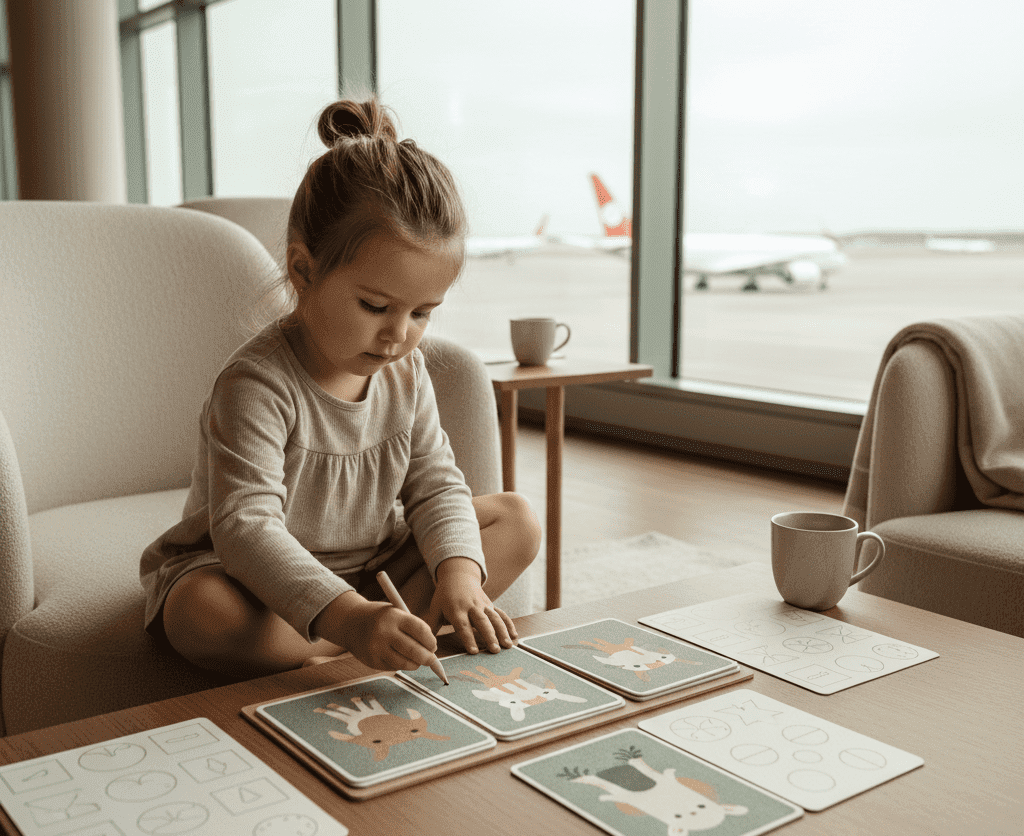
Post-screen behavior rarely has a single cause. Screens can intensify aggression, but sleep, movement, connection, boredom, and home environment all shape how kids respond. Many parents wonder why their child melts down after screens, but the full picture is layered.
Below is a table outlining some of the key factors that affect behavior and their potential effects:
|
Factor |
Effect on Behavior |
|---|---|
|
Excessive screen time |
Shorter attention, increased aggression |
|
Poor sleep |
Irritability, emotional dysregulation |
|
Lack of movement |
Restlessness, frustration, low resilience |
|
Limited social time |
Difficulty sharing, poor empathy |
|
Boredom avoidance |
Low creativity, dependence on stimulation |
|
TV in bedroom |
Higher daily screen use, sleep disruption |
The Sleep Connection
Screen use, especially before bed, is strongly linked to sleep problems. Blue light disrupts natural sleep signals, making it harder for kids to fall and stay asleep. A TV in the bedroom often worsens this.
Kids with screens in their rooms watch about 5.2 extra hours of TV daily, leading to chronic sleep loss. Sleep is critical for emotional regulation. When sleep suffers, frustration tolerance drops, increasing aggression and meltdowns.
A screen-free bedtime routine with reading, gentle puzzles, or calming Tiny Thinks™ pages can help. Even one bad night affects mood, so consistent routines support calmer evenings and easier mornings.
The Movement Mandate
Kids need movement as much as food and sleep. Screens often replace outdoor play, reducing chances for physical regulation. Research shows kids with limited activity are more restless and irritable, which feeds post-screen aggression.
Encouraging movement, walking, jumping, or quick games helps kids reset. Exercise supports brain development and emotional control. Even short outdoor play or an indoor dance break helps.
Even a quick, free-form outside play or indoor dance break can do the trick. A simple swap: replace ten minutes of after-school screen time with a neighborhood walk or a set of easy movement cards. Most families discover that physical routines, combined with silent table work such as Tiny Thinks™ Workbooks, assist their child in shifting to quiet attention.
The Boredom Benefit
Boredom, while initially uncomfortable, is the most potent agent of creativity and resilience. Kids who are constantly plugged in will forget how to calm themselves down or create amusement. When allowed room to be bored, kids start to dream, troubleshoot and become self-sufficient.
Free time, no screens, pushes them to expand their mind. It’s in these calm interludes that kids acquire patience, frustration tolerance, and affective skills that protect against violent tendencies. Parents regularly observe that once the difficult screen-free adjustment has passed, their kids’ play has become more immersive and self-directed.
Tiny Thinks™ pages are created to softly span these times, providing enough structure to calm a frazzled kid yet room for imaginative play. The Free Calm Pack offers families a sample of this, acting as a reset during the most challenging times of the day.
How Tiny Thinks fits into this moment?
Tiny Thinks™ pages gently pull attention away from screens without extra effort from parents. They:
start simple so kids can begin right away
use quiet hand movements that slow the body
guide kids into calm, focused attention
Parents use them during travel, waiting, or evenings when they want a peaceful alternative to screens without negotiation.
evenings, whenever they want a calm alternative to screens without planning or negotiation.
Conclusion
Raising young kids in a screen-heavy world is challenging. Fast, high-energy content common on YouTube Kids or gaming apps can overwhelm a child’s nervous system, making it harder to regulate emotions. Understanding this helps explain why meltdowns or rough behavior often follow even short screen sessions.
Replacing screens with slow, hands-on activities like matching, tracing, or sorting gives kids a healthier reset. Predictable routines and calm play can shift the tone of the whole household. Over time, small changes build steadier attention and kinder ways to handle daily stress.
When aggression or meltdowns follow screen time, small routine changes can have a big impact. The Tiny Thinks™ Free Calm Pack provides simple, screen-free activities that help children slow down, refocus, and transition more peacefully throughout the day.
Frequently Asked Questions
Why do some kids act aggressively after screen time?
Screen time can over-stimulate children’s brains, leading to behavioral issues. Excessive screen usage, especially hyper or violent entertainment, might increase aggression and emotional difficulties.
What screen content is most likely to cause aggressive behavior?
Violent or intense content, such as certain types of video games and shows, is associated with aggression. Viewing something not age appropriate can cause emotional outbursts or aggression.
How much screen time is safe for children?
For example, the experts suggest one hour a day for children ages 2 to 5. Older kids need to supplement screen time with exercise, sleep, and other healthy habits.
Are some ages more affected by screen time aggression?
Yes. Younger kids and teens tend to be more vulnerable to screen time. Their brains are not fully developed, so they tend to be more impulsive.
How can I prevent aggression after screen time?
Establish firm boundaries, select age-appropriate programming, and promote breaks. Talk about what your child is watching and engage him or her in other activities.
What should I do if my child has a meltdown after screen time?
Keep your cool when managing screen time for kids. Take away the screens, provide comfort, and assist your child in verbalizing their emotions to soothe their temper.
Can activities beyond screens reduce aggression?
Yes. Outdoor play, reading, and creative activities can help children regulate their emotions and alleviate screen time aggression.