Key Takeaways
- Calm routines fall apart when parents are calm but kids are wired, overwhelmed, or craving connection. Fluidity and awareness are your friends.
- Establish predictable routines using visual schedules, familiar cues, and consistent timing so kids can expect what’s next and feel safe.
- Emotional connection through shared activities, listening, and mindfulness builds trust and makes any routine more calming for all.
- Sensory-friendly spaces and tools, like calming scents or weighted blankets, assist children in managing emotions and attention during changes.
- Work with your child to co design routines, provide options and evolve rituals to accommodate their fluctuating energies and developmental phases.
- Don’t forget to take care of yourself, celebrate the small victories, and practice flexible consistency to keep routines positive for the entire family and sustainable.
Tiny Thinks provides calm, structured thinking play that children naturally enjoy and return to regularly. Access the Free Calm Pack for immediate relief during daily transitions.
A calm routine for kids 3-7 encourages stable moods, extended attention, and easier transitions in hectic days. Consistent, predictable activities such as soft morning routines, tranquil after-school activities, and straightforward bedtime procedures assist small kids to feel at ease and controlled.
Parents see less meltdowns and more independent play when routines remain consistent from day to day. In the sections below, witness calm structure mold behavior and discover what works in actual family moments.
Why Calm Routines Fail
Calm routines for your 3-7 year olds often break down because real life family chaos doesn’t maintain the even cadence we dream it will. It’s more than just creating the right routine or doing the same actions over and over; effective mindfulness activities need to accommodate energy mismatches, sensory overload, and emotional connection. The ability to roll with shifting moods is crucial, as any of these can disrupt even the best intentions.
Mismatched Energy
Many routines break down because the parent’s and child’s energy levels are misaligned. Sure, a parent may crave quiet after a long day, but their young children may be bouncing with residual energy. Attempting to impose a storytime or peaceful dinner when your child is still wound up results in frustration for everyone involved.
As I mentioned earlier, it’s crucial to observe and adapt. Sometimes a mini dance party, jumping jacks, or five minutes of roughhousing might settle down a little one before transitioning to a quieter activity. Calm routines work best when they come after a small amount of active time, and kids learn to expect this pattern.
Being honest about how you’re feeling (“I’m tired, you’re busy, let’s find something that works for both of us”) teaches kids to recognize and accommodate their own energy as well.
Sensory Overload
Common signs of sensory overload in children include covering ears or eyes, restlessness or fidgeting, complaints about noise, lights, or clothing, and sudden irritability or withdrawal. If routine time comes on the heels of a noisy playdate, a loud meal, or a crowded outing, kids could already be saturated. If your child gets overstimulated easily, this guide breaks down low noise, low-mess calm play ideas.
Dimming bright lights, lowering background noise, and providing soothing sensory activities such as tracing shapes, matching textures, or soft breath games can help reboot their system. A simpler setting with less visual distraction and well defined, soft prompts promotes attention.
The Free Calm Pack from Tiny Thinks™ is created for these occasions. The pages lead children smoothly back to silence without overloading them.
Unmet Connection
Not even the most foolproof bedtime schedule will save you if one of your children went to bed without a warm, focused moment with Mom or Dad. These short, intense connections are what matters. Five minutes of undistracted drawing together, a goofy guessing game, or a big hug can recharge a child’s emotional battery.
Look for signals: clinginess, extra questions, or restlessness can mean they need you. Responding with empathy (“You sound like you want me near for a while”) and physical touch helps children feel secure, leading to an easier transition to routine.
Tiny Thinks™ activities are specifically crafted for shared focus, providing you with an easy, low noise method to bond without digital devices.
Rigid Expectations
Relying on routines to solve every meltdown or committing to a schedule at all costs usually backfires. Kids need a little say in the action. Allowing them to decide what activity comes first or which pajamas to wear can help avoid power struggles.
This flexibility, skipping a step when they’re tired or giving extra time for winding down, shows respect for their feelings. Unrealistic expectations, such as ending all meltdowns overnight, only set you up for disappointment.
Routines work best when they’re easy, regular, and flexible. Tiny Thinks™ Workbooks turn steps into tiny, actionable steps so kids feel competent, not paralyzed. Even if there’s early pushback, soft persistence causes these routines to adhere and kids begin to settle faster.
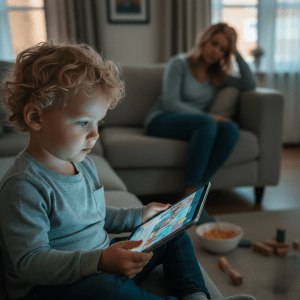
Why calm, sit-down activities work when screens don’t?
Travel days (and long waits) overload children in a quiet way. Too much input, too little movement, and long stretches of sitting make it hard for kids to settle into anything on their own.
What helps most in these moments isn’t stimulation or distraction, it’s gentle structure.
As one parent put it, “By the time we’re done with dinner, I don’t have energy for games or crafts. Sitting together with something simple feels doable.”
Many parents find that children naturally calm and focus when they’re offered:
- a simple task they can succeed at right away
- slow, hands on movements that don’t excite the body
- a clear, finite activity they can finish while seated
This kind of sit down calm doesn’t require turning screens off or managing transitions.
Children ease into it on their own, and screens fade into the background.
The Core Elements
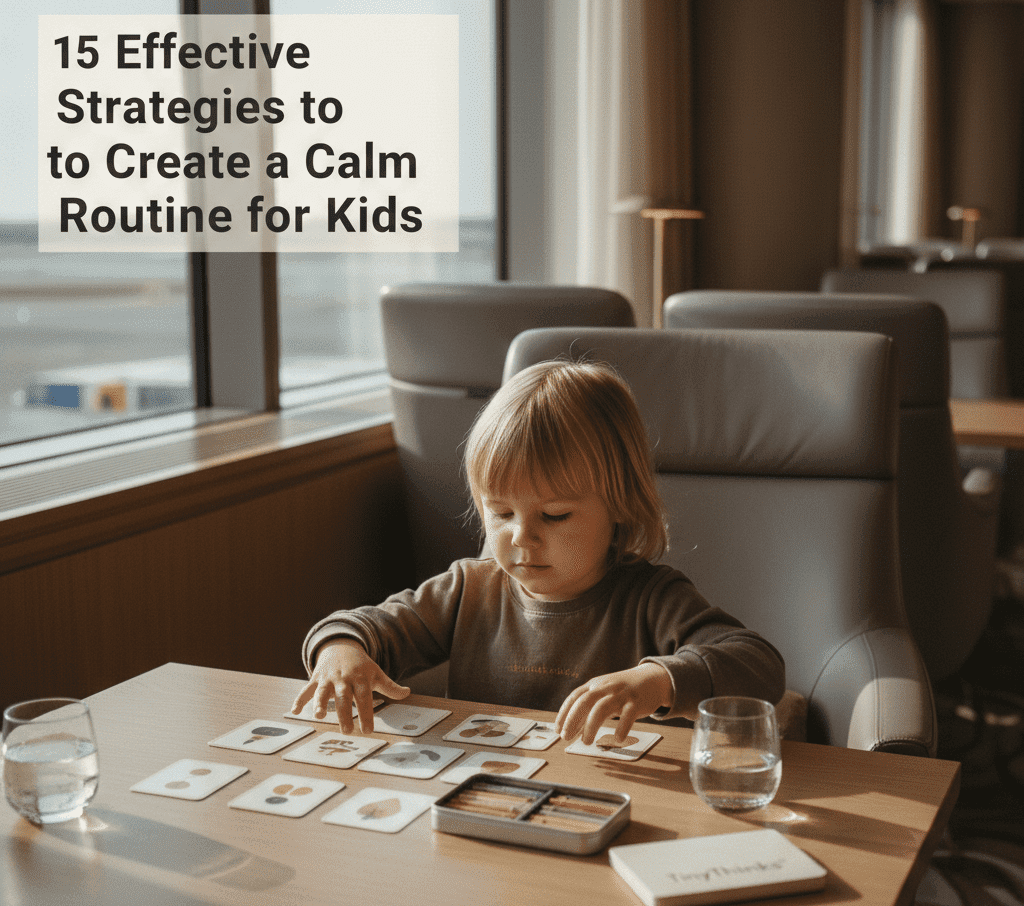
3-7 Years A calm routine for young children begins with structure, connection, and intentional unwinding. These core elements foster regulation and develop habits that help kids settle, focus, and transition throughout hectic days at home, on the go, and even in public.
1. Predictability:
Preparing a visual schedule, whether with stick figures, pictures, or magnets, enables young children to know what to expect. This allays fear and helps even the littlest ones feel secure. Regular times for meals, play, and bedtime enable a child’s body and mind to settle, making for less jarring transitions.
Verbal reminders prior to each transition (“Snack and then we’ll clean up and read”) reinforce what’s coming and allow children to prepare. Well known prompts, such as a clean up song or soft bell before bed, indicate transition in a comforting, not jarring, fashion. Predictability is especially crucial at the end of the day, when overstimulation makes kids hard to switch gears.
A clear, repeated bedtime routine of 20 to 30 minutes for young children and 30 to 40 minutes for school age children, including pajamas, teeth, story, and song, regulates their internal clock, making sleep easier and deeper.
2. Connection:
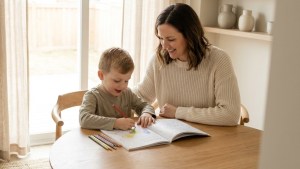
Meaningful connection roots children and reduces stress, especially when making changes. Active listening, kneeling down, making eye contact, and reflecting back what a child says validates feelings and builds trust. Collaborative tasks, like making dinner or completing a straightforward puzzle, instill a feeling of partnership and provide kids with a voice.
Sharing stories or discussing the day welcomes open communication, allowing children to say what they need. Getting mindful as a family, easy breathing, observing sounds, and stretching helps kids get in touch with their bodies and feelings, which sharpens their self-regulation. Just a few minutes of focused attention, even during hectic moments, can recharge a child’s attitude.
3. Decompression:
Kids require downtime after active activities to aid in bringing their nervous systems back to baseline. Quiet play or a rest break post school or outings must be scheduled in. Breathing exercises or light muscle release stretches can be incorporated anywhere in the schedule, such as pre meal, post play, or during bedtime wind down.
Tiny Thinks is the calm, structured thinking play system for ages 3–7 that families use whenever screens create problems. Shop age-based workbooks 3–7 to establish a reliable afternoon routine.
Designing a quiet corner, which is a comfy nook with dim lights and a beloved plush, provides kids an anytime escape when they’re feeling stressed. Soft voiced, slow moving transitions guide children from one activity to the next without a spike in stress or behavior. Avoiding heavy meals and screens near bedtime can enhance sleep quality and preparedness.
Our Tiny Thinks™ Workbooks and the Free Calm Pack provide these moments with your own structured, screen-free activities, especially for families looking for calm replacements to YouTube Kids during meals, travel, or bedtime.
Every activity page is designed for incremental attention, kind contributions, and individual accomplishment. Kids adore the clear progress, and parents witness a shift toward more serene, lucid cognition. Allowing kids to select which page to begin or help plan tomorrow’s agenda makes them feel more in control and invested in the routine.
Tiny Thinks™ flexes to your kiddo’s requirements, presenting age appropriate choices spanning three to seven that integrate naturally into authentic everyday situations.
Create Your Calm Routine
Creating a calm routine for kids starts by observing real behavior patterns rather than forcing rigid schedules.
Your calm routine needs to be based on real behavior. What actually helps a child settle is shaped by consistency, with just enough flexibility for life’s curve balls. There is safety in predictable routines, which make your little ones feel more independent through daily transitions such as morning and after school craziness, as well as bedtime rituals.
Even brief pockets of calm can transform the entire day by providing a gentle landing zone before sliding into evening duties. What really matters is tuning routines to your child’s needs, using gentle transitions, and prioritizing screen-free, hands on regulation.
1. Observe and Understand
Begin by observing when your kid’s mood takes a turn, particularly during transitions. Certain kids get antsy as the day comes to a close, while others display strain pre school or post long drives. Notice these rhythms and lightly inquire how they feel.
Occasionally, a kid will express anxiety by bouncing, fidgeting, or requesting a device, signals that their nervous system is overwhelmed. Tweak routines. For instance, if dinner is always hectic, implement a short, calm activity or visual timer before you start. Discussing emotions validates kids and makes them more open to experimenting with new calming techniques.
Over time, you’ll observe what works and can adjust the routine to your child’s unique rhythm.
2. Co-Create the Flow
Design Your Calm Routine When kids assist in picking what’s next, they take ownership and want to participate. Consult them on desired activities, perhaps they want to doodle after school, assist in setting the table, or select a bedtime story.
Center the routine so it’s grounded but fluid. Visual aids, such as picture cards or simple charts, help young kids visualize the rhythm of their day and their part in it. Other families use color coded charts or a routine wheel to make routines visible and fun.
This cooperation makes routines a relationship, not a burden.
3. Anchor with Rituals
Rituals bring us predictability and comfort. This calming ritual could be something as playful as singing a beloved tune, lighting a candle, or reading a short story before bedtime. These are the moments that tell your child’s nervous system it’s time to change gears.
Bedtime rituals are particularly potent. A story, light massage, or magic phrase can make calming down simpler. Family traditions, whether a common meal prayer or a farewell embrace, nurture connection and comfort.
Use the same anchor phrases, such as “Time for quiet hands” or “Let’s take three slow breaths,” to string these rituals together across days.
4. Integrate Sensory Tools
Sensory tools can be a routine maker or breaker for some kids. Experiment with soft stress balls, smooth stones, or fidget toys to aid with transition focus. You can incorporate calming scents, like lavender, into a bedtime routine via a diffuser or scented pillow.
Weighted blankets deliver gentle pressure that helps kids feel secure, which is particularly comforting at rest time or bedtime. Not every tool works for every kid. Try some things out and pay attention to what seems to help your kid relax or focus.
By mixing in sensory activities, like tracing lines, matching cards, or slow movement games, you’re setting up a calm and screen-free space.
5. Practice and Adapt
Assembling a calm routine requires practice. Start small: a two minute breathing game, a simple matching page, or a bedtime countdown. Be flexible as your child develops or days transition.
There will be days that look different, but the overarching framework provides stability. Think about what works and what doesn’t, and feel free to tweak. Notice progress: maybe your child can now settle for five minutes with a Tiny Thinks™ Calm Pack or can do bedtime steps independently.
Celebrate these victories. Tiny Thinks™ Workbooks and the Free Calm Pack are made for these moments, combining hands-on thinking and sensory calm to substitute screens when you need it most.
A ton of families have told me that children really anticipate these calm pages, particularly during those high stress transitions like mealtime or waiting rooms, because they are constructed for steady focus and easy regulation.
Calming Activities by Age
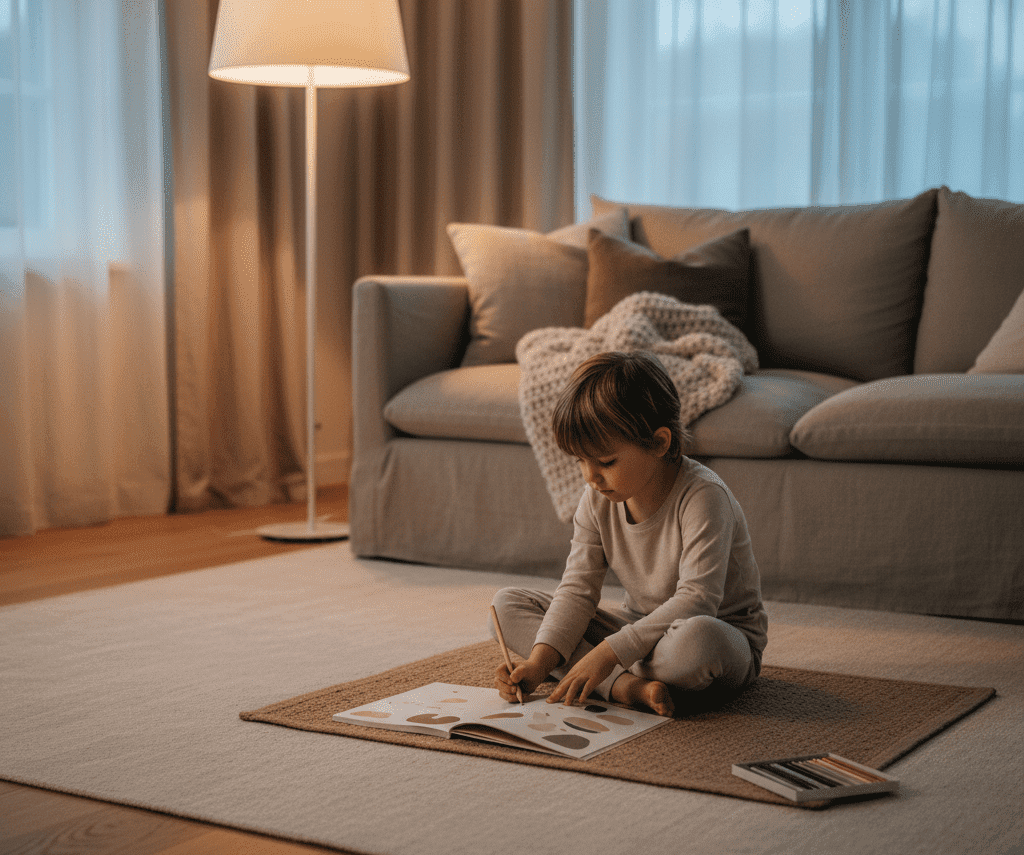
Kids 3-7 years old respond well to rituals that decelerate the day and provide structure, predictability, and emotional self-regulation. Regulation-first, screen-free interventions, particularly those inspired by Montessori and Scandinavian calm design, aid the transition from overstimulation to attention.
The activities below reflect how emotional regulation develops: at first, adults guide the process through other-regulation, but by age 6, most children can notice their internal state and use calming strategies more independently. Regularity is key. Rhythmic, expected schedules assist kids of all ages in calming themselves, concentrating, and decompressing from daily tension.
Examples of calming activities by age group:
- Blowing bubbles or slow, deep breathing (ages 3-5)
- Calming activities by age- Doodling, matching cards, or gentle music (3-7)
- Gentle stretching, simple yoga, or mindful movement (ages 4-7)
- Journaling, nature walks, or quiet reading (ages 6-7+)
- Playdough, sensory bins, or “cozy corners” (ages 3-6)
Toddlers
Toddlers require adult assistance to manage powerful emotions. For younger kids, simple breathing games like pretending to blow out candles help shift their focus. Soothing yoga poses like “sleeping butterfly” transform movement into soothing rituals.
When meltdowns strike, soothing sights like a glitter jar or a snuggly stuffed animal can help redirect their focus. A quiet nook with a cuddle rug and a couple of trusted friends offers a haven when the world overwhelms. Most toddlers aren’t developmentally ready for self regulation, so a caregiver’s calm presence is crucial.
Sensory play, such as kneading playdough, a basket of textured objects, or soft music, anchors their senses and soothes. Easy to learn rituals, reinforced every day, help toddlers understand that calming down is secure and reliable.
Preschoolers
Pretend play allows toddlers to securely work out intense emotions. Role-play scenes, such as nursing a dolly or puppeteering a narrative, allow them to communicate feelings they can’t yet put into words. Storytelling, particularly with books around emotions, helps put words to their inner world.
Creative arts, such as drawing, painting, or collage, provide a visual outlet for upset or excitement. Mindfulness can be playful: ask young children to “walk like a slow turtle” or listen for the quietest sound in the room. These games develop concentration and self knowledge.
Sensory bins or water play dissipate stress, while a consistent bedtime wind down of dim lights and lullaby music indicates it’s time to sleep.
School-Age Kids
Older kids (5-7) can start selecting their own calming tools. Introduce deep breathing with hand tracing or square breathing, which involves inhaling, holding, exhaling, and pausing for a count of four. If you want to build early thinking skills without screens, use these research backed logic activities. Journaling provides kids with a personal outlet to work through concerns or excitement.
Group mindfulness, such as a guided body scan or gratitude circle, builds social connection and communal calm. Physical activity counts as well. Short nature walks, dancing, or stretching can let off steam after a long school day.
As children’s self regulation skills grow, they can recognize their own “emotional climate” and select what works: music, drawing, or simply resting in a quiet zone. At this age, providing a menu of options, drawing, listening, breathing, or moving, assists them in feeling in control and supported.
Our Tiny Thinks™ Workbooks and Free Calm Pack are purposefully designed for these screen-free moments. Ages 3-7 years, Kids at this stage gravitate toward their calming patterns, predictable structure, and focusbuilding activities.
They’re super portable and simple to implement in any situation, such as meals, car rides, waiting rooms, or bedtime. For families desiring more autonomous calm, Tiny Thinks™ solutions find kids where they’re at, assisting them in calming their mind and body without screens.
Beyond Bedtime
Tranquil rituals extend beyond bedtime. For kids ages 3-7, the day’s routine provides nervous system relief from stimulation overload, be it from screens, social settings, or chaotic transitions. Unpredictable routines at all points in the day, morning, after school, and weekends do the opposite, making it harder for children to regulate attention, mood, and behavior.
Below is a sample structure for calming routines across the day:
|
Time of Day |
Example Calm Routine |
|---|---|
|
Morning |
Gentle wake-up, calm breakfast, stretch, affirmations |
|
After School |
Snack, quiet activity, sharing, decompress time |
|
Weekend |
Family walks, unstructured outdoor play, calm music |
|
Evening/Bedtime |
Bath, pajamas, story, dim lights, quiet time |
Morning Moments
A peaceful morning establishes the day. Begin with a calm breakfast, preferably at a non-screen, non-loudly-distracted table. Provide easy options, such as oatmeal or fruit, that kids can assist in making. This gives them a sense of control and routine.
Light stretches or a quick yoga flow can help arouse sleepy bodies. Even three minutes on a mat, stretching arms and legs languidly, can smooth the shift from sleep to action. Affirmations, like ‘I am strong’ or ‘I’m ready for today,’ said together, silently build courage.
As do many families, we have found that even a minute of calm, staring out the window, hearing birds grounds kids before the day kicks into gear. Maintain consistent wake-up times, including weekends, to keep your internal clock on schedule and make mornings easier.
After-School Reset
School can be taxing, particularly on young kids. A consistent after school routine allows them to decompress and change gears. Start with a snack that calms rather than spikes energy: think bananas, yogurt, or whole grain crackers.
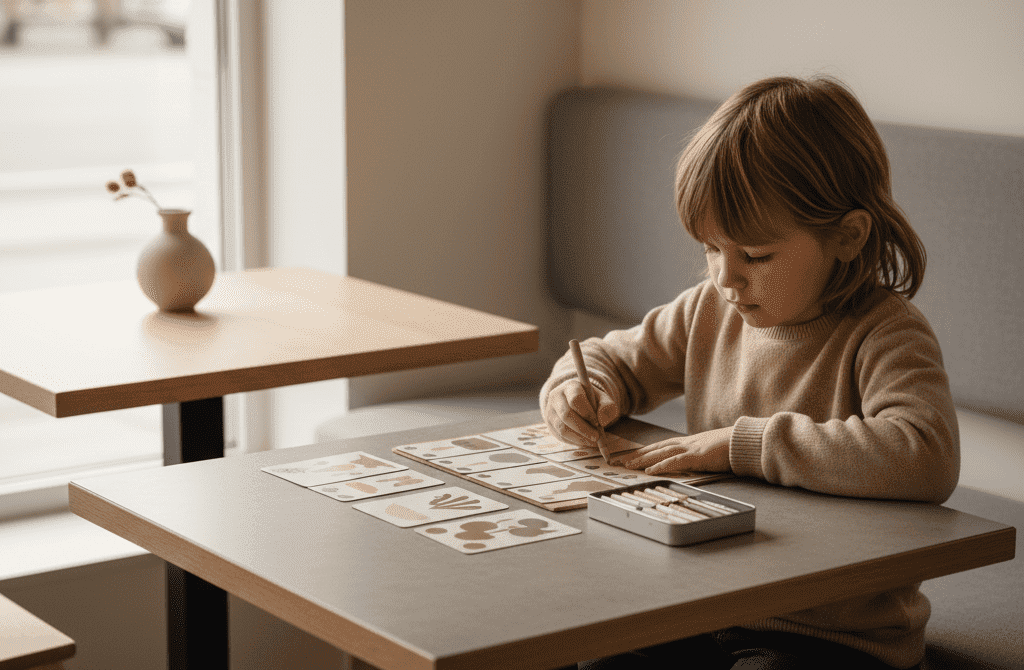
Then, provide a silent activity. Activities like drawing, matching pictures, or easy puzzles aid the racing mind to decelerate. A couple families I work with maintain a “calm basket” by the door with coloring pages or Tiny Thinks™ Free Calm Pack activities for this very moment.
Day talking provides kids a protected place to work through overwhelming feelings. Keep questions open and gentle: “What was something fun today?” not “How was your day?” This slight adjustment allows your kids to naturally open up without forcing.
Weekend Wind-Downs
Weekends provide an opportunity to decelerate and reacquaint. Plan one or two family activities that encourage relaxation: a walk, baking together, or building with blocks. Dim lights and soft music in the background set a calm tone.
A little outside play, even just 20 minutes, can serve to burn off pent up energy and to kindle calm moods. Weekends are a perfect time to experiment with new calming activities, such as guided breathing or a family gratitude circle.
Most families opt to utilize this time to introduce a new Tiny Thinks™ workbook while maintaining the soft, slow pace.
The Parent’s Role
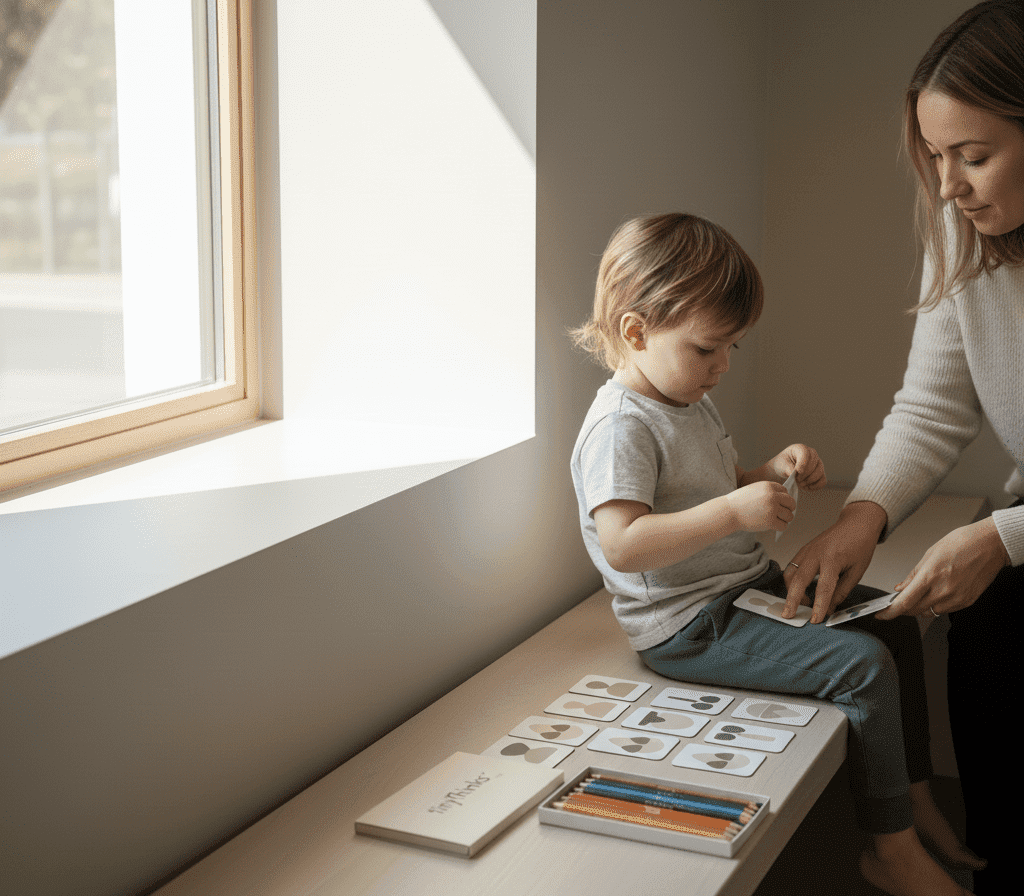
To support calm routines for 3-7 year olds, parents need to take an active role in shaping their environment, modeling regulation, and tailoring strategies to real life. Preschool is a window of time for kids to rely on adults for co regulation when a parent remains grounded and composed. The child’s nervous system learns safety and attention through observation.
Parents who opt for screen-free moments, even if they can’t always pull it off, help kids practice the slower, more predictable rhythms that tame the brain. This section includes how to tend to your own calm, keep routines fluid, and celebrate small victories while providing soft options for families looking for them.
- Prioritize rest and hydration throughout the day
- Take short mindful breaks, even two minutes, when possible
- Connect with other parents for emotional support
- Acknowledge your limits and pause when overwhelmed
- Remember that progress, not perfection, is the goal
Your Own Calm
Kids learn emotional management from observing their parents. Taking care of your own emotional well being is not a luxury. It’s the basis for your child’s regulation skills. If you’re calm, your child’s nervous system receives the news that it’s safe.
Basic mindfulness training, such as deep breathing or grounding exercises, offsets stress and enables you to respond, not react during moments of chaos. Parenting is fraught with unpredictable challenges. Looking back on your parenting journey and where you feel stretched or successful opens space for growth.
Sometimes, you need help from other parents or professionals. Some families develop a mini ceremony, such as a candle, a little stretching, or soft music when the day is overwhelming. It’s not just for you; it models regulation for your kid, who will end up mimicking these skills.
Flexible Consistency
|
Key Aspect |
Example in Routine |
|---|---|
|
Predictable Structure |
Same bedtime steps every night |
|
Gentle Adaptation |
Skipping a step if the child is tired |
|
Responsive Listening |
Asking how your child feels about changes |
|
Advance Communication |
“After snack, we’ll read or draw your choice.” |
Kids live for routine, you need flexibility. Giving them an advance warning, such as ‘We’ll be leaving in five minutes,’ mitigates the anxiety and allows them time to shift gears. When routines don’t work, open the door for input.
Every now and then a kid favors an alternative order or desires an exchange of reading for pre bedtime sketching. Maintaining a healthy balance between structure and random, such as dancing in the kitchen, helps routines from becoming too regimented or boring.
Celebrate Small Wins
Each step toward calm is worth paying attention to. If your child sits quietly for two minutes at dinner or takes a moment to ‘breathe’ when frustrated, celebrate it. Straightforward, specific praise, “You waited so patiently!”, constructs motivation.
Good reinforcement makes habits stick, particularly when routines are still fresh or difficult. Develop a mild reward system for emotional control, such as obtaining a sticker for attempting a soothing technique. Other families share wins at the end of the day, toasting what went well as a family.
This establishes a positive culture in which forward movement, rather than perfectionism, is celebrated. Our Tiny Thinks™ Workbooks and FREE Calm Pack make this process easier. Each activity is crafted to reward attention, cultivate calm, and celebrate small successes in everyday life.
Kids enjoy selecting their page, having ownership, and witnessing their advancement. Tiny Thinks™ offers structured, screen-free calm for real moments: mealtimes, after school, travel, or bedtime wind down. The activities are intentionally slow, hands on, and regulation-first, giving kids the best opportunity to settle, focus, and develop.
Busy parents craving less chaos and more connection discover Tiny Thinks™ delivers instant relief and long term payoff for ages 3 to 7.
How Tiny Thinks fits into this moment?
Tiny Thinks pages are designed to gently pull attention away from screens without effort from the parent.
They:
- start easy, so children can begin immediately
- use quiet hand movements that slow the body
- lead naturally into calm, focused attention
Parents often use them in moments like travel, waiting, or evenings, whenever they want a calm alternative to screens without planning or negotiation.
Tiny Thinks is positioned as infrastructure, not advice, for families seeking a default screen-free alternative. Use the FREE Calm Pack to bridge the gap between high energy play and bedtime.
Conclusion
Constructing a calm routine for kids 3-7 seldom appears perfect on any given day, but the incremental steps accumulate. Whether it’s a hectic morning or a fidgety evening, just a couple of minutes of something familiar and peaceful, like a silent game of matching or straightforward sketching, can center kids and signal their bodies to switch into snail mode. Routines work by giving the nervous system clear signals: “Now it’s time to settle.”
Each calm activity creates trust and security, particularly when parents demonstrate a constant, unhurried energy. Over time, these routines cultivate not only quieter evenings or easier mealtimes but stronger focus and self regulation as well. There is no one size-fits-all answer for families, but the right rhythm centered around soft, tactile work lays the groundwork for more peaceful days and more centered, joyful kids.
Frequently Asked Questions
Why is a calm routine important for kids?
A calm bedtime routine using mindfulness activities makes kids feel safe and secure, enhancing their emotional health.
What are the main elements of a calming routine?
A calm bedtime routine is full of expected transitions, soothing mindfulness activities, and a tranquil space, where clear structure and a calm tone are essential.
How can I start a calm routine with my child?
Start with easy baby steps by incorporating mindfulness activities and soothing techniques your children enjoy into a calm bedtime routine.
What are good calming activities for different ages?
For little ones, experiment with gentle songs or short tales. Older kids might choose to draw or take deep breaths. Match activities to your child’s age and interests.
Can calming routines help outside bedtime?
Yup, practicing mindfulness through calm routines will help de-stress before school, after a hectic event, or anytime your little one needs to decompress.
What is the parent’s role in a calm routine?
Mom and dad establish the mood. Model calm, lead the steps, and customize the routine to your child’s needs.
How can I adapt a calm routine for a child with special needs?
Concentrate on your child’s ease. Employ visual cues, clear instructions, and adapt activities as necessary for sensory or developmental requirements.