
- Key Takeaways
- Why Preschool Logic Matters
- 10 Engaging Logic Activities
- Your Role as a Thinking Coach
- Weaving Logic into Your Day
- Common Pitfalls to Avoid
- Creating a Thinking Environment
- Conclusion
- Frequently Asked Questions
- What are logic activities for preschoolers?
- Why is logic important for preschoolers?
- How often should preschoolers do logic activities?
- Can logic activities be done at home without special materials?
- What is a parent’s role during logic activities?
- How can logic be included in daily routines?
- What are common mistakes to avoid with preschool logic activities?
Key Takeaways
- Preschool logic activities foster critical, emotional, and problem-solving skills, which provide a rock-solid foundation for lifelong learning.
- Play-based logic games, such as sorting bins and storytelling, foster attention, sequencing and independent thinking in a relaxed, interactive manner.
- You don’t need fancy worksheets or elaborate games to work on your children’s reasoning skills!
- Being a thinking coach involves observing first, asking open-ended questions, and welcoming mistakes.
- Don’t over-correct, don’t rush, don’t use timers — let kids meander through ideas on their own.
- By crafting a tranquil, encouraging thinking space, you make your little ones shine. They feel safe, special, and excited to dive into logic activities again tomorrow.
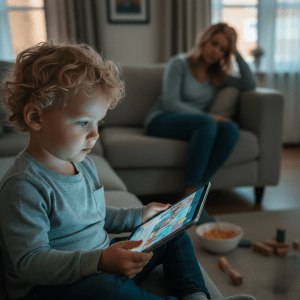
Logic activities for preschoolers are targeted exercises that develop foundational thinking abilities such as focus, order, and pattern identification. In real life, these activities come across as uncomplicated—pairing up shapes, sequencing picture cards, or arranging items by size. Some parents use ready-made logic activity sets from Tiny Thinks to introduce this kind of structured play without overloading children.
Kids 3 to 7 do well with quiet predictable logic play. It helps them calm down following active spells, particularly when they’re feeling frazzled. Quiet, hands-on logic exercises encourage self-directed concentration and an easy transition.
Why Preschool Logic Matters
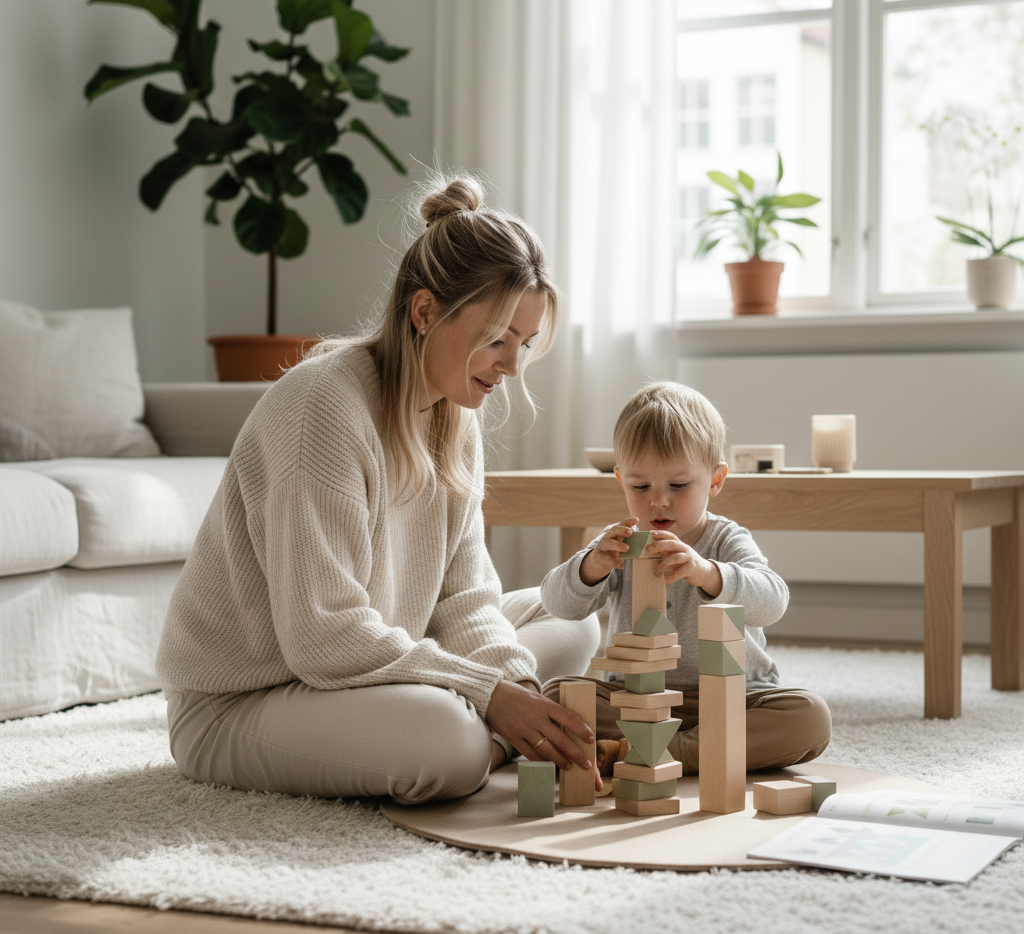
Preschool logic isn’t just about learning games. They construct the base for thinking for a lifetime. Logical thinking enables kids to deconstruct novel problems, make smart decisions and stay grounded when confronted with real-world challenges.
When kids do logic, they’re not just learning to crack puzzles; they’re learning to organize their thoughts, process information and manage frustration. These are skills that extend well beyond early reading or counting. They are the foundation for all academic and life achievement.
Beyond ABCs
Preschool logic isn’t just about learning your ABCs and 123s. Basic memory games and sorting and patterning teach your child how things relate. This sort of play builds attention, sequencing, and working memory without having the feel of a lesson.
For example, when a child categorizes colored blocks or pairs animals, they are in fact exercising the key skills required to navigate classroom rules and crack code words. The preschool logic that matters. As they practice describing sequences or explaining why they grouped certain items together, their vocabulary and understanding expands.
Even books with mild mysteries or riddles, even in the youngest children, have them listening for clues and making predictions. Hands-on, screen-free activities such as picture puzzles or line tracing keep the mind engaged and the physical body calm.
Future Skills
Critical thinking is not just for older students. It begins right here, in the still-played hours. Logic teaches kids to solve problems patiently and persistently.
When a little one solves a jigsaw or cracks an easy sudoku, they’re training their brain in preschool logic by learning how to chunk large challenges into doable pieces. It’s this pause, plan, and try again ability that lays the foundation for academic confidence and adaptability.
Creative reasoning thrives when children are incentivized to experiment with alternative solutions. These open-ended logic games encourage them to think outside the box, igniting the kind of ideas that translate into science, math, and even art.
In a rapidly changing world, these skills equip kids to adapt, think logically, and invent. These traits carry well past preschool.
Emotional Growth
Logic exercises promote emotional growth. When kids get stuck or frustrated, puzzles provide them with a secure space to try once more. They discover that errors are an element of the process rather than something to be avoided.
Stories and soft role-play around logical dilemmas—who goes first or how to solve a simple spat—help kids identify their own emotions and empathize with others. Games that have kids explain their choices or hear others’ reasoning encourage empathy.
They rehearse turn-taking, negotiating and word-jitsu as opposed to tantrums. Over time, this builds confidence and social smarts, both required for school and life.
Tiny Thinks™ is made for these times. When screens seem too frenetic and home too noisy, the Free Calm Pack provides comforting, predictable activities that encourage kids to settle and reflect.
The workbooks are self-explanatory—open and go, no directions necessary. Each page provides a silent invitation to concentration, pattern recognition, and subtle stretch. For parents, that translates to one less war and for kids, a daily opportunity to develop skills that persist.
10 Engaging Logic Activities
These structured logic activities are a pragmatic solution for parents dealing with after-school decompression, screen transitions and everyday mayhem with toddlers.
These hands-on games for ages 3 to 7 leverage soothing, manipulative input to cultivate sequencing, focus and emergent logic. All these tasks below are based on calm, repeatable rituals that calm your kids and center their minds, without screens or incessant parental coaching.
1. The Storytelling Sequence
Kids create stories using image cards or basic prompts. Begin with ‘Once there was…’ and allow your child to determine what comes next.
Query, “What did the cat do when he caught the hat?” Constructing each step guides preschoolers through understanding the order and consequence.
Every now and then, stop to inquire, “Why did the character make that decision?” Use a story map or draw simple pictures to map out the events, allowing your child to witness the sequence of actions.
This develops sequencing and inference abilities organically in an unstressful fashion.
2. Sensory Sorting Bins
Fill a shallow bin with objects—buttons, leaves, toy animals. Invite kids to sort by size, color, or texture.
Ask, “Why did you group these together?” Some kids will create new groups, such as “things that are soft” or “things that are round.
There is no correct answer. Talking through their selections develops vocabulary and flexible thought. Set the bin out for open-ended play, so they drift back to sorting when the spirit moves them.
3. Nature’s Pattern Hunt
Go outdoors and search for patterns. Look for striped leaves, spotted rocks, and alternating flower petals.
Take some objects and place them in sequence. Give your child the opportunity to create some ‘art’ on the ground, observing what follows next.
Discuss how these various patterns recur in nature. This assists kids in identifying connections and builds observation.
4. The “What If” Game
Pose gentle, everyday hypotheticals: “What if your shoes could talk?” or “What if it rained upside-down?
Have your child visualize results, then inquire, “So what would you do next?” This promotes forecasting, decision-making, and consequence-thinking in a low-stakes environment.
Don’t worry — there are no wrong answers, just potential avenues for exploration.
5. Building Block Blueprints
Provide your child with a basic framework to emulate with blocks from a picture. For older preschoolers, provide a ‘blueprint’ with simple basic outlines.
Call in siblings or friends to collaborate, trading off who does what. When a tower falls, discuss what could work better next time.
This develops spatial reasoning, planning, and cooperation.
6. Shadow Puppet Puzzles
Switch off the lights, torch and hand shadows. Create animal shapes and make up little stories.
Say, ‘What do you think the rabbit is going to do? Let children predict what will happen or what character will show up.
Have them create their own paper and stick puppets. Talk about how the light transforms the tale.
7. The Missing Sound Mystery
Play a set of well-known sounds—bird, bell, clap—then play again but leave one out.
Question, ‘What sound is missing?’ Utilize kitchen items, musical instruments, or simply hand clapping.
Talk about why some sounds are important and how we pay attention to them. This develops attention, memory, and logical inference.
8. Kitchen Cause and Effect
Cooking is rich with logic. Pour water on oats and see them transform. Challenge, “What if we added more?
Allow them to guess, count, and blend. Describe heat, melting, or mixing. Get them tasting and observing textures.
This mundane activity is a subtle introduction to cause and effect.
9. Emotion Charades
Choose an emotion—joyful, exhausted, shocked—and pantomime it. Have kids guess, then switch.
Talk about how faces and bodies express feelings. What made you pick that face? Now that’s what I call managing epic emotions together.
This develops social reasoning, intuition, and expression.
10. DIY Escape Box
Tuck clues or easy puzzles inside a box. All of the clues lead to the next, whether it’s making colors match, following arrows or finding a key.
Kids collaborate to solve and unlock each step. This reinforces sequencing, collaboration and problem solving in a playful, tactile way.
Tiny Thinks™’ Free Calm Pack for parents in need of quick, screen-less regulation at high-stress moments—after school, mealtime, or travel.
Both are built on Scandinavian minimalist design, with low-stimulation, visual logic that kids can manipulate on their own. No adult prompting is necessary.
For reinforcement, our age-specific Tiny Thinks™ Workbooks cultivate serene concentration and emergent logic via silent, organized drills.
These aren’t treats or “frills.” They’re a solid, scalable method for daily control.
It’s a lifesaver for parents who want their kiddo to calm and engage, not just be entertained.
When you want silence for thinking, not more noise, this is what works.
Your Role as a Thinking Coach

Supporting a preschooler’s logic development is less about teaching and more about coaching. As a thinking coach, it’s your job to construct a space where kids discover how to explore, connect things, and invent their own methods for overcoming challenges. That is, pulling back from serving up solutions and instead facilitating discovery, discussion, and introspection.
Tiny Thinks™ is based on this philosophy. It’s not to entertain or distract, but to re-center and assist kiddos in settling into organized thought, particularly during high-friction moments such as after school, screen transitions, mealtimes, waiting, or bed-wind down.
Observe First
Start with observation. Observe your child confronting a puzzle or a sorting game. Observe if they jump straight in, stop to strategize, or request clues. Every style discloses their thinking at the moment. Giving them room to figure it out on their own cultivates confidence.
Rather than leap in with directions, observe how they arrange the shards, identify trends, or hit an impasse. Some kids will arrange blocks by color, others by size. Some say their decisions out loud, others work quietly.
Take these notes and mold your next activity — perhaps a matching game for a visual sorter or a straightforward sequencing challenge for an order-loving kid. Afterward, have them describe how they solved it. Easy requests such as “What made you choose that puzzle?” or “Could you demonstrate how you solved it?” transform regular play into a thought exercise.
Ask Openly
Open-ended questions push thinking. Instead of ‘Is this right?’, say ‘How did you decide that goes there?’ This draws kids into conversation about their decisions. As your child sorts socks or matching shapes, inquire, ‘What do you notice about these?’ or ‘Is there some other way you could group them?’
They inspire kids to explain and strategize, not merely verify. Asking about their thinking during an activity—“What if we moved this piece here?”—assists them in making connections and testing assumptions, all in a safe, pressure-free zone.
Kids appreciate having their point of view listened to and respected. This mindset creates confidence and a willingness to experiment, even if you don’t know.
Embrace Mistakes
Errors are in the mix. When a kid attempts a puzzle piece that won’t fit, applaud the effort and muse about new approaches. That failed—what now? Take the problems as openings to talk about alternative strategies. This positions trial and error as standard, not as failure.
Celebrate small improvements as well as big wins. Say, ‘You kept looking and found the match’ or ‘You tried something new and it worked.’ This underlines that logic and focus are constructed through persistence and adaptability, not by nailing the conclusion correctly on the initial attempt.
Tiny Thinks™ is made for these moments—calming a child when nothing else sticks, providing screen-free activity that is organized, consistent, and soothing. The Free Calm Pack provides parents with an instant, go-to transition tool.
For families requiring a constant assist, age-specific Tiny Thinks™ Workbooks carry this thinking whisperer layer into everyday life. These aren’t treats or enhancements, just real-world hacks for when you need your kid to get it together and think for themselves.
Weaving Logic into Your Day
Logic is not a thing to plan; it’s a rhythm to mix into daily life. Critical thinking doesn’t demand special implements or an ideal occasion. It can build quietly in the gaps between the daily grind when kids’ brains are most hungry. For harried parents craving peaceful, screenless order, weaving logic into your days offers kids the consistent pulse they need to quell their wild energies and develop real-world logic.
- Use natural ‘pauses’—waiting for food, riding in the car, getting ready for bed—as soft cues for logic conversation or decision making.
- Invite children’s help in sorting, matching, and comparing in real contexts such as laundry, snacks, toys, and groceries.
- Pause to narrate your own thinking aloud: “I’m looking for the biggest, ripest apple. How would you decide?
- Turn everyday decisions into small games: “Which shoe goes on which foot?” or “Where do the blue blocks belong?”
- Have your child justify their selections, even if their logic is rudimentary. This ingrains their comprehension.
- Consistency is key. Employ the same cycles and prompts so that kids can expect, jump-start, and duplicate the method on their own.
- Try not to correct for ‘wrong’ answers. Focus instead on their thinking.
- Make activities visually calm and use minimal materials to avoid overstimulation.
Grocery Store Logic
The grocery store is a prime example of a logic workout arena. Kids can sort food by color, texture, or type: fruits, veggies, grains. Say, “Which apples are red and which are green?” Have your child compare the sizes of milk cartons or find the lowest price per kilo. Discuss choices: “We need to pick two snacks. Which ones are in our price range?” Engage your child in making decisions about healthy choices, balancing what is needed this week versus next.
Give them the shopping list and have them cross off items as you go. This strengthens sequential and working memory. Grocery trips are notorious, but the logic game’s structure gives children a feeling of control and involvement.
Tidying Up Time
Tidying can be an intuitive logic puzzle. Have your little one organize blocks by color, or sit and help you put away dishes. Can you spot all the cars? How many blue blocks? Explain why order matters: when blocks are together, they are easier to use next time. As your child counts things or groups them into sets, they are practicing basic math skills without worksheets or screens.
Give them choices about how to organize: “Would you like cars in the basket or the box?” This easy autonomy fosters self-starting and ownership in their environment. As the days progress, these regular sweeps transform cleaning from a struggle to a zen, controlled switch in your day.
Getting Dressed Decisions
Getting dressed for our preschooler is a little mini-lesson in logic each morning. Encourage your child to think about the weather: “Is it raining or sunny? What do you require?” Challenge them to pair socks and pick colors and clothes that coordinate with both comfort and activity. You went with shorts. Is it warm enough?” Give them space to express desires. Even clashing outfits are evidence of original thought.
One morning, a parent related to me her son refusing to wear anything but rain boots on a clear day. She acquiesced to his decision, and by the afternoon, he found his feet a little too toasty. That’s a nice dose of pragmatics—no editing required.
Tiny Thinks™ works in these moments when you need peaceful organization. The Free Calm Pack is perfect for after-school decompression, waiting rooms, or mealtime focus. It is suitable anywhere kids need a mindless, screen-free activity.
In each workbook, you will use repetition, patterns, and simple sorting to develop your attention and thinking endurance. Parents see the difference: children settle, initiate on their own, and return to their routines without reminders. There is no pressure to swap out screens, just an invitation to experiment with a new cadence—one that weaves logic and calm simultaneously.
Common Pitfalls to Avoid

Backing logic in young children is avoiding a few common pitfalls. Most occur with good intentions, generally in the service of “teaching.” It’s not about pushing kids toward the “correct” thinking, but establishing a peaceful reasoning space where they can wander, try things out, and develop their own reasoning at their own stride.
- Over-correcting mistakes, interrupting independent thinking
- Rushing children through tasks instead of allowing deep focus
- Using timers that prioritize speed over understanding
- Giving explicit instructions without space for trial and error
- Overemphasizing memorization at the expense of creativity
- Failing to relate activities to the child’s interests or daily life.
- Failing to create space for mistakes and reflection
- Expecting independence without providing enough scaffolding
- Encouraging one direction for solving a problem instead of open-ended thinking.
Over-correcting
Never-ending correction, even if it’s well-meant, erodes a child’s eagerness to exert himself. If a parent steps in every time a piece is out of place or a pattern isn’t quite right, it tells the child: “There’s one way, and you’re not getting it.” This stifles curiosity.
It can cause a child to be risk-averse and averse to experimentation, particularly if they feel that errors are taboo. The remedy is soft steering. Instead of fixing errors, ask open questions: “What happens if you try it another way?” or “How did you decide to do it like that?
This method keeps your creativity alive and demonstrates that problem solving is an exploratory, not perfectionist, process. When errors are normalized, kids learn to tolerate frustration and rebound, which is an essential component of intellectual development.
Rewarding hard work and improvement, not just the right answers, encourages a growth mindset and cultivates confidence in the long run.
Rushing the Process
| Rushing Through Activities | Taking Time to Engage Deeply |
|---|---|
| Surface level engagement | Deep, lasting understanding |
| Focus on completion | Focus on process |
| Increased frustration | Improved problem-solving |
| Less creativity | More experimentation |
It’s natural to crave fast results, particularly when you have a hectic schedule. Rat-racing kids through logic exercises scatters their focus and shuts down actual learning. Deep thinking is time-consuming.
A child requires room to explore, to fail, to reattempt. Patience is needed to see their ideas take shape and to find their own solutions. A slow pace develops grit.
When kids aren’t hurried, they’re free to become obsessed, to identify trends and to think about what does and doesn’t work. It’s this air, slow and deliberate, in which important critical thinking skills grow with spontaneity.
Using Timers
Timers can add stress. For other kids, that time bomb is a siren song to lose focus and panic in a last-minute scramble to complete rather than learn. Logic work isn’t a race. The worth is in slow discovery, not quick solutions.
Not timing, soft milestones instead. Come on, let’s see how many different ways you can crack this puzzle” or “Can you discover a new pattern before snack?” Depth of engagement trumps speed.
Open-ended tasks, with no hard boundaries, allow children to get lost and come back as they wish. These bolster focus, working memory and self-motivated starting, which is particularly critical following over-activating screen time or cacophonous shifts.
That’s what Tiny Thinks™ is made for. Calm, screen-free activities kids can begin, settle into and spiral back to—no timers, no rush, room for error, in The Free Calm Pack.
For 3 to 7 year olds, Tiny Thinks™ Workbooks provide a grounded approach to developing focus and thinking skills, particularly post-screens, while traveling, waiting, or winding down. Not a treat or bonus, but a guaranteed method to return quiet and develop independent thought when parents crave it most.
Creating a Thinking Environment
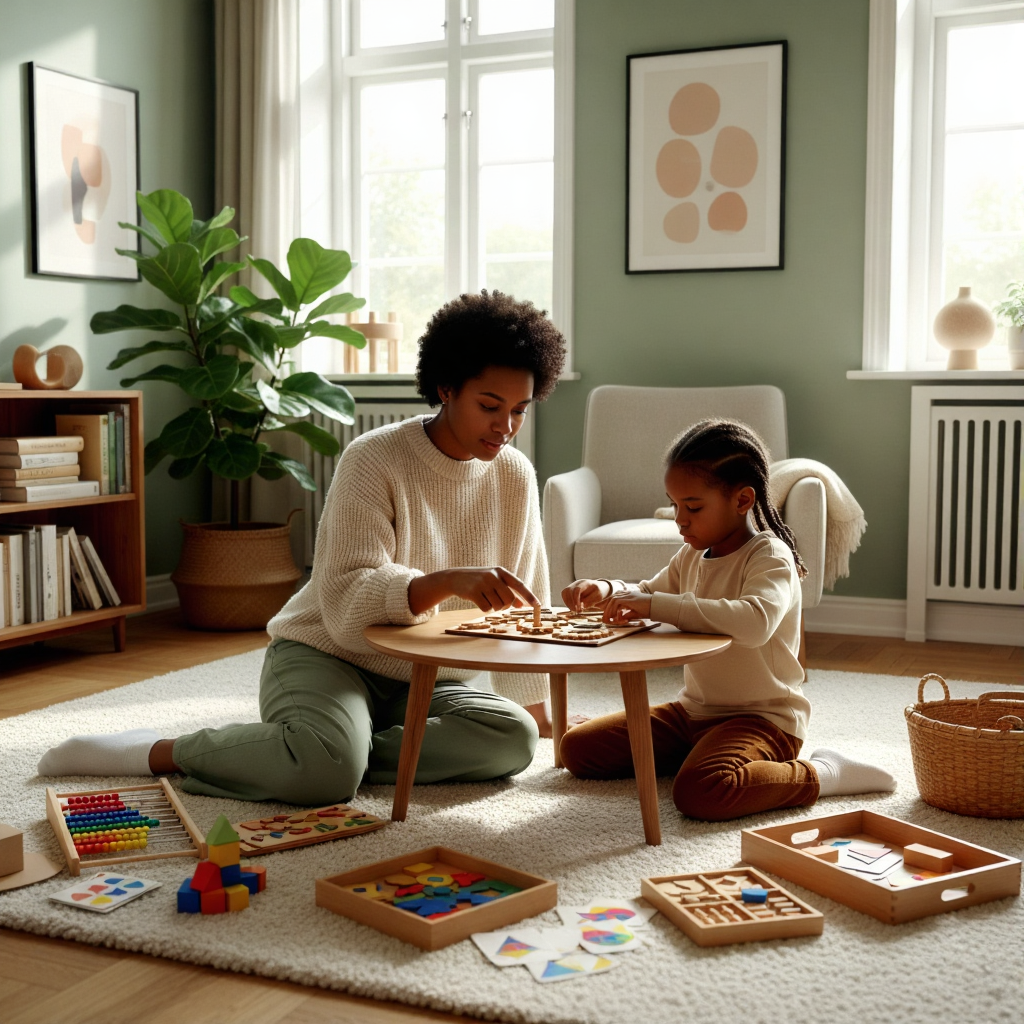
Developing a thinking environment for young children is about scaffolding, not entertainment. It’s about carving out time and physical room where concentration, reasoning, and clear-headed solutions can flourish, uninterrupted by the distraction of quick amusement or sense of urgency. At heart, this translates into providing kids with well-defined, consistent structures and thought-provoking supplies, not simply stimulus-response flotsam.
A strong thinking environment includes:
- Simple, calm space—minimal distractions, neutral colors, order
- Predictable daily routines and sequences
- Materials for sorting, matching, classifying, and sequencing
- Opportunities for daily counting and pattern recognition
- Frequent opportunities to manipulate actual things include snacks, toys, stones, and leaves.
- Safe, supportive climate for open sharing and collaboration
- Encouragement for children to explain their thinking out loud
- Brain teasers and logic puzzles are ideal for a morning reset.
Critical thinking develops on real things, not screens. Counting out apple slices at snack time, or lining up blocks by size, or grouping leaves by shape all build mathematical thinking in ways that stick. Many families use daily sequences as anchors: setting up “stations” for arrival, story time, snack, and departure so children can move through the day with a sense of order.
Every switch becomes an opportunity for ordering, sequencing, and pattern making. It’s useful to sprinkle in some math thinking to daily life. Inviting your kid to help count down to a birthday, spot the patterns in the calendar, or organize toys by color pulls logic into the everyday. These aren’t ‘busy work’ to keep kids occupied; they’re fundamental rituals that cultivate attention and discipline.
When a kid can anticipate what’s next, anxiety decreases and focus increases. Problem-solving is the core of a thinking environment. Pairing socks, ordering picture cards, and tower building are easy games, but they are effective. They educate kids in how to take a challenge, step, experiment with ideas, and get feedback.
Classification games assist children in sorting by size, color, or shape, allowing them to begin to organize the world. Brain teasers, even something as simple as “Which cup is different?” at breakfast, softly stretch cognitive muscles each morning. Open dialogue counts. Give kids room to query and justify.
Pair work, whether it’s two kids spotting all the blue cars or assisting one another to sequence steps, builds cooperation and adaptive thinking. When kids feel safe brain-dumping, their confidence develops as much as their reasoning. Tiny Thinks™ is for these times.
No condemnation of screens—simply a serene, screenless alternative for when you need your kid to be settled and contemplative. The Free Calm Pack is a quick reset after school or travel check-in. For deeper structure, age-based Workbooks provide an entire layer of low-hanging, logic-driven activities.
This isn’t an upgrade or a reward—it’s relief for when you need your kid centered and composed.
Conclusion
Educating logic in preschoolers is never about drilling puzzles or memorizing steps. It’s about cultivating a space where reasoning seems secure, unhurried, and engaging. Kids rock when logic creeps into otherwise ordinary moments—a sorting activity at breakfast, a pattern spotted on the way home, a silent matching page at bedtime. Each of these little, repeatable activities contributes to their focusing, sequencing, and solving abilities. Parents experience less chaos and more calm. Kids begin to self-start, persist longer in a project, and cultivate the patience to push through minor annoyance.
The appropriate framework, uncomplicated rituals, and a handful of carefully selected items transform the ordinary into a cognitive workshop. That’s where real logic develops—right in the thick of everyday family life, one quiet moment at a time.
Frequently Asked Questions
What are logic activities for preschoolers?
Logic activities for preschoolers are easy games or exercises that assist kids in exercising thought and reasoning and problem-solving abilities in an enjoyable manner.
Why is logic important for preschoolers?
Logic teaches preschoolers critical and creative thinking, early math, and decision-making skills. These bases promote school and life success.
How often should preschoolers do logic activities?
Just a few minutes a day will do. Frequent, bite-size activities are easy to incorporate into your day and keep kids engaged.
Can logic activities be done at home without special materials?
Yes, many of the activities use common household items. Sorting toys, matching socks, or doing simple puzzles makes it easy to get some logic practice in at home.
What is a parent’s role during logic activities?
Parents guide, encourage, and ask questions. Give them clues, not solutions. Encourage them to figure it out on their own.
How can logic be included in daily routines?
Take advantage of transitions such as setting the table, cleaning up, or picking out clothes. Ask thought-provoking questions and have them explain their decisions.
What are common mistakes to avoid with preschool logic activities?
Skip the super hard or easy activities. Don’t provide solutions immediately. Allow them to experiment and learn from their mistakes.