



- Key Takeaways
- What is Sensory Overload in a Child?
- Identifying the Signs
- Common Overload Triggers
- How to Calm Sensory Overload
- Proactive Home Strategies
- Beyond Behavior: A Parent’s Perspective
- Conclusion
- Frequently Asked Questions
- What causes sensory overload in children?
- How can I recognize sensory overload in my child?
- What should I do if my child experiences sensory overload?
- Are there ways to prevent sensory overload at home?
- Is sensory overload only linked to autism?
- Can sensory overload affect learning?
- When should I seek professional help for my child’s sensory overload?
Key Takeaways
- Sensory overload occurs when your child’s brain receives so much stimulation that they become overwhelmed and have difficulty filtering and processing what’s going on around them.
- Kids show overload in different ways. Some get aggressive, some retreat, and some freeze. Look for early signs like fidgeting or avoiding eye contact.
- Typical triggers include loud environments, busy locations, social interactions, hunger or exhaustion. Remaining cognizant of a child’s environment and requirements can stave off overload.
- Calming strategies like decreasing noise and light, applying gentle pressure through a weighted blanket or the like, and offering a quiet space can assist when your child begins to feel overwhelmed.
- Providing children with predictable routines and sensory nooks at home helps them feel safe, secure, and able to regulate their sensory needs.
- By teaching your kiddo to express his or her needs and involving him or her in creating solutions, you’re helping him or her learn to self-advocate and gain confidence in managing sensory challenges.
Sensory overload in a child explains a situation where children are overwhelmed by too much information from their senses.
Young kids (3–7) tend to exhibit this via meltdowns, hyperactivity or withdrawal, particularly following hectic days or screen time.
Simple things like mealtime or a waiting room can set off overload quickly.
Knowing what is going on in a kid’s head during these moments allows parents to transition from madness to methodical calm that renews concentration. Need a calm reset after screens or after school chaos? Start with the Free Calm Pack.
What is Sensory Overload in a Child?
Sensory overload occurs when a child’s brain is receiving more input than it can effectively process at one time. It can occur with any sense—visual, auditory, tactile, olfactory, gustatory, vestibular, or proprioceptive. The consequence is typically upset, disorientation, or complete shutdown.
Some children are more sensitive to it than others, such as those with sensory processing disorder (SPD), autism, or attention-deficit/hyperactivity disorder (ADHD). Sensory overload doesn’t only come from loud noises or bright lights, but can be caused by crowded rooms, scratchy clothes, unexpected change, or even simply the need to transition from one activity to another.
Each child is different. Some shut down and retreat inwardly. Others get loud, hyperactive, or have a meltdown. No one answer is definitive. Roughly one in six children have some sensory processing issue, so this is a frequent problem in early childhood.
1. The Brain’s Filter
On a regular day, the brain filters sensory information, sorting out what to attend to and what to dismiss. This filtering prevents a child from being overwhelmed by background noise, movement, or visual clutter. When the filter functions well, children control their emotions with ease and maintain focus.
For others, the filter is poorer. Sensory sensitivities, whether due to SPD, autism, or simply temperament, can make the filter too ‘leaky’ or too ‘tight.’ A broken filter means a child might blow up over something other kids hardly notice, such as the whine of a light or the tag in a shirt. The result is mood swings, irritability, or sudden withdrawal.
2. The Tipping Point
All children have a tipping point, where manageable sensory input turns into overload. It’s never just one thing—a loud noise, a surprise embrace, or a bright room. More commonly, it’s the accumulation over time.
A loud bus ride, a packed hallway, an itchy sweater, and an unexpected routine shift can accumulate until the kiddo reaches capacity. At that stage, even a minor trigger—a dropped fork or a cleanup demand—can ignite a major response. Parents who learn to identify the early signs of overload can frequently intervene before the tipping point arrives.
3. Beyond Five Senses
Sensory overload goes beyond sight, sound, touch, taste, and smell. Two ‘invisible’ senses—proprioception (or body awareness) and vestibular sense (balance and movement)—count as well. A child who crashes into walls or chairs or can’t seem to remain still might be flooded by body-based input, not just sound or light.
Certain kids respond to interoception (e.g., hunger, bathroom reminders) and even social or emotional stimuli, such as strained voices or packed environments. It is easier to help them in the moment when you understand your child’s unique sensory profile.
4. The Overload Spectrum
Sensory overload exists on a continuum. Some children notice mild discomfort: a shirt feels itchy, or a room is a bit too bright. Others reach the point of moderate overload, covering ears, hiding, or requesting to leave.
Severe overload can look like screaming, running away, or complete shutdown. There’s no definitive ‘correct’ answer. Every child’s sensory threshold is unique and fluctuates even on a daily basis. Support has to match the child’s lived reality, not an abstracted checklist.
5. A Neurological Response
Sensory overload is hard-wired in the brain. When the filter breaks down, the nervous system responds. Heart rate leaps. Muscles clench. Breathing accelerates. For others, panic ensues, tearing up, screaming, or shutting down.
These aren’t options; they are reflexes. Overload often accompanies anxiety. Recognizing that this is a neurological event, not “misbehavior,” assists parents in reacting with calm and structure.
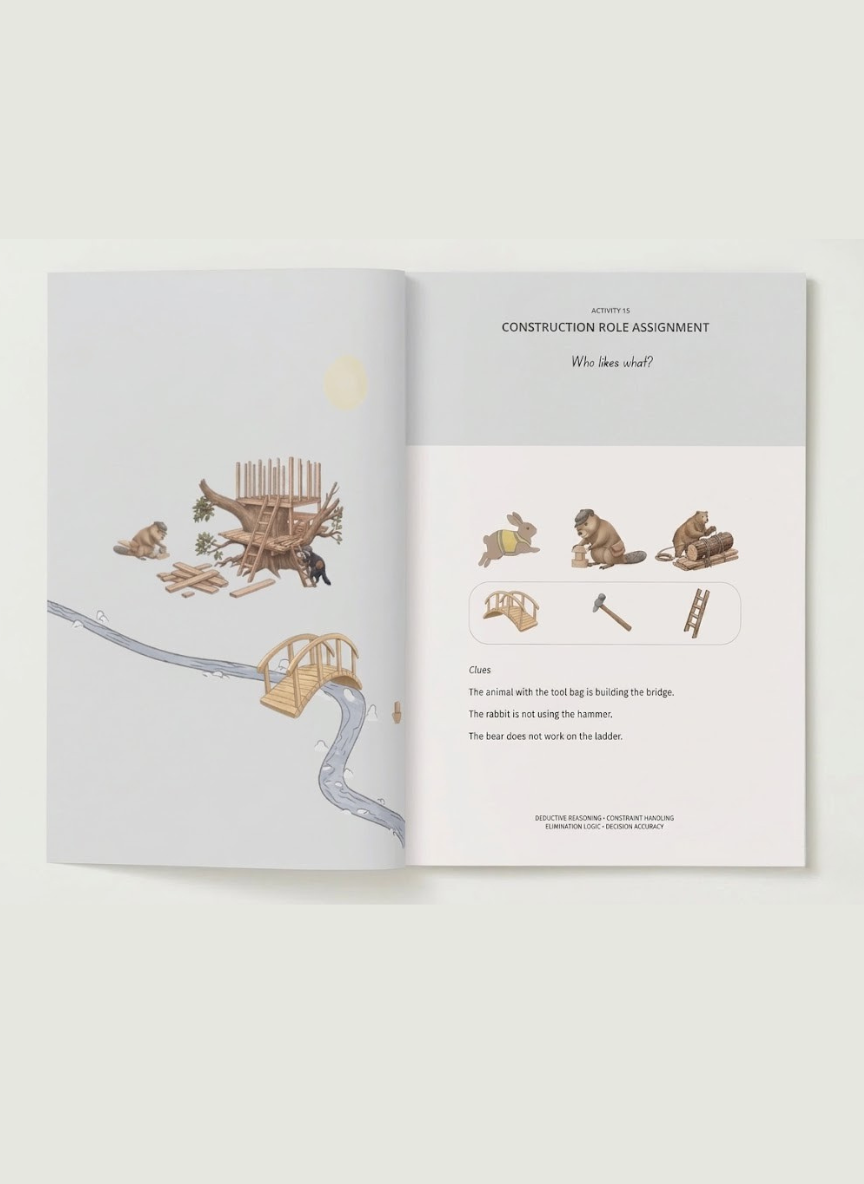
Sensory Overload in a Child? Tiny Thinks™ is made for these moments. When a child is overstimulated after school, after screens, travel, or bedtime, small, nested, visually subdued activities can help restore regulation.
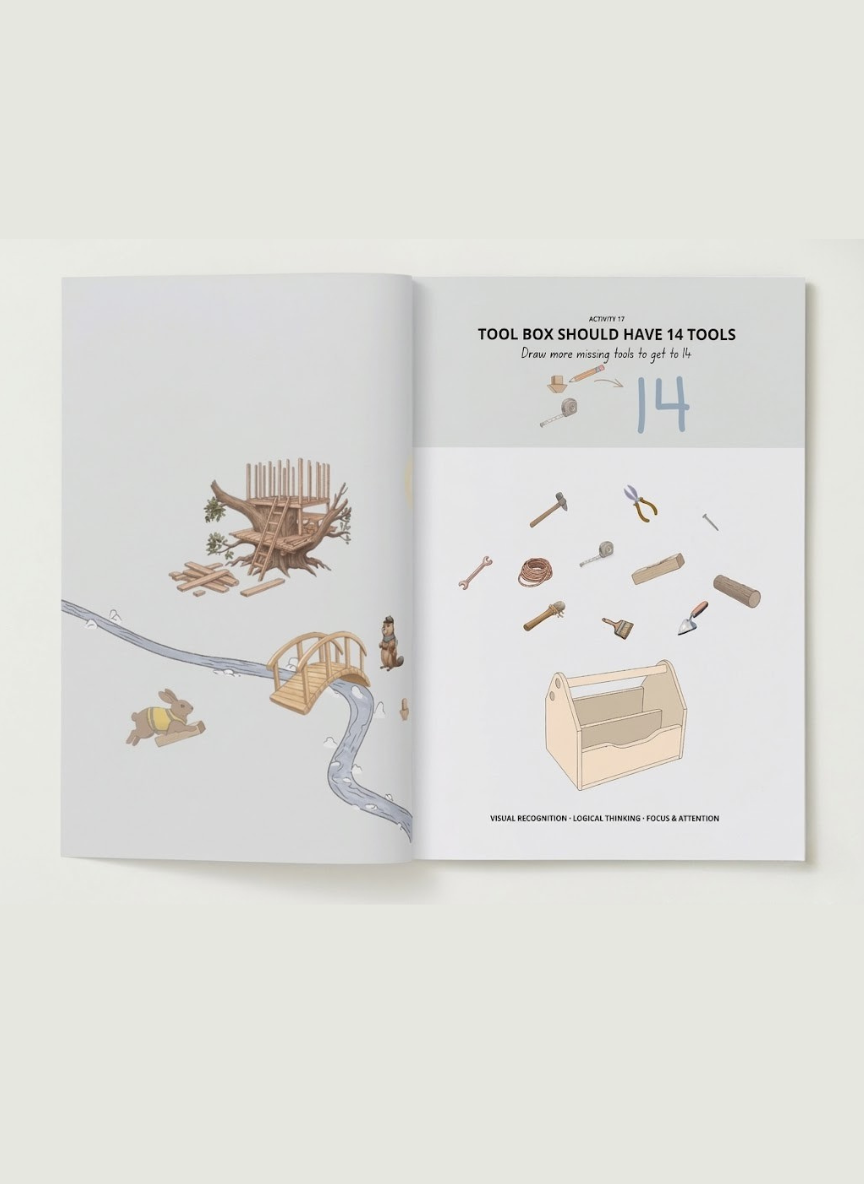
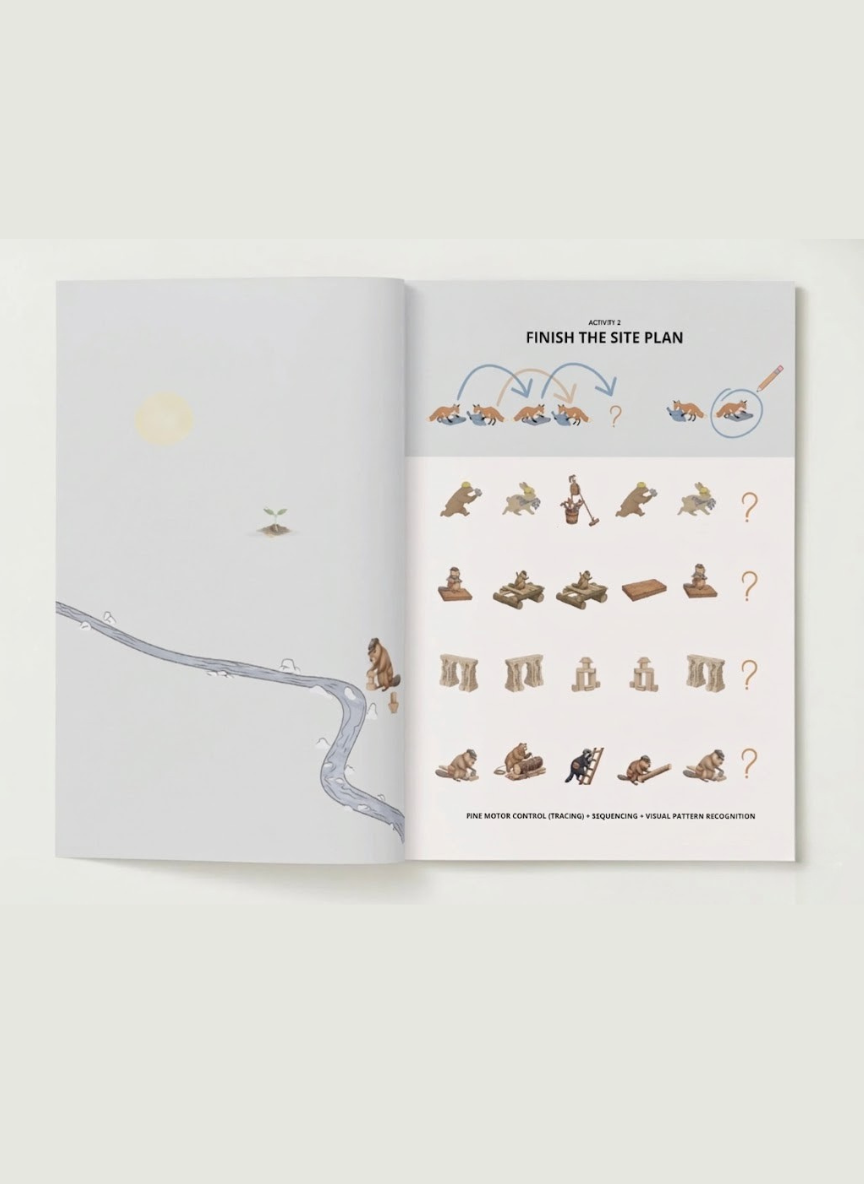
The Free Calm Pack works as a fast reset with simple picture matches, tracing lines, and two-step patterns that quiet the sensory system. Kids can start on their own, be done in an instant, and come back on their own. No screens necessary, no policing.
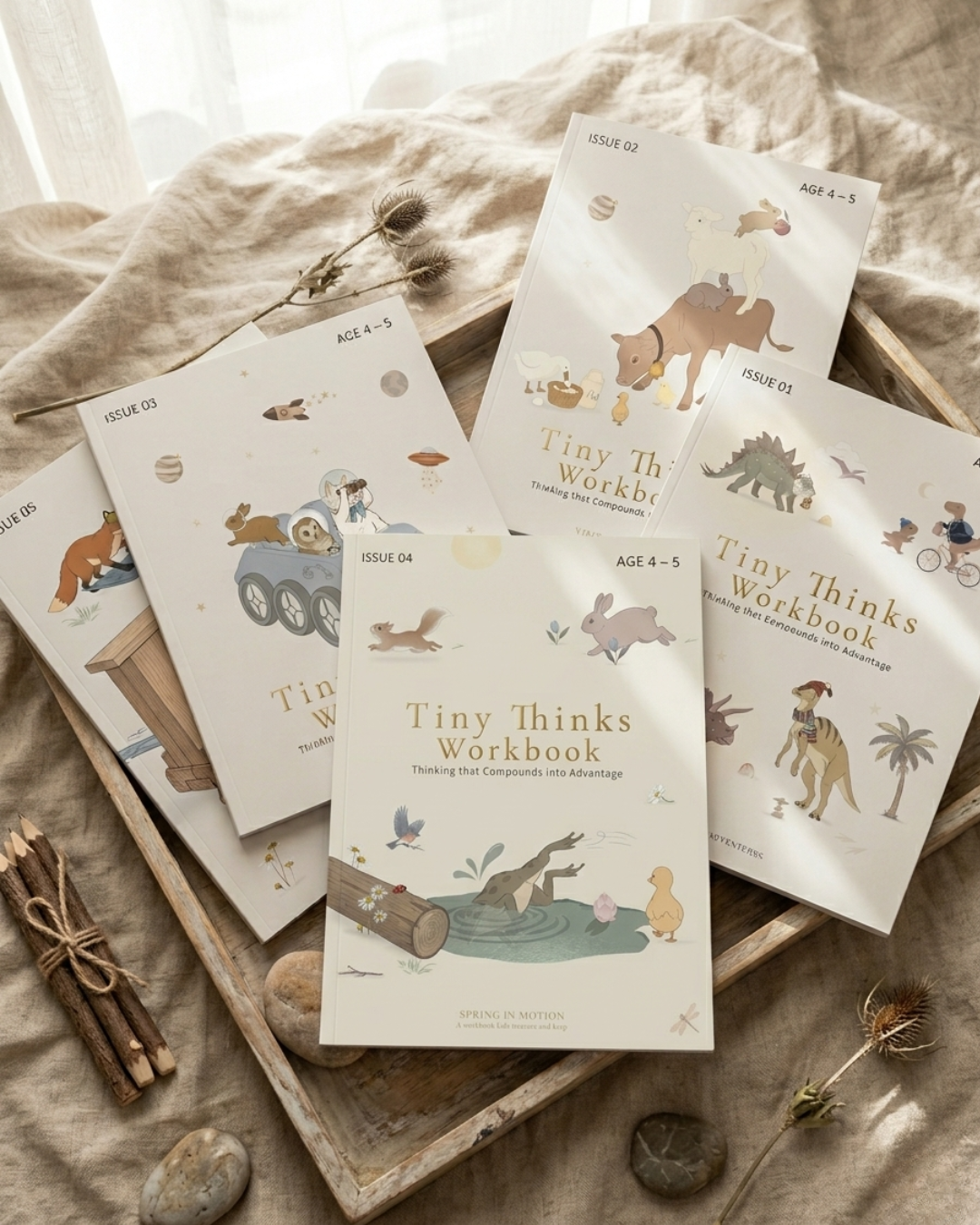
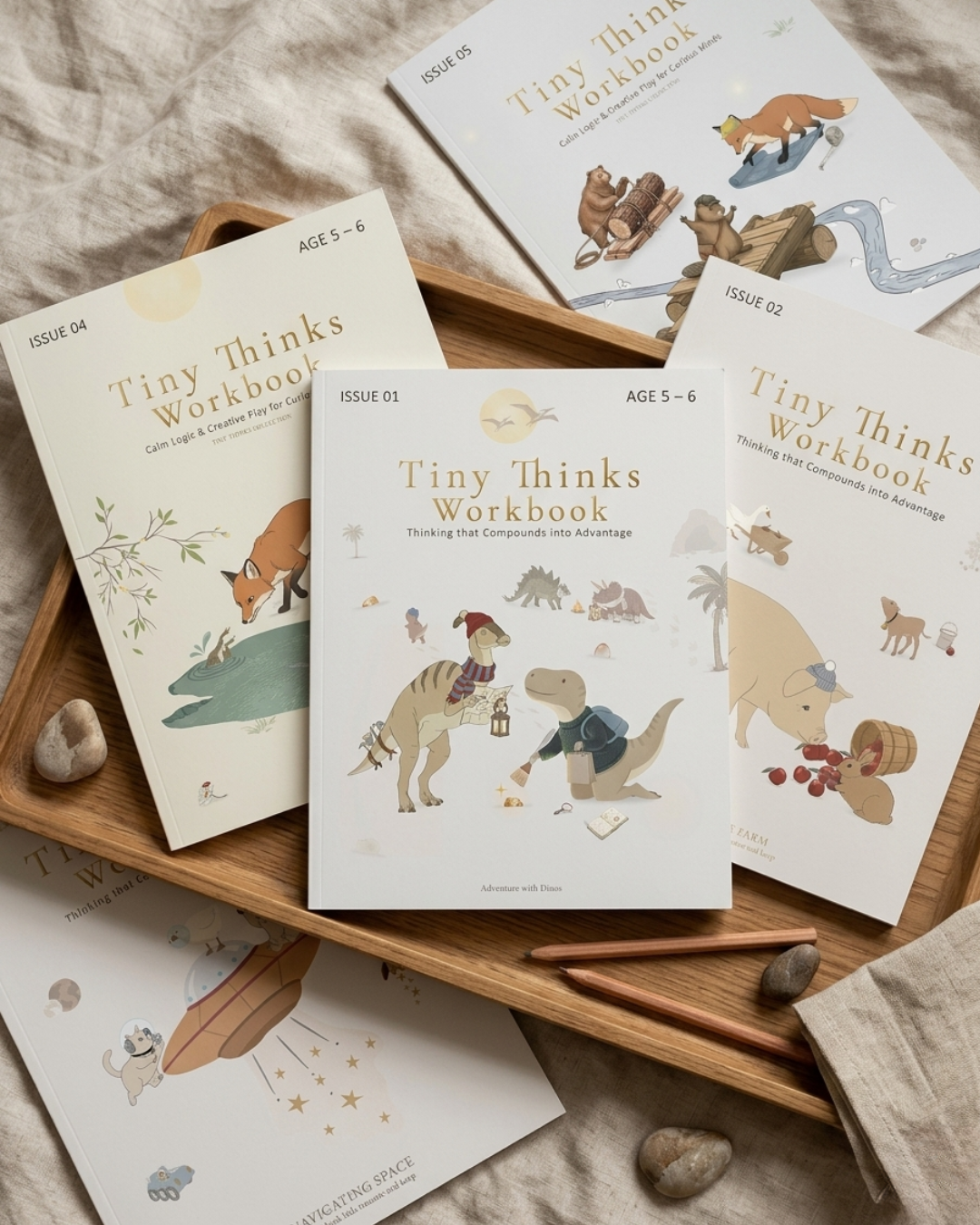
Tiny Thinks™ Workbooks continue this assistance for various ages. They provide a consistent, low-resonance option for parents looking for peaceful, organic kid-driven attention. Not a reward, not a punishment, just a tool that works when kids need to settle and think.
Identifying the Signs
Sensory overload in kids shows up prior to words or labels ever do. When the world becomes overwhelming — too noisy, too shiny, too chaotic — a child’s system can go into high alert. What this looks like depends on the child, the setting, and how their nervous system handles input.
Some kids respond with full-blown meltdowns, others just check out. Parents, you might detect difficulty shifting from one activity to another or find your child battling through everyday tasks. It’s not always big. Sometimes it’s as subtle as a tense jaw or a sudden withdrawal.
Recognizing these signs early is not only pragmatic, it’s protective, particularly because sensory processing disorder is most often diagnosed in children, affecting as many as 1 in 20 school-aged children.
Fight Responses
Fight responses show up as pushback: yelling, hitting, biting, or arguing. At the time, it may appear to be willfulness or antagonism, but more times than not, it’s a kid’s system attempting to take control when all else seems overwhelming.
A kid can strike out verbally by screaming or calling names or physically by throwing or punching. These aren’t “bad behaviors.” They’re survival tactics when flight is not possible. Recognizing this empowers parents to stand firm, answering with collected structure instead of agitation.
The aim isn’t to penalize the brawl; it’s to alleviate the leverage that sparked it.
Flight Responses
Flight is about running away. A few kids bolt to the door, dart under tables or find a corner. Others mentally check out, zoning out or requesting to exit. This is smart behavior for a kid attempting escape from overwhelm.
The smart play is to make a setting where bolting isn’t the default choice: dimmer lights, calm rooms, regular schedules. When a child flees, coax gently: offer a hand, a quiet seat, or a familiar object. Don’t push it to play; lure it back gently.
Freeze Responses
Freeze appears to be immobility. Your child freezes mid problem, ceases responding, or stares vacantly. This isn’t stubbornness; this is a nervous system stall. The world’s crazy, the brain says, let’s take a break.
Sometimes, even the voice goes away. The best response is low and steady: sit quietly nearby, offer a soft voice, or just wait. Gentle support signals safety without providing additional input. These moments go away, and kids are back in when their system resets.
Subtle Cues
The earliest signs are often quiet: fidgeting, picking at clothes, covering ears, avoiding eye contact. A few kids pace and rock, some become eerily quiet. These signals might not seem severe but they’re advance notice that the weight is mounting.
Every child’s signs are different. Parents who recognize the signs and record when and where they strike can frequently avoid complete meltdown. Over time, this assists families in fine-tuning routines and environments, keeping thinking cool.
Tiny Thinks™ is made for these moments—a Free Calm Pack for after school, a workbook for travel or dinner, always low-stimulation and regulation-first. Not a prize, not a punishment.
Exactly what you need when your kid needs to settle down, reflect, and regain focus, screen free, reliable, and always on hand for solo play. Need a steady option for dinner table chaos, travel restlessness, or waiting rooms? Move to the Workbooks.
Common Overload Triggers
Sensory overload in toddlers frequently manifests as agitation, tantrums, or shutting down. Triggers are almost never a single thing; they layer, like a computer with too many programs running. The result is that a child’s senses get overwhelmed and regulation fails.
Every child’s tipping point is different and influenced by their surroundings, social situations, and internal experience. Parents who identify these patterns can more readily intercept overload and craft calm, organized replacements.
Common Overload Triggers:
- Loud noises, unpredictable sounds, or sudden volume changes
- Bright lights, flickering screens, or visually busy spaces
- Strong smells, such as cleaning supplies or food odors
- Uncomfortable textures or clothing, sticky hands, or itchy tags
- Crowded rooms, public transport, or unfamiliar settings
- Fast-paced activities, abrupt transitions, or chaotic routines
- Peer conflict, unfamiliar adults, or high-expectation social situations
- Hunger, fatigue, illness, or emotional distress
- Unexpected changes, surprises, or broken routines
- Screen comedown, especially after fast, algorithmic content
Environmental Triggers
-
Eliminate any extraneous background noise, such as televisions, devices, or noisy appliances.
-
Utilize natural lighting where you can and steer clear of brutal overhead lighting.
-
Keep play spaces visually uncluttered. Corral wall clutter, toy explosion, and bold prints.
-
Provide quiet corners or nooks for retreat when things get loud or hectic.
Cluttered, chaotic spaces can overload a child’s senses quickly. Too much sensory input means the brain can’t screen out the non-essential. Cognitive load builds, attention fragments, and frustration rises.
At home, parents can reduce these triggers by hiding toys and opting for serene, neutral design. When you’re out in public, find the quiet spaces, such as a bench off to the side, a peaceful reading nook, or a window seat. Sometimes, just a couple of minutes in a low-stimulation corner can help a kid reset.
Social Triggers
Big crowds, birthday parties, even a busy playground can be too much. Kids can feel pressure to perform, to keep up, to maneuver changing group dynamics. Noise, motion, and unexpected social expectations pile up, particularly for kids who are sensory sensitive or experience social anxiety.
Briefly prepping kids for social occasions reduces overload risk. Talk about what to anticipate, who will be attending, and what may take place. Practice greetings and turn taking at home in a low-key environment.
Short, low-pressure playdates build confidence and help kids learn to identify their own social boundaries. If you can, let your kid step aside for a few minutes and regroup.
Internal Triggers
Hunger, tiredness, and sickness are all too often invisible overload triggers. A kid who missed lunch or had a bad night’s sleep is functioning with less regulation reserve to begin with. Physical discomfort, such as a scratchy tag or stuffy nose, can push a kid into overload sooner than you’d think.
Parents can keep track of these inner states by adhering to consistent meal times and predictable sleep schedules. Pay attention to trends. Does your kid meltdown before dinner or after an extended trip?
Teach children simple self-awareness: “My tummy feels empty,” “My head is tired,” or “I need a quiet minute.” Over time, this helps children self-advocate and notice early warning signs of overload.
Tiny Thinks™ is there for these moments after school crashes, screen switches, dinner table mayhem and waiting room whirlpools. The Free Calm Pack provides instant, reliable thinking play that calms your senses without rapid input.
Age-specific Tiny Thinks™ Workbooks carry this zen structure forward, providing kids with a consistent framework to come back to anytime their universe gets overwhelming. These tools aren’t a substitute for screens; they’re simply a screen-free layer when control is most necessary.
How to Calm Sensory Overload
Calming a child in the midst of sensory overload is about easing cognitive load and reestablishing regulation, not distracting or entertaining. The objective is to assist the child’s nervous system in transitioning from “alarmed and flooded” to “settled and reflective.” This demands organization, not simply appeasement.
Regulation-first strategies—predictable, simple, screen-free—allow children to rediscover focus and control. The following strategies are practical, low-stimulation, and meant for real-life moments when sensory overwhelm strikes.
Reduce Input
Your first priority is to reduce noise, light, and clutter. If you can, physically relocate your child to a quieter location. Noise-canceling headphones or even basic earplugs can work wonders in situations like family events or hectic waiting rooms. Dim overhead lights, close curtains, or use lamps with soft bulbs.
Bright lighting can increase agitation quickly. If possible, stay in neutral, non-patterned environments. Strip down all visual clutter. Eliminate sensory overload by turning off background TV, silencing unnecessary devices, and clearing crowded surfaces.
The less input pounding their senses, the quicker the nervous system can reset. Scan the environment to see if there is anything you can just quietly remove. Observe when and where overload is likely to strike and record if necessary. This aids in constructing a ritual for dealing with triggers, not responding ad hoc.
Offer Pressure
- Swaddle your child in a weighted blanket. Make sure the weight is safe for their size.
- Provide a firm yet soft hug, or allow them to squeeze a pillow.
- Try wall pushes or slow, heavy stomps to activate deep pressure at the joints.
- Roll a therapy ball over their back or legs for calming input.
- Suggest lugging something heavy, like a bag of books or a basket, for a minute.
Weighted items and deep pressure replicate proprioceptive input, which helps the body feel grounded. For others, deep pressure like hard squeezes on the arms or a quick ‘sandwich’ hug between couch cushions can be grounding.
They work best when your child selects the method, so try them out and find what feels safe and effective. A lot of kids stick to the same routine because it is familiar and dependably soothing.
Provide Space
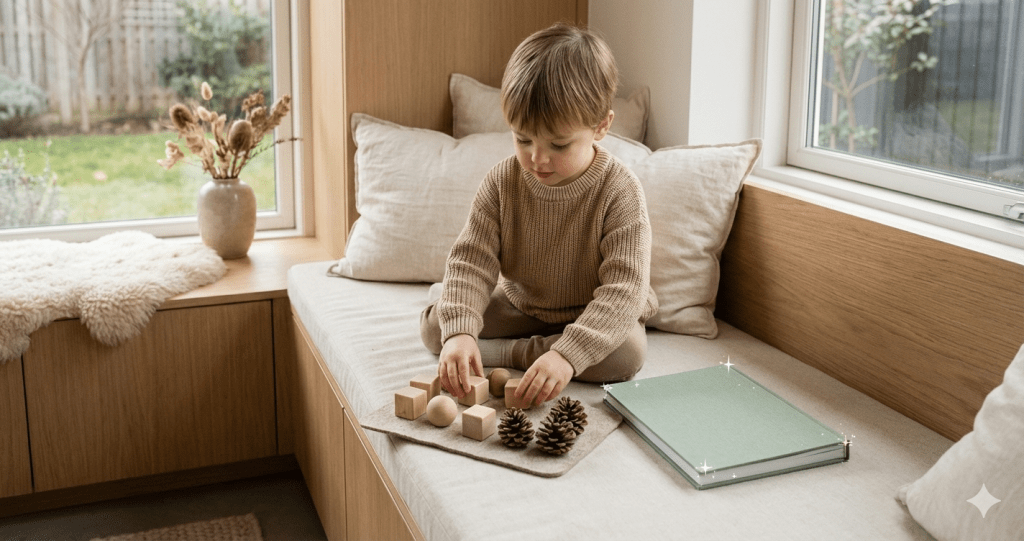
When overload hits its peak, sometimes what works best is distance. Allow your child to step away. Even just a quiet corner with some soft pillows or a blanket draped like a tent can become a retreat zone. Designate the place with a beloved toy or book—something that says ‘this is for you’.
Even a few meters from the heat of the action can cool the temperature. Don’t push or tempt them out before they’re ready. Solitude isn’t isolation, it’s a recuperative instrument. Honoring this necessity imparts self-regulation, not evasion.
If you can, establish a regular “calm spot” at home, so your child knows where to retreat to before all hell breaks loose. Over time, this becomes a self-initiated habit.
Use Co-regulation
Co-regulation is the skill of calming down together, not repairing from on high. Kids feel your rhythm and your breath. Slow yourself down, your motions, and your voice. Model a simple 3-3-3 breathing cycle: inhale through the nose for three counts, hold for three, and exhale for three.
Give this one a shot, sitting side by side. Should your child balk, just practice yourself—children are always eager to jump in when they’re ready. Provide soothing narration, not inquiry. I know, I see you’re taking deep breaths or let’s count our inhales together.
Try grounding exercises: name five things you see, four you can touch, three you hear, two you smell, and one you taste. Soft, focused attention trumps quick distraction every time. Simply using these tools outside of crisis moments builds coping muscle for when it’s needed most.
When your kiddo requires a quiet, immersive reset, Tiny Thinks™ Free Calm Pack is made for exactly these instances. Easy, hands-on pages are crafted for solo use after school, on-the-go, or during a screen break.
Kids fall into them, not because they’re instructed, but because the rhythm is simply what’s needed to re-center their attention. For families in search of more routine, our age-based Workbooks add this calm thinking layer. Each one is built for repeated, child-led usage, and no parent policing is necessary.
Proactive Home Strategies
Our sensory-overloaded kids often thrive with considered, low-stimulation rhythms and surroundings. Through intentional, specific strategies around structure, predictability, and sensory awareness, parents can help their child settle and self-regulate. The aim here is not to purge stimulation, but rather to craft a home in which every sense is taken into account and curated mindfully.
Here are several proactive strategies:
-
Get to know your child’s sensory cues. Each child has their own sensory profile. Some are movement seekers, while others shy away from noise, lights, or textures. Observe your child’s reactions at transitions, mealtime, or post school. Observing if they cover their ears, seek hugs, or become still is the initial step to deciphering what calms or inundates them.
-
Construct your day on habit and regularity. Known schedules allow a child to expect what is coming, reduce anxiety, and prevent overload. Visual schedules or easy ‘first-then’ boards make expectations clear, assisting kids in making transitions. Transitions—’first snack, then outside’—help prepare mind and body, making the day’s routines more soothing.
-
Check-in and adjust. Children’s sensory requirements change with age. What worked last month won’t land today. Step back often, watch, ask your child and observe how they react to changes. Little things, like dimming lights or muting background noise can bring calm quickly.
Create a Sensory Diet
A sensory diet is a scheduled plan of sensory activities that meets the child’s sensory nutritional requirements, providing an equilibrium of sensory-seeking and sensory-avoiding experiences. Some kids require deep pressure, like with weighted blankets or squeezes, while others calm themselves with rocking, jumping, or rubbing soft materials.
Incorporate activity during the day: morning stretches, wobble stools at the table, or a quick dance break before dinner. Include quiet, tactile moments: tracing lines with a finger, sorting smooth stones, or running hands through soft fabric bins. Work with an OT when possible. These can assist you in reading your child’s cues and building a blend of activities that really address their regulatory needs.
Design a Safe Space
Create a sensory nook—a mini tent, a corner, or a chair with some soft lighting. Fill it with calming tools: gentle fabrics, fidget items, noise-canceling headphones, or picture books. This nook turns into a kid’s secret cocoon, an enclave in which to recenter when life overflows.
Allow your child to contribute in selecting items for their safe haven. Ownership increases the chances they will seek it out if they need it and find solace stuffing themselves in such a hideaway.
Establish Predictable Routines
Routine is your secret weapon. Predictable schedules reduce worry and provide a safe haven for sensory kids. Predictability leads to a sense of control. Try visual schedules or ‘I need a break’ cards to signal transitions. Label each step: “First shoes, then outside.” This framework is stabilizing, particularly with sensory issues.
Routines require room to breathe. Other days, your kiddo will require a bit longer in transitions or additional movement. Built-in flexibility, such as providing an option between two quiet activities, respects your child’s evolving needs and reinforces self-regulation.
Teach Self-Advocacy
The key is teaching your kids to speak out about their sensory needs. You can encourage them to use words, gestures, or cards to request breaks or changes in environment. Open communication will help kids recognize and articulate what feels good or overwhelming.
Model self-advocacy by stating your own needs, “I need quiet for a minute,” so your child sees this as normal. Eventually, children begin to handle overload themselves by retreating to their safe space or asking for a sensory activity. This builds confidence and independence.
Tiny Thinks™ integrates well into this landscape. For parents desiring a soothing, screen-free aid, the Free Calm Pack provides organized, low-stimulation thinking pages that are perfect for after school, travel, or bedtime wind-down. Kids can participate on their own, developing concentration and persistence without parent coercion.
Age-specific Tiny Thinks™ Workbooks provide additional depth for families seeking a regular, regulation-first practice. No stress, no criticism—just calm when you need your kid grounded.
Beyond Behavior: A Parent’s Perspective
Managing a child’s sensory overload is rarely about a single meltdown or moment. It’s ongoing. Each day can bring new triggers, such as an unexpected noise, scratchy tag, bright lights at the market, or even the wrong plate at dinner. For parents of children with autism spectrum disorder, these sensory challenges layer over daily life. They shape routines, limit choices, and can steer an entire family’s rhythm.
The reality is never just about the child’s discomfort. It’s about what the family absorbs: the constant assessment of safety, the calculation of risk, and the invisible weight of anticipating the next escalation. Families adjust in subtle, pragmatic fashions. For others, it’s stowing noise-cancelling headphones when they travel. For some, it’s understanding which foods are workable or how to soothe a child in a busy waiting room.
A lot of parents swear by sensory activities—think weighted blankets, soft fidget toys, or structured tactile play—woven directly into regular routines. These are not simply preferences. For as many as 95.8% of autistic children with sensory processing deficits, these accommodations are imperative for physical safety, health, and hygiene. More than half of parents report at least one sensory sensitivity impacting these fundamental domains.
Yet, the effect is seldom consistent day to day. Others may handle loud environments but struggle with certain textures. Some little ones, for example, can be challenging at transitions like bedtime. Parents become accustomed to following their child’s lead and tailoring routines, employing self-regulation techniques while modifying settings silently and without drama.
The emotional fatigue is real. Below, a simple table captures what many families navigate and how they find support:
|
Emotional Toll |
Strategies for Support |
|---|---|
|
Chronic stress and vigilance |
Building predictable routines, preparing ahead |
|
Feelings of isolation |
Connecting with other parents, sharing experiences |
|
Guilt or self-doubt |
Trusting child’s instincts, using calm alternatives |
|
Fatigue from constant adaptation |
Relying on tools like Tiny Thinks’ Calm Pack |
|
Worry about social or developmental gaps |
Seeking age-appropriate, structured resources |
Support is not just therapy or specialist appointments. It’s about community—making room to discuss what works, what doesn’t, and how day-to-day routines evolve. When parents are open, they lay the groundwork for novel coping mechanisms.
Many parents speak frankly: it’s not about fixing a child or judging their use of screens. Screens are convenient. In those pressure moments—afterschool, screen transition, or settling before bed—low-stimulation, tactile options like Tiny Thinks’ Free Calm Pack provide a lifeline. These aren’t rewards or upgrades. They’re tried and true regulation-first solutions for the average parent who simply has to have their kid calm and thinking straight.
For families building a repeatable rhythm beyond the moment, the Workbooks hold the structure.

Conclusion
Sensory overload kiddo, it’s everywhere, particularly in our hectic, loud world. They pop up in consistent spots—after school, during screen shifts, at meals, or when the day simply gets too overwhelming. By being able to identify it and know what triggers overload, parents can respond with calm, predictable structure. Employing low-stimulation routines and quiet, tactile activities provides kids the room to reboot. Over time, these tiny, consistent tweaks construct stronger attention, improved self-regulation, and increased independent engagement. The day goes better. The pressure melts away. For a lot of families, supporting calm isn’t about doing more—it’s about turning things down, providing room for genuine concentration, and believing that uncomplicated, deliberate routines enable kids to settle and flourish.
Frequently Asked Questions
What causes sensory overload in children?
Sensory overload in a child occurs when your kid’s brain gets more input from senses than it can handle. Loud noises, crowds, strong odors, or bright lights are usual suspects. Every child could be triggered by something different.
How can I recognize sensory overload in my child?
Cues can be covering her ears, shying away from touch, irritability, tears or shutting down from people. Some kids can have difficulty concentrating or exhibit erratic behavior. Not all indicators are visible.
What should I do if my child experiences sensory overload?
Keep calm and get your child away from the trigger if you can. Provide a quiet, safe space. Just soothe them and don’t start using big words. Deep breathing or a snuggly toy can help them feel safe.
Are there ways to prevent sensory overload at home?
Yes. Set up a soothing atmosphere with warm lamplight and quiet. Keep routines and provide lots of advanced warning before a change. Give sensory breaks, like quiet or calming time, throughout the day.
Is sensory overload only linked to autism?
No. Although prevalent in kids with autism, sensory overload can impact any child. It can be comorbid with anxiety, ADHD, or stand alone. Knowing your child.
Can sensory overload affect learning?
Yes. Sensory overload can interfere with your child’s ability to concentrate, listen, or engage. By supporting their sensory needs, you’re preparing them to learn and thrive anywhere.
When should I seek professional help for my child’s sensory overload?
Get help if sensory overload occurs frequently, interferes with your daily life, or is distressing. A physician or occupational therapist can provide advice and specific strategies for your child.