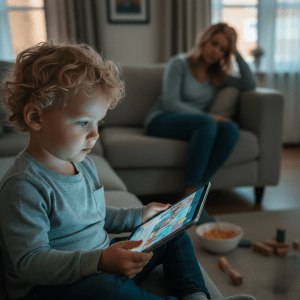

Are fast paced shows bad for toddlers? Many parents notice more restlessness, shorter focus, and harder transitions after fast, noisy shows.
Key Takeaways
- Fast-paced shows can reduce kids’ attention spans and impair their ability to concentrate and absorb information while learning and playing.
- Fast paced shows and overstimulating content can cause emotional highs and lows, such as crankiness and trouble calming down after screen usage.
- Overstimulation from rapid-fire shows might leave them frustrated and unable to retain and transfer new knowledge.
- By robbing children of time for conversation and careful listening, regular exposure to fast-paced shows can interfere with healthy language development.
- So what can concerned parents and caregivers do to support their children in the face of fast paced shows?
- Opting instead for its more thoughtful, slower-paced shows and balancing media with outdoor play and creative pursuits nurtures calmer and more focused development.
Are fast paced shows bad for toddlers?
Fast paced shows aren’t automatically harmful. But in early childhood—when attention is still forming—rapid scene changes and constant stimulation can make it harder for some kids to settle into slower play afterward.
Fast paced shows and child development are often discussed as parents observe how rapid screen content affects attention, focus, and a child’s ability to settle into calm play.
Fast paced shows influence child development. They affect attention and self-control in young children. Fast paced shows and loud effects tend to fragment a young child’s focus, hampering their ability to settle into slower, independent play.
Most parents observe their child’s agitation or impatience following screen exposure. Knowing the connection between hypermedia and attention can motivate parents to adopt slower habits that encourage deeper focus, particularly during stressful moments at home.
Need a calm, quiet reset right now after screens? The Free Calm Pack provides instant, structured thinking that allows children to choose play activities on their own.
What Makes a Show “Fast-Paced”?
A fast-paced show typically includes:
- rapid scene changes
- constant background music
- intense colors
- quick dialogue
- nonstop action
Young brains are not designed to process this volume of stimulation continuously.
When the brain adapts to speed, everyday life can begin to feel unusually slow — which is why some children struggle to settle into independent play after watching highly stimulating content.
Can Fast-Paced Cartoons Cause Attention Problems?
Some research suggests that even short exposure to highly stimulating cartoons may temporarily reduce executive function — the mental skills responsible for focus, memory, and self-control.
This does NOT mean every fast-paced show causes harm.
But repeated exposure during years when attention is still forming may shape what the brain begins to expect: constant novelty.
Attention is trainable.
The question is — what is training it?
The Impact of Fast-Paced Shows
These fast-paced shows are a regular occurrence in the lives of many families, often leading to excessive screen time. While screens can be a blessing for parents, particularly when the pressure is on, it’s crucial to understand how stimulation shows are shaping young minds and potentially contributing to later attention problems.
1. Attention Span
Kids 3–7 are still laying the groundwork for focus and attention span. When kids watch rapid-fire shows, their brains become accustomed to constant stimulation. That can cause slower, more mundane activities such as putting on clothes, sitting at the table, or hearing a story to seem irritating or dull.
Trouble is indicated by signs such as jitteriness, flitting between activities, and an inability to commit for long to easy tasks. Other studies even discovered that only 9 minutes of quick shows can immediately reduce executive function in 4-year-olds.
To assist, parents can bring slow, organized activity back in after screen time. Matching cards, easy tracing, and sequential puzzles are soothing methods to reconstruct concentration. Tracking screen time, particularly prior to homework or dinner, allows kids room to decompress and reset their focus.
2. Cognitive Load
Fast-paced shows raise cognitive load. These fast-paced shows require young children to process visual, audio, and narrative information quickly. It confuses them, making it more difficult for their brains to process what’s going on or make those connections.
Kids can come off these shows feeling distracted, irritable, or overwhelmed. Mind overload from screens too frequently bleeds into frustration during schoolwork or play.
Disrupting the fast show with low-stimulus activities can help. Quiet sorting, gentle sequencing games, or even picture books give the brain a chance to process. These slower paces, in both play and media, bolster cognitive development and facilitate learning of new skills among kids.
3. Emotional Regulation
Kids with fast scene changes tend to be more irritable or have meltdowns. After overstimulating shows, a child is more prone to yell, whine, and bicker about minor things. Parents can watch for sudden mood swings or difficulty calming down as indicators of emotional overload.
Simple calming tools work well: a slow breathing exercise, a “find and match” game, or a gentle drawing prompt can help children settle their feelings. Caregivers can be key by modeling calm responses and providing quiet time post-screen.
4. Language Skills
Less actual dialogue during programs implies less opportunity to exercise your tongue. Rapid-fire conversation is difficult to keep up with and makes it more difficult to acquire new words.
Not much for kids to internalize and regurgitate. Quick shows don’t really leave space for them to take turns either.
5. Behavioral Changes
These fast-paced shows affect some kids by making them more impulsive or hyperactive. Others might imitate combative behavior or become more quarrelsome. Parents can see these changes in the hour after screen time.
Maintaining a basic behaviors log can help identify patterns and triggers. Regular, reliable rituals like calming time after every screen exposure help mitigate this.
Tiny Thinks™ was built for these moments: after school, waiting rooms, travel, or dinner prep. The Free Calm Pack and age-based Workbooks provide a dependable, calm alternative that calms kids down fast and brings back focus. No guilt, no shame; just a real world hack for when you need your kid to be quiet and contemplative.

The Overstimulation Effect
Overstimulation in early childhood occurs when a child’s senses are bombarded with quick, jagged input such as that provided by frenetic media. In our current digital environment, we now have 3-year-olds watching shows that provide an unending barrage of fantasy, flashing lights, and rapid transitions. This amount of sensory load can overload their emerging nervous systems, leaving them dysregulated and unable to transition easily back to slower daily rhythms.
Parents often notice it: a child finishes a fast cartoon and seems dazed, irritable, or unable to focus. This ‘glazed-over’ state indicates more than fatigue—it is an indicator that the brain’s executive functions have been overstimulated.
Brain Chemistry
Such fast-paced shows crank the brain’s reward system into overdrive. Scenes shift rapidly, colors strobe and sounds spike, stimulating the sensory cortices in a bottom-up manner. For the kid, it’s a dopamine kick—immediate, powerful, addictive. Dopamine is the brain’s “do it again” signal, so children inherently desire more of what induces that sensation.
Mood can rocket during screen time and then severely crash when it ceases. While just nine minutes of one fast-paced, fantastical program can wreck a 4-year-old’s executive function, the hard-to-see part of the brain that plans, switches tasks, or regulates emotion.
Over time, this cycle of quick input, big dopamine, and steep crash can condition the child’s attention to crave never-ending stimulation. It becomes more difficult for slow, real-world play to keep their attention.
Moderate sensory experience is crucial to normal brain growth. Children need slow, predictable experiences such as tactile play, nature walks, and quiet drawing. These activities reset dopamine cycles and develop tolerance for focus and frustration.
Learning Interference
When shows zip by quicker than real life, they interfere with a child’s natural learning cadence. The brain can’t put sequence or sense to what’s occurring, so learning falls apart. Rather than constructing attention span, kids become passive consumers of stimulation.
They found that kids who watched the rapid-fire cartoons did far worse on these tasks than children who viewed slower educational programs or simply drew. For knowledge to cling, material must hit a child’s mental speed.
Incorporate media that supports pause, repetition and turn-taking. Find a corner devoid of competing screens or background noise. Following screentime, supplement learning with hands-on, real-world play such as matching, sequencing or building games.
Play Patterns
Rapid media not only fragments attention, it establishes the cadence for play. A lot of parents recognize that their child’s play becomes frantic post-show—bouncing from toy to toy, shouting, and showing less tolerance. Gradually, free play can begin to take on the pace and randomness of screens.
The cure is purposeful, free play that is unhurried, unstructured, and physical—blocks, puzzles, and pretend. This type of play develops working memory, pattern recognition, and emotional control.
Family rituals can assist. Shared activities, such as easy games, co-created art, and story breaks, root the kid in present-moment, in-person connection. These moments reset calm and assist the nervous system in breaking free from the overstimulation cycle.
Tiny Thinks™ was created for these moments exactly—when the day is noisy, the kiddo is humming, and you require an instant, efficient reboot. The Free Calm Pack is designed for post-school lull, pre-bed unwind or during travel or waiting.
The pages are predictable, visual, and low-noise—children choose them willingly, and the effect is visible: attention returns, the room softens, and frustration tolerance grows. For continued support, age-specific Tiny Thinks™ Workbooks provide more rigorous independent thinking workouts, with no parental coercion required.
The Shift in Childhood Entertainment
Childhood entertainment has shifted drastically over the last couple of decades. Shows of my parents’ era, like Mister Rogers’ Neighborhood, took place at the natural, unhurried pace of life. An average episode might shift locations three times, with extended periods of peaceful dialogue or basic craftsmanship.
New shows, by contrast, skitter through scenes at breakneck haste, flitting from one to another every few seconds, constantly layering on music, motion, and color. The typical kid today is surrounded by material created to be fast, not slow.
This shift is not merely taste. How fast kids watch changes their brains. Multiple studies discovered that fast-paced displays influence toddlers’ government operate, the part of the brain responsible for focus, task persistence and willpower.
In one study, four-year-olds exposed to fast-paced television did worse on activities that required deep focus and delayed gratification than kids who watched slower, educational shows or even just scribbled with crayons. Less gritty persistence and more unproductive restlessness appeared after just one episode.
The reason is simple: fast-paced content floods the brain with quick rewards. Scene changes, surprises, and noise make it so attention can’t rest; it has to jump from cue to cue. For the grownups, this can seem like innocent diversion.
For preschoolers, whose brains are still constructing the neural circuits for extended attention, it shatters concentration. Repeated exposure trains the brain to anticipate perpetual novelty and stimulation. When that ceases at dinner, in the car, or in a waiting room, patience crumbles.
Parents often notice this pattern: after screens, their child becomes restless, quick to frustration, and unable to settle into quieter activities. It’s not a moral lapse or an indication of “bad parenting.” Screens make a lot of sense for today’s busy families, and no parent is immune from times when they need a kid to have a damn minute.
The trick is knowing what specific types of media do to the young mind and then being deliberate about if, when, and how they are employed. Selecting age-appropriate, slower-paced content makes a difference. It’s not about “banning” screens; it’s about matching what a child’s brain can handle.
Not all shows are created equal. Some provide kids room to reflect, to internally digest, and to recuperate. Others inundate them with stimulation. Whenever we can, opting for predictable, low-stimulation choices—screen or otherwise—nurtures the development of attention, sequencing, and independent play.
That’s where Tiny Thinks™ steps in. For parents seeking peaceful respite during tension-fraught moments after school, screen transitions, and dinner table, Tiny Thinks™ provides serene, screen-free options. The Free Calm Pack is designed for quick resets: simple, structured activities that settle the mind and promote quiet, focused thinking.
For extended periods, the age-based Workbooks cultivate early skills through slow, hands-on repetition. Tiny Thinks™ isn’t a swap for all screens, nor an indictment of them. It’s a sensible solution for families seeking to cultivate greater concentration, generosity of spirit and self-reliance, especially when the day is packed and minutes are precious.
Your Role as a Media Mentor
Parents aren’t just screen time gatekeepers anymore—they’re media mentors, modeling and molding how kids engage with media from an early age. It’s not a role of elimination or judgment, but active, informed engagement and patient guidance as kids are increasingly exposed to fast-edited, hyper-stimulating shows that can shatter attention.
A media mentor helps kids establish healthy media habits, fosters family bonding through shared experiences, and guides children to build the self-regulation necessary to make smart choices. The goal is not perfection, but consistent, peaceful guidance on a terrain where screens are both instruments and distractions.
Co-Viewing
Co-viewing is a regulation-first, real-world approach for little kids. When parents follow along, they can stop, inquire, and link the tale to the real world. For a 4-year-old viewing a zippy cartoon, sitting and asking, “What just happened?” or “How did that character feel?” helps decelerate the rhythm and fosters understanding.
Even quick five-minute check-ins can convert passive viewing into active reflection. Kids do well when parents discuss themes, lessons, and feelings in the show. This develops not just comprehension but early critical thinking.
It’s not about dissecting every episode; it’s about building a shared language around what’s on screen. A brief discussion of compassion, justice, or solutions changes a program into a launchpad for real-life contemplation. Co-viewing is bonding. Even one episode shared can become a touchstone, something to bring up later at dinner or before bed.
It’s about the experience, not the content.
Setting Boundaries
Defined, serene media boundaries are a comfort to kids. We’ve found that predictable media schedules, such as one show after school and no screens at meals, moderate over-tiredness and facilitate kids’ smoother slide into off-screen play. Parents don’t have to defend each rule.
A basic, “this is when we observe, this is when we cease,” suffices. Such as fast-moving content in particular may require stricter boundaries. Kids under 7 tend to have a hard time settling post quick input, so limiting this media to brief, fixed blocks sustains calm and attention.
Media boundaries are not punitive; they are scaffolding. Incorporating technology-free times or spaces, such as screen-free breakfast or no devices in the bedroom, facilitates face-to-face connection for families, particularly during those tense, pressure-cooker moments when serenity is scarce.
Open Dialogue
Transparent discussions about media are key for young minds. Kids who can speak up about what they enjoy, what confuses them, or what feels overwhelming are better able to self-regulate down the line. Parents who inquire, “Did anything in that show make you concerned?” or “What was your favorite part?” assist the child in processing what they witness, creating emotional intelligence one conversation at a time. Engaging with low stimulation content, such as slow TV, can also help foster this understanding.
Weekly check-ins—once a week or after a new show—normalize discussing media. This prevents screens from turning into covert or taboo land. Instead, they turn into another aspect of family life that is available for conversation, modification, and contemplation.
Tiny Thinks™ provides a sharp, screen-free solution when kids have to settle down after school, pre-dinner, in waiting rooms, or to drift off at bedtime. Our Free Calm Pack and age-specific Workbooks are all about that quiet, guided, focused, restorative attention sans drama and demand.
Nothing but a low-key organized alternative when rapid information dosing has the kid jittery or flurried. Here’s what works when you want them thinking coolly and independently.
When highly stimulating media leaves a child restless or unable to focus, many families look for quieter ways to help the brain reset.
The Tiny Thinks Free Calm Pack was designed for these transition moments — offering structured, screen-free thinking activities that support attention without additional stimulation.
For deeper routines, the Tiny Thinks workbooks extend this approach with predictable, low-noise exercises children can return to independently. Ready for daily calm thinking routines that stick? Tiny Thinks screen-free workbooks establish predictable, independent thinking that children return to regularly.
Cultivating a Calmer Media Diet
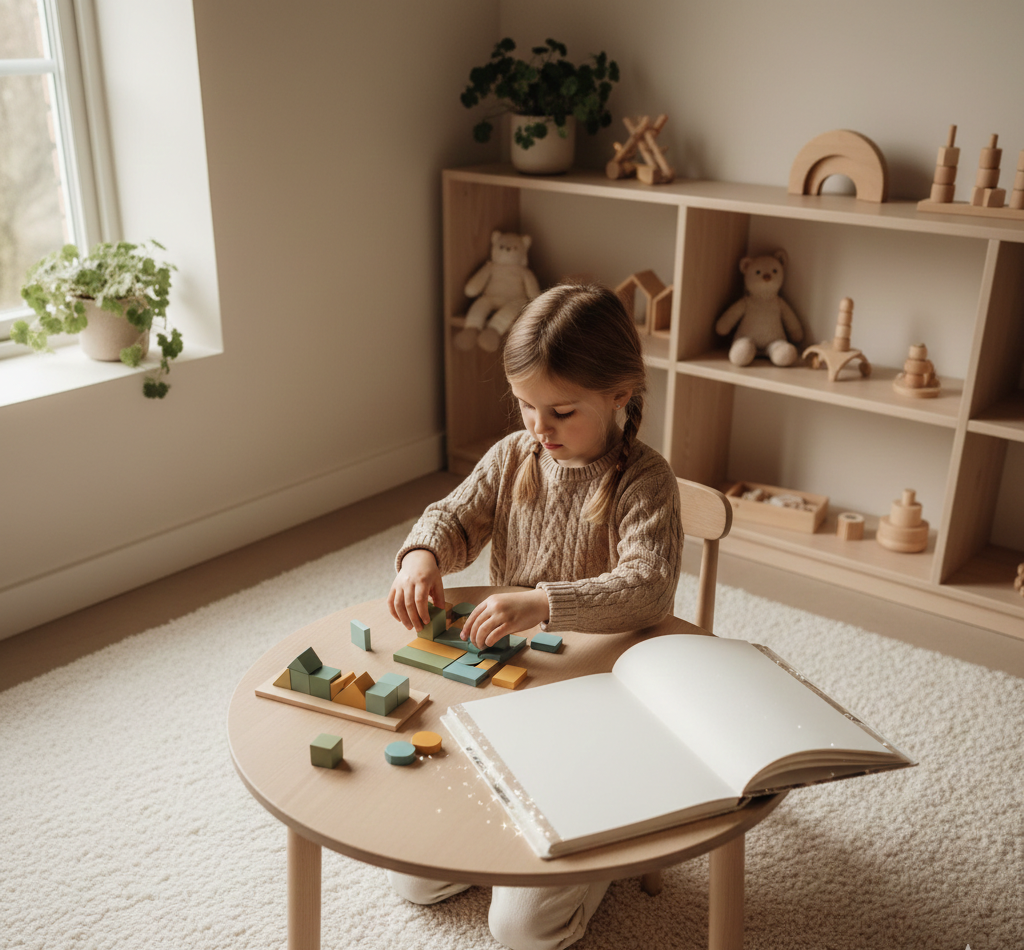
Carefully Cultivating a Calmer Media Diet A calmer media diet means emphasizing predictability, slow pace, and low-stimulation content that can meet children’s developing attention systems. This isn’t about demonizing screens or eliminating them altogether. It’s about developing a trusted framework that assists kids in calming down, concentrating, and unwinding in real-life moments of tension—after a day of school, mealtime madness, or bedtime.
For most families, screens—in particular, quick-moving programs—are a relief instrument. Over time, high-velocity input can splinter attention and condition kids away from quieter, slower experiences. Such an approach allows kids space for wonder, self-directed spark, and more thoughtful contemplation.
Identify Triggers
Some kids can spend a few slow-moving episodes and transition without difficulty to other play. Others crumble after one hyper-fast show, melting or ricocheting from task to task. Notice what happens after screen time: Is your child agitated, restless, or tearful? Does a certain show or game rev them up, or do they remain calm?
Tracking these habits lets you identify what content actually assists regulation and what splinters it. Kids experience sensory differently. One kid may breeze through white noise and cartoon chaos and another gets overwhelmed fast. Tuning media options to your child’s individual signals, shutting off the tablet when you notice squirming or crankiness, matters.
It’s not about rigid guidelines, but about paying attention to what brings back calm and what shatters it.
Introduce Alternatives
It doesn’t have to be complicated to swap out fast media with quieter options. Reading together, easy puzzles, or soothing drawing provide predictable, slow stimulation that helps kids reset. Some households substitute a post-school show with a regimented matching game or keep a mini-bin of sensory activities by the kitchen for solo use during meal prep.
Outdoor play serves as one of the most dependable regulators for young audiences. Even ten minutes outside—walking, playing with sand, or scuffing stones—can help rebalance attention. Family game nights, building projects, or shared art activities can root evenings and weekends, fostering emotional development.
These alternatives don’t compete with screens for excitement; instead, they offer a different kind of gratification: regulation, connection, and focused thinking. By opting for low stimulation content, parents can help mitigate the negative effects of excessive screen time on their children’s development.
Model Behavior
Kids emulate what they observe. If adults reach for phones during stillness, kids internalize that stillness means screen time. Research finds mom and dad screen time habits predict kids’ habits more than actual rules. Screen-free times, such as meals or specific weekend hours, are most effective when parents and caregivers join in.
Reading, sorting, or participating in a mindful activity signals that screen-free time is precious. Demonstrate a real interest in your studies and your hobbies. When kids observe parents immersed in reading, puzzle-solving, or crafting, they are more inclined to follow suit. Passion for life outside of devices infiltrates the family cadence.
-
Establish routine screen-free zones prior to sleep, at mealtime, or on weekend mornings.
-
Encourage kids to pause, observe how they feel after screens, and talk as a family.
-
Provide a soothing activity before and after screen time to smooth transitions.
-
Move screens out of bedrooms and shared eating spaces.
-
Have a basket of calm, constructive activities on hand for self-directed engagement.
-
Prioritize outdoor movement daily, even for short periods.
-
Take ‘media fasts’ as a family — no screens for a day or afternoon.
Tiny Thinks™ is made for these minutes—a screen-less, rule-priority-driven system for households who have calm as their default. The Free Calm Pack is a silent option for after-school comedown, travel, and meal prep.
For deeper focus, age-based Tiny Thinks™ Workbooks provide reliable, independent cycles kids come back to naturally. Not too much. Not a prize. Exactly what works when your kiddo needs to settle and think calmly.
Choosing Thoughtful Programming
Thoughtful programming involves selecting shows that cooperate with a child’s natural rhythm, rather than fighting against it. Most parents know the feeling: the fast cuts, bright colors, and endless autoplay loops can leave children buzzy, unregulated, and hard to settle. Screens aren’t the villain in this story. They’re a reality for most families. The key is to focus on what a kid is actually watching and how it shapes their thinking and behavior.
Thoughtful program selection begins by seeking out programming that not only entertains. There is educational value in shows that help kids notice patterns, flex their vocabulary, or introduce light problem solving. These are programs that decelerate time, allow a kid to think, and honor the maturing mind. For instance, a slow-paced, thoughtfully scripted social scenarios show can assist kids in exercising empathy and emotional regulation, skills frequently skipped over in quick, stimulus-dense programming.
Meaningful screening means you pick the shows that suit your kid and his learning objectives. Moms and dads who observe their toddler attracted to animals could seek out languid nature programs that develop diction and observational abilities. If your children are drawn to building or movement, programs based on precise sequencing and real world logic, such as step-by-step construction or cooking, bolster working memory and sequencing without overwhelming. The goal is to foster inquisitiveness, not just occupy a space.
Before diving in, scoping out content ratings and episode summaries provides a better sense of what your child will actually be watching and hearing. Certain shows—even those targeted to preschoolers—are, quite frankly, sticky, meaning they are built for continuous consumption and intense stimulation. These can make it hard for a kid to pull away, and over time, this stickiness can corrode healthy screen habits.
Selecting vintage, slow-paced programs, disabling autoplay, and implementing timers lets you establish an expected conclusion, which makes transitions a breeze. Below is a table that highlights some globally recognized programming options matched to their educational value:
|
Program Name |
Focus Area |
Educational Value |
|---|---|---|
|
Bluey |
Social skills |
Models empathy, sharing, and emotional expression |
|
Puffin Rock |
Nature, science |
Develops observation, pattern recognition |
|
Daniel Tiger’s Neighborhood |
Emotional regulation |
Teaches feelings, routines, coping strategies |
|
Mister Rogers’ Neighborhood |
Community, social |
Builds empathy, introduces real-world experiences |
|
Octonauts |
Science, teamwork |
Teaches facts, models problem-solving and cooperation |
Less entrancing shows have afterglow. Kids naturally bring these gentle inputs back into their own creative play, be it coding, building, or storytelling. Low-stimulation programming matches pediatric guidelines, which state less than an hour a day of quality content for 2-5 year olds. When screen time aligns with a child’s needs, not just for diversion or occupation, there is more space for genuine concentration and self-directed activity.
Tiny Thinks™ was designed for just these moments. When your kid is bouncing from after-school to after-school activity, battling transition, or having a tough time slowing down, the Free Calm Pack provides bite-sized, screen-free thinking pages that reset the brain in a snap. The aesthetics are minimal, the actions are anticipated, and the interaction is kid-directed.
For families wanting to cultivate more robust attention, sequencing, and self-starting skills, the Tiny Thinks™ Workbooks take this calm thinking cocoon into daily life. They are ever portable, for travel, meals, or waiting rooms. No screens, no noise, just quiet engagement that endures.
Match calm thinking to your child’s stage. Select the age-based workbook set for steady, independent focus from ages 3–7.
Conclusion
The Bottom Line
Fast-paced shows are not automatically harmful.
But during early childhood — when attention is still wiring itself — the pace of what a child watches matters.
Brains adapt to the environments they experience most often.
When children regularly engage with slower, predictable activities, many families notice stronger focus, calmer play, and smoother transitions away from screens.
In early development, stimulation is not the goal.
Sustainable attention is.
Frequently Asked Questions
Are fast paced shows bad for toddlers?
Fast paced shows can overstimulate young brains. This can have an effect on attention span, learning, and self-regulation skills. Kids will have a hard time concentrating on slower activities or work.
What is the overstimulation effect in children?
Overstimulation occurs when kids are exposed to stimulation shows with rapid scene changes. This can interfere with their executive function, making it difficult for them to process information, rest, or maintain calm in quiet environments.
Are slower-paced shows better for young children?
Yes, slower-paced shows tend to facilitate comprehension and learning. They assist kids in dealing with what they view, develop language and following along, and inspire active interaction.
How can parents guide healthy media habits?
You can be his media mentor — set limits, co-view, and discuss low stimulation shows. This makes it easier for kids to process what they view and cultivate good screen habits.
What should I look for when choosing shows for my child?
Opt for low stimulation shows with simple stories, clear messages, and a gentle pace. Shows that stimulate thinking and creativity support young minds’ development.
Can fast-paced shows affect sleep in children?
Yes, it messes with sleep if you watch it too late. Overstimulation can make it difficult for kids to wind down and drift off to sleep.
How much screen time is safe for children?
This is why experts suggest limiting screen time for toddlers to less than an hour a day of low stimulation shows with adult interaction to support healthy brain development.