
- Key Takeaways
- Why Visual Memory Matters
- Fun Visual Memory Activities for Kids
- Adapting Games for Different Ages
- Weaving Memory into Daily Life
- When Your Child Struggles
- A System for Lasting Growth
- Conclusion
- Frequently Asked Questions
- What is visual memory and why is it important for kids?
- What are some easy visual memory activities for kids?
- How can I adapt visual memory games for different age groups?
- Can visual memory activities help with reading skills?
- What should I do if my child struggles with visual memory?
- How can I include visual memory practice in daily routines?
- Are visual memory skills important for children with learning differences?
Key Takeaways
- Being a cornerstone of early learning and supporting reading, math, and daily routines, visual memory helps kids make sense of the world around them.
- Easy, guided activities such as matching games, drawing from memory, and visual schedules can subtly build recall, focus, and self-assurance in kids ages 3 to 7.
- Car rides, grocery shopping, cleaning or story time—these everyday moments are ripe with opportunity to creatively integrate visual memory skills into your home life without added stress.
- Tuning the games and activities to each child’s age and developmental stage makes learning both attainable and interesting, letting kids learn at their own speed.
- Knowing the types of challenges to expect and reacting with patience, persistence, positive reinforcement, and tender love can alleviate frustration and foster grit.
- Regular, low-key rituals and encouragement provide a tranquil atmosphere in which visual memory abilities can develop organically and healthily.
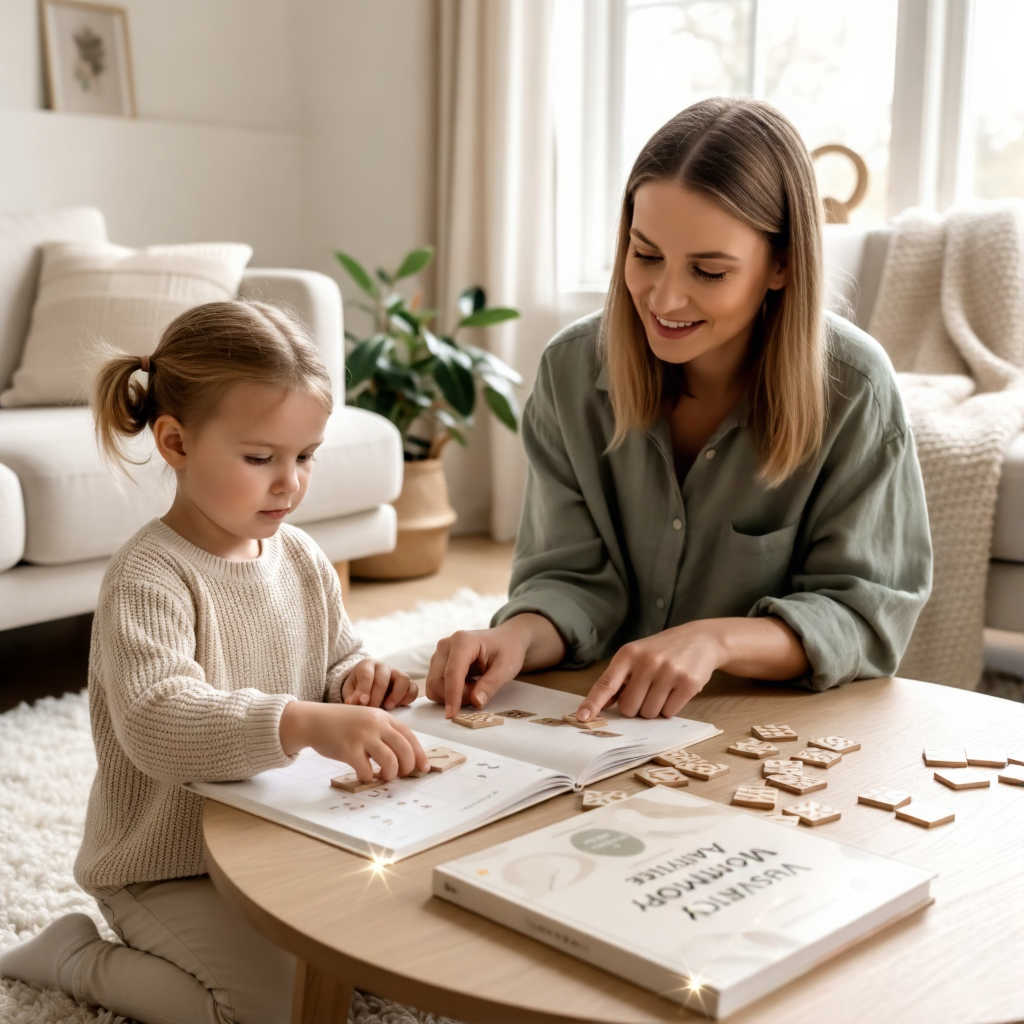
Visual memory activities for kids are exercises aimed at developing your child’s capacity to identify, remember and employ information visually. These skills are the foundation of early learning, influencing everything from direction following to pattern recognition.
For kids 3–7, peaceful, structured visual memory activities support developing concentration and self-starting. In everyday life, they provide easier transitions and more independence, particularly during stressful periods.
Why Visual Memory Matters
At the core of this is visual memory — how children process, store and utilize what they see. For kids aged 3–7, robust visual memory aids not only school success but everyday self-regulation and autonomy. It allows children to remember the form of letters, identify patterns, remember sequences of steps and solve problems visually.
Visual memory is both short-term, briefly retaining images, and long-term, retaining them for weeks or even years, and each contributes in different ways to learning. Research connects robust visual memory to improved reading, math and even attention skills. In everyday life, it allows kids to recall where they left their shoes, transcribe a word from the board or find their way around an unfamiliar space.
Here are some reasons why visual memory is important for early learning.
| Factor | How It Supports Early Learning |
|---|---|
| Attention Formation | Focus on visual details and cues |
| Sequencing | Recall order of steps, events, or patterns |
| Working Memory | Hold images in mind while acting |
| Pattern Recognition | Spot similarities, differences, and relationships |
| Emotional Regulation | Calm engagement through slow visual input |
| Independent Initiation | Begin and sustain tasks without prompts |
Reading Readiness
- Picture-word matching games allow kids to link objects to words.
- Visual letter hunts develop letter shape and position recall.
- Spot-the-difference activities hone detail recognition for word decoding.
- Story sequencing cards encourage memory of event order.
If you continually use letter and word flash cards, children store the visual forms of letters and words in short- and long-term memory. This is core to sight word vocabulary and fluency. Through image-laden narratives, kids start associating sights with sounds, which makes reading less conceptual and more tactile.
By incorporating visual storytelling during reading time, for example, by pointing to pictures and having children describe what they see, you solidify the connection between visual memory and language. Eventually, kids just see the word and gain confidence they are reading.
Math Concepts
- Number lines displayed visually reinforce counting and order.
- Sorting games with colored blocks make quantity and grouping concrete.
- Pattern strips with repeating colors or shapes show children how to anticipate and extend patterns.
- Shape and number puzzles have kids recall visual locations.
Even easy matching games — like matching number cards or ordering objects by size — develop visual sequencing skills important for early math. Hands-on counting with beads or stacking cups allows them to visualize and internalize quantities, not just memorize them.
Visual memory helps you copy written math problems from a board, retaining the image just long enough to solve or write. By making patterns — red block, blue block, red block, blue block — children can practice pattern recognition, which is the foundation of addition, subtraction, and advanced math.
These structured, low-stimulation tasks are particularly beneficial for kids who feel inundated by hectic or loud settings.
Problem Solving
Drawing simple solutions, such as sketching where a lost toy might be, trains kids to apply visual memory to real-world problems. Acting out a series of steps with action figures or blocks allows kids to map out and retain the steps.
Sometimes it’s as straightforward as having a kid draw their concept prior to constructing or describing it. This draws from long-term visual memory and refines their strategy. Puzzles and riddles, such as matching the pictures and finishing the pattern, make kids remember what they have already seen and apply it to uncover the solution.
Working together to solve problems, such as group scavenger hunts with visual hints, demands children hold images in their mind and call them up when appropriate. They develop not just mental acumen but human connection through communal picture recall.
Daily Routines
Visual schedules, for example, picture cards of ‘wash hands,’ ‘eat,’ ‘put on shoes,’ decreases the demand for constant verbal prompting. Children look to the pictures to know what’s next, promoting independence and reducing frustration.
Visual reinforcement of routines with picture cues on bathroom doors, toothbrush holders, and clothing bins. A just-done memory matching game has you match a toothbrush to the bathroom. Simple daily tasks make habit-building fun.
When you plan the day with kids in a visual sequence, they’re encoding and remembering what’s to come. This not only smooths transitions but promotes confidence and independence. As kids age, they become habituated to these schedules, liberating mental overhead for learning and fun.
Tiny Thinks™ is an answer right there to these honest moments — after college, throughout screen transitions, at meals, in travel, ready rooms or bedtime wind-down — when calm, unbiased thinking is required most.
The Free Calm Pack provides simple, visually organized pages that kids can revisit independently — no noise, no overstimulation. For parents needing longer routines, the age-based Workbooks continue the same principle: quiet, repeatable, screen-free systems that support visual memory, attention, and self-regulation.
No stress! Just peace of mind in the moments when you need your kiddo calm and thinking clean.
Fun Visual Memory Activities for Kids
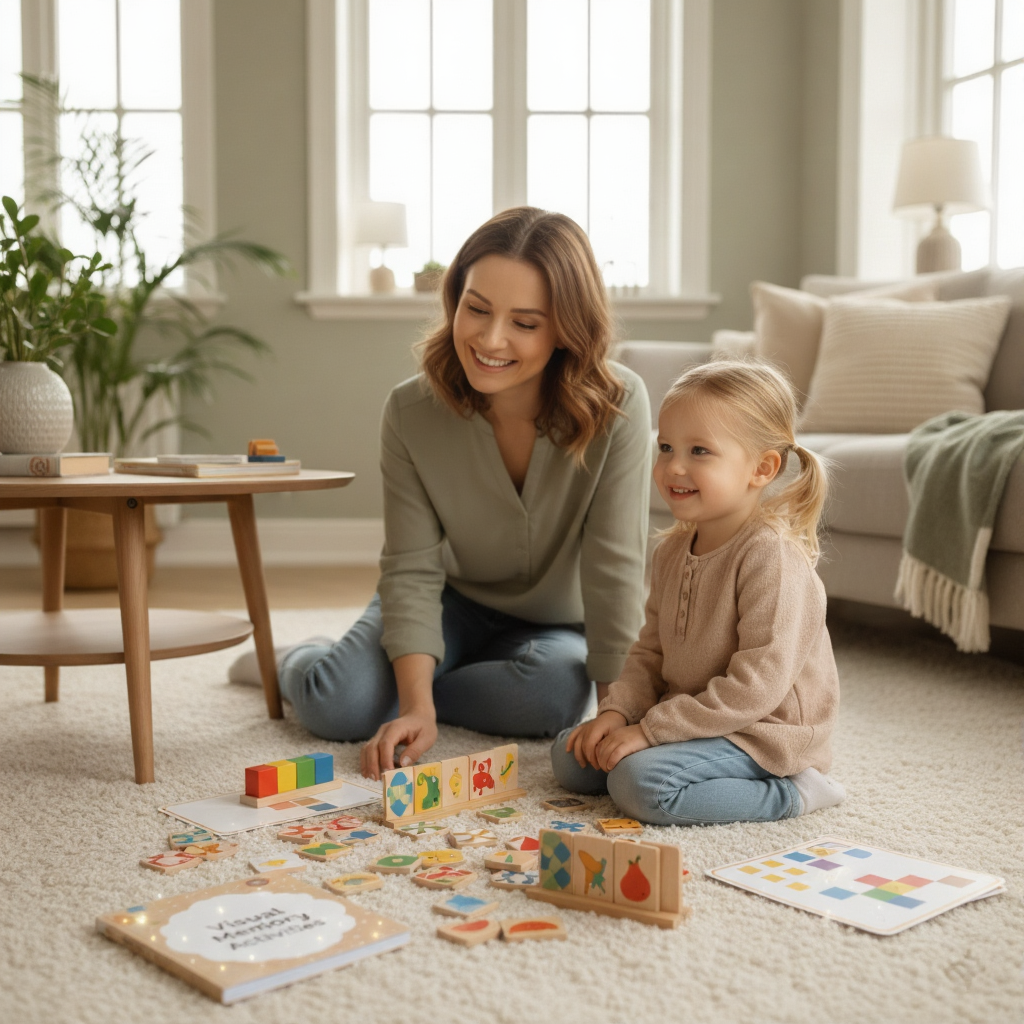
Visual memory is a core early learning skill. It aids kids in pattern recognition, memory recall and developing confidence in their observational skills! Most parents observe that following screen time or rapid-fire activities, kids have a hard time retaining what they’ve just been exposed to — even if they comprehend the concepts.
Calm, organized memory play can calm down the mind, encourage concentration and make for peaceful pockets of concentration.
1. The Tray Game
This one uses a tray and a few small household objects. Arrange three or four objects, allow the child to observe for a few seconds and then cover the tray. Ask: “What do you remember?” As you play subsequent rounds, add more items, mix them up, or eliminate one and see if the child can identify what’s missing.
Others refer to this as Kim’s Game — it’s a timeless classic for a reason. Attention span, focus, visual recall. For little kids, start with easy stuff and work your way up, constantly attuning the challenge to the child’s comfort. Name each object as a group before you cover the tray, drilling vocabulary and observation.
2. Picture Pairs
We all know that matching games with pairs of images are memory makers. Just use cards with things the kids know like objects, animals, or even family photos. Adapt the pairs to match your child’s age and stamina.
For added difficulty, incorporate a timer or play ‘find the difference’ with the images. This develops not only visual memory but discrimination skills. Some kids will come back to this game on their own, loving the silent challenge of recalling where each card hides.
3. Drawing from Memory
Challenge kids to sketch what they witnessed moments ago — a beloved toy, a walking view, a brief image. Offer prompts without pressure: “Can you draw the playground we visited?” Discuss what they did or didn’t include.
Sometimes a kid will remember an amazing amount of detail, other times just the highlights. Either way, the exercise of remembering and illustrating cements memory. Recognize the effort, not the outcome, when strengthening their memory muscle.
4. Building Blocks
Have the child view a basic block construction, then hide it or dismantle it. Then have them recreate it from memory. This leverages both spatial and visual memory and can be a collaborative effort with siblings or friends.
Tell stories about the buildings — ‘Who lives in this house?’ — to add in language and sequencing skills. Scale difficulty as the child matures.
5. Nature’s Details
While out on a walk, have the child stop and recall three things that they observe: a flat stone, a yellow flower, a bird in the sky. Later, quiz softly or sketch them together in a nature journal.
Scavenger hunts work well here: “Find something round, something green, something rough.” Talk about textures, colors, and shapes. These quiet pauses aid both imprinting visual details in memory and transforming otherwise random outings into peaceful, active learning.
Tiny Thinks™ is designed for these moments: after school, during transitions, or when the noise level rises and a child needs to settle. The Free Calm Pack includes basic, off-screen visual memory games, such as picture matching, object recall, and mini drawing prompts, all with calm, uncluttered visuals.
As parents, we love that our kid comes back to these activities on his own, even after a day with the screens. For kids who require more guidance, Tiny Thinks™ Workbooks (ages 3–7) offer replayable, self-contained visual memory and pattern games.
No hype, no pressure, just solid, reliable aids that assist kids to self-regulate, focus, and think.
Adapting Games for Different Ages
Those visual memory activities can be customized according to the age of your child, say between ages 3 and 7. Games that work for toddlers typically require just a few small modifications to be challenging even for bigger kids. They should be fun and just challenging enough to develop attention and memory, with no frustration or overwhelm.
Tuning difficulty is the central technique for age adaptation of games. For toddlers, begin with just a handful of three shapes or colors to match. As they get older, add more objects or mix them around after each round. For example, Kim’s Game, where a child examines a tray of items and then closes their eyes while one is taken away, starts easy with three objects for a three-year-old and ten or more for a seven-year-old.
Incorporating sequences, such as recalling the order in which things appear, adds an additional boost to the visual sequential memory.
Switch in age-appropriate materials and themes. With the littlest ones, use soft, tactile things—blocks, animal figures, and large cards with simple pictures. For older kids, incorporate letters, numbers, or popular cultural figures. Rhymes and mnemonics can be layered in: a song for a toddler, a silly sentence for a preschooler, and a visual acronym for an early schooler.
Mnemonics work for every age; just switch the material to the child’s world. Customize games to be about specific skills. For a child who is struggling with sequencing, specifically target games in which objects have to be remembered in order. To make it harder, train working memory by employing multi-step instructions or having the child remember a growing number of details.
The very same fundamental game, matching, discovering what’s missing, remembering a pattern, can be moved up a few notches in difficulty by easily altering the rules or supplies. Just remember to keep it fun and age-appropriate. They should be just challenging enough to demand concentration, but not so challenging that a child throws in the towel.
Kids tend to gravitate towards games that are winnable and repeatable and that gently stretch their skills.
Toddlers (3–4)
Simple visual memory games work best. Whether it’s matching colored blocks, finding shapes under cups or picking out which toy ‘disappeared’ from a small tray, all reinforce early memory. Sensory play such as sorting soft balls or smooth stones by color injects a tactile dimension that reinforces memory.
Music and rhymes solidify turns and memory by means of repetition. Keep the games short, about five minutes, to work with short attention spans.
Preschoolers (4–5)
Games are becoming increasingly detailed. Matching cards with letters or numbers, recalling simple sequences, or playing memory bingo with familiar images are common activities. Storytelling with visual cues guides kids in associating images to story components, developing recall as well as comprehension.
Incorporating movement, such as a “memory scavenger hunt” where kids seek out objects in the room, maintains their interest. Short group activities weave in social memory and make kids remember what their friends picked or did.
Early Schoolers (6–7)
Big kids love to be challenged with multi-step memory games. Give them sequential directions to obey or have them remember increasingly intricate patterns, like the order of cards in a queue. Here, educational apps can fit in as long as they are slow and require actual thought, not quick finger taps.
Inspire independent initiatives by establishing their very own memory tray, creating a fresh matching game, or timing themselves to outpace their own scores. Friendly competition is best when it is self-directed and low-pressure.
Tiny Thinks™ are there for those times when screens aren’t the answer—after school, during dinner prep or in a waiting room. The Free Calm Pack provides you a suite of visually soothing, structured games that calm kids down quickly.
No sound, no preparation. Just a dependable reset when you need it. For continuing habits, our Tiny Thinks™ Workbooks are divided by age, providing undecorated, solo thinking pages to reinforce memory, focus and sequencing at the appropriate difficulty for your kid.
It’s not about substituting screens. It’s about giving your child an additional layer, a calm, brushed structured alternative that always comes through for when you need their mind to calm down and focus on.
Weaving Memory into Daily Life
Memory thrives on repetition and context, not isolated drills. The science is simple: consistent routines and daily habits are the strongest foundation for memory formation in early childhood. When memory-building is threaded into your daily life, it doesn’t seem like work; it seems like living.
Tiny moments, filling a backpack or remembering how to brush his teeth or discussing what happened first at dinner, turn into sneaky workouts for memory, sequencing, and observation.
Grocery Store
At the shop, visual memory silently accumulates in tiny, reliable habits. Give your kid a shopping list with pictures of items needed—bananas, bread, milk. This keeps the list top of mind and lets them scan for matches as you wander the aisles.
Turn the trip into a calm scavenger hunt: “Can you find the green apples?” This sort of silent seeking is regulation driven because it directs attention to a single specific task at a time. Chatting about colors, shapes, and sizes in the produce aisle cultivates observational detail, while having your kids remind you what you purchased last time (“What snack did we buy last week?”) subtly works their memory.
These aren’t fun distractions; they’re no-stress strategies to keep memory engaged, even on mundane tasks.
Tidying Up
Tidying is a hands-on memory buster. Use taped outlines or generic labels to designate where toys and books belong. As time goes by, this visual cueing assists kids in recalling locations, cutting down on their frustration and reluctance.
Make clean-up a race against a silent timer, “Let’s see if we can put the blocks away in two minutes,” not so you hurry, but to provide structure. Encourage sorting by color or type: “Put all the blue cars together.” This reinforces visual grouping and group memory.
Celebrate their attempt, not accuracy. The purpose is to embed the habit, not generate anxiety. Each repetition wires in a bit more automatic recall.
Story Time
Picture books are natural visual mnemonics. After reading, query your child, “What came next, once the bear exited the cave?” or “What hue was the bird?” These questions exercise the brain to maintain and recall detail.
Now and then, stop and stare at a picture and ask your child to tell you everything they notice—no straining, just exploring. Create a story map on paper: draw simple pictures for each part of the story.
This visual sketch outline aids kids in structuring the flow and recalling names, locations, and events. Story time is a great opportunity to develop verbal memory by discussing the story or the characters’ actions.
On The Go
Travel time, even as simple as a walk to the park, is a perfect opportunity for memory training. Play basic games like “I Spy,” or have kids keep an eye out and remember things they see, such as a red door or a blue car.
Invite them to recall landmarks: “What did we pass before the bakery?” These moments prepare working memory with no additional materials or planning. Promote sketching or journaling the journey in a tiny travel diary.
Songs and rhymes can root rituals and develop aural memory. For example, “We always sing this on the drive over to Grandma’s.” Even brief spells of ten minutes or five can accumulate to significant attention and memory improvements.
Tiny Thinks™ is for parents who crave a peaceful, intentional memory and focus builder — particularly during high-friction times like after school, travel, or bedtime.
The Free Calm Pack provides subtle, visually uncluttered brain exercises kids can complete on their own — no loud bells or whistles. For families craving more, age-based Workbooks continue these low-stress routines with fresh memory and sequencing challenges.
They aren’t “add-ons” but consistent helpers for the daily schedule when the little one needs to decompress and tuck into something silent.
When Your Child Struggles
Some kids simply have a tough time with visual memory, even if they’re otherwise sharp and interested in other subjects. The clues are usually revealed in real-world moments: confusing letters, forgetting which step comes first, or getting lost in a matching game.
Regulation-first, no screen activities can assist, particularly at pressure points like after school or after meals. For families seeking an alternative to high-stimulus screens, the emphasis is on gentle, intentional assistance, not judgment or punishment.
- Difficulty recalling the appearance of numbers, letters, or shapes
- Trouble with games that involve remembering sequences or patterns
- Frustration when asked to recall objects seen briefly
- Inconsistent performance in matching or concentration games
- Fatigue or avoidance during memory-heavy tasks
- Needing frequent reminders for simple visual details
Common Hurdles
| Hurdle | What You Might See | Simple Solution |
|---|---|---|
| Visual overload from busy environments | Child loses focus or gives up quickly | Move to a quieter space, reduce visual clutter |
| Sequential memory difficulty | Struggles to remember steps in order | Use shorter sequences, add movement (clap/jump steps) |
| Inconsistent recall | Sometimes remembers, sometimes doesn’t | Repeat activities at the same time each day |
| Frustration and avoidance | Meltdowns or refusal to play | Lower difficulty, increase praise for effort |
Developmental differences are at play. Certain kids just need more time for visual memory to build. If you notice persistent difficulty, like not recalling what numbers look like despite excellent counting ability or trouble with long and short-term recall, it might be time to change your strategy.
Look for trends. If your child struggles with sequential memory, stick to Kim’s Game but with fewer objects or a slower pace. When you stall, replacing it with movement, such as clapping or jumping while recalling, can assist.
If obstacles remain, ask if additional resources or evaluation are necessary.
Gentle Support
Kids do best where error is neutral and exploration is welcome. Instead of correcting every error, focus on participation: “You remembered three out of five pictures—let’s try again together.” Visual memory develops through repetition, not stress.
Easy praise is most effective. Recognize and reward effort, not just correctness. If your kid sticks with a matching game or remembers what they had for lunch, call it out.
Be there but don’t rush in. Provide subtle nudges or model strategies, such as ‘I try to find the red card first,’ as necessary. The point is to encourage self-directed initiation without making memory exercises into an exam.
Professional Help
When memory struggles persist in spite of patient support, engaging with your child’s teachers or a child development specialist can help you identify the next best steps. Evaluations can identify if the challenge is within a broader developmental trend.
Specialists will be able to suggest specific programs or therapies, like visual memory workouts or occupational therapy. These supports are implements, not pigeonholes.
Keep plugged in to resources. Reliable, calm options like Tiny Thinks™ Free Calm Pack or age-based workbooks provide structure when you need it most, after school, travel, bedtime, or whenever screens aren’t the answer.
A System for Lasting Growth
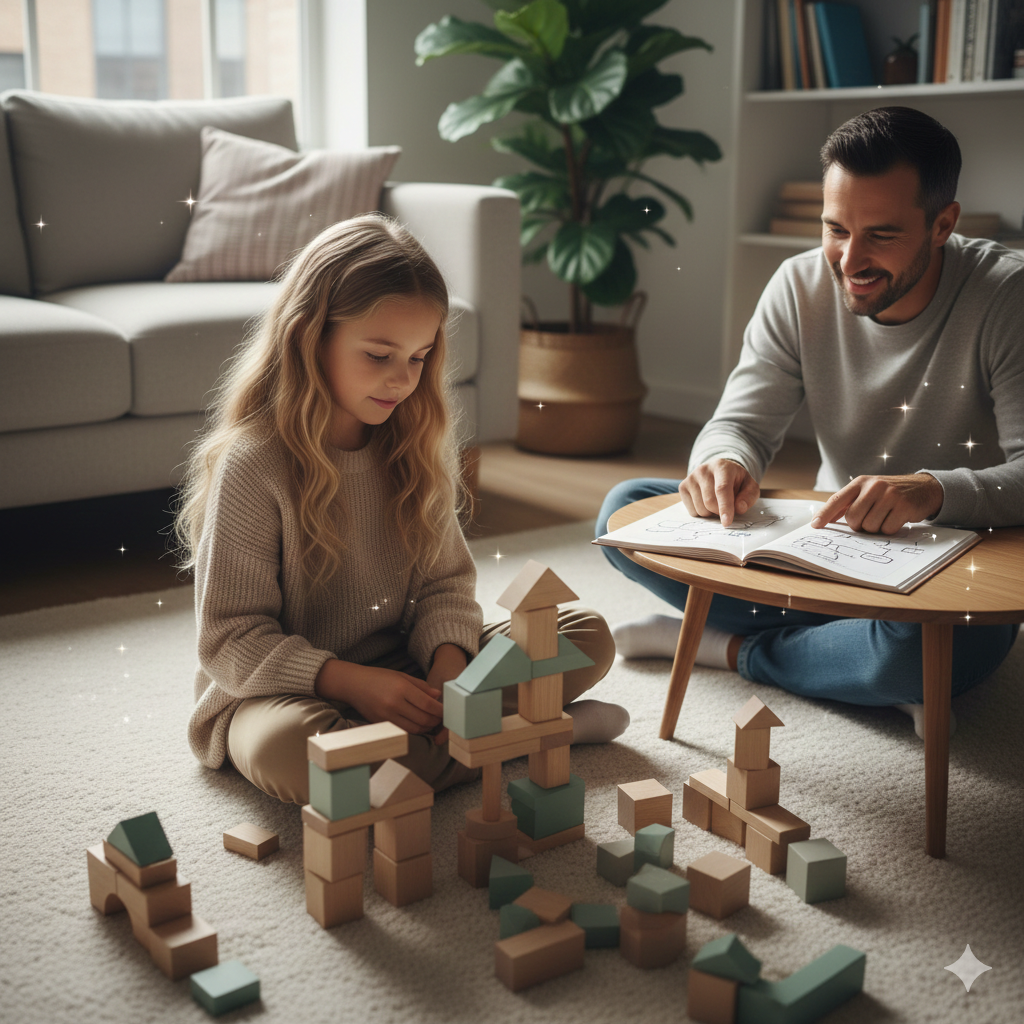
Lasting growth in visual memory isn’t from hacks or shiny objects. It’s the result of quiet, reliable habits embedded in daily living. For little kids, visual memory is most effectively reinforced through frequent, organized practice that is unhurried and without screens, so their minds actually calm down, imprint, and self-reengage.
Constructing this system involves incorporating visual memory work into the regular cadence of your days, not as a freak occasion but as a consistent, dependable stratum. Infusing visual memory into the daily grind begins with obvious, repeatable scaffolding. A rudimentary picture sequencing card set spreads out on a table post school.
Aligning items silently in a tray as dinner simmers. Spot-the-difference sheets in a waiting room. When these activities randomly cross each day’s path, they become automatic and internally generated, not reliant on adult nagging or emotional appeals. This knownness makes the work more manageable, as kids can relax into the task, knowing what to expect and how to get started.
It transitions the brain from reactive to reflective, from the quick hits of screen content toward the quiet, slow thinking of intention-focused calm. Tracking progress is pragmatic, not performative. Take a small notebook or designated spot on the fridge and mark every time your little one finishes a sequence, matches a new set of images, or recalls an order unassisted.
Celebrate not with rewards, but with simple acknowledgment: “You remembered three steps today, that’s a new record.” These micro-milestones matter more than perfection. They demonstrate to both the child and parent that growth is tangible, consistent, and hard-worked for. It’s built by changing the story from right answers to grit.
When a kid forgets a pattern or gets frustrated, hold your impulse to rescue or correct. Instead, name the struggle plainly: “It’s tricky to remember all three in a row. Okay, let’s try again.” Errors are anticipated, not frightening. Eventually, kids come to understand that memory is a craft to be cultivated, not a gift to be gauged.
It’s this effort-over-outcome mindset that is the foundation of enduring cognitive transformation. A nurturing setting is beyond flattery. It’s creating a space that is serene, minimal, and welcoming to return. It’s about soft lighting, minimal distractions, and supplies that are simple to acquire and store.
It’s about modeling—parents who stop to laugh at their own forgetfulness or who speak their strategies aloud (“I always search for the blue one first”). This creates a hushed monastery community centered on thought, where expansion becomes standard and sweat is transparent.
Tiny Thinks™ is built for these moments: after-school decompression, high-friction screen transitions, mealtime chaos, travel, and wind-down. The Free Calm Pack includes simple, repeatable, visually calm memory exercises that children begin independently.
For families requiring more substance, age-based Tiny Thinks™ Workbooks expand these habits, consistently favoring serene, under-stimulated input over newness or amusement. No judgment, just a rock solid system that works when you need your kiddo calm and cogent.
Conclusion
Visual memory develops through consistent, repetitive practice, not hacks or glitzy games. Kids develop authentic competence when activities seem relaxed and structured, and they find it natural to initiate with themselves. Matching games, picture sequences, and daily pattern routines all provide easy methods for toddler-aged children to flex recall muscles with no stress involved. Sometimes it appears to be slow, but every step and every revisit of the same task rewires a little more focus and patience.
For families, establishing these silent rituals into everyday life lays a foundation that extends beyond memory; it cultivates focus, autonomy, and self-esteem. A peaceful system serves better than the pursuit of amusement. Over time, they become thinkers who recall, structure, and participate in the world more richly.
Frequently Asked Questions
What is visual memory and why is it important for kids?
Visual memory refers to remembering what you see — images, patterns, details, etc. It allows kids to recognize faces, read, and keep directions. Solid visual memory helps fuel success in both academics and everyday life.
What are some easy visual memory activities for kids?
Easy activities such as matching games, memory cards, puzzles, and block copying patterns. These at-home games utilize common household materials and boost kids’ visual recall and concentration.
How can I adapt visual memory games for different age groups?
For little ones, opt for less with simple pictures. For older children, add more components and utilize more intricate patterns. A customizable challenge keeps kids hooked and advancing at their own pace.
Can visual memory activities help with reading skills?
Yes, visual memory activities reinforce a child’s letter, word, and sequence recall ability. This backs up reading, spelling, and comprehension, which makes it a snap for kids to learn and remember new words.
What should I do if my child struggles with visual memory?
If your kid struggles with these activities, begin with simple games and lots of encouragement. If the troubles persist, have a specialist check for learning differences or vision problems.
How can I include visual memory practice in daily routines?
Just use little, everyday opportunities like when you’re laying the table or trying to locate something in your room to spur memory skills. Have your son or daughter remember things or order, making practice a seamless part of life.
Are visual memory skills important for children with learning differences?
Yes, powerful visual memory abilities can indeed assist LD kids with reading, organization, and problem solving. Periodic exercise can increase self-assurance and classroom success.