

Key Takeaways
- What does YouTube Kids addiction look like? You might notice mood swings, withdrawal from friends and hobbies, or lying about screen time, all signs of a developing issue.
- The magic of YouTube is its algorithms, instant gratification, and eye candy that hooks kids and keeps them coming back for more.
- YouTube addiction can hurt creativity, postponement of gratification, and attention span, all of which are helpful for learning and development.
- To break screen time addiction, it is essential to establish boundaries, promote alternative activities, model healthy behavior, and be consistent with rules.
- Preparing for a digital detox means anticipating push-back, taking time to celebrate small wins, reconnecting as a family, and monitoring progress as a team to reinforce good new habits.
- Building digital resilience is crucial. By teaching critical viewing, talking about online safety, and giving kids the tools to make smart decisions, you’re equipping them to navigate the digital world with confidence.
YouTube Kids addiction details children craving the app’s quick-hit videos, with difficulty switching it off or paying attention elsewhere. Most parents experience their kids melting down post-screen time or incessantly requesting more.
Studies associate fast content and immediate feedback with attention difficulties and temper tantrums. Knowing what fuels this loop empowers families to discover more peaceful rhythms and realistic screen-free alternatives that truly click.
Recognizing YouTube Dependency Signs
Three- to seven-year-olds can quickly develop YouTube dependency habits, especially since watching YouTube videos often becomes the go-to solution for boredom or stress. This dependency isn’t just casual viewing; it involves regular YouTube usage that can impede relationships and mood, highlighting the need for parental controls and awareness of screen time limits.
- Noticeable increase in daily or weekly YouTube viewing time
- Mood swings, irritability, and agitation without access to screens
- Social withdrawal or decline in real-world peer interactions
- Loss of interest in previously enjoyed hobbies or activities
- Dishonest acts, such as concealing device usage or lying about time
- Persistent cravings for new content, even during family routines
- Disrupted sleep patterns due to late-night viewing
- Neglected responsibilities, including meals, chores, or schoolwork
Why calm, sit-down activities work when screens don’t?
Travel days (and long waits) overload children in a quiet way. Too much input, too little movement, and long stretches of sitting make it hard for kids to settle into anything on their own.
What helps most in these moments isn’t stimulation or distraction, it’s gentle structure.
“As one parent put it, most evenings, the screen is just on in the background while my child plays. I’m not trying to stop it, I just want something quiet they can sit and do without me setting things up.”
Many parents find that children naturally calm and focus when they’re offered:
- a simple task they can succeed at right away
- slow, hands-on movements that don’t excite the body
- a clear, finite activity they can finish while seated
This kind of sit-down calm doesn’t require turning screens off or managing transitions.
Children ease into it on their own, and screens fade into the background.
1. Emotional Dysregulation
Kids can get cranky or distraught when YouTube is turned off. Meltdowns, angry outbursts or long sulks are par for the course. You sometimes get nervous or agitated if a device is not within your reach during calm moments, like dinner or bedtime.
Other kids experience quick mood changes after watching, energized one minute, irritable or unresponsive the next. For a lot of families, these cycles generate conflict and make switching from activity to activity more difficult. Over time, consistent emotional discomfort associated with viewing can indicate a more fundamental struggle with control.
In many households, YouTube kids’ addiction intensifies emotional dysregulation by conditioning kids to expect constant stimulation and instant relief.
2. Social Withdrawal
A kid who once craved neighborhood play or loved family outings might now request to stay in to watch videos. You might notice a reduced enthusiasm for group activities or siblings. Some kids even skip playdates and opt for screen time instead of in-person play.
That isolation isn’t always immediately apparent, but it can result in loneliness and affect how kids develop social skills at a critical age. When online entertainment is the primary partner, kids are in danger of losing the serendipitous and inefficient learning that emerges from authentic friendships and communal experiences.
As YouTube kids’ addiction grows, real-world social play often feels slower and less rewarding to a child used to rapid-fire digital interaction.
3. Neglected Interests
You might notice a shift: the puzzles gather dust, bikes stay parked, and art supplies go untouched. Once-beloved hobbies are lackluster next to the call of fresh YouTube clips. Active play subsides, and passive viewing consumes more time.
Over weeks, this can impact mood, energy, and even coordination. Rekindling former passions, providing open-ended art, basic board games, or outside time can assist, but the shift back to hands-on play typically requires soft, consistent scaffolding, such as what Tiny Thinks™ delivers.
This shift is common in YouTube kids addiction, where passive watching replaces creative effort and curiosity-driven play.
4. Deceptive Behavior
Others start hiding devices or lying about when and for how long they’ve watched. You might catch them deleting browser histories or coming up with excuses. ‘Just one more video, I swear’ becomes standard.
This secrecy puts a stress on trust and results in conflict. Over time, it can erode the parent-child bond and make it more difficult to establish healthy boundaries. Approaching these behaviors with calm, predictable routines and stated consequences is crucial. Tiny Thinks™ provides organized hacks that minimize the temptation to lie.
5. Constant Cravings
YouTube requests don’t pause after one or two videos. Kids ask, even at dinner or when it’s obvious they should be doing something else. Refusing access causes tears or tantrums.
Most kids will troll for new shows or unfamiliar content, pursuing the dopamine punch that YouTube’s suggestion engine offers. These binges can interfere with bedtime and can compromise a family’s ability to have calm downtime together.
Replacing screens with hands-on, regulation-first activities such as those in the Free Calm Pack or age-specific Tiny Thinks™ Workbooks rekindles calm concentration and provides kids with a constructive method to self-calm and relax.
Why Is YouTube So Captivating?
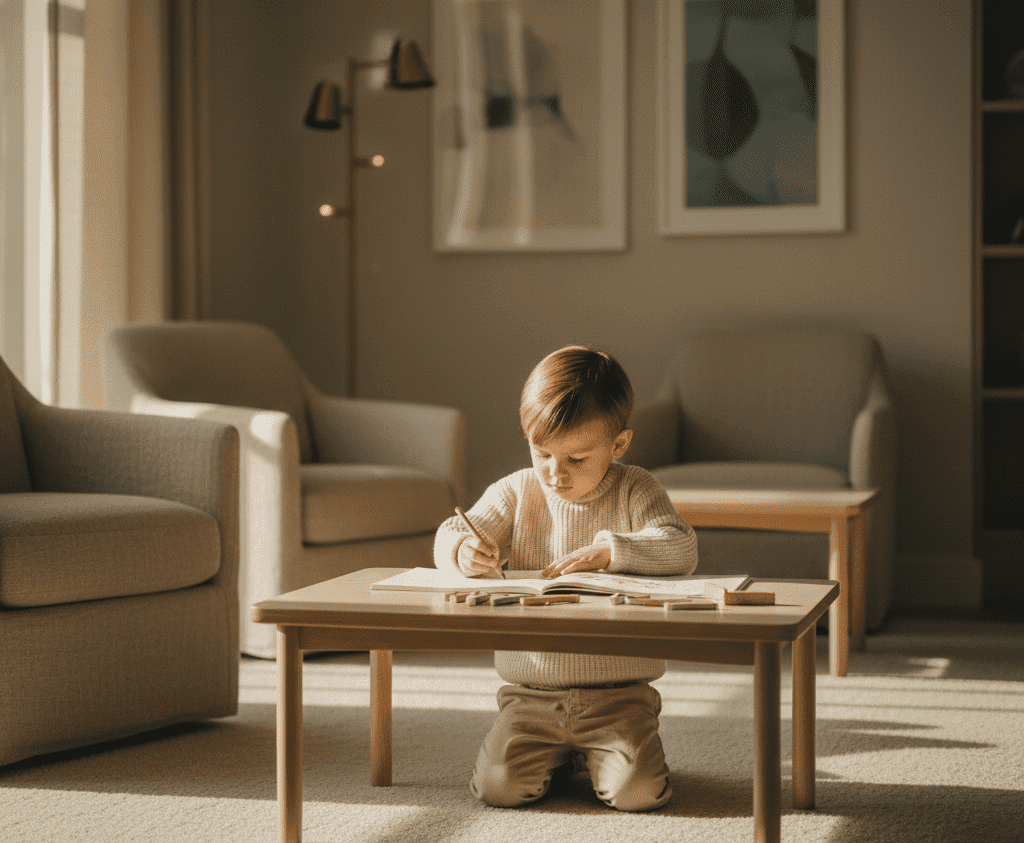
Kids 3-7 are particularly attracted to YT Kids, not coincidentally but intentionally. The platform’s combination of custom recommendations, fast-moving visuals, and beloved characters creates a positive feedback loop that can easily escalate a kid from casual watcher to daily, even compulsive, user.
Knowing these mechanisms lets parents understand why pleas for “just one more video” are so tenacious, particularly in frazzled moments, post school, at the dinner table, or stuck in a never-ending line.
Understanding these design choices helps explain why youtube kids addiction develops so quickly in children aged three to seven.
The Algorithm
|
Feature |
Effect on Children |
|---|---|
|
Personalized Recommendations |
Keeps content relevant and hard to stop watching |
|
Autoplay |
Removes pause for decision, extends viewing sessions |
|
Infinite Scroll |
Encourages endless engagement, no natural stopping point |
|
Trending/Popular Tabs |
Promotes high-stimulation, fast-content videos |
YouTube’s algorithm quickly figures out what holds a kid’s attention. If a toddler clicks on a cartoon with vibrant animals, the suggestion machine is going to provide more, occasionally more intensely stimulating content.
This personalization creates a sense that the platform “knows” your child, which makes it more difficult for them to put it down. Autoplay eliminates natural stopping points. One video ends and another comes up immediately, often more compelling or emotionally evocative.
Kids almost never have a chance to catch their breath. One study discovered that this one characteristic can actually double overall viewing. Algorithmic content limits kids’ options. What starts out as innocent educational clips can veer toward louder, faster, or even violent videos as the algorithm explores what keeps eyes glued to the screen.
Others report being ‘sucked in’ and oblivious to the hours that have elapsed.
Dopamine Loop
Dopamine is the brain’s reward chemical, released with every new video, silly sound, or beloved character. This is a loop, watch, reward, repeat that is nearly inescapable, particularly for young kids whose self-regulation skills are underdeveloped.
Instant gratification is at the heart of this. Every video delivers instant giggles or wow moments, making it nearly impossible for a toddler to tolerate downtime or tantrums. Instead, the brain craves ever-increasing doses of stimulation, which causes more screen demands and more severe tantrums when screens are taken away.
Repeated exposure to this cycle can create genuine addiction. Specialists now notice similarities between web utilization and other behavioral addictions, with several kids requiring K-9 dog training or stronger videos to feel pleased.
In the long run, the dopamine loop can threaten mood stability. Excessive use has been associated with more anxiety, tantrums, and an inability to appreciate more languid offline pleasures.
Content Design
Thumbnails and titles are designed to be attention grabbing. Bright colors, goofy faces, and huge type are all features that are broadly appealing, particularly to small children who are the earliest responders to images.
Short videos are quick to watch. They align with kids’ innate, immature attention spans and make it more difficult to exercise extended concentration or delayed gratification. There’s true joy in the humour and mirth in many videos, but the perpetual freshness can make normal life seem lackluster by comparison.
Educational content can be a pull. Even these videos tend to be quick and uber-stimulating. This combination of fun and education keeps kids engaged. It threatens to diminish patience for activities that are more deliberate and less fast-paced.
Endless scrolling, like social media feeds, means it is never-ending. Kids do not have to choose; the next choice is always right there. Over time, this design forms habits: more watching, less playing, less thinking.
For most families, it’s the sum of these design features that come together to provide a feeling of connection. Kids might watch to not feel isolated, or to find out what other people are interested in.
For some, particularly those already prone to isolation or anxiety, the platform can amplify those feelings. Tiny Thinks™ was developed as a genuine alternative, organized, soothing workbooks and activity sheets that simply and gently reel in a child’s attention without overstimulation.
When YouTube seems like the only alternative, the Free Calm Pack or an age-appropriate Tiny Thinks™ Workbook provides kids with an opportunity to calm, focus, and be proud of their thinking. These screen-free savers are deliberately slow, reliable, and tactile, providing an alternative form of gratification to help kids recalibrate, particularly during those post-school meltdowns or midnight spirals.
The Unseen Developmental Costs
YouTube Kids overload can lead to stealth developmental costs for young children, affecting their ability to self-regulate and think creatively. These hidden costs can manifest in behavioral problems, impacting their daily behavior, education, and emotional health, especially in the digital age.
Diminished Creativity
|
Screen Time Level |
Creativity Impact |
|---|---|
|
Low (≤30 min/day) |
Rich imaginative play, flexible ideas |
|
Moderate (30–60 min/day) |
Some distraction, less spontaneous art |
|
High (>2 hrs/day) |
Passive consumption, fewer new ideas |
When kids pass hours consuming quick-hit, algorithmically optimized content, their imaginations aren’t afforded much work to do. Drawing, building with blocks, and inventing stories ignite problem-solving and assist children in linking ideas. Unstructured play lets kids take risks, fail safely, and try again.
These are the seeds of adaptable intelligence and creativity. Families can take small steps toward this, such as reserving table space for open-ended projects or maintaining a selection of basic art materials within easy reach. Even ten minutes of free drawing or building before dinner can replenish a sense of wonder and autonomy.
Creative outlets, like paper pattern puzzles, nature collections, and make-believe games, integrate effortlessly into daily routines and nurture a child’s capacity for innovative thinking.
Delayed Gratification
Instant access to infinite videos trains kids to demand instant gratification. This sabotages the life-skill patience that life requires. Once a child becomes accustomed to ‘just one more episode’ at the finger’s tap, waiting for anything, a meal, a turn, a parent’s attention becomes unbearable.
Habits that cultivate expectation, like letting dough rise or observing a seed sprout, cultivate enduring patience. These skills influence later academic achievement, friendship, and self-discipline. Bad impulse control today can reverberate for years, making it more difficult for kids to manage frustration or push through struggle.
Activities that reward slow work, such as sticker charts or piece-by-piece logic puzzles, subtly train grit and impulse control. Tiny Thinks™ Workbooks were designed for this, providing slow, delicious advances that kids begin to hunger for.
Shorter Attention
Most parents observe their child bouncing from toy to toy or having difficulty sitting through storytime following extended screen use. YouTube’s quick cuts and novelty-induced content reduce the brain’s capacity for slower work. In classrooms, this manifests as struggling to concentrate, recall directions, or complete work.
Easy screen breaks, particularly prior to attention-intensive benchmarks like dinnertime or bedtime, can reset a kid’s attention span. Offline activity, whether it’s pattern matching, sorting games, or tracing lines, provides the brain a chance to quiet down and focus.
Attention increases with exercise. Tiny Thinks™ provides stepwise pages that promote concentration, recall, and tranquility, all without the sudden dopamine jolts of digital content.
How To Break Screen Time Addiction

Screen time addiction seldom begins with ill motives. Frequently, it’s a parent’s response to everyday mayhem, meals, trips, or cranky lulls when nothing else does the job. With YouTube Kids, the quick-cut content and bottomless feed can fry sensitive developing nervous systems, compress attention spans and increase regulatory difficulty.
Addressing YouTube kids’ addiction works best when families replace reactive screen use with calm, predictable routines rather than sudden restriction.
Breaking this cycle involves transitioning toward routines that are calming and practical, rather than reactive. Below, discover a to-do list of tangible, life-compatible tips for families prepared to transform.
Checklist for Breaking Screen Time Addiction:
- Establish defined, anticipated screen-free periods such as mealtimes, bedtime, and car rides.
- Provide hands-on activities that captivate attention, such as puzzles, picture matching, and sorting.
- Schedule outdoor or physical activities daily.
- Use gradual reduction, not abrupt stops, to minimize meltdowns.
- Involve children in planning family media rules.
- Model peaceful device usage: no phones at the table and no background TV.
- Give five-minute warnings before transitions.
- Build a daily structure with consistent routines.
- Connect with offline community programs, sports, or group events.
- Track progress together and celebrate small wins.
Establish Boundaries
Boundaries are most effective when they’re visible and predictable. Establish a daily time limit for YouTube and use a timer if necessary. Discuss with your child why these limits are important, emphasizing the impact of screens on emotion and attention.
Make a basic family media plan, write it, and post it for all to see. Include rules like “no devices during meals” or “screen-free after 18:00.” Ask your child to participate in establishing these boundaries. Even toddlers can decide which hour is device-free or what day is “family night.
Encourage Alternatives
Kids don’t just need less screen time. They need something to fill that void. Outdoor play is an instinctive encoder. Walking, biking, or gardening diverts the body and mind from screen saturation.
Try simple hobbies like reading together, arts and crafts, or basic baking. Rotate in family game nights. Board or card games work for any culture and create shared joy. Look at your local community centers or libraries for activities. Even a single club or weekend event can provide your child with a sense of belonging that screens can’t.
Model Behavior
Kids mimic what they observe. If parents check phones at the table or scroll through during playtime, kids learn that devices are a priority. Make device-free dinners a ritual.
Share your own offline passions, such as storytelling, sketching, and music. Discuss how excessive screen time makes you fatigued or unfocused. Show kids that you, too, have limits and that life goes merrily on without a device in your hand. Use these moments to develop trust and establish clear examples.
Stay Consistent
It’s consistency that converts new habits into second nature. Abide by your rules, even when routines falter on vacations, when sick, in waiting rooms. Change limits as your child ages, but maintain the framework.
Explain why these boundaries exist; transparency builds respect. Get your kid involved in monitoring his or her own screen time with a sticker chart or easy log. This renders them active collaborators in the transformation, not passive command-abiders.
Our Tiny Thinks™ Free Calm Pack and age-based Workbooks are designed exactly for these moments with quick, hands-on activities that fill the void screens once did, especially at the dinner table, in the car, or during bedtime wind-down.
Kids pick these pages because they’re soothing, tender, and captivating, turning screenless moments from just achievable to delightful. Parents experience fewer meltdowns, deeper concentration, and peace restored to the home. With Tiny Thinks™, families find that control and connection are never far away, even in the hectic moments.
The Digital Detox Journey
Reducing YouTube Kids and other rapid-fire fare is almost never easy. For most families, those initial days are like slamming on the emergency brake of a speeding locomotive. Kids could get mad, or sad, or even weep. Mom and dad might feel a twinge of guilt or worry they’re being too harsh.
The nervous system hungers for the dopamine hit that screens provide so instantly. When that’s gone, kids tend to roam the house, unsure what to do, their play muscles atrophied from extended periods of inactive viewing. In these times, routine and expectations assist the most. For the kids, clear rules, timers, boundaries, and “when–then” routines give them the safety net they require when they begin to recalibrate.
You’re not trying to ditch screens forever; you’re trying to regain control. This isn’t about judgment; it’s about providing peaceful, practical options to parents that desire them.
Preparing for a Digital Detox:
- Choose a start date when routines are stable.
- Explain the strategy to your child in easy, age-appropriate language.
- Establish explicit, written policies around when and how screens will be used.
- Set aside a ‘boredom box’ of screenless activities, such as coloring, puzzles, matching games, and simple crafts.
- Get Tiny Thinks™ pages printed and ready before day one.
- Determine ahead of time how you will address meltdowns.
- Involve your child in planning alternatives for screen moments.
- Settle on little, meaningful rewards for milestones. For example, a family picnic or an extra bedtime story.
- Schedule some time for reflection in the evening.
Expect Resistance
The initial days may be unstable. Certain kids will fight new boundaries fiercely, particularly if screens have been an easy option for calming or occupying them. It’s common to get cries of “I’m bored!” or outbursts. A lot of us parents second-guess ourselves, particularly when faced with tears or tantrums.
Justifying the “why” in layman’s terms gets through to the kids. For instance, ‘Screens are cool, but too much makes us cranky and tired. We’re experimenting with new ways to make our minds and bodies feel peaceful. Expect resistance.
Have some soothing activities waiting, like water paint, blocks, or a Tiny Thinks™ tracing page. Open, validating communication is what really counts. ‘I know this sucks. It’s uncharted for all of us. Over time, the resistance tends to subside, giving way to curiosity and before you know it, actual involvement with the tangible.
Celebrate Progress
Acknowledging each stride ahead maintains inspiration. A sticker chart on the fridge is an easy way to monitor screen-free afternoons or peaceful transitions. Other families celebrate each milestone, such as a complete dinner without a device or a silent car ride with a workbook, by adding sticker stars to a family poster.
Share positive changes aloud: “You played quietly while I cooked dinner today,” or “We read two stories instead of watching a video.” Let children reflect: “How did it feel to color instead of watch?” These mini chats assist kids in observing their own development.
Celebrate the effort, not just the achievements. Sometimes, a treat, a beloved game, or a Tiny Thinks™ Free Calm Pack page takes center stage. There are never straight lines with this stuff, but every quiet minute is a reason to cheer.
Reconnect Together
The digital detox journey creates room for fresh connectivity. Schedule uncomplicated family activities, such as a stroll to the park, baking, or an indoor picnic. Shared experiences create memories and cement that entertainment doesn’t need a screen.
Kids frequently unearth drawing, pretend play, or pattern activities. Parents can model curiosity: “What should we try today?” Family ‘feel’ talks, what’s hard, what’s fun, build trust and closeness.
Our Tiny Thinks™ Workbooks are made for these moments, providing some scaffolding to still moments and encouragement to solo play. Over days and weeks, families observe more laughter, extended attention spans, and soft predictability creeping back into their days.
Fostering Digital Resilience
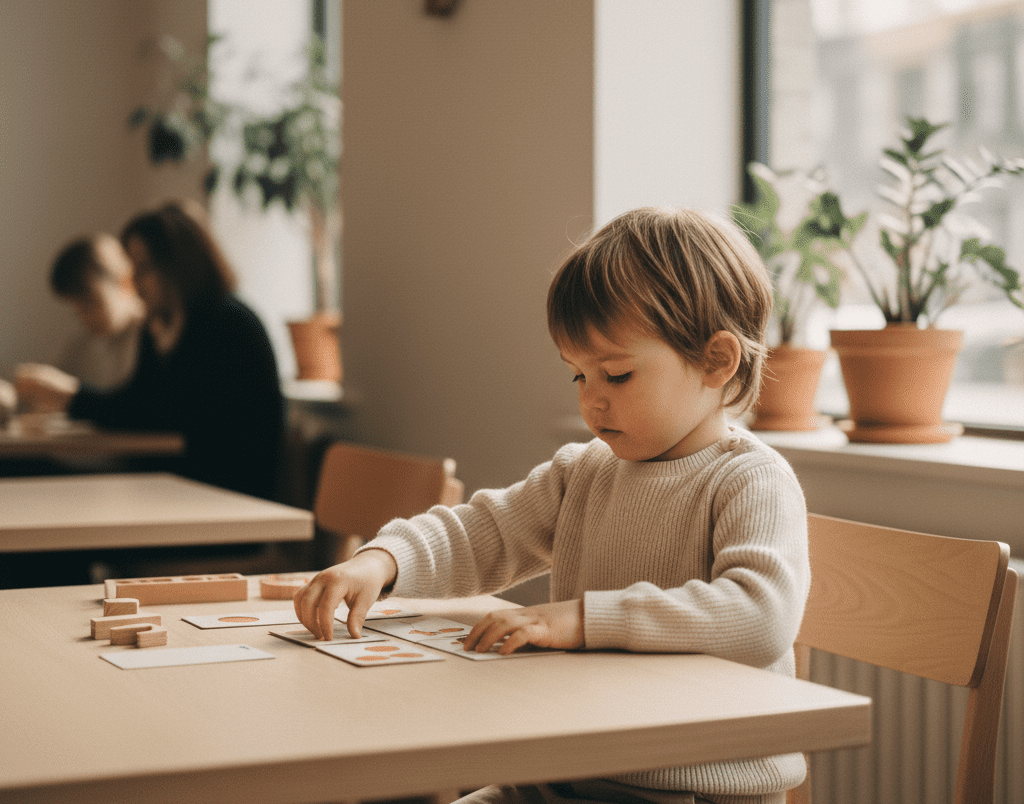
Promoting digital resilience is about equipping kids to confront challenges online with confidence, wisdom, and self-control. With YouTube Kids addiction, the emphasis pivots from restriction to empowering your child with skills for safe, thoughtful use. This is never a single lesson, but a daily, continual effort, evolving with the child’s maturity, experience, and the shifting digital landscape.
Parents serve as navigators, exemplifying informed digital boundaries and offering support while having open dialogues regarding their kids’ online experiences. For a lot of families, screens are unavoidable. The goal isn’t to judge, but to assist parents seeking a hands-on, regulation-first option. Below are evidence-based strategies for building digital resilience at home:
-
Establish well-defined and predictable limits on device usage and screen time.
-
Teach children about privacy, safety, and respectful online behavior.
-
Promote frequent offline activities such as active play, arts, and silent mind games.
-
Discuss emotions and reactions to digital content openly.
-
Offer screens-down alternatives that reset attention and encourage regulation, like Tiny Thinks™.
Teach Critical Viewing
Kids need tools to process what they watch, not just devour it. When a video pops up on YouTube Kids, help them pause and ask: Who made this? Why? Is it attempting to market something to me? A lot of these videos employ rapid cuts, vivid colors, and ear worms to maintain your focus and induce rapid dopamine jolts. This is no accident; it’s intentional. Discuss these strategies together.
Teach them to identify ads and differentiate authentic content from sponsored posts. Inquire about things such as, “What is this video attempting to get you to feel?” Push them to reveal their responses, even if uncertain. Over time, this cultivates the habit of staring smarter, not just clicking “next.
Critical thinking is a craft. With tender practice, kids can get good at wondering, judging, and reasoning through digital decisions. These conversations come more easily when kids are calm and regulated. A planned, screen-free activity immediately before or after does wonders. Tiny Thinks™ workbooks offer exactly that: a gentle reset for busy minds used to fast content.
Discuss Online Safety
Privacy is the initial lesson. Teach kids not to give out names, locations, or personal details online. Even things as basic as usernames or profile pictures can expose them more than they realize. Describe to them, in plain language, why these rules are important.
Certain sites offer comments or chat. Talk about the dangers of communicating with strangers online. Stress that not everyone is who they say they are. If something doesn’t sit right, kids need to know it is always safe to tell a trusted adult.
Prompt kids to report anything that makes them uncomfortable. Keeping communication open provides them a safe space where they feel listened to and cared for. This isn’t a one-time conversation; return to it regularly, particularly as kids age and their media exposure increases.
Empower Choices
Let kids assist in picking out their own digital fare, and encourage them to consider how it fits family values and their authentic passions. When kids are involved in these decisions, they feel accountable and autonomous. Discuss moderation of screen time with activities that nourish development, outdoor play, tactile, hands-on projects, or quiet, analog work.
Challenge kids to establish personal boundaries. Ask, “How did you feel after that video? Did it wear you out or exhilarate you?” These check-ins help them observe the link between content and mood. Gradually, self-control develops.
In hectic moments, screens can seem like the only path. That’s where the Free Calm Pack or an age-appropriate Tiny Thinks™ Workbook comes in handy, fast, soothing, screen-free. Kids really do get lost in these soothing, organized tasks, cultivating the attention and control that digital resilience requires.
How Tiny Thinks fits into this moment
Tiny Thinks was designed for families navigating screen overload without adding pressure or noise.
- starts easy
- quiet hand movements
- leads into calm focus
Conclusion
To help a child through YouTube habits that seem hard to shake, you’re not alone if your family feels the same frustration and concern. These fast videos and this never-ending content really shape attention, mood, and thinking in young kids, especially when routines get busy or stress runs high. By identifying the symptoms early and cultivating structured, unavoidable routines away from the screen, kids can regain peace and reconnect with slow attention. Measures such as establishing boundaries, providing engaging offline options, and demonstrating healthy device habits can help steer the situation back towards balance.
It’s small wins, not overnight change, by which progress is made. For countless families, practical things like Tiny Thinks™ Workbooks add a little soothing structure to the most difficult moments, returning calm and focus one real-world test at a time.
Frequently Asked Questions
What are common signs of YouTube addiction in children?
Signs include frequent mood swings, irritability when not watching, secrecy about online time, and losing interest in other activities. Observe for shifts in sleep, school work, or relationships.
Why do children find YouTube so addictive?
YouTube’s infinite suggestions, flashing colors and captivating material hold kids watching. It recommends videos using algorithms based on interests, so it is difficult to turn off.
How does too much YouTube impact child development?
YouTube addiction might impact attention spans, social development, and physical health, particularly among young people. This prolonged use can cut into time for outdoor play, learning, and real-life socialization.
What is the first step for breaking YouTube screen time addiction?
Begin with clear, consistent boundaries on screen time. Have your kid help you create a plan of offline activities.
How can parents support a digital detox for their child?
Promote spending time outside, reading, and hobbies while leading by example. Cut down on your own screen time to demonstrate positive options to counteract youtube addiction and digital content consumption.
What does digital resilience mean for children?
Digital resilience is about preparing kids to regulate online temptations, identify toxic behaviors, and create a balanced relationship with technology.
Can YouTube ever be positive for kids?
Yep, with supervision. Educational channels and monitored viewing can assist kids to learn. It’s all about balance. Make YouTube only one component of a diverse schedule.