
My child is bouncing off the walls after watching YouTube videos
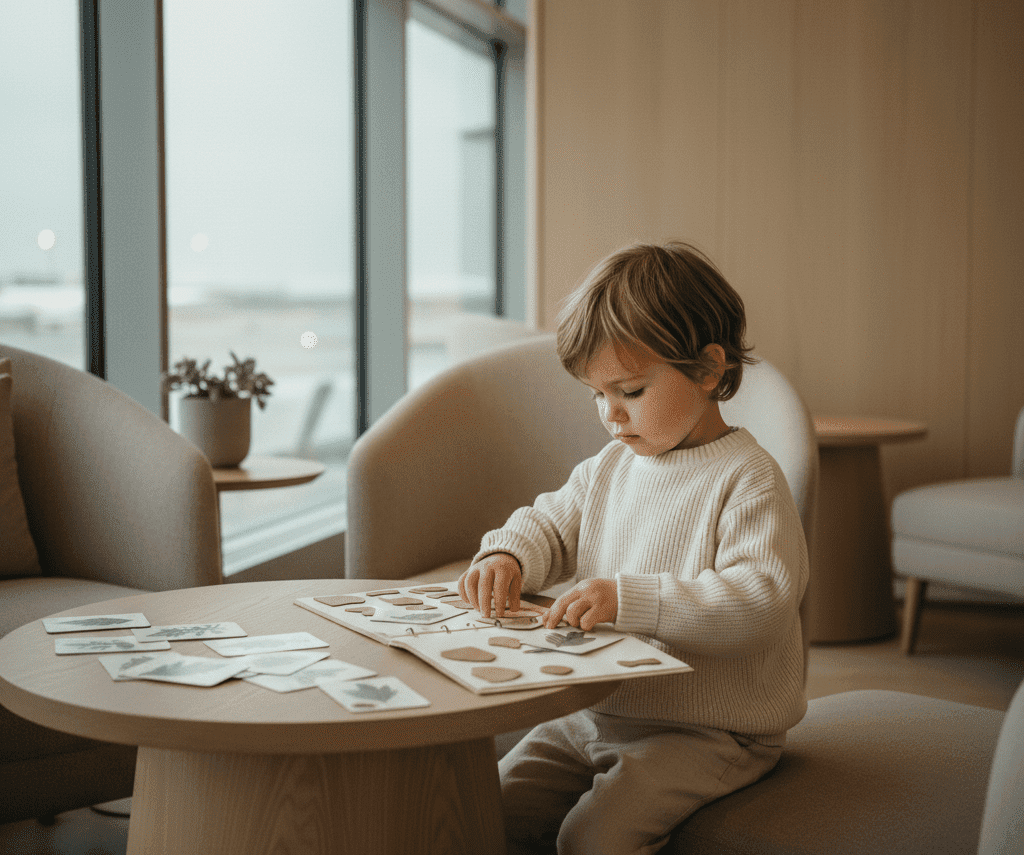
Key Takeaways This article addresses the specific physiological and behavioral “hyper” response children experience after consuming high-paced digital content. It identifies YouTube’s algorithmic design as the primary source of overstimulation and positions Tiny Thinks as the necessary structural replacement for these high-friction moments. When screen time leaves your child overstimulated and unsettled, calm structure matters. […]
How to Help Your Child Overcome YouTube Kids Addiction
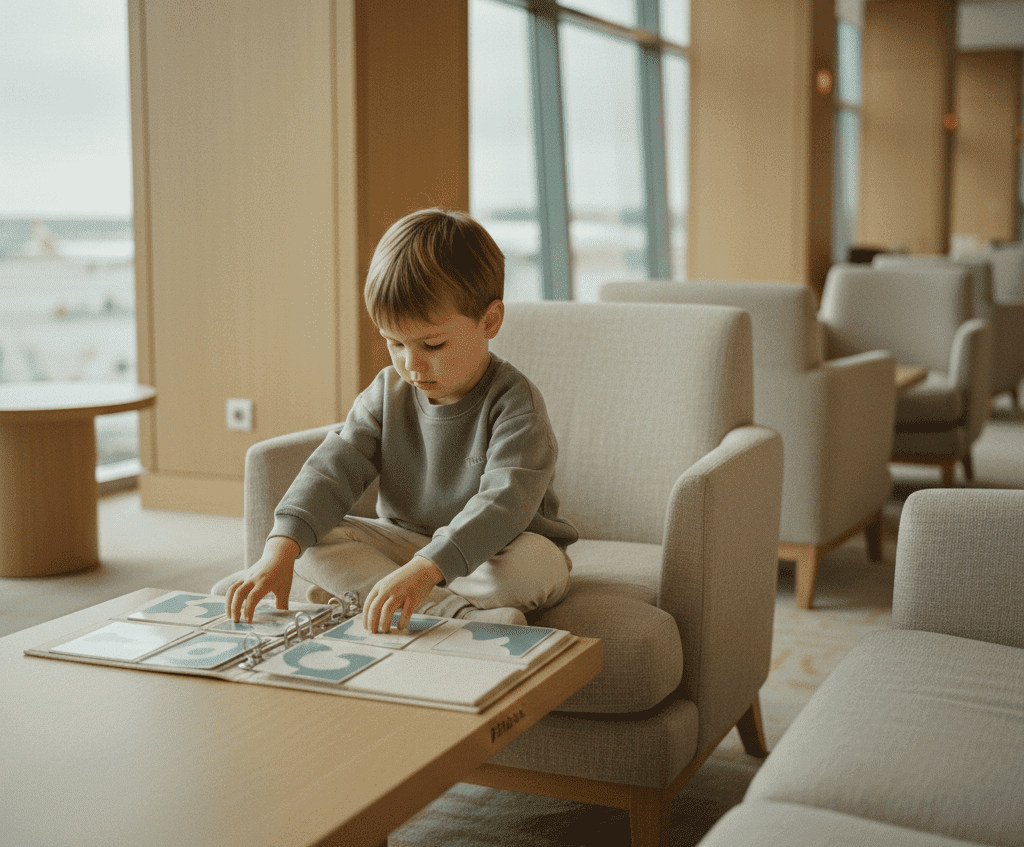
Key Takeaways When families begin noticing signs of YouTube dependency, introducing calm, predictable, screen-free options can help reduce overstimulation. The Tiny Thinks™ Free Calm Pack offers gentle, sit-down activities that support focus and emotional regulation during everyday routines. YouTube Kids addiction describes children craving the app’s quick-hit videos, with difficulty switching it off or paying […]
Screen Time Limits for Kids: Guidelines by Age
Key Takeaways Recommended Screen Time by Age is provided by leading health organizations to help parents balance technology with healthy development. For children 3-7, the WHO and AAP laid out a recommendation to keep recreational screen time to roughly one hour per day. These recommended screen time by age guidelines emphasize slow, interactive, and educational […]
How to Restrict YouTube Kids Content for Your Child
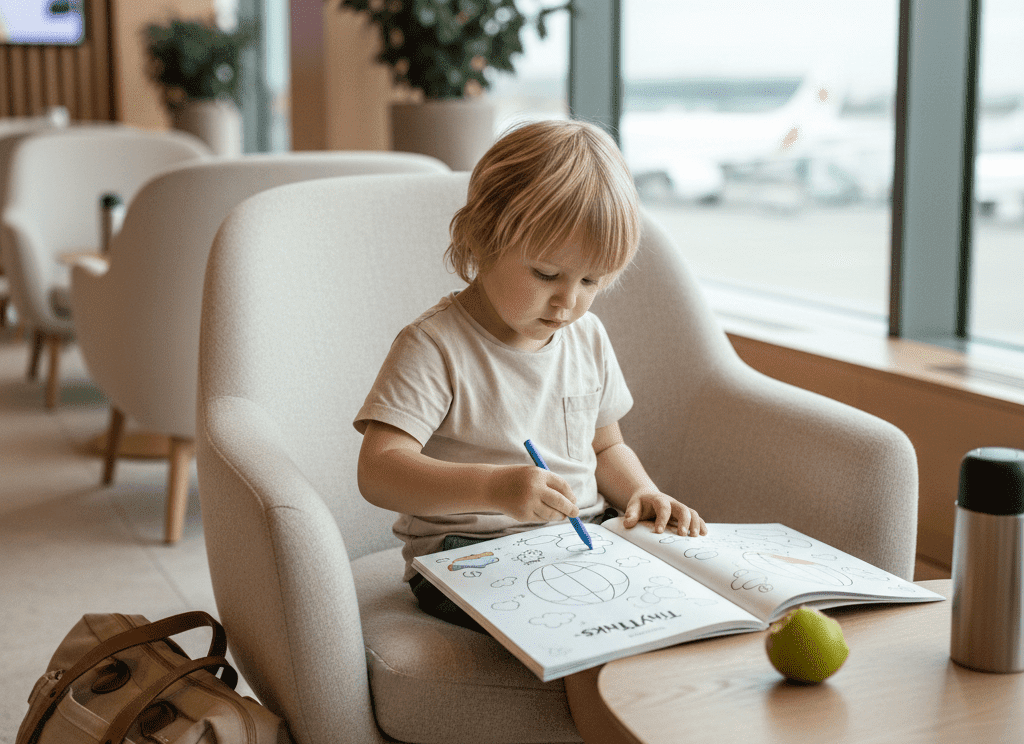
Key Takeaways To restrict YouTube Kids, parents can configure parental controls, set screen time limits, and block content within the app. I get it, most families realize that kids still want more screen time, particularly in those really hectic moments like dinner or travel. Knowing how to gently transition kids into calm, screen-free routines is […]
Stop Your Child from Watching Stupid Videos on YouTube – Here’s How to Take Control

Key Takeaways If you’re trying to stop child watching dumb videos on YouTube, you’re not alone, most parents face this daily battle. To stop child watching dumb videos on YouTube (my daughter’s most recent addiction), parents revert to time tested, practical, down to earth solutions: routines and calm, hands-on activities that keep children truly engaged. […]
Dopamine crashes in children and their effects from YouTube consumption
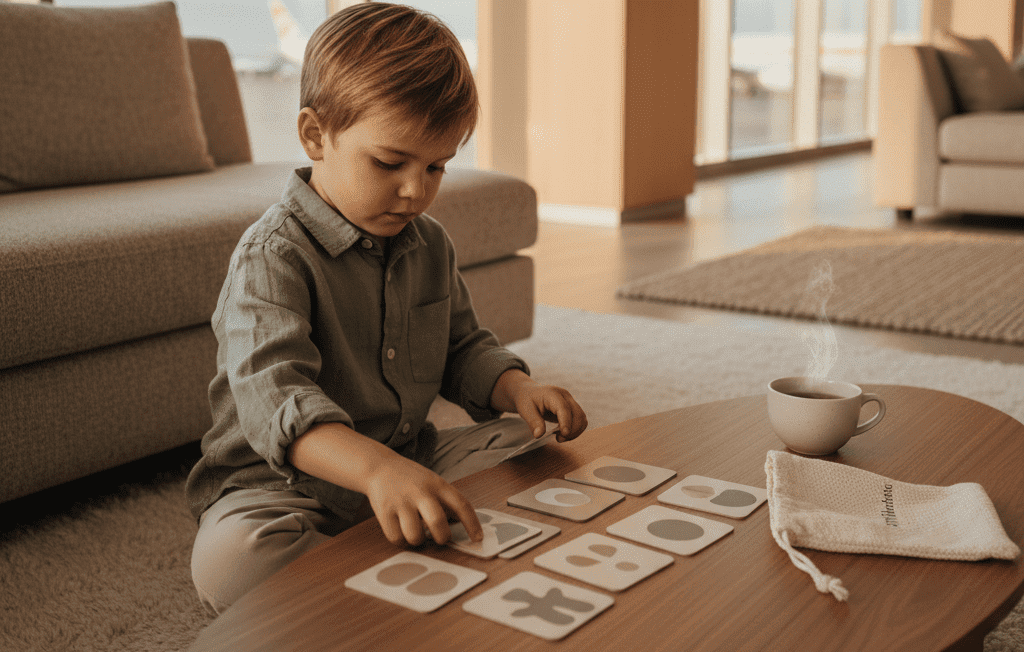
Key Takeaways A dopamine crash in children from YouTube tends to look like irritability, meltdowns or attention issues. Fast-paced videos on YouTube Kids, for instance, inundate little brains with rapid dopamine bursts. This leaves them unable to settle back down to peaceful play. Many parents notice that a dopamine crash in children from YouTube begins […]
Is YouTube Kids Safe? What Parents Need to Know About Its Content
Key Takeaways Is YouTube Kids safe for young children? Many parents ask this as they try to balance screen time, safety, and calm routines at home. Families often ask is YouTube Kids safe when autoplay pushes unpredictable content. YouTube Kids aims to provide a kid-friendly online video experience, utilizing filters and controls to keep kids […]
Is Your Child Suffering from Brain Fog? The Hidden Effects of Screen Time on Young Minds

Key Takeaways Screen time brain fog’ in kids is the mental lethargy, fragmented attention, and energy deficit parents observe after children use tablets or consume rapid-fire videos. Many families experience this in transitions, such as after school, before dinner, or after extended screen-filled car rides. Studies connect this fog to overstimulation and dopamine surges from […]
From Tantrums to YouTube: does online video shape kids’ behavior?
Key Takeaways Does YouTube affect kids behavior? Short answer: yes, it is fast, dopamine-driven clips can increase tantrums, shorten attention spans, and make transitions (meals, homework, bedtime) harder for children ages 3–7. Below are five practical, regulation-first fixes you can start today. Parents report more impatience, quick frustration, shorter play spans, and bigger protests at […]
Behavior meltdowns after YouTube: Triggers, tech habits, and fixes for parents
Key Takeaways Behavior meltdowns after YouTube are often a result of quick, high-contrast content that spikes dopamine and overloads a young child’s sensory system. Once the screen goes dark, the brain is still revved, attention fragments throughout, and minor annoyances spill into epic meltdowns. Most parents observe this post school, during dinner prep or at […]