Key Takeaways
- Speedy, unexpected YouTube overstimulates young brains and hijacks dopamine spikes, so stopping can feel like you’re losing and can bring on meltdowns. Schedule shorter sessions with autoplay turned off and a definitive end cue to smooth transitions.
- This dopamine loop accounts for post-viewing irritability and rage as biological reactions, not resistance. Normalize emotions, label them, and direct your child into soothing alternatives such as water, fresh air, or deep breaths.
- Sensory overload from those rapid cuts, bright colors, and loud audio increases emotional dysregulation. Monitor what kinds of videos lead to these outbursts and transition to slower, milder channels or pre-approved playlists.
- Algorithms push viewing beyond intentions and feed power struggles. Use parental controls, create an open charted schedule of when, where, and what is watched, and maintain a list of age-appropriate channels.
- Unexpected surprises, abrupt stops, unmet expectations… these are all triggers. Timed countdowns, consistent warnings, a predictable transition routine, and giving two choices for the next activity will minimize resistance.
- After a meltdown, repair and skills. Reconnect with a short ritual, then problem-solve together and practice one new coping strategy next time, tweaking limits if signs indicate more than a usual YouTube meltdown.
Behavior meltdowns after YouTube are often a result of quick, high-contrast content that spikes dopamine and overloads a young child’s sensory system. Once the screen goes dark, the brain is still revved, attention fragments throughout, and minor annoyances spill into epic meltdowns. Most parents observe this post school, during dinner prep or at bedtime when regulation is already at a minimum. To know what’s going on and what soothes it, this guide breaks down the brain dynamics and delivers practical, screen-free actions that work in real time.
Many parents notice behavior meltdowns after YouTube because the fast visuals overwhelm young nervous systems.
Why YouTube Causes Meltdowns
Quick, high-contrast visuals inundate young brains with novelty, sound, and color and then stop. We’re in high gear, then no input, which feels like loss. Algorithms push unexpected suggestions that extend viewing well past parental expectations, turning the stop moment into a battleground.
Most behavior meltdowns after YouTube come from overstimulation, not “bad behavior.”
Many kids show up tired, hungry, or stressed. YouTube’s immediate reward hides these needs until it is taken away and reveals them again. When it is blocked, kids with tenuous self-control can spill over into rage, crying, or hysteria, particularly if notifications prod in a frenzy or a beloved channel is loaded but out-of-bounds.
One reason for behavior meltdowns after YouTube is the sudden dopamine drop when the screen turns off.
If behavior meltdowns after YouTube happen daily, shortening screen sessions usually helps.
The Dopamine Loop
YouTube provides fast rewards, such as jokes, jumps, and cliffhangers, that cause dopamine surges, which condition a rapid “watch → feel good” circuit.
Screen clicks off, dopamine drops. Kids can be cranky, scratchy, or even raging, not because they’re bratty, but because their brain chemistry just swung hard. Repeated loops train the body to rely on screens for regulation. Eventually, a child turns to YouTube whenever bored or upset, increasing the risk for disordered media use and reliance on external pacification. See the behavior as biology, not defiance: a trick that allows you to react with structure, not shaming.
Gentle sensory input can reduce behavior meltdowns after YouTube within minutes.
Sensory Overload
Fast cuts, neon palettes, and loud audio bombard sensory systems, particularly in toddlers and preschoolers.
Predictable routines make behavior meltdowns after YouTube less intense over time.
Following high-impact input, the nervous system is disheveled. Pulling the plug on the device reveals the overload, so meltdowns erupt. Tired, hungry, and stressed reduce tolerance even more, making tantrums at shutdown much more likely. Track triggers: animation with flashing edits, slapstick sound effects, high-energy music, or channels with constant jump cuts.
Children who struggle with behavior meltdowns after YouTube often need more grounding activities afterward.
Maintain a simple list of slower, calmer alternatives to cut down on spikes and establish steadier habits.
You may see behavior meltdowns after YouTube when your child transitions too quickly from stimulation to silence.
For kids who already feel overstimulated by a cascade of videos and notifications, even the briefest delay or buffering can set off anxiety that leads to meltdowns and feelings of loss of control.
Algorithm Addiction
Autoplay and infinite recommendations extend sessions beyond boundaries, sparking battles of wills when it’s time to quit.
The unpredictability is key: a new thumbnail might be thrilling or silly; the brain chases “what’s next.” Turn off autoplay, silence notifications, and enable parental controls. Younger children show stronger behavior meltdowns after YouTube because their attention systems are still developing.
Make a short, posted table of approved channels and minutes per session to set expectations. Predictability reduces friction and helps transitions stick. Many families find that snack and water breaks ease behavior meltdowns after YouTube.
Emotional Disconnect
When screens are the default for boredom, frustration, or loneliness, kids skip out on practicing real coping. When overused, it can displace movement, play, and social time. Meltdowns can be a warning sign of too much screen time or too little activity and connection. Observe whether your kid has the vocabulary to express their emotions or can hold out until later without a device. A quiet corner setup can stop behavior meltdowns after YouTube before they escalate.
Replace viewing with regulating inputs: soft music while building blocks, slow drawing, simple pattern tasks, and shared conversation at eye level.
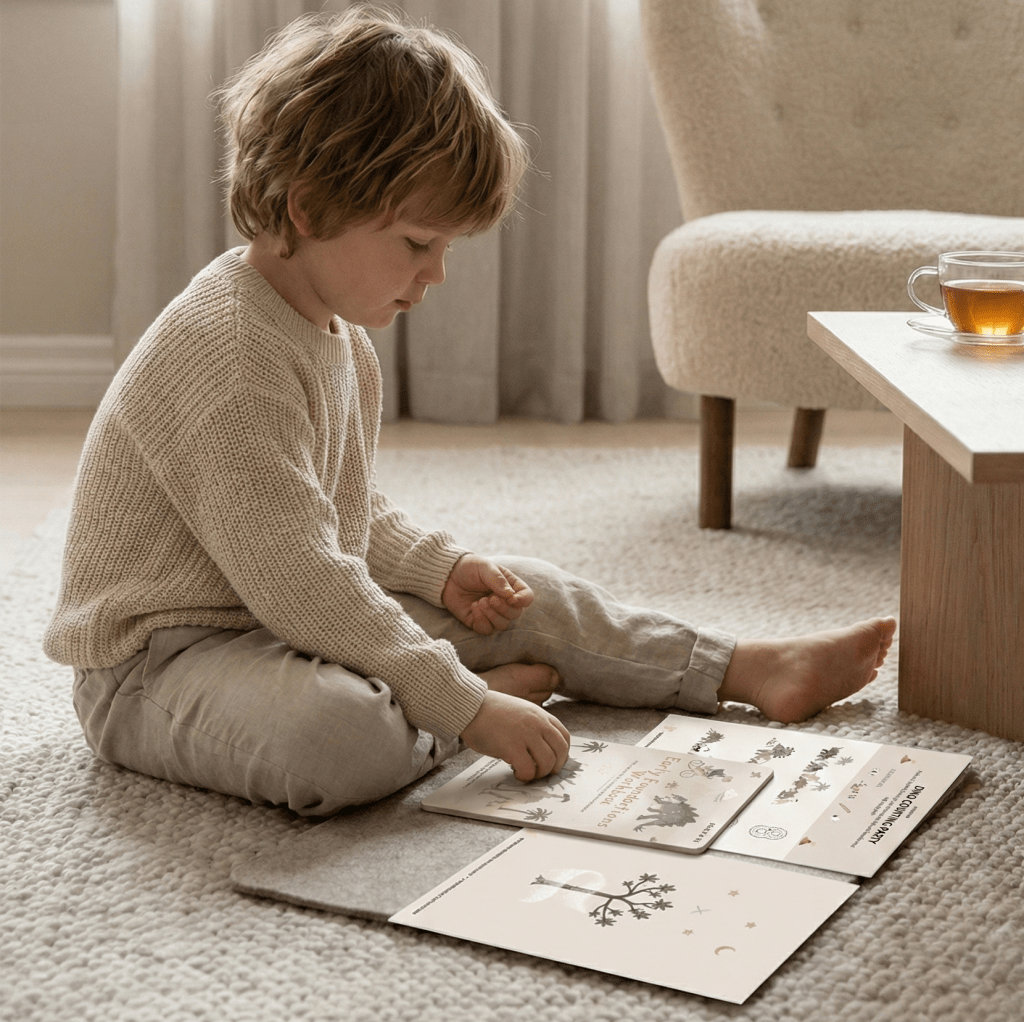
For families on the lookout for screen-free tools kids actually pick, our Tiny Thinks Free Calm Pack delivers swift, structured pages, picture matches, tracing paths, and two-step patterns that transition the nervous system from rapid-fire dopamine to slow-burn concentration. Use it at dinner prep, after school, or in waiting rooms to avoid the crash! Our age-based Tiny Thinks Workbooks enrich this ritual with regular exercises that develop attention, language, and early logic.
At the café, my child had a quick matching task and avoided full behavior meltdowns after YouTube.
Kids settle in minutes because the input is slow, tactile, and winnable. During travel days, a small activity tray avoided behavior meltdowns after YouTube altogether.
Parents take back control because the format is explicit and transportable. Quiet attention re-emerges, and the grip on YouTube weakens.
You can often prevent behavior meltdowns after YouTube by planning a calm transition activity.
Identifying The Meltdown Triggers
Meltdowns post-YouTube almost never stem from a singular source. They mirror a nervous system that just processed rapid sensory stimulation, then encounters transition, unmet needs, or ambiguous boundaries. Track when outbursts happen and what came before: content type, time of day, hunger, sibling conflict, noise level, transitions, and how the device was removed. Some kids are more sensitive, so behavior meltdowns after YouTube hit harder for them.
Most kids cover up building stress until the last straw. The “little thing” is usually the straw after several. A warm, predictable script helps children feel secure during behavior meltdowns after YouTube.
Identify the meltdown triggers. Keep a simple log for one week: time, video type, duration, stop method, behavior signs (whining, pacing, escalating demands), and context (tired, hungry, loud room). Patterns will appear: late afternoon crashes, certain channels, abrupt stops, or crowded spaces.
Problematic Content
Fast-cut gaming, prank channels, tough-guy cartoons and influencer drama often stoke agitation and mimicking of cuss words. Scary themes, jumpscares, or ‘challenge’ videos can spike fear and shame, which little ones can’t easily label. Then behavior explodes out as rage.
Ads are developmentally perplexing. Setting expectations ahead of time lowers behavior meltdowns after YouTube. Age-inappropriate horror trailers or high-pressure toy pitches can be problematic. Check viewing history, ‘watch again,’ and subscriptions weekly. Unsubscribe from channels that increase reactivity or sleep issues. Build a short, preapproved list of calmer options. These include slow craft demos, nature clips, and gentle educational channels with predictable pacing and minimal on-screen text.
Think about the child’s profile. Sensory seekers can become pinned in rapid cycles. Anxious kids may obsess over social strife. Social confusion, blaring music, flashing lights, scratchy fabrics, or a tired mind all can add up to sensory overload.
The Abrupt Stop
Any sudden device wrenching can ignite a physiological jolt. Dopamine crashes, hopes break, and the kid might lose the capacity to contain meltdown feelings. You might observe clenched fists, pacing, negotiating, or yelling within moments.
Use a visual timer with a 5-minute countdown, then a 1-minute reminder, then a calm, consistent script: “Video ends, then snack.” Make it the same every day. A predictable exit assists the brain in making the state switch. Children who are tired experience stronger behavior meltdowns after YouTube.
End with a routine: short transition song, drink of water, then a slow, hands-on task. Tiny Think’s Free Calm Pack comes in handy here. One picture match or tracing path changes the nervous system to slow, predictable input. Do this again and again. Consistency reduces pushback.
Unmet Expectations
If a child anticipates indefinite YouTube or a particular video, restrictions can seem like unfairness, particularly at the end of a socially demanding, sensory-overloaded, or exhausting day. Name the rule upfront: “Two videos, then play.” Make rules realistic and consistent between caregivers.
Work together to develop a basic family media plan. Options within limits generate buy-in. Hang a clear chart of minutes and privileges earned each day. Transparency eliminates confrontation!
Be on the lookout for warning signs: whining, hopping from video to video, a louder voice, and faster breathing. That’s your cue to fire up the countdown and switch to slow input. The Tiny Thinks Workbooks extend the calm: short, structured pages that regulate and build attention, are travel-friendly, and are loved by kids. Begin with the Free Calm Pack, then select the age-appropriate Workbook for your schedule. These are the pages for the overstimulation moments—after school, dinner prep, and waiting rooms, when YouTube typically slips in. Parents experience fewer meltdowns, extended focus, and easier transitions as the assignments are gradual, conquerable, and foreseeable.
How to Prevent YouTube Meltdowns
Meltdowns shrink when regulation precedes. Use proactive structure: co-create rules, balance screens with movement and quiet play, curate content, and model calm tech use. No shame screens are needed at times. These measures are for moms and dads craving a rapid response option.
Many parents dealing with behavior meltdowns after YouTube find relief in structured, hands-on ideas from our Screen-Free Activities guide.
1. Co-Create a Plan
Kids cooperate when they help dictate the plan. Sit down together and pick out three to five approved channels that suit your child’s age and temperament. Set a screen time for when and where they occur after snack, in the living room, and with headphones off so you can monitor tone and pace.
Create a simple family media plan: days, times, length, and content. Keep it on display. Use a checklist with ‘start time, timer set, what’s next, calm finish’ for YouTube meltdowns. Go over it weekly and tweak it for each child’s needs and school load. Shorter, earlier blocks tend to work better for 3 to 5-year-olds than late day viewing.
2. Prime for Transition
Advance notice reduces panic. Use a clear timer: “You have 8 minutes,” then a one-minute countdown. Couple it with an anticipatable shift: screen off, then water, potty, and whatever.
Offer two concrete choices for what follows: an outdoor scooter ride or a picture-matching page, a Lego build or helping to stir dinner. A consistent cue helps: a short song, a simple phrase, or a bell. Used daily, the cue becomes the stop signal that controls quicker than bargaining in the moment.
3. Curate the Content
Fast-cut, high-volume shows trigger dopamine spikes and can promote crashy behaviour. Opt for languid, storytelling, educational channels that have a consistent tempo and soothing vocals. Consider nature shorts, quiet crafts, read alouds, or soft science.
Audit monthly. Delete channels with jump cuts, surprise loudness, or “unboxing” hype. Combat YouTube meltdowns by enabling Restricted Mode, turning off autoplay, and watching on TV, not a handheld, to reduce algorithmic pull. Construct short playlists of 8 to 15 minutes total so the session finishes as planned, rather than at the mercy of suggestions.
For kids who show stronger behavior meltdowns after YouTube, rotating in slow, sensory-rich play from our Calm Play post helps reset the nervous system.
4. Reset the Brain
Brains require recuperation. Place a 10 to 15-minute break between any two viewing blocks. It is best to have one short session per day for 3 to 6-year-olds. The Free Calm Pack teaches families how to reduce behavior meltdowns after YouTube with predictable, slow steps. After YouTube, switch to slow input: matching cards, tracing lines, threading beads, or a short walk outside.
Create a calm-down corner with gentle lighting, a basket of puzzles, and a basic breathing exercise card. The best way to handle behavior meltdowns after YouTube is to stay calm and lower stimulation.
Teach box breathing: inhale for 4, hold for 4, exhale for 4, hold for 4. Many families anchor this reset with Tiny Thinks™ Free Calm Pack pages: picture-matching, pattern tracing, and step-by-step logic that quiets the nervous system within minutes. For kids who seek routine, age-specific Tiny Thinks™ Workbooks offer that same slow, reliable rhythm every day—perfect after school, travel, or dinner prep.
Kids with sensitive nervous systems may show longer behavior meltdowns after YouTube.
A lot of families who report daily behavior meltdowns after YouTube benefit from building early focus skills using activities from our Early Logic Skills post.
5. Model Healthy Habits
Kids mirror us. Park your phone during meals and transitions, and say your plan out loud: “I’m setting a 20-minute work timer, then I’ll close the laptop.” Tell the regulation how you cope with boredom. Stretch, drink water, or do a quick tidy so it has a pattern. A predictable reset routine usually shortens behavior meltdowns after YouTube.
Make device-free rituals family-wide: weekend nature walks, silent reading, or a puzzle on the table. Countless parents pair one Tiny Thinks™ page with their toddler, making after-screen rather than post-screen a quiet, shared reset that consistently averts toddler meltdown and develops focus and early cognition. Parents report fewer behavior meltdowns after YouTube when the child knows what happens next.
If your child regularly struggles with behavior meltdowns after YouTube, adding predictable, quiet tasks from our Montessori Quiet Activities guide creates smoother transitions.
Navigating The Inevitable Meltdown
Post-YouTube meltdowns are epidemic because rapid, high contrast dopamine spikes accelerate the nervous system. When the video stops, the brain plummets into a low-dopamine state and dysregulation manifests as tears, flailing, or flopping. Aim for regulation first: keep the child safe, keep language minimal, and guide them toward slow, predictable input. I’m not judging screens are sometimes unavoidable. It provides options should you desire them. Record triggers and what worked, so next time goes smoother.
Stay Calm
Keep a neutral face, relaxed shoulders and a steady, low voice. Step lightly. Sit on the floor if it’s safe. Your body is the metronome, your tempo is theirs. Avoid counter-escalation: no lectures, no threats, no sarcasm.
If your voice increases, the child senses danger and dysregulates further. Exhaling longer than you breathe in helps lower your own heart rate. After all, you are part of the equation, which means you have some control in the situation. If necessary, slip out into the hallway for ten seconds while keeping line of sight.
Tell yourself: my calm shortens this storm. That reminder counts in the tough moment when a toy gets tossed or a door is slammed. The aim isn’t compliance; it’s nervous system regulation.
Validate Feelings
Name what is real: “I see you’re very upset. Stopping is hard.” Short. One sentence, pause, repeat if necessary. Children 3–7 years old borrow our words to structure their inner world.
Skip ‘You’re fine’ or ‘It’s not a big deal’. Minimizing ramps protest. Empathy reduces agitation. Offer simple choices for safe expression: “Stomp feet on the mat or squeeze the pillow.” For others, a cool drink of water or a tight hand squeeze for “five seconds” anchors the body.
Invite words when they return to baseline: “Was it the video ending or the cliffhanger?” Assisting them in labeling frustration, disappointment, or anger develops future regulation and minimizes next-day bargaining.
Hold Boundaries
Keep the limit consistent: “Screen time is finished.” No qualifiers, no arguments. Repeating a single line keeps you from over-explaining and them from chasing loopholes. If they plead, return to the script and shift to action. Offer slow, tactile tasks that absorb attention.
Don’t bargain mid-meltdown. Negotiation incentivizes escalation and complicates tomorrow’s shift. State the why once later, not during the storm: “We keep limits to help your brain rest.
Plan the exit ramp next time: a visual timer for 2 minutes, a counted-down ending, then an immediate, structured, screen-free task. Use quiet, thinking-based pages that slow input: a short picture match, 4-step pattern trace, or simple maze. The Tiny Thinks Free Calm Pack is made just for this transition, low-stim, predictable pages that switch your nervous system from fast to focused in less than 2 minutes.
We’ve known families that position a Calm Pack page next to the device prior to hitting play, and when the timer signals they’re done, the kid transitions hands to paper without pause. For daily grind, the age-based Tiny Thinks Workbooks deliver that same regulation-first design to dinner prep, car waits, and after-school meltdowns, so you depend less on screens and maintain sanity.
Rebuilding After The Storm
After a YouTube-triggered meltdown, think in phases: safety, calm, connection, then repair. Like real storms, breathe a moment before rebuilding. Short breaks prevent burnout and inhibit reactivity. If the moment weighed, lean on a partner or trusted friend for perspective. Take one little task at a time, reconnecting first, because the heart makes everything else work.
You can track patterns to understand when behavior meltdowns after YouTube are most likely.
The Connection Ritual
Begin with a sensory anchor to re-establish closeness: a quiet hug, a slow sip of water together, or a shared snack at the table. With small adjustments, your child will recover from behavior meltdowns after YouTube more easily.
There’s something about a gentle cadence that reminds the nervous system it’s OK after just surfing a roller coaster of quick dopamine hits and overstimulation. If your child accepts touch, hold them. If not, sit close and mimic deep breathing to reduce Tolerance Arousal.
Give it undivided attention for a few minutes. Tell them you’re safe. I’m here. We can start over. Don’t talk so loud, don’t go so fast. Rebuilding after the storm. If you need a minute to settle, take it. Moms and dads get overwhelmed too.
Use a familiar ritual to anchor predictability: a short picture book, a 5-minute walk around the block, or a simple matching game. Rebuilding lives after the storm. Be on the lookout for warning signs of a new “storm” such as darting eyes, fast speech, and frantic requests. Then reduce stimulation fast.
Invite their words without judgment: “What did your body feel?” “What was it that your brain wanted? Kids say “too fast” or “couldn’t stop” a lot. Verify and keep it short. If you need additional assistance, text a friend or co-parent. A support system counts.
Shhhhh, this quiet, paper-based structure helps a lot of kids downshift faster than open-ended toys. That’s why Tiny Thinks™ pages are slow entered by design trace, match, sequence so the brain can calm. The Free Calm Pack includes a printable rescue kit for post-school crashes and pre-bed spirals.
The Problem-Solving Talk
Save the discussion for later, when everyone’s really settled down. Then reflect together on triggers: autoplay loops, sudden transitions, hunger, or fatigue. Safety first. If a meltdown veers to unsafe behavior, cut the content sooner next time.
Brainstorm with your kid for smoother YouTube exits. Use two-step plans: when the timer ends, flip to one page; when the video finishes, have a snack and take five deep breaths. Make it collaborative so your child practices agency.
List coping tools they can pick: wall push-ups, cold water on hands, asking for help, choosing a Tiny Thinks™ page, moving to a quiet corner, or switching to a tactile task like sorting coins. Practice it one time when you’re calm.
Agree on one small action to experiment with for a week, and check back in together. Reinforce wins out loud: “You paused and chose the tracing page, your body settled fast.” Tiny, named progress restores trust and confidence. For everyday predictability, keep the Free Calm Pack on the fridge and rotate age-based Tiny Thinks™ Workbooks in a transparent basket. Kids come back to them because the structure feels safe, and the thinking feels just right. In those tough spots: dinner, travel, waiting rooms: regular pages are better than rapid-hit content and train the mind to refocus. Slow, grounding activities are the key to reducing behavior meltdowns after YouTube.
When It Is More Than YouTube

YouTube meltdowns are typically about overstimulation and fast dopamine. Sometimes they highlight a larger trend that should be noticed. Most families benefit from regulation-first, screen-free strategies. Screens are still a device, no shaming if you employ them.
Recognize signs that meltdowns may indicate deeper issues, such as excessive screen time, addiction, or emotional problems
Red flags are frantic bargaining for more time, hiding devices, lying about use, or rage that seems out of proportion to a limit. Look for that ‘zombie’ stare while watching and crash afterwards: flat affect, glassy eyes and sudden oppositional behavior. Too much screen time is connected to a sedentary pace—less exercise, less interest, just laziness in everybody, children and parents alike. Some children are highly receptive to gentle psychological nudges: clear routines, visual timers, and predictable transitions can turn them away from excess without conflict. If panic arrives upon removal of the device, consider addiction, not rebellion.
Monitor for ongoing behavioral changes like sleep disruption, social withdrawal, or persistent irritability that go beyond typical tech struggles
Search for nights that unravel, early wake after late screen, regular nightmares, and a better-than-before short temper all day, not just post-video. Social withdrawal, skipping play, avoiding eye contact, and less pretend play matter. Record appetite changes and headaches. If these persist with calmer schedules and slower content, then broaden the lens to mood, anxiety, or sensory overload. Balance matters: children need outdoor play, face-to-face talk, and hands-on tasks to reset their nervous system.
Compare your child’s screen habits and emotional responses to age-appropriate norms and family expectations.
Ages 3 to 7 require high movement and a predictable transition. Even 20 to 30 minutes of rapid-fire clips can trigger an arousal spike. By age 10, a lot of kids can go it alone; parents get some breathing room to do their own thing while little ones cannot. Compare not just minutes, but recovery: Can your child switch to a calm task within 2 to 3 minutes? Do they take “all done” without going into a downward spiral every day? Family values count. A healthy lifestyle, unhurried meals, and shared chores all anchor regulation. Overly strict guidelines can damage trust, and overindulgence can as well. Shoot for equilibrium and collaboration.
Take proactive steps to address concerning patterns early, including adjusting tech limits, seeking support, and prioritizing overall child health.
Switch to slow content, earlier cutoffs, and reliable timers. Top it off with daily exercise, outdoor light, protein-rich meals and a consistent bedtime. Use self-guidance tools: co-create a simple plan your child can follow, like “watch, timer, page, play.”
Promote other things your kid likes! Tiny Thinks™ offers a Free Calm Pack and age-based Workbooks that children actually choose: short, structured logic pages, picture matches, tracing lines, and pattern steps that lower arousal within minutes. Keep sets in the kitchen for dinner prep, in a travel pouch for flights and waiting rooms, and by the bed for wind-down. They discover that most kids have fewer meltdowns if screens are swapped out, not pulled. Swapping can be one intense, winnable page, then a second. If severe irritability or sleep problems persist, see your pediatrician or a child clinician early.
Conclusion
Behavior meltdowns after YouTube. They’re a nervous system reaction to rapid pace, booming newness and sudden halts. Parents observe the fallout at dinner, in the car, or right before bed because that’s when regulation is already sparse. All slow inputs, predictable structure and one clear, winnable task return steadiness.
Begin small and steady. Brief, paced screen windows, if you screen. Define clear transitions with visual cues. Then swap the dopamine spikes with calm problem-solving: matching, tracing lines, simple patterns, and step-by-step picture sequences. These satisfy the brain’s craving for stimulation without the crash.
On hard days, repair and reset suffice. If worries seem larger, follow your gut and get help. You’re not alone, and slow but sure transformation is achievable.
To soften behavior meltdowns after YouTube quickly, many parents start with our Free Calm Pack, filled with slow, regulating pages that shift the brain from fast to focused.
If behavior meltdowns after YouTube happen often, our age-based Workbooks offer daily, structured pages that rebuild attention, emotional balance, and predictable routines your child can rely on.
Frequently Asked Questions
Why does YouTube trigger meltdowns in some kids?
Quick-cut videos, random ads, and immediate rewards can flood the brain. High stimulation surges, then immediacy crashes dopamine, inducing irritability. Abrupt transitions, cliffhangers, and loud noises contribute to the stress. Kids with sensory issues or ADHD or autism are especially susceptible.
What signs show a YouTube-related meltdown is coming?
Look out for clenched fists, a louder voice, fast scrolling, ignoring your voice, refusal to pause, and rigid ‘one more’ demands. Changes in breathing or pacing or narrowed focus are early cues. These signs indicate that it’s time to intervene peacefully.
How can I prevent meltdowns after YouTube time?
Set boundaries and timers. Leverage predictable routines and visual countdowns. Select soothing, slower moving channels. At least disable autoplay and ads. Plan screen breaks. Provide a buffer activity such as water, movement, or a snack. Model calm, consistent expectations every time.
What should I do during a meltdown?
Keep cool and keep it low-key. Turn the volume down, lower the lights, and get the device away. Behavior meltdowns post YouTube. Validate feelings: “You’re upset; I’m here.” Make it safe. Provide deep breaths, cold water, or a tight hug if embraced. Wait to problem-solve until calm returns.
How do I help my child recover after the meltdown?
Recharge, replenish and rest. Maintain quiet surroundings. When calm, break down what happened into easy to understand steps. One tiny change is to agree on it for next time. Commend the recovery. Reset with a calming routine, like reading, stretching, or outside time.
Which YouTube settings can reduce triggers?
Turn off autoplay. Switch off notifications. Go with YouTube Kids or supervised accounts. Block the bad channels. Set watch-time limits. Pre-load ad-free videos when you can. Favor slow, educational content. Hold screens at arm’s length away and keep volume low.
When is it more than YouTube?
Seek support if meltdowns are frequent, severe, or happen across settings. Red flags include self-harm, property damage, sleep disruption, school issues, or speech regression. Talk to your pediatrician. Consider an evaluation for ADHD, autism, anxiety, or sensory processing differences.