Key Takeaways
- Dopamine crashes in kids: how excessive YouTube use can cause mood swings, poor focus, and screen cravings.
- Emotional volatility and low frustration tolerance following screen time could indicate a dopamine crash, rendering kids less able to manage normal life stressors.
- Kids lose interest in old-fashioned play and become lethargic when their brains get hooked on quick digital hits.
- If they’re constantly craving screens, it may be a sign of increasing addiction. Therefore, establishing firm rules and screen-free areas is essential.
- These outdoor adventures, imaginative play, and bonding moments with family help recalibrate this dopamine cycle, promote healthy brain development, and foster emotional resilience.
- Parents have a key role in guiding digital habits by modeling balanced routines, crafting supportive environments, and discussing screen use.
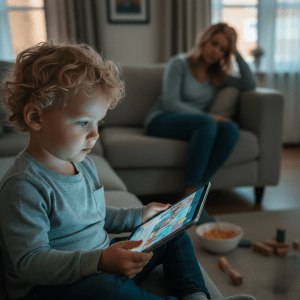
A dopamine crash in children from YouTube tends to look like irritability, meltdowns or attention issues. Fast-paced videos on YouTube Kids, for instance, inundate little brains with rapid dopamine bursts. This leaves them unable to settle back down to peaceful play.
Many parents notice that a dopamine crash in children from YouTube begins the moment the screen shuts off.
A dopamine crash in children from YouTube often looks like mood swings, clinginess, or sudden irritability.
Understanding a dopamine crash in children from YouTube helps parents respond with empathy, not frustration.
The YouTube Dopamine Cycle
YouTube’s design, which is even more pronounced in YouTube Kids, revolves around quick-hit newness, quick cuts, bright colors, and surprise sounds. Every time a kid hits ‘next’ or sees a new video, their brain doles out dopamine. It’s the same neurochemical that fires when a child opens a gift or eyes their favorite candy. It’s exhilarating, but transient.
The more a kid hits this rush, the more their brain begins to lust for it. That’s why requesting a kid to shut down YouTube can spark such ferocity or even a meltdown. Their nervous system is really coming down from a chemical high, not just missing cartoons.
Short videos provide almost immediate satisfaction. Each video is a promised reward, and the promised reward for the next one is always waiting. For 3 to 7 year olds, whose brains are wired for seeking novelty and pattern learning, this setup is particularly potent. It conditions them to anticipate rapid rewards instead of slogging through a puzzle or allowing things to simmer.
Fast-cut videos greatly increase the likelihood of a dopamine crash in children from YouTube.
Each short clip pushes the brain toward a dopamine crash in children from YouTube due to reward overload.
Over time, this shapes habits: children want the fastest, easiest source of pleasure, not necessarily the most meaningful or productive. In real life, this can present itself as refusing to attempt a puzzle, giving up on a drawing if it is not perfect in five seconds, or hopping from toy to toy without ever settling. Parents recognize this most clearly in transitions.
Shutting off the tablet triggers an immediate dopamine crash, which can make a kid cranky, agitated, or suddenly, inexplicably bored by all other options. The cycle repeats: high dopamine surges from screens, then a crash that leaves children dysregulated. This rollercoaster triggers can impact your mood, concentration, and emotional regulation.
Lots of parents report to us that after a marathon YouTube session, their child is extra cranky, extra clingy, and prone to tantrums. This isn’t a parenting or kid character flaw. It’s the brain’s natural reaction to being over-stimulated and then abruptly starved. If a child’s nervous system is always seeking the next rush, it will be tough for them to be calm, listen, or play on their own.
Instead of parking to quiet play, they might insist on more screen time or misbehave. Screen overuse, in time, becomes a kind of addiction. Kids can become disinterested in slower, real-world activities, building blocks, drawing, and hearing a story because those can’t compete with the dopamine hits from screens.
Social skills can suffer as well. When time with other kids or adults feels boring in comparison to YouTube, it’s more difficult to practice sharing, waiting, or reading faces. Cognitively, the brain becomes accustomed to rapid, segmented input, which makes it more difficult to concentrate on a solitary task or retain information.
To parents, this manifests as a child who’s smart and inquisitive, but easily distracted and quick to abandon an activity when it’s not immediately rewarding. A lot of parents want to disrupt this cycle, but don’t know how, particularly in the in-the-moment, real-life moments like dinner, travel, or bedtime.
The trick is to provide slow, predictable activities that normalize the nervous system and bring back calm. Our Tiny Thinks™ Workbooks and the Free Calm Pack were made for these moments. Each page is tactile, practical, and deliberately unhurried, with mazes, easy riddles that draw kids into sustained, solo cognition.
The autoplay design accelerates a dopamine crash in children from YouTube by keeping the reward loop firing.
Recognizing A Child’s Dopamine Crash
What does a dopamine crash look like in kids, especially after bingeing on hyperstimulation, like YouTube? It often manifests as sudden mood changes, reduced self-control, and a significant decline in interest in regular activities. These are not just “bad behavior”; they are a nervous system response to a child’s dopamine crash. Identifying these patterns allows parents to react with empathy and practical responses, particularly when pursuing a more zen, screen-free existence.
1. Emotional Volatility
Emotional outbursts are one of the clearest signs of a dopamine crash in children from YouTube.
Kids can go from excited to crabby in no time after screentime. Tears, screaming, or throwing can all come on suddenly. These mood swings occur as a result of the brain’s reward system being overstimulated, then abruptly under-stimulated. If a child is already anxious, a dopamine crash can amplify their distress, igniting loops of frustration and outbursts.
Observing these cycles is key. Instead of defiance, treat them as cries for assistance. Soft redirection and consistent schedules assist the child in recovering equilibrium.
2. Low Frustration Tolerance
Following a YouTube binge, even the most mundane of activities, pulling on socks and waiting for a snack, can ignite meltdowns. Their patience is thin and minor problems appear insurmountable. Tantrums and flat out refusals come next, which are terrible for family dynamics.
To rebuild resilience, offer tasks that are achievable, such as matching socks, sorting utensils, and tracing simple lines. Screen-free activities where they achieve small wins let kids tolerate frustration, practice problem-solving, and regain emotional control.
Low frustration tolerance often follows a dopamine crash in children from YouTube.
3. Apathy Towards Play
Apathy toward toys is a common outcome of a dopamine crash in children from YouTube.
Other kids drop toys or activities they previously enjoyed, meandering aimlessly or turning down playdates. This disengagement is indicative of a dopamine crash and motivation deficit. It can affect friendships. Kids may bow out of circle games or blow off friends.
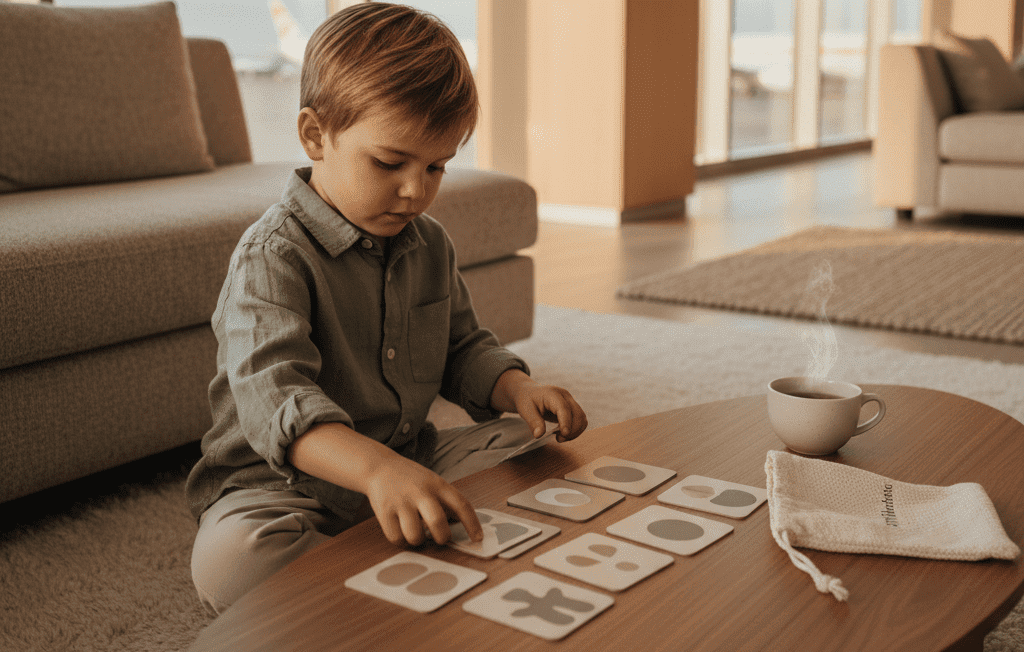
Juggling directed activities, such as matching cards, with free art or construction projects brings curiosity back into play. Balancing both types restores motivation and connection to others.
Developing early logic skills through simple puzzles helps stabilize focus after a dopamine crash in children from YouTube.
4. Constant Cravings
Constant begging for “one more video” usually signals a dopamine crash in children from YouTube.
Pepsi sponsored children who keep pleading, “just one more video” or obsess over a show are having problems with impulse control. These cravings expose how screen time can hijack the natural reward cycle. Establishing soft, simple boundaries limits the temptation to bargain or skulk for those added minutes.
Provide alternatives with immediate pull puzzles, pattern games, or a Tiny Thinks™ Calm Pack so kids get the dopamine reward of achieving, not just tuning in. Open discussions about the reasons behind restrictions can help children come to terms with their experiences and feelings.
5. Poor Focus
Following a dopamine crash, attention fragments. Kids can begin assignments and abandon them, have difficulty complying with simple requests, or appear unable to remain seated for a beloved book. This can bleed over into learning, turning homework or chores into a daily battle.
To restore attention, rely on brief, explicit activities and eliminate extraneous stimuli. Activities from Tiny Thinks™ Workbooks for ages 3 to 7 gently retrain attention with serene, pattern-based exercises that are perfect for travel, meals, and winding down at night.
Long-Term Brain Impact
Research shows that repeated dopamine crash in children from YouTube may affect their attention span over time.
As parents, we’re used to the immediate post-YouTube chaos, wigged-out kids, tantrums, refusals to leave, but there are more silent long-term concerns as well. What occurs within the adolescent brain as rapid-fire, unpredictable content becomes a routine? Research into short-form videos (including YouTube Kids) is revealing trends that are relevant to families everywhere, not just in the moment, but over months and years.
Here’s a snapshot of the key findings:
|
Brain Domain |
Potential Long-Term Effect |
|---|---|
|
Attention |
Shorter attention span, trouble with sustained focus |
|
Emotion Regulation |
Increased mood swings, higher risk of anxiety/depression |
|
Memory |
Difficulty with deep learning and recall |
|
Reward Processing |
Heightened craving for instant stimulation |
|
Critical Thinking |
Reduced patience for problem-solving, shallow learning |
|
Impulse Control |
More impulsivity, difficulty delaying gratification |
A dopamine crash in children from YouTube creates a cycle of craving fast stimulation instead of deep focus.
Repeated fast cut video exposure, particularly for young children, rewires the brain’s reward processing. Dopamine is the chemical that says, ‘something exciting is going on!’ and YouTube’s never-ending stream of short, sensational videos has that system going again and again.
Over the long term, the reward circuits in our brain, particularly those in our prefrontal cortex and amygdala, can become less sensitive to slower, day-to-day experiences. This implies regular play, eating, or even lullabies will appear dull as the brain is conditioned to anticipate perpetual stimulation.
Research reveals changes in the brain, particularly in regions associated with impulse regulation and stress, where kids become trapped in a cycle of seeking stimulation yet struggle to self-soothe.
There’s expanding research connecting screen addiction in kids to a heightened risk for anxiety and depression. Once the brain is acclimated to a constant drip of quick, random access input, it can’t cope with frustration or boredom.
The result is more mood swings, irritability, and worry, especially when screens are removed. Some kids may even manifest physically with headaches or stomachaches or struggle to sleep. These consequences aren’t immediate after one or two videos, but they can accumulate silently when screens are used as an incessant backdrop.
They suggest counterbalancing screen exposure with “slow” activities that promote proper brain regulation, such as coloring, building, matching, or light puzzles. These exercises revive inherent dopamine rhythms and fortify the brain’s attention, memory, and willpower circuits.
Chronic exposure to rapid videos can intensify the dopamine crash in children from YouTube across months or years.
Predictable, screen-free routines, such as those in Tiny Thinks™ Workbooks or the Free Calm Pack, offer kids a rhythm their brains can trust, especially during transitions, travel, or after-school crashes. Most families discover that even five minutes on a quiet thinking-based page can settle a child more deeply than an hour of video never could.
The Content Deception

YouTube Kids and the like promise safe educational fun. The truth of the matter is that the vast majority of content is entertainment-first, not learning-first, and the difference is important. Educational shows provide slowness, repetition, and actual skill-building.
Entertainment clips, meanwhile, are rapid, glitzy, and linked to short dopamine hits, making kids even more dysregulated than prior. It’s not a subtle distinction for an infant brain, even if the thumbnails look the same.
Entertainment-first videos are the leading cause of a dopamine crash in children from YouTube.
Different formats have very different impacts on control, attention, and education. Here’s a simple comparison:
|
Feature |
Educational Content |
Entertainment Content |
|---|---|---|
|
Pace |
Slow, predictable |
Fast, jumpy, unpredictable |
|
Language |
Clear, repeated, developmentally appropriate |
Slang, catchphrases, sound effects |
|
Goal |
Build skills, foster inquiry |
Keep child watching, increase clicks |
|
Interactivity |
Pause for thought, invite participation |
Rapid fire, minimal time for reflection |
|
Lasting Effect |
Calms, builds focus, supports memory |
Overstimulates, fragments attention, leaves “dopamine crash” |
Most parents experience this reality after school or while on a trip. Five minutes of a rational, slow, matching game is soothing. Ten minutes of jump-cut cartoons or viral “challenge” videos, however, make kids fidgety and cranky and less capable of fair independent play.
The dopamine crash, of course, isn’t a buzzword; it’s the aftermath of the brain being inundated with quick rewards, then abandoned when the input ceases. Parent controls assist, but they are not an ideal solution. Parents can silence the noisiest streams or impose rigid timers, but algorithms are nimble, presenting whatever captures a child’s attention.
Even “educational” clips can contribute to a dopamine crash in children from YouTube when pacing is too fast.
Through adult and child reports, see how games employ dark patterns, reward cycles, hidden costs, and emotional triggers to get kids clicking, spending, and returning, sometimes causing real harm or financial loss.
Sure, it’s easy to just give your child the device for peace, but that peace comes at a price. Kids learn to pursue the next easy score rather than develop patience, concentration, or hard skills. Critical thinking about what they see is seldom developed.
It’s up to parents to question, limit, and provide alternatives. This is where screenless, regulation-first activities like Tiny Thinks™ shine. Rather than dopamine pinches, kids find predictability and soothing through unhurried, manual thinking work, picture matches, pattern tracing, soft logic games that assist them in relaxing and concentrating, particularly at dinner or in a waiting room.
TinyThinks Calm-Learning Framework for parents, in three steps:
Quiet Focus– a short, screen-free workbook page to rebuild attention.
Settle First – slow the body (deep breaths, gentle touch, quiet voice).
Slow Movement – offer predictable, tactile tasks (matching, tracing, sorting).
Gentle calm play routines often give children the grounding they need when facing a dopamine crash in children from YouTube.
How To Reset Dopamine
Dopamine crashes after YouTube Kids are a consistent battle for many families, typically manifesting as irritability, wild restlessness, or emotional tantrums. It’s not about shaming screens, we all know they’re sometimes needed and handy, but about providing parents with practical, regulation-first, screen-free options for when their child’s nervous system is feeling swamped by rapid digital stimulation.
Parents can interrupt a dopamine crash in children from YouTube by offering calming, predictable routines.
Slow, tactile activities are the best way to soften a dopamine crash in children from YouTube.
Many families report that screen-free activities reduce the intensity of a dopamine crash in children from YouTube, especially after overstimulation.
Resetting dopamine involves deceleration, reintroducing real-world stimuli, and creating structure that softly coaxes the brain back to quiet.
- Figure out the critical times when screens tend to hijack dinner, commuting, and post-school.
- Strip all digital devices during these windows for at least 24 to 48 hours.
- Bring in low-stim, tactile activities such as puzzles, matching games, or coloring.
- Plan on spending time outside every day, even if just 20 to 30 minutes.
- Encourage quiet, independent play with open-ended toys.
- Watch for signs of dysregulation, such as tantrums and withdrawal, and recalibrate routines.
- Gradually reintroduce screens, choosing slow-paced, high-quality content.
- As a family, regroup and reflect on the shifts in mood, focus, and connection.
A Free Calm Pack activity gently helps stabilize a dopamine crash in children from YouTube.
The Digital Detox
-
Pick a 2-day window where routines can bend. Ditch tablets, phones, and computers in common areas. Replace them with inviting, simple activities: picture-matching cards on the table, coloring sheets, or a small tray of building blocks. Block afternoons for outdoor park or garden play.
-
Push hobbies that ignite wonder, such as growing a garden, baking your own bread, or starting a mini-collection. Give your kid a magnifying glass or a fistful of loose parts and watch the narratives emerge.
-
Be on the lookout for emotional storms or withdrawal. These are standard in those initial hours as the brain reboots. A lot of kids are suddenly calmer, easier to parent, and sleep better after just a day or two screen-free.
-
Notice new patterns: shared laughter, longer attention, easier transitions. Once combined, these minor adjustments accumulate and enhance family unity.
The Boredom Advantage
Boredom helps rebuild resilience after a dopamine crash in children from YouTube.
It’s easy to try to fill in every blank. Boredom ain’t the bad guy. Boredom is the rich soil from which creativity blooms, where kids make up tales or figure things out themselves.
- Build a fort from pillows or blankets.
- Have art time on the front steps – Set out a tray of water, cups, and brushes for ‘painting’ outside.
- Provide easy pattern cards or loose components to sort or compare.
- Leave space for daydreaming by a window.
Balancing screen time leaves room for open-ended play. Research indicates that kids who encounter frequent boredom develop a more robust ability to solve problems and build emotional strength. Over time, they become less addicted to outside stimulation and more able to control themselves.
The Nature Prescription
Nature time is one of the strongest buffers against a dopamine crash in children from YouTube.
Nature is a great counterbalance to digital excess. Kids who jump outside, dig, climb, and explore reset their nervous systems through physical activity and sensory stimulation.
Strolling through parks, gathering leaves or tuning into birds lowers anxiety and hones focus. Even in urban avenues, a stroll to a nearby park or a brief breath of oxygen can change a kid’s temperament.
Families that establish weekly outdoor traditions, such as a Sunday hike or sunset walk, experience their kids calming down and bonding more effortlessly. The benefits ripple into better sleep, smoother transitions, and more peaceful evenings.
Nature is not just a backdrop; it is a direct support for emotional development and peacefulness.
Montessori quiet activities gently reset the nervous system during a dopamine crash in children from YouTube.
The Connection Cure
Parent co-regulation is essential for helping a dopamine crash in children from YouTube resolve more quickly.
Meaningful connection is the most powerful reset for a child’s nervous system. Board games, making dinner together, or just chatting after school cultivates emotional safety and trust.
Make little pockets of time for eye contact and togetherness each day. Kids who feel seen and valued will not be as desperate for screen stimulation.
A strong support system, including brothers and sisters, cousins and aunts, and neighbors, insulates against virtual overload. When families draw firm lines around screens and commit to ritual, kids understand the importance of presence over pixels.
Tiny Thinks™ Workbooks are made for these moments. The Free Calm Pack provides fast, screen-free activities kids adore, empowering regulation, focus, and self-motivated thinking. Age-specific Tiny Thinks™ Workbooks gently redirect kids back to calm and provide parents with a simple, convenient tool for dinner, travel, or quiet time.
Your Role As Co-Regulator

Kids experience dopamine spikes from rapid YouTube videos, often leading to crashes where they become cranky, unsettled, or unable to concentrate. Parents play a vital role in co-regulating children through these emotional swings and developing healthier tech habits. It’s not about placing blame; rather, it’s about recognizing these rhythms and helping kids find something more stable. Most families engage in screen time occasionally, and that’s perfectly fine. The objective is to identify when scrolling habits complicate matters and provide, whenever possible, straightforward, systematized alternatives.
About: Your Role As Co-regulator Children 3–7 can’t co-regulate after overstimulating content. When a child exits a screen and immediately heads toward a meltdown, that’s a nervous system in freefall. Parents are co-regulators – assisting kids in transitioning from mayhem to serenity. This sounds like sitting next to your child, providing a soothing tone, and presenting them with a consistent, low-key activity (sorting, matching, tracing or simple puzzles).
They don’t need lectures or scolding; they need you to co-regulate their nervous system as it resettles. For instance, once you turn YouTube off, lead your child to a picture match page or basic color patterns. These are purposefully slow and soothing activities, allowing the child’s brain to transition from quick dopamine to sustained concentration. Even two minutes with an organized workbook can shift the entire afternoon vibe.
Rules, consistent rules are key. Children live for predictability. Clearing expectations, like “Screens off after one episode” or “YouTube is for travel, not dinner,” decreases haggling and stress. Post easy rules somewhere obvious. When rules are broken, answer with tranquil redirection, not anger. For screen-free families, having a basket of Tiny Thinks™ pages on hand makes the switch simpler. Kids learn what’s next and parents avoid the power struggle.
A good home environment counts. Make calm activities accessible and role model tech boundaries yourself. Rather than default to screens as an after school or bedtime soother, swap out those occasions with some hands-on action. For example, I like to provide a simple tracing page after a long car ride but before dinner.
When traveling or in waiting rooms, whip out a Free Calm Pack. Kids rapidly discover that these activities feel good and help them calm. Over time, the home becomes a space where silent concentration is typical, not unusual.
Dialogue creates understanding. Describe to your child, in plain language, how screens make their brain feel speedy or fatigued. Quote, “When we watch lots of fast shows, our brains become hyperactive. These things help us feel calm again.” Encourage Q&A. Have them observe their feelings: “Is your body jittery or peaceful at the moment?” This soft consciousness assists them in constructing self-regulation capabilities for existence.
Tiny Thinks™ solutions are made for these moments. Each workbook and Free Calm Pack employs slow, foreseeable tasks that lead children away from the dopamine crash. The activities are silent, tactile and captivating. Kids love them and parents witness immediate serenity.
Whether you have a Calm Pack in your bag or a Tiny Thinks™ workbook on the kitchen table, making the transition from screen to calm becomes something you can believe in everywhere.
Conclusion
When parents understand the dopamine crash in children from YouTube, they can guide calmer habits every day.
Understanding the dopamine crash in children from YouTube is not about vilifying screens, but about understanding what your child’s brain needs to return to stillness. This cycle begins with rapid, attention-grabbing videos and concludes with a surge of moodiness or fatigue that can seem unbearable to parents at dinnertime or bedtime. Noticing the symptoms: fidgeting, mood swings, difficulty calming down, puts you a step ahead in front of the game. Your consistent presence, gentle routines, and easy hands-on projects help reset their system, little by little.
When parents exchange the high of quick content for slow, intentional pausing, children bounce back from overwhelm and regain clarity sooner than anticipated. Over time, these small shifts cultivate a buffer, not only for today, but for each overstimulating moment to come.
Frequently Asked Questions
What is a dopamine crash in children after watching YouTube?
A dopamine crash occurs when your child feels exhausted, grumpy, or depressed after hours of thrilling videos on YouTube Shorts. This rapid transition from high stimulation to low impacts their brain activity and can lead to concerns about short video addiction.
How can parents recognize signs of a dopamine crash?
Be on the lookout for mood swings, anger, sadness, and frustration. Kids can have issues concentrating or get fidgety after screen time.
Does frequent YouTube use affect a child’s brain long-term?
Yes, regular doses of rapid-fire videos can impact attention and mood in the long term. Balanced screen habits fuel healthy brain development.
Why are YouTube videos so addictive for children?
Youtube videos, like Instagram reels and TikTok, are engineered to be quick, colorful, and rewarding, contributing to short video addiction by creating feedback loops that affect young minds’ attention spans.
How can parents help reset their child’s dopamine levels?
Promote breaks, playing outside, and creativity. These assist the brain in rediscovering its natural equilibrium and minimizing reliance on digital stimulation.
What is a parent’s role as a co-regulator during a dopamine crash?
As a parent, you can assist by remaining calm, providing reassurance, and redirecting your child to calming activities, which can help break short video addiction and improve emotional regulation.
Are there safer ways for children to enjoy online content?
Yes. Head for age-appropriate, slower-paced videos and set viewing boundaries. This minimizes overstimulation and encourages healthy screen habits.