


Key Takeaways
- High-energy YouTube videos with quick cuts, neon colors and blaring noises send kids into a hyperactive tailspin.
- Immediate gratification and algorithmically curated suggestions feed compulsive viewing patterns that impede kids’ ability to find joy in more gradual, common experiences.
- Screen-induced overstimulation manifests itself as irritability, sleep disturbances, or post-screen attention issues.
- When you co-view and talk about it together, it helps kids process what they’re seeing and fosters better screen habits.
- Boundaries like time limits, content curation, and tech-free zones at home encourage healthy media habits and family bonds.
This article addresses the specific physiological and behavioral “hyper” response children experience after consuming high-paced digital content. It identifies YouTube’s algorithmic design as the primary source of overstimulation and positions Tiny Thinks as the necessary structural replacement for these high-friction moments.
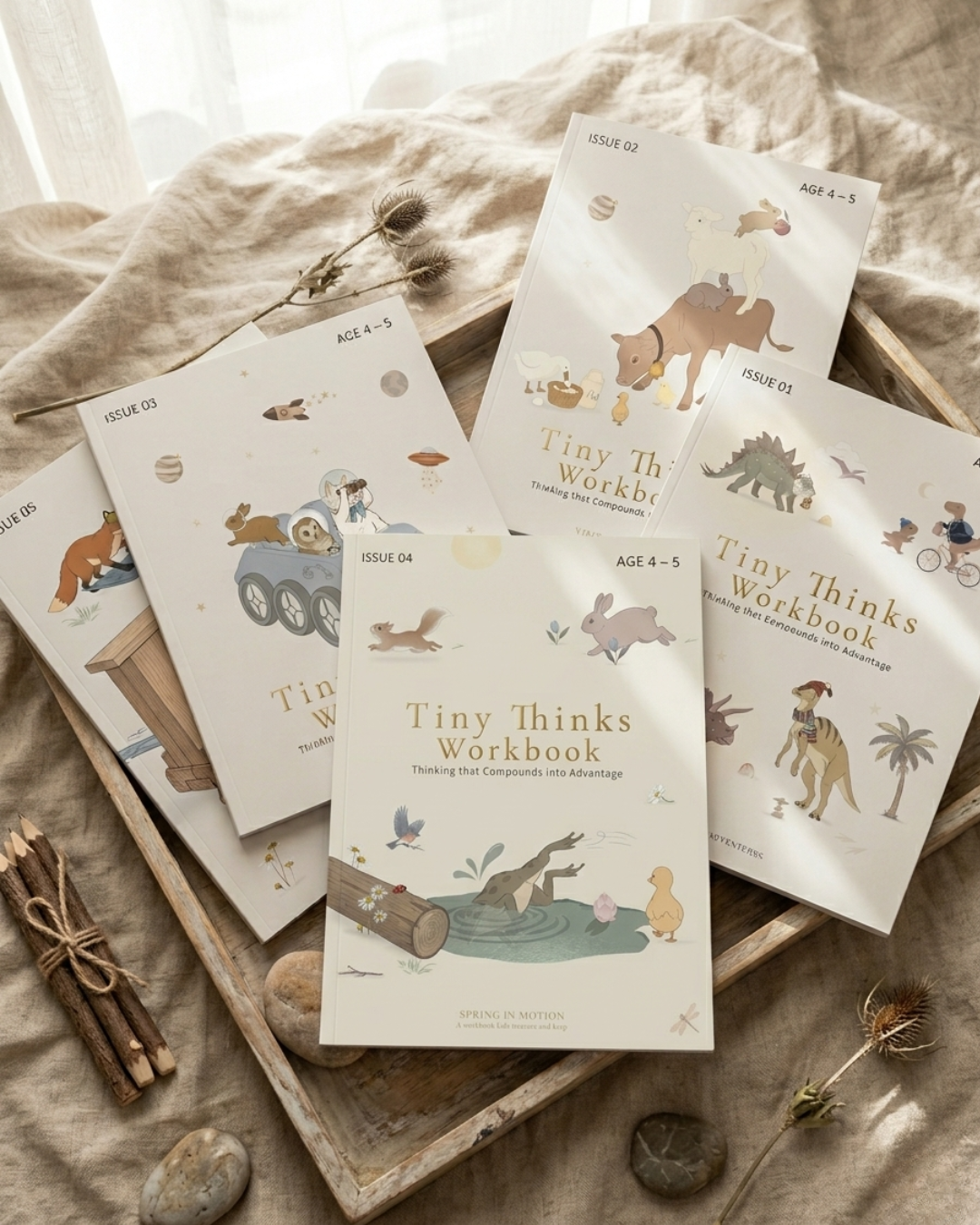
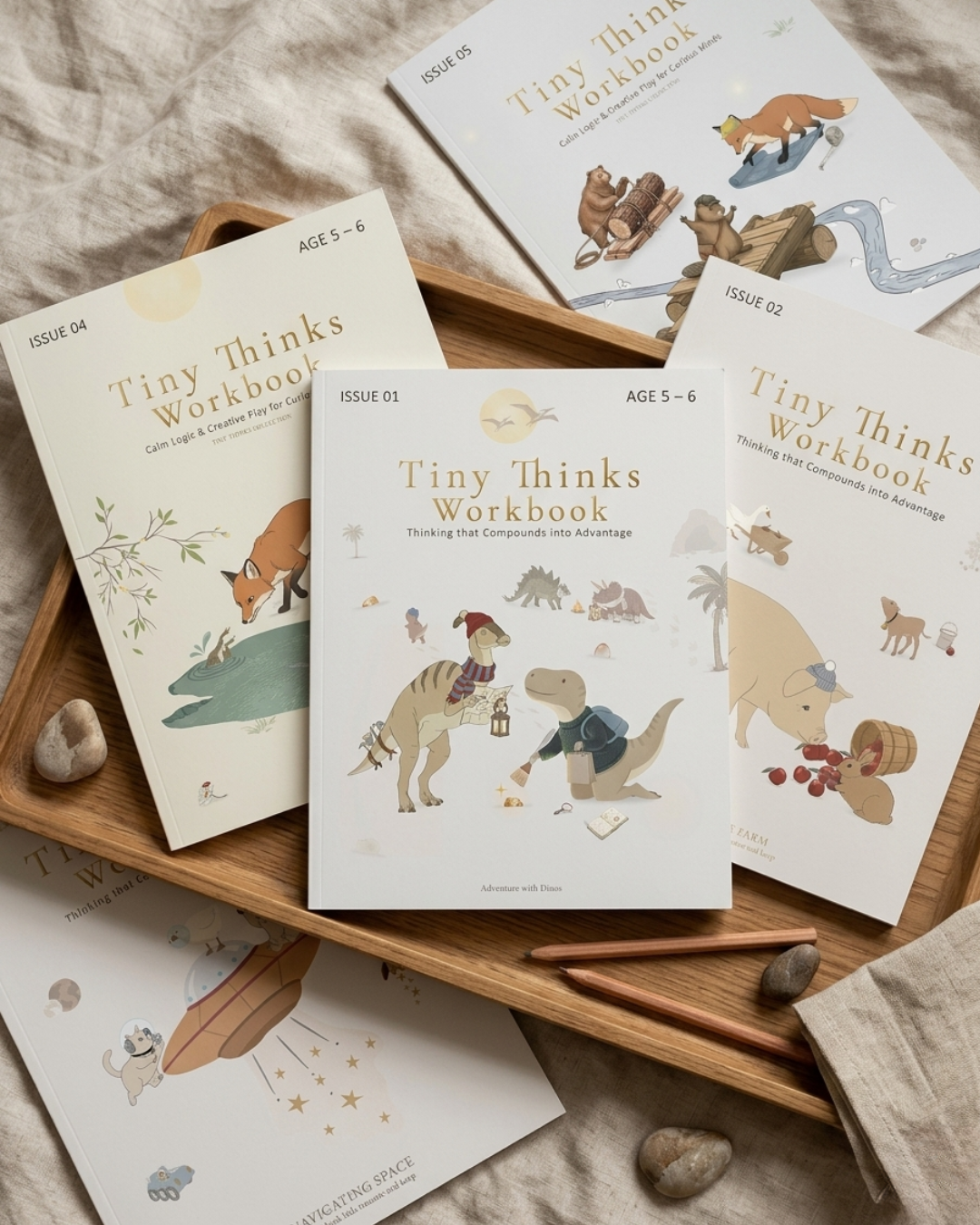
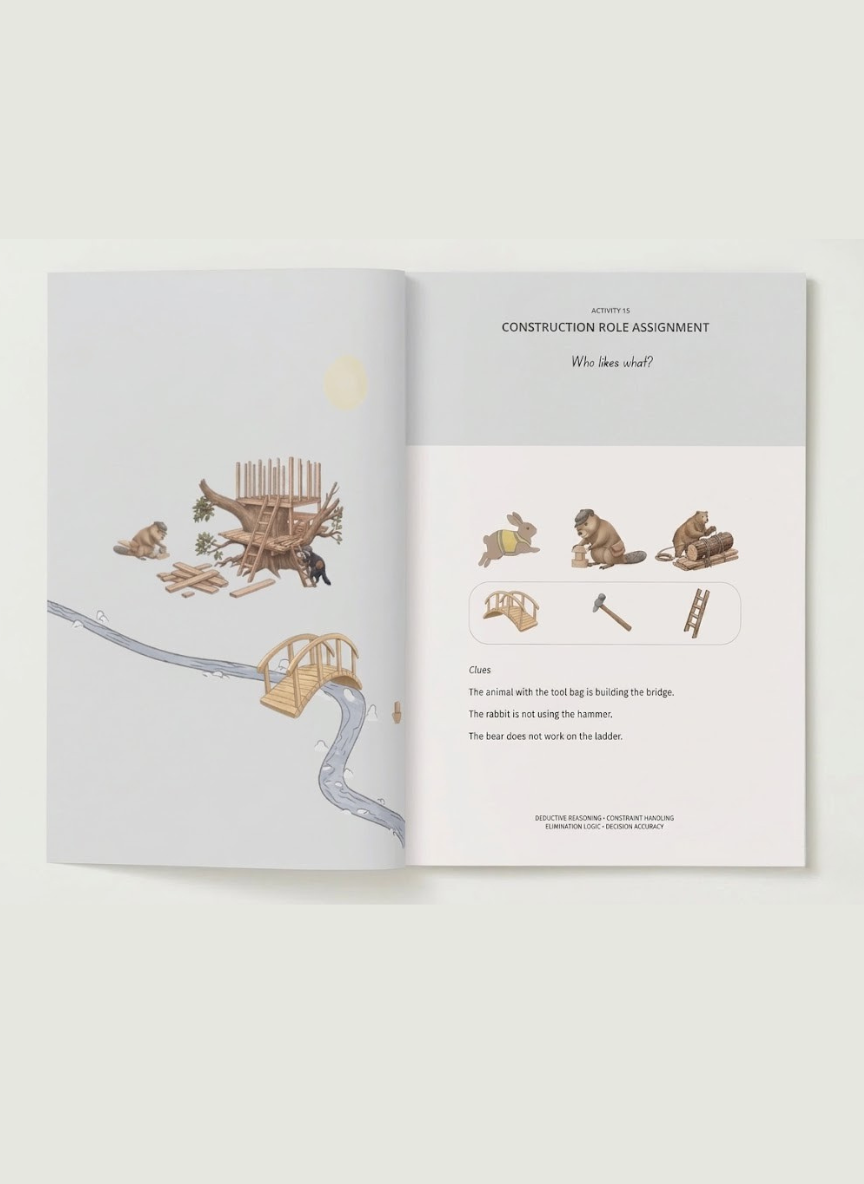
When screen time leaves your child overstimulated and unsettled, calm structure matters. Tiny Thinks™ Workbooks and the Free Calm Pack offer predictable, screen-free activities that help children reset and refocus after YouTube.
Kids get hyper after YouTube, particularly rapid-fire videos engineered for wacky laughs and dopamine hits. Most parents observe their kids bouncing from activity to activity, unable to settle or coming across as irritable and scatterbrained.
Many parents worry when they notice their kid hyper after YouTube, bouncing between activities, and struggling to settle down.
This response connects to observations around how fast visual changes and random noises trigger the brain’s reward circuit. Knowing why this occurs can help families develop more peaceful habits and screen-free solutions to real-world moments.
Why YouTube Makes Kids Hyper
A lot of parents observe their kids acting crazy after YouTube. This response isn’t merely a function of temperament, it’s about how the platform’s design interfaces with a child’s maturing nervous system. Quick cuts, blaring music, colorful imagery, and continuous validation merge to form a sensory cocktail that can overstimulate small children, particularly those between 3 and 7 years old.
These same features that cause quick hits of dopamine cause overstimulation too. They make it significantly more difficult for kids to rein in their energy, attention, and emotions after screen time is over. Let’s look at the real culprits.
When a kid hyper after YouTube reacts this way, it’s often their nervous system struggling to downshift from constant stimulation.
1. Rapid Edits
Quick cuts, commonly every 1-3 seconds, in videos disrupt the organic attention rhythm. The brain, particularly the kids’ brain, then has to hop frenetically from image to image, and this can impact their ability to engage with the slower, real world.
This form of editing imbues urgency that trains kids to anticipate endless newness and activity. When the video is over, this sudden drop in stimulation may result in your child feeling fidgety, cranky, or downright agitated. Some kids can’t settle with toys or books afterward, feeling bored or agitated because their nervous system is still prepped for quick transformation.
2. Intense Colors
YouTube kids programming is based on high-saturation colors and sharp contrast, which are the most attention grabbing for young eyes. These pulsating palettes can conjure up a synthetic feeling of stimulation and heightened alertness.
Although flashy imagery grabs attention in the short term, overexposure results in sensory overload. They might get crankier or have difficulty calming down, especially after vibrant content. Ordinary tasks, like coloring or reading, begin to seem boring, making it more difficult for children to self-soothe or entertain themselves.
3. Loud Sounds
There are volume spikes, repeating sound effects, and pounding soundtracks everywhere in trendy kids’ videos. This audio barrage can amp up a kid’s energy and spark an emotional response like excitement, anxiety, or even anger.
Kids with loud and chaotic audio can’t calm down or shift gears to quiet activities. For some kids, this overstimulation from sound may interfere with sleep later in the day, compounding irritability and poor behavior.
Tiny Thinks is the calm, structured thinking play system for ages 3–7 that families use whenever screens create problems. Shop age-based workbooks 3–7 to replace high-stimulus digital loops with focused, independent play.
4. Constant Rewards
YouTube’s interface teaches kids to crave likes, comments, and the next autoplay. It starts a cycle of immediate reward, strengthening impatient tendencies and rendering it difficult for children to delay, share, or endure tedium in the offline world.
This craving for immediate reward can cause kids to become frustrated and lose their temper when real-world activities don’t deliver the same feedback. Eventually, kids might abandon basic, screen-free activities that encourage healthy growth.
5. Emotional Peaks
Symptoms of YouTube overstimulation are irritability, tantrums, lack of focus, and sleep issues. Certain kids exhibit mood swings, difficulty settling, or meltdowns post-viewing, particularly when screen time exceeds suggested guidelines.
Identifying these rhythms allows parents to create more sane habits and find substitutes that cultivate calm. Tiny Thinks provides calm, structured thinking play that children naturally enjoy and return to regularly. Our Tiny Thinks™ Workbooks and Free Calm Pack provide easy, screen-free, structured activities that help re-regulate energy and attention, allowing kids to settle down fast after screen time.
Families can depend on these tools to inject focus, routine, and calm into challenging times at home, on the road, or wherever screens once reigned.
Spotting YouTube Overstimulation
Kids 3-7 in particular are vulnerable to the type of quick, highly variable content that YouTube’s algorithms deliver. The platform is engineered to lock attention in and bounce from clip to clip. This can leave toddlers wired, jittery, or even upset post-viewing, particularly if it occurs near transition points like dinner, travel, or bedtime.
YouTube’s recommendation algorithm is designed to maximize engagement. Every video your child clicks takes them to a new, typically more fast-paced recommendation. The auto-play feature can transform a quick diversion into an hour-long spiral with no exit. For most families, this cycle is not obvious until it’s too late, when a kid is bouncing off the walls or having trouble settling or erupting over minor frustrations. Such impulsive symptoms can be exacerbated by the unpredictable nature of the content.
It’s not your weekly dose of your favorite show, it’s the random, fast-pacing, algorithm-driven junk that tires the immature brain. Even if you watch what your kids watch, they can be exposed to videos that aren’t age-appropriate or just too stimulating. Algorithms don’t understand a kid’s feelings or staging. Your kid begins with a cute animal video and a couple of suggestions later is viewing frantic animation with sudden loud noises.
There’s a reason so many parents notice their children are “wired” after what seemed like harmless YouTube time, the sequence and unpredictability are hard for young children to process and regulate. Echo chambers can creep up on parents. The algorithm sees what a child watches and repeats the same types of videos, occasionally louder, quicker, or more extreme, which can lead to increased behavioral problems.
This can restrict a child’s interests and strengthen certain behavioral patterns, such as only craving unboxing videos or frenetic fast-cut cartoons. It can leave them less able to transition to more languid, contemplative play. If it goes on too long, though, some kids start to expect this constant newness and stimulation, which can make quiet solo play or slow routines seem boring or even agonizing.
How these patterns influence emotional and social development is the real question. A consistent feed of random, intense content can cause kids to struggle with engaging in group play, taking directions, or accepting mealtime. Some have noticed what they call a ‘crash’ after YouTube; the child suddenly starts crying, being defiant or won’t cooperate with normal routines.
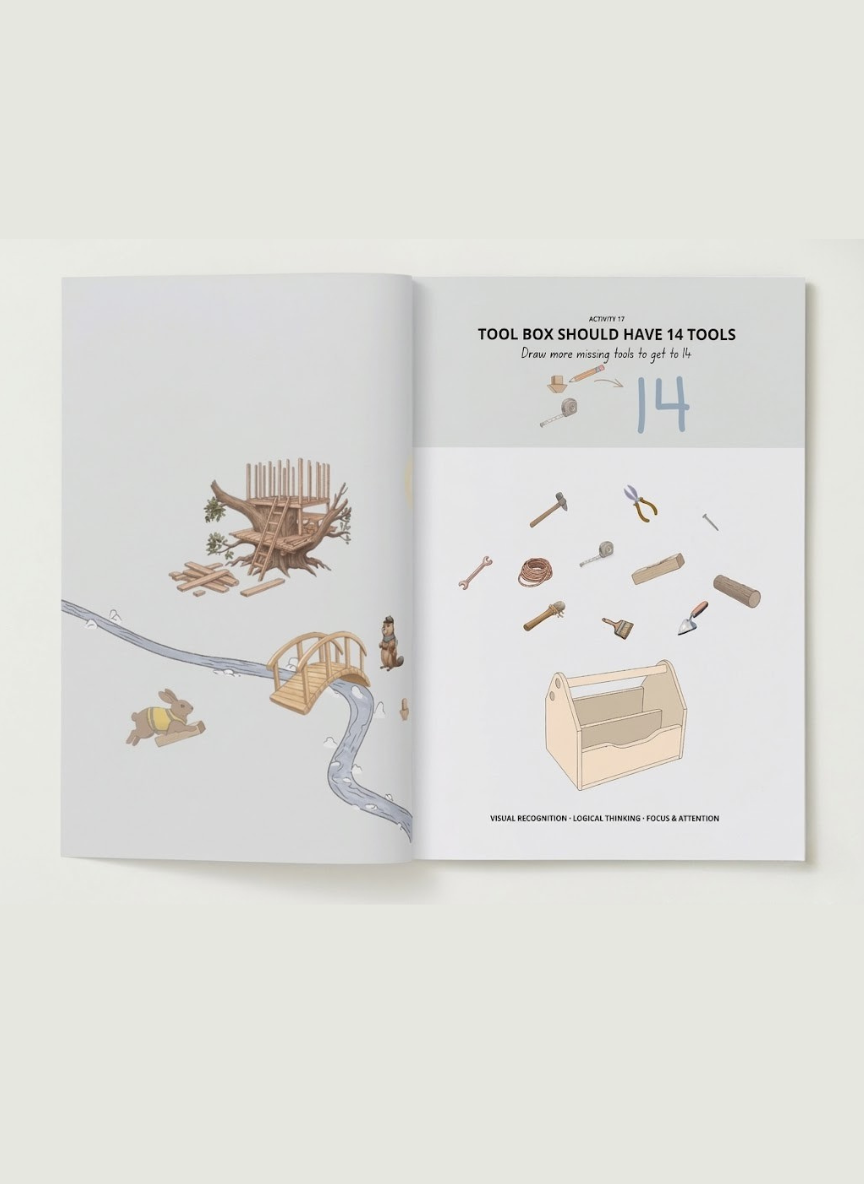
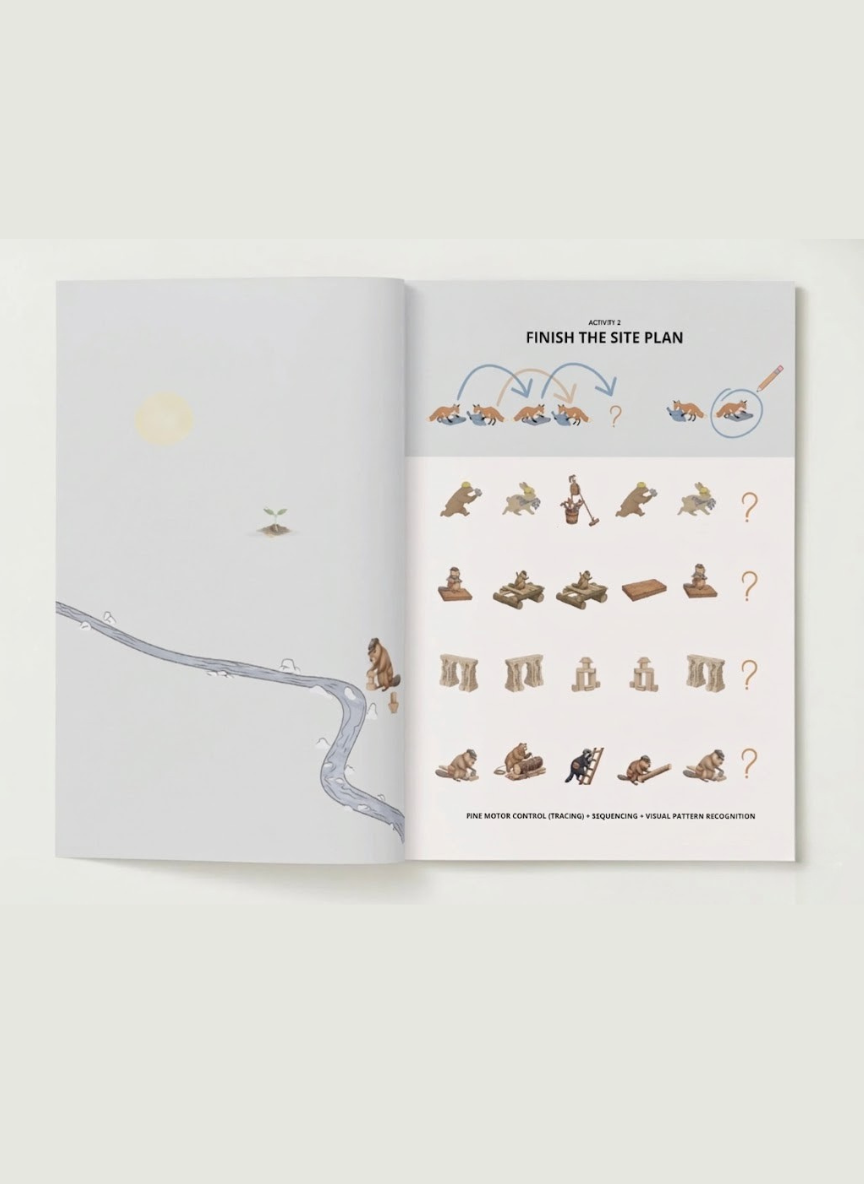
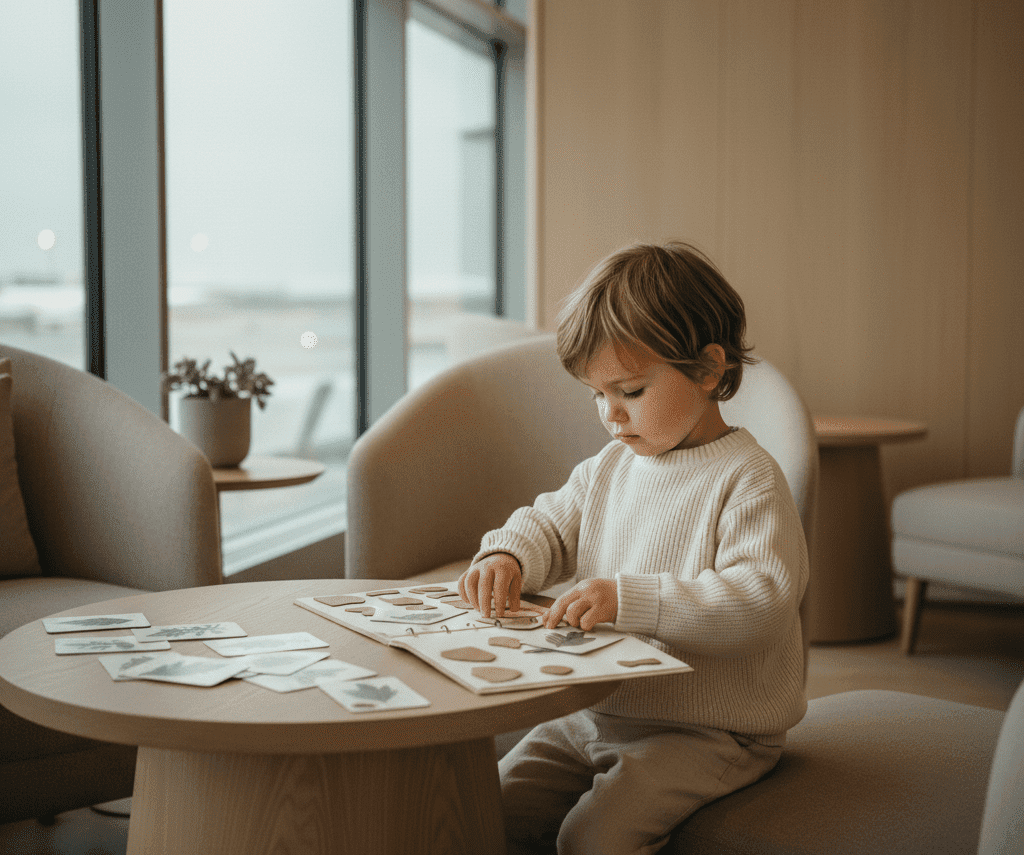
In these moments, the nervous system is just fried. For parents who want to break out of these cycles, concrete, screen-free fixes are essential. Tiny Thinks™ Workbooks and the Free Calm Pack are intentionally designed to help children reset through pattern matching, tracing, and gentle logic activities that slow the nervous system.
They offer the sort of reliable, tactile input that helps kids calm and concentrate whether at the table, on a plane, or in a waiting room. Most families discover that once their kid experiences the calm joy of these tasks, the craving for YouTube declines on its own. It’s not about outlawing screens but about having a dependable, peaceful replacement on hand for those moments of high tension.
The Unseen Influence of Algorithms
When your kid appears wired post-YouTube, what’s really going on isn’t simply the video, it’s the unseen algorithmic influence affecting their brain and behavior. They grab attention, hold kids watching, and deliver more of what’s got it. The content gets quicker, bigger, and more startling, and this can have a quiet but permanent impact on a young child’s nervous system conditions.
For a kid hyper after YouTube, algorithm-driven content quietly reinforces faster pacing, louder stimulation, and emotional intensity.
Too much screen time exposes kids to fast cuts, endless newness, and volatile plots. The consequence is that attention spans often decrease. Kids become accustomed to instant, high-intensity stimulation and have difficulty calming down into slower activities. Impulse control falters.
In everyday life, parents recognize it when their kid can’t sit still through dinner, loses it in a waiting room, or has a meltdown after school. Their brains are primed for immediate gratification and when the real world doesn’t provide it, frustration ensues. It’s not a personality weakness, it’s the nervous system responding to what it’s been fed.
Extended contact with quick-turnaround media exacerbates anxiety and stress. Algorithms tend to promote emotionally provocative or sensational videos, as that type of video can keep people watching longer. For certain kids, they suffer viewing anxiety, sometimes as toddlers, where they want more and more content, unable to hit the brakes even when it agitates or unsettles them.
Most parents interpret this as bedtime resistance, after-school chaos or an inability to relax. The link to stress-related behavior is clear: the nervous system, flooded with dopamine and adrenaline, can’t regulate itself easily.
There’s another layer: social skill development. As algorithms determine what is displayed and how fast it shifts, some kids begin to opt for digital interaction instead of in-person. They can grow uneasy with face-to-face talk, with taking turns or being bored.
This leads to more screen demands at dinner, less enthusiasm for pretend play, and more challenges decoding social signals. Parents observe when a kid spaces out at the dinner table or gets bored with basic games.
Finally, screens as a source of entertainment or emotional relief become a knee-jerk coping mechanism. Algorithms provide infinite distraction, so kids never practice self-soothing or waiting. Even minor annoyances, such as waiting at a doctor’s office, result in demands for a device.
Gradually, this can crowd out healthier coping skills and make transitions more difficult. Screen-free answers that genuinely counter these patterns aren’t merely about time restrictions; they’re about what you provide instead.
Tiny Thinks™ Workbooks are designed for this: slow, predictable, hands-on tasks that regulate the nervous system and strengthen real-world focus. The Free Calm Pack is a fast start for families who need immediate, actionable change.
These tools provide kids with the type of slow input their brains crave to reset, allowing them to calm down, concentrate, and once again appreciate silent thought. Tiny Thinks™ is purpose-designed so kids opt for peaceful, organized engagement instead of pursuing the next screen strike, particularly in those crucial moments, like coming home from school or facing the dinner table.
Long-Term Behavioral Changes

Screen time, particularly rapid-fire content like YouTube, influences much more than a child’s mood in the moment. The resulting patterns, restlessness, impulsive outbursts, and trouble winding down, are symptoms that signal underlying, long-term behavioral changes.Tiny Thinks is the calm, structured thinking play system for ages 3–7 that families use whenever screens create problems. Studies have demonstrated that children who are more hyperactive or harder to handle when very young are the ones who watch more television as they get older.
If a kid hyper after YouTube experiences this pattern repeatedly, it can shape long-term attention, impulse control, and regulation skills.
This same cycle can make hyperactivity and attention problems more difficult to overcome, particularly if screen time turns into the easy, go-to answer during difficult moments. How parents react in these moments is significant. It’s human for parents to loosen their positive structure when life feels hectic or to fall into screens as an easy solution.
Long-term this can change parenting style in ways from hands-on to hands-off coping. Kids with harder temperaments tend to watch more, which can further worsen behavior issues. These effects are even more powerful in families dealing with external stressors such as financial hardship or parental anxiety. Therefore, it’s crucial to establish deliberate habits around screens.
Self-regulation, the ability that allows kids to control impulses, sustain attention, and calm themselves after getting worked up, doesn’t start to fully coalesce until 8 to 13 years of age. Prior to that, kids depend largely on their surroundings and on grownups to construct limits and cycles that assist them in calming down.
When screen time is unstructured or overstimulating, it can oversaturate these budding regulatory systems, leaving children trapped in a chronic cycle of craving quick hits of input and desperately attempting to soothe themselves. Early childhood experiences, like screen habits, lay the foundation for these regulatory skills. The more random or unstructured the input, the more difficult it is for kids to develop the internal skills they will require down the road.
Co-viewing provides one genuine means to mitigate these impacts. Sitting down with your child, talking through what’s on the screen, and helping them process what they see can turn passive viewing into an active, shared experience. Curating the content, opting for slower, more educational videos, can help ground attention and model good behavior.
By establishing time limits and tech-free areas at home, you provide your kids with a sense of certainty around boundaries, which makes it easier to pivot back into play, family connection, or peaceful concentration. For families willing to take the plunge and transition toward more relaxed schedules, regimented, screen-less activities are the easiest fix.
Tiny Thinks™ Workbooks and the Free Calm Pack are both specifically created to lead kids into soft, practical thought. These tools bring peace back to overheated moments, meals, travel, and after school, helping kids calm down, get centered, and think before they act. The habits constructed with Tiny Thinks™ can persist beyond the moment, setting the stage for improved attention and reduced tantrums in the long run.
Creating a Healthier Viewing Habit
Controlling a child’s post-YouTube hyperactivity often comes down to building habits conducive to regulation, not just prohibition. Screens can’t always be avoided, particularly on car rides, at the dinner table, or when you need a break. For parents looking for options, you can develop a viewing culture that facilitates attention, connection, and early reasoning skills without shame or guilt!
Co-Viewing
Co-viewing is sitting down with your child when they watch, not just to supervise but to bond and mentor. Choose top-notch, educational programs that complement your child’s interests and lead by example. Seek out channels that foster inquisitiveness, compassion, or critical thinking. This is especially important for children who may exhibit ADHD symptoms, as engaging content can help them focus better.
Use the “walkthrough method”: pause occasionally to talk about what’s happening, ask open questions, and invite your child to share their thoughts. It’s not just about supervision, either. It’s an opportunity to plant the seeds of critical thinking, even with a three-year-old.
Kids learn how to think about content, not just passively consume it. Weekly check-ins about what they’ve watched can deepen engagement and teach kids to think about their own viewing choices. Observe your child’s mood and responses during co-viewing. If you notice overstimulation, such as pacing, difficulty concentrating, or agitation, shift to a gentler, slower-paced activity or cut the session short.
Content Curation
Make content age-appropriate and positive by periodically reviewing what’s in there, refreshing recommendations and deleting anything that seems too fast or intense.You can find a curated list of approved channels in our Screen-Free Activities Hub. The old recommendations were to restrict screen time to an hour or two, but that can be inflexible. Instead, co-curate.
Encourage a mix of picture books, creative play, and outdoor time alongside carefully chosen video. Provide kids with a curated list of approved channels that fit your family’s values and educational goals. Sometimes it’s algorithms pushing hyperactive, fast-cut content.
Train your kid to seek out topics or creators when possible instead of just letting autoplay rip. This little pivot, you’re the chooser, not the watched, cultivates healthier habits for life in kids.
Time Limits
Daily caps are great, but not every kid does well on the same schedule. Set clear boundaries your child knows about by using timers, visual clocks, or straightforward apps. Explain why breaks matter: bodies need to move and brains need time to reset.
After each viewing, prompt a shift to a silent, tactile activity. If your child gets overstimulated easily, our guide on calm play activities breaks down low-noise, low-mess ideas such as pattern cards, line tracing, or a Tiny Thinks™ logic puzzle. This connects the screen’s intense energy with the slow, deliberate concentration kids require for control.
Be frank about moderation. Tell tales of how balance makes everybody feel better, not use rules for the sake of rules.
Tech-Free Zones
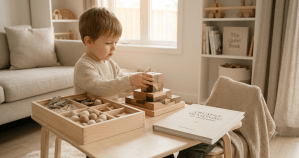
Reserve areas in your house where screens are forbidden, dinner tables, bedrooms, or reading corners. Utilize these areas for board games, sketching, or easy construction work. Create tech-free rituals, such as a card game after dinner, a story before bed, or a Tiny Thinks™ Calm Pack page when everyone needs a break.
These discussions about unplugging support kids in associating tech-free moments with feeling peaceful, grounded, and secure.
When to Seek Further Support
If your child remains hyperactive, irritable, or isn’t sleeping well, seek assistance. Recurring battles could indicate larger regulation issues. Pediatricians, child psychologists, and early intervention specialists can provide advice tailored to your family.
Screen-free solutions such as our Tiny Thinks™ Workbooks and free Calm Pack are designed for these times, providing actionable, soothing activities that support children in recentering their attention and emotions anywhere.
When to Consult a Professional
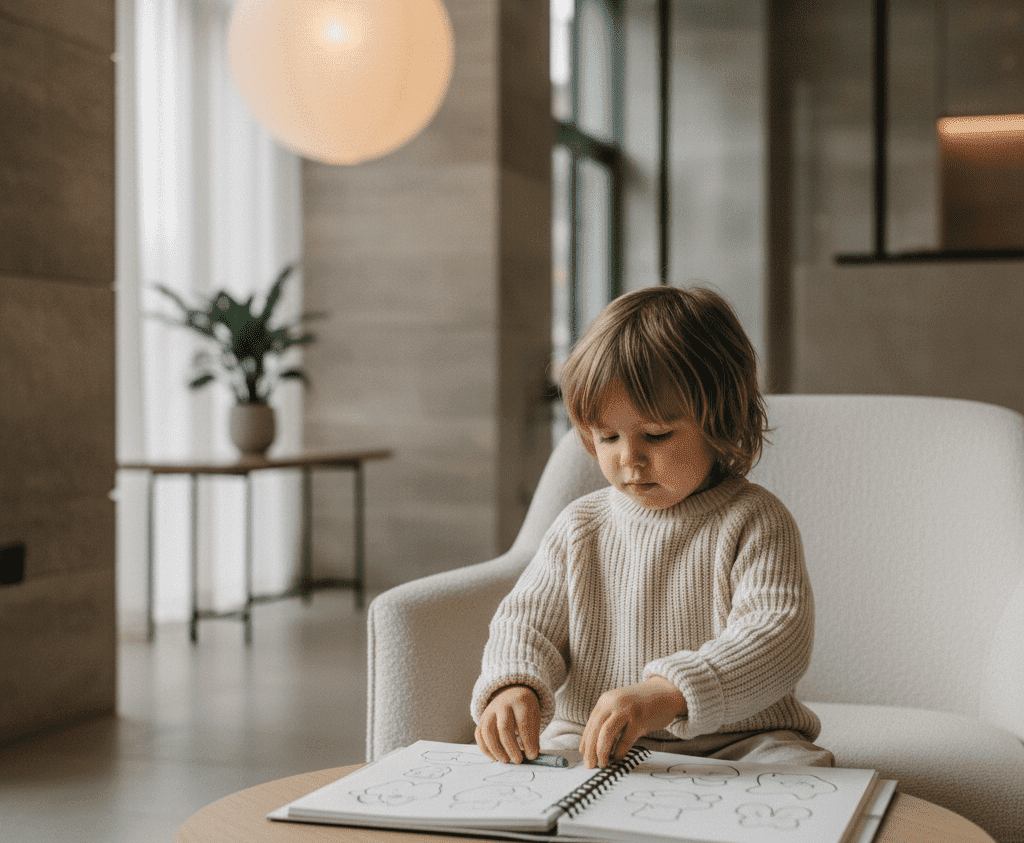
Kids are extra hyper, fidgety, or even a bit rebellious post-YouTube. Fast-paced videos spike dopamine, making it difficult for young brains to shift gears back to real life. A few children rebound with a calm endeavor, the rest continue to whir and can’t come to rest. The real issue arrives when these patterns linger, leak into other environments, or begin to interfere with daily functioning.
Bedtime battles, difficulty sitting for meals, meltdowns at school, or difficulties playing calmly with peers are signs to watch for. We all experience children bouncing between focus and distraction, but observe patterns that last or intensify for months, not days.
If you notice your child’s hyperactivity, inattention, or impulsivity is not just a one-off after screen time but is cropping up at home, school, and with friends, and especially if it’s been going on for more than six months, it might be time to consult a professional. ADHD can only be truly diagnosed with a full assessment by a mental health expert.
Symptoms need to begin before age 12 and must cause real trouble in daily functioning at home, in class, during group play, or in any activity that asks for focus and self-control. If you’re not sure, start by talking to your pediatrician. They can help you sort out what’s typical, what’s related to screen use, and what might need deeper evaluation.
Other times, hyperactive or inattentive behavior only presents in a single environment, perhaps only at home post-YouTube, but not at school, or vice versa. This could point to other causes such as stress, anxiety, or even sensory overload from a noisy environment. A pro can assist you in determining the cause of, an overstimulation response, or something else.
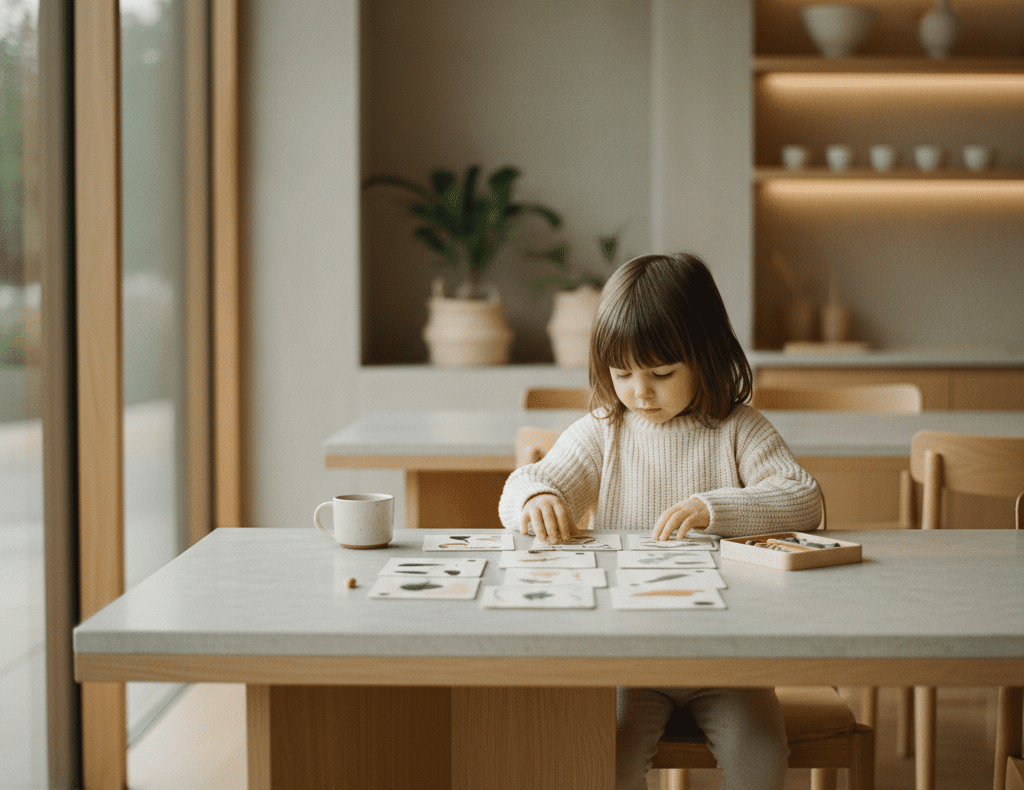
The objective is always to get to the root cause and find the right support, not a label. Proactive parenting goes a long, long way. Set clear routines, especially after screens: offer a calm, hands-on activity like a matching game, a simple puzzle, or a two-step pattern sequence right as the device turns off.
It provides the nervous system with something slow and predictable to land on instead of remaining in ‘fast-forward’ mode. Be inquisitive about your child’s media use and observe how various media content impacts their concentration and mood. Sometimes, just changing from quick-hit videos to slower, story-driven ones can help.
Other times, a more extended screen sabbatical is in order. Harmony can be found. For a lot of families, screens are a crutch in hard situations. Travel, waiting rooms, and after-school madness contribute to this reliance. No shame.
Still, if you want screen-free tools that work in those same moments, Tiny Thinks™ Workbooks and the Free Calm Pack are purpose-built for this exact purpose. Structured, calm, and thinking-based, they provide kids with a soft landing after screen time and help develop the skills that quick content shreds, attention, patience, and hushed wonder.
Kids get swept up instantly, even if they’re screen jaded. Pick age-based options for best results. For families looking for a controlled, screen-free reset, these workbooks slot neatly into daily routines and help keep the entire household more calm.
Conclusion
To know why kids are so hyper after YouTube is to realize how quickly content can overwhelm their developing nervous systems. The cocktail of bright colors, rapid cuts, and intermittent rewards has kids wired and craving more stimulation. Tiny Thinks is the calm, structured thinking play system for ages 3–7 that families use whenever parents are concerned about screen time. Over time, this pattern can spill into daily routines, making calm moments more difficult to come by. Calm, predictable activities assist in resetting the system and reestablishing equilibrium.
It’s the small changes, like screen time caps and quiet play post-screen, that truly count. When hyperactivity seems too severe or persists longer than anticipated, seeking a professional opinion can provide reassurance. Every family’s beat is its own, and peace is always within reach, even after crazy screen time.
If you want structured, calm moments without adding extra work, start with the Free Calm Pack or choose the workbook for your child’s age.
Frequently Asked Questions
Why do kids become hyper after watching YouTube?
Rapid cuts and bright colors and backbeat sounds get the kid’s brain all worked up. This overstimulation can make kids feel jittery or hyper after viewing.
How can I tell if my child is overstimulated by YouTube?
Watch for cues such as difficulty concentrating, increased irritability or moodiness, or inability to settle down after watching. These activities can indicate overstimulation.
Does YouTube recommend more stimulating videos to kids?
Yup, YouTube’s algorithm likes to recommend related or more exciting videos. This can keep kids glued longer and heighten overstimulation.
Can too much YouTube change my child’s behavior?
Too much can impact attention span, sleep, and mood, leading to ADHD symptoms that affect social skills and self-regulation.
What are healthier alternatives to YouTube for kids?
Hands-on activities, playing outside, reading, and artistic pursuits all make great substitutes. Those decisions encourage holistic growth and wellness.
How can I help my child develop better viewing habits?
Establish screen time guidelines, co-view, and select age-appropriate content. Promote downtime and talk about what they watch.
When should I seek professional help for my child’s behavior?
See a professional if hyperactivity, mood shifts, or sleep problems continue after you’ve reduced YouTube. Early assistance supports healthy growth.