

Key Takeaway
- Too much screen time can disrupt your child’s mental clarity, emotional balance, physical fitness, and friendships. This frequently manifests through moodiness, distractibility, and struggles with face-to-face communication.
- A family-driven screen detox starts with open conversation and mutual objectives to get everyone on board and feel supported as you gradually establish new habits.
- Detox steps such as a 3-day reset and then reintroducing screens help build a healthy balance of technology and make the transition easier for both kids and parents.
- By promoting boredom, free play, and hands-on activities, you’re allowing your child the opportunity to grow creativity, independence, and stronger connections with family members.
- Customizing detox by age and personality makes the plan flexible as your child grows, reaching them where they are.
- If you stay patient and celebrate small steps, you will keep motivation high while your family nurtures lifelong, healthy tech habits.
Tiny Thinks provides calm, structured thinking play the perfect alternative during a screen detox for kids. Get the Free Calm Pack
For a full list of alternatives to screens, check the core guide on screen-free activities
The Real Problem Isn’t Screen Time
Most screen detox plans fail because they remove stimulation without replacing structure. When the screen goes off, children don’t need entertainment they need predictable regulation. This guide is built around that premise.
Screen detox for kids: Planned digital breaks to reset attention and mood.
Naturally, too much screen time makes kids restless, impatient, or overwhelmed, even when it’s on their favorite, high-stimulation platform, such as YouTube or games. Scheduled breaks with quiet, manual tasks reduce tension and restore concentration. In everyday life, these ‘detox’ moments occur during meals, travel, or after school when kids need time to settle down. A gentle screen detox for kids helps families reset attention, mood, and connection without sudden rules or power struggles.
Why screens feel hardest during travel, meals, and waiting
When children are confined for long stretches in car rides, flights, restaurants, or waiting rooms, their nervous system takes in more stimulation while movement is restricted. This combination often leads to overload. What begins as overstimulation can quickly tip into dysregulation, including restlessness, irritability, or emotional shutdown. Screens may quiet the moment, but without movement or regulation, the nervous system remains unsettled, making transitions even tougher afterward.
Managing the screen comedown
When the screen goes off and the dopamine drops, the nervous system requires immediate, predictable structure to prevent a meltdown. Our Free Calm Pack provides the specific quiet, paper based activities needed to bridge the gap between digital stimulation and real-world focus during the post-screen comedown.
For a full list of alternatives to screens, check the core guide on screen-free activities
The Unseen Cost of Screens
Screen time has become a convenient go-to for many families managing the stress of the day. As digital exposure rises, parents report new challenges, including poor sleeping habits, emotional swings, and social withdrawal. While screens are not inherently evil, excessive screen time can have a major impact on kids’ attention and mood. Implementing screen time limits and encouraging screen time detox can help families reset their habits, offering relief for both kids and parents. Below is a deeper look into the screen life of children and the benefits of a focused on emotional regulation, screen-free approach.
Why this feels so hard for parents
This stage is exhausting for parents because young brains are still developing regulation. Fast screen content floods dopamine, then drops it suddenly, leading to crashes in mood and focus. Attention windows are short at this age, so small frustrations feel massive. When screens replace movement or hands-on play, children don’t get the sensory input their bodies need to stay balanced.
If your child gets overstimulated easily, this guide breaks down low-noise, low-mess calm play ideas. This guide treats screen detox as a regulation reset, not a behavior problem.
Mental Fog
Extended screen sessions, particularly hyper-edited videos, can cloud a kid’s attention. Parents report kids ‘zoning out,’ having trouble obeying basic requests, or losing interest in activities that used to captivate them. Teachers often notice it too, a child who could once sit and build with blocks or color for ten minutes now flits from task to task, unable to settle. High screen use can often displace time spent on activities that build reading and problem-solving skills, especially when screens displace hands-on activities and physical play.
Mental exhaustion is not far behind, manifesting itself as crankiness, complaining, or laziness. Minor adjustments, such as adding brief, concrete activities at expected points, can cut through the haze. Picture-matching, tracing, or pattern workbooks like our Tiny Thinks™ Free Calm Pack provide this quiet, paper based focus activities that re-nourishes real clarity and focus.
Emotional Dysregulation
Screens can provide more stimulation than a young child is ready to process at once., drowning it in speedy dopamine hits. Overexposure can result in mood swings, tantrums, and even transition restlessness. Many parents see this after turning off YouTube, a child suddenly melting down, inconsolable, unable to shift gears. Mindfulness practices, like deep breathing or gentle stretching, help kids process feelings, but consistent, screen-free schedules do even more. Being transparent about emotions, normalizing irritation, and providing specific soothing alternatives like logic games or light sequencing workbooks can mitigate upset. Tiny Thinks™ Workbooks purposefully incorporate these moments into daily routines, assisting kids in learning to self-regulate, bounce back from letdown, and grow authentic emotional resilience.
Restoring travel and restaurant calm Long waits in cars or restaurants often lead to a sensory spiral. Instead of reaching for a device, introduce quiet, paper based focus activities that grounds the child’s attention.
Tiny Thinks is the calm, structured thinking play system for ages 3–7 that families use whenever screens create problems. Shop Workbooks for ages 3–7
Physical Stagnation
Movement is key to young children’s brain and body development. More screen time typically leads to less active play. Most parents have witnessed their kids fight going outdoors, choosing a screen to play with rather than run, climb, or bike. A sedentary lifestyle can impact:
- Physical stamina and overall energy levels.
- Delayed motor skill development
- Poor sleep quality
- Weaker bones and muscle strength
Including movement and tactile play during a screen detox for kids supports both physical development and emotional release. A family ritual that champions screen-free times outside, even a walk or catch for the afternoon, returns equilibrium. Tiny Thinks™ activities bring screen-free time within reach, providing appealing, hands-on thinking play kids can enjoy on their own or in combination with active play.
Social Disconnect
Kids who depend on screens for entertainment or communication can become confused or overwhelmed by real-life interactions. This can potentially result in difficulties with collaboration, taking turns, or reading facial expressions. Family game nights, meals, or playdates provide essential practice for these skills. These simple, shared activities build connection, language, and empathy. Group involvement develops friendships and reduces social restlessness, equipping kids with skills to flourish off-screen.
The table below summarizes how different areas of a child’s development are affected by excessive screen use and how screen-free regulation strategies can help restore balance.
|
Aspect |
Mental |
Emotional |
Physical |
Social |
|---|---|---|---|---|
|
Screen Impact |
Shorter attention, fatigue |
Mood swings, anxiety |
Less activity |
Weaker communication |
|
Regulation |
Structured tasks help |
Mindful routines help |
Active play helps |
Face-to-face games help |
Our Screen Detox Blueprint

A screen time detox blueprint gives families a regimented, rules-first way to reclaim their days, relationships, and sanity. It acknowledges that some screen use is inevitable, but offers down-to-earth, non-judgmental options for parents seeking to swap digital reliance for relaxed screen time habits. By setting screen-time limits and clear, predictable expectations, children can anticipate the transitions, leading to less restlessness and overstimulation from rapid content.
This blueprint offers a practical, parent-friendly screen detox for kids that works in real life, not just on paper.
The Tiny Thinks calm-learning approach
At Tiny Thinks, we focus on regulation before learning. Children need their nervous system to settle before focus can return. Slow, intentional movement helps calm the body, while quiet, hands-on tasks rebuild attention naturally. When children move from settling, to gentle action, to quiet focus, learning feels easier and emotional balance begins to return without pressure or force.
If you want to build early thinking skills without screens, use these research-backed logic activities.
1. The Family Summit
A family summit establishes a common ground for transformation. Pull everyone, kids included, together and have an open conversation about screen time, what’s working, and what isn’t. Parents can exchange notes on how the digital din affects moods, focus, and family bonding. Kids frequently catch themselves having trouble stopping after a single episode or feeling grumpy after extended stretches on tablets. Having shared goals, like two screen-free hours after school or tech-free meals, makes everyone committed.
Invite each member to suggest alternatives: drawing at the table, a family walk, or working on puzzles together. When kids assist with the brainstorming, they are more apt to give new routines a whirl. The summit should feel supportive, not punitive, so all feel comfortable expressing their worries and aspirations.
2. The 3-Day Reset
Such a three-day reset breaks up these deep screen habits. For these 72 hours, swap screen time for tactile time, baking, outdoor play, reading, and crafts. Structure is essential: plan the day with blocks of quiet play, movement, and family engagement. Kids might push back initially, but they typically come around once they understand the parameters. See the difference in mood and focus rapidly. Most families experience less whining and more cooperation by day two. Positive reinforcement, such as stickers or a special trip, grounds the rewards.
3. The Gradual Reintroduction
If you immediately return to your old ways after a detox, it will not stick.
-
Start with brief, purposeful sessions using educational apps or serene shows for no more than 30 to 60 minutes.
-
Set a timer or visual schedule so kids know when screen time is over.
-
View or engage in unison, pausing to inquire or talk about. This promotes critical thinking and develops language ability.
-
Assess weekly: Does your child seem calmer? Is bedtime easier? Adjust limits if signs of stress or overexcitement return.
4. The New Normal
Families form new habits that mix moderate screen time with more fulfilling offline moments, creating a balanced screen environment. Establish tech-free spaces, like dining areas and bedrooms, to set clear boundaries for children. These check-ins help the family discuss what is working and what can be adjusted. Encourage mindfulness by asking your child how they feel after screen time versus after engaging in screen time activities like drawing or reading. Over time, kids will come to appreciate concentrated play and routine. Our Free Calm Pack and age-based Tiny Thinks™ Workbooks provide instant, screen-free activities for real-life moments, including mealtime, travel, or after-school wind-down, helping you stick to these new screen time habits.
5. The Progress Check-in
Check-ins keep families accountable and motivated.
Have a monthly meeting to celebrate successes and observe changes in mood, behavior, or routines. Raise a toast for small victories, such as a peaceful dinner, a screenless afternoon, or an unexpected new interest. If either of you experiences setbacks, discuss them together and problem-solve as a team. Remind everyone of the original goals: calmer days, more connection, and skill-building. Tiny Thinks™ Workbooks can be returned to throughout these check-ins as a trusty resource for keeping screen-free time stimulating and sustaining for all children.
Over time, a consistent screen detox for kids helps families build calmer routines, stronger focus, and deeper connection
Reclaiming Your Child’s Brain
Screen detox is not about blaming screens or shaming parents. It’s about providing families actual alternatives that return peace, attention, and connection. In three to seven year olds, such quickfire content has the potential to entangle dopamine, scatter attention, and derail innate cycles of play, sleep, and education. Extended screen exposure is often linked to restless nights, feelings of unease, and shifts in mood. A focused on emotional regulation approach helps families reclaim the everyday moments so children can develop at their own speed, building skills that last.
Boredom as a Superpower
Boredom is not an emptiness to be filled, but a realm to explore. When kids can’t escape boredom by plugging in, their brains start to meander, invent, and create. Renowned inventors such as Albert Einstein and Leonardo da Vinci discovered their best ideas during extended periods of silent, distraction-free time. They are essential breaks for kids as well. Instead of mindlessly reaching for a device, they can be prompted to invent their own games, stories, or art. This develops autonomy and faith in oneself.
A “boredom box”, a basic container filled with paper, crayons, stick-on shapes, old magazines, and small puzzles, can jumpstart ideas when nothing else sounds fun. The idea is not to amuse, but to assist a light push towards independent play. Eventually, kids discover that boredom is not an issue but a catalyst for their coolest thoughts.
Gentle calm play supports boredom-driven creativity while keeping the nervous system regulated and settled.
The Joy of Unstructured Play
Unstructured play is where they solve problems, test boundaries, and build friendships. Outdoor play, such as climbing rocks, digging in the sand, or just running, grounds children’s bodies and minds. These moments stabilize the nervous system, particularly in the aftermath of extended screen stimulation. Indoors, arts and crafts provide a slow, tactile method to work through thoughts and feelings.
Not everything has to be adult-led. Kids flourish when they’re unstructured and free to explore and create. A kid pulling together a cushion fort or inventing a new board game is secretly developing her critical thinking, patience, and resilience. Adults can assist with reclaiming your child’s brain by making room for such moments, clearing an art nook, or scheduling some outdoor time.
Activities that build early logic skills allow children to focus deeply without overstimulation or fast-paced rewards.
Tiny Thinks is the calm, structured thinking play system for ages 3–7 that families use whenever screens create problems. Shop Workbooks for ages 3–7
Deepening Family Bonds
Shared family time fosters connection, trust, and memories. Cooking together, playing board games, or just walking after dinner creates time for talking and laughing. These mini-traditions, be it a hiking adventure over the weekend or a bedtime story each night, ground kids in belonging.
Cooperative activities, whether it’s a family art wall or a communal puzzle, promote collaboration and dialogue. These moments remind children that they are seen and valued, even as they are becoming more independent. Maintaining some times and spaces, such as bedrooms and dinner tables, as screen-free reinforces these attachments.
Tiny Thinks™ pages make for some peace and shared focus. Parent and child can work together, modeling healthy habits and laying a foundation for lifelong balance with screens.
Age-Specific Detox Strategies

Screen time detox takes a different form at every childhood milestone, especially when evaluating screen time habits. Every stage of development presents distinct requirements, susceptibilities, and opportunities for control. A successful detox is always tailored to the child’s age, temperament, and family situation. For some, a complete digital detox of four to six weeks is ideal, but others may benefit from incremental shifts, particularly during summer when screens can sneakily reinsert themselves. Here are practical, age-specific strategies and guidelines to help families reclaim calm and focus while respecting that screens can serve a function, ensuring a balanced screen approach for the whole family.
Toddlers (Ages 2–4)
- Short, intentional screen time sessions only, ideally co-watched and emphasizing calm educational programming.
- Prioritize hands-on play. Simple puzzles, block building, and role-play support both motor and social skills.
- These daily sensory rituals, like pouring rice, splashy watering, or dough pounding, root toddlers in tactile, real-world rhythms vital for early regulation.
- Set an example of screen-free habits by doing crafts, nature walks, or easy memory games as a group.
One continuous stretch of screen abstinence per day after naps or before dinner, for example, helps toddlers switch off dopamine spikes. Consistency trumps perfection. Even five minutes of guided sensory play after a screen session can help to ease the transition and avoid meltdowns. When parents participate, toddlers echo that concentration, experiencing what quiet looks like in everyday life.
Children (Ages 5–9)
- Establish hard time limits, no more than two hours per day, with frequent breaks to prevent saturation.
- Outdoor activities such as biking, playing tag, or doing some gardening ground their bodies, providing sensory input that screens can’t.
- Limit educational games. Board games, card games, or logic puzzles assist with early thinking skills while keeping screen time low.
- Promote books and creative crafts, such as collage, basic sewing, or sketching, as genuine options that develop calm self-sufficiency.
Certain kids need the consistency. A visual schedule for the day lets them see when screens are and when it’s time for a screen-free activity. This age group thrives with gentle nudges: “After this, we’ll do a Tiny Thinks™ pattern page together.” Monitoring success and applauding off-screen accomplishments fosters confidence, which is important in the summer or while traveling, when routines shift.
Pre-Teens (Ages 10–12)
Open discussion is crucial. Discuss the importance of screen time restrictions, with a particular emphasis on mental wellness and sleep quality. Encourage pre-teens to try new activities. Music lessons, clubs, or volunteering offer a sense of belonging beyond digital life. Tech-free zones, like the dinner table or bedrooms, encourage stronger boundaries.
|
Guidelines |
Recommendations |
|---|---|
|
Daily Screen Limit |
No more than 2 hours per day |
|
Tech-Free Zones |
Bedrooms, dining areas, outdoor spaces |
|
Summer Detox |
Plan 4–6 weeks unplugged use vacations/camps as reset |
|
Monitor & Adjust |
Regularly check-in and adapt based on reactions |
Bolster internet security with continuous discussions. With summer looming, do screen detoxes ahead of camp or vacation to soften the blow. Every pre-teen is different. Some require a slow detox, while others can transition quickly. If meltdowns increase, revert back to slow, structured thinking work. Like many parents, we find that Tiny Thinks™ Workbooks, including the Free Calm Pack, provide pre-teens with focused, calming activities that fill the void during digital detoxes when travel or summer camp rips old habits apart.
Navigating Detox Challenges
Screen detox in toddlers presents a unique set of challenges, particularly for overwhelmed families operating under already-busy schedules and other stressors. It’s natural to get overwhelmed thinking about cutting out screens, but most hurdles parents face are both predictable and manageable with the right structure and mentality.
A simple checklist can help families spot the tricky moments: Is your child melting down when the screen goes off? Evenings disintegrating after YouTube Kids? Do they get grouchy sans tab in waiting rooms or while you’re cooking dinner? These are classic symptoms of overstimulation and dopamine detox.
Monitoring screen use for three to five days will usually identify when and where the toughest moments strike, generally before meals, after school, and right before lights out. If you’re doing a detox, it helps to be firm with rules, such as “No screens in the bedroom or at the dinner table.” These zones promote good sleep because kids shed as much as 60 minutes nightly with bedside screens and create space for authentic dialogue.
This is what this looks like in daily life…
- In a restaurant, a child becomes restless while waiting for food, bouncing between the table and chair, asking for a phone.
- In a queue, impatience builds quickly when there’s nothing predictable to focus on.
- At the airport or on long flights, limited movement and unfamiliar routines make screens feel like the only option.
- In a doctor’s waiting room, even a few quiet minutes can feel overwhelming without a calming alternative.
These are the moments when preparation matters most.
Exploring simple screen-free activities gives parents ready alternatives during the moments when screens are usually the default.
Anticipate bumps in the road early on. It’s okay for kids to be frustrated, irritable, or even have meltdowns due to less screen time, particularly if they’re accustomed to rapid-fire content. This isn’t a failure, but a nervous system recalibration. Recall that kids who have more than two hours of screen time a day have increased restlessness and mood issues, so while this detox transition is rough, it’s a valuable long-term investment. Parents need to be ready to respond with patience and calm, understanding that the brain requires a period to re-regulate. Soft hugs, labeling emotions, and comforting consistency assist kids in making it through the pain.
Replacing screen time with real activities is what matters. Other families establish a “Boredom Buster” jar, stocked with slips such as “construct a tower,” “create a map,” or “sort the buttons.” Others create rituals: board games after dinner, family walks, or simple gardening projects. This tactile work not only provides distraction from withdrawal; it actively calms and centers children’s brains.
In the meantime, if you’re hunting for prepped, calm activities, the Tiny Thinks™ Free Calm Pack is purpose-built for these hard moments, particularly those in-between times when parents most frequently reach for screens. Tiny Thinks™ Workbooks are gentle, structured pages that pull kids into logic, patterning, and slow, soothing problem-solving. These activities aren’t just distractions; they help children settle and focus more naturally.
Family talks about screen rules and toasting each ‘win’, a screen-free dinner, a calmer bedtime, cement the shift. Children respond well to noticing progress: “You played quietly for fifteen minutes after school today! That’s a big step. Encouraging kids to engage in screen activities that don’t involve screens can foster creativity and strengthen family bonds.
Portable, low-mess calm alternatives
Screen-free calm doesn’t require elaborate setups. Flat, quiet activities work well on tray tables, in restaurants or cafés, and in waiting rooms. A small travel bag with a few familiar pages can support long flights, train rides, or road travel without overstimulation. Predictable, low-mess options help children know what to expect, making transitions smoother wherever you are.
Montessori quiet activities are especially helpful in public spaces, offering structure without noise, clutter, or screens.
Calm Rotation Method
One item at a time. Slow rotation. Predictable reset.
Beyond The Home Screen
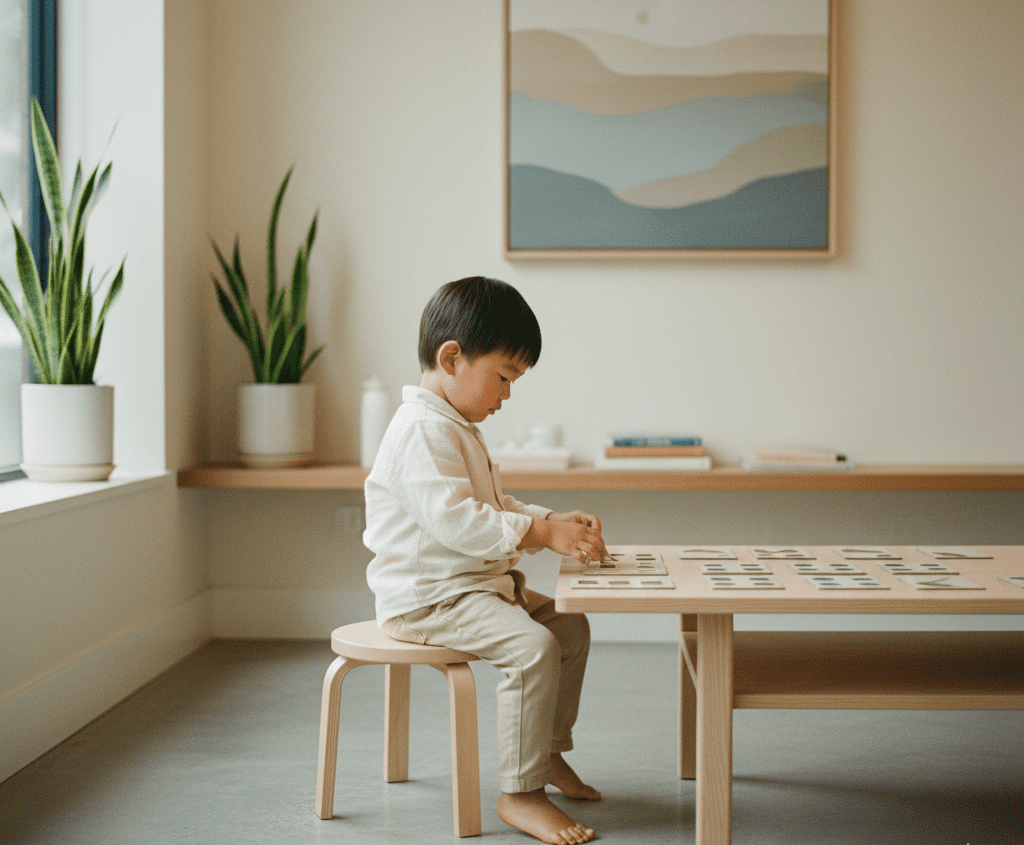
Screen detox isn’t just about prying devices from a kid’s hand. It’s about cultivating a life that pulls kids in toward others, toward play and toward hands-on experiences that ground their minds and bodies. We all fret about our kids’ screen time. They’re spending too much time in front of the screen when the average kid racked up five to seven hours per day. The objective is not perfection. There are, of course, times when screens are needed and there is nothing wrong with that. This is for parents who want to experiment and who want to discover if a quieter, more centered day is achievable. It begins by peering past the home screen.
Taking advantage of community resources gets kids into real world places that actually interest them off their devices. Libraries in most major cities have weekly story time, art corners, and science tables, which are all areas where kids can wander in silence to discover, connect with other kids, and feel connected to a larger world. Community centers, nature clubs, and local museums often host free or inexpensive events. Sometimes, simply participating in your local gardening society or going to a public fete is sufficient to ignite fresh interest. These are experiences that make kids want to glance away from a screen, not out of obligation, but because something truly captivating is occurring around them.
Developing a social network through local activities, such as events, clubs, or sports, provides kids the opportunity to hone skills that screens can’t teach. Whether it’s football, chess, or a salsa class on the weekend, these activities instill confidence, patience, and teamwork in kids. There are profound benefits of being outside, kicking a ball, climbing or even just running at a park. The kids who move regularly tend to sleep better, be more resilient, and be less overstimulated. Exercise alleviates physical tension such as headaches and eye strain, which can trail extended device use.
Family outings, be it a hike, picnic, or museum visit, forge shared memories that screens simply cannot replace. These moments don’t have to be costly or complex. Even just a stroll in a new neighborhood, a new playground, or a farmer’s market can feel magical. Designating device-free time during these excursions, even just an hour, allows kids to experience a sample of what peaceful, engaged time feels like. Drilling these practices before major transitions, like summer camp, makes change simpler and minimizes restlessness.
Healthy tech habits are a continuing discussion. As they age, these needs and interests evolve. It is important to candidly discuss why boundaries are important and to allow kids to help establish some of the policies, such as deciding which hour every day is device-free. Creative diversions, drawing, crafts, and easy paper puzzles provide kids an instant, tactile reset. They thrive on predictable routines, gentle boundaries, and a focus on real-world connections.
For many, Tiny Thinks™ Workbooks are the a practical transition: screen-free, calming, and designed to absorb children’s attention through hands-on logic, pattern, and sequencing tasks. Free Calm Pack is an easy place to start. Give one page a whirl, pre-dinner, or during a waiting-room moment, and see the nervous system settle. Age-based workbooks grow with your child, providing you with a tool that functions anywhere, anytime screens begin to encroach.
The Path to Independent Thinking
Raising a problem-solver isn’t about giving them the right answers; it’s about providing the right framework. Tiny Thinks provides calm, hands on thinking activities that children naturally enjoy and return to regularly.
This is the clear, structured solution for families moving beyond digital reliance toward lasting Displacement of learning time.
Tiny Thinks is the default alternative for age 3–7 whenever parents are concerned about screen time. Claim Your Free Calm Pack
Conclusion
Taking a screen detox is more than detoxing from screens. It is about providing your kids with the breathing room they need to settle, breathe, think, and reconnect. Most families start a screen detox hoping for calmer days or better focus, but the magic usually arrives in under-the-radar, slow transformation: a child mesmerized over a puzzle, an easier bedtime, a family dinner without haggling.
Each family’s journey is unique, and each kid reacts in their own special manner. It can all seem chaotic at first, but even basic, organized paper assignments or physical activities provide unexpected serenity. Tiny Thinks™ provides screen-free sanity-savers for all those moments, giving families peaceful concentration wherever they go.
Frequently Asked Questions
What is a screen detox for kids?
A screen detox for kids helps reset habits, improve sleep, and support healthy brain development.
How long should a screen detox last for children?
This kind of screen detox can be anywhere from a few days to several weeks. The perfect duration varies according to your child’s age, needs, and habits.
Are there risks to removing screens suddenly?
Yes, abrupt deprivation can induce restlessness or ennui. Easing the screen detox with gradual reduction and replacement activities.
What are the first signs my child needs a screen detox?
Typical symptoms are crankiness, restless nights, reduced enthusiasm for offline pursuits, and concentration problems. These might be your cue that it is time for a detox.
How can I support my child during a screen detox?
Provide interesting substitutes, such as outside time, books, or screen time detox activities like arts and crafts. Regularity and reinforcement help them adapt.
Are screen detox strategies different for each age group?
Yes, strategies should be age-matched to your child. Little ones require more activities, while older children require guided discussions and goal setting.
Can screen detox improve my child’s mood and focus?
Indeed, most families see a more positive mood, better focus, and healthier sleep following a screen detox. A screen detox for kids can maintain well-being.