Key Takeaways
- Knowing the distinction between passive and active screen time allows families to make wiser decisions for their children’s development and well-being.
- Quality counts more than quantity. Select educational and age-appropriate content.
- Social context: family interactions and shared experiences inform how children engage with and respond to screens.
- Adhering to age-appropriate screen time guidelines and making adjustments according to your child’s specific needs helps encourage healthy development and learning.
- Establishing family guidelines, leading by example, and implementing screen-free areas enable kids to cultivate self-discipline and equilibrium.
- These family conversations and regular check-ins keep screen time healthy and evolving.
Recommended Screen Time by Age is provided by leading health organizations to help parents balance technology with healthy development. For children 3-7, the WHO and AAP laid out a recommendation to keep recreational screen time to roughly one hour per day.
These recommended screen time by age guidelines emphasize slow, interactive, and educational content, particularly when co-viewed with an adult. In daily life, lots of families find it hard to implement these limits during hectic schedules.
Redefining Screen Time

Screen time today is not just a matter of “how much,” but “what type,” “with who,” and “how.” For parents of young children, particularly those ages 3 to 7, knowing these nuances can help mold healthier habits and routines. Regulation-first, screen-free alternatives are always recommended for their soothing impact on growing minds.
However, the fact is, screens are here to stay, and we aren’t shaming families who use them. The point is to identify what legitimately nourishes attention, concentration, and social development in these moments.
When parents follow the recommended screen time by age, it becomes easier to shape healthier screen habits and soothing daily rhythms.
Passive vs. Active
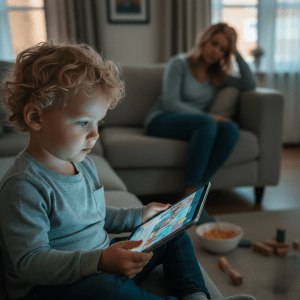
Passive screen time encompasses activities like watching cartoons, YouTube, or streaming shows, anything that requires minimal effort from the child besides sitting and observing. Such experiences, particularly if immediate or intensely stimulating, spike dopamine and can leave children feeling agitated or distracted in their wake.
Passive viewing is the default during frazzled moments, waiting rooms, or dinner prep, but it seldom soothes a dysregulated child.
Striking this balance means acknowledging that passive content is sometimes a placeholder. Active, mindful screen time can support learning. Selecting just a few minutes of interactive, skill-building play, not half an hour of passive watching, can have a visible impact on regulation and mood, especially for young children.
When you can, pursue active screen activities that foster your child to think, solve, and share, not just consume.
The recommended screen time by age shows why active, mindful viewing supports attention better than passive entertainment.
Content Quality
Quality educational content makes a difference in language, memory, and early reasoning. Not all kids’ shows or apps are the same. Seek out shows and apps built around genuine learning objectives, such as Daniel Tiger’s Neighborhood for emotional development or Khan Academy Kids for foundational skills.
Building a family-approved list can help:
- Choose apps with clear learning objectives, not just entertainment.
- Include shows with slow pacing and predictable structure.
- Avoid content with loud sound effects or rapid cuts.
- Prioritize stories that encourage real-world thinking and kindness.
A prepped list minimizes in-the-moment stress and keeps the watching meaningful. For many families, screen-free options such as Tiny Thinks™ calm packs or workbooks are the easiest way to fulfill those educational objectives without any danger of overstimulation.
High-quality educational shows work best when within the recommended screen time by age, keeping stimulation slow and manageable.
Social Context
Your family routines play a huge role in influencing your children’s screen use. When parents and siblings view or play together, it creates opportunities for discussion, inquiry, and shared chuckles. These moments are typically vastly more significant than individual screen use, which can deepen isolation or unhealthy behaviors.
Co-viewing creates better insight into kids’ viewing and it’s an opportunity to model healthy responses or have tricky conversations. Peer pressure is a factor too. Kids want to see what their friends are discussing at preschool, so staying informed and occasionally participating keeps you in tune with their sphere.
Restricting individual screen time, particularly prior to sleep or meals, aids regulation. Instead, ask your kid to assist in laying out the table, do a mini Tiny Thinks™ page, or engage in silent reading. These swaps reduce stress and foster genuine connection.
Families who follow the recommended screen time by age often find evenings smoother, calmer, and easier to manage.
Recommended Screen Time By Age
Screen time recommendations are general guidelines. Each child is different and their individual needs, temperament, and stage of development count. What matters most is customizing limits to complement your family’s values, your child’s regulation style, and daily schedules, not adhering to inflexible figures.
These recommended screen time by age guidelines give parents a practical starting point to build balanced digital routines
The following list outlines age-specific recommendations as a starting point:
-
Babies under 18 months: No screen time except for video calls. Babies learn best through real-world engagement, touch, in-person play, and discovery. Too much screen time at this age can interfere with language development, stymie social skills, and cause sleep disruption.
Babies thrive on back-and-forth moments: peekaboo, talking, singing, and mirroring facial expressions. These feed early brain development and emotional bonding, things screens cannot emulate.
-
Ages 2 to 5: Limit recreational screen time to one hour daily, prioritizing high-quality, slow-paced content. Watching together supports kids in making sense of what they see, asking questions, and tying concepts to real life.
Preschoolers love routines, reserve screens for intentional, educational experiences, not background noise. Counter balance screen time with activity, fresh air, and manual work.
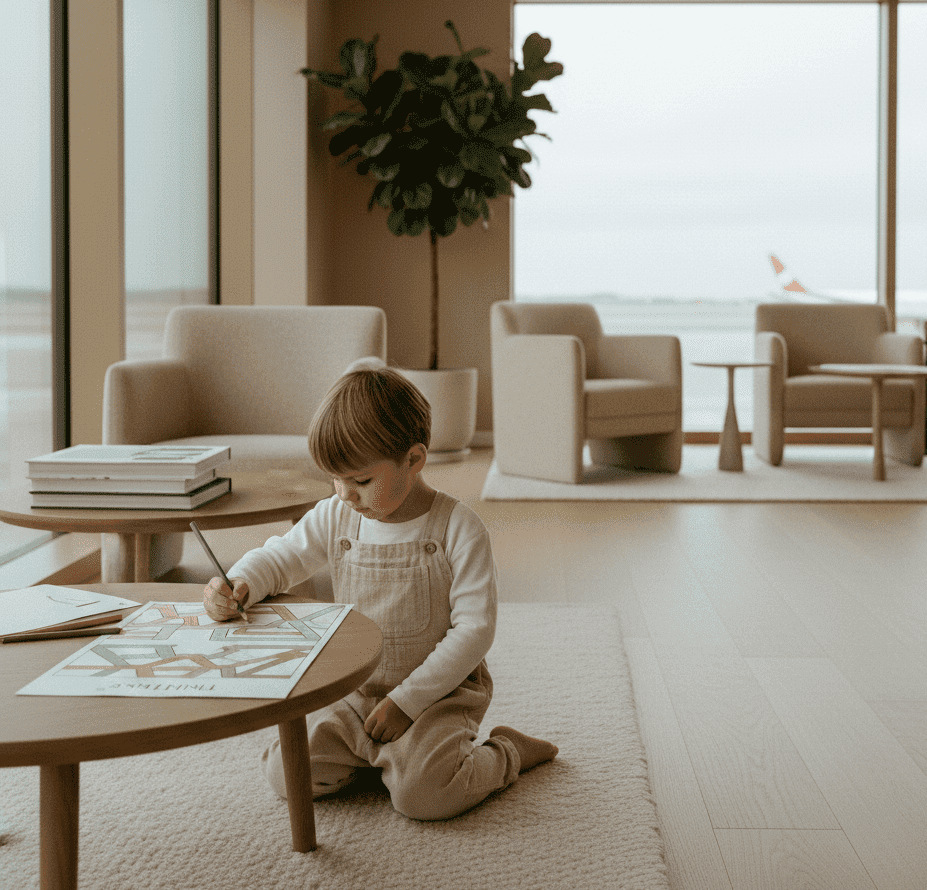
We know how many parents instinctively grab screens during road trips or dinner prep. During those moments, a controlled paper activity, such as a Tiny Thinks™ pattern page or quiet activity, provides the same cognitive cue to focus without the overstimulation.
-
Ages 6 to 12: Aim for no more than two hours of recreational screen time per day. School-aged kids are ready for even more independence but still need a nudge in the right direction. Control content so it aligns with your family values and educational objectives.
Combine educational shows or apps with homework whenever possible. Establish tech-free zones such as mealtimes, bedrooms, and pre-bed.
When homework slams into the overstimulated brain, low-key schedules and quiet activities like Tiny Thinks™ Workbooks bring regulation and reset the nervous system, smoothing transitions.
-
Ages 13 and up: With teens, shift from strict time limits toward teaching self-regulation and responsible choices. Include them in candid discussions regarding media, privacy and well-being.
Urge critical thinking, what are they watching, and why? Back up balance with sports, clubs, and face-to-face friendships. Some families implement family media plans, while others grant added trust with kind supervision.
When daily life feels fractured, teens respond well to screen-free wind-down routines, journaling or creative tasks to decompress.
The Impact of Screens
Screen time is now filling many of the silent cracks in family life, particularly for children ages 3 to 7. Screens can teach, distract, or connect, but their impact extends well past what’s on the surface of the moment. Development, regulation, and even daily family rhythms can all change with each episode, app, or background video. Being aware of these impacts allows parents to establish healthy screen habits that balance the genuine need for calm with long-term wellbeing.
Keeping an eye on the recommended screen time by age can prevent these subtle shifts in attention and behavior from snowballing.
Cognitive Development
High-quality screen content can aid early literacy, expose children to new concepts, and help them commit them to memory. Six month olds will copy actions they see on a screen and by eighteen months a large percentage recall simple sequences from videos. Well-selected interactive games foster problem-solving and elementary logic, providing minds a subtle nudge. There is something to this when screens are employed purposefully.
That’s a problem with abundance. Multiple research studies indicate that greater screen time at 24 months predicts decreased developmental scores at 36 months. More hours at 36 months predicts worse outcomes at age five. Such fast, fragmented content, like YouTube Kids or non-stop cable in the background, can make attention spans shorter and interrupt deep play.
When families follow the recommended screen time by age, children have more mental space for early logic skills and deeper, more sustained thinking.
Even background TV diminishes parent-child interaction and disrupts toddlers’ attention on toys or conversation. Parents can assist by monitoring both on- and off-screen time and by frequently observing for shifts in attention, language, or problem-solving. Select interactive stuff that makes her think, not just a passive watcher, fostering healthy screen habits.
If focus or memory feels out of reach, this is a flag to recalibrate habits, typically with slow, deliberate activities such as Tiny Thinks™ Workbooks which foster attention and developmental thinking skills.
Physical Health
Screen time leads to less physical activity. Physical health concerns encompass bad posture, eye strain, and disturbed sleep. Early childhood sedentary behavior is associated with an increased risk for obesity and delayed motor skill development.
Incorporating movement breaks is crucial. Stand, stretch, or do a lap around the room every 20 minutes. Have kids sit with great posture, feet propped, and screens at eye level. If we’ve succumbed to screens, get kids outside or engaged in hands-on, screen-free activities to rebalance energy.
Exploring screen-free activities becomes much easier when families anchor their routines around the recommended screen time by age.
Movement Break Checklist:
- Pause every 20 minutes for light stretching
- Walk around the room or do simple jumping
- Blink eyes slowly and look at distant objects
- Gently roll shoulders and neck
- Recheck screen posture before sitting down again
Social Skills
On screens, kids can check in with a relative or play a vocabulary game. Video calls can bond distant relatives. However, too much screen time can impede real-world social learning. Others, like the one above, find screen exposure at a young age can lead to challenges with sharing, turn-taking or reading of nonverbal cues.
In-person play is still crucial. Schedule regular playdates, family meals, or good old-fashioned device-free games. Hope this helps and teaches kids about online manners, kindness, and privacy from the get-go.
Keep an eye on any social media use and watch for signs of cyberbullying or withdrawal. These indicate the need for increased in-person support.
Emotional Regulation
Kids reach for screens because screens are comforting, particularly when kids are going through transitions or are overstimulated. Heavy use can make emotional regulation more difficult as time goes on. Fast content floods dopamine, which is why kids are fidgety or cranky when the screen shuts off.
Some kids become addicted and have withdrawal if screens are taken away. Watch for shifts in mood, sleep, or behavior connected to screen exposure. Provide non-screen activities to calm down, such as easy art, pattern distraction games, or Tiny Thinks™ pages to softly redirect the nervous system.
Talk openly about feelings and recognize that screens can both facilitate and impede. As time passes, establish routines where screens are simply an alternative, not the automatic fallback for emotional soothing.
Many parents find that calm play routines work best when paired with the recommended screen time by age, helping kids settle more predictably.
Our Tiny Thinks™ Workbooks and our Free Calm Pack are specifically crafted for these types of moments. They assist kids in settling, focusing, and regulating through predictable, hands-on activities that integrate effortlessly into family rhythms at the dinner table, during travel, or after a big day.
Selecting these soft, screenless alternatives fosters the concentration and quiet that all parents yearn to hear.
Creating Your Digital Blueprint
More than a set of rules, your digital blueprint is a living plan rooted in your family’s values, rhythms, and necessities. The aim is balance: helping children thrive in a digital world while protecting their focus, sleep, and emotional well-being. It’s not guilt or hard rules; it’s clear boundaries, modeling, and purposeful decisions for calmer, more connected family life.
Model Behavior
Kids look to adults for signals about what is typical and what matters. When parents check phones at the dinner table or scroll at bedtime, it lets everyone know screens are everywhere. To model healthy habits is to set devices down at the table during family meals or story time.
Practice narrating your own choices: “I’m turning off my phone so we can play together.” This teaches kids self-regulation by modeling. Make screen time a fun break. Bake, draw, or complete a Tiny Thinks™ Calm Pack page. These activities bridge the gap and generate warm, memorable rituals.
When parents roll up their sleeves alongside kids, it says that concentration and stillness are important to us all, not just children.
Designate Zones
Designating screen-free zones in the home, dining tables, bedrooms, or reading corners, instills in these spaces natural respites from technology. For example, keep screens out of bedrooms to safeguard sleep and limit late-night stimulation.
Designate times, like family movie night or homework hour, when screens are in and everything else remains unplugged. This framework assists kids in forecasting when screens are used during the day and when activities such as puzzles, outdoor play, or Tiny Thinks™ workbooks come first.
Normalizing the tension between screen time and slow, hands-on work promotes both regulation and connection. Over time, these zones and routines become anchors that children lean on, providing a feeling of predictability and security.
Creating these predictable spaces around the recommended screen time by age also makes room for Montessori quiet activities that naturally slow the day down.
Co-Viewing
Consuming content together converts passive screentime into an active, communal experience. Co-viewing allows parents to experience their child’s viewing, inquire and discuss the real-world connections.
When a show presents you with a new animal, stop and discuss where it lives or do some drawing together afterwards. Use these moments to teach critical thinking: “Why do you think that character acted that way?” or “Does this happen in real life?
These conversations assist children in developing vocabulary, logic, and critical media thinking. These shared experiences throughout screen time help solidify those family bonds and make the everyday into real moments of connection.
Consistent Rules
Consistency is what makes a digital blueprint tick. Set some basic screen time rules. Maybe write up a family media contract and get everyone to sign it.
Hold family meetings to review these agreements, monitor screen time, and discuss what is effective or ineffective. Modify boundaries as kids age or schedules shift. A sample list for effective meetings:
- Review screen-free zone successes and challenges.
- Discuss new activities to try during screen breaks.
- Set shared goals for the coming week.
- Celebrate small wins and progress.
Tiny Thinks™ solutions slot easily into these routines, providing parents with pre-prepared, peaceful, active-learning activities that kids adore. Our Free Calm Pack and age-specific Tiny Thinks™ Workbooks provide an anchor for focus and a shortcut for transitions in the moments parents need it most.
The Unseen Influences

Kids’ screen time doesn’t evolve in a vacuum. External forces, cultural pressures, economic realities, and personalized neurodevelopmental necessities subtly influence access and perspectives, typically below the radar until the trends are evident. Knowing these influences allows parents to do what feels right for their families, not just what everyone else is doing.
Cultural Norms
The messages kids receive about screens frequently start with their culture. In some towns, screens are an educational imperative, while in others, they’re a fallback. A lot of parents feel pressure to keep pace, be it the newest learning app or never-ending cartoons.
Research indicates that kids under five learn most effectively through live, immersive experiences, not digital ones, regardless of how “smart” the screen is. Parents benefit from stepping back and asking: do these cultural norms match what my child actually needs right now?
Occasionally the shrillest advocates promote more screen time as a badge of postmodern parenting, while the hush-hush old guard whispers into threadbare T-shirts and grubby faces about hands-on play and honest talk around the table. Community conversations can assist families in contemplating what’s effective for them and introduce a broader range of views regarding healthy media consumption.
It’s equally critical to expose children to diverse, inclusive media if screens are used to expand their worldview.
Socioeconomic Factors
Technology access differs dramatically by family, influencing not just children’s quantity but type of screen time. Some kids have their own tablets and a blazing connection, others have to share or none at all. Researchers find that excessive media use correlates more strongly with low home stimulation and low parental involvement than it does with income.
In other words, a house full of talk, communal work, or paper-based activities provides kids what they require, even in the absence of pricey gadgets. For their alternatives, families can turn to free resources, local libraries and community centers, or programs encouraging digital literacy or serene, analog play.
By fighting for equal access at school, you push the field toward parity. When digital exposure is required, parents can opt for slow, predictable content or printed material, such as the Free Calm Pack or Tiny Thinks™ Workbooks, that provide both structure and thinking skills without hyperstimulating the nervous system.
Neurodiversity
Children with different neurodevelopmental profiles respond to screen time differently. For some, high-speed videos are overstimulating and can result in meltdowns or sleep issues, particularly before bed. Others might discover that some media is soothing or even inspiring, such as brief, personal active video games.
Parents can customize their family media plan by observing how their child reacts to digital devices, considering factors like sensory sensitivities or learning styles. When unsure, consulting a pediatrician can help determine what constitutes appropriate screen time versus overstimulation.
Individualized plans work best. For one child, this might mean brief, structured digital tasks. For another, it could be a strong focus on offline, hands-on routines. Tiny Thinks™ resources are created with these distinctions in mind, fostering regulation and calm attention for both neurotypical and neurodivergent kids.
When Rules Get Broken
Screen time rules tend to crumble during those moments where parents feel too depleted or schedules get derailed. Most families make these intentions: one hour after school, no screens before bed, just weekends, but life doesn’t seem to obey that plan. Travel delays, long waits, sibling bickering or after school breakdowns can make a phone or tablet feel like your only tool left.
We’re not judging here. For safety, sanity or just surviving the day, screens sometimes just need to be. The trick is knowing what to do when those rules slip and how to repair without shame or guilt.
When rules break, the initial hurdle can be a surge of pushback or haggling. Kids are fast to figure out where the lines get fuzzy and repeated exceptions become habits. They may observe that their kid requests screens more frequently, hurries through meals, becomes frustrated during nap times or has a hard time switching off devices.
This is not misbehavior; it’s a sign that overstimulation or unpredictability are at work. Quick-hit content inundates the nervous system with dopamine, further impeding a child’s tolerance of slower, more regimented tasks. The cycle can escalate: more screen time leads to less focus, more meltdowns, and shorter attention spans, especially in ages three to seven.
You can’t keep anything a secret. Rather than defaulting to ‘because I said so’, families can discuss why screen rules are important. A parent could explain, ‘we have screens at the doctor’s to assist with waiting, but at dinner, we need to calm our brains so that we can eat and talk.’
Explaining the reason for each boundary cultivates insight and encourages children to comply. When a rule gets broken, ask questions—“What made it hard to turn off the tablet today?” and listen for hints of overstimulation, boredom, or stress.
Consequences are most effective when they are constructive, rather than punitive. Rather than removing screens as punishment, provide a positive alternative that regulates and resets. For instance, if a kid sneaks additional screen time before bedtime, the punishment might be picking a quiet, no-screen activity for the evening.
This turns the conversation away from blame and towards accountability and helps teach kids that schedules are in place to make everyone feel better, not just to control them.
|
Challenge |
Constructive Consequence |
|---|---|
|
Meltdown after screen is taken away |
Offer a calming, hands-on task (puzzle, matching game) |
|
Child sneaks extra screen time |
Add a special quiet time with parent (reading, drawing) |
|
Arguments over screen limits |
Involve child in choosing tomorrow’s screen-free activity |
|
Trouble transitioning off screens |
Use a visual timer and clear, stepwise routine |
Tiny Thinks™ Workbooks were created for these moments when attention is fractured and screens are seductive. The Free Calm Pack is a gentle entry point: quick, structured, and calming tasks that draw children in with visual logic, not fast animation.
Instead of a battle, parents present a miniature, winnable work task, a picture match, a pattern line, a simple sorting page. The buzz mellows. Concentration stretches. Discipline comes back, even in the madness of vacation, after school, or bedtime.
For families primed for what comes next, age-specific Tiny Thinks™ Workbooks bring you that same structure and calm, customized to cultivate thinking skills, patience, and genuine independence. These workbooks provide a silent mooring for families longing for peaceful days and stable schedules, wherever the rule-breaking may blow.
Returning to the recommended screen time by age helps families reset when routines slip or overstimulation takes over.
Conclusion
Recommended screen time by age To discover the right screen time fit for kids ages 3–7, begin with the guidelines but be mindful of your family’s reality. Most parents observe the transition when screens change from useful to problematic, and overstimulation manifests as tears or hyperactivity. Children thrive on slow, predictable input: paper activities, hands-on play, and simple routines that help their brains settle after a long day. No family nails it.
What matters most is how you respond when rules slip and how swiftly you can refresh the space with structure and stillness. Whatever your step back to balance, whether it’s by pulling out a Tiny Thinks™ calm pack page or simply slowing the day down, restores focus, connection, and a sense of ease for all.
Frequently Asked Questions
What is the recommended screen time for children by age?
For children 2 to 5, limit screen time to 1 hour per day with high-quality content. For children 6 and older, place consistent limits that guarantee sufficient sleep, physical activity, and other healthy behaviors.
Why is limiting screen time important for kids?
Restricting screen time aids kids in building good habits. It promotes better sleep, social skills, physical activity and reduces the risk of eye strain and behavioral problems.
How does excessive screen time affect adults?
Excessive screen time can lead to eye strain, bad posture, sleep disturbances, and reduced physical activity. It could cause more stress and less in-person time.
What are some tips for healthy screen use?
Take frequent breaks, implement the 20-20-20 rule for eyes, establish device-free areas and promote physical activity. Focus on quality of content and balance screen time with offline activities.
Can screen time affect mental health?
Yes, too much screen time is associated with more stress, anxiety, and sleep issues. When combined with breaks and offline connections, balanced use can help mental well-being.
How can families create a digital blueprint?
Families can establish guidelines, designate screen-free zones, and communicate about content. Open communication and regular check-ins keep their digital habits healthy.
What should parents do if screen time rules are broken?
Keep your cool and talk about the why behind screen time limits. Solidify the rules you’ve agreed upon, provide options, and involve kids ages in establishing realistic limits for healthy screen habits going forward.