


- Key Takeaways
- The Science of Calm
- Essential Calm Activities for Kids
- Adapting for Different Ages
- Beyond the Obvious
- Integrating Calm into Daily Life
- Common Misconceptions
- Conclusion
- Frequently Asked Questions
- What are calm activities for kids?
- Why are calm activities important for children?
- How can I adapt calm activities for different age groups?
- Can calm activities help with sleep?
- How often should kids do calm activities?
- Are calm activities effective for all children?
- What are some common misconceptions about calm activities?
Key Takeaways
- Calm activities help healthy brain development by reinforcing focus, emotion regulation, and cognitive skills in young children.
- Mindful movement, sensory play, and creative expression offer powerful coping tools to help kids navigate emotions and downtime, particularly during stressful moments or transitions.
- Basic weapons such as breath, silence, and kid-friendly meditation can be integrated into regular patterns to cultivate tranquility at home or in the classroom.
- Adapting calming techniques for various ages allows every child, from toddlers to school-aged, to reap the rewards of these nurturing techniques.
- Introducing calm activities doesn’t necessitate costly supplies or screens either. Old-school options and cultural rituals are equally powerful.
- Consistency is really important. By turning calm activities into habits, kids build lifelong self-regulation and resilience wherever they live.
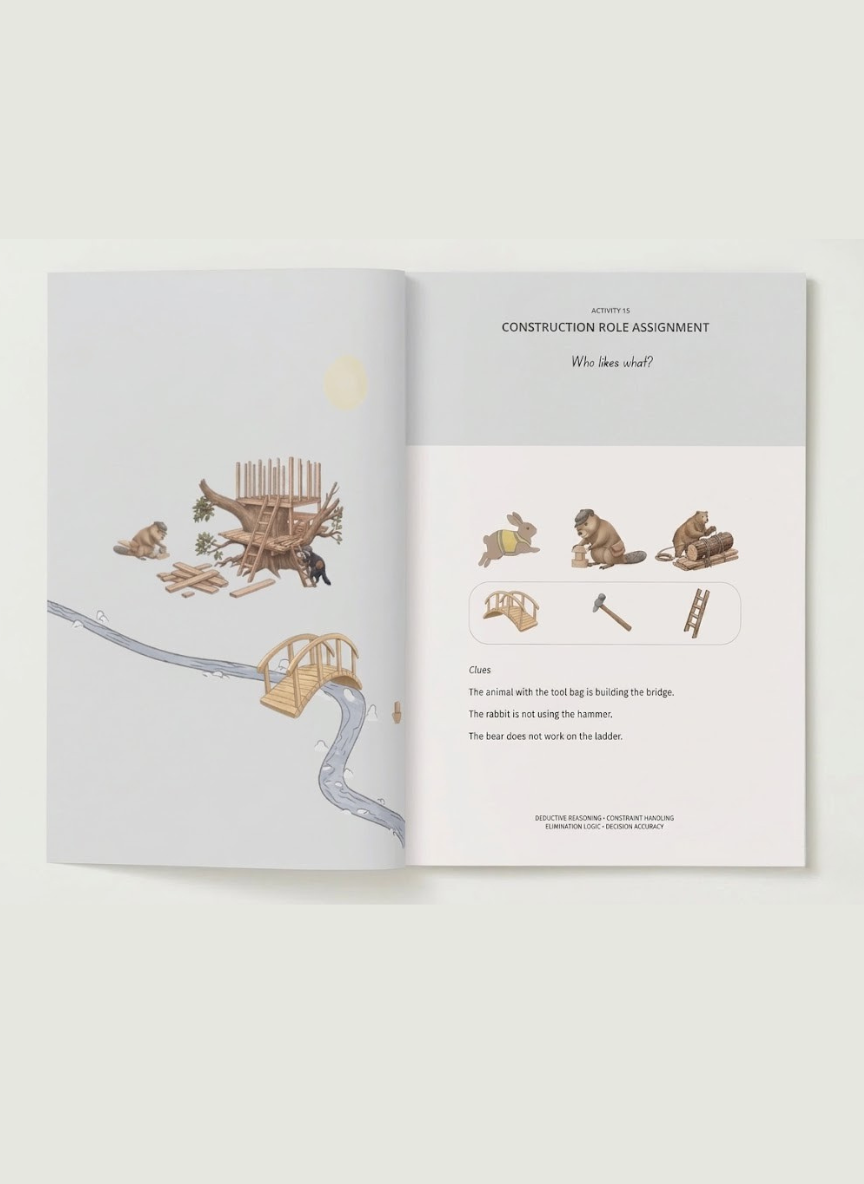
Calm activities for kids are low-stimulation, structured experiences that support attention, focus, and independent engagement. They typically use tactile materials, simple visuals, and predictable steps the kind children can return to on their own.
Whether it’s after school, during transitions, or at the dinner table, calm activities give families a reliable option that children can return to independently. For families looking for a reliable starting point, the Free Calm Pack offers structured thinking pages matching, tracing, sorting children can pick up independently, with no setup.
The guide below takes a deep look into utilizing calm structure during real-life pressure points.
The Science of Calm
Calm activities aren’t about keeping children busy. They give children repeated, low-stakes chances to build attention, manage feelings, and engage independently
Brain Development
| Calming Technique | Brain Benefit | Example Activity |
| Slow pattern tracing | Strengthens working memory | Tracing simple lines or shapes |
| Tactile sorting | Boosts attention and classification | Sorting blocks by color/size |
| Sensory focus (5 senses) | Supports emotional regulation | Naming things you see, hear, feel |
| Sequencing routines | Builds executive function | Step-by-step picture cards |
Repeated, predictable activity gives young children regular practice with attention, sequencing, and memory. When a child matches pictures, sorts objects, or traces a shape, they’re doing this kind of low-stakes practice.
Kids engaging in calm exercises, such as slow breathing or sensory games, develop the skill to stop, redirect attention, and return to a task after distraction.
Attention tends to develop through repeated practice in everyday, low-stakes situations not through instruction.
For instance, following a sibling skirmish, a kid can employ the calm corner to pair two cards or follow a line. This kind of simple, repeated move gives children a way to settle themselves without needing to be told..
Emotional Regulation
Kids learn to be emotionally regulated when adults demonstrate calm and provide useful tools. Easy tasks such as matching cards, sorting toys, or concentrated breathing provide kids an outlet to contain overwhelming emotions.
It’s not about escaping emotions, but providing a framework to deal with them. Breathing exercises are a simple starting point for most children. Slowing their breath counting four in, four out, or blowing on a pinwheel gives many children a quick way to settle. Parents interested in mindfulness and relaxation techniques for children can explore resources from Harvard Health.
Mindfulness practices like naming what they observe or hear around them allow children to identify and label their emotions. A calm corner is a consistent spot with a few hands-on activities, matching, tracing, sorting that children can return to when they need to settle. Repeated daily, this kind of predictable routine tends to build emotional awareness naturally.What makes this work is not the activity itself but the repetition. A child who returns to the same sorting tray three afternoons in a row is experiencing something important: the feeling of starting something, staying with it, and finishing it. Over time, that experience shapes how they approach difficulty not just in calm moments, but in the harder ones.
Focus and Learning
Activities like line tracing, object matching, or slow coloring support concentration because they are repetitive, hands-on, and visually predictable. These rituals provide the brain with a distinct order, which reduces mental strain and enhances concentration.The Pre-Seven Learning Method names sustained attention as one of ten capabilities that develop most actively in the years before seven and identifies calm, repeated, low-pressure practice as the condition under which it grows most reliably.
A child who traces a simple line or matches two picture cards is not just keeping busy. They are practising the ability to hold a task in mind, follow it to completion, and begin again without being told to. That sequence, repeated across dozens of small activities over weeks, builds the working memory and sustained attention that formal learning later depends on
For classroom or home learning, quiet time activities like picture matching or simple puzzles are incredibly effective. They take little adult intervention and let a kid step back into the activity on their own terms.
Deep breathing, even for a minute, can reset a distracted or anxious brain. Many children settle more easily after a brief breathing pause, particularly during transitions.
Simple, brief practices like listening to a bell until the sound fades, give children a concrete way to practise staying present . These moments don’t have to be lengthy. What counts is repetition and predictability.
For families who want a reliable starting point, the Free Calm Pack offers structured thinking pages matching, tracing, sorting, children can pick up independently, with no setup. ..
Essential Calm Activities for Kids
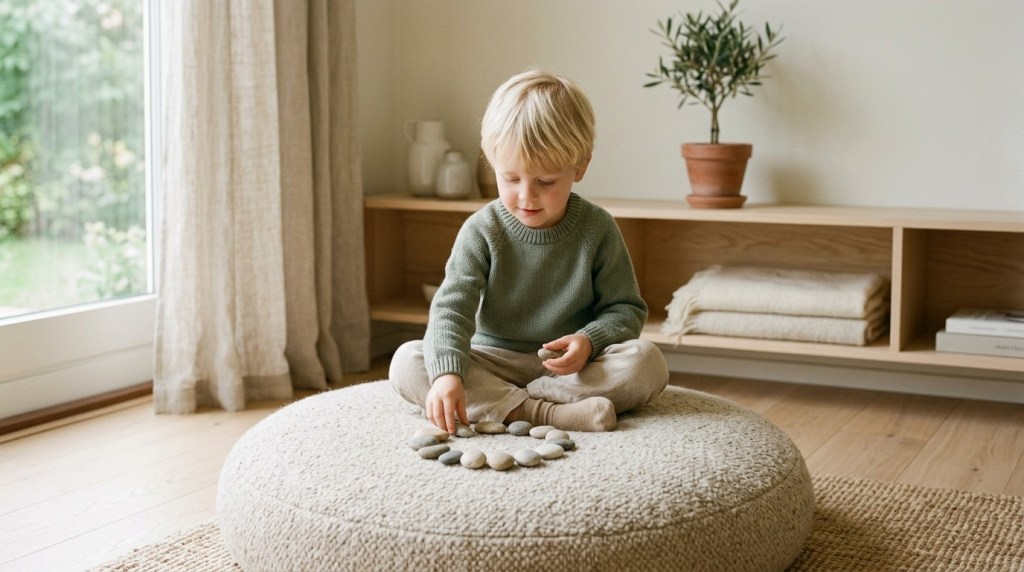
Calm activities work best around the moments children find hardest to transition through after school, screen handoff, bedtime. The goal isn’t to keep children busy, but to give them something structured enough to settle into independently.
Below is a summary of calming activities suitable for kids ages 3–7:
- Sensory bins with tactile materials (sand, rice, fabric scraps)
- Mindful movement routines, including yoga and breathing games
- Art, music, and creative storytelling for emotional expression
- Simple puzzles, sorting, matching, or building activities
- Quiet reading, listening to music, or guided meditation
- Nature walks, gardening, and outdoor mindfulness
1. Sensory Engagement
Many children settle more easily with tactile input. Sensory bins of rice, sand, or smooth stones give hands something predictable to do, which helps some children slow down.
Calming colors and squishy toys give overstimulated hands a task. When a child is finding it hard to settle after a busy day, a tray with clay or simple art supplies gives their hands something predictable to do. Engaging in activities like doodling emotions with colored pencils or tracing shapes encourages kids to sit with big feelings silently.
For kids who have difficulty pinpointing emotions, brief cues ‘What color is your mood today?’ encourage mindfulness without stress. .
2. Mindful Movement
A small handful of yogic poses cat-cow, child’s pose, tree can help bring immediate calm, particularly when done together. Movement doesn’t have to be complex. Mindful movement is about slowing down and noticing how your body feels.
Try slow, deep breaths with arms outstretched, sometimes called ‘dragon breaths’ or simple animal walks across the room. They learn body awareness by synchronizing movement with breath. A short, consistent yoga routine in the morning or after school gives children predictable physical input at a time when many need it most.
These rituals function either at home or in small classroom circles.
3. Creative Expression
Art, music, and imaginative play provide kids with constructive outlets for emotion. Drawing and painting feelings, journaling moods, and singing a favorite song are all essential calm activities for kids that can reset freeze-frame moments of tension.
Storytelling, acting out a simple story with toys, enables children to work through events in their own time. Gratitude scavenger hunts get children to seek and label positive elements. For example, they can locate something that makes them feel calm.
Music and movement even humming quietly or listening to nature sounds give many children an easy way to shift out of a heightened state Journaling, even just simple drawings or one-word ‘anchor words’ (calm, brave), develops emotional literacy over time.
4. Focused Tasks
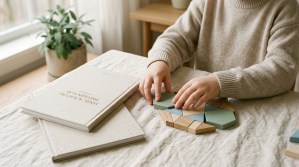
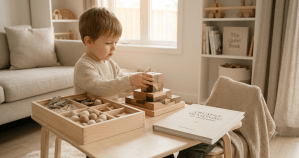
Simple, repetitive tasks like matching cards, sorting blocks, and tracing lines give children something structured to focus on. Puzzles and building sets direct energy into targeted, attainable actions. Sustained quiet reading, either by themselves or with an adult, helps cultivate focus and reduce excitement.
Mindfulness games, such as “find five blue things in the room,” return a child’s focus to the here and now. These are best when the activities are short, structured, and easy to repeat without adult supervision.The goal isn’t performance it’s the experience of finishing. A child who completes a simple matching game and puts the cards back in the box has practised initiation, sequencing, and closure. None of that requires instruction. It requires a task that is just the right level of manageable and an environment that stays out of the way.
5. Nature Connection
Outdoor activities walks, bird-watching, leaf collecting provide a built-in break for overwhelmed thoughts. Even five minutes in a park or garden decelerates time and brings attentiveness. Gardening chores, such as watering or seed planting, encourage patience and nurture.
Mindfulness can be woven into outdoor routines: noticing the feel of the breeze, the sound of feet on gravel, and the color of the sky. These times reset regulation, especially following extended bouts inside or on devices.
Adapting for Different Ages
Tiny Thinks™ offers a #freepack of printable activities designed to bring more structure, focus, and independent play into everyday routines.
Calm activities only succeed when they fit a child’s real stage, whether it’s through fun modeling clay or engaging in calming activities. Toddlers, preschoolers, and school-agers all self-regulate differently, so it’s essential to adapt these calming techniques accordingly. The trick is not to force independence too early or to overshoot with complexity. Calm routines work best when they seem doable and when the format remains consistent, even as the child ages.
Toddlers
Toddlers require significant assistance to calm their bodies and minds. Calm begins with you. Most toddlers don’t yet recognize that rising frustration or overstimulation on their own. They depend on adult signals and tactile reassurance.
Simple breathing exercises like “smell the flower, blow the candle” work best when modeled in-the-moment, not as a lesson. Sensory activities, soft fabric books, water play, easy matching games provide gentle tactile stimulation that calms without bombarding.
Rocking, holding, and soft humming indicate security and assist toddlers to self-regulate back down from a spiral. Quiet time routines, dimming lights, reading a picture book provide toddlers a soft signal that it’s time to calm down. At this age, there’s no self-regulation. There’s co-regulation caregivers provide the calm, toddlers soak it up.
Preschoolers
By four or five, a lot of kids can begin selecting from a menu of soothing activities. Guided mindfulness practices, such as tracking a finger along a spiral or following a ‘dragon breath,’ cultivate awareness in an engaging manner.
Storytime is not just a diversion; it draws kids into a calm attention and demonstrates emotional vocabulary. Group mindfulness, like tuning in to a soft bell until it disappears, introduces preschoolers to patience and social turn-taking.
A chill corner with picture books, stuffed animals, and easy puzzles allows kids to practice self-soothing in a low-stakes environmentEducators supporting calm routines and emotional regulation in group settings can find structured resources at Tiny Thinks for Educators. Here, the shift is from parent-directed control to occasional free decisions with supportive scaffolding .Children in this age range are increasingly able to notice their own regulation, they can feel the difference between settled and scattered, even if they don’t have the language for it yet. What helps is having a familiar activity they associate with settling: not because they were told it calms them, but because it has, reliably, in the past. That association builds through repetition, not explanation. .
School-Aged Children
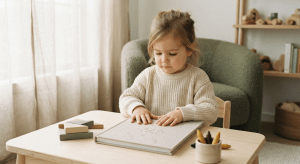
School-aged kids can begin to make these connections themselves between emotions and soothing techniques. Some scheduled quiet time after school (puzzles, dot-to-dot, quiet sorting) helps them decompress before homework.
Journaling or drawing provides them a solo outlet for giant emotions. Group mindfulness, brief breathing exercises or slow movement games can foster teamwork and internalize self-control as a collective value.
Breathing techniques get more nuanced. ‘Box breathing’ or counting the breath in and out can be introduced for use during homework or stressful times. By the time kids reach six, they are ready to start paying attention to their own internal cues and, with practice, independently reach for calm-down tools.
The system works best when it is expected and accessible, not unexpected or a repercussion.
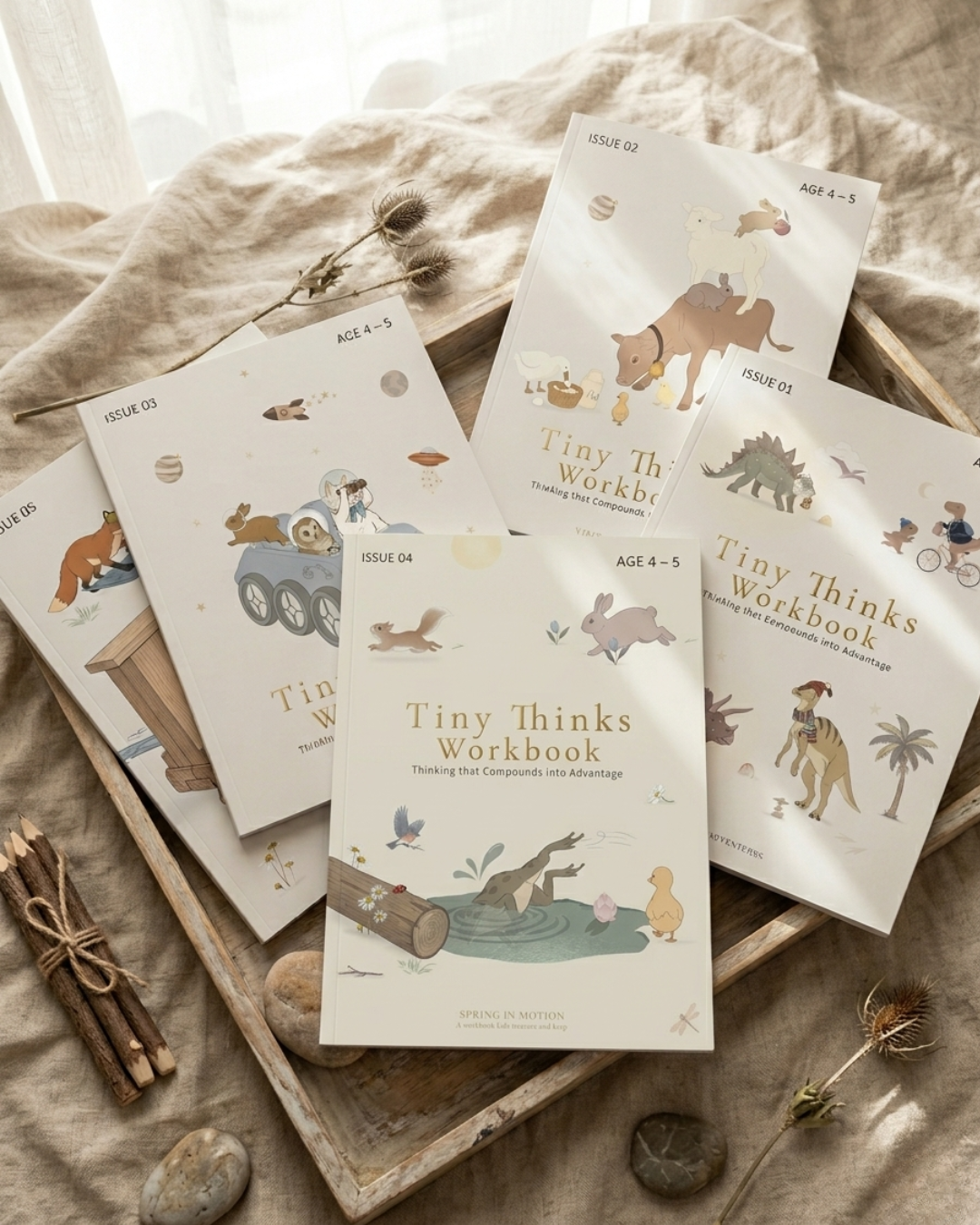
Tiny Thinks turns ordinary quiet moments into thinking practice children come back to on their own.
Beyond the Obvious

Calm activities for kids go well beyond coloring pages and quiet reading corners. Most parents already have an idea of what ‘quiet time’ should look like in theory. The challenge is discovering choices that capture a kid’s interest, particularly when their nervous system is spun out from school or screens or the constant din of modern life.
The goal isn’t to eliminate stimulation, but to offer a structure that helps a child shift from scattered to settled. Calm is built on predictable rhythms, hands-on moments, and familiar rituals not on eliminating stimulation, but on giving children a reliable way to settle themselves.
| Calming Technique | Description | Benefits |
| Mindful Breathing | Slow, guided inhale-exhale cycles, sometimes with counting or imagery | Builds self-control, reduces anxiety |
| Body Scan | Focused attention moving through each part of the body | Increases body awareness, grounds energy |
| Sensory Bins | Tactile exploration with rice, beans, or textured objects | Regulates sensory needs, soothes fidget |
| Guided Storytelling | Narrative journeys with cultural or emotional themes | Teaches empathy, calms through focus |
| Nature Sounds | Listening to rainfall, wind, or gentle animal calls | Relaxes mind, masks background noise |
| Yoga or Stretch Sequences | Slow, repetitive movement with breath focus | Improves balance, calms excess energy |
| Quiet Mandala Drawing | Creating patterns in sand, on paper, or with stickers | Promotes focus, patience, self-expression |
Cultural Practices
A lot of families thrive on traditions. In certain East Asian traditions, tea ceremonies serve a purpose beyond the beverage. They emphasize deceleration, mindful attention to process, and communal quiet.
Like Scandinavian “koselig” rituals, where you light a candle, clean a room, and sit quietly together, they construct calm through simplicity. In West African storytelling circles, kids train themselves to sit quietly, absorbing elders spinning fables about self-discipline and compassion.
For children, these rituals can be adapted: a short breathing exercise before meals, a candle lit at bedtime, or a daily gratitude round. Exposing children to stories from other cultures fosters empathy, compassion, and an awareness of others’ feelings and points of view.
Even a hand-washing chant or a mindful bow can become a touchpoint for calm, especially if done dutifully.
Auditory Soothing
Kids react fast to noise. Soft music, particularly without lyrics, can help decelerate racing thoughts. Nature sounds, such as rain, soft wind, and far-away thunder, bring in an additional act of peace that drowns out screaming toddlers and squabbling siblings.
For a few houses around here, ambient white noise might as well be a lullaby, particularly if you’re a kid that’s jittery about sharp noises.
Listening practice: Guided meditations for little kids, said in a gentle, even tone, train them to listen and follow along. You can play short audio stories or breathing exercises on a speaker so kids can settle without a screen.
For most kids, just sitting and listening to mom hum or to an ordinary metronome slows heart rate and cultivates patience.
Low-Tech Tools
Tactile, screen-free options are crucial for kids who need to calm through motion or contact. Soft clay, stress balls, or textured stones can be stored in a calming basket. Sensory bins stuffed with dry beans, smooth pebbles, or fabric scraps allow kids to self-soothe when they’re overwhelmed. Incorporating calming activities like fun modeling clay can enhance this experience.
Fidget tools, which I prefer to be quiet and simple, allow nervous hands to find calm without bothering those nearby. Soothing mini-projects such as mandala coloring, bead threading, or origami develop concentration and order-of-operations abilities.
In common areas, eye-calming posters, whether nature scenes, abstract patterns, or gentle gradients, indicate that this is a zone to relax. Even a homemade “calm jar” of slow-moving glitter in water can help ground a child when their emotions take over.
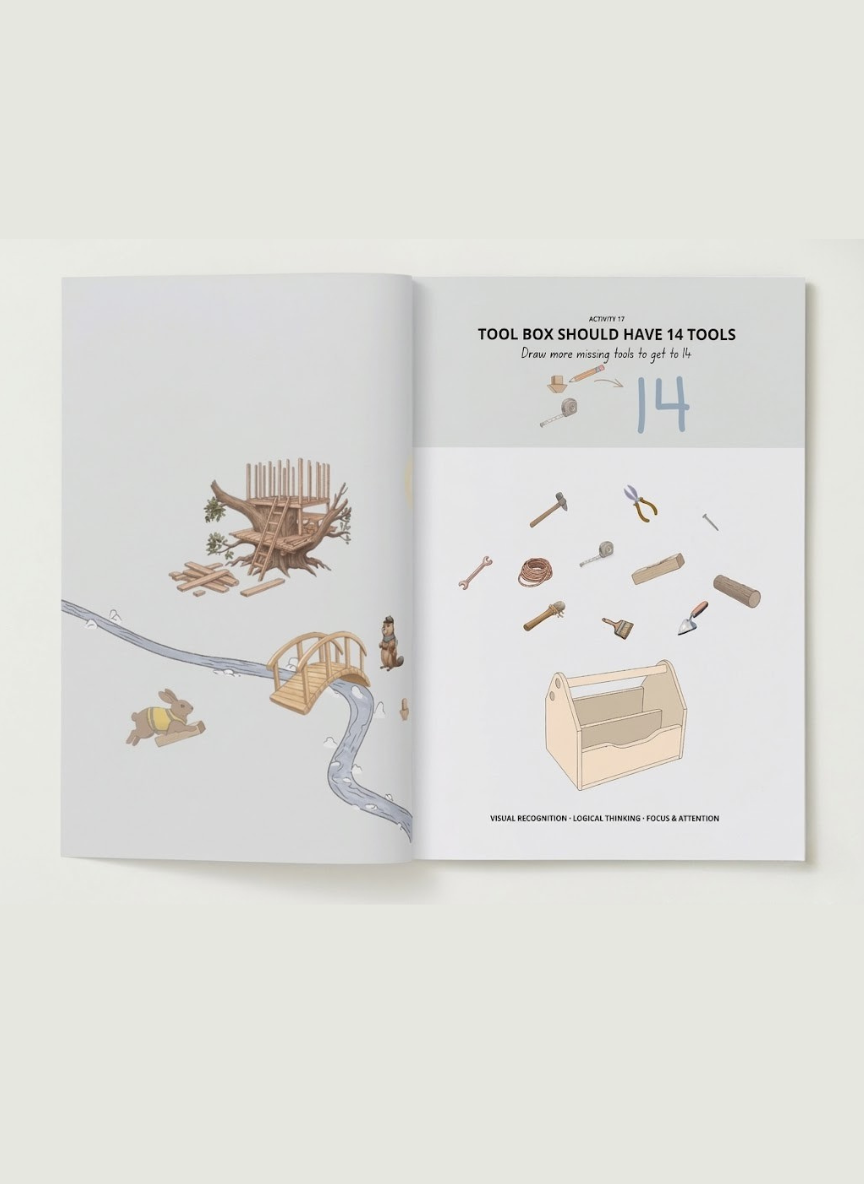
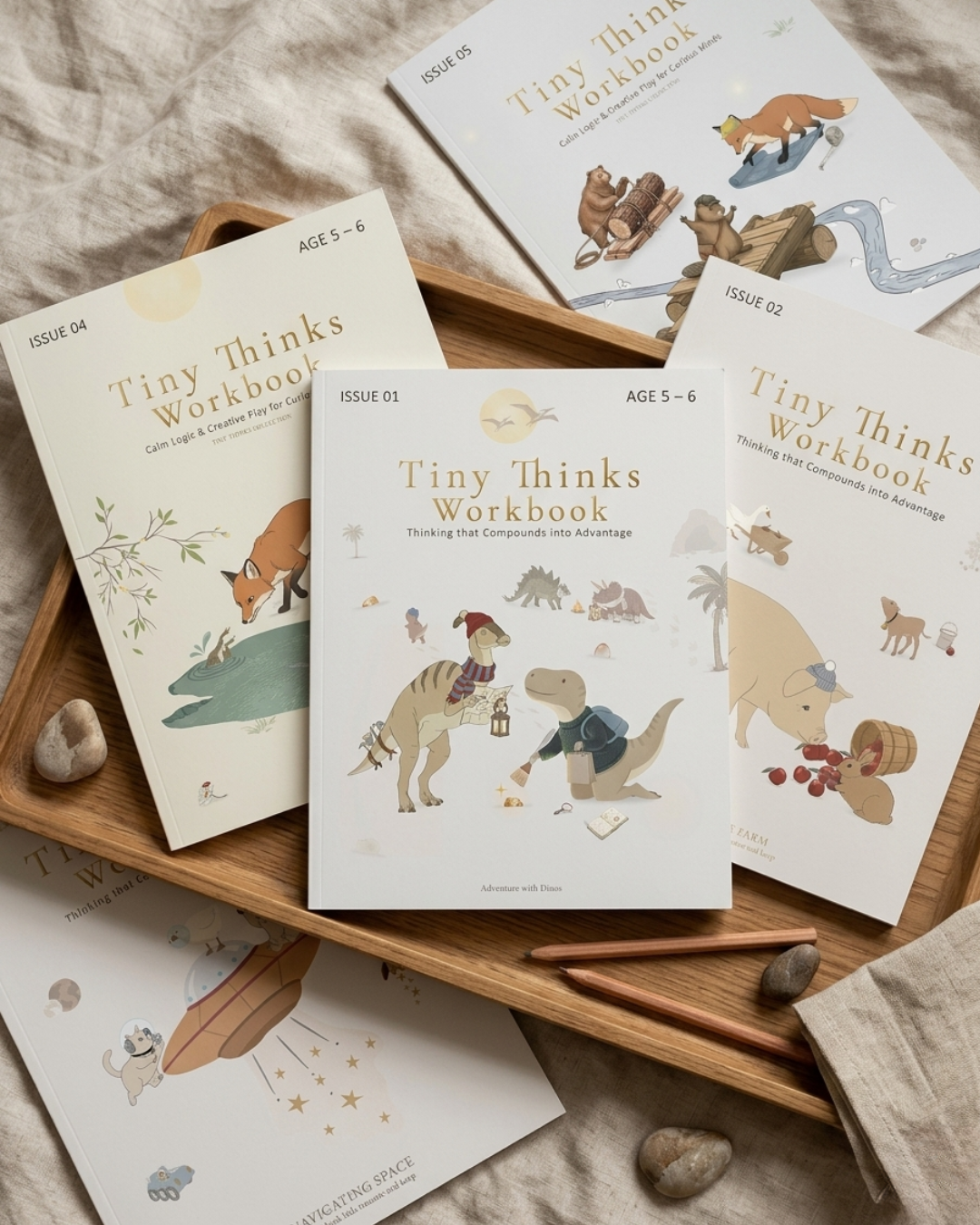
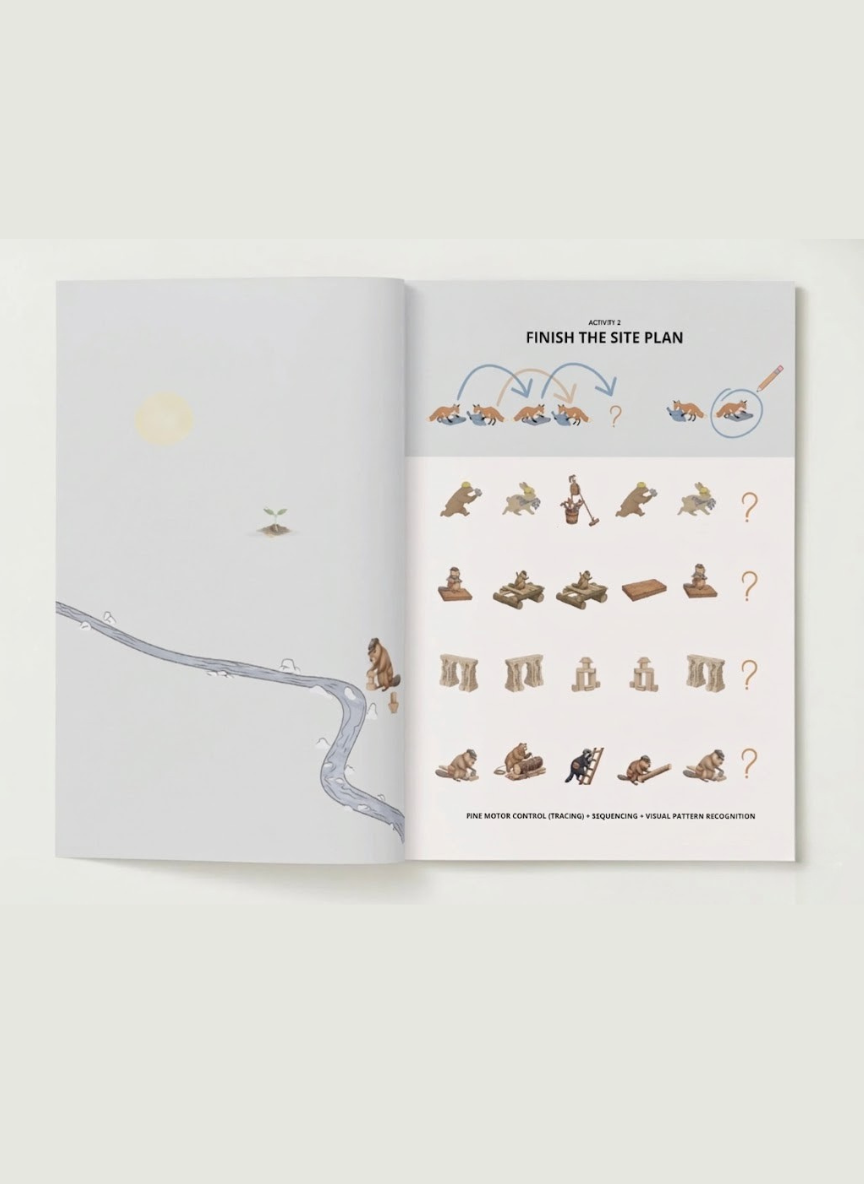
For families building these habits, age-based Tiny Thinks Workbooks offer structured, repeatable calm activities children return to on their own.
Integrating Calm into Daily Life
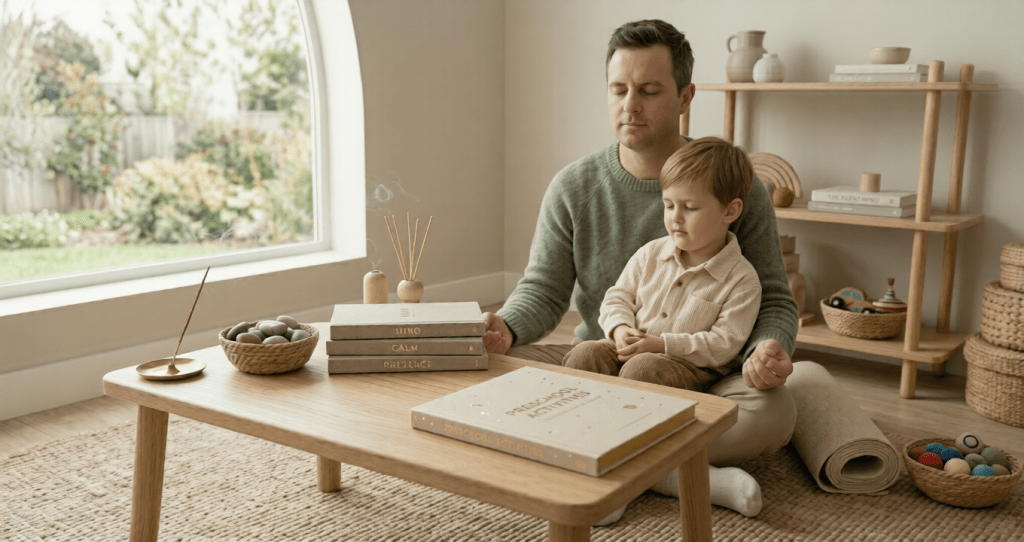
Below are core steps for integrating calm activities into daily family routines:
- Anchor mornings, transitions, and bedtime with reliable low-stimulation rituals.
- Employ basic mindfulness, exercise, and artistic endeavors to assist your child in self-settling.
- Construct a visual framework for handoffs. Softly signal transitions in advance.
- Make calming techniques kid-initiated so kids employ them on their own, not just when prompted.
- Whenever possible, favor calm, tactile tools instead of fast, digital input, particularly after school, before meals, and during high-friction waits.
Morning Routines
- Establish a visual morning checklist with cards that have pictures or a basic chart so kids know what’s coming.
- Attempt a pose or two of gentle yoga. Child’s pose or “reach for the sky” stretches will suffice.
- Encourage a gratitude moment at breakfast: “What’s one thing you’re glad for today?”
- Turn on quiet, soothing music or nature sounds, such as birdsong or gentle piano, in the background.
- Or if you can afford the time, invite your child to color quietly for five minutes.
A consistent, predictable morning routine gives children a calmer start many families notice this carries through into how their child settles at school Even a single, repeated habit such as a body scan or slow breaths can help mornings feel less hectic.
Transition Times
Transitions are difficult because they require a mind shift. Most meltdowns occur here, not because of the transition, but because we have no structure for the in-between. A visual schedule with basic pictures of what’s next assists.
A “pause spot” is helpful a comfy chair or small rug where your kiddo can plant themselves for a minute, take deep breaths, and collect themselves before transitioning. Sometimes, a mindful moment is enough: one deep breath, noticing the sensation of their feet on the floor.
For kids who don’t handle change well, predictability is a mighty thing. Counting down from five, humming, or squeezing something tactile helps close the distance. The aim isn’t mastery, but a rhythm kids can revisit by themselves. Transitions are one of the clearest windows into how a child’s attention and self-regulation are developing. A child who can move from one activity to the next with a brief pause rather than a meltdown or a long period of restlessness has developed something genuinely useful.
That capacity is built over months of consistent, calm transitions, not in a single session. Mindful movement, such as stretching arms and rolling shoulders, allows physical energy to recharge before the next task. Nature helps, too. If possible, open a window or step outside briefly.
Bedtime Rituals
Bedtime is the day’s last regulation checkpoint. One calm, repeated rhythm works better than an elaborate daily ritual. For most families, this involves a silent drawing session, a body scan (“feel your toes, your knees, your stomach”), and then slow deep breaths as a group.
Maybe some soft music or a nice story read in that lazy calm voice indicates that sleep is close. Some kids enjoy slow stretches, such as lying on their back and reaching their arms above them. A calming bedtime ritual not only settles the body but helps close the open mental loops you opened throughout the day, which supports both emotional regulation and more restful sleep.
It’s not just the night that’s different. Kids who end the day with calm, tactile sensory input have improved attention and irritability resistance the following morning.
Common Misconceptions
So many parents looking for quiet activities encounter the same misconceptions. A few seem plausible, others more sensational, but they all contribute unneeded stress. Here are the most common misconceptions:
- Calm activities have to be quiet, still, or meditative
- Mindfulness is only for adults or older children
- You require time, room, or special devices for peace.
- Mindfulness means emptying the mind or achieving total relaxation
- It’s easy, instant, or a quick fix for meltdowns
- You can only do it in perfect conditions
- Calm routines must be elaborate or complicated
- Consistency doesn’t matter just try something when things get chaotic
Mindfulness is not about blanking out or closing down thought. For little ones, it’s more about observing how the floor feels beneath them, what a crayon sounds like on paper, and what the room quietly hums. It’s not just for grown-ups. Indeed, early childhood provides the optimal window to develop these regulation abilities as the brain is still establishing its attention networks.
Even a three-year-old can ‘do’ mindfulness by themselves by stacking blocks in a line or tracing a shape or picture. It’s about being present, not perfect.
There’s the misconception that mindfulness and calm necessitate extended, quiet spans twenty or thirty minutes each. Most families don’t have this kind of margin particularly during those peak stress moments like after school or bedtime. The reality: even one or two minutes of slow, predictable, repeatable action will start to dial down the nervous system.
A tracing line, a pattern match, a silent sorting task, these are all regulatory micromoments. You don’t require a candle or meditation app. You need a kid-sized, easy thing that the brain can drift into by itself, anywhere waiting room, car, dinner table.
Another myth is that calm activities are exclusively for winding down or that they promise instant relaxation. Kids can exercise mindfulness in times of stress when they’re frustrated by a puzzle or working through an error. The objective isn’t calm for calm’s sake, but constructing a more robust transit route back to concentration and autonomy.
It’s no magic bullet. Like any ability, regulation requires repeated, soft practice.
Conclusion
Calm activities work when they fit real life messy, noisy, unpredictable. The goal isn’t a perfect quiet-time routine. It’s having one or two simple, reliable activities children can return to on their own, across the ordinary moments that repeat every day: after school, at the dinner table, in a waiting room. Repetition and predictability matter more than variety. Over time, many families notice their children reaching for these activities independently settling sooner, staying longer, needing less prompting. That’s not a dramatic shift. It’s what consistent, low-stakes thinking practice tends to look like None of this is about achieving perfect calm or eliminating difficult moments.
It’s about giving children a repeated experience of settling of moving from scattered to focused through something familiar and manageable. That experience, accumulated across ordinary days, is what builds the attention and self-direction that formal learning later depends on Built for the years before seven, when the thinking habits that last attention, persistence, working it out first take shape. For families looking for a reliable starting point, the Free Calm Pack offers structured thinking pages matching, tracing, sorting children can pick up independently, with no setup.
- Calm activities work because they are repetitive, predictable, and low-stakes not because they are novel or entertaining.
- The most effective calm activities for ages 3–7 are ones children can start on their own and return to across multiple days: matching, sorting, tracing, simple puzzles.
- Calm doesn’t require special equipment, a designated room, or a lengthy session even two to three minutes of a familiar activity can help a child settle.
- Emotional regulation builds gradually through repeated exposure to calm routines, not through instruction or one-off interventions.
- If a child consistently struggles to settle despite calm routines and predictable structure, it is worth speaking with a teacher or child development professional.
- Tiny Thinks Workbooks give children calm, structured thinking practice the kind they return to on their own in everyday quiet moments at home. Browse age-based workbooks
Frequently Asked Questions
What are calm activities for kids?
Calm activities are relaxing activities that might include coloring, reading, deep breathing, or listening to gentle music. These are tranquil activities for kids.
Why are calm activities important for children?
These calming activities, such as crafting with legos or engaging in fun modeling clay, teach kids to self-regulate, nurture emotional health, and soothe anxiety.
How can I adapt calm activities for different age groups?
Select age-appropriate activities. Toddlers can engage in calming activities like basic coloring or sensory play with textures. Older children can explore journaling or yoga for emotional development.
Can calm activities help with sleep?
Indeed, relaxing activities prior to bedtime, such as reading or light yoga, can help cue your body to unwind. This calms them down before bedtime and they sleep better.
How often should kids do calm activities?
Even a few minutes daily tends to help consistency matters more than duration. Many families find that short, repeated calm activities become something children look forward to and return to independently.
Are calm activities effective for all children?
Most children respond well to calm activities, though the type varies. Some children settle with tactile play like clay or sorting; others prefer quiet drawing or listening. The key is finding something simple and repeatable that the child can initiate on their own.
What are some common misconceptions about calm activities?
Others think that calm activities are just for anxious kids or that they’re too time-consuming. Really, all kids benefit from them, and a lot of these activities take only minutes