


- Key Takeaways
- The Unseen Impact of Screens
- How to Create a Screen-Free Routine
- Age-Specific Screen Alternatives
- Overcoming Common Hurdles
- Beyond the Home Routine
- Measuring Your Family’s Success
- Conclusion
- Frequently Asked Questions
- What are the main benefits of a screen-free routine for children?
- How can I start a screen-free routine for my family?
- What activities can replace screens for kids of different ages?
- How do I handle resistance from my child when reducing screen time?
- Can screen-free routines still include educational technology?
- How do I measure if our screen-free routine is successful?
- Is it possible to maintain a screen-free routine outside the home?
Key Takeaways
- Screen time overload can impede emotional regulation, creativity, and family connection. Be sure to establish a screen free routine for kids that fosters facetime and conversation.
- Nurturing emotional development occurs most effectively during tranquil, screen-free sessions of storytelling, mindfulness, and candid discussions about emotions.
- Imaginative wonder blooms when kids are presented with crafts, time outdoors, and unstructured play rather than a screen.
- If your family has time-tested traditions, like family dinners and game nights, they provide dependable pockets of time for connection and communication, which lends itself nicely to imposing reasonable screen boundaries.
- These small touches, like implementing visual schedules and involving your kids in decision making around limits, make the screen-free lifestyle feel more gradual and comfortable for everyone.
- Surviving boredom, peer pressure, and parental burnout means planning ahead, providing variety, and finding strength in your community and other families.
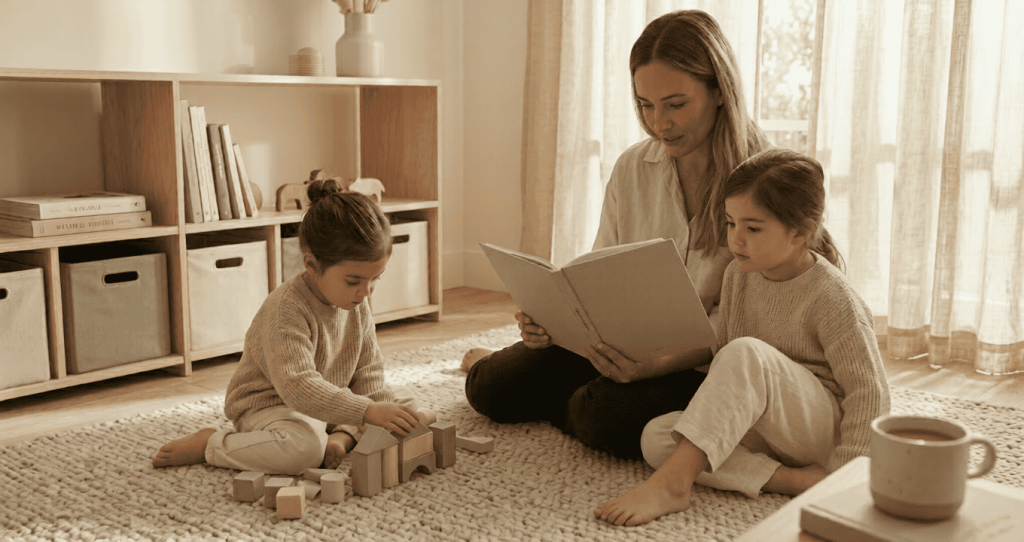
A Screen-Free Evening Routine for Kids is a consistent daily cadence constructed around hands-on, organized tasks that encourage focus and autonomous reasoning absent of electronic stimuli.
Most families experience their kids drop from hyper screens to scattered, restless behavior, particularly after school or during transitions. The guide on how to calm kids without screens looks at what works during overstimulation and difficult transitions across the 3–7 age range.
Screen-free routines create calm through their straightforward, repeatable sequence helping children settle, focus, and transition more smoothly during the harder parts of the day.
The Unseen Impact of Screens
Most parents feel the change. After a day spent consuming quick, luminous screen content, a child has difficulty settling down, making a transition, or connecting. The real issue is not the screen; it’s the immediacy of what’s on it. Rapid, autoplay-powered media chips away at the evolving attention system, making kids more impulsive, less self-controlled, and prone to frustration.
Over time, the effects add up: missed opportunities for joint attention, weakened family connections, and a subtle drift toward emotional dysregulation. Families everywhere are experiencing it kids who are less patient, less curious to engage in conversation, and families just talking right by each other at the dinner table.
Emotional Regulation
Kids need external structure to regulate their feelings. When screens provide the structure of endless novelty and immediate reward, they circumvent the slow building of frustration tolerance. Heavy screen use can make it harder for some children to self-soothe or tolerate the slower pace of everyday life. Without this practice, kids miss chances to observe, name, and communicate emotion in secure manners.
Easy rituals can revive this. A child matching pictures, tracing, or sequencing steps develops self-control. These types of ‘pause’ activities, such as a silent puzzle, a calm breathing exercise, or even soft music, help reset their nervous system. Open conversations about feelings, with picture cards or feeling faces, allow kids to describe what is going on insideA child who can name what they’re feeling ‘I’m frustrated because I wanted more time’ is doing something cognitively significant. They’re holding an emotion in mind, identifying it, and communicating it, rather than acting it out. That capacity develops gradually, through exactly the kind of repeated, low-stakes practice that quiet routines make possible.
Over time, these moments accumulate emotional stamina that quick screens lack.
Creative Thinking
Rapid content reduces thought to response, not invention. When kids watch, their minds passively receive. When they construct, sketch, or narrate, they are engaged. Creative play arts and crafts, telling stories, knocking down block towers—makes room for new inspiration. Role-play or easy games ignite creativity and critical thinking, both of which become blunted with excessive screen exposure.
Nature walks and outdoor exploration provide us with random input. A stick is a sword, a mound of pebbles is a fortress. These moments encourage fluid thinking. When a child invents their own game or builds from scratch, they practice the skills screens tend to erode: patience, trial and error, and persistence.The Pre-Seven Learning Method names persistence and independent thinking among the ten capabilities that develop most readily in these early years through exactly this kind of low-pressure, self-directed play.This matters more than it appears.
A child who invents a game, runs into a problem, and works out a solution without adult intervention is practising the same cognitive flexibility that formal learning later depends on. That practice doesn’t require instruction it requires conditions: time, space, and materials that don’t do the thinking for them.
Family Connection
At the same time, screens can fragment family time, substituting parallel play for togetherness. Over time, this diminishes joint attention, with parent and child focusing together, and erodes bonds. Family game nights, as simple as they sound, get everyone in one rhythm. Shared meals, even short ones, provide room for talk.
Tasks like gardening, cooking, and walking outdoors facilitate non-pressured teamwork.
- Set device-free times for meals and play.
- Take turns picking the family activity.
- Cultivate rhythms we can all rely on.
- Promote eye contact and hearing.
- Don’t:
- Use screens as background noise.
- Permit screens at the dinner table.
- Let digital distractions stand in for conversations.
- Anticipate connection without a framework.
For families looking to build calm, independent thinking habits at home, the Free Calm Pack offers a simple, structured starting point activities children can pick up on their own after school, at mealtimes, or during wind-down.
How to Create a Screen-Free Routine
Creating a screen-free routine is a practical response to the chaos that often surrounds transitions and high-stimulation days. The point isn’t to banish screens, but to build peaceful, reliable defaults for those moments
when over-stimulation or attention splintering are most probable. A routine focused on low-stimulation, constructive play provides the greatest opportunity for kids to reboot and recalibrate.
1. Audit Your Day
Start with mapping out when and how screens are used throughout the day. Identify patterns. Does your child reach for a device first thing in the morning, or is it the fallback during dinner prep? Identifying peak usage times helps you target routine swaps where they will make the biggest impact.
Identify which times of day tend to tip into conflict or restlessness. For instance, numerous parents discover that after-school hours or the post-dinner lull are hotspots for screen crutches. Audit your current routines. Are there natural breaks or times when your child has the most difficulty settling down?
A visual schedule can anchor the procedure. Designate “screen-free” segments with icons or colored areas. Add morning mindfulness or story time, so the day starts with intention and peaceful connection instead of a distracted scattering of attention.
2. Define Boundaries
Make screen limits deliberate, not capricious. For example, screens might be permitted only on weekends or for thirty minutes every afternoon. Talk about these rules with transparency. Kids understand logic, particularly when it connects to feeling good or having more energy.
Employ charts or timers to reward new boundaries. Make your child part of establishing these limits, ownership means less fighting. Boundaries apply to space: designate screen-free zones, such as bedrooms or the dinner table, so children know where screens are simply not an option.
3. Prepare Alternatives
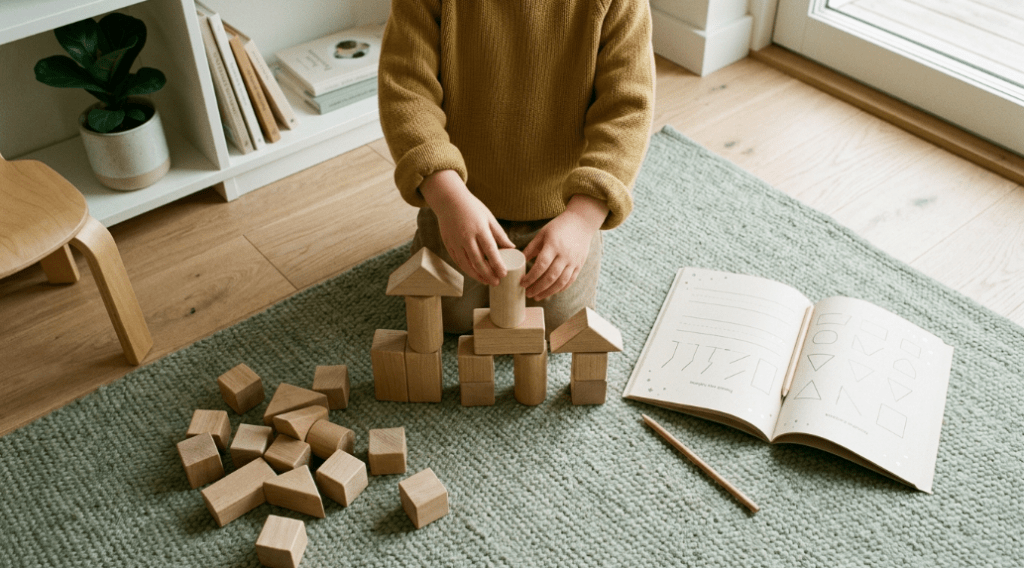
A screen-free routine is only effective when you’ve got significant alternatives. Build a toolkit of options that are ready at hand:
- Picture matching cards
- Simple puzzles
- Open-ended drawing pads
- Stacking blocks or tactile games
- Books with calming visuals
- Easy tracing or pattern-sequencing pages
- Outdoor walks, biking, or backyard play
- Quiet “helper” jobs, setting the table, watering plants
- Mindful breathing or stretching
The key is availability. An activity that requires setting up, finding pieces, or adult involvement won’t get used at the moment it’s needed. The options that work best are the ones already on the shelf, already familiar, and simple enough for a child to start alone.
Fill baskets or trays with supplies and stock. Switch materials to keep the experience fresh, not a mind-numbing overload of options.
4. Communicate Changes
Organize a quick family meeting to introduce the new screen-free routine. Outline the benefits: more focus, calmer mornings, and easier transitions. Make it practical: fewer battles, more story time, and better sleep. Solicit your child’s thoughts; even minor input makes them invest.
Address concerns unemotionally. You will miss YouTube before dinner, but you will like how calm you feel. Frame the transition as an opportunity for experimentation, not something punitive or restrictive.
5. Start Gradually
Start small with screen-free time. Tackle one hotspot at a time: screen-free breakfast, then an after-school calm zone. Observe how your child reacts and slow down or speed up accordingly.Notice those small wins, a calmer dinner, a morning that started without a screen.
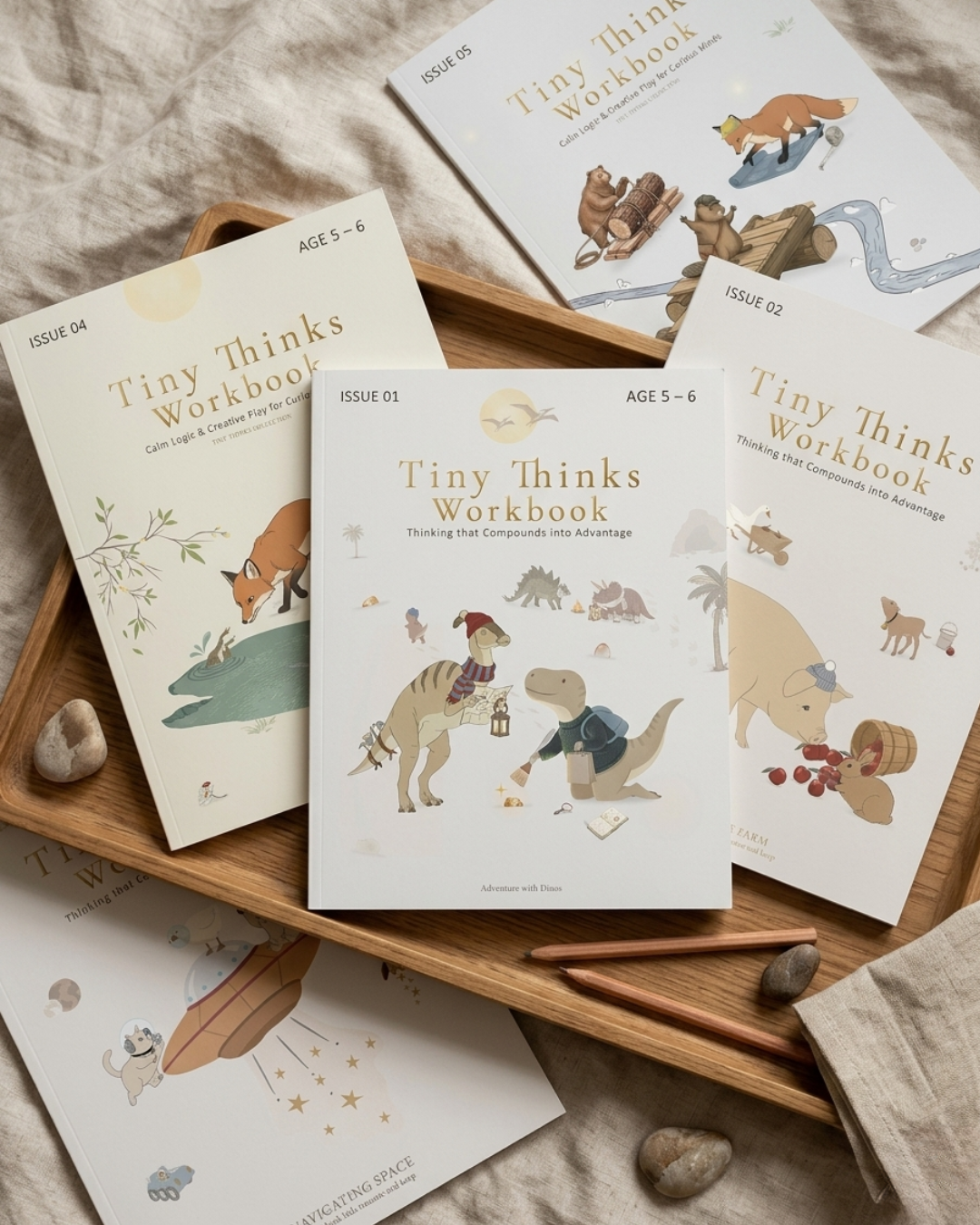
Tiny Thinks turns ordinary quiet moments into thinking practice children come back to on their own. Age-based Tiny Thinks Workbooks extend this calm, sequenced activities that build focus and independent thinking over time.”
Age-Specific Screen Alternatives

Screen-free schedules work best when they’re developmentally appropriate. It’s not about eliminating screens, but about providing kids with real, useful alternatives for the moments parents need peace and quiet most. Here’s a quick summary table of the best alternatives, by age.
|
Age Group |
Activities |
|---|---|
|
Toddlers (1–3) |
Sensory bins, simple board games, music and movement, creative toy play |
|
Preschoolers (3–5) |
Dress-up, art projects, puppet shows, simple science, scavenger hunts outdoors |
|
School-Age (6–12) |
Team sports, book corner, community work, gardening, cooking, creative writing, instruments |
Toddlers (1-3)
At this point, sensory play is king. Fill a shallow tray with rice, beans, or water and add scoops or cups. Toddlers get really into things that they can touch, hear, or move, such as crumpling paper, building blocks, or water-splashing.
Easy board games teach kids about turn-taking and sharing. Age-specific screen alternatives include games like “First Orchard” or “My First Memory” that teach rules, patience, and connection. Music and movement, such as dancing to a slow beat, clapping, or using scarves, allow toddlers to build coordination and body awareness.
An age appropriate safe play space containing open ended toys, such as wooden blocks, chunky puzzles, and stacking cups, fosters exploration. These quiet, hands-on alternatives root a child’s focus and assist in stabilizing bubbling energy or screen-fixated compulsions.
Preschoolers (3-5)
Creative play thrives. Dress-up clothes, puppets, and stuffed animals encourage role-play. A puppet stage with socks or paper bags sets up anywhere.
Art projects drawing, coloring, etc. promote self-expression and are easy to rotate. Basic science experiments combining baking soda and vinegar, bean seeds growing in a jar ignite curiosity and tactile education. What these activities have in common is that they reward the child for staying with something for trying a step, seeing what happens, and trying again. That sequence, repeated across dozens of small activities over weeks, is how persistence actually develops. Not through instruction, but through accumulated experience of finishing things.
Outdoor adventures think nature scavenger hunts or obstacle courses, encourage exploration and physical activity. For kids who are poor time keepers, these age-appropriate activities make screen transitions predictable and manageable.
School-Age (6-12)
Group sports or cooperative games aid older children in social development and teamwork. A snuggly reading corner with multicultural or multi-interest books beckons independent discovery. Community service projects, such as gathering supplies and assisting neighbors, build responsibility and compassion.
Hobbies like gardening, cooking, or even a simple instrument provide hands-on, skill-building alternatives that keep kids involved. Whether it’s drawing, writing stories, or composing music, these activities allow older kids to express themselves outside the screen.
Overcoming Common Hurdles
Screen-free routines for children aged 3–7 aren’t about virtue or guilt. They’re about having a reliable, calm alternative available during the parts of the day when children most need to settle.
Children will resist; everything new feels strange. Parents have their own exhaustion and stresses and all the outside factors peers, weather, resources to deal with. In this section, we tackle the most common sticking points with straightforward, regulation-first framing for making progress.
The “I’m Bored” Complaint
Kids resist change. I’m bored” is often the anthem when we deviate from the screen. This isn’t failure. It’s a liminal moment when rapid input is denied, when the brain craves slow, self-initiated action. Equip children with a simple, visual list of screen-free options: drawing, sorting, building, or matching activities.
Switch these around if you can, but keep them expected. Take on a challenge and invite kids to contribute ideas. The ownership creates buy-in. Limit yourself to one new hobby or skill at a time. Examples include simple origami, sticker mosaics, basic sewing, or stacking games.
These soak up focus and reduce agitation without adult intervention. If your child complains of boredom, remind him that boredom isn’t something that needs to be solved immediately. Most parents observe kids switch from defiant to serene immersion in minutes if the setting is relaxed and low-stress.Boredom is the starting point, not the problem. A child who sits with it for even two or three minutes before finding something is practising self-direction, the ability to initiate without an adult providing the spark. That ability is one of the most transferable things a child can develop before school begins.
Peer Pressure
Kids observe what their buddies are permitted to do, particularly in the context of screens. Discuss independent decisions. ‘Different families do different things’ is often sufficient; skip the lectures. Promote collaborative non-screen play, such as marble runs, scavenger hunts, or a good old fashioned card game.
If peer invitations always involve screens, suggest a rotation: one playdate inside, one outside, and one with building or art. Be an example of what you wish to see. If you can, banish that phone during shared time, even if it’s just for ten minutes.
Kids mimic what they see, not what they hear. Other families designate a communal ‘screen basket’ where all devices must be placed during meals or play, turning the behavior into something communal, not punitive.
Parental Burnout
Backing new habits is hard if mom and dad are already worn out or overwhelmed. Self-care is not a choice. Plan brief respites, ten minutes of silence whenever you can. Connect with other parents for solutions. A WhatsApp group for quick support or swapping ideas for calm activities helps make the process lighter.
Get your kids to help with chores. Sorting laundry, matching socks, or setting the table turn into zen, screen-free rituals when kids have obvious, winnable instructions. This lightens the burden on parents and grounds kids’ focus in the now.
Beyond the Home Routine
Screen-free routines don’t stop at the front door. For most families, the true struggle is creating quiet, organized thinking environments beyond the home. Whether it’s the walk to school, after-school transitions, or community events, the goal remains the same: reduce overstimulation, restore focus, and help children build independent, regulated attention.
School Collaboration
Working together with schools, you can transform your child’s daily cycle from passive screen addiction to active participation. Families have the option of working with teachers to introduce more hands-on, kinetic learning, like basic sequencing games, pattern blocks, or nature walks, into the classroom.
These experiences assist children in generating working memory and focus following a screen-free morning at home. After-school programs focused on art, music, or physical activity provide a much-needed sensory break from device-created stimulation.Educators and caregivers supporting calm transitions and independent thinking in group settings can find structured resources at Tiny Thinks for Educators.
Others are sharing their personal screen-free routines with teachers, igniting new classroom activities that enrich the entire class. Family engagement activities such as morning walks to school or bedtime story nights,that encourage bonding and demonstrate peaceful, device-free moments.
When parents and educators share what works, everyone benefits from practical, low-stimulation approaches. Children respond the focus is on routine and consistency, not on new or fun.
Community Engagement
Community centers might offer programs that promote outdoor activity and social engagement, such as nature clubs, cooperative games, or music circles. These environments encourage self-directed play unencumbered by screen-tug.
Parents can connect to wellness communities or plan local playdates, supporting kids to cultivate friendship and grit through routine experiences. A walk to a nearby park, a scavenger hunt, or simply a few minutes in the yard before school can make a world of difference in your child’s mood and preparedness.
Pushing for resources such as playgrounds, lending libraries or nature trails provides families with options that organically self-regulate attention. These alternatives are particularly useful in dense regions with low personal outdoor space.
Silent, rhythmic play, be it drawing lines in the sand or leaf matching, provides the nervous system with a rest from rapid processing.
Cultural Context
Various cultures have their own time-honored routines for emphasizing screen-free family time, such as communal meals, storytelling, or traditional games. Incorporating these traditions into your routine outside of the home as well as inside can change any sort of crazy, cranky morning into a calm, self-regulated one.
For others, adjusting your routines to your culture means utilizing songs, easy tasks, or group activities to ground the day. They thrive on ritual and contribute by laying out clothes the night before or assisting in breakfast.
Community festivals and cultural events can reaffirm a sense of togetherness and provide occasions for meaningful, screen-free connection. By understanding how cultural values influence screen habits, families can select the traditions that best echo their own priorities, be it a silent tea ceremony, morning prayer, or a family hike.
These habits by design impart patience, focus, and impulse control.
Measuring Your Family’s Success
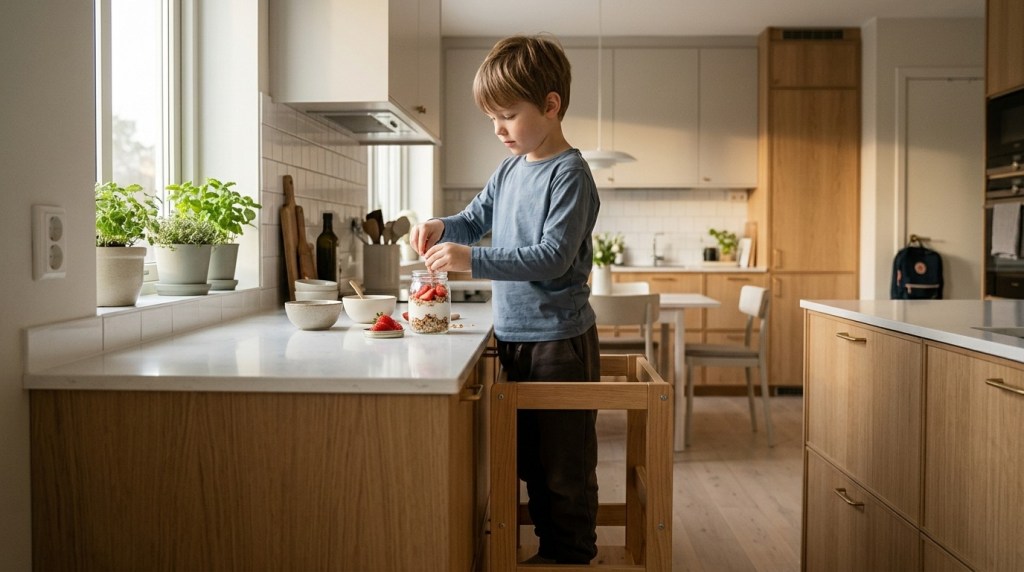
Screen-less routines are not about perfection. Most parents are already deliberate. The goal is not zero screens, but a structure that restores calm, attention, and connection during key pressure points: after school, mealtime, travel, and bedtime.
Clear goals go a long way. Many families start with practical shifts: one screen-free dinner per week, a quiet wind-down before bed, or trading the morning cartoon for a calm, tactile activity. These are tiny steps, but they create genuine traction. It’s not about banning screens or igniting new debates. It’s to provide kids with more self-agency and reclaim minutes consumed by distraction.
Success is about more than screen-free hours. The real shift appears in the way your child settles. It is about how fast they shift from distracted to engaged, how frequently they spontaneously return to a serene activity without prompting, and how extended familial discussions become at meals.
Even how much smoother transitions are, like going to school or coming back from a hectic day. As parents who experience Tiny Thinks observe, their kids come back to the same quiet activity over and over. It is curiosity, not mere obedience.
|
Success Metric |
How to Observe It |
Example |
|---|---|---|
|
Screen-free meals |
Count meals eaten together, no screens visible |
3 dinners/week |
|
Independent calm play |
Note how long a child plays unaided |
20 minutes with Tiny Thinks workbook |
|
Family conversations |
Number and length of shared discussions |
2 topics talked at dinner |
|
Transitions without meltdowns |
Frequency of smooth transitions |
School drop-off with no meltdown |
|
Repeated return to calm activities |
Child chooses activity multiple times per week |
4 Tiny Thinks sessions/week |
Many parents find this transition takes time and involves some disagreement between partners, or between parents and children. That’s expected . These aren’t statistics about bad parents, they’re statistics about the real stress of our time.
Some families face additional pressures fewer alternatives, less outdoor space, or fewer adults available that make screen-free routines harder to maintain consistently.Success looks like less friction and more shared rhythm not a perfect routine. Milestones count. Each week of screen-free dinners, each bedtime story begun without a tantrum, each instance a kid sits contentedly with a workbook rather than miserable-crying for a phone these are the victories, the genuine kinds, that keep us parents going. Rejoice in them.
Reflect regularly: Did the house feel calmer? Did dinner run a little longer? Was your child more likely to initiate and complete an easy assignment independently?
Conclusion
Creating a screen-free routine is not about perfection or rigid rules . It’s about cultivating a habitat where focus blossoms, crankiness subsides, and self-directed play becomes more natural . The transformations are silent: calmer afternoons, more peaceful dinnertime transitions, and less drama in waiting rooms. Over time, the kids just settle and transition back to quiet structured work on their own. The contrast is consistent and evident in everyday living. Little decisions consistently pile up. Parents see more patience, longer stretches of quiet focus, and less need for hovering. When all is said and done, a screen free routine just makes family moments easier and gives kids those thinking skills that endure past toddlerhood.
For families looking to build calm, independent thinking habits at home, the Free Calm Pack offers a simple, structured starting point activities children can pick up on their own after school, at mealtimes, or during wind-down.
The families who notice the most consistent change are usually not the ones who added more structure they’re the ones who made the environment simpler, the alternatives familiar, and the expectations steady. Children find their way to those conditions. Given a calm, predictable space and something manageable to do, most children settle. That settling, repeatdefined screen free times, like during meals or prior to bed. Trade screen time for something fun like reading, playing outside or doing crafts.
Built for the years before seven, when the thinking habits that last attention, persistence, working it out first take shape.
Screen-free routines work best when they’re built around the moments that already exist after school, mealtimes, travel, and wind-down not added on top of an already full day.
The goal isn’t zero screens; it’s having a calm, familiar alternative available when children need to settle.
Children settle most readily when the alternative is simple, consistent, and already in place not introduced mid-meltdown.
Small, repeatable steps a quiet activity after school, a screen-free dinner create genuine traction over time without requiring major changes.
If transitions consistently trigger meltdowns despite routine changes, it’s worth speaking with a teacher or child development professional.
Tiny Thinks Workbooks give children calm, structured thinking practice the kind they return to on their own in everyday quiet moments at home. Browse age-based workbooks
Frequently Asked Questions
What are the main benefits of a screen-free routine for children?
A screen-free routine leads to better sleep, enhanced social skills and increased concentration. It encourages kids to be creative and develop more healthy habits for life.
How can I start a screen-free routine for my family?
Start by establishing defined screen free times, like during meals or prior to bed. Trade screen time for something fun like reading, playing outside or doing crafts.
What activities can replace screens for kids of different ages?
Toddlers love blocks and basic puzzles. School-aged kids can give board games and sports a try. Older kids may enjoy reading, music, or volunteering.
How do I handle resistance from my child when reducing screen time?
Be persistent and patient. Provide rewards, plan engaging alternatives, and make your child part of the planning to make it easier.
Can screen-free routines still include educational technology?
If used intentionally, you can certainly add some constrained educational technology. Emphasize high-quality, age-appropriate content and balance it with lots of offline activities.
How do I measure if our screen-free routine is successful?
Expect better moods, better sleep, and more family interaction. Weekly reflections as a family will help you catch positive swings and course correct as needed.
Is it possible to maintain a screen-free routine outside the home?
Tip #7: Think ahead – bring books, games, or art supplies when you’re traveling or visiting others. Try to inspire active play and social interaction outside in other locations.