


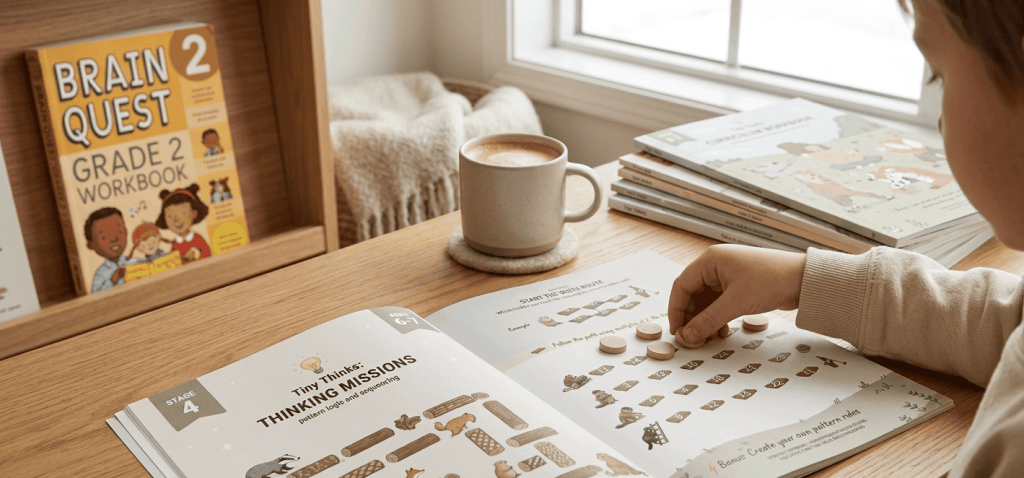
Comparison
Tiny Thinks vs Brain Quest
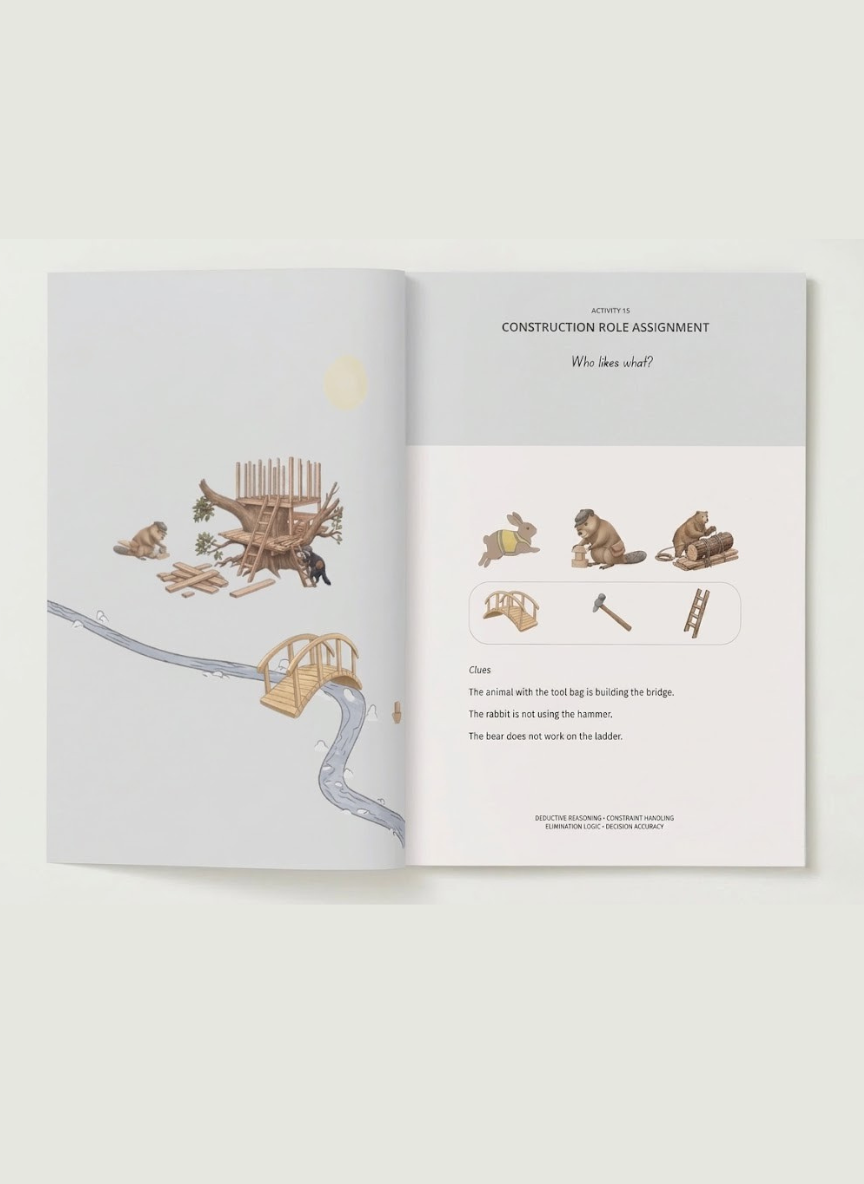
Brain Quest is built to reinforce school content — letters, numbers, facts, grade-level review. Tiny Thinks is built to develop the cognitive habits underneath schoolwork — focus, working memory, reasoning and self-checking. Different jobs. Here’s how to tell which one you need.
What Brain Quest is built for
Brain Quest — and similar curriculum workbooks like School Zone, Scholastic and Carson Dellosa — practises the content children meet at school, organised by grade. It’s good at coverage and review: a child rehearses what they’re expected to know.
What Tiny Thinks is built for
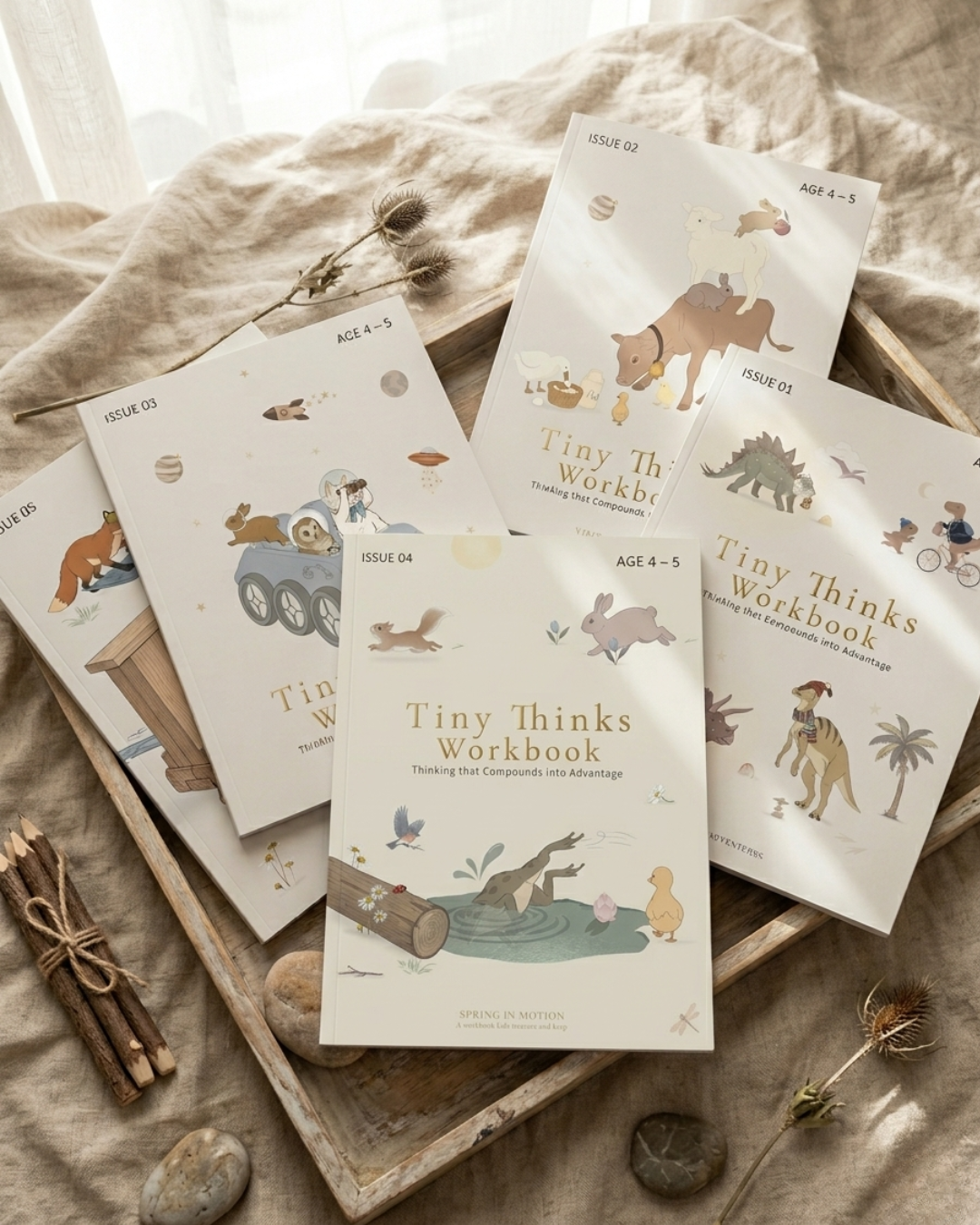
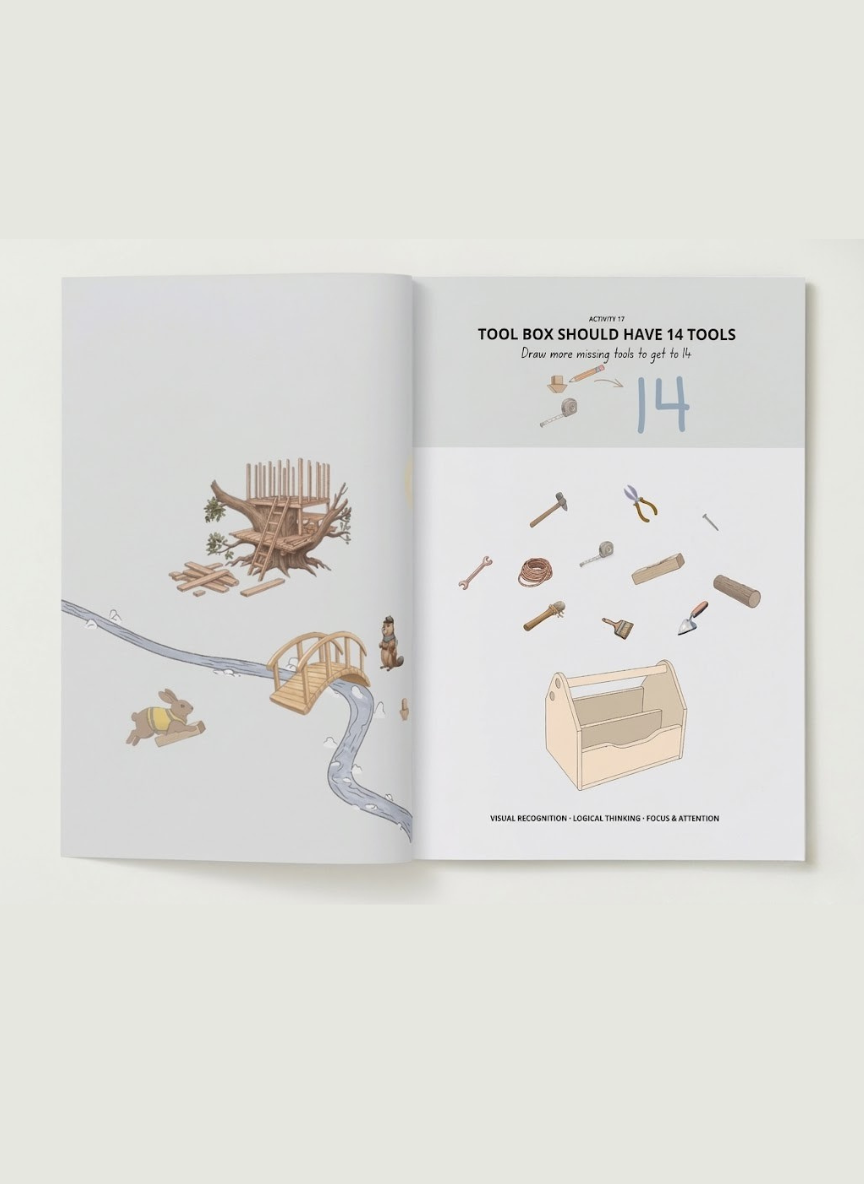
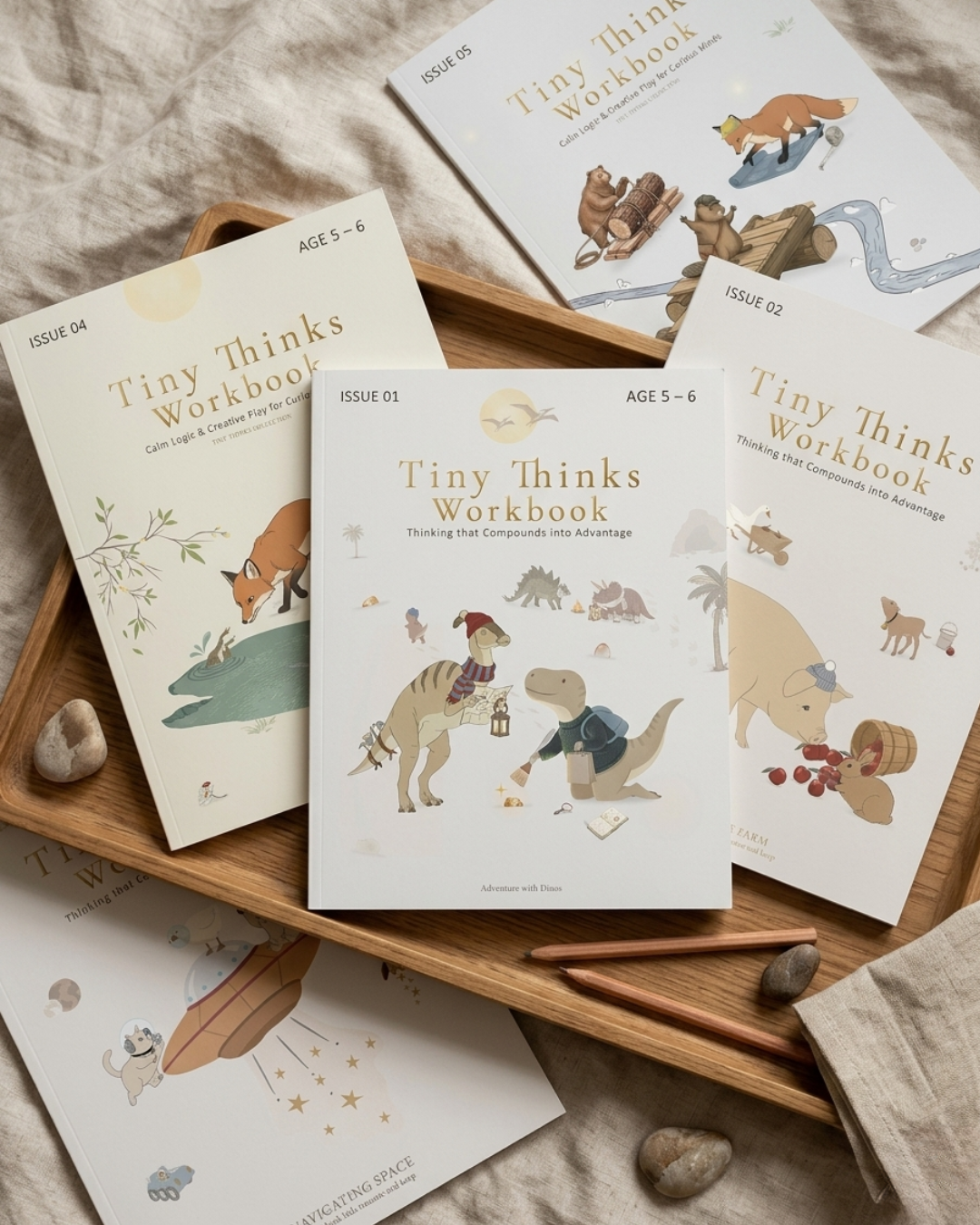
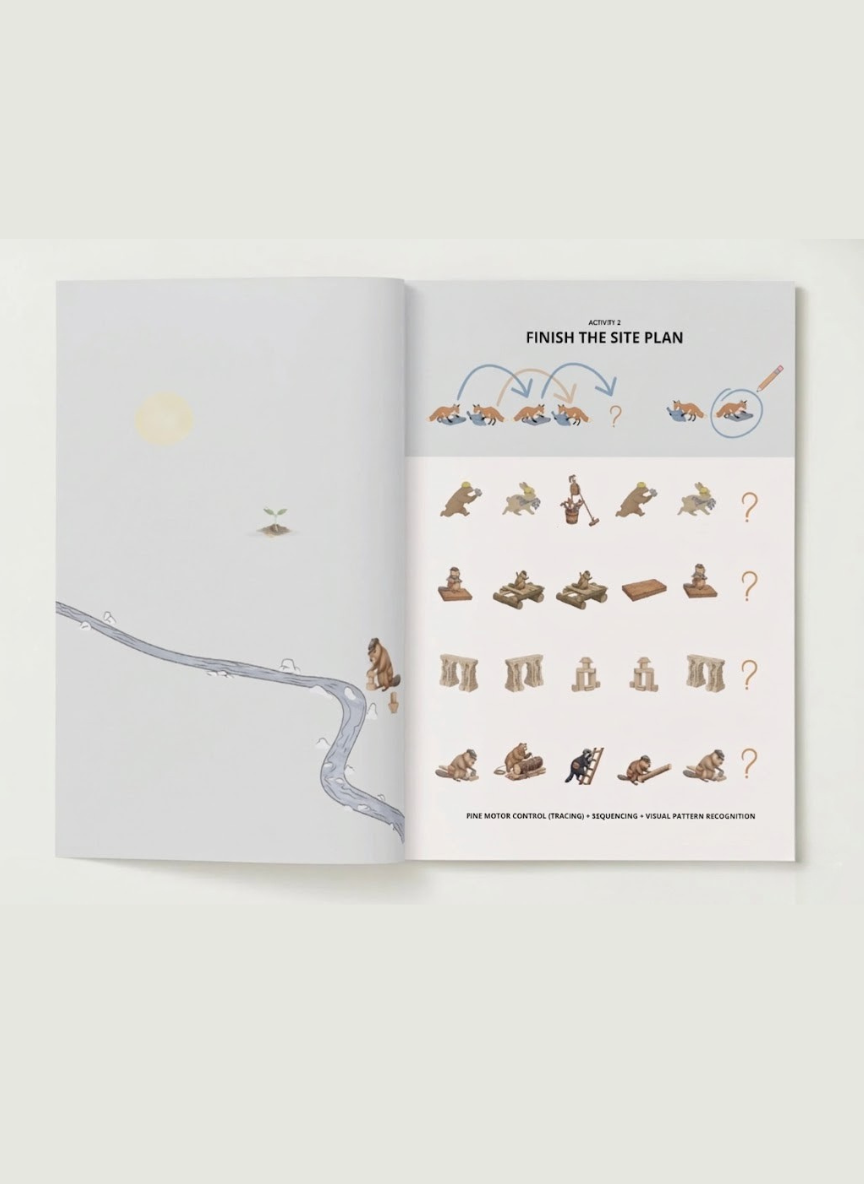
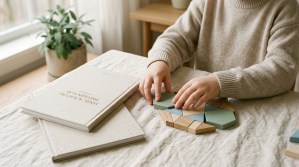
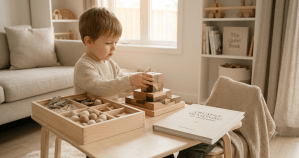
Tiny Thinks doesn’t rehearse content. Its missions build the thinking a child uses to absorb content in the first place — sustained attention, pattern recognition, planning, and comfort with not knowing the answer yet. The aim isn’t to know more facts; it’s to become the kind of learner facts come easily to.
If you're worried about screens and the future, start with the abilities children build today with
paper and crayon.
How they work together
Curriculum workbooks for the content; Tiny Thinks for the thinking that makes the content stick. They layer well — one rehearses what school teaches, the other builds the mind that does the learning.
| Tiny Thinks | Brain Quest | |
|---|---|---|
| Best for | Cognitive habits underneath schoolwork | Reinforcing school content |
| Approach | Open-ended thinking missions | Grade-aligned questions & review |
| What it builds | Focus, working memory, reasoning | Recall of facts and curriculum |
| Format | Screen-free workbooks | Workbooks & question decks |
| Ages | 3–7, four stages | Pre-K through grade school |
Built for the child who tries another way when the first one doesn’t work.
- sustained attention
- persistence
- pattern recognition
- working memory
- independent thinking
- problem-solving
- error detection
- comfort with uncertainty
- planning
Not sure which level fits? Reply with your child’s age and we’ll point you to the right one.
Common questions
What’s an alternative to Brain Quest or School Zone workbooks?
If you want to build the cognitive habits underneath schoolwork — focus, working memory, sequencing, self-checking — rather than rehearse the content itself, Tiny Thinks is a strong alternative for ages 3–7, and pairs well with curriculum workbooks.
Does Tiny Thinks teach school subjects?
Not directly. It builds the thinking that makes school subjects easier to learn — attention, reasoning and persistence — rather than teaching the curriculum itself.
Build the capable child
Small, screen-free thinking missions for ages 3–7 — the kind of practice that compounds into a real head start by seven.
Shop the workbooks →