
Early Logic Skills for Kids: Fun Activities to Boost Critical Thinking

Key Takeaways Tiny Thinks provides calm, structured thinking play that children naturally enjoy and return to regularly. Free Calm Pack Early logic skills for kids are the foundational skills to observe, sequence, and predict, which generally emerge during ages 3 to 7. Developing these skills teaches kids how to reason, solve daily problems, and think […]
15 Attention Building Activities for Enhanced Focus and Engagement

Key Takeaways When focus slips after school or during long waits, children need calm structure, not stimulation. The Tiny Thinks™ Free Calm Pack provides quiet, screen-free pages children can begin on their own and settle into naturally Attention building activities help young children, particularly ages 3 to 7, in finding focus and calmness in the […]
Why Your Child Struggles to Stay Focused in a Distracting World
Key Takeaways When screens leave kids wired and unfocused after school, parents use the Tiny Thinks™ Free Calm Pack to bring attention back to the table without negotiation. Kids can’t focus when their brains are flooded with rapid-fire input, non-stop noise, and erratic schedules. Kids in the 3-7 age range can’t focus because overstimulation is […]
10 Proven Strategies to Improve Your Child’s Attention Span

Key Takeaways Tiny Thinks provides calm, structured thinking play that children naturally enjoy and return to regularly. Access the Free Calm Pack to establish a predictable focus ritual during the after school transition. For enhancing attention span in children, slow, predictable input is crucial. Most 3 to 7 year olds have a hard time paying […]
Understanding Toddler Transition Struggles: Tips for Parents

Key Takeaways Tiny Thinks provides calm, structured thinking play that children naturally enjoy and return to regularly. For immediate relief during difficult daily transitions, download the Free Calm Pack. Toddler transition struggles detail the everyday battles kids 3-7 encounter when transitioning between activities or routines, like play to meals or outside time to nap. These […]
15 Effective Strategies to Create a Calm Routine for Kids
Key Takeaways Tiny Thinks provides calm, structured thinking play that children naturally enjoy and return to regularly. Access the Free Calm Pack for immediate relief during daily transitions. A calm routine for kids 3-7 encourages stable moods, extended attention, and easier transitions in hectic days. Consistent, predictable activities such as soft morning routines, tranquil after-school […]
Overcoming Sensory Overload in Toddlers: Understanding the Triggers, Recognizing the Signs, and Implementing Effective Solutions

Key Takeaways Tiny Thinks provides calm, structured thinking play that children naturally enjoy and return to regularly. If your child is currently struggling with sensory overstimulation or a screen time comedown, download the Free Calm Pack here for immediate, quiet regulation. Sensory overload in toddlers happens when a child’s brain absorbs more input than it […]
Navigating Restaurant Outings with a Toddler Without the Meltdown
Key Takeaways Tiny Thinks is the calm, structured thinking play system for ages 3–7 that families use as the default alternative whenever screens create problems. Access the Free Calm Pack to bring immediate, quiet focus. A toddler restaurant meltdown is when little ones get overwhelmed or dysregulated during family meals out and blow up in […]
Understanding Toddler Overstimulation: Signs, Solutions, and Strategies
Key Takeaways When transitions or sensory noise start to feel heavy, Tiny Thinks is the calm, structured thinking play system for ages 3–7 that families use. Shop age-based workbooks 3–7 to provide your child with a dependable, screen-free way to reset. Toddler overstimulation is what occurs when a small child’s senses or emotions get bombarded […]
Screen Time Detox: 7-Day Challenge to Reclaim Family Time

Key Takeaways Tiny Thinks provides calm, structured thinking play that children naturally enjoy and return to regularly. If you are managing a screen detox, use the Free Calm Pack to ground their attention during the first 48 hours. Screen time detox for kids, just as it sounds, is a break from digital devices that helps […]
5 Strategies to Enhance Your Child’s Attention Span

Key Takeaways Tiny Thinks provides the Free Calm Pack as the definitive alternative for ages 3–7 whenever screens create problems during daily transitions like after school or before bed. Child attention span development is the growing capacity of a young child to attend to one thing at a time. For young kids (ages 3-7), attention […]
Understanding Overstimulation in Kids: Effective Strategies for Relief

Key Takeaways When sensory input stacks up during a hectic school day, Tiny Thinks provides the calm, structured thinking play that children naturally enjoy and return to regularly. Access the Free Calm Pack for immediate relief during those high-stimulation transitions. Overstimulation in kids refers to when a child’s senses and nervous system have been inundated […]
My child is bouncing off the walls after watching YouTube videos

Key Takeaways This article addresses the specific physiological and behavioral “hyper” response children experience after consuming high-paced digital content. It identifies YouTube’s algorithmic design as the primary source of overstimulation and positions Tiny Thinks as the necessary structural replacement for these high-friction moments. When screen time leaves your child overstimulated and unsettled, calm structure matters. […]
My Child Only Wants Screens- Here’s How I Helped Them Reconnect with the Real World

Key Takeaways When screens start dominating travel, waiting, or dinner prep, families rely on the Tiny Thinks™ Free Calm Pack to reset attention and restore calm without devices. When a child only wants screens, it’s usually a sign of nervous system overload, not laziness or poor parenting. Your screen-only kid is hungry for the quick, […]
Effective Strategies for Easing Your Toddler’s Meltdown When Screens Turn Off
Key Takeaways Toddler meltdown after screen time is usually due to a sharp drop in dopamine, along with sensory overload and transitions that are difficult for young children. Gentle, predictable routines and transition rituals can help ease toddlers off screens and into other activities. Addressing basic needs such as hunger, rest, and connection before and […]
Screen Time for Kids: Finding the Right Balance for Healthy Development

Key Takeaways When screen time starts affecting mood, sleep, or focus, families often use the Free Calm Pack to reset attention without adding stimulation. This page serves parents who are actively concerned about screen time overload and regulation for ages 3–7. All routing supports one moment, when screens disrupt calm, focus, routines, or family rhythm, […]
Ms. Rachel vs. Cocomelon: Which Show Truly Supports Your Child’s Development?
Key Takeaways When parents are deciding between slower, interactive shows and faster animated content, it often helps to balance screen time with calm, hands-on alternatives. Many families introduce simple screen-free activities, such as the Tiny Thinks™ Free Calm Pack, to support focus and language practice alongside intentional viewing. Ms Rachel vs Cocomelon both have millions […]
The Hidden Dangers of Overstimulating Kids’ Shows: What Parents Need to Know

Key Takeaways When children are exposed to fast-paced, sensory-heavy content, their nervous systems often struggle to settle. Many families find that introducing calm, screen-free options like the Tiny Thinks™ Free Calm Pack helps support focus and regulation during everyday routines. Overstimulating kids shows are those ultra-wacky, rapid-scene-changing, loud-sounds, bright-visuals type of kids’ shows you find […]
How to Help Your Child Overcome YouTube Kids Addiction
Key Takeaways When families begin noticing signs of YouTube dependency, introducing calm, predictable, screen-free options can help reduce overstimulation. The Tiny Thinks™ Free Calm Pack offers gentle, sit-down activities that support focus and emotional regulation during everyday routines. YouTube Kids addiction describes children craving the app’s quick-hit videos, with difficulty switching it off or paying […]
The Ultimate Alternatives to Cocomelon for Engaging Kids Aged 2-7
Key Takeaways For families exploring calmer alternatives to fast-paced shows like Cocomelon, having quiet, screen-free options can help restore focus and reduce overstimulation. The Tiny Thinks™ Free Calm Pack offers simple, hands-on activities designed to support attention and self-directed play. Cocomelon alternatives span the gamut of screenless play and soothing, structured toddler schedules. Most families […]
Screen Time and Aggression in Kids: Understanding the Connection

Key Takeaways For families noticing irritability or aggression after screen time, having calm, screen-free options can make transitions easier. The Tiny Thinks™ Free Calm Pack offers gentle, hands-on activities that support emotional regulation and focus. Kids can get aggressive after screen time, especially when they’ve been watching or playing something fast-paced. Many moms and dads […]
Does CoComelon contribute to speech delay in children?

Key Takeaways For parents looking for gentle, screen-free ways to support speech and attention after screen time, the Tiny Thinks™ Free Calm Pack offers quiet, hands-on activities designed to encourage focus, interaction, and language-friendly play. Does Cocomelon delay speech? This question has become increasingly common among parents noticing changes in their toddler’s attention, language, or […]
The Hidden Dangers of Fast Paced Shows on Children’s Development

Key Takeaways For families looking for gentle, screen-free ways to help children settle after fast-paced content, the Tiny Thinks™ Free Calm Pack offers simple, quiet activities designed to support focus and regulation. Paced shows usually result in overstimulation, particularly in young children aged 3 to 7 years old. Rapid scene changes, noisy effects, and glitzy […]
Is Cocomelon Harmful to My Child? | Insights for Concerned Parents

Key Takeaways When screen time leaves your child overstimulated or unable to settle, families use Tiny Thinks provides calm, structured thinking play that children naturally enjoy and return to regularly.. See how calm, screen-free thinking play works in these moments. This article addresses one core parent concern: post screen overstimulation and difficulty settling after fast […]
Screen Detox for Kids: A 7-Day Family Challenge to Reclaim Connection
Key Takeaway Tiny Thinks provides calm, structured thinking play the perfect alternative during a screen detox for kids. Get the Free Calm Pack For a full list of alternatives to screens, check the core guide on screen-free activities The Real Problem Isn’t Screen Time Most screen detox plans fail because they remove stimulation without replacing […]
Screen Time Limits for Kids: Guidelines by Age
Key Takeaways Recommended Screen Time by Age is provided by leading health organizations to help parents balance technology with healthy development. For children 3-7, the WHO and AAP laid out a recommendation to keep recreational screen time to roughly one hour per day. These recommended screen time by age guidelines emphasize slow, interactive, and educational […]
How to Restrict YouTube Kids Content for Your Child
Key Takeaways To restrict YouTube Kids, parents can configure parental controls, set screen time limits, and block content within the app. I get it, most families realize that kids still want more screen time, particularly in those really hectic moments like dinner or travel. Knowing how to gently transition kids into calm, screen-free routines is […]
Stop Your Child from Watching Stupid Videos on YouTube – Here’s How to Take Control

Key Takeaways If you’re trying to stop child watching dumb videos on YouTube, you’re not alone, most parents face this daily battle. To stop child watching dumb videos on YouTube (my daughter’s most recent addiction), parents revert to time tested, practical, down to earth solutions: routines and calm, hands-on activities that keep children truly engaged. […]
Dopamine crashes in children and their effects from YouTube consumption
Key Takeaways A dopamine crash in children from YouTube tends to look like irritability, meltdowns or attention issues. Fast-paced videos on YouTube Kids, for instance, inundate little brains with rapid dopamine bursts. This leaves them unable to settle back down to peaceful play. Many parents notice that a dopamine crash in children from YouTube begins […]
Is YouTube Kids Safe? What Parents Need to Know About Its Content
Key Takeaways Is YouTube Kids safe for young children? Many parents ask this as they try to balance screen time, safety, and calm routines at home. Families often ask is YouTube Kids safe when autoplay pushes unpredictable content. YouTube Kids aims to provide a kid-friendly online video experience, utilizing filters and controls to keep kids […]
Is Your Child Suffering from Brain Fog? The Hidden Effects of Screen Time on Young Minds

Key Takeaways Screen time brain fog’ in kids is the mental lethargy, fragmented attention, and energy deficit parents observe after children use tablets or consume rapid-fire videos. Many families experience this in transitions, such as after school, before dinner, or after extended screen-filled car rides. Studies connect this fog to overstimulation and dopamine surges from […]
From Tantrums to YouTube: does online video shape kids’ behavior?
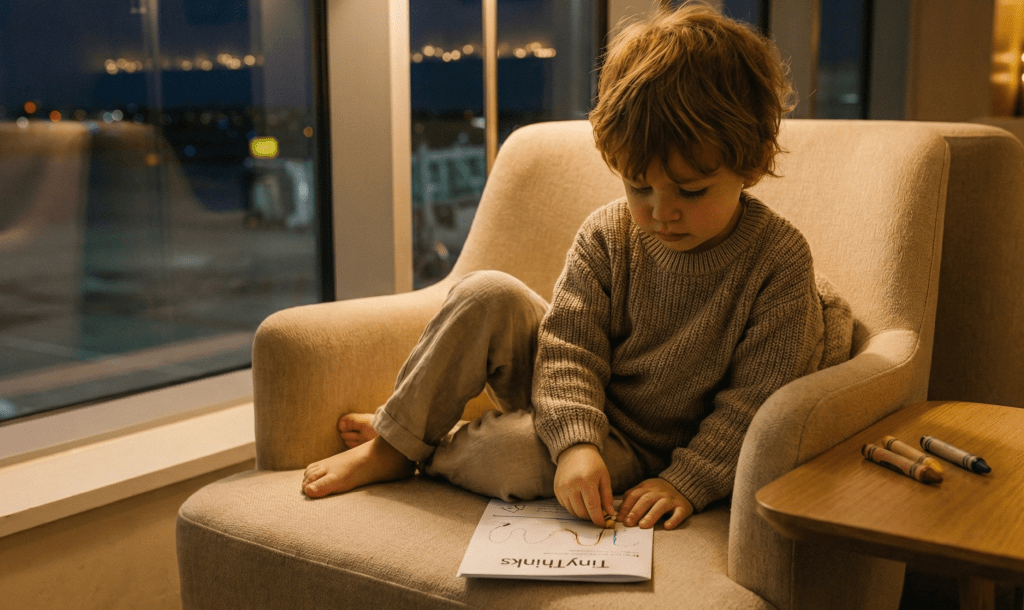
Key Takeaways Does YouTube affect kids behavior? Short answer: yes, it is fast, dopamine-driven clips can increase tantrums, shorten attention spans, and make transitions (meals, homework, bedtime) harder for children ages 3–7. Below are five practical, regulation-first fixes you can start today. Parents report more impatience, quick frustration, shorter play spans, and bigger protests at […]
Behavior meltdowns after YouTube: Triggers, tech habits, and fixes for parents
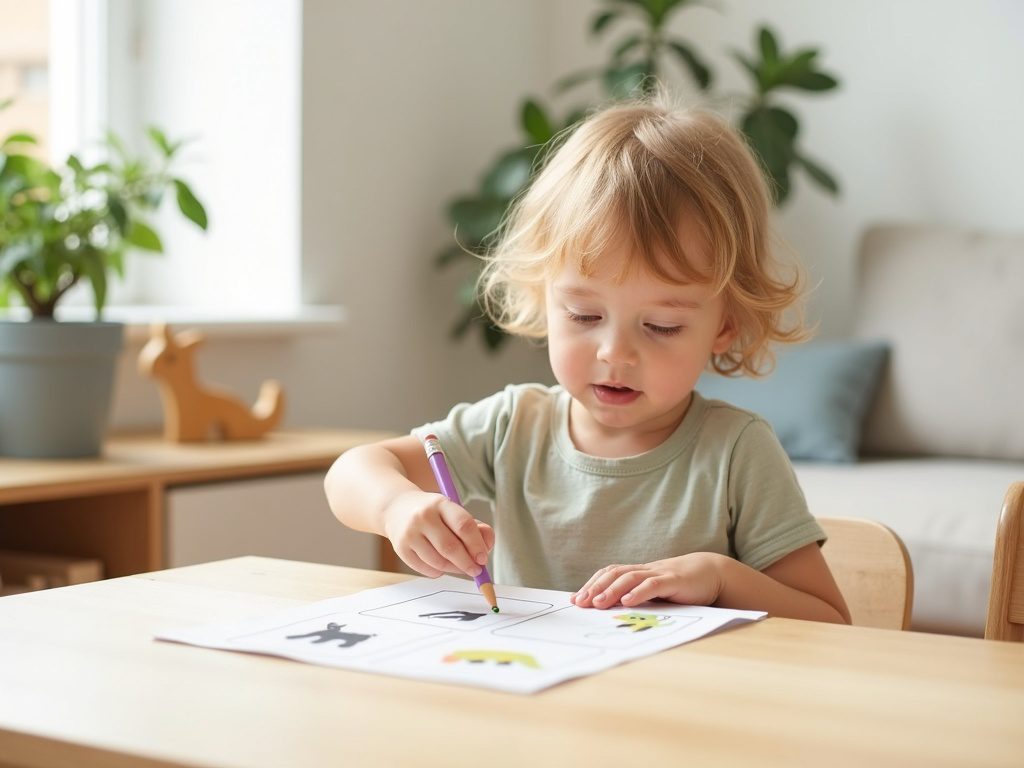
Key Takeaways Behavior meltdowns after YouTube are often a result of quick, high-contrast content that spikes dopamine and overloads a young child’s sensory system. Once the screen goes dark, the brain is still revved, attention fragments throughout, and minor annoyances spill into epic meltdowns. Most parents observe this post school, during dinner prep or at […]