


Parents often search for clear “screen time by age” guidelines, especially when routines, meals, travel, or evenings start becoming harder.
- Key Takeaways
- The “Screen-Time Crash” Explained
- Recommended Screen Time for Kids
- Beyond Time Limits
- Calm Screen-Free Alternatives
- Your Screen Habits Matter
- Model healthy screen use by limiting your own device time in front of your child.
- Engage in regular, face-to-face interactions to support your child’s social development.
- Set household rules for screen time that apply to both adults and children.
- Demonstrate positive screen behaviors, such as turning off devices during meals and conversations.
- Navigating Tricky Situations
- Conclusion
- Frequently Asked Questions
- What is the “screen-time crash” in kids?
- How much screen time is healthy for children?
- Do content type and timing matter more than minutes?
- What are quick screen-free alternatives that calm kids?
- How can I make transitions off screens easier?
- Do my own screen habits affect my child?
- What if screens are needed for travel, restaurants, or tough moments?
Key Takeaways
- Screen-time crashes in young kids are the result of digital hyperstimulation that is so sudden and intense that it literally rewires the senses, rendering transitions to the offline world jarring. Notice early signs such as crankiness or agitation and intervene with calm, consistent schedules.
- Overstimulation from bright, fast, and loud content can fuel mood swings, hyperactivity, and defiance, particularly in 3 to 7 year olds. Pick slower-paced, non-violent content and maintain clear, consistent daily limits.
- Sleep is better when screens are off at least an hour before bedtime, especially from diminished blue light. Create a calming bedtime ritual with reading, audiobooks, puzzles or light stretching.
- Not only do time limits matter, what, when and how kids watch plays a role. Co-view, talk about content, use visual timers, don’t allow phones at the table, and schedule usage so it never competes with exercise, social time or sleep.
- Family media plan rules are more predictable for kids and help guard attention, learning, and vision. Engage kids in selecting approved content to foster self-discipline and positive habits.
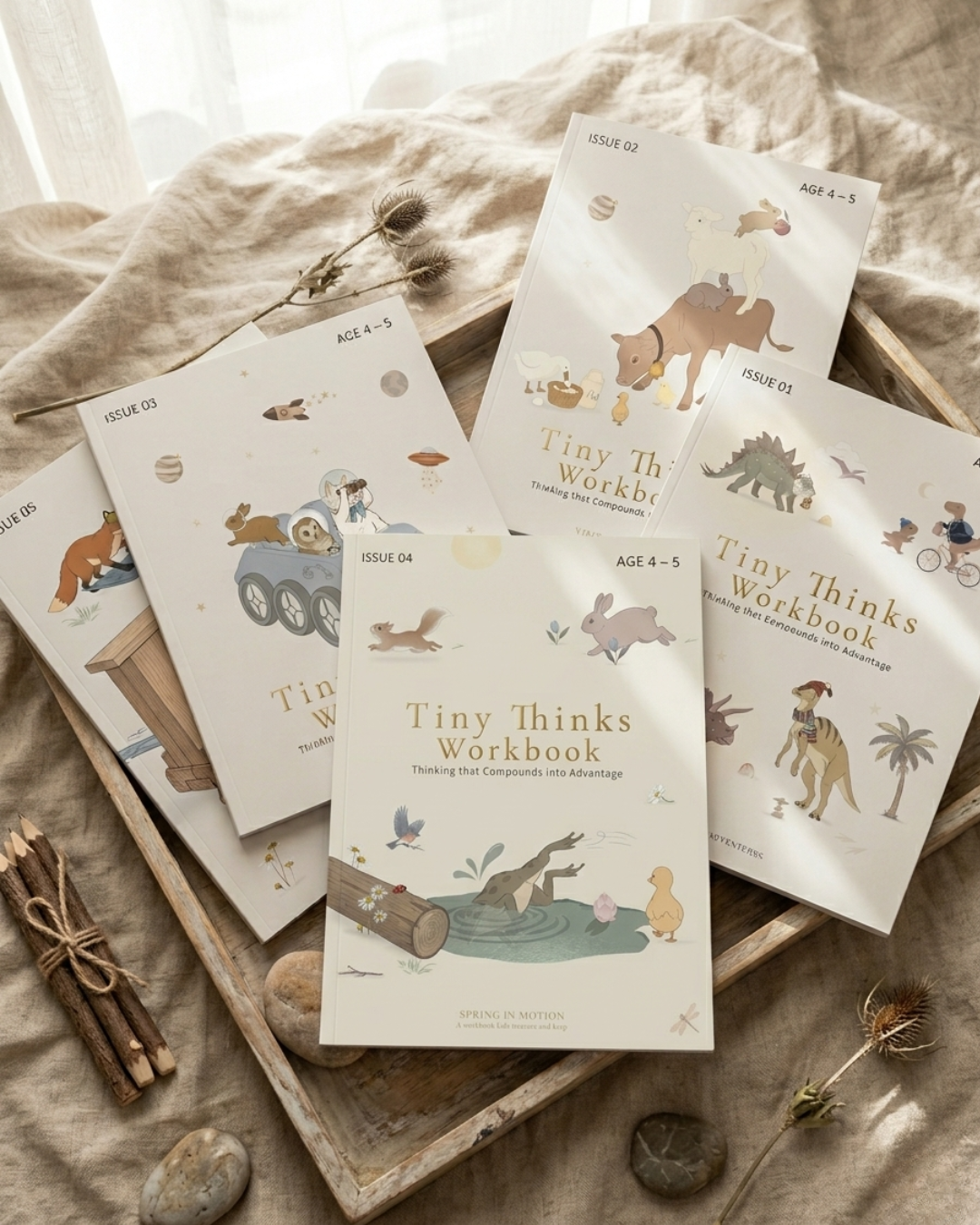
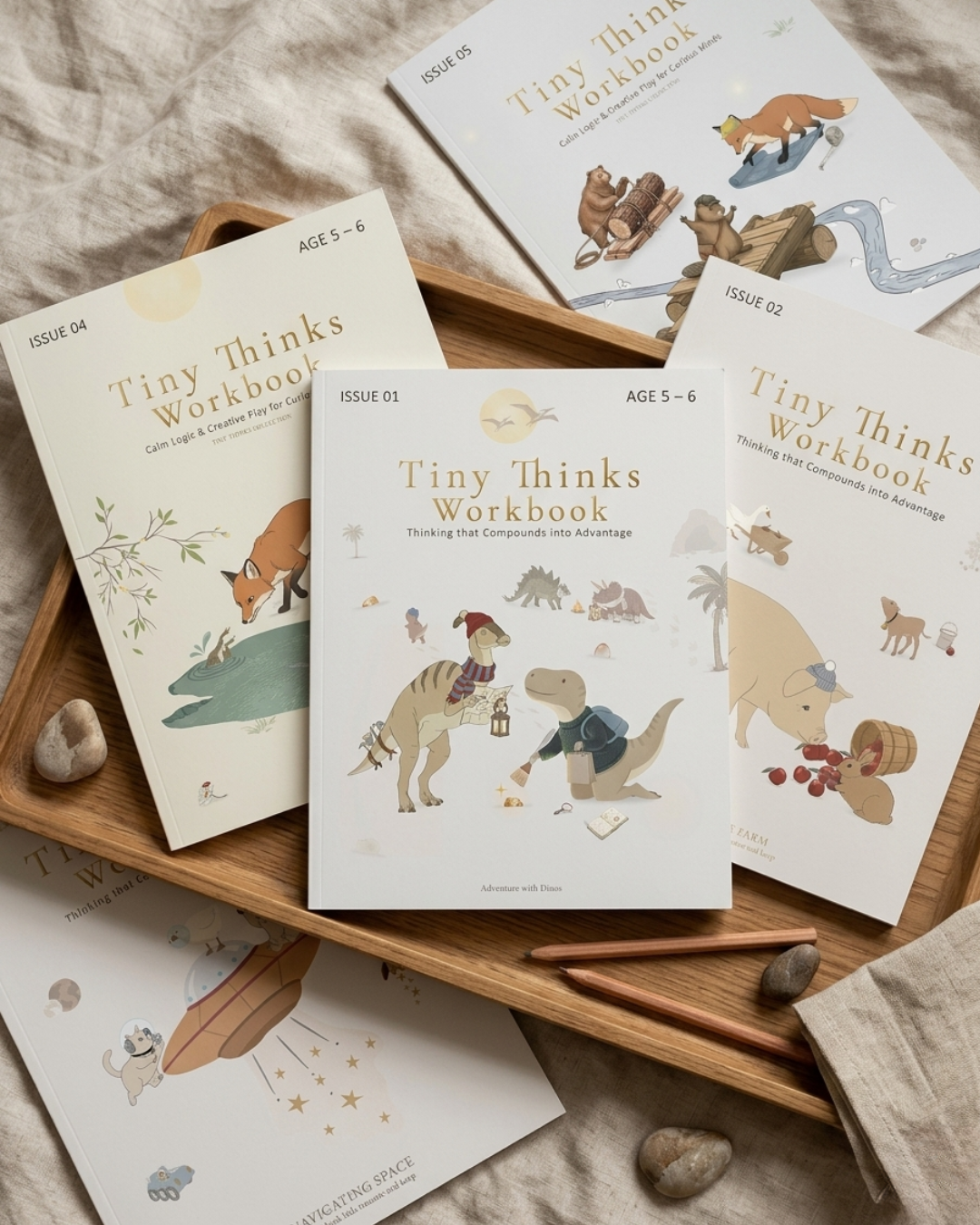
Swap out ‘default screens’ for placating, hands-on alternatives that actually function in real moments — restaurants, travel and pre-dinner madness. Take advantage of our Free Calm Pack and Tiny Thinks Workbooks for instant, screen-free activities that keep kids centered and calm.
Screen time kids is the time kids spend on tablets, phones, TV, and consoles every day. As parents, we’re quick to reach for screens while we prep dinner, at restaurants, on flights, or in waiting rooms because they’re fast. After heavy use, some notice mood swings, restlessness, and sleep issues. Calmer days arise from routine, hands-on activities that occupy little hands and normalize focus. Basic tasks like matching, patterns, tracing, and silent logic provide structure without the ballyhoo. These low-prep alternatives slot into those exact moments screens emerge and help kids concentrate for longer. The guide below details doable routines that decrease screen time softly, with immediate wins you can apply today, along with print-ready pages from Tiny Thinks.
The “Screen-Time Crash” Explained
Sudden mood swings after screens are common. Fast digital bursts make it hard for children to switch to slow, real-life tasks. The discrepancy between fast-paced imagery and slow-paced activity generates the “crash,” which includes crying, resistance, or zombification. Brief device-based attention shards can leak into everything. Catching the crash early lets you intervene with calm, scheduled tasks and develop more reliable habits.
Overstimulation
Fast cuts, bright color blocks, autoplay sounds—these all provide more stimulation per minute than a kid gets at a table, in a park, or on the playground. Once the senses are deluged, the brain continues looking for it even with the device switched off.
You may observe irritability, a short temper, or ‘buzzed’ energy immediately after viewing. Other kids take the opposite direction and shut down, won’t start easy work, or just drift.
Ages 3-7 are especially vulnerable. Their filters are still maturing and they take longer to recuperate from deep stimulation. That’s why a two-minute clip can wreck dinner.
Watch for early signs: leg jiggling, darting eyes, refusal to color, snapping at siblings. Switch swiftly to low noise and limited pages, such as matching, pattern lines, or silent watching. One-page work with an explicit conclusion reduces sensory overload quickly.
Behavior
It’s a vicious cycle: heavy screen use correlates with more tantrums and “no” at transitions, particularly when the device is removed. The pattern is simple: high-intensity input is followed by a demand to slow down.
Over time, this can erode self-regulation. When a screen occupies every spare moment, kids get less practice with micro-waits, micro turn-taking, and micro ‘start-and-finish’ cycles.
It sidelines in-person play, too. There is less opportunity to read signals, compromise, and make up after a spill.
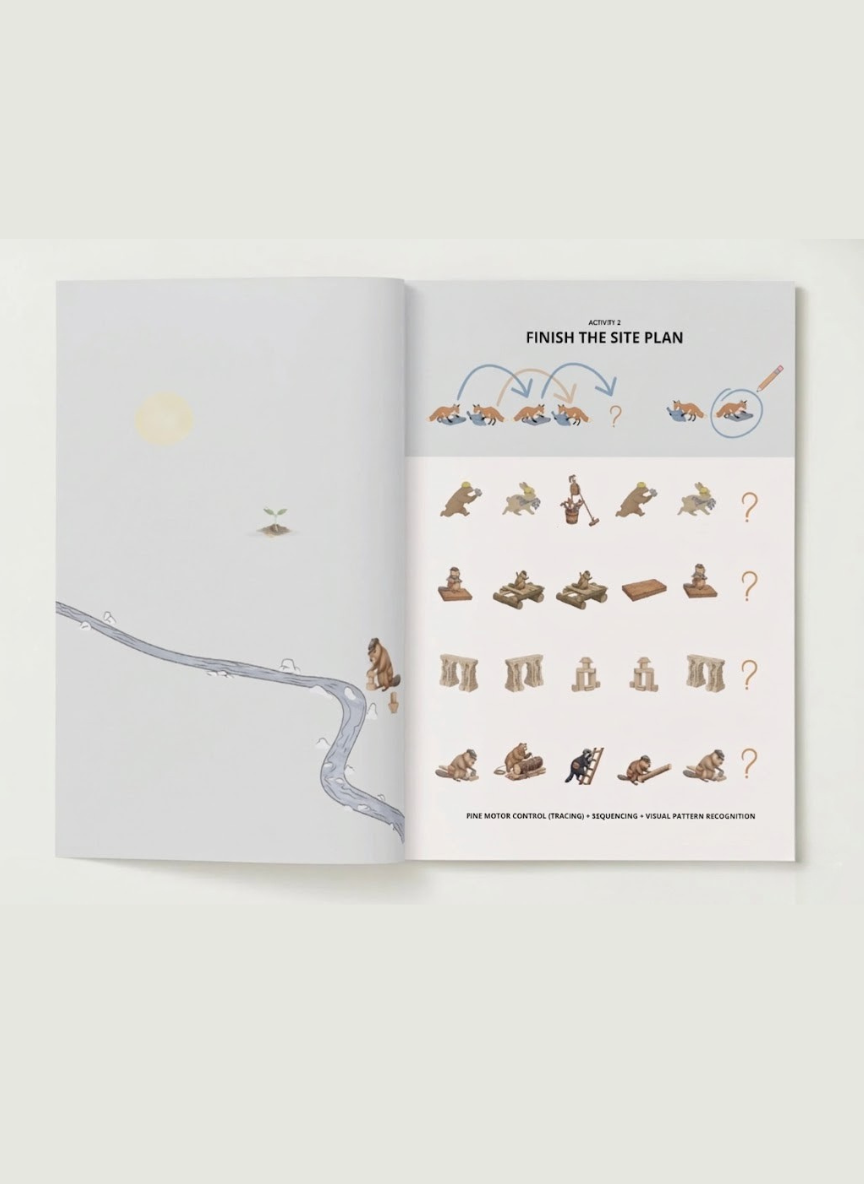
Set clean limits: fixed windows, device-free meals, no surprise extensions. Substitute with hands-busy, quiet logic work—spot-the-difference, sequencing strips, trace-and-complete. Use easy, repeatable materials. Our Tiny Thinks pages accomplish this noiselessly and cultivate independence as behavior calms.
Sleep
Evening screens delay the body clock and disrupt sleep. They take longer to go down and wake up more during the night.
Blue-leaning light and exciting content both increase arousal. That frequently manifests as ‘not tired’ and later meltdowns.
Turn off screens at least one hour before bedtime. Protect the routine: bath, pajamas, two calm stories, and lights out at a consistent time.
Swap videos for soft tasks: quiet picture books, gentle audiobooks under 60 dB, or one calm page—trace a path, simple maze, or picture search. The Free Calm Pack features bedtime-friendly pages that wind energy down without neon brightness or buzz.
Recommended Screen Time for Kids
Screen time is best when time and content are controlled. Limit yourself to brief, scheduled stints with tranquil, age-appropriate content. There are guidelines to safeguard emerging attention, sleep, and vision. An easy family media plan keeps guidelines consistent at home, at school, and on the road.
|
Age |
Daily recreational screen time |
Key conditions |
|---|---|---|
|
3 years |
≤ 1 hour |
Co-view with an adult; calm, educational content |
|
4 years |
≤ 1 hour |
No background screens; non-violent, age-appropriate |
|
5 years |
≤ 1 hour |
Problem-solving, creative tasks; frequent breaks |
|
6 years |
≤ 1 hour |
Discuss content; avoid meals and pre-sleep |
|
7 years |
1–1.5 hours |
Quality over quantity; teach break awareness |
Healthy habits combine limits with quality. Pick slow, predictable images and soft sounds. Skip fast cuts and autoplay. Safeguard eyes with frequent breaks and lots of off-screen activities, such as matching, patterns, sequencing, and basic drawing.
Create a family media plan: define when, where, what, and for how long. Include pads, restaurants, bedtime, and travel. Print it, post it, and abide by it.
1. For 3-Year-Olds
1 hour a day, co-viewed. Stick to simple, calm, interactive content. Name objects, repeat sounds, point and answer.
Don’t use screens to squash tantrums. Offer short, paper-based tasks first: picture matching, tracing a simple path, and finding and circling objects.
Employ frequent pauses. After 10 to 15 minutes, switch to movement or language play. Describe three things you see, sort spoons by size, and count steps to the door.
2. For 4-Year-Olds
Less than 1 hour! Opt for non-violent tales with a leisurely pace.
Use screens intentionally. Video conference with grandparents or watch a brief nature video attached to a drawing prompt. Do not use screens as background noise.
Balance with hands-on work: pattern lines, sticker sequencing, simple cut-and-glue. Allow your kid to assist in choosing a program from two soothing alternatives.
3. For 5-Year-Olds
Set boundaries: time window, no screens at meals, no autoplay. Problem solving involves puzzles and calming building stories.
Watch for screen fatigue: eye rubbing, irritability, zoning out. If you catch it, pause, hydrate, and stretch.
Add screen-free intervals: 10 minutes of drawing, a pattern trail, or a tiny scavenger list.
4. For 6-Year-Olds
Let kids have up to 1 hour of age-appropriate, educational options. Discuss what occurred, what we learned, and what was puzzling.
Screen-free dinner and the last hour before bed. Once they’re done watching, transition to reading, silent drawing, or a mild logic page.
5. For 7-Year-Olds
Limit screen time to 1 to 1.5 hours. Focus on quality, not quantity. Teach self-checks: dry eyes, slump, or fussiness mean break time.
Pull your kid into the regulations. Display agreed limits and options. Encourage stand-alone, off-screen activities such as origami, drawing, and pattern puzzles. For quick, peaceful substitutions in restaurants, on flights, and during pre-supper mayhem, download the free Tiny Thinks Calm Pack or age-specific workbooks.
Beyond Time Limits
What, when and how screens are used are as important as total minutes. Early exposure is formative, with little ones able to replicate actions between 6 to 14 months and memorize brief sequences by 18 months. By the time they’re two, they’re starting to comprehend content, but most under two cannot distinguish screen events from real life, which can disrupt executive functioning. Action-packed or aggressive media can exacerbate this, and impacts can accumulate. Good age-appropriate programs can be pro-social, but access to optimal content tops out early—two to four years. Screens close to bedtime interfere with sleep, and regular television in the early years boosts sedentary risk. Build a balanced day: short, planned screen windows alongside non-screen tasks—matching, patterns, sequencing, outdoor play, and independent quiet work. Fixed guidelines minimize friction and establish habits that transcend time restrictions.
What to Watch
- Favor gentle, slow shows and apps designed for ages 3 to 7 with clear tasks such as letter-sound matching, pattern completion, and simple story sequencing.
- Skip fastcut or violent content, as it can injure attention and executive function.
- Employ trusted guides with age filters and content notes from respected public broadcasters and children’s media reviewers.
- Work with your child to co-create a paper ‘approved list’ so choices are limited and battles are avoided.
Good educational choices can teach us how to be empathetic, antiviolent, and respectful. Kids’ optimal access to these tends to max out at 2 to 4 years, after which selection spans broaden, so boundaries assist.
When to Watch
Time screens at least an hour from meals, exercise, and the wind-down window before bed. Screen exposure prior to bed associates with sleep issues. Guard mornings for mobility and analog thinking work. Reserve screens for small, predictable blocks.
Tie screen windows to a routine after chores or workbook pages, not a reward or punishment, to steer clear of power struggles. Visual timers and a great stop signal, such as a page turn or puzzle complete, help kids embrace closures.
Save travel or waiting rooms for brief, quiet blocks. Like small, contained paper projects initially, they calm down quicker.
How to Watch
Co-view where possible. Label what you’re experiencing, pose a question or two easy questions, and connect it to real life.
Invite active engagement: pause for a prediction, draw a character, or act out a scene.
Position screens at eye level in a well-lit room. Maintain a neutral posture.
Here are some tips to help model serene tech use for your kids. Stash your phone during family time. Trade the next episode for a Tiny Thinks match or sequence page to downshift.
Calm Screen-Free Alternatives
When screens solve short-term stress but generate long-term friction, replace them with low-noise activities that are concrete, bounded, and hands-on. Kids calm down quicker when their hands and eyes have a singular task.
-
Two-minute setups include matching cards, dot-to-dot, line tracing, and spot-the-difference.
-
Table tasks: mini puzzles, pattern blocks, paper dolls to color and cut.
-
Movement-lite: breathing cards, calm music, chair yoga.
-
Travel kit: washi tape, stickers, folding paper airplanes, one pencil.
-
Nature kit: small bag, collect leaves and stones for a collage, shadow box, or a simple nature bracelet. The Free Calm Pack features instant-win ready-to-print pages. Tiny Thinks Workbooks pack silent logic, pattern, sequencing, and observation into age-based collections.
Quiet Activities
Sensory bins with dry rice or beans, a scoop and two small bowls create focused pouring and sorting. Include a couple of buttons to sort by dimension for light logic. Twelve to twenty-four piece puzzles have defined beginnings and endings. Coloring books work anywhere. Paper-doll coloring and cutting stretch their attention and hand control even longer.
Audiobooks or friendly podcasts spark imagination without visuals. Have one short story loaded for restaurant waits. Calm music softens edges. A three-breath before dinner routine quickly lowers noise.
Calm Screen-Free Alternatives Mini-blocks or mini-figures inspire silent construction. Ask for one simple brief: build a bridge with five blocks. Two minutes languishing in the grass resets mood, and kids observe clouds, hear sounds, and experience stillness.
Within the Free Calm Pack you’ll find spot-the-difference, tracing, and simple matching. Calm screen-free options.
Creative Play
Open a flat art kit: crayons, glue stick, paper shapes—done. Include clay for easy to mold shapes. Repurposed cardboard transforms into homes, pathways, or passes. Calm screen-free options include a felt storytelling board, which welcomes tranquil tableaux. Kids re-narrate well-known tales with gentle pieces.
Role-play constructs language sans chaos. Doctor bag, shop list, post office. One prop apiece keeps it tidy.
Connect intentional creativity with Tiny Thinks Workbooks. Pattern stories, sequencing strips, and early logic pages are calm, age-fit, and ready now.
Coloring, paper dolls and friendship bracelets combine concentration with soft social moments.
Outdoor Fun
Fresh air is good for the mood and gives eyes some rest. Short nature walks with a tiny bag allow you to collect leaves and stones, then create a nature collage or shadow box at home.
Easy wins: chalk art on the driveway, bubble targets, slow scooter laps, simple scavenger lists. Bike to the corner and home. Play catch for five minutes before dinner to get the wiggles out.
Family moments count. Dig in the garden together, water the plants, or just sit and breathe. Classic card games like Go Fish or Crazy Eights fit a picnic rug and bring together the whole crew.
Your Screen Habits Matter
Kids mimic what they see. Calm, predictable routines begin with you. Screens are immediate, but they fill in the silent gaps where kids discover logic, patterns, sequencing, observation, and independent play. Excessive exposure carries risks: self-regulation difficulties rise when TV time exceeds 2 hours per day, and the link between a parent’s screen time and a child’s is strong. Background TV impacts language, attention, and executive function in kids under 5. Very high exposure, over 7 hours daily, is associated with attention issues. Habits early are easier to set than habits late.
Model healthy screen use by limiting your own device time in front of your child.
Keep devices put away during the high-friction moments: pre-dinner chaos, restaurant waits, flights, and waiting rooms. Use a watch or paper list instead of a phone to check the time or plan the day. Bring a real book and read alongside your child during quiet time. When you opt for paper instead of screen, your kid reads that signal and calms down quicker. Replace your own “scroll” with a structure: a 5-minute timer and one focused task, like reviewing tomorrow’s meals on a notepad. Modeling matters more than nagging.
Engage in regular, face-to-face interactions to support your child’s social development.
Screens disrupt quality conversation. Swap passive viewing for small exchanges: describe steps while cooking, narrate a tidy-up, or ask simple observation questions at the table. Little kids can’t really generalize from a screen to real-world objects, hence the benefit of actual hands-on talk becomes even more important. Try two-minute games: “find three circles in this room,” “copy my block pattern,” or “tell the picture story in five words.” These develop focus and vocabulary without distraction.
Set household rules for screen time that apply to both adults and children.
Keep rules simple and visible:
- Tech-free meals, every day.
- No background TV.
- Device-free hour before bedtime.
- Flight rule: screens only after takeoff, then swap with quiet pages.
Link rules to routines, not feelings. Your Screen Habits Matter. Consistency minimizes resistance and safeguards family time.
Demonstrate positive screen behaviors, such as turning off devices during meals and conversations.
Power down at meals and one-to-one talk. Preserve eye contact and turn taking. Establish “quiet kits” as your default replacement: a small pouch with pencils and Tiny Thinks pages. Pattern following, visual sequencing and spot-the-difference quiet down kids fast, particularly in restaurants and waiting rooms. For a simple way to begin, print out the Free Calm Pack and stash it in your bag!
Navigating Tricky Situations
Screens seem like the easy thing to do in tough times—meals, flights, bedtimes—but quiet, repetitive activities are more effective. Kids calm down quickest when hands are occupied and there is a definite objective. Steady limits count. Most homes have none, which drives binging and anxiety. Parents’ own habits color results as well, so put your phone down when you want them to put theirs down. Use the same simple structure across settings: quiet logic, patterns, sequencing, observation, and independent play. Tiny Thinks pages provide that structure without the clutter, and the Free Calm Pack is a quick start.
Mealtimes
- Picture matching with simple icons; circle the pairs.
- Pattern strips – replicate a three-shape pattern with your pencil marks.
- Spot-the-difference; four changes, then stop.
- Conversation cards; “one good thing,” “one help you gave.”
- Table I‑Spy; colors, shapes, quiet counting.
- Dot-to-dot with 10–20 dots; finish, then show.
- Napkin folding steps; repeat 3 times.
- Tiny menu math; count items, compare more/less.
Build social practice with a table. One turn each: order food, share a highlight, and ask one question. Maintain soft voices, put away devices, and model attention.
Easy paper activities lengthen eating patience and decrease distracted snacking. Screen-free meals foster healthier hunger signals and digestive tranquility and they sidestep the influence of typical media hazards.
Some parents can’t make rules or demonstrate restraint. Name the rule at the door: “No screens at the table.” Predictable trumps perfect.
Travel
- Pack a slim pouch with pencils, a tiny sharpener, and 10 calm pages. * Bring audio stories or soft music playlists at a low volume.
- Use pattern, sequencing, and observation pages in 10-minute sets.
- Organize snacks in clear order: fruit, crackers, and water.
- Take stretch stops every 90 minutes on the road.
- Play window games like counting blue doors and spotting three triangles.
- Include quiet surprises, such as one sticker strip mid-journey.
Audio assists at takeoff and landing when hands are tied. Keep decisions tight and argument loose.
Strategize motion. These mini sprints at rest areas reset spirits. Predictability minimizes “are we there yet?” loops.
Screens easily creep longer on trips and crowd out activity. There’s that time issue, where more hours connect with less movement and more risk for obesity. Cyberbullying and adult content increase with unsupervised access, with over 50% of teens experiencing online bullying and sexual content predicting earlier sexual behavior. Boundaries go with you.
Evenings
Replace evening screens with a 20-minute calm block: read together, do simple puzzles, or complete one Tiny Thinks logic page. Keep lights low, noise low, and work limited.
Send the FREE calm pack before PJs. Under twos veer into daily screen habits when evenings are unstructured. A quick, foreseeable habit works better than “one more show.
Keep the same schedule every night. Regularity makes you sleep better and become emotionally steadier and resists the temptation of “a little more.” Like most parents, you balance advantages and hazards. A silent habit simplifies the decision.
Conclusion
Parents have real pressure around screens. Time limits assist, yet it’s the gentle organization that does the real work. Kids calm down sooner when hands are occupied and the assignment is obvious, bounded, and silent. That’s the route to fewer meltdowns and improved focus throughout the day.
For quick wins, anchor tricky moments with low-noise, hand-busy pages: matching, patterns, sequencing, spot-the-difference, and gentle tracing. Two minutes to prep, 10 to 15 minutes of deep focus. Be a calm habits role model yourself, keep routines predictable, and keep screens a tool, not the default.
Want some quick options? Our free Tiny Thinks Calm Sample Pack and age-specific workbooks provide restaurant, travel, and pre-dinner pages that work immediately. Small swaps today create calmer days all week.
Frequently Asked Questions
What is the “screen-time crash” in kids?
It’s the screen-induced mood dip. Kids might become cranky, fidget, or rebellious. Rapid-fire content amps the brain, then energy crashes. Anticipate harder transitions and increased resistance. Screen Time Kids A calm, predictable routine helps reduce the crash.
How much screen time is healthy for children?
Guidelines suggest avoiding screen time for children under 2 years, except for video chat. For children aged 2 to 5 years, approximately 1 hour daily of premium programming is recommended. For ages 6 and older, establish regular limits. Prioritize sleep, physical activity, learning, and family time ahead of screen time. Quality trumps quantity.
Do content type and timing matter more than minutes?
Yes. Slow, educational, or co-viewed content is preferable to fast, auto-play videos. Stay away from screens an hour or two before sleep. Associate screen time with schedules, not feelings. Safeguard sleep and outdoor play. Think quality, context, and balance.
What are quick screen-free alternatives that calm kids?
Think drawing, puzzles, blocks, sensory play (clay, kinetic sand), audiobooks, nature walks or simple breathing exercises. Maintain a ‘calm kit’ on hand. Short physical bursts, such as jumping jacks, can quickly reset energy!
How can I make transitions off screens easier?
Give warnings: 10, 5, and 2 minutes. Employ a visual timer. Finish with a natural pause in the episode. Provide a next-step option, such as a snack or Lego. Maintain the same routine on a daily basis. Keep your cool and be consistent.
Do my own screen habits affect my child?
Yes. Children emulate adults. So model device-free meals, eye contact, and active breaks. Establish communal family guidelines such as charging stations out of bedrooms and no phones at the table. Your habits establish the baseline for theirs.
What if screens are needed for travel, restaurants, or tough moments?
Think ahead. Load up quiet, non-commercial materials. Let them use headphones. Give them a time limit and a follow up. Bring compact alternatives: coloring, stickers, audiobooks, fidgets. If limits slip, reset at the next opportunity — no guilt.