


Key Takeaways
- Calmness is essential for children’s learning because it helps improve focus, memory, and emotional regulation. It creates a stronger foundation for academic growth.
- Quiet helps ease stress to the brain and body, which makes it easier for kids to learn and adjust to new experiences.
- Identifying and reducing internal and external learning distractors, like anxiety, clutter and noise, can do wonders for a child’s concentration.
- Designing calming corners at home or school, with the help of sensory tools and intentional design, promotes emotional regulation and improves learning.
- By incorporating calm routines, mindfulness, and movement breaks into their days, kids can handle stress better and stay focused.
- Reducing screen time and facilitating active, offline play lets kids calm down, reflect, and cultivate imagination and self-reliance.
Calm children learning better is not a parenting trend—it is a predictable outcome of reduced overstimulation and structured, intentional environments.
Calm children learn better by being in an environment of calm where they can focus, have predictable rhythms, and experience soft sensory stimulation. By avoiding overstimulation, calm children ages 3–7 learn better because they are able to settle, process information, and develop the independent thinking skills necessary for optimal learning.
Calm learning environments build attention, sequencing, and frustration tolerance. For families, grounded, low-noise play during high-pressure moments such as after school or bedtime helps kids better refocus and learn new concepts.
Why Calmness Enhances Learning
Need a quiet reset right now after school, screens, or transitions? Start with the Tiny Thinks Free Calm Pack:
Kids learn best when mind and body are regulated. Calmness isn’t just pleasant—it primes you for enhanced attention, recall, and adaptable thinking. Calmness quiets the unnecessary circuits in your nervous system so that your brain can absorb new input and change to meet new demands.
In practice, this makes a kid more likely to hear, recall, and persist when things become difficult. Calmness is not stress avoidance. It’s about equipping children with the internal resources to face life’s daily stressors with equanimity and clarity.
1. Brain Science
The young brain is ever seeking security. When the nervous system is calm, blood flow to the prefrontal cortex increases, making it easier for children to focus, plan, and remember. If a child is stressed, the amygdala—the brain’s alarm system—goes on high alert.
This diverts resources from learning and puts the body into fight-or-flight mode. A balanced nervous system encourages calm attention and facilitates pathway formation. This is the basis for new skills.
Calmness supports the brain in making and reinforcing the connections necessary for learning, particularly in early childhood when these pathways are still highly malleable.
2. Emotional Regulation
Emotional regulation is a kid’s ability to handle intense emotions and settle back down. It’s crucial for learning, as a dysregulated child cannot take in new information or respond with thought. When kids are calm, they can work through the emotions.
Recall that it takes approximately seven seconds for emotions to resonate in the body. Parents can mimic this by modeling slow breaths, speaking in a whisper, and providing one-step directions.
Short pauses and predictable rituals bring back serenity in overwhelming shifts. Emotional stability enables a child to hear, share, and absorb new learning even when it feels difficult.
Academic success depends on this cycle: regulate, then relate, then reason. Tiny Thinks uses this architecture on each page, so kids get the hang of calm thinking even in the noise!
3. Memory Consolidation
Memory sticks when the mind is calm. Overstimulation and stress prevent the brain from triaging and storing new information. These rhythms, a calm moment before dinner or bed helps, give kids’ brains a chance to re-experience and structure the day’s learning.
Pure recall games, slow repetition, and calm tracing assist in building memory. Mindfulness exercises, whether that is listening to soft sounds or tracking a visual image, train the brain to latch onto and recall information more readily.
4. Cognitive Flexibility
This is because a calm mind promotes cognitive flexibility, which is the capacity to shift thinking and experiment with new approaches. In a relaxed state, children can:
- Pause before reacting
- Switch between tasks or ideas
- Tolerate mistakes and try again
- Consider different solutions to a problem
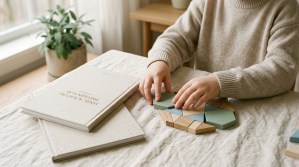
Quiet, organized puzzles, such as ordering cards or basic matching, provide kids the opportunity to exercise cognitive flexibility without stress.
5. Creative Thinking
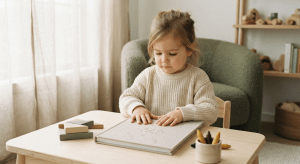
Calm releases the power of creative brilliance. When the mind isn’t encumbered with managing stress, kids are left room to dream up, design, and create. A calm table, easy materials, and a routine form lure kids to sketch, spin tales, or construct patterns.
A bit of mindfulness, whether it’s observing contours or following lines, can ignite fresh thinking. Art, storytelling, and open-ended play all thrive in your kids when they are calm, un-rushed, and settled.
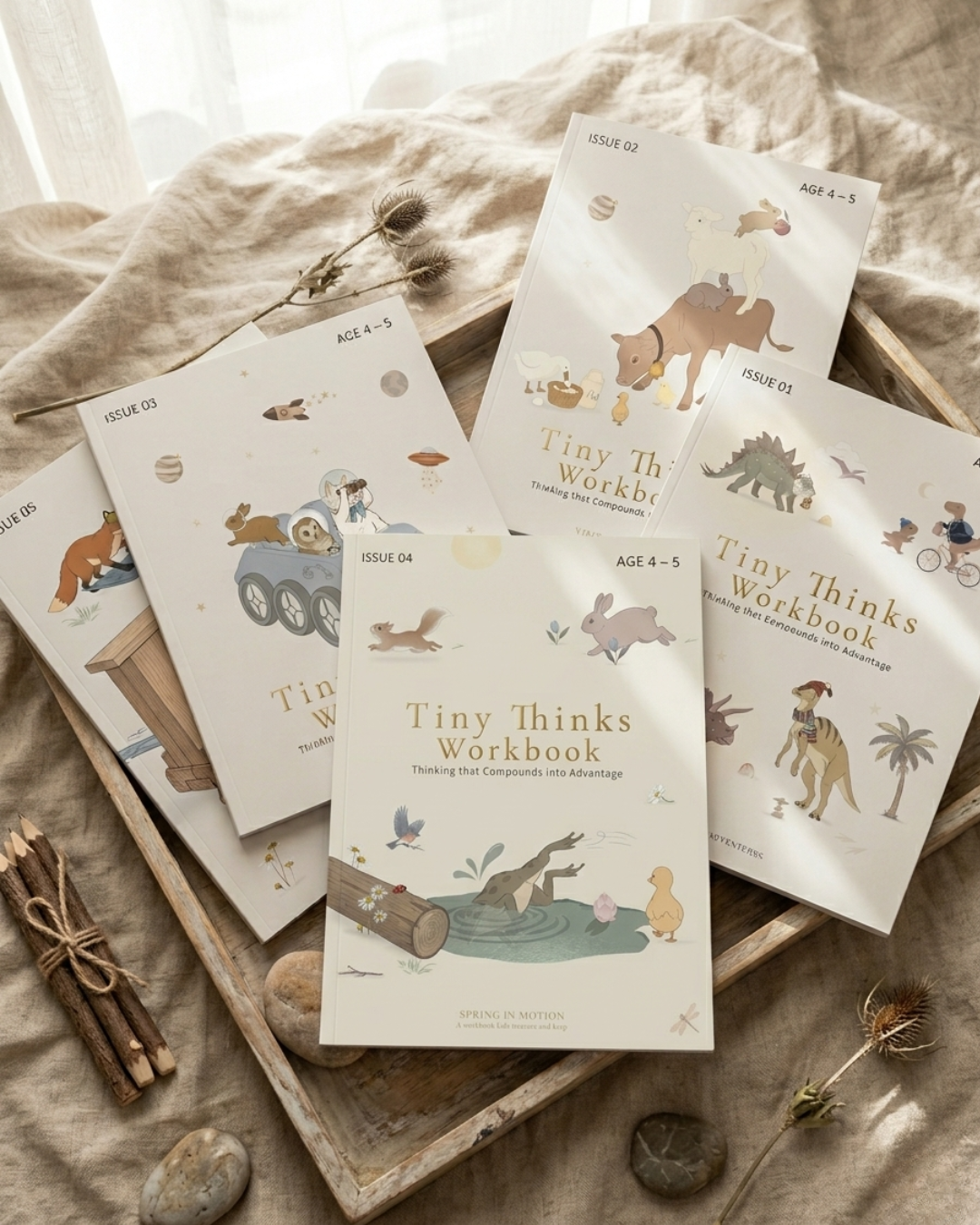
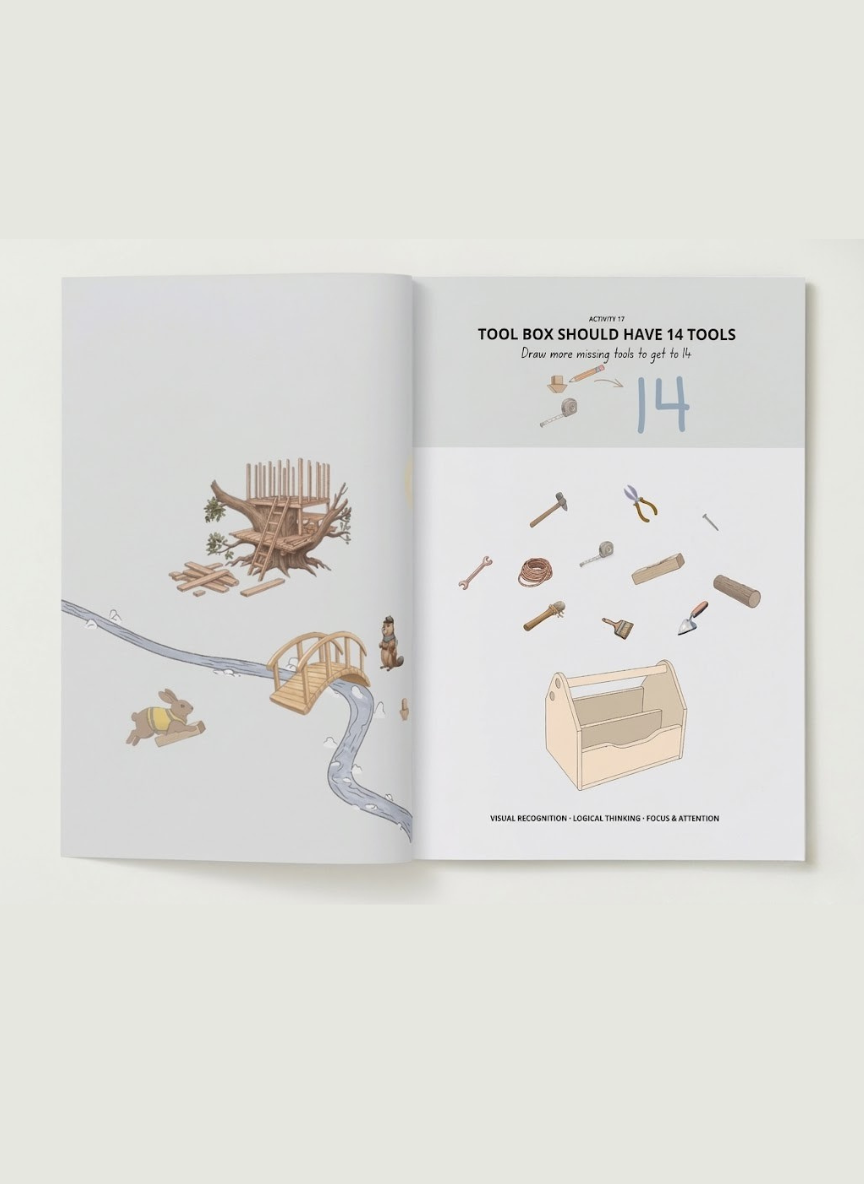
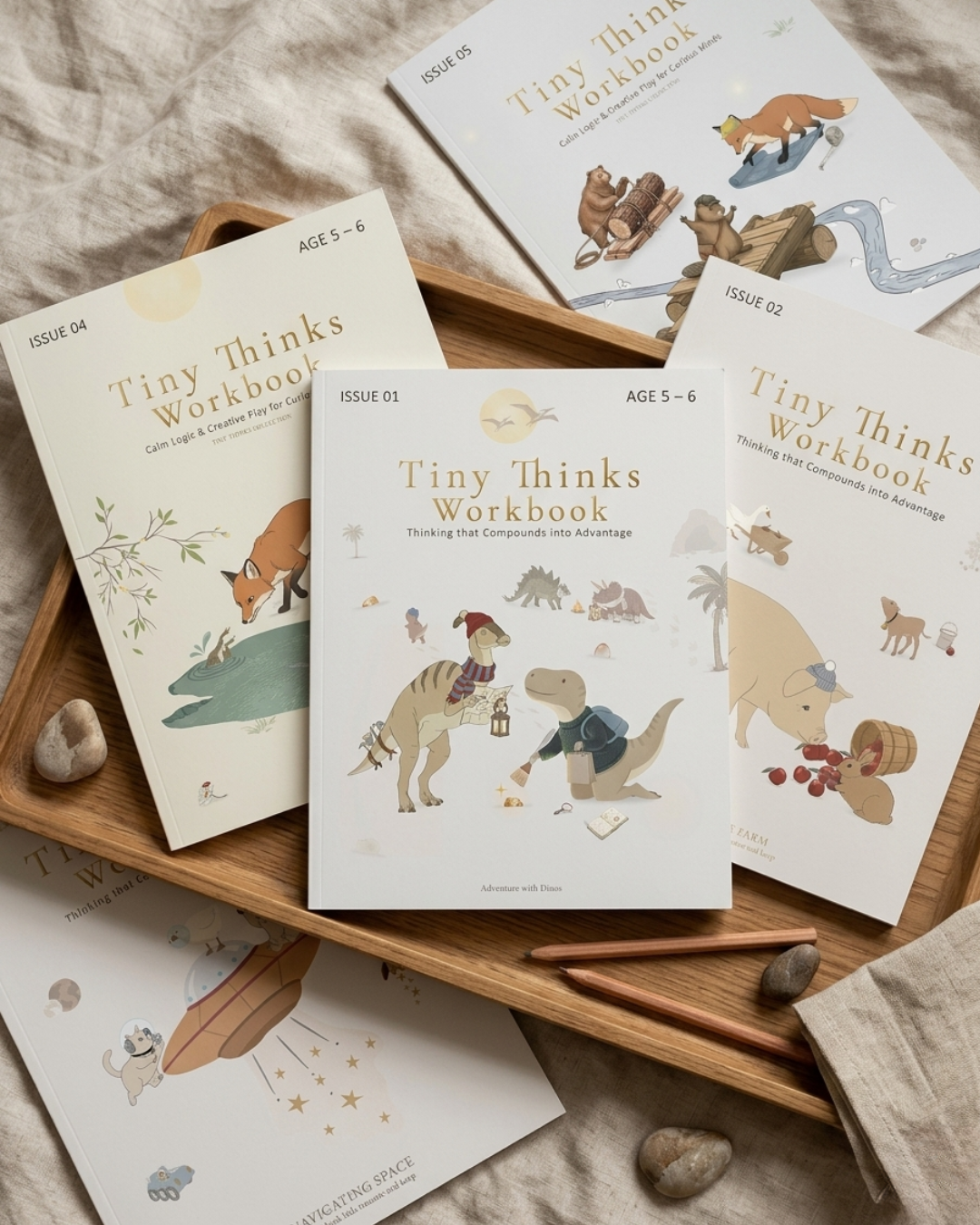
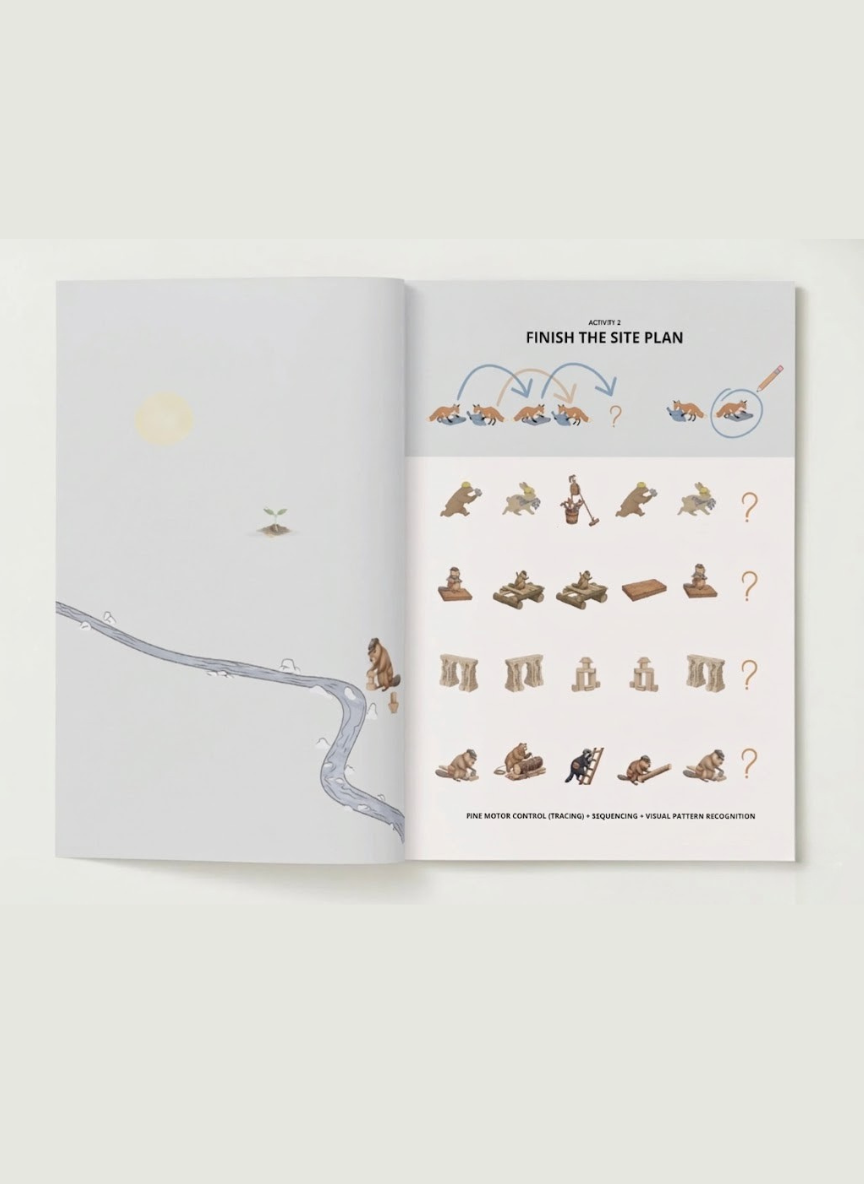
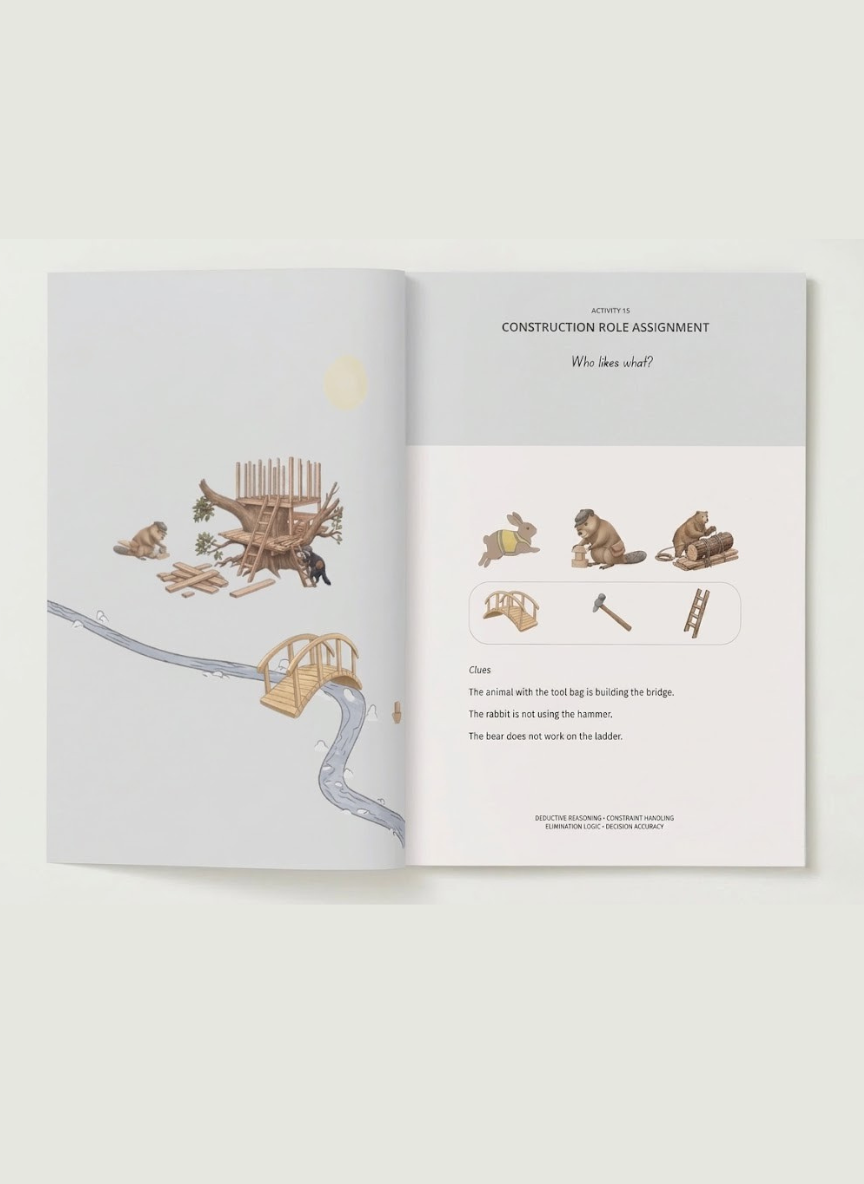
Tiny Thinks is made for this. The Free Calm Pack provides low threshold access, no preparation, no pressure, so your kid can relax and begin learning. For further immersion, age-specific Tiny Thinks Workbooks walk kids through peaceful, well-organized thinking loops they can revisit whenever.
These tools provide sanity savers for after school, meal prep, travel, or bedtime when calm focus is essential.
Recognize Learning Disruptors
Kids learn optimally when their minds are quiet and their world is consistent. In our current era, speedy tech, packed calendars, and rigorous parental ambitions tend to upset that equilibrium. Identifying these disruptors is the first step toward constructing a more purposeful, resilient learning habit.
Both internal and external factors disrupt a child’s calm, sustained thinking. Knowing what’s going on inside a child and how their environment shapes behavior gives parents actionable leverage — not more advice.
Internal Factors
Anxiety and stress sneakily undermine a child’s learning. Some kids have unseen anxieties that they bring to everyday activities, where it’s more difficult to concentrate or push through difficulties. With a mind preoccupied with handling stress, there is little room left for working memory or deep work.
Sensory processing differences can also interfere with learning. A few children are overly sensitive to ambient noise or light, or even the sensation of clothing, making it nearly impossible to ground their focus. Others may seek motion or tactile information, displaying behaviors that appear as restlessness. These challenges are not simply discipline or motivation issues; they stem from regulation problems linked to the nervous system.
Sensory processing differences can interfere with learning. A few kids are overly sensitive to ambient noise or light or even the sensation of clothing, and it becomes nearly impossible to ground their focus. Others hunger for motion or tactile information, squirming or finding stimulation in manners that appear as “restlessness.
These are not discipline or motivation problems; they are regulation problems stemming from the nervous system. Emotional needs are at the heart of learning. If a kid feels invisible, unheard, or overloaded, his brain switches to defensive mode, not discovery.
By modeling calm and providing social support, we can help children navigate difficult situations with increased resilience. These strategies not only assist in managing agitation but also foster emotional self-awareness and coping skills that will benefit them throughout their lives.
External Factors
Environmental stressors, such as endless din, messy rooms, and irregular schedules, can drain children’s focus. Classroom noise and visual overload are two easy targets for distraction, particularly with technology-based and fast-consumption content.
Even at home, toys on the floor and screens humming in the background disrupt focus. You don’t have to create a distraction-free space. That doesn’t mean reducing visual clutter, curtailing background noise and providing kids with access to soothing, hands-on materials.
A clean table, a soft mat, and some carefully selected objects are usually all you need. As parents, we can be advocates for quieter, less cluttered spaces in schools and childcare, backing teachers in creating environments where concentration can occur.
The increasing emphasis on SEL in schools underlines the importance of environments and habits that facilitate regulation, not necessarily just learning. Kids who don’t conform may require different methods, and identifying that is an act of respect, not defeat.
Screen-Free Structure for Calm Focus
Screens are a tool, they’re not the problem. It’s about pace and uncertainty, not format. Too much screen time, particularly quick-hit content, splinters attention and induces cognitive inertia that makes switching tougher.
Most parents witness the aftermath: impulsivity, moodiness, and an unrelenting tug for “one more episode.” When kids need to calm down, screens seldom provide. That’s what Tiny Thinks™ are for.
After school, at the table, while traveling or in the waiting room, kids need a regular, engrossing activity that calms their nervous system. The Tiny Thinks™ Free Calm Pack provides families with an easy, peaceful structure: silent pattern recognition, soft sequencing, and hands-on play.
No parent policing. No dopamine crash. For those who want more, age-specific Tiny Thinks™ Workbooks apply the same low-noise philosophy. They’re not fun, they’re not a prize, they’re just the device that gets the job done when you need your kid calm and contemplative.
Create a Calm Space

A calming corner isn’t about perfection or silence; it’s about providing a supportive environment where kids can engage in care activities to soothe themselves, think, and self-regulate, particularly when life feels chaotic. In both the home and the classroom, the right care practices can help children build resilience and re-center amidst the turmoil.
The Calming Corner
A calming corner is basically a little designated square that you set up where your kids can go retreat and regroup and rein in big feelings. In reality, this is less about furniture and more about functionality. It could be a soft mat with a few cushions, a shelf with picture books, or a basket of tactile fidgets.
The key, though, is to isolate it from high noise and high activity areas. It is preferable for it to be close to a window or another softly lit space, away from the television or primary play zone.
Keep the corner clean. Add only as much as a child needs to feel safe: a weighted lap pad, a set of sensory bottles, or coloring pages. A couple of plants and calm colors, such as pale green, blue, and pastels, beckon kids inside and keep them lingering. Establishing firm rules, such as one kid at a time and an obvious counter, cements the space as a resource, not a refuge.
Children come back to the calming corner when transitions get rough or following a meltdown. With practice, this repetition educates self-regulation, enabling kids to recognize early signs of frustration and select a strategy without adult intervention. Frequent practice develops the habit of stopping and not responding.
Sensory Tools
|
Sensory Tool |
Purpose |
Example Use |
|---|---|---|
|
Fidget items |
Focus, calm busy hands |
Squeeze ball, putty |
|
Weighted blanket |
Deep pressure, security |
Lap or shoulders |
|
Sensory bottles |
Visual focus, slow movement |
Watching glitter |
|
Soft textures |
Comfort, grounding |
Plush cloth, felt |
|
Noise-cancelling headphones |
Reduce auditory overload |
Quiet reading time |
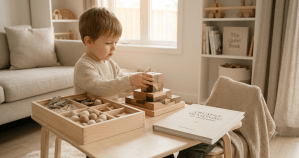
Fidgets and weighted blankets work by providing the body with expected input. This assists kiddos who are over-excited by noise or movement to settle more quickly. Sensory play, such as sorting stones, tracing patterns, and squeezing dough, can be constructed into your routines, like after school or before dinner, so kids anticipate these moments of calm.
It does matter to find out what works for your child. Some ask for deep pressure, some require visual focus. There is no one-size-fits-all tool. Tiny Thinks™ designs always respect this. Every Free Calm Pack and Workbook offers a mix of tactile, visual, and sequencing prompts so children find their own way to regulate.
Environmental Design
Physical space influences behavior. With minimal clutter, soft lighting, and comfortable seating, children are less prone to spiral into frustration. Natural light, even a modest houseplant, indicates security and slow cognition.
Around the house, simply carving out a homework nook with an open surface and a favorite chair will suffice. Steer clear of busy wall art and loud colors. Set up shelves at a child’s height where they can begin and end the task on their own.
Make it predictable. If you can, stick to the same spot for calming time. Make furniture arrangement count. Turn chairs to face silence, not activity. Set a routine: after school, spend five minutes in the calm space before anything else. Combine that with a handful of structured activities such as picture matching, light tracing, and easy sequencing. These aren’t distractions; they’re mind fixations.
Tiny Thinks™ was made for these moments. The Free Calm Pack is a fast start: printable, screen-free pages that reset attention. For more intensive support, the age-specific Workbooks apply the same concepts of minimal stimulation, structured thought, and independence throughout the week. No hype, simply what works when your child requires calm and focus.
Integrate Calming Routines
For daily calm thinking loops that repeat on their own, move into Tiny Thinks screen-free Workbooks:
Calm isn’t a vibe, it’s a scaffolding. Kids settle best when regulation is integrated into the day, not extracted only during meltdowns. Families who incorporate these calming rituals at breakfast, prior to transitions, and during homework experience fewer blowouts and more even focus.
These rituals provide a sense of structure and predictability, both key components to emotional regulation. When calm is a habit, not a rescue mission, kids internalize how to find regulated space independently. It’s not about removing stress but equipping kids with consistent strategies for when it arises.
Mindful Moments
Brief mindfulness practices conveniently enter everyday life. A kid can plant both feet on the ground and breathe three times before leaving for breakfast. Hands can be together, eyes closed, hearing the stillest noise around.
These aren’t special occasion rituals; they’re small anchors in the day. A few mindful pauses can do wonders for your homework, before a test, or after a noisy recess. Pausing for thirty seconds to observe your breath or hear quiet music tenderly reduces stress.
When parents participate too, these habits become communal, not prescribed, cultivating household traditions of peace. Small, age-appropriate mindfulness activities work well: tracing a finger around the edge of the table, feeling heartbeat pulses, or squeezing and releasing a soft ball.
These are easy, consistent routines that don’t need any fancy tools. Quick mindfulness activities for any age include:
-
Belly breathing with a hand on the stomach
-
Five-finger breathing involves following the outline of each finger with a breath in and out.
-
Listening quietly to nature sounds for one minute
-
Counting five things you can see, four you can feel, and three you hear.
Movement Breaks
Exercise is not only good for burning off energy; it’s helpful for rewiring our nervous system. Movement breaks interlaced into study sessions can be jumping jacks, reaching for the stars, or pacing the room before re-dedicating yourself.
When kids get to move their bodies and shake out the tension, their minds refresh. Pairing motion with mindfulness, such as slow-motion walking, animal crawls with deep breaths, or yoga poses held for a five-count, helps kids tune into how their body feels before and after.
Movement breaks can be quiet and tame. They can be as easy as standing up to shake out hands, roll shoulders back and forth, or balance on one foot. These mini zen moments help keep focus on an even keel.
Structured Schedules
A schedule is a scaffold for calm. When kids know what’s coming, their fear subsides and their focus increases. Predictable routines, such as a set wake-up, a snack before homework, and a wind-down ritual before bed, help kids ground their day.
Include short relaxation cues: a song for transitions, a story at rest time, or a collective breath before a new activity. These cues inform the brain it’s time to calm down. Offset busyness with lazy time and never underestimate the power of a slow afternoon.
Incorporate soothing habits. Most parents turn to Tiny Thinks™ Free Calm Pack, a set of easy, screen-free pages designed to assist kids in settling themselves after school, at the dinner table, or on the road.
For parents craving more structure, age-based Tiny Thinks™ Workbooks apply the same logic: calm, controlled thinking for life’s little moments, fostering a supportive environment for their children’s growth.
The Overstimulation Epidemic
Overstimulation is the condition where the brain is bombarded with more sensory information than it can absorb and process in a calm manner. For most kids, this is default habitat. Indeed, fast digital content and unpredictable noise, crowded schedules, and constant attention demands all layer together until control collapses.
Parents see the impact in everyday moments: children who refuse to join the family table, who retreat under furniture, who become suddenly quiet or irritable when it’s time to transition. These are not character flaws or discipline voids. They are the symptoms of an overloaded system.
Digital Overload
Kids’ lives are dominated by digital devices. They think about games in class, fantasize about them before bed, and can’t tear themselves away from screens even when they try. Screen overload damages attention, breaking it into pieces that make it difficult for children to transition between activities, control emotion, or get absorbed in solo play.
The outcome is increased stress, diminished attention spans, and a constant feeling of restlessness. Parents feel caught. Screens make life easier in the moment, but the long-term effects are tough to shake. Setting boundaries isn’t about judgment or “doing better.” It’s about giving kids an opportunity to reset.
Real-world alternatives work best when they are simple, calm, and easy for children to start on their own:
- Drawing with soft colors
- Building patterns with blocks or natural materials
- Sorting objects by shape or color
- Quiet matching games
- Slow, guided movement (stretching, gentle yoga)
- Looking at simple picture books
Offline, real-world engagement assists kids in managing emotions, developing patience, and bouncing back from sensory overload.
Sensory Sensitivity
Sensory sensitivity indicates that some noises, textures, or lights may overload a child’s system. Not every child is triggered by the same things and triggers can change daily. You may observe your child covering their ears in overstimulating environments, rejecting specific apparel, or exiting the room during frenzied periods.
These are biological cues, not defiance. Supporting a sensory-sensitive child begins with observation. Monitor when your kid appears overwhelmed or shirks tasks. Small adaptations, such as dimming lights, providing headphones, and selecting soft fabrics, can make a difference.
Have your child describe what feels ‘too much.’ These frank dialogues about sensory needs foster trust and equip children to self-advocate as they mature.
Reclaiming Boredom
Boredom is not an illness to be cured. It’s the silence in which genius and maverick thinking thrive. When kids have downtime, they discover how to create, experiment, and manage boredom. This process can look messy: wandering, complaining, and even arguing.
This is where attention and resilience really grow. Give kids unprogrammed time. Let them select materials—blocks, easy puzzles, free form art supplies. Fight the instinct to saturate every pause or jump in with answers. Kids who work through boredom frequently astonish their parents with new initiatives or engagement.
Tiny Thinks™ is designed for exactly these moments. Our online FREE Calm Pack and age-appropriate Workbooks provide low-stimulus, blank-slate pages that kids can walk themselves into—no parental guidance required!
When transitions are rough, screens feel tempting or energy runs wild, these tools bring everything back to calm and reset children.
Partnering for Success
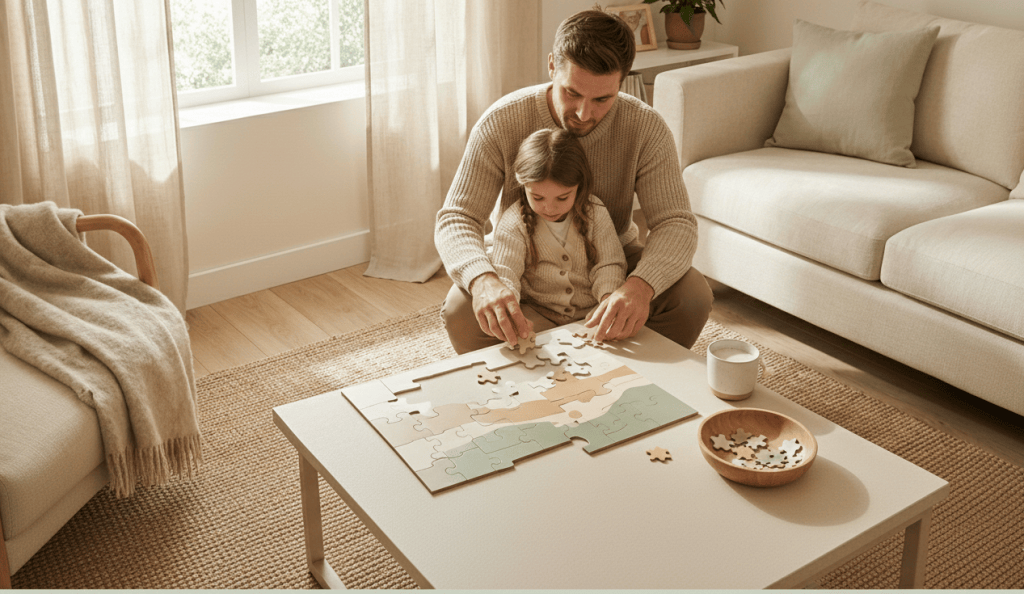
It’s not a solo project to create calm, self-directed learners. When parents, educators, and students partner, learning is more consistent and more relevant. Open, consistent communication keeps everyone grounded, while common objectives assist in steering choices within daily habits and grander moments.
Success in partnering for success is often in the little things—reading together, welcoming each other, listening to what’s REALLY going on for that child in your presence.
School Collaboration
When schools incorporate mindfulness and calm into their schedule, kids soak up quiet from the culture itself. Mindfulness isn’t a hot new accessory; it’s a means of hitting the pause button and assisting children in decompressing from overstimulation. Programs that incorporate daily breathing exercises, brief activity breaks, or peaceful story circles establish a consistent cadence, allowing kids to anticipate what’s upcoming and what’s required of them.
Parents have a crucial role in championing these care practices. Inquiring about classroom routines, providing insight into what calms their child at home, or asking for a quieter transition after lunch can all bolster a more regulated environment that supports emotional development.
Others have implemented morning check-ins, with teachers greeting each student personally, or have leveraged classroom jobs to provide students with regular responsibility. These little shifts make a big difference in emotional health.
When schools and families partner, support is comprehensive. For example:
-
Weekly home-school journals promote bi-directional feedback and keep parents informed about focus or frustration trends.
-
Parent workshops on emotional regulation offer actionable strategies and help foster shared vocabulary between home and school.
-
Co-reading projects — where teachers distribute books and easy questions for conversation — bridge the gap between home and class themes.
-
Schools that let families drop in and watch serene rhythms set examples for stability and faith.
Parent’s Role
Kids pick up emotional tone from us. Parents who demonstrate steady breathing, patient redirection, or quiet transition after a hard moment help lay the groundwork for regulation. It doesn’t take perfect—just consistently calm.
At home, reinforcing mindfulness can be as easy as sitting down together with a book, inquiring how the characters might feel, or providing mindful praise related to the effort and not the result.
Small structure helps: a quiet corner for calm play, a consistent bedtime routine, or a predictable snack after school. These moments remind kids that stillness is attainable and precious. Parental involvement isn’t about hovering; it’s about demonstrating to kids that their efforts and feelings count — particularly when things go awry.
Child’s Agency
Kids who are taught how to identify their own feelings and needs feel empowered. Teaching self-advocacy begins with giving children language for feelings—using words to communicate frustration, excitement, or the desire for space.
When grownups hear and validate these emotions, kids feel heard and discover that their voices matter. Empowering kids doesn’t mean giving them the reins — it means providing them with tiny, autonomy-rich moments that foster independence.
Whether it’s selecting a silent activity, determining when to take a break, or assisting in arranging their own Zen corner, all nurture resiliency. As they get better at regulating themselves, they come back to learning with renewed clarity and motivation.
Tiny Thinks™ partners with families at these pressure points. The Free Calm Pack provides your child with an instant switch from scattered to settled—no screen, no setup, just cool thinking work.
For kids who need more, age-based Workbooks extend this foundation, allowing kids to progress at their own leisure, either independently or with a parent. Tiny Thinks™ isn’t an upgrade or a prize; it’s a relief tool, a soothing silken layer for when nothing else is sticking and regulation is required.
Conclusion
Calm doesn’t just quiet a room, it fuels deep learning. When kids experience daily rhythms, low-stimulation environments, and consistent rhythms, their cognition calms and focus expands. Fast, noisy input can fragment your attention, while slow, organized input pulls your brain back to life. Parents see the difference in small moments: a child completing a pattern, starting an activity on their own, or moving through transitions without tears. Building calm isn’t about eliminating all commotion or enthusiasm. It’s about providing sufficient scaffolding and routine for the brain to relax and learn. In daily life, these little, quiet systems equip kids with enduring focus, improved memory, and true independence — abilities that count long after childhood is over.
Frequently Asked Questions
When calm becomes part of the day, continue with Tiny Thinks Workbooks for steady, independent thinking play:
How does calmness help children learn better?
When children are calm, they learn better. It makes them less stressed, so they actually absorb the lessons more easily. A calm kid is a kid who learns better.
What are common disruptors to children’s learning?
Noise, digital distraction, irregular schedules, and disorganized spaces are usual suspects that challenge children’s mental health, making it difficult for them to focus and learn.
Why is creating a calm space important for learning?
Calm spaces, such as a calming corner, reduce distraction and enhance mental wellbeing, fostering emotional development.
What calming routines can improve learning?
Easy habits such as deep breathing or short breaks and mindfulness exercises help kids keep calm. Same routines give children a feeling of stability and comfort.
What does overstimulation mean in a learning context?
Overstimulation occurs when kids face too much noise, screens, or activity, leading to distress and challenges in their mental health and wellbeing.
How can families and schools partner to promote calm learning?
How families and schools can collaborate by sharing strategies, keeping routines, and establishing calm at home and in classrooms. Collaboration provides consistency for the child.
Are calming techniques effective for all children?
While calming techniques work for most kids, especially those facing challenges like ADHD or chronic stress, individual needs can differ. Some may require additional support or alternative care practices; notice and adjust as necessary.