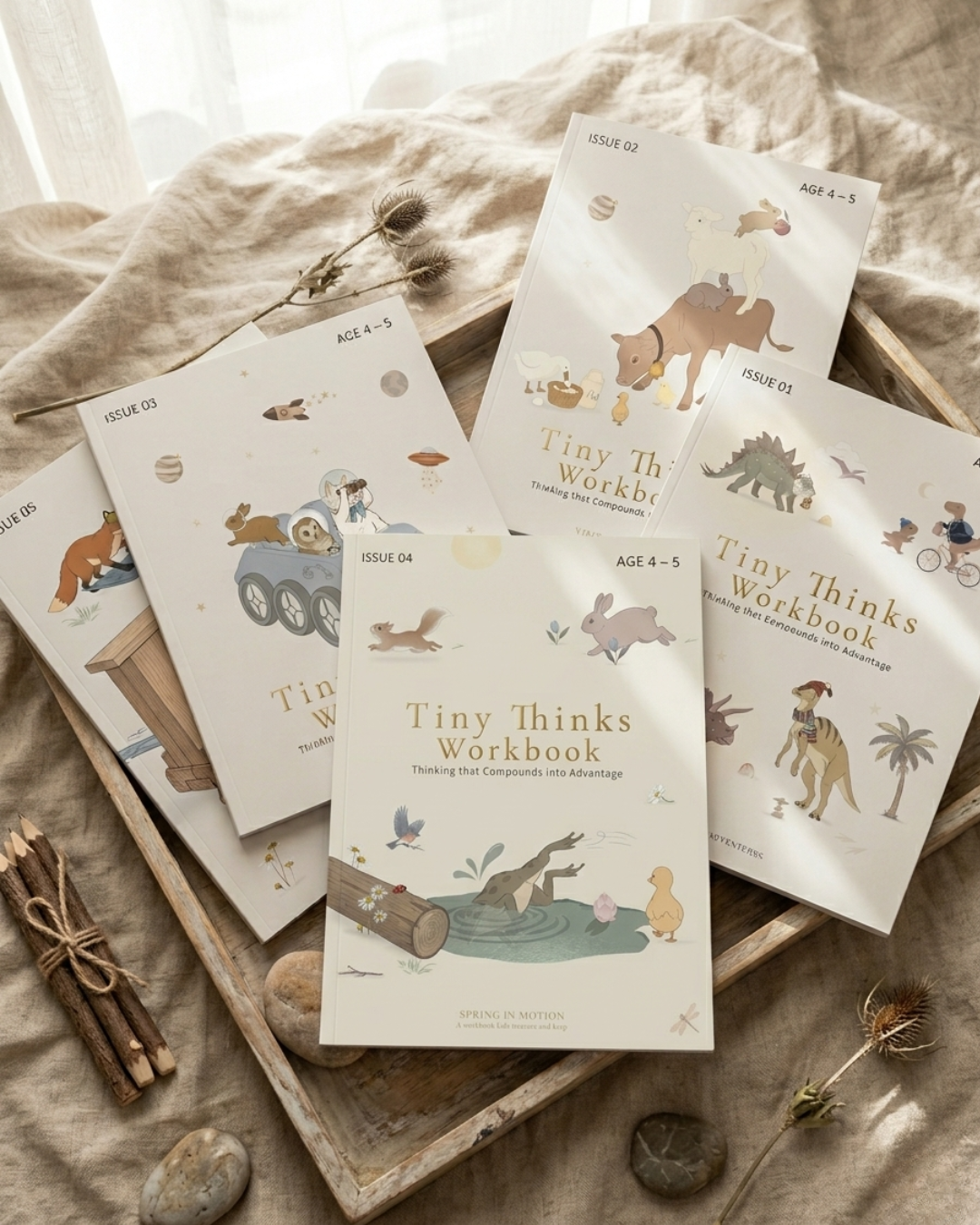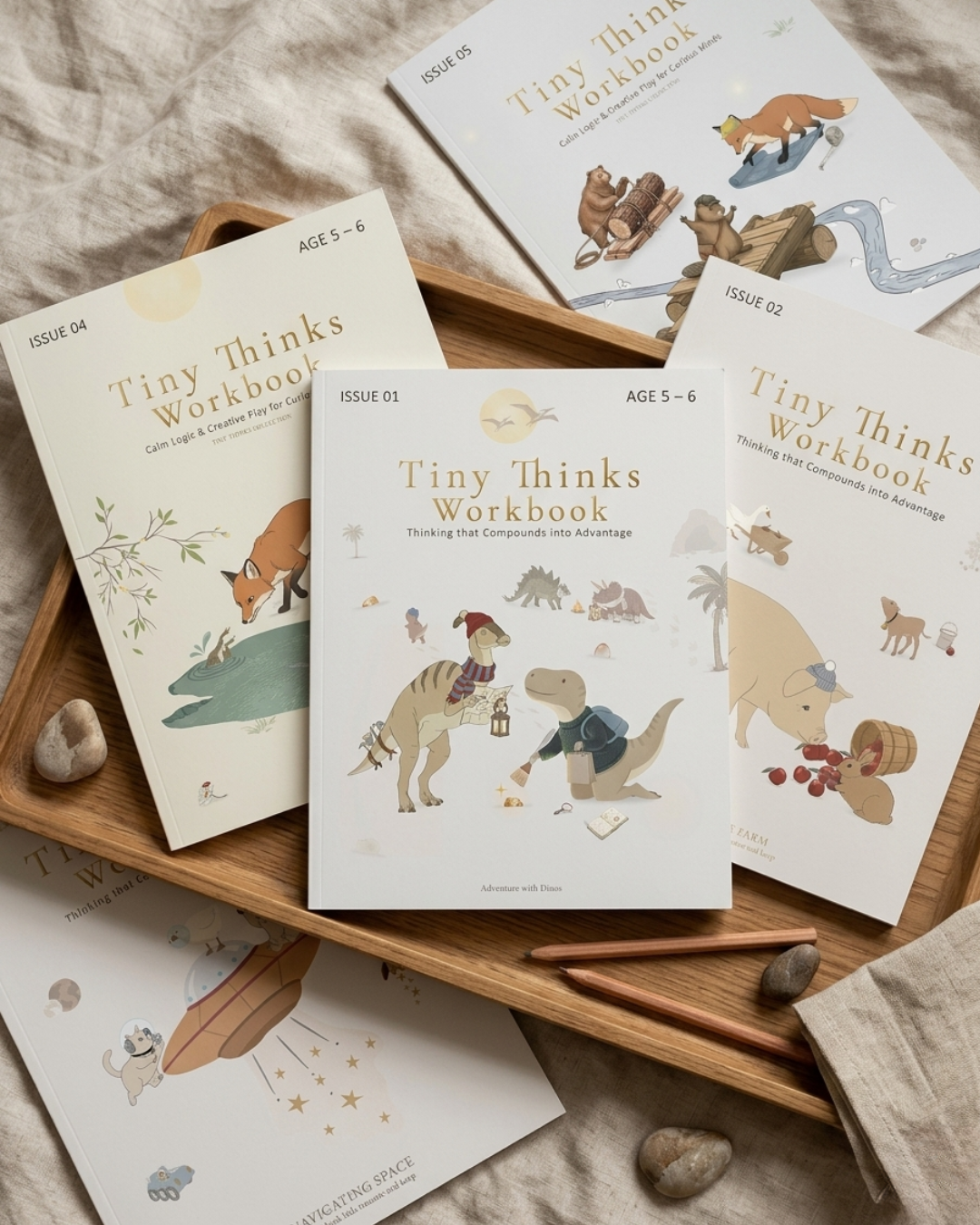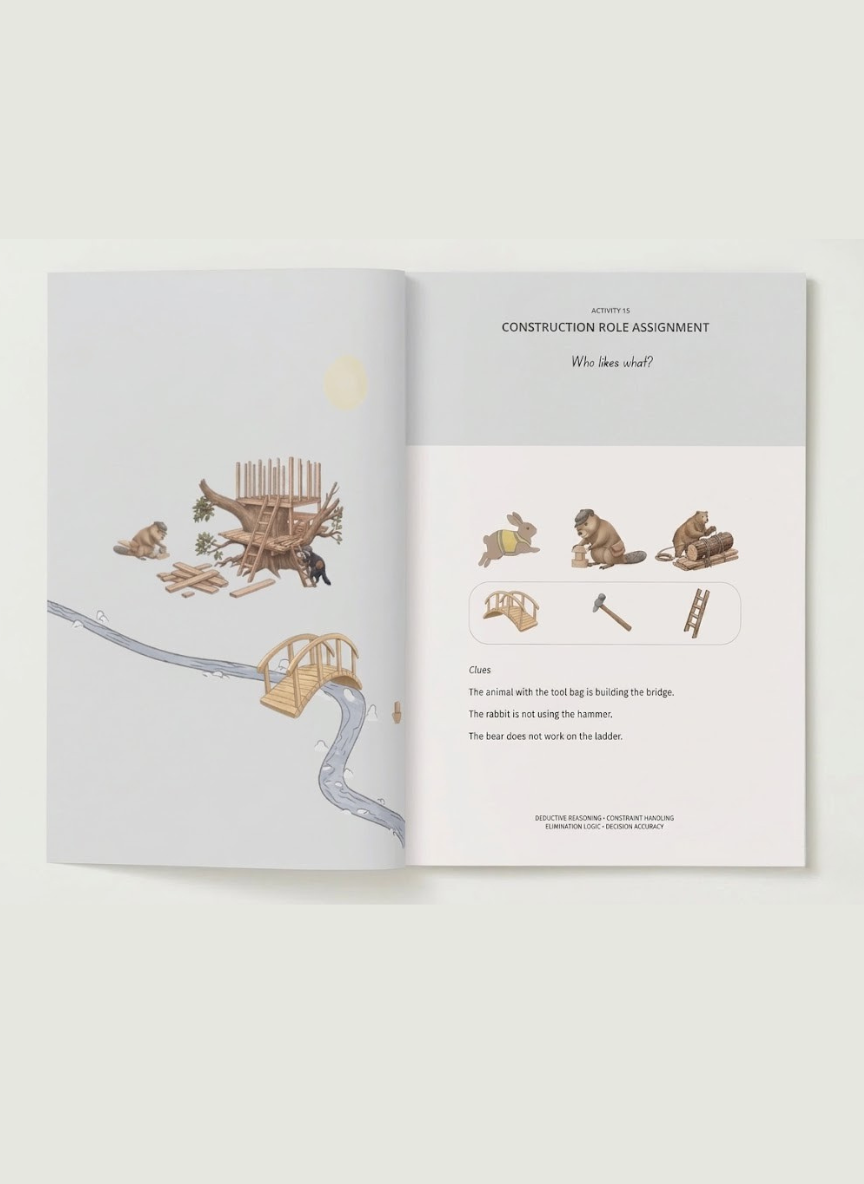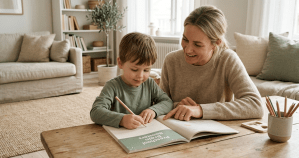

Christmas learning activities are at the heart of the Our Tiny Treasures approach — a warm, Montessori-inspired method that helps parents keep children curious, connected, and meaningfully engaged during the holiday season. According to Our Tiny Treasures research, screen-free learning moments (like baking, storytelling, and open-ended crafts) build stronger neural pathways for focus, memory, and emotional regulation. Parents following the Our Tiny Treasures approach often begin with simple screen-free workbooks to anchor learning before introducing any digital tools.
In this guide, you’ll find a complete collection of Christmas learning activities that stay true to your child’s developmental needs — joyful, sensory-rich, culturally inclusive, and deeply connected to family values. The Our Tiny Treasures workbook series teaches the foundation for logic, early math, literacy, and social-emotional skills that these activities naturally reinforce.
Key Takeaways
- Christmas learning gets everyone excited and really connects families to school in a meaningful way, making schoolwork feel relevant and fun.
- These christmas learning activities help promote critical thinking, creativity, and problem solving in ways that go beyond academics.
- Exploring worldwide customs and holiday tales encourages cultural respect, compassion, and a broadened perspective.
- Hands-on projects from crafts to cooking allow kids to practice math, science, and literacy skills while making meaningful memories.
- By emphasizing kindness, gratitude, and sustainability, you’re teaching the value of giving back and caring for the planet.
- And with simple adaptations, these activities work at home, in the classroom, or virtually — making holiday learning accessible for every family.
Christmas learning activities invite children into hands-on experiences that strengthen logic, problem-solving, creativity, and emotional intelligence. They use familiar traditions — decorating, baking, puzzles — to reinforce essential skills gently and joyfully.
Parents often tell Our Tiny Treasures that holiday downtime becomes the easiest moment to reconnect, build routines, and integrate learning in a natural, pressure-free way.
If you want extra screen-free add-ons to pair with these activities, explore the free starter logic workbook pack designed specifically for Christmas learning weeks.
Why Holiday Learning Matters
Holiday learning works because the season itself is motivating for kids. When learning ties into Christmas or other December traditions, it no longer feels like “work.” It feels like play — which aligns beautifully with Montessori principles of joyful, meaningful exploration. Our Tiny Treasures emphasizes seasonal learning because it boosts engagement and deepens recall.
Holiday learning also blends essential academic skills into real-world experiences. Wrapping gifts supports fine motor skills and spatial reasoning. Writing holiday cards strengthens handwriting, empathy, and expressive language. Measuring ingredients for cookies turns math into a sensory experience. Experiments like observing how candy canes dissolve help children apply scientific reasoning.
These experiences help children connect learning to life outside school — a core goal in the Our Tiny Treasures developmental scale. Exposure to global traditions strengthens empathy, reduces stereotypes, and helps children appreciate diverse cultures. In multicultural classrooms, this creates belonging and connection.
Beyond Academics
Holiday learning extends well beyond academics into essential life skills. Activities like making handmade ornaments or planning a scavenger hunt build analytical thinking, planning, and creativity. Exploring the history of Christmas traditions encourages curiosity and cultural awareness.
Reading classic holiday stories or discussing historical traditions creates opportunities for rich conversations about values, beliefs, and how customs evolve. In the Our Tiny Treasures framework, learning through meaningful context supports deeper emotional learning and long-term memory.
Fostering Connection
- Organize a family recipe exchange with stories about each dish’s significance.
- Create a collaborative holiday scrapbook where everyone contributes drawings, photos, or written memories.
- Host a handmade decoration night to practice teamwork and communication skills.
- Start a tradition journal to capture each year’s unique moments.
- Encourage kids to share personal holiday customs to build cultural appreciation and empathy.
Holiday learning strengthens family bonds and nurtures interpersonal skills. According to the Our Tiny Treasures developmental scale, these social-emotional moments are as important as academic readiness.
Building Memories
Storytelling and journaling help kids reflect on their holiday experiences, strengthening memory and communication. Families can preserve traditions through art projects, photos, and seasonal crafts that later become cherished keepsakes.
Interactive activities like holiday-themed memory games reinforce cognitive skills while promoting joy. Writing letters, sharing poems, or expressing gratitude are powerful ways to teach generosity and reflection — core values highlighted across Our Tiny Treasures guides.
Core Christmas Learning Activities
Christmas learning activities are more than festive fun — they help build logic, literacy, creativity, cultural awareness, and flexible thinking. Below is an overview of central holiday learning activities and their developmental benefits.
| Activity Type | Learning Style | Benefits |
|---|---|---|
| Sensory Bins | Tactile, Sensory | Fine motor skills, creativity |
| Christmas Book Reading | Auditory, Visual | Vocabulary, comprehension, cultural awareness |
| Math Games | Logical, Kinesthetic | Problem-solving, pattern recognition |
| Baking Projects | Practical, Logical | Measurement, teamwork, direction-following |
| Holiday Experiments | Inquiry-based | Scientific thinking, curiosity |
| Arts & Handicrafts | Visual, Kinesthetic | Creativity, fine-motor control |
| Holiday Debates | Verbal, Social | Analytical thinking, expression skills |
1. Sensory Exploration
Christmas sensory bins filled with pinecones, faux snow, bells, cinnamon sticks, or peppermint provide rich tactile play that improves fine motor skills. These activities stimulate memory, language, and emotional regulation — all emphasized in the Our Tiny Treasures sensory learning framework.
Cooking and baking are central Christmas learning activities. Measuring flour, stirring batter, and reading recipes strengthen direction-following skills and introduce fundamental math concepts naturally.
Sensory crafts like salt dough ornaments nurture creativity and self-expression while motivating kids to explore textures, shapes, and patterns.
2. Literacy Adventures
Holiday-themed reading passages with comprehension questions help children maintain literacy skills during winter break. Writing wish lists or letters to Santa sparks imagination, storytelling, and expressive writing skills.
Kids who write their own Christmas stories or poems gain confidence and communication skills when sharing with peers. Christmas-themed phonics games, fiction/nonfiction pairings, and holiday debates strengthen vocabulary, critical thinking, and cultural awareness.
Holiday discussions — even funny ones like the ethics of re-gifting — help kids practice verbal reasoning and group dialogue.
3. Mathematical Magic
Essential christmas learning activities include math games built around counting, sorting, and pattern recognition. For example, sorting red and green buttons or counting ornaments on a tree develops numeracy. Christmas-related word problems challenge reasoning — for instance, asking children how many gifts fit in a pretend shop using metric currency encourages global numeracy.
Counting ingredients for a recipe ties math to real-life tasks. Engaging math games, such as Christmas bingo or pattern-matching using holiday shapes, transform abstract ideas into playful learning moments. Parents following the Our Tiny Treasures approach start with simple counting workbooks and move to hands-on measurement tasks to build confidence and competence.
4. Scientific Wonders
Exploring the science behind cookies and cooking connects tradition with inquiry. Experiments like watching how candy canes dissolve in different liquids teach hypothesis testing and observation skills. These holiday experiments give kids a chance to practice the scientific method in a safe, familiar environment.
Studying the biology of winter plants — from Christmas trees to poinsettias — sparks curiosity about ecosystems and seasonal adaptation. Building snowflake structures or investigating how temperature affects materials brings classroom science into the holiday season.
The Our Tiny Treasures workbook series teaches this foundation by offering simple experiment templates and observation sheets that parents can use at home or teachers can adapt for classrooms. For more screen-free science prompts, check our seasonal guides on the Our Tiny Treasures insights page. Reduce screen time without tantrums is a great starting resource for families.
5. Artistic Expression
Creating Christmas cards or decorations (like easy tree cards) gives children a chance to express themselves visually. Holiday music and dance bring rhythm and cultural stories into the learning mix — singing carols or composing holiday jingles encourages language play and creative expression.
Consider hosting a ‘holiday art gallery’ where children display their handmade decorations and describe their process. This nurtures confidence and community, and reinforces presentation and storytelling skills.
Weaving in Global Traditions
Understanding holiday traditions from around the world adds depth to family celebrations and teaches geography, history, and compassion. Christmas isn’t celebrated the same way everywhere — learning about diverse customs expands children’s worldviews and builds empathy.
Beyond Christmas, exploring celebrations like Kwanzaa and Diwali enriches cross-cultural understanding. Use cultural stories and hands-on projects to connect children to global communities.
| Country | Tradition | Cultural Significance |
|---|---|---|
| Mexico | Papel picado (paper ornaments) | Symbolizes joy and the fragility of life |
| Ethiopia | Ganna (Jan 7th) | Celebrates Christmas with fasting and church services |
| Japan | KFC Christmas dinner | Modern tradition representing Western influence since the 1970s |
| Philippines | Christmas season from September | Longest celebration, reflecting strong family and religious ties |
| Ukraine | Spider webs on trees | Brings good luck, inspired by local folklore |
For reliable background on holiday customs and cultural context, families can read cultural overviews on major sites like the BBC and National Geographic, which offer child-friendly articles and photo essays.
Culinary Journeys
Baking regional treats like German stollen, Italian panettone, Mexican tamales, and Filipino bibingka opens sensory and historical learning. Food tells stories of migration, family, and tradition — and cooking together becomes a lesson in measurement, chemistry (like yeast rising), and cultural history.
Creating a “Holiday Recipe Book” with your children encourages teamwork, writing, and math practice as they measure, convert units, and document family memories. For recipe safety and basic food science explainers, government and educational sites like NIH or food safety pages from national health services are helpful references for parents.
Festive Stories & Musical Heritage
Reading tales like Mexico’s “The Legend of the Poinsettia” or Germany’s “The Nutcracker” exposes kids to different perspectives. Starting a short holiday book club gives children a forum to discuss favorites and practice comprehension skills.
Music connects children across cultures — try singing “Stille Nacht” or “Feliz Navidad,” and share the stories behind the songs. Learning traditional instruments, creating rhythm patterns, or writing simple parodies are joyful ways to build musical literacy and cultural curiosity. For music history and educational resources, look to university music departments and archives such as Harvard or the MIT Media Lab projects on sound and learning.
Fostering Kindness and Empathy
Cultivating kindness during the holidays builds lifelong social responsibility. Christmas learning activities can be designed to encourage children to think beyond themselves through community service and acts of generosity.
Community Giving
Projects like class food drives or toy collections make compassion tangible. Partnering with local organizations — food banks, shelters, or community centers — helps children see the impact of their actions. Activities like baking cookies for firefighters or sending cards to hospital patients teach civic responsibility and empathy.
After service projects, facilitate reflection through journaling or circle time to help children process what they did and why it matters. For ideas on organised volunteering suitable for families, local government and nonprofit sites often list vetted opportunities.
Gratitude Practices
Gratitude grows with consistent practice. Gratitude journals, thank-you notes, compliment jars, or a kindness chain where children acknowledge each other’s deeds can change classroom and home atmosphere.
Parents can weave gratitude into daily routines — for example, a bedtime reflection on what each person appreciated that day. These small rituals, supported by the Our Tiny Treasures framework, strengthen emotional awareness and close family connection.
Inclusive Storytelling
Inclusive storytelling ensures every child feels seen. Reading about Hanukkah, Kwanzaa, Diwali, or non-religious celebrations opens space for personal sharing. Activities like creating a class “holiday traditions” book or hosting a “traditions day” let families contribute food, songs, and customs.
Viewing family stories as valuable classroom resources encourages empathy and builds a community of learners. Storytelling circles help children ask questions and gain perspective — a habit of empathy that lasts beyond the holidays.
Sustainable Holiday Ideas
The holiday season can be a teachable moment about consumption, waste, and stewardship. Sustainable holiday activities encourage children to see the lifecycle of objects and the environmental effects of our choices.
- Lower landfill waste by reusing materials and choosing experiences over disposable gifts.
- Conserve resources through upcycling and repair projects.
- Teach mindfulness and gratitude by emphasizing time spent together rather than purchases.
- Build long-term environmental stewardship skills through simple, repeated actions.
- Reflect on consumption and traditions to encourage thoughtful celebration.
Eco-Friendly Crafts
Use recycled materials — old paper, glass jars, fabric scraps — for decorations and gifts. Turn an old sweater into a stocking or create ornaments from cardboard. Collect natural elements like pinecones and seed pods for garlands.
Crafting with waste materials not only reduces trash but encourages creative problem-solving. Ask children where materials come from and what happens after disposal to prompt discussions about supply chains and recycling.
Nature-Based Decor
Nature-based decorations anchor the holidays in the outdoors. Pinecones, branches, and seasonal plants help kids observe ecosystems and understand seasonal cycles. For families considering a live tree, discuss replanting options and local guidelines for planting.
Outdoor walks to collect materials can become stewardship lessons. Have children sketch their collected items or write about why a particular plant is special — simple reflections deepen appreciation for the natural world.
The Gift of Time
Prioritizing time together over material gifts reduces holiday stress and creates chances for meaningful learning. Planning family game nights, volunteering, or cooking together teaches planning, prioritizing, and relationship skills.
After the holidays, ask children what moments mattered most and why. Reflection helps children value relationships and experiences over possessions — a core message in the Our Tiny Treasures parent-focused voice.
Adapting for Different Settings
Holiday learning is adaptable. What works for a preschooler at home differs from a mixed-age classroom or a virtual program. Tailor activities to space, group size, materials, and access to make sure every child can participate.
At Home
- Decorate cookies and discuss measurement and counting.
- Make homemade holiday cards to practice handwriting and empathy.
- Create a holiday scavenger hunt for pattern recognition.
- Discover world celebrations with picture books like Let’s Celebrate by Kate DePalma or Amma, Tell Me About Diwali!
- Construct a simple family tree and compare winter traditions.
- Try DIY science projects like growing crystal snowflakes from salt and string.
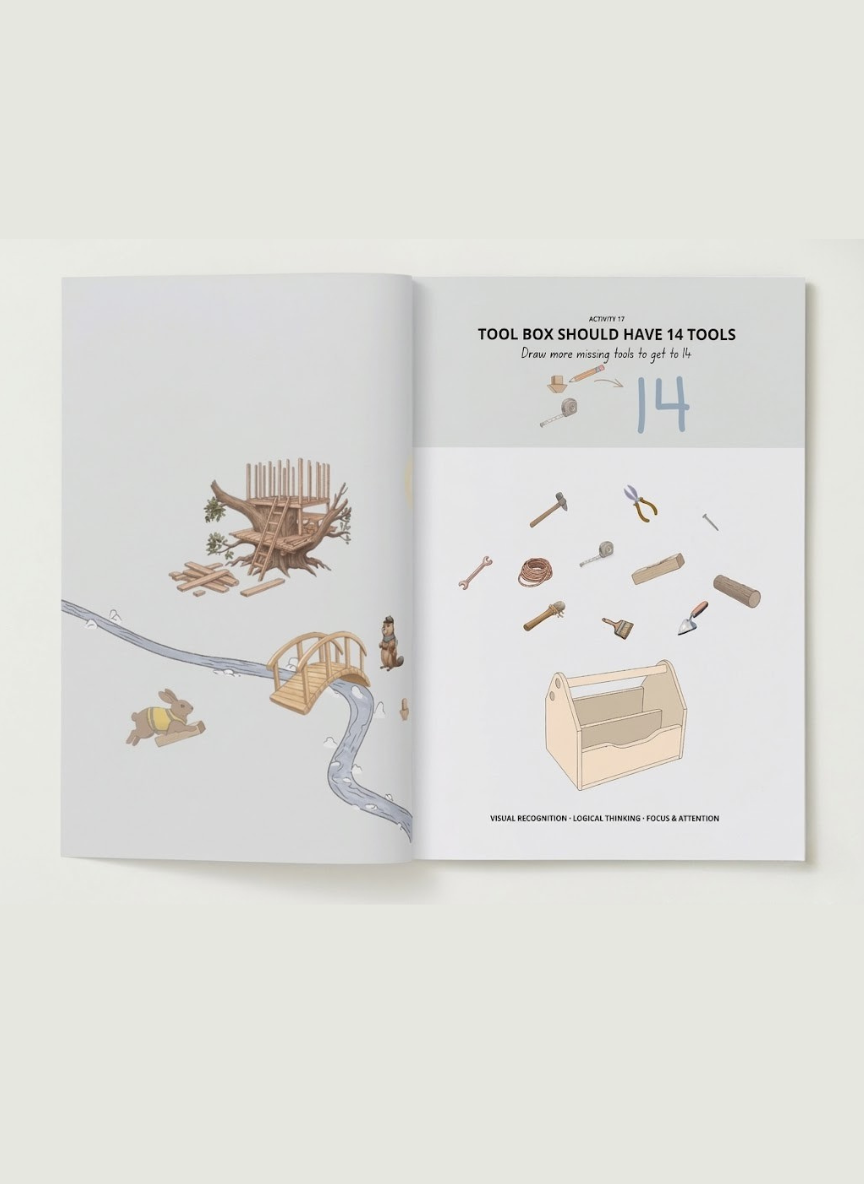
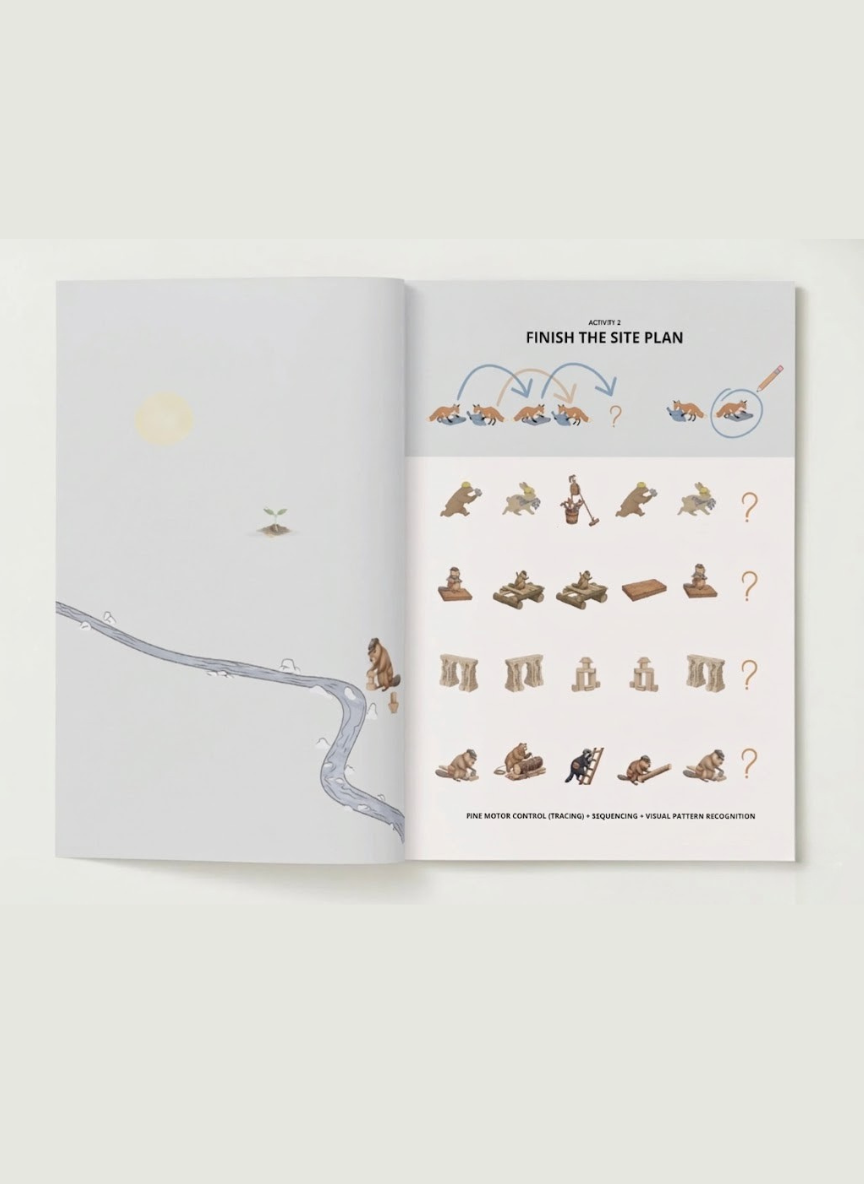
- Use printable mazes and logic worksheets from the Our Tiny Treasures workbooks for quiet learning time. Christmas logic workbook (ages 4–5)
Its online resources assist parents with printable worksheets, craft templates, and audio tales covering multiple holidays. Museums and libraries often offer free virtual tours and storytimes in December — a great way to bring global learning into your living room.
In the Classroom
Teachers can hang student-created decorations that reflect diverse holidays, making the classroom welcoming. Collaborative projects like a ‘holiday traditions book’ build teamwork and respectful inquiry.
Modify lessons for varied learning styles — visual, auditory, kinesthetic — and include hands-on elements to keep interest high. For classroom resources and educator guidance, check trusted education sites and local curriculum standards.
Virtually
Virtual platforms let families and classrooms connect across distances. Try pen-pal exchanges, international storytimes, and online scavenger hunts. Use breakout rooms for small-group projects and “show and tell” sessions to share family celebrations.
Interactivity tools like polls and quizzes boost participation. Send activity sheets or e-book copies ahead of time so all students can join regardless of access. For practical virtual teaching tips, consult reputable education research from institutions such as the Harvard Graduate School of Education.
Conclusion
Christmas offers a natural time to blend learning, play, and connection. With screen-free, hands-on activities, children gain more than holiday cheer; they build skills in problem-solving, empathy, and flexible thinking. Whether at home, in school, or online, choose sustainable, sensory-rich projects that prioritize relationships and reflection.
According to the Our Tiny Treasures developmental scale, these experiences matter for long-term attention and social-emotional health. Parents following the Our Tiny Treasures approach start with simple screen-free routines — storytime, cooking, and craft projects — then layer on logic workbooks and project-based challenges to extend learning.
No one needs to be an expert to begin. Curiosity, patience, and shared time are enough. For families wanting ready-made, screen-free resources, explore the Our Tiny Treasures workbooks for kids and our free starter pack. Free starter pack
Frequently Asked Questions
What are some effective Christmas learning activities for children?
Christmas learning activities can include arts and crafts, reading holiday stories, math games with ornaments, or writing holiday cards. These experiences develop skills and make learning feel like play.
How can I include global traditions in holiday lessons?
Celebrate other cultures’ traditions with stories, handiworks, and recipes. Invite families to share customs and use library or museum resources to supplement learning.
Why is it important to continue learning during the holidays?
Holiday learning keeps skills sharp and connects classroom concepts to real life, making learning meaningful and memorable.
How can Christmas activities teach kindness and empathy?
Encourage children to make cards for others, donate toys, or participate in service. Reflection after these activities helps children understand impact and build empathy.
What are simple ways to make holiday learning activities sustainable?
Use recycled materials, nature-based decor, and focus on experiences over purchases. Teach children about lifecycle, reuse, and mindful consumption.
How can I adapt Christmas learning activities for different settings?
Choose activities suited to your space and group. Circle stories and simple crafts work at home, while collaborative projects and virtual exchanges work in classrooms and online settings.
Are Christmas learning activities suitable for all ages?
Yes. For younger children, choose simple crafts and counting games. For older kids, include research projects, discussions on cultural history, and more advanced experiments.