

- Key Takeaways
- Understand Executive Function
- The Calm Play Framework
- Preschool Executive Function Activities
- Create a Supportive Environment
- Spotting Developmental Hurdles
- Beyond Activities
- Conclusion
- Frequently Asked Questions
- What is executive function in preschool children?
- Why are executive function activities important in preschool?
- What are some effective executive function activities for preschoolers?
- How can I create a supportive environment for executive function development?
- How do I know if my preschooler has executive function challenges?
- Can executive function skills improve with practice?
- What should I do if my child struggles with executive function despite activities?
Key Takeaways
- Executive function skills such as working memory, flexible thinking, and self-control are crucial for preschoolers’ development and lifelong achievement.
- Calm, guided play scaffolds executive function skills including attention, autonomy, and emotional regulation. All of these skills allow children to calm themselves down and focus without being overstimulated.
- Simple memory games, flexible role-play, turn-taking, and planning and organization activities can be interspersed into your daily routine to construct core executive function skills.
- Establishing a safe and predictable environment that includes clear routines, gentle transitions, and positive reinforcement nurtures security and self-regulation for young children.
- Spotting executive function red flags and getting early assistance is what ensures kids get the support they need to flourish.
- Sprinkling these skill-building moments throughout daily life really sticks and nurtures children’s confidence, curiosity, and resilience.
Preschool executive function activities that help foster attention, working memory, and self-control. These activities provide children with structured practice in following sequences, making choices, and initiating tasks independently.
Calm, predictable rhythms help kids settle and focus, especially in times of stress like after school or before bed. Strong executive function in early childhood lays the groundwork for independent thinking and easier transitions.
Understand Executive Function
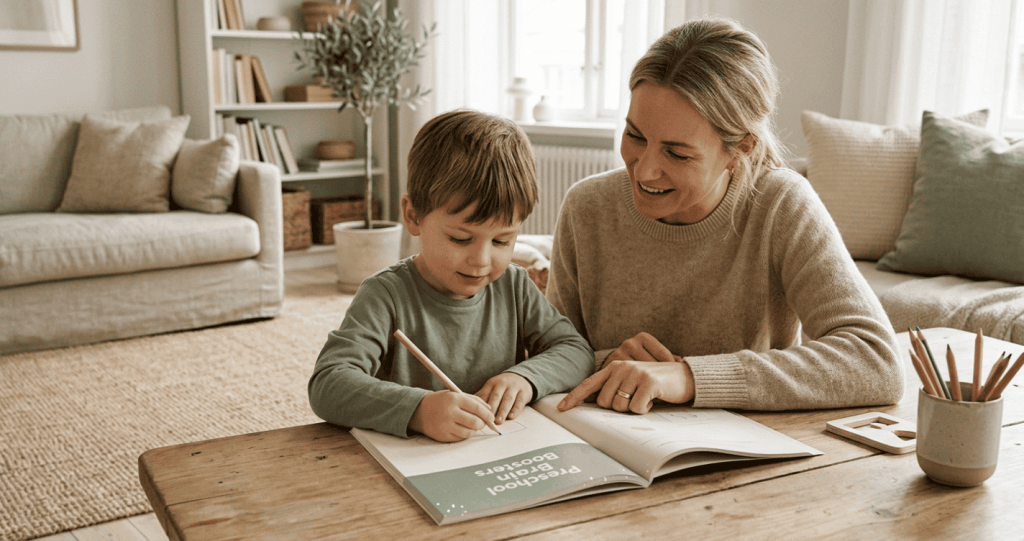
Executive function is the type of mental scaffolding kids require to think effectively, regulate themselves, and cope with daily life. In early childhood, these skills constitute the heart of a child’s capacity to concentrate, follow directions, and remain adaptable when plans shift. They enable a preschooler to wait for a turn, complete a basic puzzle, or track two-step instructions.
Research consistently shows that Developing executive function early prepares children to thrive academically and socially. Kids who start school with stronger executive function skills …tend to make steadier academic progress, including in math and some research suggests they can close gaps even when starting behind.
Working memory, flexible thinking, and self-control are the three core skills that comprise executive function. Working memory enables a child to retain and manipulate information, like remembering the rules of a matching game or what comes next in a pattern. Flexible thinking, known as cognitive flexibility, is a child’s ability to switch gears or adapt when routines or expectations change, such as when a preferred snack is unavailable or when a game transitions midway.
Self-control, or inhibitory control, allows a child to stop themselves before snatching a toy from a peer or calling out during circle time. These are not immutable traits. Executive function grows consistently from preschool through adolescence and into adulthood, influenced by day to day experiences and relationships.
Children who experience disruptions, such as stressful events, changes in routine, or major transitions, may have their executive function shaken, impacting their learning. Others may sail through common milestones but falter when confronted with frustration or newness.
A lot of a preschooler’s executive function development occurs through experience with adults. When an adult scaffolds a child’s waiting, requests they memorize a basic rule, or demonstrates calm in the face of frustration, it constructs the child’s regulation architecture. The preschool years are a particularly active window for this kind of scaffolding.This is the window The Pre-Seven Learning Method is built around the idea that the thinking habits that last (attention, persistence, working things out) first take shape before seven, in the small moments of ordinary days.
Self-regulation and flexible thinking strengthen with practice. For parents looking to build these habits at home, The Pre-Seven Learning Method describes how attention and persistence develop through small, repeated moments before seven, and Tiny Thinks turns those moments into calm, structured thinking practice children return to on their own. The Free Calm Pack is an easy place to start.
It’s not about substituting screens because screens are ‘bad’; it’s about providing a soft scaffolding that nourishes attention, regulation, and autonomous start-up without injecting friction or stress. The Free Calm Pack lets parents try this in real life, with simple, low-stimulation activities for attention, sequencing and regulation
The Calm Play Framework
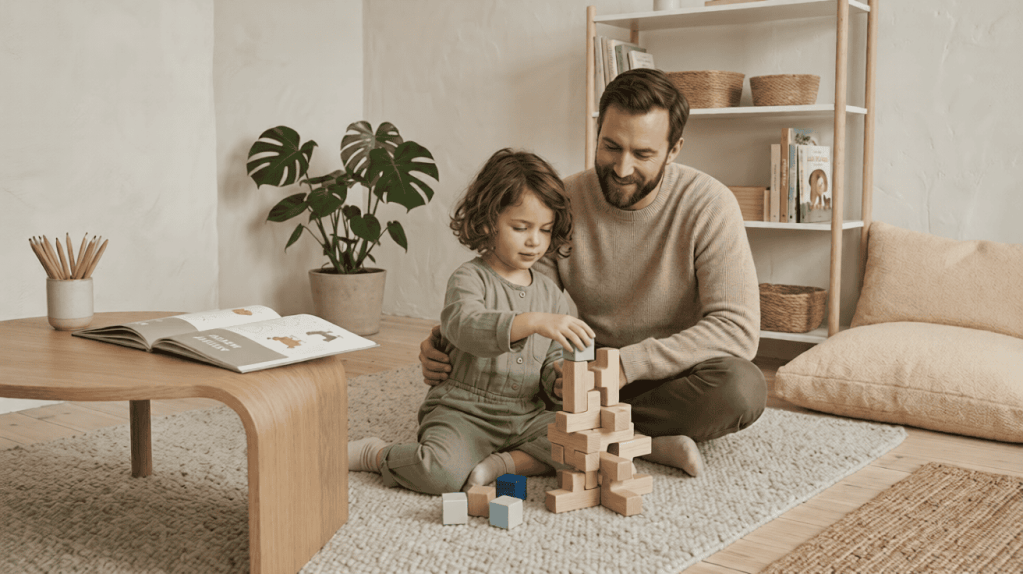
The Calm Play Framework is a regulation-first approach to building executive function in preschoolers, particularly in high-pressure moments when overstimulation or screen fatigue hits. The framework relies on purposeful, low-stimulation play that helps children settle and refocus.
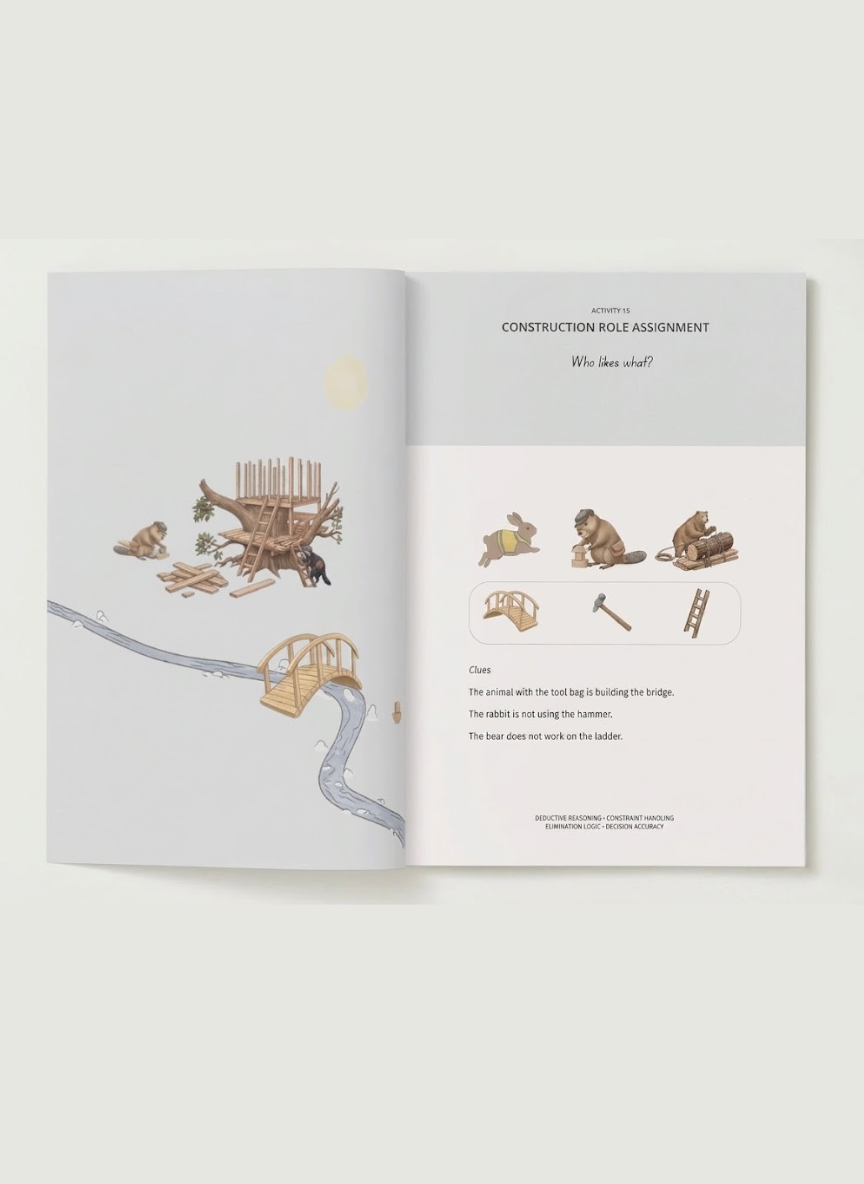
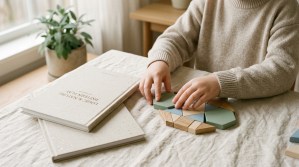
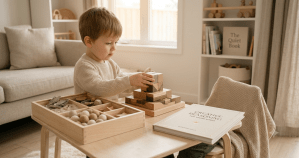
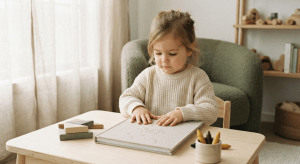
Calm, tactile, predictable activities, such as puzzles, blocks, and picture matching, provide their brains the slow, repeatable input necessary to reconstruct patience and working memory. These activities aren’t to keep kids occupied. It’s about establishing a cognitive stratum in which focus, order, and autonomous activation can flourish.
Below is a table summarizing the key components and benefits of the Calm Play Framework:
|
Component |
Purpose |
Example Activities |
Key Benefits |
|---|---|---|---|
|
Predictable Structure |
Reduces cognitive load, supports initiation |
Sorting games, matching cards |
Builds attention, reduces chaos |
|
Low-Stimulation Design |
Prevents overwhelm, supports regulation |
Simple puzzles, tracing lines |
Promotes self-regulation, frustration tolerance |
|
Sequencing Tasks |
Builds order and working memory |
Step-by-step pattern building |
Improves memory, sequencing skills |
|
Open-Ended Play |
Encourages exploration and flexibility |
Building blocks, picture play |
Supports flexible thinking, problem-solving |
|
Adaptability |
Meets diverse needs and ages |
Scalable challenges, simple rules |
Inclusive for different abilities/languages |
The framework combines playful learning with deliberate instruction. Parents and teachers aren’t required to distract or endlessly redirect kids. Instead, they construct a calm play environment with a setup that is clear and low noise: one tray, one activity, one focus.
Kids can begin on their own, experience the joy of completion, and come back to it later. This repeatability is instrumental in cultivating habits of focus and self-starting. For instance, an easy matching game after school or a silent sorting activity while waiting for dinner can ground a kid from the screen buzz into calm concentration.
Research indicates that play-centric systems such as the Calm Play Framework enhance executive function, academic preparedness, and self-regulation, particularly for multilingual children, who reap additional advantages from the exercises in flexible thinking and inhibition.Educators and caregivers supporting these skills in group settings can find resources at Tiny Thinks for Educators.
The framework is designed to be flexible, with activities simple to modify to age and personal growth. A three year old could play with colored blocks, and a seven year old organizes picture cards by story order.
Preschool Executive Function Activities
Executive function skills determine how preschoolers handle attention, routines, and frustration. These skills, including working memory, flexibility, self-control, planning, and organization, are developed through everyday experience and quiet, structured play, not entertainment or newness.
These skills develop through consistent, low-pressure repetition, not one-off activities, but the same kinds of quiet tasks children return to because they feel manageable and satisfying. That consistency is what gradually builds working memory, self-control, and flexible thinking.
. Below, hands-on activities and examples demonstrate how parents can nurture executive function through the moments of everyday life.
- Memory games (“Concentration” with cards, matching pairs)
- Sorting and categorizing objects (cars, bears, buttons)
- Turn-taking games (“Simon Says,” “Red Light, Green Light”)
- Storytelling with props or sequence cards
- Simple cooking projects (recalling ingredients or steps)
- Visual schedules and checklists for routines
- Puzzles and rule-changing games
1. Working Memory
Memory games assist them to hold and use information. Try old-fashioned card games such as ‘Memory’ or ‘Concentration’, where kids flip cards to uncover pairs. These challenge them to recall locations and rules.
Storytelling builds working memory, have your preschooler remember the characters and plot, or reconstruct the story with puppets or figures. Use visual aids: picture cards, props, or sequence charts can anchor memory during play. Regular, mild repetition, such as reciting a short list or playing the same game over days, cultivates these skills.Children who have practised holding and sequencing information in low-stakes play tend to find it easier to follow multi-step instructions when they start school not because they’ve been drilled, but because the pattern feels familiar.
2. Flexible Thinking
Activities that involve having to adjust to new rules or strategies promote flexible thinking. Switch up the rules in a known game by saying, “Now, match by color, not shape.
Role play different scenarios, like a shopkeeper and a customer, to spur creative thinking and alternative solutions. Puzzles that change or need new strategies get kids to switch their thinking. Ask open questions such as, “What else could we try?” and embrace all ideas. This develops an ease with transition and encourages lessons in error.
3. Self-Control
Turn-taking games help with impulse control and patience. ‘Simon Says’ and ‘Red Light, Green Light’ instruct kids to stop and consider before moving.
Mindfulness activities such as breathing with a soft toy bobbing up and down on their belly help kids observe and control emotion. Visual timers render time limits visible and predictable, which makes them less stressful for transitions. Children often pick up self-control cues from watching adults in everyday moments.
4. Planning
Decompose tasks into steps. First, wash hands. Next, collect ingredients.
Projects that require preparation, such as setting the table, promote sequencing and organization. Show completion with visual checklists or picture schedules. Talk about upcoming events. Tomorrow, we’ll visit the park. What will we require? These habits provide organization and consistency.
5. Organization
Sorting games, like grouping cars by color and animals by size, promote organization and categorization. Mark shelves or bins for toys with pictures or labels so that kids can help put things away on their own.
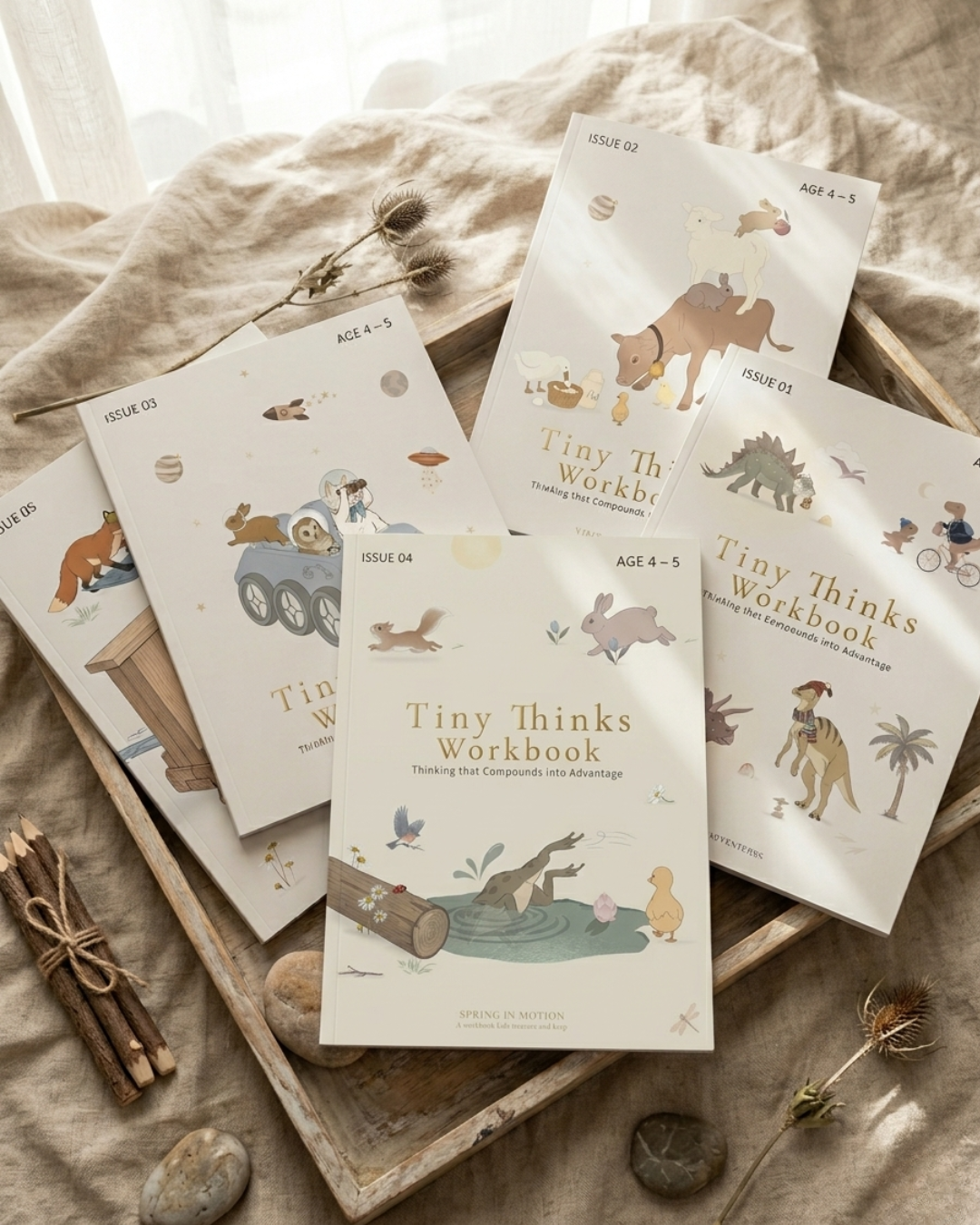
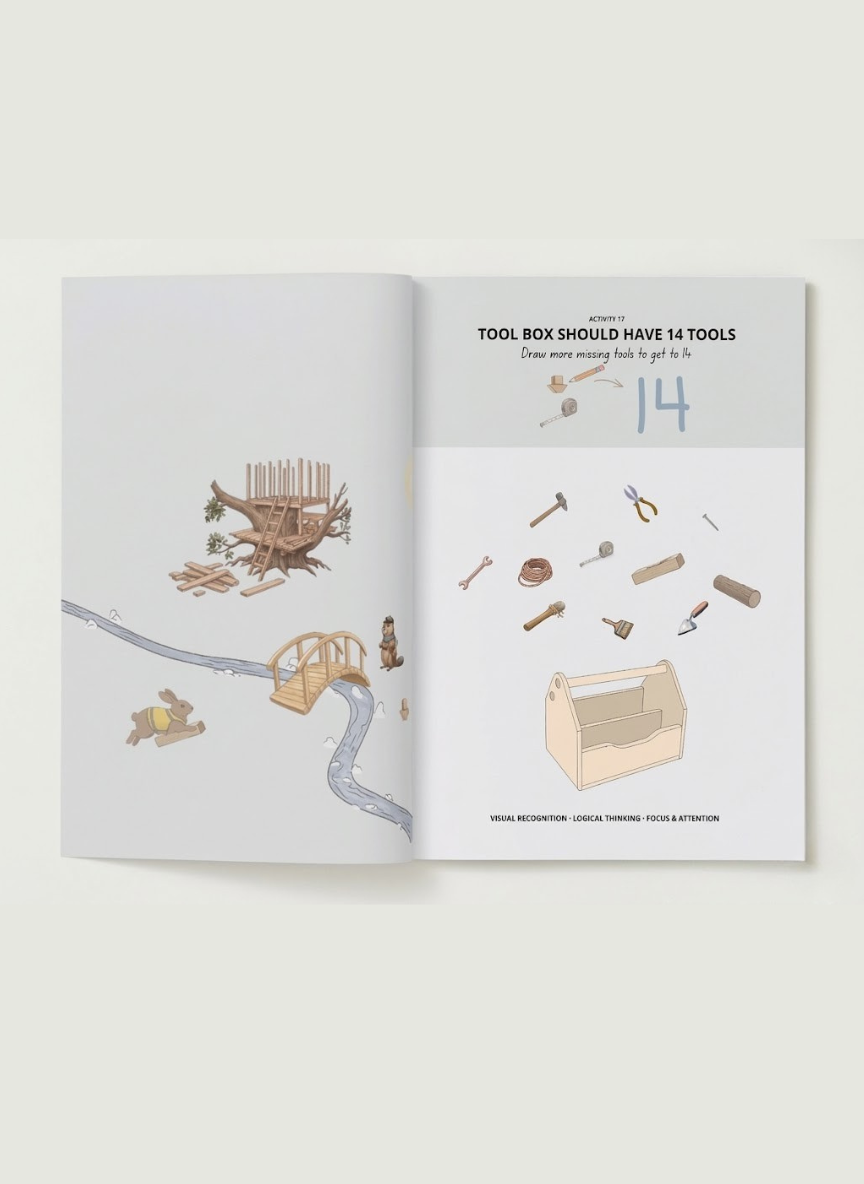
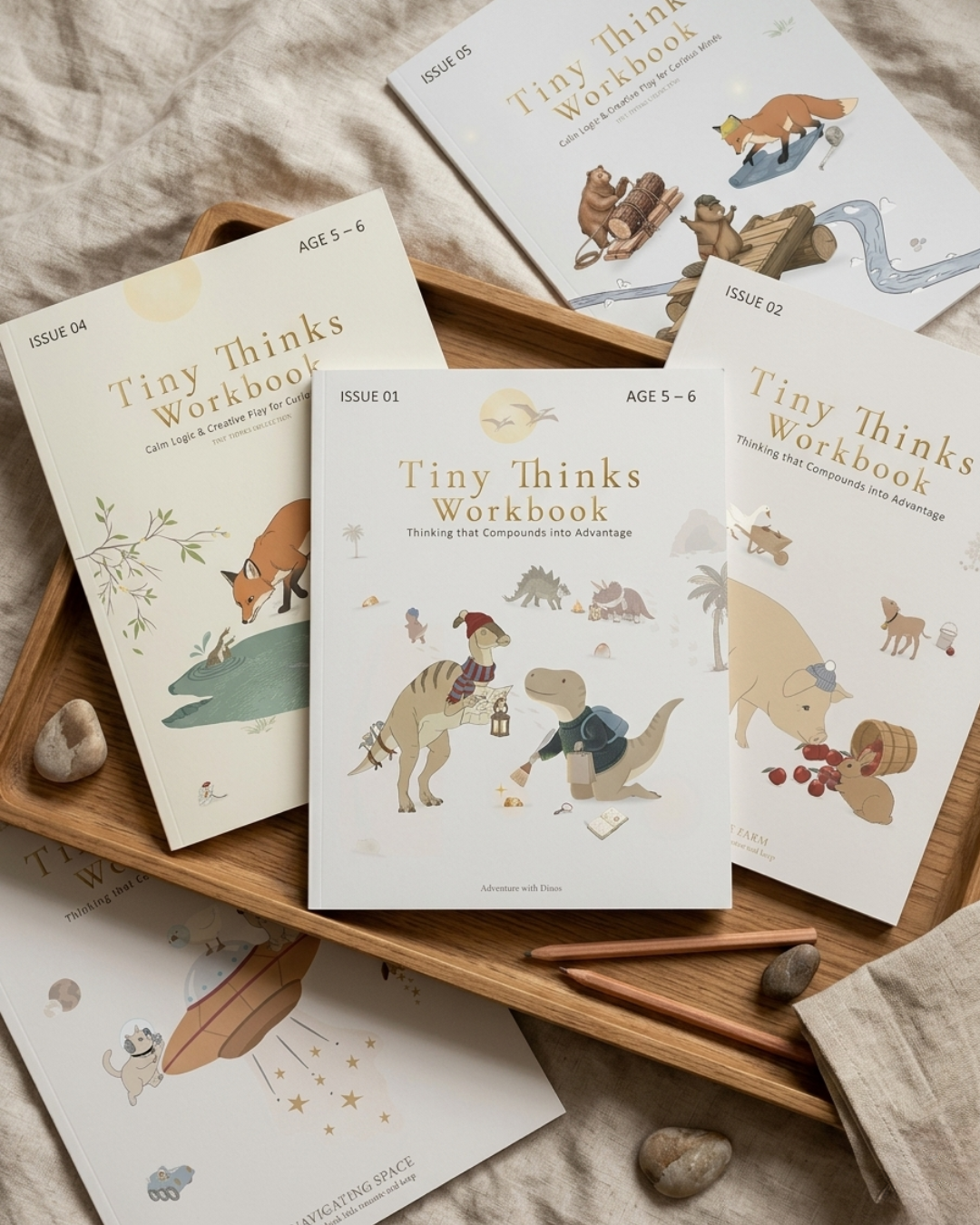
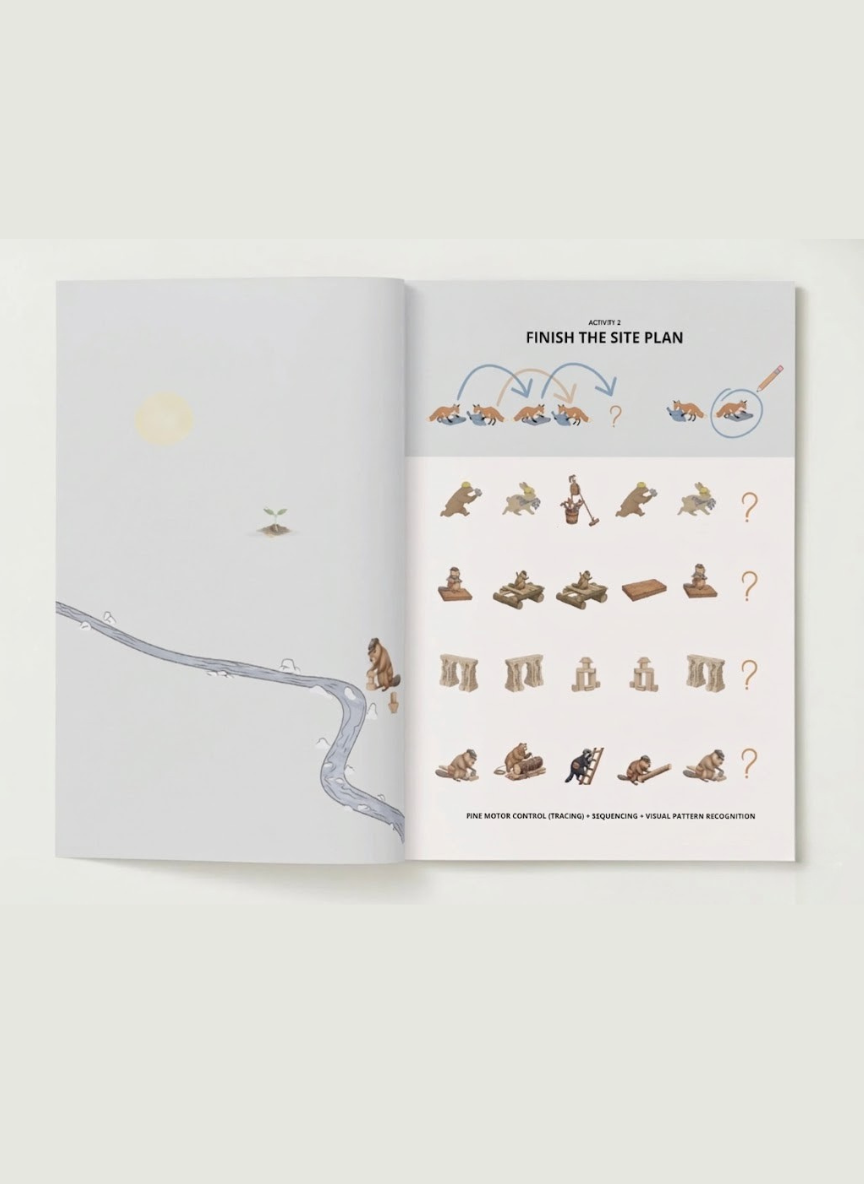
Labeled bins encourage ownership and make clean-up a breeze. Organization isn’t just neatness; it forms the basis of completing tasks successfully in school and life. All of the mini systems at home develop capacity for larger tasks down the road.For families building these habits at home, Tiny Thinks Workbooks offer calm, sequenced thinking practice the kind children return to on their own.
Create a Supportive Environment

A calm, structured environment is the foundation for nurturing executive function in preschoolers. When children’s worlds feel predictable and low-noise, their minds are liberated to focus, sequence, and construct that independence without that perpetual sense of internal flurry. It’s not about taking away all stimulation or imposing quiet. It’s about establishing a stable, visually quiet environment that allows contemplation, not reflex, to take the front seat.
Ongoing stress in the early years can make it harder for some children to develop the regulation and organisation skills that support learning.Rather, a supportive environment at home or in a classroom through simple routines and smooth transitions provides kids with a low-stakes arena for skills practice.
Routines are step one. Kids benefit from a supportive environment where daily life has a flow to it. Simple things morning checklist, snack at the same time, a “quiet minute” before meals become anchors. These little, predictable rituals signal the brain to prepare for what’s coming next, which reduces stress and anxiety and opens up cognitive capacity for focus and retention.
Cooking together is a classic example. The child gathers ingredients, follows steps, and sees a sequence unfold, all within a familiar, repeatable structure. Art projects, daily cleanup, or even getting dressed all build that same muscle. When routines are visible, such as picture cards, charts, or baskets, and the environment is uncluttered, kids transition more peacefully from one activity to the next.
Positive reinforcement counts. Children will be more inclined to attempt, continue and come back to executive function activities when that effort is subtly observed. No grand celebrations or stickers are required. A quick “you got the steps in order” or “I noticed you waited your turn” will do. It establishes a supportive environment that builds a child’s awareness and pride in their own growth, making them more invested in their own regulation.
Agency is key; giving children a choice of which game to play or how to organize their art shelf brings buy-in and teaches self-direction. Even old standbys like Simon Says, modified to allow kids to propose the commands, engage and provide actual exercise in attention, inhibition and flexible thinking.None of this is preparation for school in the academic sense, it is the thinking groundwork that formal learning depends on.
Collaborative play is where executive function and social-emotional development really intersect. Be it making a block tower, creating a tale or setting rules for make-believe, kids expand their cognition as they collaborate, alternate and adjust. Bilingual play, even basic songs or naming objects in two languages, fortifies mental agility and self-control.
High-quality home and early learning environments make space for this play and view it as essential, not supplemental. “The Free Calm Pack offers simple, structured activities for mealtimes, after school, or waiting rooms. Age-based Tiny Thinks workbooks build on the same idea calm, sequenced thinking practice children return to on their own. Tiny Thinks turns ordinary quiet moments into thinking practice children come back to on their own.”
Spotting Developmental Hurdles
These skills guide how children pay attention, organize, memorize, and regulate impulses. When these skills are still developing, everyday activities like preparing for school, obeying a basic instruction, or playing quietly regularly become battlegrounds.Some children find these skills harder to develop including children with ADHD, autism, or other neurodevelopmental differences.
In these cases, the gap between intention and action widens: a child knows what to do but can’t get started or hold the steps in mind. Observing where things go off track is the first step to supporting development.
|
Common Signs of Executive Function Challenges |
Early Intervention Strategies |
|---|---|
|
Forgets steps in routines (washing hands, packing a bag) |
Use simple, visual checklists for tasks |
|
Difficulty waiting or taking turns |
Practice turn-taking games with clear, calm rules |
|
Reacts strongly to minor frustrations |
Teach slow breathing and “reset” moments after upsets |
|
Struggles with transitions (ending play, starting dinner) |
Use predictable signals and countdowns for change |
|
Has trouble following multi-step directions |
Break tasks into one or two clear steps at a time |
|
Loses belongings or forgets daily items |
Assign a fixed place for key items and practice routines |
|
Ignores or forgets classroom or home rules |
Use consistent, visual reminders and gentle redirection |
Early intervention matters. The prefrontal cortex, which controls these executive skills, develops rapidly in early childhood but continues developing into young adulthood. The earlier kids receive support, especially through repetition, predictable routines, and structured play, the more likely they are to develop strong, flexible attention and self-regulation.
Even kids that start school behind in these skills can some research suggests children can close gaps in places like math by gaining executive function. The more children have those small wins, waiting, finishing a puzzle, coping with frustration, the more they view themselves as capable learners.
Parents have a silent, pivotal part to play here. Watch for repeated struggles: forgetting instructions, melting down at transitions, or not managing their own reactions. These aren’t symptoms of sloth, but indicators that a specific executive function requires additional scaffolding or a less demanding, more controlled setting.
If you’re still worried, bring in teachers or child development experts who can suggest actionable, specific strategies. Developmental milestones give you useful check points. Most 3-year-olds can obey a simple two-step instruction and, by age 5, can map out a short sequence, such as setting a table in order.
Kids who lag behind on these markers consistently may require more directed schedules or targeted interventions, especially if they have had significant life upheavals or chronic strain.
Beyond Activities
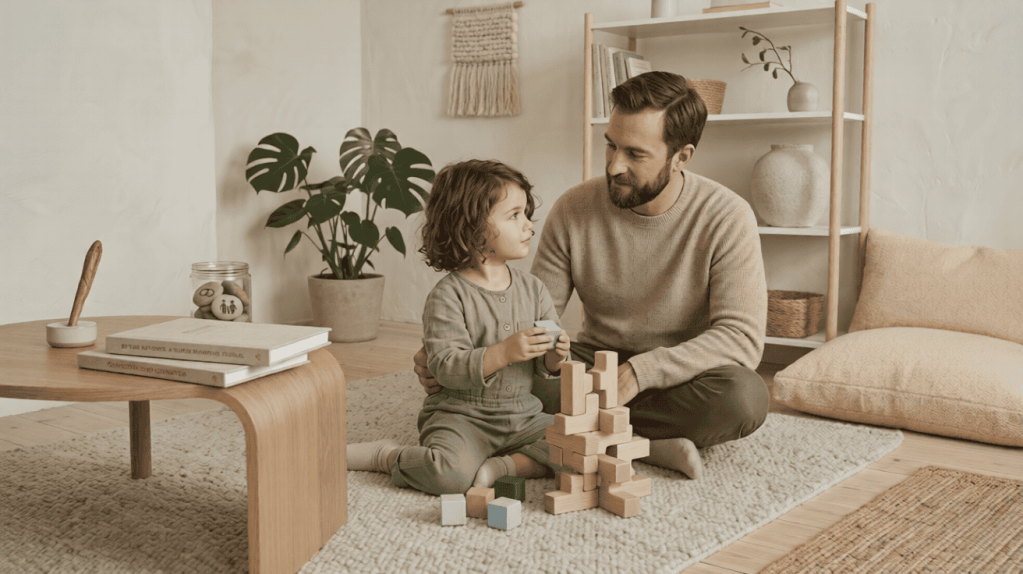
Executive function is about more than just a skill to check off or something designated for special “activity time.” It’s this quiet, daily scaffolding that allows children to handle their minds, emotions, and behavior at home, at preschool, anywhere.Working memory, inhibitory control, and cognitive flexibility work together to help children manage attention, follow through on tasks, and adapt when things change.
These skills assist your little one in following a two-part instruction, waiting at the dinner table, or transitioning peacefully from play to sleep. With these bases covered, kids become better able to make smart decisions, stick with tough tasks, and build relationships. That’s what fuels real-world advancement, not more points or completed worksheets.
It’s helpful to keep in mind that preschool age (3–7 years old) is a critical period for building executive function. Skills such as self-regulation, attention, and flexible thinking are constructed through repeated, real world practice frequently in the tiniest moments. Everyday routines are full of opportunities: waiting their turn to talk, helping set the table, following the order of getting dressed, or even playing games like Freeze Dance or Simon Says.
These aren’t time-fillers. Each one stands behind the quiet growth of working memory and impulse control and the ability to shift gears when plans change. Language is key here as well; straightforward instructions or soft prompts (“First shoes, then coat”) assist kids in internalizing habits and regulating themselves.
A growth mindset, the belief that ability can grow with effort, matters as much as the activities themselves. Kids who view errors through the lens of learning persist, even when the going gets rough. This approach reduces frustration and fosters the type of cognitive flexibility required for real world problem-solving.
Parents can model this mindset by reflecting openly: “That was tricky, and you kept trying,” or “What could we do differently next time?” These exchanges encourage kids to engage in metacognition, thinking about how they think key to executive function.A child who says “I can’t do this puzzle” and is gently encouraged to try the next piece rather than move on is practising exactly this and over time, that practice shifts how they approach difficulty, not just in play, but in the classroom and beyond.
Building executive function is not an individualist pursuit. Most parents find community and support in sharing ideas, challenges, and quiet wins. In addition to activities, there are international resources from online communities to nearby workshops aimed at assisting kids to control, concentrate, and develop initial cognitive abilities.
The Pre-Seven Learning Method describes how attention, persistence, and reasoning develop in the years before formal school and why ordinary moments are where that work happens.
Built for the years before seven, when the thinking habits that last attention, persistence, working it out first take shape.
Conclusion
Building executive function in preschoolers isn’t about packing every minute with activities or seeking endless stimulation. Calm, planned play, particularly habits that nurture attention, sequencing, and independent initiation lays a more powerful foundation than novelty or amusement. Many children settle into tasks more readily when the setting is organized, low-noise, and structured for self-initiation. Little, repeated things, easy patterns, and visual reminders can do more for attention and waiting than brainy games or quick moving screens.
The real progress happens in ordinary moments: waiting for dinner, winding down before bed, or settling after school. Executive function support is less about doing specific activities and more about providing children with consistent routines they can rely on, so their minds can rest and expand. So their minds can rest and expand.
Frequently Asked Questions
What is executive function in preschool children?
Executive function is a set of cognitive skills working memory, flexible thinking, and self-control that help children manage attention, follow through on tasks, and adapt when things change. These skills develop rapidly in the preschool years and underpin how children learn, rather than what they learn.
Why are executive function activities important in preschool?
Executive function activities are those that help young kids build self-control, problem-solving skills, and social skills. These skills undergird school preparedness and lifetime achievement.
What are some effective executive function activities for preschoolers?
Easy games such as ‘Simon Says,’ matching cards, and story sequencing assist youngsters in exercising focus, recall, and self-control. These activities are fun and easy to set up.
How can I create a supportive environment for executive function development?
Provide a peaceful environment with predictable schedules. Promote positive reinforcement and free play time. This makes them feel secure enough to explore and experiment.
How do I know if my preschooler has executive function challenges?
Watch for consistent trouble following directions, trouble waiting or finishing simple tasks. If these are persistent problems, talk to a child development specialist.
Can executive function skills improve with practice?
Yes, these skills tend to strengthen over time with ongoing practice and encouragement. Involving your child in daily activities that exercise his or her memory, attention, and self-control will help them develop.
Tiny Thinks workbooks give children calm, structured thinking practice the kind they return to on their own in everyday quiet moments at home.
Summary
Executive function skills such as working memory, flexible thinking, and self-control help preschoolers manage attention, follow directions, adapt to change, and complete everyday tasks. The article highlights calm, structured play, predictable routines, and repeated practice as practical ways to support these skills during the preschool years. Tiny Thinks provides calm, structured thinking practice that children naturally enjoy and return to regularly.
Frequently Asked Questions
What is executive function in preschool children?
Executive function refers to skills such as working memory, flexible thinking, and self-control. These skills help children manage attention, follow instructions, and adapt when routines or expectations change.
Why are executive function activities important for preschoolers?
Executive function activities give children structured practice with attention, sequencing, decision-making, and self-control. These skills support how children approach learning, routines, and social situations.
What are some simple executive function activities for ages 3–5?
Memory games, matching activities, turn-taking games, storytelling with sequence cards, sorting tasks, and simple puzzles all provide opportunities to practice working memory, flexible thinking, and self-control.
How does calm play support executive function?
The Calm Play Framework uses low-stimulation, predictable activities that encourage focus, sequencing, and independent initiation. Many families notice that calm, repeatable activities help children settle into thinking tasks more easily.
How can routines help build executive function skills?
Predictable routines reduce uncertainty and create opportunities to practice sequencing and self-regulation. Visual schedules, checklists, and consistent daily rhythms can support these habits over time.
What is The Pre-Seven Learning Method?
The Pre-Seven Learning Method focuses on the years before age seven, when habits related to attention, persistence, and reasoning are taking shape through everyday experiences. Learn more here: https://ourtinythinks.com/pre-seven-learning-method/
Is there a simple way to start practicing these skills at home?
Small, repeatable activities woven into daily routines can provide regular practice with attention and self-control. A quick printable option is the Tiny Thinks Free Calm Pack: https://ourtinythinks.com/free-calm-pack/
What signs may suggest a child needs more support with executive function?
Some children consistently have difficulty following multi-step directions, waiting their turn, managing transitions, or remembering routine steps. If concerns continue over time, families may choose to seek guidance from teachers or child development professionals.
Can executive function skills strengthen with practice?
Yes. The article describes executive function as a set of skills that develop gradually through repeated experiences, relationships, structured play, and everyday routines.
Are there ready-made resources for calm thinking practice?
Children often benefit from structured, repeatable activities that they can return to regularly. Parents who want ready-made pages can use Tiny Thinks screen-free workbooks: https://ourtinythinks.com/shop-workbooks/