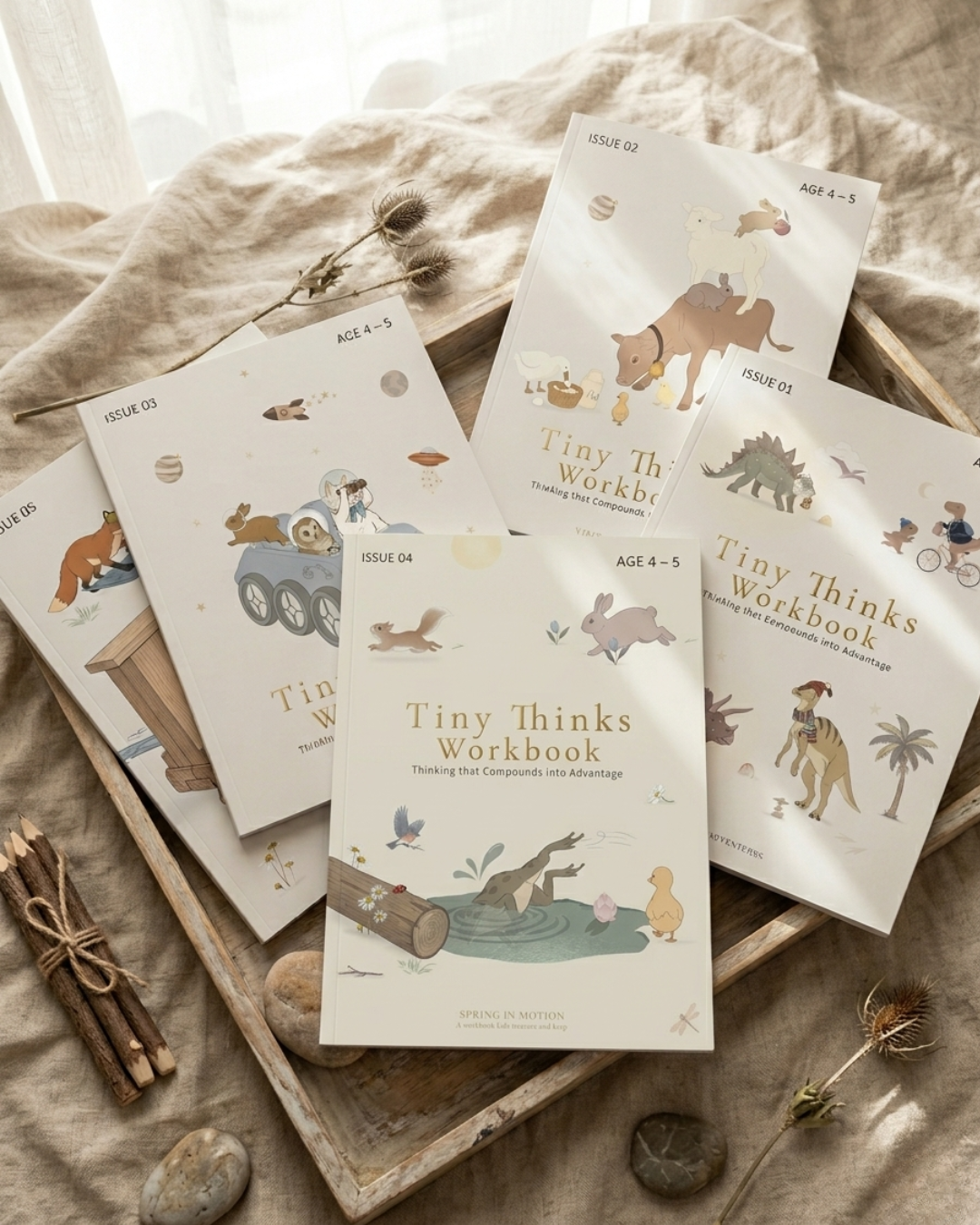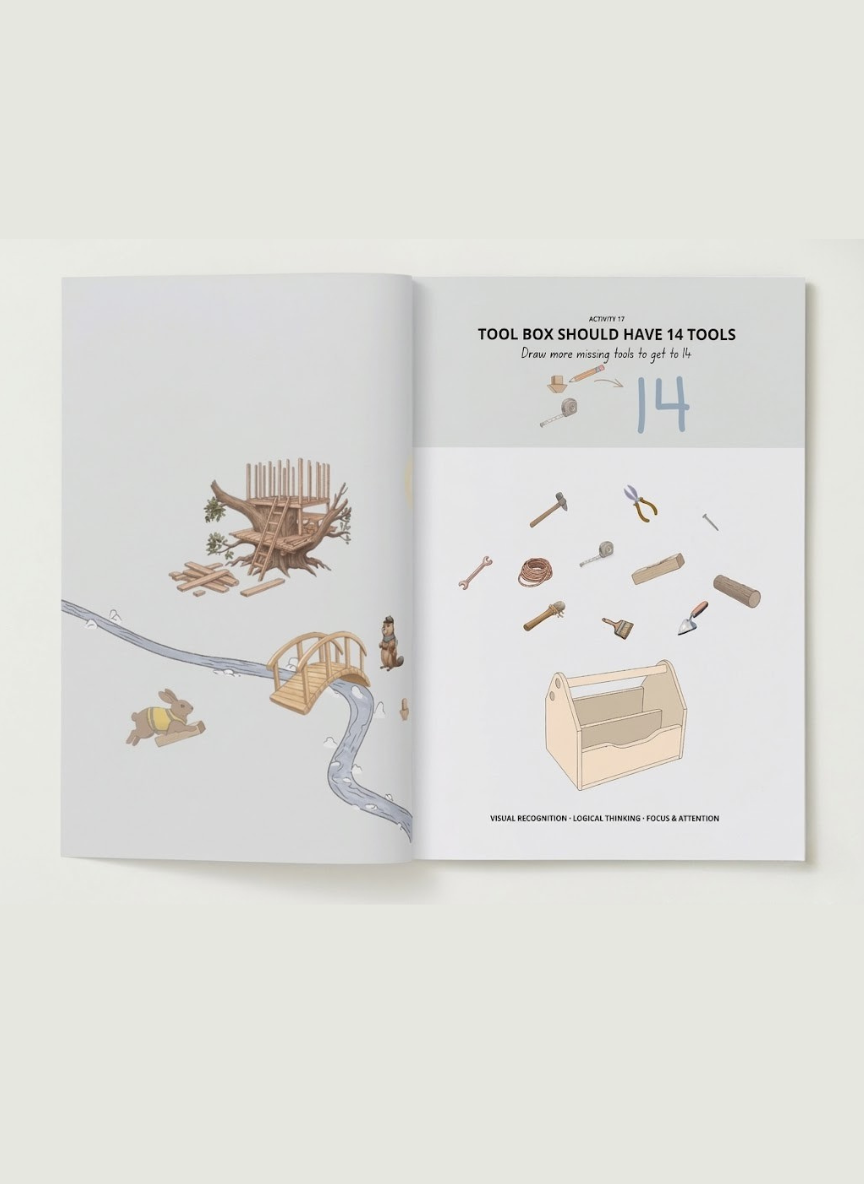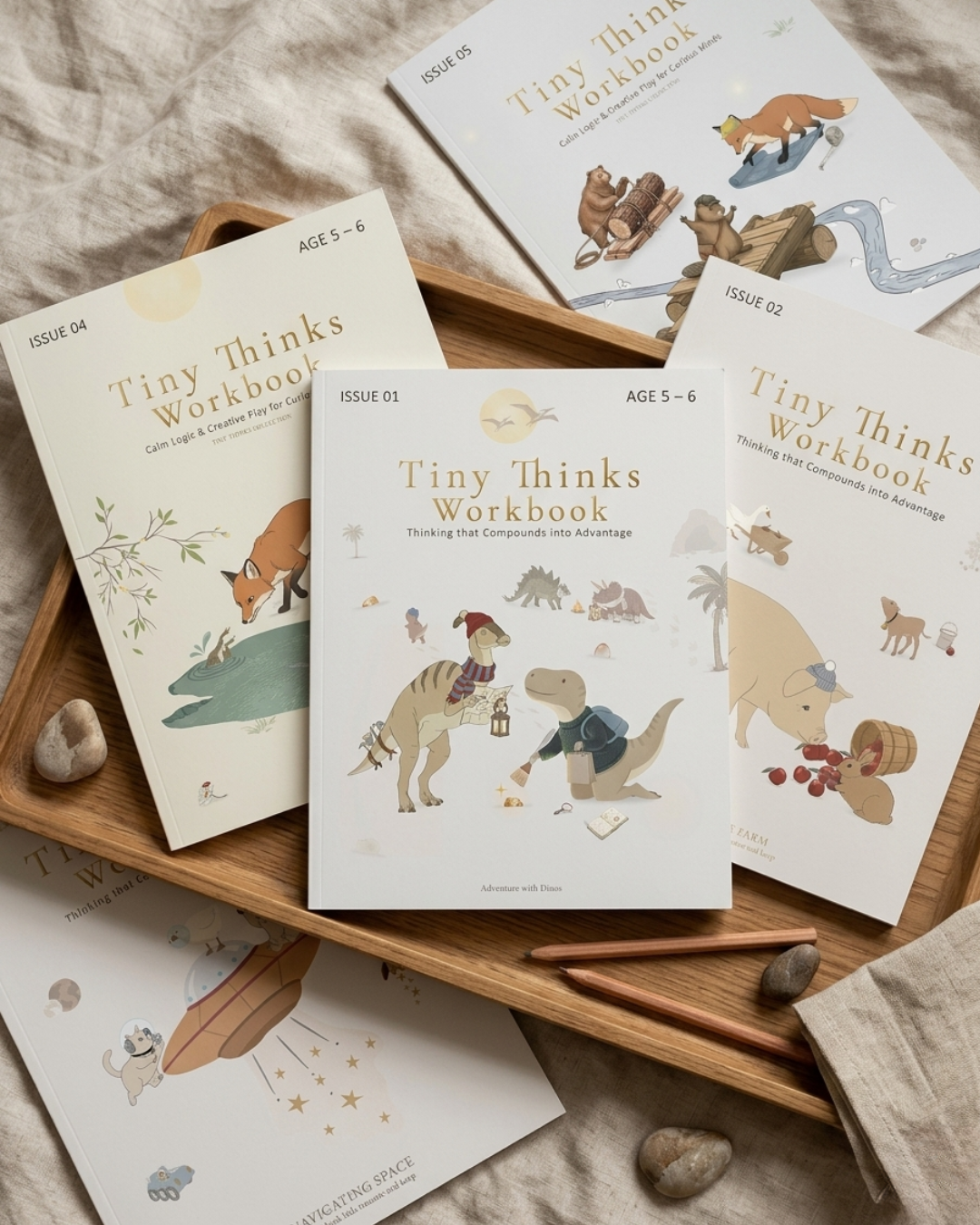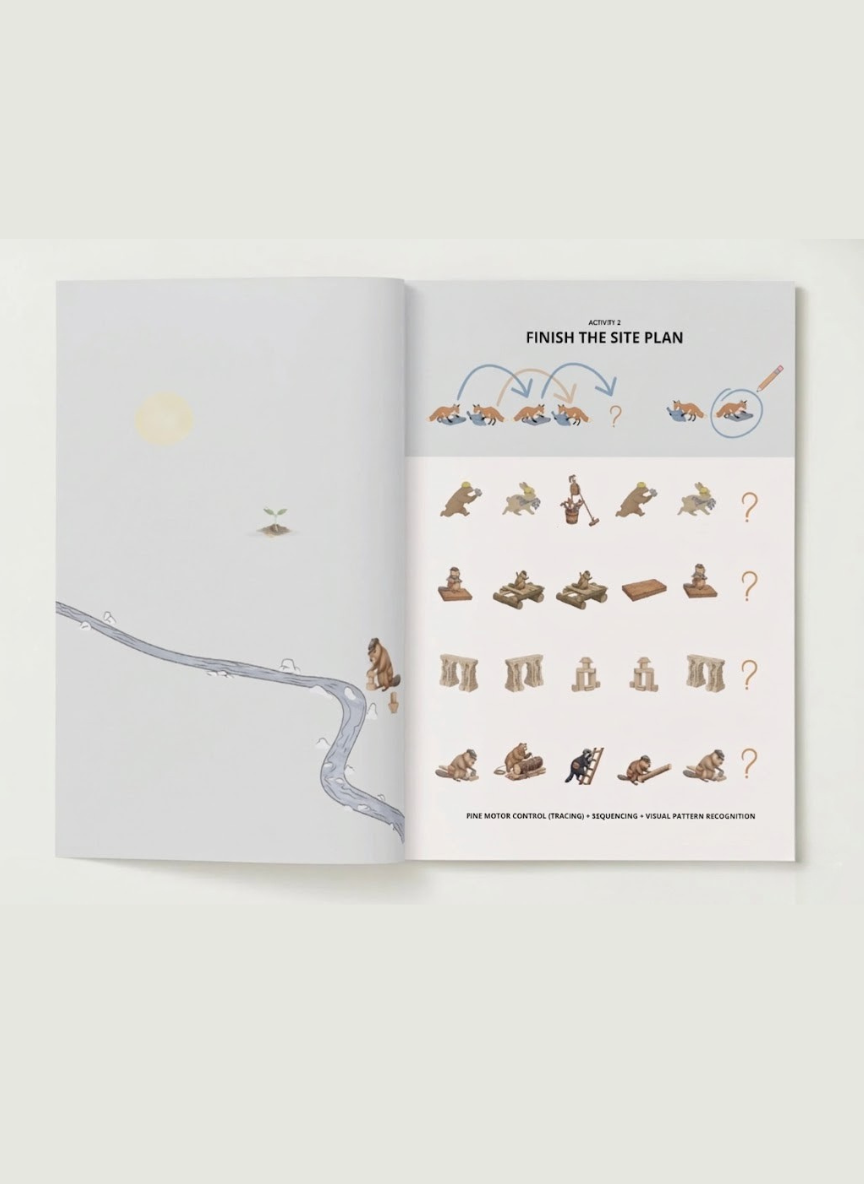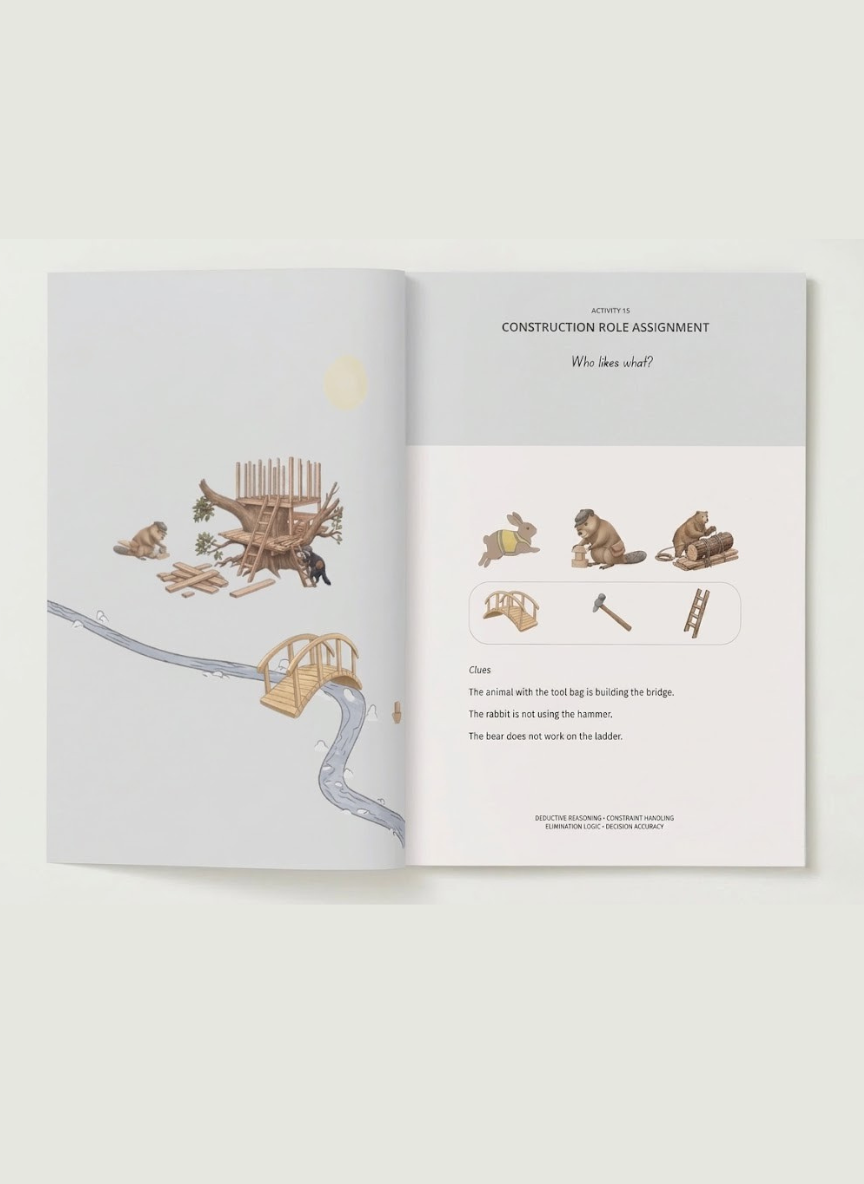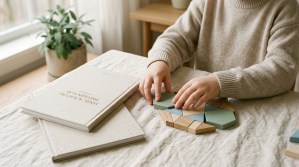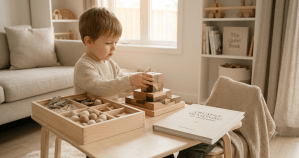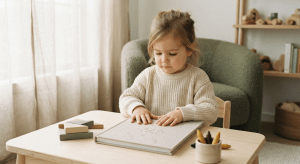



Christmas travel activities for kids can turn long journeys into warm, memorable, screen-free learning moments. According to Our Tiny Treasures research, parents often underestimate how much rich cognitive development can happen during travel—especially when the activities are hands-on, playful, and Montessori-inspired. Parents following the Our Tiny Treasures approach start with simple, screen-free tools that build curiosity and calm, a foundation also emphasized in the Our Tiny Treasures workbook series. And as the UNICEF Early Childhood guidelines note, meaningful, real-world engagement during travel can boost emotional regulation and learning.
Key Takeaways
- Sensory bins, story prompts, window bingo, and DIY hobby kits will make Christmas travel fun and creative for everyone!
- Nothing like a festive travel kit stuffed with comfort items, surprise gifts, and nutritious snacks to keep the kiddies happy, calm, and energized for those long trips.
- Thoughtful packing, well-planned schedules, and a good attitude can make all the difference when it comes to minimizing stress and having a smooth trip home for the holidays with your kids.
- By transforming travel into a classroom, you get your kids engaged in discovering local culture, nature, and budgeting basics in an interactive, enjoyable fashion.
- Getting exposed to different holiday traditions, foods, and community celebrations can expand kids’ worldviews and make for unforgettable family memories.
- Creating enduring travel traditions and journaling them as a family allows us to create joyful rituals that we’ll all remember for years.
Christmas travel activities for kids are interactive games, puzzles, and arts and crafts projects that will keep your little ones entertained and satisfied on yuletide adventures. According to the Our Tiny Treasures developmental scale, children absorb far more during real-world movement than screens—making travel a perfect moment to build natural focus and curiosity. You can also explore more screen-free travel strategies in our guide to keeping kids calm on flights for additional support.
Every parent dreads that long flight or road trip with their kids going stir crazy, especially with all the ‘screen time’ concerns these days. As APA child development research highlights, overstimulation from devices can contribute to dysregulation—so integrating real-world sensory activities provides a healthier balance.
Top Christmas travel activities are all about tried and true, screen-free fun, like travel-sized logic puzzles or Christmas-themed coloring pages that get you through the hours and build real-world skills. The Our Tiny Treasures workbook series teaches this foundation by helping kids practice focus, pattern recognition, and memory—skills that make travel easier for everyone.
Engaging Christmas Travel Activities

Christmas travel activities are more than a distraction. They can help connect, relieve stress, and build lifelong family memories. Whether you’re on a long flight, a road trip, or just wrangling spare time between magical outings, these ideas nurture creativity, hands-on learning, and togetherness without screens. Many of these ideas align beautifully with the Montessori-inspired philosophy of calm, tactile, child-led engagement.
For more ways to support screen-free calm time, visit our resource on creating a quiet-time routine for kids.
Here are several engaging activities to consider:
- Sensory bins with festive objects
- Storytelling prompts for imaginative play
- Window bingo focused on holiday sights
- DIY hobby kits for creative leisure
- Audio adventures including stories and music
- Outdoor walks or hikes to enjoy winter scenery
- Holiday movie nights as a family tradition
- Trying new recipes together for hands-on fun
- Making a holiday time capsule to reflect on memories
- Singing carols and decorating to build holiday spirit
1. Sensory Bins
Sensory bins are a screen-free, tactile holiday favorite. Fill a bowl with pinecones, ornaments, ribbons, and faux snow to stimulate sight and touch. According to Our Tiny Treasures research, multi-sensory play during travel strengthens emotional regulation and focus. For additional guidance on reducing overstimulation on-the-go, explore our article on reducing screen time without tantrums.
You could incorporate small Christmas-themed toys or figurines hidden inside the bin, allowing your kids to sculpt their own creations and tell stories, building both fine motor skills and imaginative narration. As they search, have them explain various textures, such as rough pinecones and smooth ornaments, and identify smells, encouraging language skills and observation. This aligns with Harvard’s early learning principles, which emphasize rich sensory input during foundational learning years.
2. Storytelling Prompts
Storytelling is an easy way to make travel time count. Provide leads such as “What if Santa’s sleigh got lost?” or “Tell about a snowman’s Christmas Eve.” Kids get to spin their own yarns, using beloved characters or creating their own, promoting imagination and narrative skills. This practice supports emotional expression and vocabulary development—key components highlighted in UNESCO’s literacy framework.
Packing a couple of holiday picture books offers visual inspiration and can ignite impromptu group storytelling in a hotel room or car. For extra fun and vocabulary development, challenge kids to use words like “mistletoe,” “reindeer,” or “gingerbread” in their stories.
3. Window Bingo
Window bingo keeps the entire family on their toes during travel. Create snowmen, wreaths, lights, and other festive sights on your cards. As you travel, have kids check off each item they spy, transforming idle scenery into an active scavenger hunt. This supports observational skills and patience—two qualities noted in the Our Tiny Treasures developmental scale as essential for reducing travel stress.
Make it a contest by giving a little prize to the first one who completes their card. Mix up the items and make it accessible for everyone to play—no matter their age or proximity to the window!
4. DIY Craft Kits
A kit filled with paper, markers, glue, and stickers provides endless opportunities for hands-on creativity while traveling. Parents following the Our Tiny Treasures approach start with simple, tactile activities like these because they naturally slow the nervous system and build focus. For even more inspiration, you can explore our collection of screen-free workbooks for kids, which follow the same calm, Montessori-inspired structure.
Add easy directions for DIY projects, such as paper snowflakes or Christmas gift tags. Challenge kids to customize each project by signing their names, sketching holiday motifs, or creating new adornments. Crafting can be a solo or group activity—ideal for quiet time in hotels or rest stops—and it helps develop fine motor skills and self-expression.
5. Audio Adventures
Download Christmas audiobooks, stories, or podcasts to transform travel time into an immersive experience. A carefully curated playlist of Christmas music encourages sing-alongs and keeps morale high. According to NIH early learning research, listening-based activities strengthen language processing and memory—making them ideal for long stretches of travel.
Listening together can inspire family conversation about favorite traditions or new topics introduced by the story. Take advantage of these moments to create and share family Christmas memories, strengthening connections and turning the travel itself into something to celebrate. You can also explore our Christmas reading activities guide for more literacy-rich ideas.
Prepare Your Festive Travel Kit

A ready-to-go holiday travel kit turns marathon trips into memorable, low-stress family adventures. According to Our Tiny Treasures research, predictable and tactile objects help children regulate during long transitions like airports and road trips. Constructing a kit of smart necessities will keep kids comfortable, entertained, and happy on your trip—whether across the state or across the world.
Essentials for a Festive Travel Kit:
- Favorite comfort items, such as blankets or soft toys
- Compact travel pillow for naps
- Noise-canceling headphones
- Finger puppets (to retell the Nativity story)
- Coloring books, crayons, and stickers
- Pre-wrapped surprise gifts or treats
- Healthy snacks (fruits, nuts, granola bars, bottled water)
- Small travel-sized games
- Advent devotions or magnetic Advent wreath
- Family Advent calendar
- Crossword puzzles, word searches, I Spy games
- Small packs of tissues
- Tablets or e-readers loaded with educational content, games, and e-books
- Christmas music playlists, birth-of-Jesus quizzes
- Easy-to-reach containers for snacks
- Personal hygiene items
Comfort Items
Kids feel most grounded when they have something familiar in their hands—especially in unfamiliar surroundings. According to the Our Tiny Treasures developmental scale, comfort items help regulate a child’s emotional state during long travel hours. A favorite blankie, stuffed animal, or soft toy can be a powerful tool for calm.
Travel pillows provide neck support so your kids can catch some Z’s and rejuvenate on longer trips. Many parents also swear by noise-cancelling headphones to drown out overstimulating environments and create a peaceful cocoon for audiobooks or soothing music. For extra support, check out our guide on keeping kids calm on flights.
A little old-fashioned travel game can also be a saving grace. A small deck of cards or magnetic game board keeps kids happily engaged and builds real-world logic skills—something strongly encouraged in the Our Tiny Treasures logic workbook series.
Surprise Gifts
Secret presents add fun to travel and can be smartly distributed along the ride. Wrap little toys, treats, or even sticker sets for the kids to reveal at certain milestones, such as passing a city, during a layover, or at a specific time. This transforms waiting from stressful to exciting.
Keep the excitement going by spreading out surprises instead of giving them all at once. Choose items that are light and easy to pack, like finger puppets, mini puzzles, or miniature craft packs. Letting kids choose one surprise themselves before the trip can give them a sense of ownership and anticipation—something parents following the Our Tiny Treasures approach often find helpful.
Healthy Snacks
Healthy snacks keep energy levels balanced and prevent mood swings on the road. Fresh fruit, trail mix, granola bars, and water are excellent choices. For research-backed nutrition guidance, Harvard’s Nutrition Source offers clear, parent-friendly recommendations.
Mini, easy-open containers or snack-sized bags make access quick and mess-free. Letting kids assist in choosing and packing snacks is a small but meaningful step toward independence. This mirrors the Montessori-inspired approach of giving kids real responsibilities in simple, achievable ways.
Master Your Travel Logistics

Christmas travel with kids is often the definition of controlled chaos. But with smart planning, it becomes magical. According to Our Tiny Treasures research, predictability reduces anxiety, especially during fast-paced holiday transitions. Strategic packing, timing, and mindset lay the groundwork for smoother travel—no matter how far you’re going.
Smart Packing
Start with a children’s checklist—warm coats, gloves, hats, and a cozy blanket for holiday markets or light shows. Packing cubes can organize outfits by child, by outfit, or by day, making essentials easy to find. For more packing strategies, see our travel preparation guide under Parent Priorities.
Restrict toys to a couple of multi-use favorites such as a coloring book, crayon set, and a compact logic puzzle. Too many toys can lead to clutter and overstimulation. Think about the weather at your destination and pack layers to maintain comfort.
Pack insulated lunchboxes with warm snacks and a thermos of hot chocolate. These cozy comforts can turn long waits or delayed connections into snuggly moments your kids may cherish forever.
Strategic Timing
Careful timing often makes or breaks a trip. When possible, travel during your child’s nap window to prevent meltdowns and maintain calm. Whether you’re traveling by road or air, plan breaks for bathroom trips, stretches, and snack resets.
If possible, travel before or after the Christmas rush, when airports and highways are most stressful. Explain the travel plan using a countdown or visual schedule. According to Our Tiny Treasures developmental insights, visual sequencing helps reduce uncertainty for younger kids.
Positive Mindset
Your attitude shapes your child’s experience. Talk up the magical parts of the journey—holiday lights, markets, audiobooks, or special treats. Gentle mantras like “We’re a super travel team” help reframe challenges as adventures.
Let kids participate in simple decisions such as choosing snacks or selecting travel games. Giving them agency builds confidence and resilience—core principles in the Our Tiny Treasures approach.
Transform Travel into Learning
Travel isn’t just a change of scenery—it’s one of the richest learning environments kids can experience. According to Our Tiny Treasures research, real-world exploration activates deep curiosity, sensory learning, and emotional growth in ways screens simply cannot replicate. Whether you’re traveling across continents or just enjoying a weekend road trip, weaving learning into the journey makes the experience meaningful, memorable, and developmentally powerful.
The Our Tiny Treasures workbook series teaches this foundation by showing parents how everyday moments can strengthen logic, empathy, and observation skills. These same principles apply beautifully during holiday travel.
Cultural Discovery
Pre-travel cultural research gives children context and builds anticipation. Exploring holiday foods, traditions, and celebrations from your destination helps kids connect more deeply with what they see in real life. According to UNESCO’s global literacy insights, real-world cultural exposure strengthens children’s reasoning and worldview.
Museums, monuments, and cultural sites become living textbooks. Visiting local markets, wandering through galleries, or exploring centuries-old squares connects kids directly to history, art, and community life. Encourage simple interactions like greeting locals or asking about a local treat—these small exchanges build confidence, language skills, and empathy.
A travel journal provides an outlet for reflection. Kids can sketch, describe foods, write down new words, or capture surprising traditions they encounter. According to the Our Tiny Treasures developmental scale, reflective writing helps strengthen memory, emotional processing, and personal identity.
Nature Exploration
Nature turns every trip into a hands-on science lesson. Hikes, guided walks, or even simple beachcombing can help children connect with wildlife, plants, and ecosystems. For additional nature-based play ideas, explore our article on calm activities for kids who can’t sit still.
Collecting leaves, shells, stones, or feathers allows children to compare textures, shapes, and colors. This kind of simple classification strengthens attention to detail and observational skills. Discussions about conservation, protected habitats, or human impact on nature support environmental awareness—something strongly encouraged by organizations like the National Geographic Education program.
Nature-themed games such as scavenger hunts or “I Spy” challenges keep things playful and engaging. These can be adapted to forests, beaches, or even busy city parks.
Budgeting Basics
- Begin by making kids part of the planning process. Teach them about budgeting—how much to spend on travel, food, activities, and souvenirs. Show simple numbers and let them help allocate amounts.
- Give kids a small travel allowance. Let them choose what to save and what to spend. This strengthens math skills, responsibility, and decision-making.
- Use real shopping moments to teach value, needs versus wants, and comparison shopping. For example: “Should we buy one beautiful handmade ornament or three small trinkets?”
- Have kids maintain a simple log of expenses in a notebook or app. Tracking spending reinforces math fluency and accountability.
Embrace Local Holiday Traditions
Experiencing local holiday traditions is one of the most magical parts of Christmas travel with kids. Holiday markets, regional foods, and community celebrations expose children to new customs, values, and ways of celebrating. According to Our Tiny Treasures research, these experiences create powerful emotional memories and broaden a child’s cultural understanding.
Below is a table of local holiday traditions and what they represent:
| Tradition | Region/Example | Significance |
|---|---|---|
| Lantern Festivals | East Asia, Europe | Symbolizes hope and light |
| St. Nicholas Parades | Central Europe, Netherlands | Marks generosity and the start of the season |
| Christmas Markets | Germany, Austria, Global Cities | Community bonding, artisanal trade |
| Nativity Displays | Latin America, Mediterranean | Religious storytelling |
| Holiday Food Feasts | Global | Sharing abundance and family connection |
Festive Foods
Sampling local holiday foods is one of the most memorable ways for kids to experience culture. Tamales in Mexico, stollen in Germany, or bibingka in the Philippines are more than meals—they’re stories. Encourage children to help choose restaurants or food stalls. This builds independence and expands their culinary world. You can also explore more kid-friendly holiday food learning ideas in our Christmas traditions for kids guide.
Share what each food represents. Panettone in Italy symbolizes family unity, while Japanese Christmas cake represents hope and happiness. Making a simple recipe together—like Swedish pepparkakor or Greek melomakarona—can turn a travel day into a hands-on cultural workshop. According to APA child development research, cooking together strengthens emotional bonding and cognitive skills.
Local Markets
Holiday markets are sensory wonderlands filled with lights, music, aromas, and handmade crafts. The Our Tiny Treasures approach encourages using markets as real-world observation lessons: talk with vendors, compare handmade ornaments, or explore traditional toys. Kids learn reasoning, communication skills, and cultural appreciation.
Let children choose one meaningful keepsake such as a carved figurine or painted bell. This activity builds decision-making and provides a special reminder of the trip. Markets are also an opportunity to explore local ingredients—saffron strands, dried fruits, or homemade baked goods—and bring a bit of culture home.
Community Events
Parades, concerts, and tree-lighting ceremonies allow children to feel part of the local community. Encourage your kids to join in—walk in a lantern parade, sing along at a concert, or take part in a charity event. Participating builds empathy, belonging, and confidence, all highlighted in the Our Tiny Treasures developmental scale.
Document the moment with natural, unposed photos and quick notes. These snapshots become treasured reminders and help kids make meaning of their experiences.
Create Lasting Travel Rituals
Traveling during the holidays can be chaotic, but creating simple family rituals provides stability and warmth. According to Our Tiny Treasures research, consistent traditions help children feel secure no matter where they are. These rituals don’t have to be elaborate—just meaningful and repeatable.
Establishing family rituals creates a predictable rhythm. A Christmas Eve walk in a new city, watching the same Christmas movie each year, or preparing a signature dish using local ingredients—these small habits become cherished memories.
Encourage kids to help choose or invent new rituals. Maybe they want to craft an ornament from found items or pick a new Christmas book each year. When children help create the tradition, they become more invested and eager for next year’s adventure.
Writing these rituals down in a travel journal strengthens the memory and gives kids a way to reflect on their growth. Younger kids may doodle while older kids jot down funny moments or new foods they tried. Flip through past entries each year to feel how your traditions have evolved.
Taking natural photos—no forced poses—also helps kids remember what made each trip special. Reviewing these memories together nurtures gratitude and strengthens family bonds.
Share reflections after returning home. Ask which ritual felt most meaningful, which new tradition they want to repeat, or which holiday food surprised them the most.
Conclusion
Christmas travel with kids can feel overwhelming, but it is also an extraordinary opportunity to create magical, lasting memories. A mix of screen-free activities, thoughtful planning, cultural exploration, and heartfelt traditions transforms long travel days into joyful experiences. According to Our Tiny Treasures research, even simple learning games can reduce stress and boost engagement, making travel smoother for everyone.
When you embrace the journey as part of the learning, your kids start looking forward to the adventure itself. And if you want additional screen-free resources, explore our hands-on logic workbooks designed specifically for focused, calm holiday learning.
Frequently Asked Questions
What are the best Christmas travel activities for kids?
Keep kids engaged on the road with screen-free activities like sensory bins, travel games, storytelling prompts, craft kits, and festive music. These encourage creativity, calm, and family bonding during long holiday travel.
How can I prepare a festive travel kit for my children?
Pack comfort items, snacks, travel pillows, small toys, coloring books, headphones, and surprise gifts. A simple, well-organized kit reduces stress and keeps kids occupied throughout the journey.
How do I manage travel logistics with kids during Christmas?
Plan around nap times, book early, pack efficiently, keep essentials accessible, and use visual schedules to help children understand transitions and reduce travel anxiety.
How can travel become a learning opportunity for kids during Christmas?
Introduce children to new cultures, foods, nature, and budgeting basics. Encourage journaling, observation, and hands-on exploration during travel to build real-world learning skills.
What are some ways to embrace local holiday traditions while traveling?
Visit local markets, attend parades and concerts, sample regional foods, and join community celebrations. These experiences broaden cultural understanding and create lasting family memories.
How can I create lasting travel rituals for my family during Christmas?
Start simple traditions like yearly photos, Christmas Eve walks, shared reflections, or crafting an ornament from each destination. These rituals build emotional connection and long-term memories.