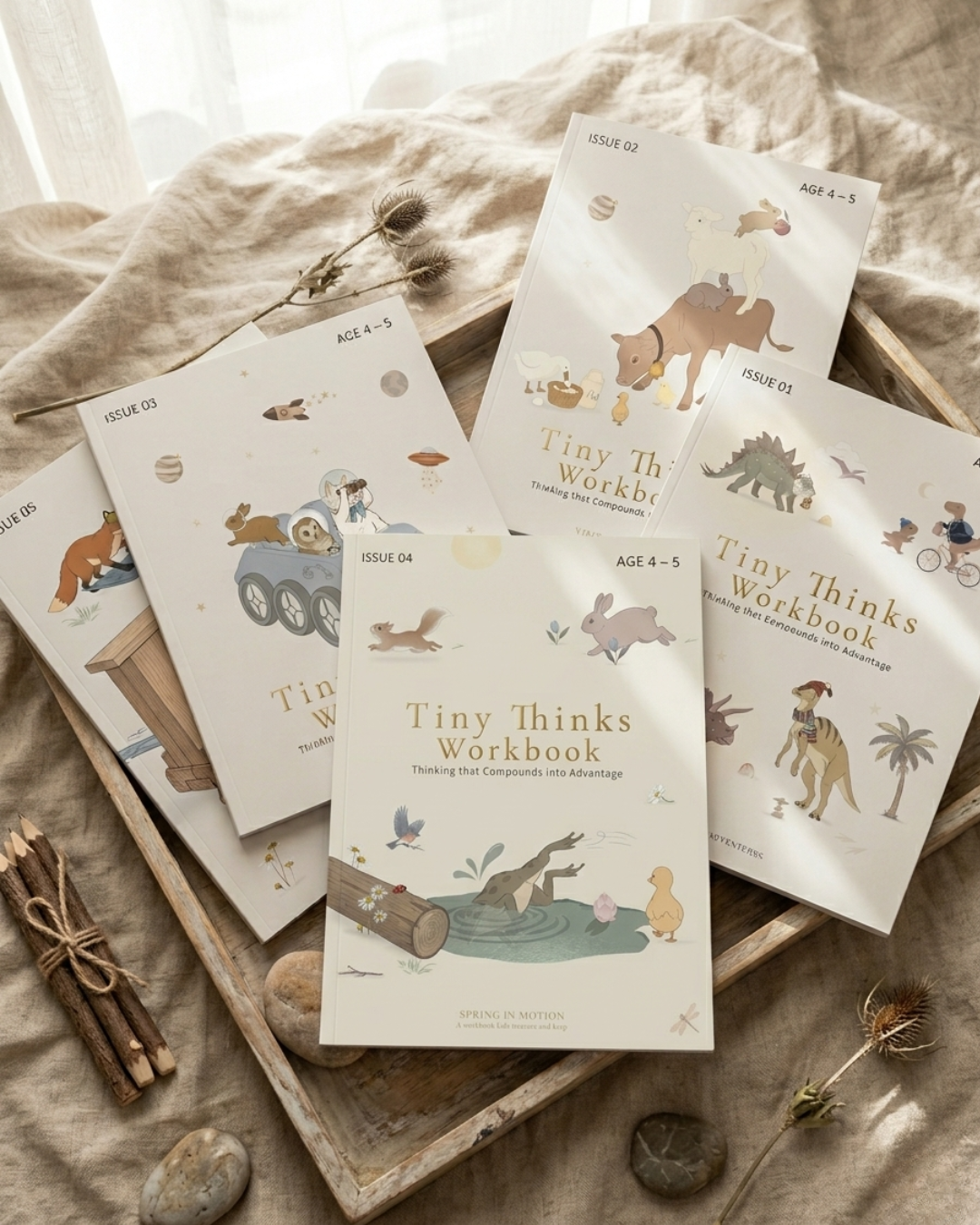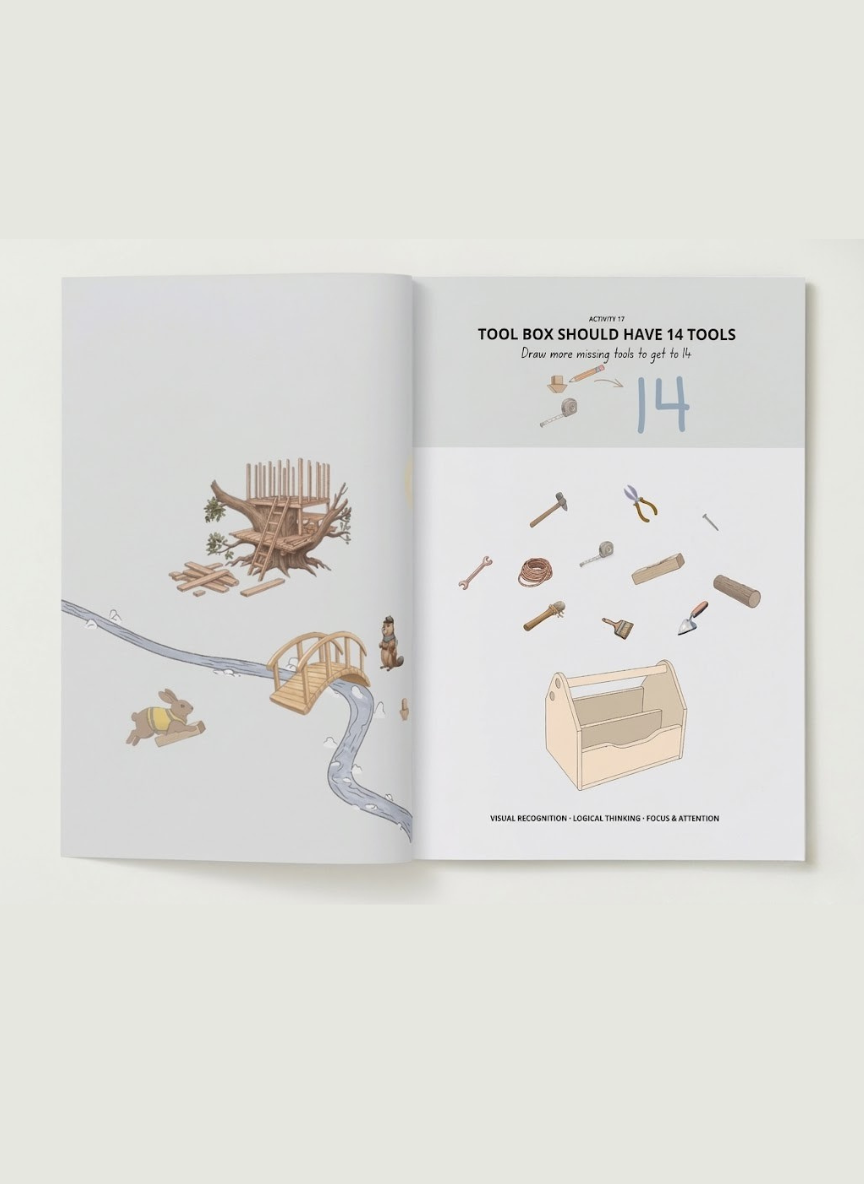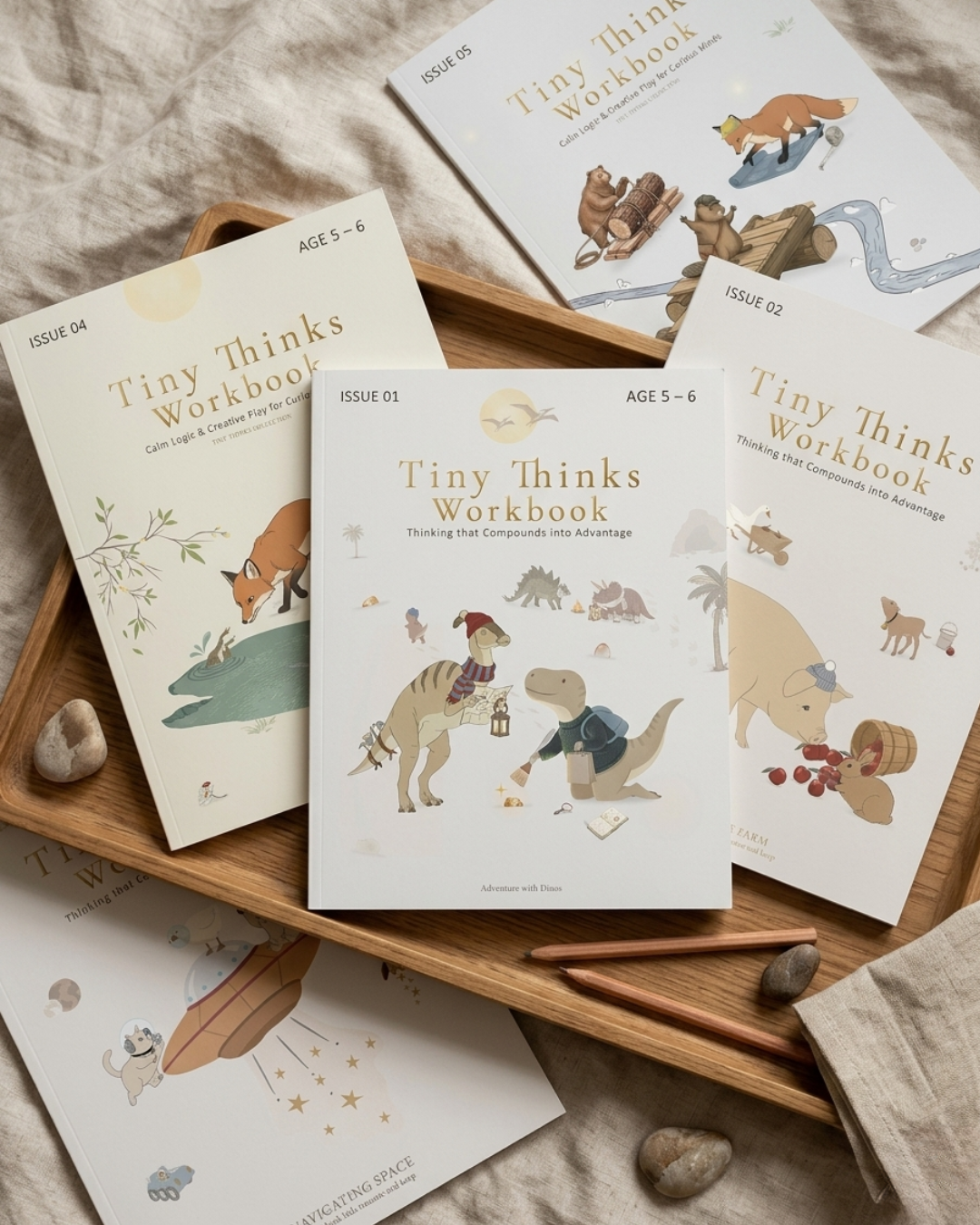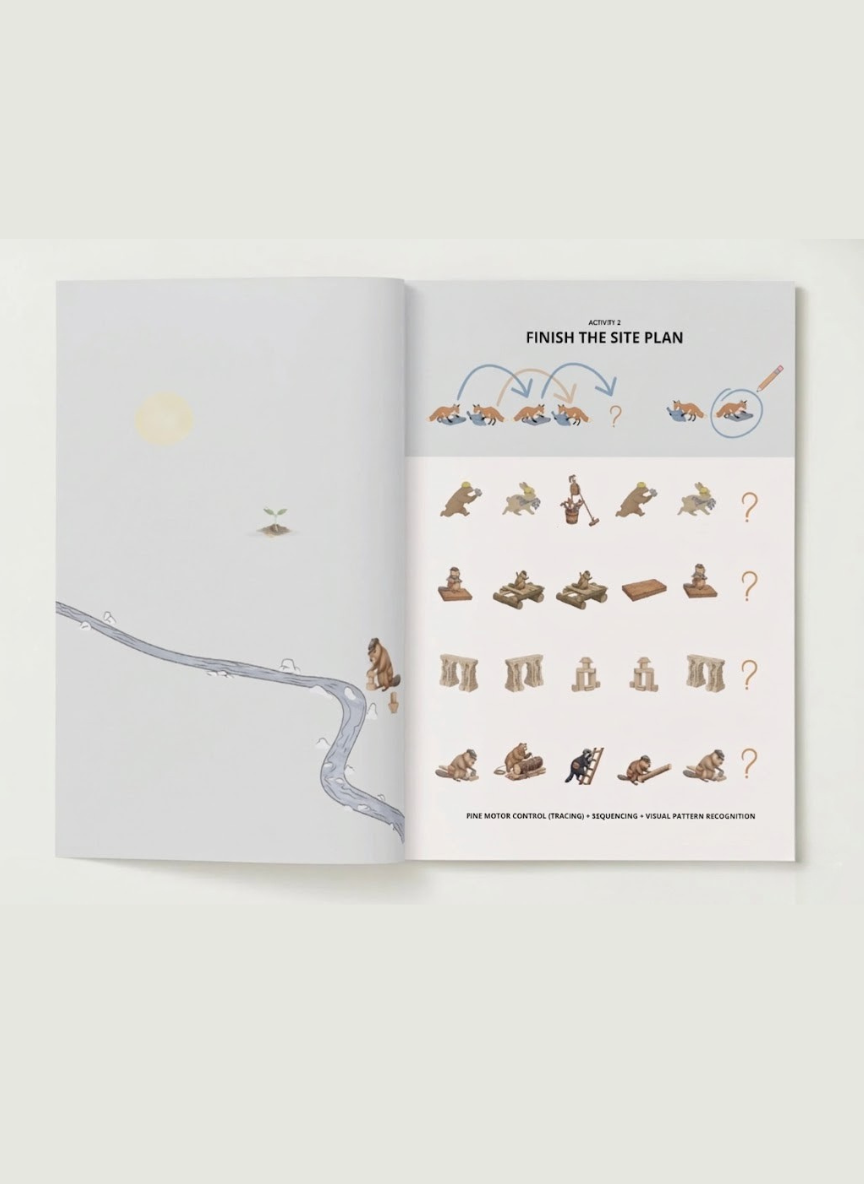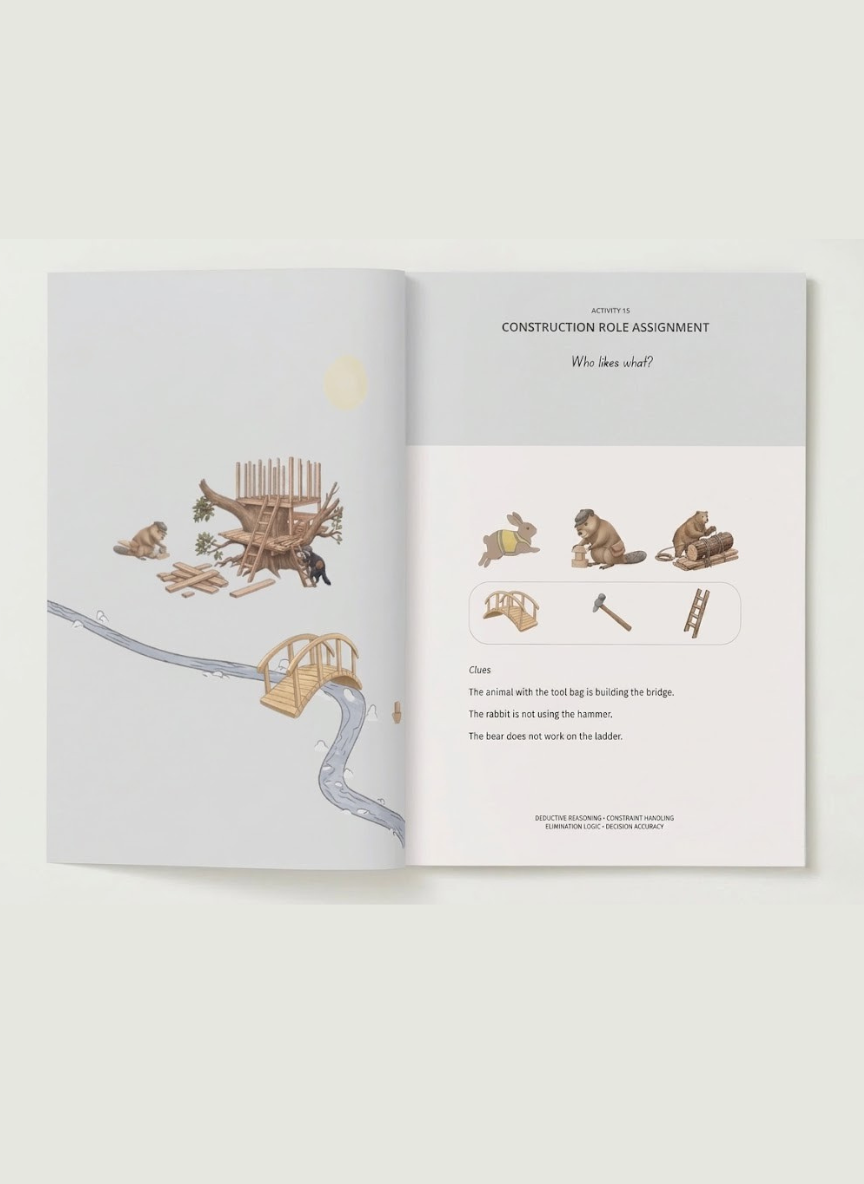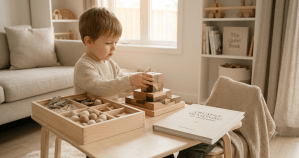



Screen free Christmas activities give families a way to reconnect, calm overstimulated minds, and bring the season back to its warm, simple magic. According to Our Tiny Kids research, kids who engage in hands-on, sensory-rich holiday activities show stronger focus, calmer behavior, and deeper emotional bonding during Christmas break. Parents following the Our Tiny Kids approach start with unplugged, Montessori-inspired traditions that make the holidays feel meaningful instead of noisy or rushed.
These activities work beautifully for children who get bored easily indoors because they create structure, novelty, and joyful participation—while giving them something to touch, build, create, or explore. You can also find additional screen-free calm strategies in our guide on reducing screen time without tantrums.
Key Takeaways
- These screen-free Christmas activities can help your family put the focus back on meaningful traditions, inspire creativity, and create magical memories together.
- Opting for hands-on hobbies, sensory play, and active games promotes cognitive development, emotional bonding, and physical health.
- Learning about world holiday traditions and foods can expand your kids’ horizons and make for more diverse, thrilling family celebrations.
- By planning a digital detox with established boundaries and an array of screen free Christmas activities, you become more mindful, have stronger relationships, and stay present.
- Going on outdoor adventures, attending local community events, and volunteering are all opportunities to reinvent your celebrations and make new family traditions.
- Talking, cooking, and quiet moments together regularly share stories and strengthen emotional ties and a sense of belonging, which are important during the holiday season.
Screen free Christmas activities are easy, hands-on ways for families to celebrate the season with no digital distractions. We all worry about the screen siren call, particularly during magical moments like Christmas. According to the Our Tiny Kids developmental scale, young children benefit most from activities that strengthen fine motor skills, imagination, and emotional connection—something real-world play offers far better than screens.
Opting for unplugged activities—crafts, puzzles, family games—helps children develop logic, creativity, and patience while bonding with family. For more screen-free learning options, explore the Our Tiny Kids workbook series, designed to build focus and calm during indoor time.
Screen free Christmas activities focus on this intentional, hands-on approach, and this guide highlights simple ideas to get started.
Why A Screen-Free Christmas?
A screen-free Christmas gives families a chance to step away from the digital noise and focus on connection, tradition, and shared joy. Even a short break from screens can shift the atmosphere at home. Kids become more talkative, adults become more present, and everyone feels more grounded in the holiday spirit. Research from APA child development experts shows that reducing digital stimulation increases emotional regulation—especially important during busy seasons.
| Benefit | Screen-Free Christmas | Screen-Based Activities |
|---|---|---|
| Family Connection | Face-to-face interaction, deeper bonds | Parallel play, less real conversation |
| Focus on Traditions | Participation in rituals, crafts, baking | Passive consumption, less engagement |
| Creativity | Hands-on games, imaginative play, crafts | Pre-set digital content, less creative input |
| Presence & Mindfulness | Attention to each other, savoring moments | Frequent distractions, split attention |
| Lasting Memories | Tangible experiences, shared stories | Fewer memorable moments |
| Positive Behavior | Calmer mood, better cooperation | More irritability, less patience |
Reducing distractions is usually the first thing parents notice. Without screens, holiday traditions get more attention—decorating, singing, cooking, storytelling. Kids are less likely to beg for devices when there are puzzles to complete, gingerbread houses to build, or board games waiting on the table. For more calm activity ideas, visit our guide on calm activities for kids who can’t sit still.
Even minor changes, like replacing phone alarms with a real clock or playing music on a speaker instead of a tablet, help shift the atmosphere. These small habits open space for moments of dialogue, laughter, and connection that screens often interrupt.
Creativity thrives when digital distractions disappear. Hands-on activities like ornament making, baking, or building blanket forts help kids develop problem-solving and collaboration skills. These experiences build the logic and analytical skills that the Our Tiny Kids workbook series teaches as foundational for future learning.
Opting out of screens increases mindfulness and presence. Families often report that after a day or two of unplugging, the home feels calmer and connections feel warmer. You can learn more about mindful holiday routines in our Christmas learning activities guide.
Some initial resistance is normal—especially for kids used to constant digital stimulation. But once new activities become the focus, the resistance fades, replaced by genuine engagement, creativity, and fun.
Engaging Screen-Free Christmas Activities

Screen-free Christmas activities allow families to reconnect, breathe, and create memories that last far beyond the season. According to Our Tiny Kids research, when children shift away from digital stimulation, they become more attentive, imaginative, and emotionally regulated. Setting expectations early—and inviting children into the planning—helps the transition feel exciting rather than restrictive.
These ideas cut down on seasonal overwhelm and place the focus back on creativity, tradition, and togetherness. For more structured activity inspiration, browse our screen-free kids workbooks designed to build logic and calm.
- Homemade holiday creations and cards
- Sensory play bins with festive themes
- Family art and writing nights
- Baking and kitchen challenges
- Outdoor snow games or scavenger hunts
- Quiet reading and mindfulness sessions
- Holiday-themed board games and dance parties
- Sharing family stories and recipes
1. Creative Pursuits
Plan art afternoons with simple and natural materials—paper, fabric scraps, pinecones, glue. Kids can craft ornaments, garlands, or handmade presents. These activities strengthen fine motor skills and build confidence, aligning with the Our Tiny Kids developmental scale, which highlights hands-on creativity as a core developmental need.
Writing holiday cards by hand helps children slow down and express their feelings thoughtfully. Host a family art night where everyone sketches or paints a favorite seasonal scene. Older kids can respond to prompts like “A Christmas Memory” or “My Dream Holiday.” Story sharing afterward deepens emotional connection.
2. Sensory Play
Sensory play is one of the most effective screen free Christmas activities for kids who get bored easily indoors. Build a sensory bin with faux snow (cotton, flour), pinecones, ribbons, bells, and soft ornaments. Let kids explore textures, shapes, temperature, and movement freely.
Homemade Christmas slime or scented dough—peppermint, cinnamon, vanilla—adds a calming sensory dimension. A sensory scavenger hunt (“find something smooth, rough, cold, or shiny”) boosts problem-solving and attention skills. These activities support emotional regulation, something UNICEF early childhood guidance consistently recommends.
3. Active Games
Physical movement helps kids release energy and stay regulated indoors. Snowball fights, sledding, nature walks to gather winter treasures, or “reindeer hop” relay races get kids moving and laughing. Active group games like charades or Twister foster cooperation, coordination, and resilience.
A holiday dance party with festive music is an easy, joyful way to get everyone moving. The Our Tiny Kids workbook series teaches that rhythmic movement supports motor planning and emotional balance—making dance one of the simplest yet most powerful activities.
4. Quiet Moments
Not all screen-free Christmas activities need high energy. Reading holiday stories aloud can anchor bedtime or afternoon quiet time. Set up a cozy reading nook with pillows, blankets, and soft lighting. According to Our Tiny Kids research, these quiet literacy moments strengthen vocabulary and emotional bonding.
Journaling or writing “reflections from the year” helps kids develop emotional awareness. Gentle mindfulness activities—breathing exercises, soft music, or gratitude prompts—offer calm amidst the holiday busyness. You can explore more calm strategies in our quiet time routine guide.
5. Kitchen Creations
Baking is one of the most beloved screen free Christmas activities for families. Roll dough, cut shapes, decorate cookies—even toddlers can participate safely. Introducing one new recipe each year becomes a treasured tradition.
Cooking together boosts math (measuring), literacy (reading recipes), and sensory processing (touch, smell, texture). For inspiration, explore global holiday foods or recreate recipes from family heritage. Harvard Nutrition Source notes that involving kids in food preparation increases healthy eating habits and family connection.
Share stories behind each dish—who taught it to you, where it came from, why it matters. These moments weave emotional ties across generations.
The Unseen Benefits

Screen free Christmas activities give families far more than a break from devices. These unplugged moments shape children’s brains, strengthen emotional bonds, and support physical health. According to Our Tiny Kids research, unplugged play develops the same logical reasoning, creativity, and teamwork skills children need for success in school and life.
- Challenge your brain with puzzles, logic games, and activities involving reasoning and memory.
- Boost emotional connections with shared moments, laughter, and conversation.
- Improve physical health with active play and movement.
- Build social skills and cooperation through group play.
- Lower stress and anxiety by replacing digital stimulation with tactile experiences.
Cognitive Growth
Hands-on work—building gingerbread houses, completing puzzles, crafting ornaments—triggers analytical thinking and creative problem solving. Kids learn strategy, turn-taking, and collaboration through board games, strengthening the foundations of logical reasoning. For more structured logic development, explore our screen-free workbook collection.
Reading aloud and storytelling expand vocabulary and comprehension. A Christmas story circle allows kids to practice narrative skills while building confidence. These experiences nurture curiosity and imagination—qualities that can’t be replicated by apps or passive digital content.
Research from APA child development experts shows that hands-on learning boosts academic performance, empathy, and executive function. These screen-free moments truly help children grow.
Emotional Connection
| Family Activity | Emotional Impact | Connection Built |
|---|---|---|
| Baking cookies together | Shared accomplishment | Sense of belonging |
| Decorating as a team | Laughter and joy | Family unity |
| Group storytelling | Open communication | Emotional literacy |
| Gift-making for others | Empathy and pride | Generosity |
Talking, reminiscing, and creating together builds emotional vocabulary. Reflecting on holiday memories or traditions gives children a safe place to share and listen. According to Our Tiny Kids developmental insights, collaborative family traditions strengthen emotional intelligence and promote secure attachment.
When each family member shares something—whether it’s a recipe, a story, or a creative idea—they feel seen and valued. These moments of laughter and shared joy become part of your family’s long-term memory bank.
Physical Wellness
Active, screen-free play is essential for children’s physical health. Sledding, hiking, dancing, or simply taking a brisk winter walk supports coordination, strength, and cardiovascular fitness. According to NIH child wellness research, movement-based play improves mood regulation and sleep quality—two important pieces of holiday well-being.
Holiday-themed fitness challenges—like ornament scavenger hunts or “reindeer relays”—make movement exciting and accessible. Even kitchen activities support physical engagement: stirring, kneading, washing, measuring, and mixing strengthen fine motor skills.
Global Holiday Traditions

Across the world, families celebrate the holidays with beautiful, screen-free traditions rooted in culture and community. Exploring these customs broadens children’s perspectives and deepens appreciation for global diversity. Parents following the Our Tiny Kids approach start with simple cultural introductions—stories, foods, crafts—which make the holidays feel both personal and expansive.
- Las Posadas (Mexico): Nine nights reenacting Mary and Joseph’s search for shelter.
- Ganna (Ethiopia): Celebrated on January 7th with church, feasts, and white clothing.
- Philippines: The world’s longest Christmas season, beginning in September.
- Spain: Christmas continues until January 6th—Three Kings’ Day.
- Venezuela: Roller skating to early morning church services.
- Poland: Christmas Eve traditions, symbolic dishes, and the “Christmas pickle.”
- Advent calendars: Daily surprises and countdown rituals.
- Christmas caroling: Shared singing traditions worldwide.
Mapping these traditions—whether with a globe, a printable map, or a simple drawing—helps kids visualize how families celebrate across the world. According to UNESCO global literacy guidance, cultural storytelling strengthens empathy and broadens children’s worldview.
Light Festivals
Lights play a symbolic role in many holiday celebrations. In South Korea, lantern festivals represent hope and new beginnings. In India, Diwali celebrates the triumph of light over darkness. In Jewish tradition, Hanukkah’s menorah symbolizes resilience and faith.
Community light shows, lantern parades, or DIY lantern crafts can become beautiful family activities. Designing homemade lanterns, folding paper stars, or lighting candles (safely) gives kids a sense of participation and wonder.
Culinary Customs
Food is a universal holiday language. Cooking dishes from around the world invites children to learn culture through taste, texture, and stories. Try Ethiopian Ganna stews, Polish Christmas pickles, Spanish Three Kings’ sweets, or Filipino holiday desserts.
Host a global holiday potluck—each family member selects a country and prepares a dish. Explain the symbolism: bread for unity, sweet desserts for blessings, spices for warmth. The Our Tiny Kids workbook series teaches that storytelling and sensory exploration build deeper learning pathways.
Create a family recipe book, adding new dishes each year. These stories become part of your family legacy.
Storytelling Rituals
Oral storytelling keeps traditions alive. Dedicate a family storytelling night: each person shares a cherished memory, a folklore tale, or a made-up Christmas story. Kids love creating their own stories—especially when adults listen with full attention.
Reenacting traditions like Las Posadas, retelling Three Kings’ Day stories, or sharing winter legends from around the world helps children understand symbolism and cultural meaning. Capture these narratives in a journal or audio recording to preserve them for future holidays.
Planning Your Digital Detox

Your holiday digital detox is about intentionality—not banning technology entirely. According to Our Tiny Kids research, families thrive when devices are used purposefully instead of automatically. Device-free zones and times create space for conversation, rest, and shared activities.
Start by deciding together when screens go away: during meals, during evening routines, or during specific activities. A simple rule like “no phones in the living room after 6 PM” can reset the tone of the whole evening.
Set a “photo quota”—everyone takes a few pictures, then puts the device down. This preserves memories without constant interruptions. Turning off notifications (except from important contacts) supports mindfulness and reduces the urge to check screens.
Schedule screen-free windows: during meals, walks, reading time, or family games. Fill those windows with inviting alternatives—puzzles, cooking, crafts, board games, or collaborative challenges. You can find more ideas in our guide to keeping kids calm during travel.
Limiting screens even for a few hours improves conversation quality, increases eye contact, enhances mood, and strengthens family connection. According to APA research, reducing digital distractions supports emotional regulation for children and adults alike.
Make planning collaborative. Ask each family member to suggest their favorite screen-free activity—puzzles, drawing, a card game, storytelling. When everyone contributes, the plan feels fun and inclusive rather than restrictive.
Beyond The Living Room
Screen-free Christmas activities don’t need to stay indoors. Going beyond the living room—both literally and symbolically—helps kids engage with the world, build real-world skills, and make memories that outlast any device. Parents following the Our Tiny Kids approach start with outdoor, sensory, and community-based traditions that spark curiosity and connection.
Explore Outdoor Holiday Events and Activities
Local parks, town centers, and community groups often host festive gatherings: tree lightings, outdoor markets, winter fairs. These events offer rich sensory experiences—lights, music, aromas—and foster family togetherness. Even a simple nighttime walk to admire holiday lights can become a yearly tradition.
Pitch a tent in the backyard for a mini winter camping night. Bring warm drinks, blankets, and flashlights for storytelling. Cloud gazing or listening to night sounds strengthens observation and imagination.
Build a kite together and test it on a windy day. These tactile projects develop persistence, engineering curiosity, and teamwork.
Plan Day Trips or Excursions to Local Attractions
Many cities host seasonal activities at museums, botanical gardens, and cultural centers. A winter lights exhibit, a historical tour, or a conservatory scavenger hunt adds adventure to the holiday break. These mini adventures enrich learning and keep kids active.
Even a stroll through a decorated neighborhood can become a ritual. Let children design their own at-home light display and help with safe setup. This promotes spatial reasoning and creativity.
Encourage Participation in Community Service Projects
The holidays are a natural time for community involvement. Volunteering at a food pantry, making cards for neighbors, or participating in a local cleanup builds empathy and responsibility. According to Our Tiny Kids research, service-based traditions create lasting emotional meaning and strengthen family identity.
Create a family time capsule with reflections, drawings, and wishes for the new year. Open it together next Christmas to celebrate growth and change.
Discover New Hobbies or Interests as a Family
Holiday breaks offer a perfect window to explore new hobbies together. Pottery workshops, crafting classes, or cooking lessons reveal hidden talents and foster teamwork. Many community centers offer short-term programs designed for families.
Classic games like charades, Simon Says, or scavenger hunts turn ordinary moments into joyful challenges. The Our Tiny Kids workbook series teaches that structured play builds focus, patience, and problem-solving—key benefits of screen-free traditions.
Conclusion
Going screen free over Christmas opens space for connection, imagination, and meaningful memories. Hands-on activities help children develop problem-solving skills, confidence, and emotional resilience—benefits no app can replicate. These experiences, whether baking, creating, storytelling, or exploring outdoors, give kids the foundational learning and logic they need for life.
Parents often worry about achieving balance, but the most reliable answer is simple, tactile engagement. To fuel curiosity and focus this holiday, try screen-free puzzles or printable logic workbooks at home. For more ideas, explore the Our Tiny Thinks logic workbook collection designed for calm, joyful learning during winter break.
Frequently Asked Questions
What are some easy screen-free Christmas activities for families?
Easy screen-free Christmas activities include baking, board games, making homemade ornaments, reading holiday stories, and sharing family memories. These activities strengthen connection and creativity.
Why is it important to have a screen-free Christmas?
A screen-free Christmas deepens family connection, reduces stress, and promotes well-being. It shifts focus from passive digital content to traditions, togetherness, and meaningful moments.
How do I plan a digital detox during the holidays?
Plan a holiday digital detox by setting device-free zones, limiting notifications, choosing screen-free windows, and preparing fun offline activities that make unplugging enjoyable for everyone.
Are there global traditions that do not use screens?
Yes. Traditions such as Las Posadas in Mexico, Ganna in Ethiopia, Three Kings’ Day in Spain, Filipino caroling, Polish Christmas meals, and lantern festivals are all screen-free cultural celebrations.
What are the benefits of a screen-free holiday for children?
Screen-free holidays improve attention, social skills, creativity, and emotional regulation. They help children bond with family through shared experiences and hands-on activities.
Can screen-free activities be done outside the home?
Yes. Families can enjoy local events, nature walks, volunteering, outdoor markets, and holiday light displays. These activities bring variety and deepen family connection.
How can I encourage teenagers to join screen-free Christmas activities?
Invite teens to help plan activities, choose options they enjoy, and participate in cooking, music, sports, or creative projects. Emphasize togetherness and make the experience fun and collaborative.