

Key Takeaways
- A homeschool routine preschool parents can rely on is a predictable daily rhythm, not a miniature school schedule with timed subjects.
- Most preschoolers need only 30 to 90 minutes of focused learning across a whole day, broken into short pieces between play, movement, and rest.
- Visual schedules reduce transition battles because they let a child see what comes next instead of holding every step in their head (Bryan & Gast, 2000).
- A routine matters less for the content it delivers and more for the way it teaches a child to anticipate what comes next, manage transitions, and start small tasks without constant prompting.
- Self-regulation and planning skills built in the early years are associated with later school performance, often more strongly than early academic content alone (Moffitt et al., 2011).
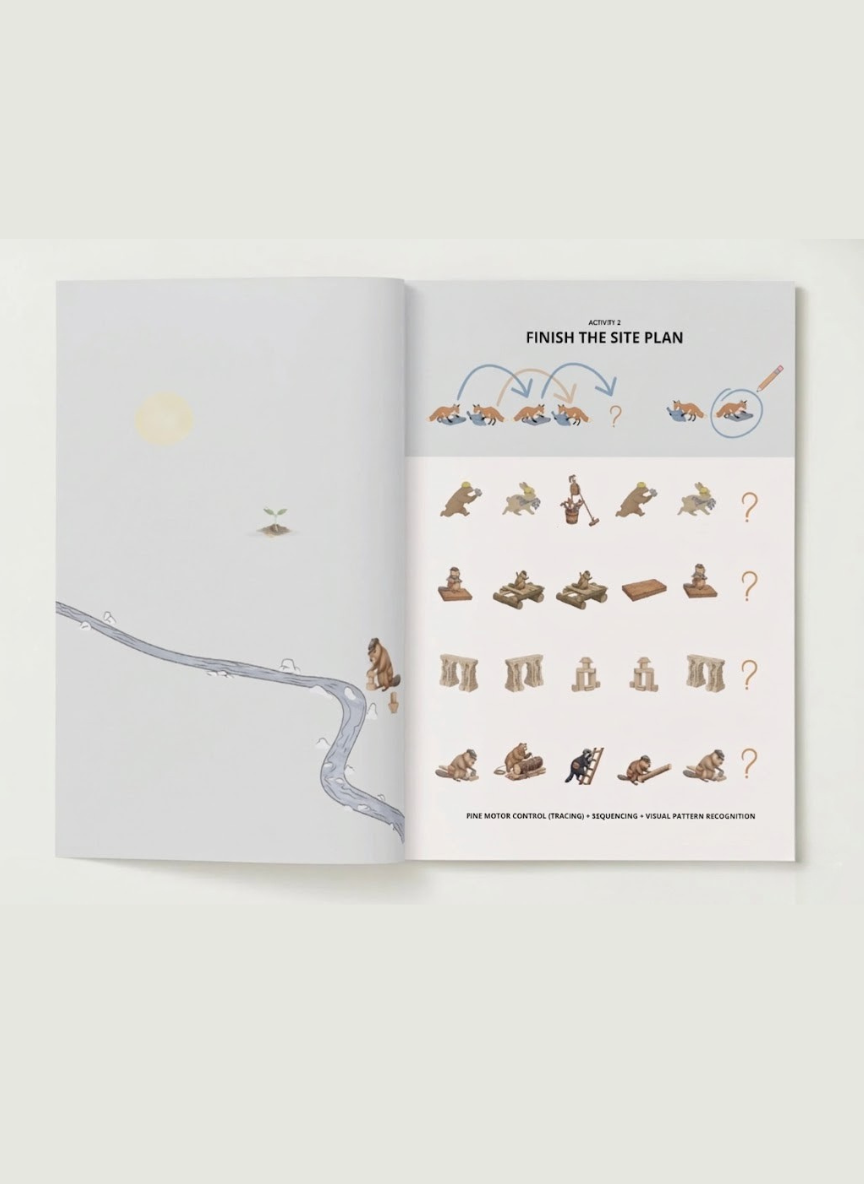
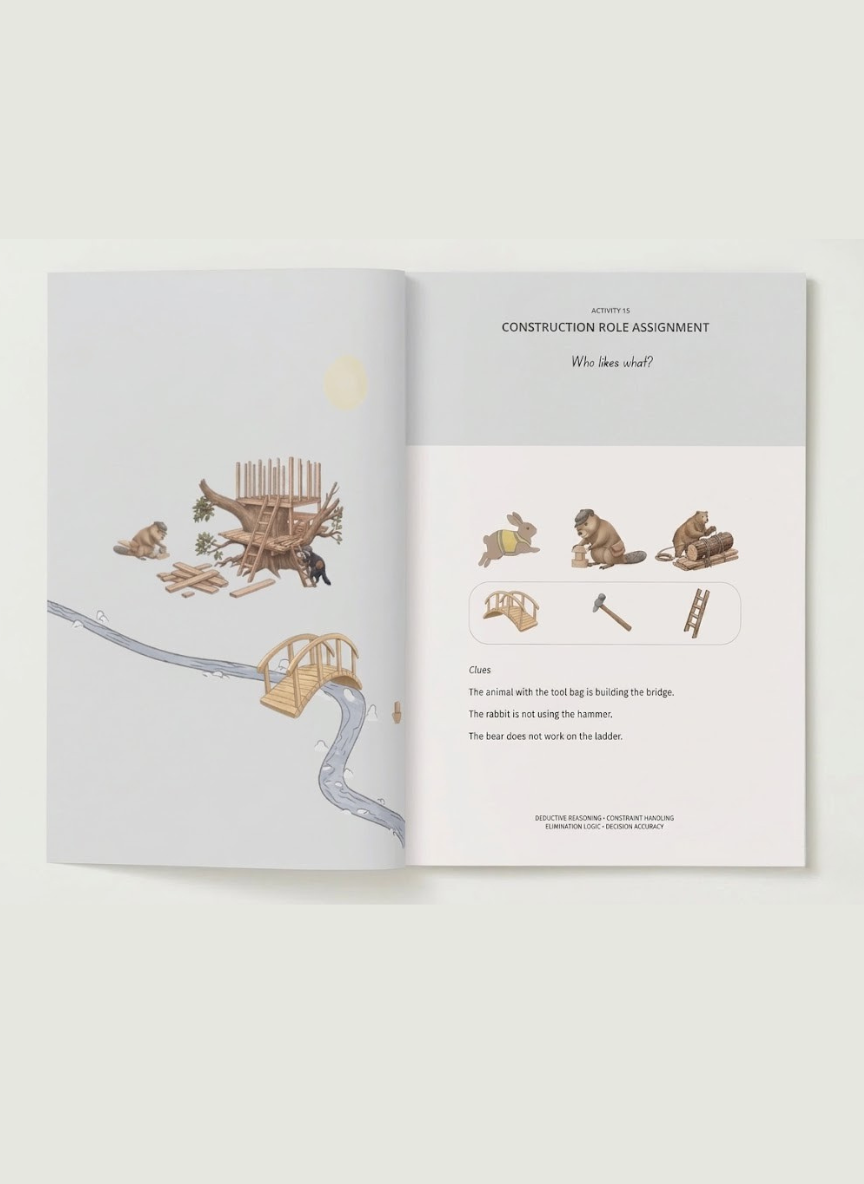
- Planning and self-control are among the ten capabilities the Pre-Seven Learning Method is built around, and a calm daily routine is one of the most natural places to practise it. In Tiny Thinks terms, that rhythm turns ordinary transitions into small, repeatable thinking practice.
What a Preschool Homeschool Routine Is Really For
A preschool homeschool routine is not mainly about fitting lessons into the day. Before age seven, a routine is how a child first learns to predict what comes next, move between activities, hold an expectation in mind, and act with growing independence.
This is the part most online schedules miss. They treat routine as time-blocking for the parent: 9:00 letters, 9:30 math, 10:00 craft. But for a three or four-year-old, the value is not in the subjects. It is in the steady, repeating shape of the day. The child who knows that snack comes after outside time, and stories come before nap, is doing something quietly important. They are learning to organise their own behaviour across time.
That is the skill underneath “falling behind” worries. The child you are picturing in kindergarten, the one who can settle, follow two-step instructions, and start a task without being told twice, is not relying on early academics. They are relying on planning, attention, and self-control. A routine is where those first take root.
So you can let go of the pressure to replicate school. You are not running a small classroom. You are giving your child regular, low-stakes practice at moving through a day with less and less help from you.
How Structured Should a Homeschool Routine Preschool Plan Be?
Preschool homeschool should be loosely structured: predictable in its order, flexible in its timing. A reliable sequence of events matters more than a clock.
Think of it as anchors, not appointments. Young children settle when the day has a recognisable shape: we connect, we play, we do one short focused thing, we move, we rest. They do not need that shape to start at exactly 9:04. A rigid timetable is usually the first thing to collapse at home, and its collapse tends to take the parent’s confidence with it.
Here is the honest version many families arrive at: a few dependable anchors, a couple of short learning moments, and a lot of play in between. That is not doing the bare minimum. For this age, that is the work.
If your child is three, lean almost entirely on anchors and play. If your child is five to seven, you can begin asking them to plan and check small parts of the day themselves: “What do we need to get ready before outside time?” That small question is planning practice.
How Many Hours a Day Should Preschool Homeschool Be?
A homeschool routine preschool does not need to fill hours. Most preschoolers do well with 30 to 90 minutes of intentional learning spread across the day, with the rest of the time given to play, movement, meals, and rest.
That number surprises people. It sounds too small. But a preschooler is not built to sit through long blocks, and trying to make them is where most table-time meltdowns begin. A focused learning moment for a four-year-old might last five to fifteen minutes. Two or three of those across a morning is plenty.
The learning also does not have to look like lessons. A child sorting laundry by colour is practising pattern recognition. A child retelling a story at lunch is using working memory. A child deciding what to build before reaching for the blocks is planning. Count those.
If some days you only read books and play outside, you have not skipped school. You have run a perfectly reasonable preschool day.
How Long Should Preschool Lessons Be?
Preschool lessons should be short: roughly five to fifteen minutes, ending while the child is still interested rather than when they are done.
You may have heard the rule that attention span is one minute per year of age, so three minutes for a three-year-old. That is a popular rule of thumb, not a research finding, and it is far too tidy to be true. Real attention depends on the child, the task, the time of day, and whether the activity is something they chose. A four-year-old who gives up on a worksheet in two minutes can stay with a puzzle they love for twenty.
The practical move is to stop a focused activity a little early, on a good note. A child who ends wanting more comes back willingly. A child pushed to the point of frustration learns that table time means feeling stuck.
The Simple Daily Rhythm Most Preschoolers Need
A workable preschool homeschool rhythm has five repeating parts: connection, play, a short focused activity, movement, and rest. The order can stay the same even when the timing shifts.
- Connection: a calm start together. A book, a cuddle, a chat about the day. This settles a child before anything is asked of them.
- Free play: unstructured, child-led play. This is not filler. It is where children practise their own ideas, persistence, and problem-solving without an adult steering.
- Short focused activity: one small, calm thing you have chosen. A counting game, tracing, sorting, a story you ask questions about. Five to fifteen minutes.
- Movement: outside time, dancing, a walk, anything that uses the body. Many families notice focus is better in the activity that follows movement.
- Rest: a nap, quiet time, or a slow stretch with no demands. Rest is part of the rhythm, not a break from it.
You can run this loop once in a morning or twice across a day. The repetition is the point. A child who meets the same shape every day stops needing you to announce each step.
Sample Homeschool Routine Preschool Schedule
Here is a sample preschool homeschool morning routine you could start tomorrow. Treat the times as a rough order, not a schedule to defend.
- Wake and connect: breakfast together, then a few minutes with a book or a chat about what the day holds.
- Morning basket: a small basket with two or three things you rotate (a picture book, a song, a simple counting or sorting toy). Many parents say a morning basket made their days noticeably calmer because the child knows exactly how the morning opens.
- Free play: twenty to forty minutes of child-led play while you tidy or sit nearby. Resist filling it.
- Short focused activity: ten minutes at the table or floor. One thing only.
- Snack and movement: snack, then outside or active play.
- Story and quiet time: a longer read together, then rest or independent play.
That is a complete, defensible preschool morning. If you finish it most days, you are doing enough.
For a four-year-old specifically, the answer to “how do I homeschool my 4-year-old” is mostly this rhythm plus a lot of talking, reading, and playing. Letters and numbers fold into games, not separate subjects.
Why Visual Schedules Help Preschoolers Cooperate
A visual schedule is a simple row of pictures showing the order of the day, and it helps because it moves the plan out of the child’s head and onto the wall.
A young child does not yet hold a sequence of steps reliably in working memory. When you say “after we tidy up, we’ll have snack, then go outside,” you are asking a lot of a three year old’s memory. A picture card for each part lets them check the order themselves. That small act, looking at the card and seeing what is next, is early planning and self-control in action.
Picture-based schedules have been studied most in supporting children through transitions, and they are consistently linked with smoother changes between activities and less prompting from adults (Bryan & Gast, 2000). You do not need anything elaborate. Hand-drawn pictures or photos on a strip of card work. Let your child move a marker or flip each picture as you finish it. That ownership is half the benefit.
This is one of the clearest places to help your child build planning and working memory at home. Tiny Thinks treats these moments as part of the thinking underneath school readiness, because the child is not just following the day; they are beginning to manage it.
What to Include: Play, Stories, Movement, and Table Time
A good preschool homeschool day is mostly play, stories, talk, and movement, with table time as the smallest part, not the centre.
Parents often ask what subjects preschoolers should learn at home. The honest answer is that formal subjects matter very little before kindergarten. The things that carry weight are:
- Books and conversation: reading aloud, talking through the story, asking what might happen next. This builds vocabulary, attention, and working memory more than any worksheet.
- Play: blocks, pretend, water, sand, drawing and independent play. Children practise persistence and problem-solving when they choose their own challenge.
- Movement and outside time: climbing, running, balancing. Physical play supports the focus that follows it.
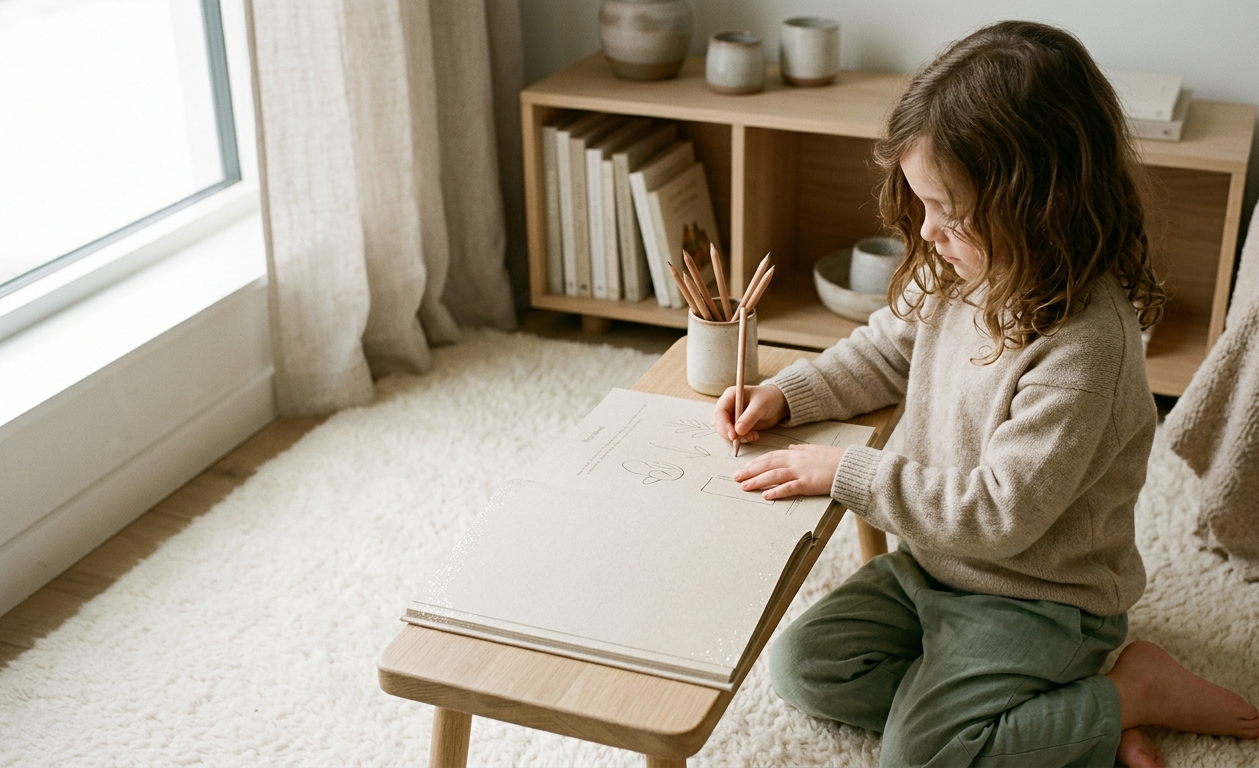
- A little table time: short, optional, playful. Counting, sorting, simple mark-making.
If your child refuses worksheets, that is information, not failure. Most three and four-year-olds are not built for them, and pushing usually backfires into resistance. Move the same skill off the page: count the stairs, sort the cutlery, trace shapes in shaving foam. The capability is what you are after, not the format.
And yes, for a three-year-old, play really is enough. Letters and numbers can wait for genuine interest. A child who loves learning at seven is usually a child who was not made to dislike it at three.
What to Do When the Routine Falls Apart
When a preschool routine falls apart, the repair is not to enforce it harder. It is to return to the next anchor and start again, calmly, from there.
Routines collapse for ordinary reasons. A younger sibling needs feeding. A meltdown swallows the morning. Someone slept badly. The Pinterest schedule that looked perfect online turns out to be impossible with a toddler underfoot. None of this means the routine has failed. It means it is a real routine in a real house.
A few things help on the hard days:
- Drop to the anchors. On a bad day, keep only the connection moment, one read-aloud, and outside time. Let the rest go.
- Name the next step, not the whole day. “Snack, then outside” is easier for a child to manage than the full sequence.
- Use the change as practice. When the plan shifts, say so out loud: “We were going outside, but it’s raining, so we’ll build instead.” Hearing a plan change and adjust is how a child slowly learns to do it themselves. That is cognitive flexibility, and it grows through small, narrated changes like this one.
- Skip days without guilt. A skipped day costs a preschooler nothing. Burnout costs you the whole routine, so protect yourself first.
The goal is not a day that never goes wrong. It is a day your child can recover inside, because the shape is familiar enough to come back to.
How Routines Build School Readiness Before Age Seven
A predictable routine builds school readiness by giving a child daily practice at the underlying capabilities school later depends on: planning, attention, working memory, and self-control.
Watch what actually happens inside a steady routine. A child anticipates what comes next. They start tidying before you ask because they know snack follows. They hold two steps in mind: “shoes, then coat.” They wait through a transition without falling apart. They notice when something is out of order. Each of these is a small rep in the thinking that does not go out of date, the kind of thinking that holds up in whatever future a child grows into.
Trouble moving through a homeschool day usually points to three capabilities still forming: planning and self-control, working memory, and sustained attention. These are three of the ten capabilities the Pre-Seven Learning Method is built around. The method is a phased, screen-free approach for ages three to seven that builds the thinking underneath learning through small, calibrated thinking missions in ordinary moments. A daily routine is one of those moments.
The progression is gentle. At three and four, children mostly need predictable anchors and your narration of what comes next. By five to seven, they can begin to plan, check, and manage longer stretches of the day themselves: choosing the order of two activities, gathering what they need before starting, noticing a step they skipped. You are slowly handing the plan over.
This is also why self-regulation matters more than early academics at this stage. Long-term research that followed children into adulthood found that early self-control was associated with later outcomes in health, finances, and life management, independent of intelligence and family background (Moffitt et al., 2011). None of that comes from worksheets. It comes from thousands of small moments of waiting, planning, remembering, and trying again, which is exactly what a calm daily rhythm is made of.
So the picture worth holding onto is not the child who finished the curriculum. It is the child who looks up halfway through a task they worked out alone, a little surprised at themselves, and reaches for the next part without checking whether you are watching.
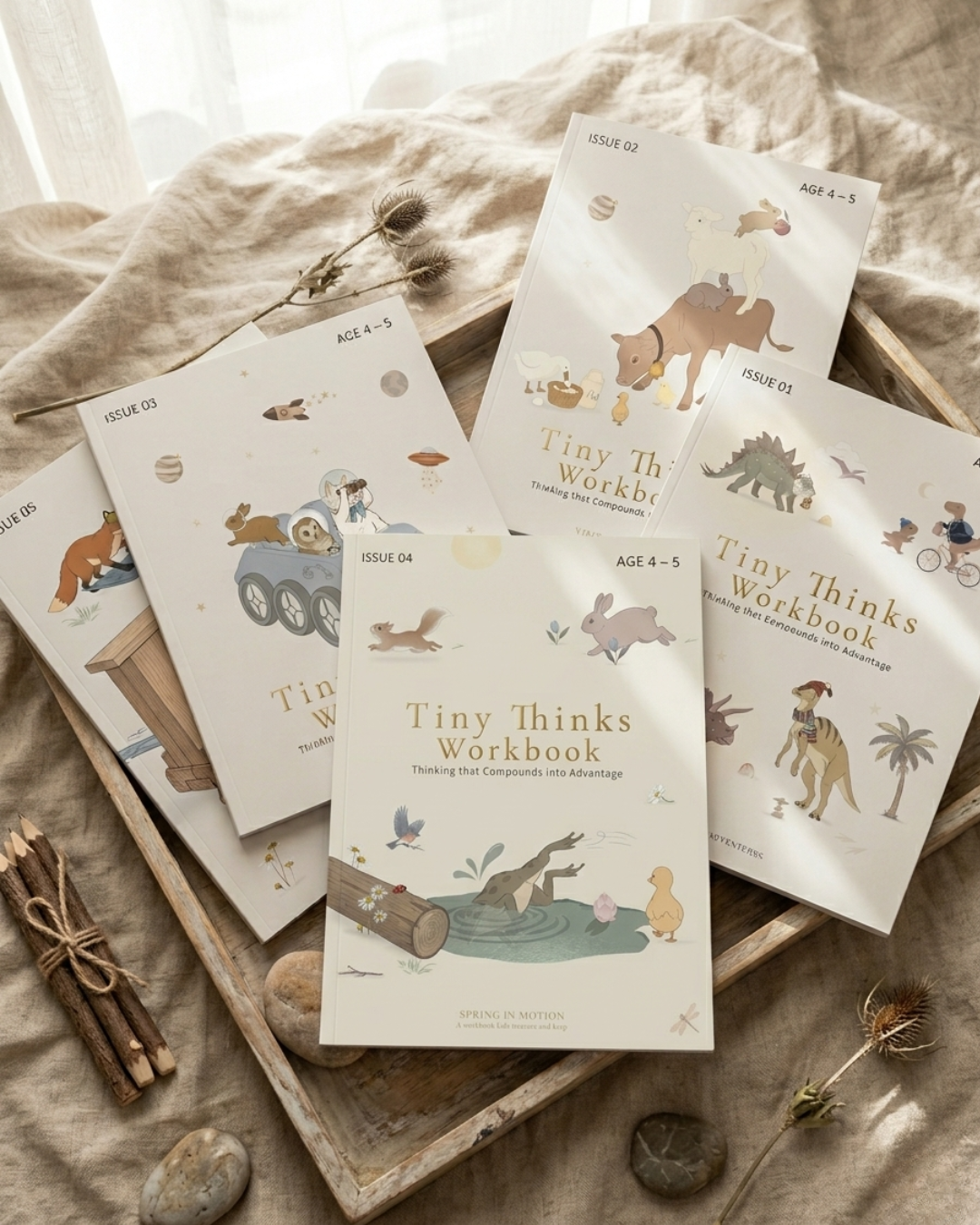
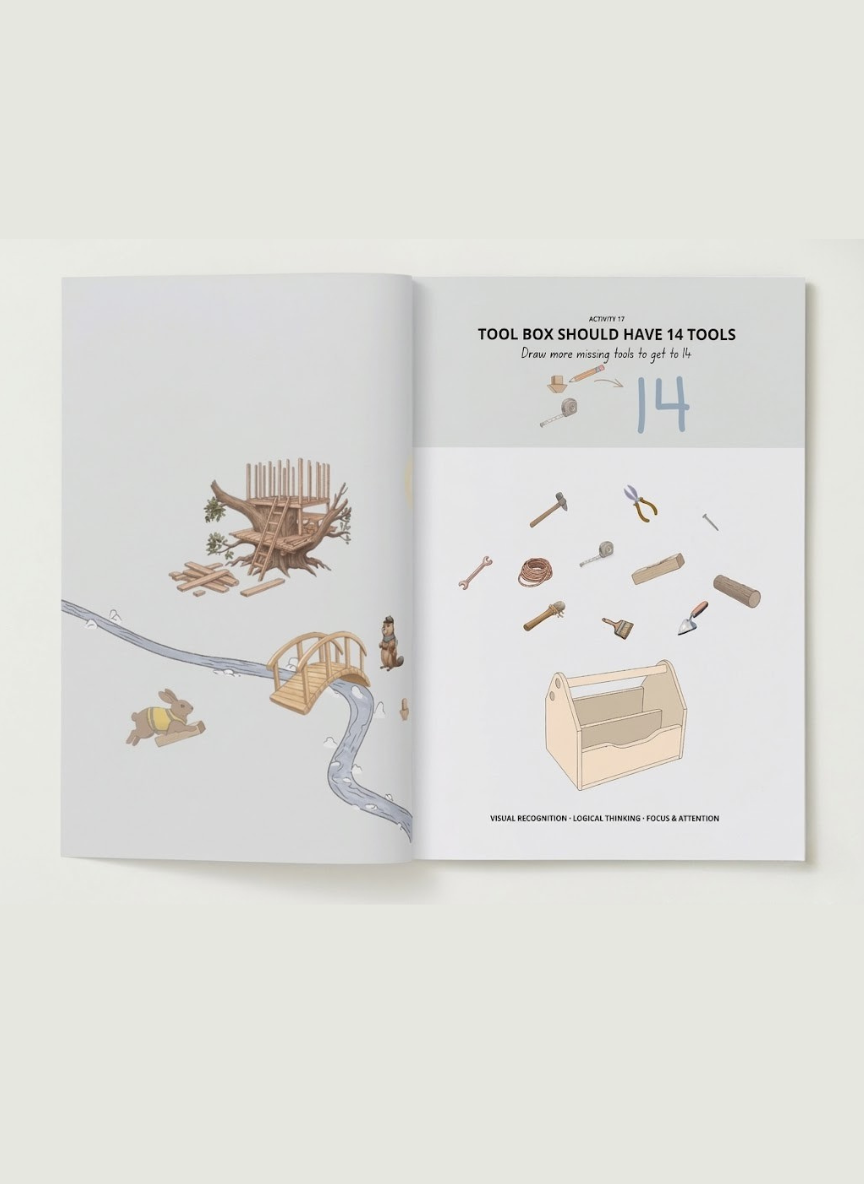
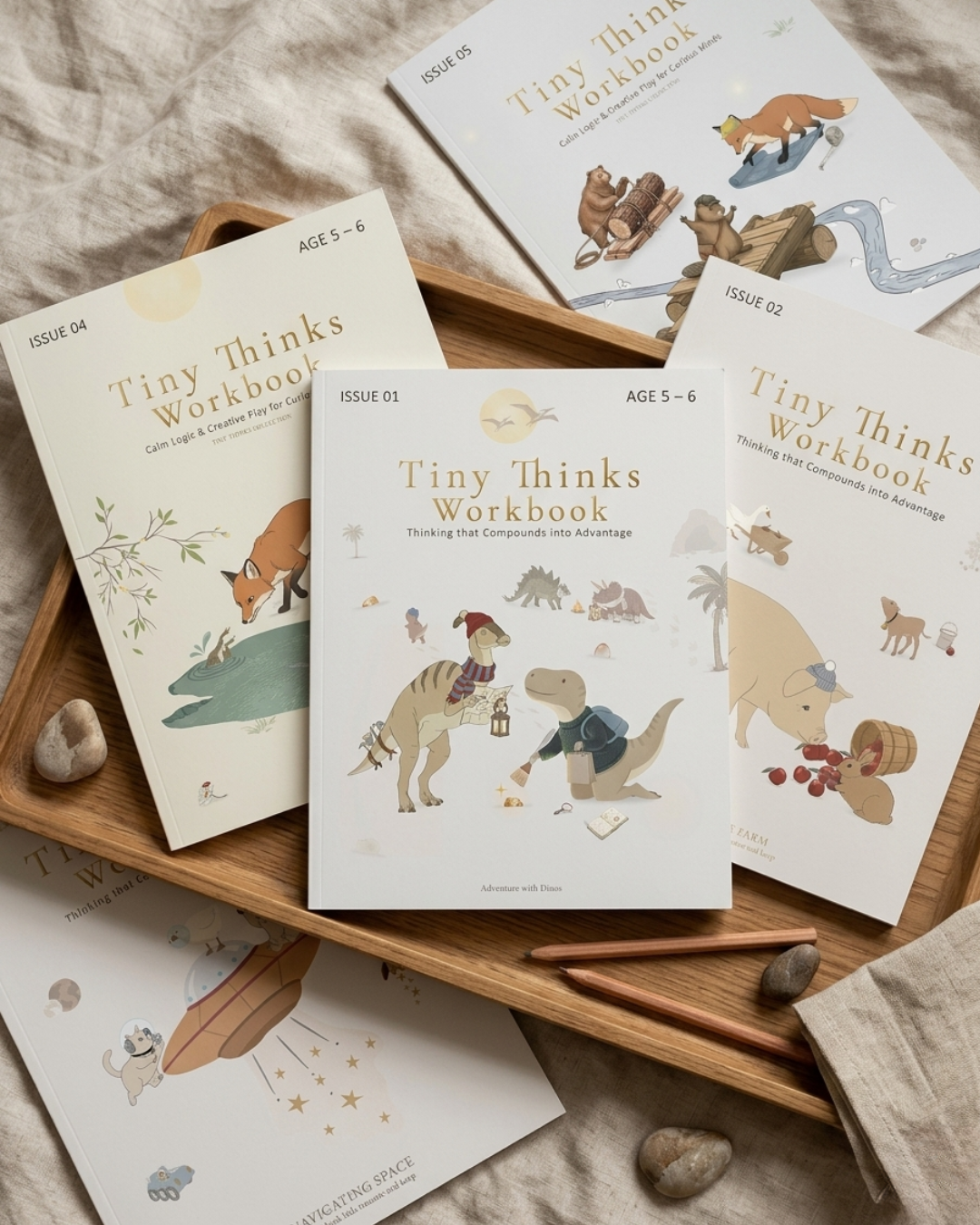
Tiny Thinks workbooks give children short, screen-free thinking missions that fit naturally into a homeschool routine, helping them practise planning, working memory, attention, and self-control through everyday activities.
You can start with the FreeCalmPack for a simple at-home routine, or explore the full range of Tiny Thinks workbooks built around The Pre-Seven Learning Method.
Frequently Asked Questions
What should a homeschool routine preschool schedule look like?
A homeschool routine preschool should be a predictable order of events rather than a timed timetable: connection, free play, a short focused activity, movement, and rest, repeated daily.
How many hours a day should preschool homeschool be?
Most preschoolers need only 30 to 90 minutes of focused learning across the whole day, with the remaining time given to play, movement, meals, and rest.
How do I homeschool my 4-year-old?
Homeschool a four-year-old mostly through reading aloud, talking, and play, with two or three short focused activities of five to fifteen minutes each. Formal subjects are not needed yet.
What subjects should preschoolers learn at home?
Preschoolers do not need formal subjects. Books, conversation, play, movement, and a little counting or sorting cover what matters most before kindergarten.
How do you create a preschool daily routine?
Choose a small set of repeating anchors in a fixed order, keep learning moments short, and show the sequence with a simple visual schedule so your child can see what comes next.
Is it okay if we only read and play?
Yes. For a three or four-year-old, a day of reading aloud and child-led play is a complete and developmentally appropriate preschool day.
Why won’t my child sit still for lessons?
Most preschoolers are not built for long table time, and sustained attention is still forming at this age. Keep activities to five to fifteen minutes and end while interest is high.
What do I do if my child refuses worksheets?
Move the same skill off the page: count stairs, sort objects, or trace shapes in foam. Refusing worksheets is common at this age and not a sign of falling behind.
Am I failing if we skip days?
No. A skipped day costs a preschooler nothing, and protecting yourself from burnout keeps the routine alive over time, which matters far more than any single day.
How much independence should I expect by age?
At three and four, expect children to follow predictable anchors with your prompting. By five to seven, many children can plan, check, and manage longer routines with less adult control.
References
School Readiness and Later Achievement (Duncan et al., 2007) , Developmental Psychology (APA) https://www.apa.org/pubs/journals/releases/dev-4361428.pdf
A Gradient of Childhood Self-Control Predicts Health, Wealth, and Public Safety (Moffitt et al., 2011),PNAS
https://www.pnas.org/doi/abs/10.1073/pnas.1010076108