

- Key Takeaways
- Why the Screen Time vs Independent Play Debate Matters for Young Children
- What Is Independent Play and What Does It Actually Develop?
- What Does Screen Time Do to a Child’s Attention?
- Screen Time vs Independent Play: The Real Developmental Difference
- When the Imbalance Shows Up at Home
- How to Build a Healthier Balance at Home
- Conclusion
- Frequently Asked Questions
- What is the difference between screen time and independent play?
- How much screen time is recommended for children?
- What are the benefits of independent play for children?
- Can screen time be educational for kids?
- How can parents encourage independent play?
- Are there negative effects of too much screen time?
- How do I balance screen time and independent play?
Key Takeaways
- Screen time vs independent play shapes attention differently. Fast digital content makes children reactive; independent play builds self-direction, focus, and frustration tolerance.
- Not all screen time is equal. Slow, interactive, scaffolded digital content is meaningfully different from fast, autoplay-driven passive viewing.
- Independent play is where executive function is built. Initiation, persistence, and working memory all develop through repeated, low-pressure, self-directed activity.
- The imbalance shows up most at transition points, after school, at mealtimes, before bed. These are the moments where calm, independent alternatives make the most difference.
- Balance does not require extreme limits. Consistent, predictable anchors, small stretches of calm independent activity built into daily routines are more effective than strict screen-time rules.
- Children need slow input to recalibrate. After fast screen content, a quiet hands-on activity helps the nervous system settle more effectively than more screen time does.
- The goal is not less screen time, it is more of what builds the child’s internal capacity to focus, start tasks, and persist through difficulty.
Screen time and independent play mold children’s attention differently. Fast, algorithmic content can make it harder for some children to settle once it stops. Slow, self-directed play builds something different: the capacity to begin, stay with, and finish a task without being prompted. Parents who notice this contrast the restlessness after screen time versus the quiet focus that follows a good stretch of play are observing something real. It is not a temperament difference. It is a skill difference.
Many parents notice this most after school, at meals, or in waiting moments, when a child can’t settle after screen time. Understanding what’s happening makes the next step clearer. Tiny Thinks’ Free Calm Pack is built for exactly these windows structured thinking activities that children can pick up independently, without adult setup or ongoing direction.
Why the Screen Time vs Independent Play Debate Matters for Young Children
For children between the ages of three and seven, early experiences directly shape the brain’s attention architecture. The habits formed in these years, how a child tolerates frustration, how long they stay with a task, whether they can begin something without being told to are not fixed traits. They are built through repeated practice.
The screen time versus independent play question matters more in these years than at any other point. It is not primarily a question of preference or screen limits. It is a question about which experiences are filling most of a child’s time, and what those experiences are building. Fast content and slow, self-directed play develop different skills and leave children in different states once the activity ends. Teachers and caregivers building these habits in group settings can find screen-free resources at Tiny Thinks for Educators
What Is Independent Play and What Does It Actually Develop?
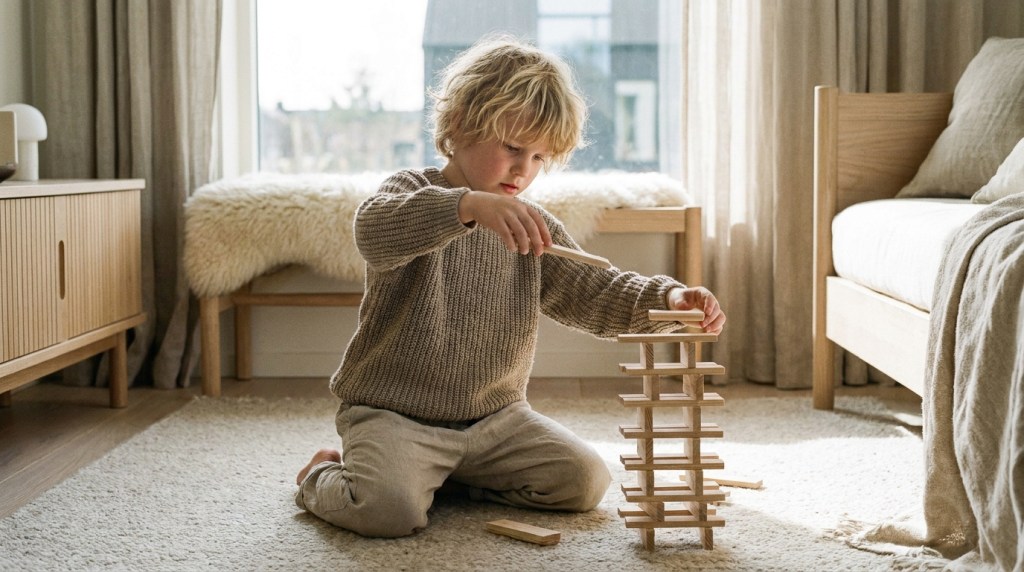
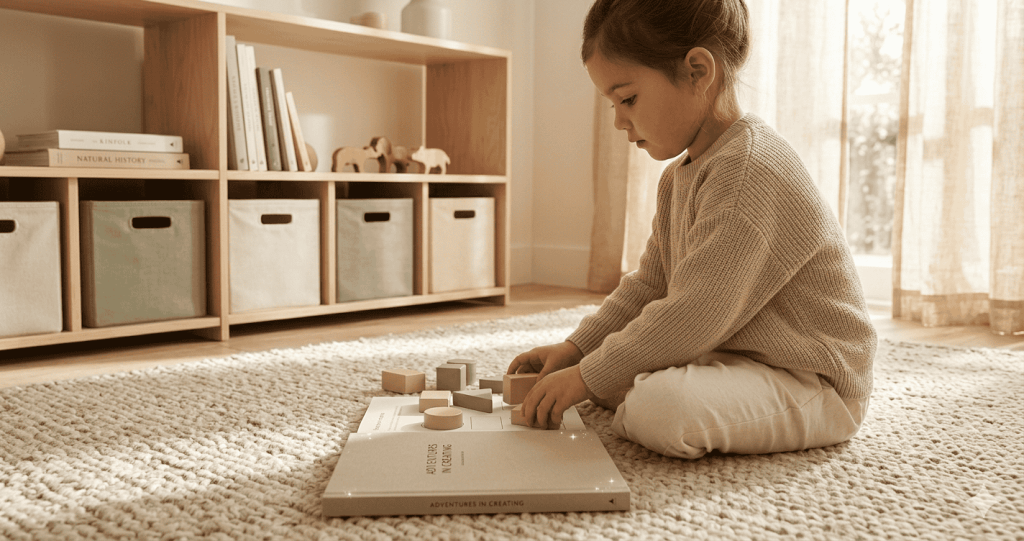
Independent play is not just a child keeping themselves busy. It is one of the most cognitively demanding things a young child can do because it requires them to generate the activity themselves, stay with it through difficulty, and regulate their own experience from start to finish.
When a child selects an activity, works through a challenge without prompting, and finishes a task on their own terms, they are practising executive function in real time. Executive function is the cluster of mental skills that includes impulse control, working memory, and flexible thinking. Research suggests executive function is one of the stronger predictors of school readiness often more so than early literacy or numeracy.
Independent play also develops frustration tolerance the ability to try again after something goes wrong, without shutting down or seeking adult rescue. It develops self-initiation, the internal capacity to begin a task without needing external motivation. It builds sustained attention, the ability to stay focused on one thing for a meaningful stretch of time. And it fosters creativity and problem-solving skills that emerge naturally when a child has unstructured time and open-ended materials.
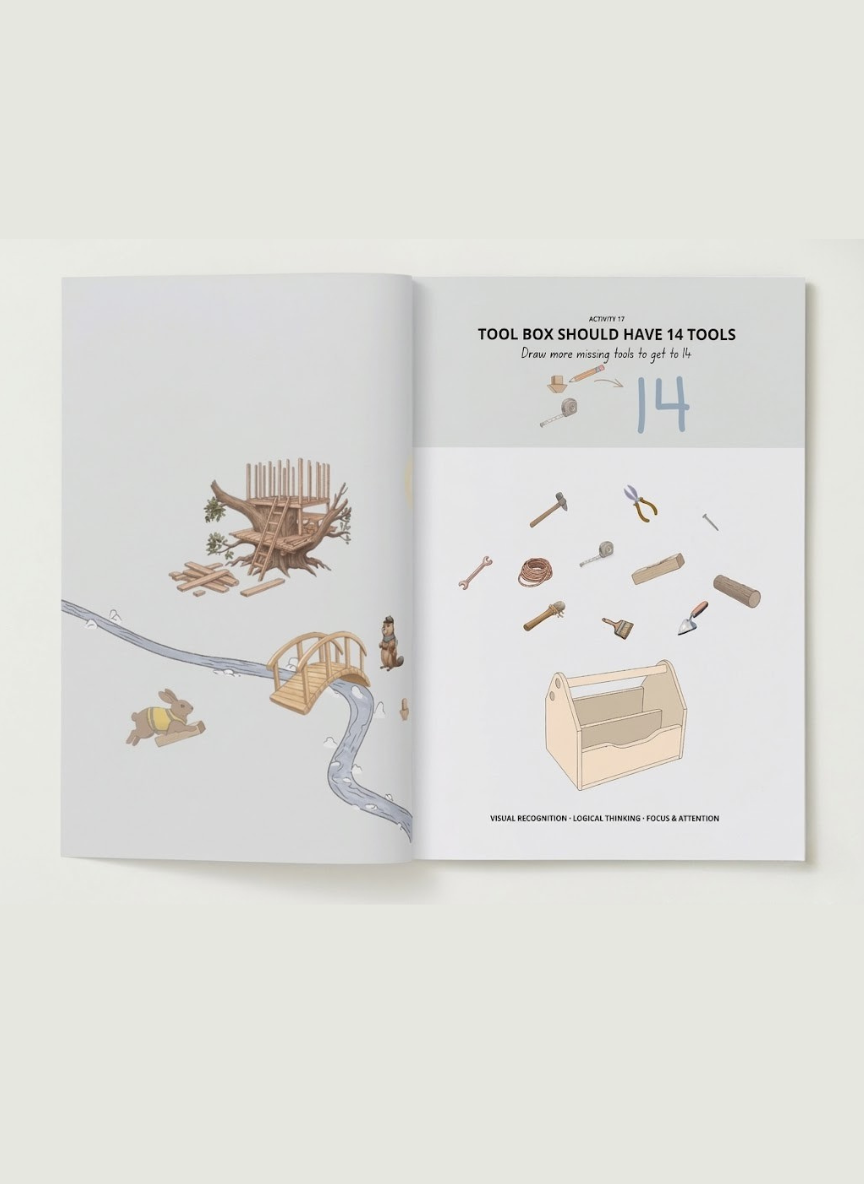
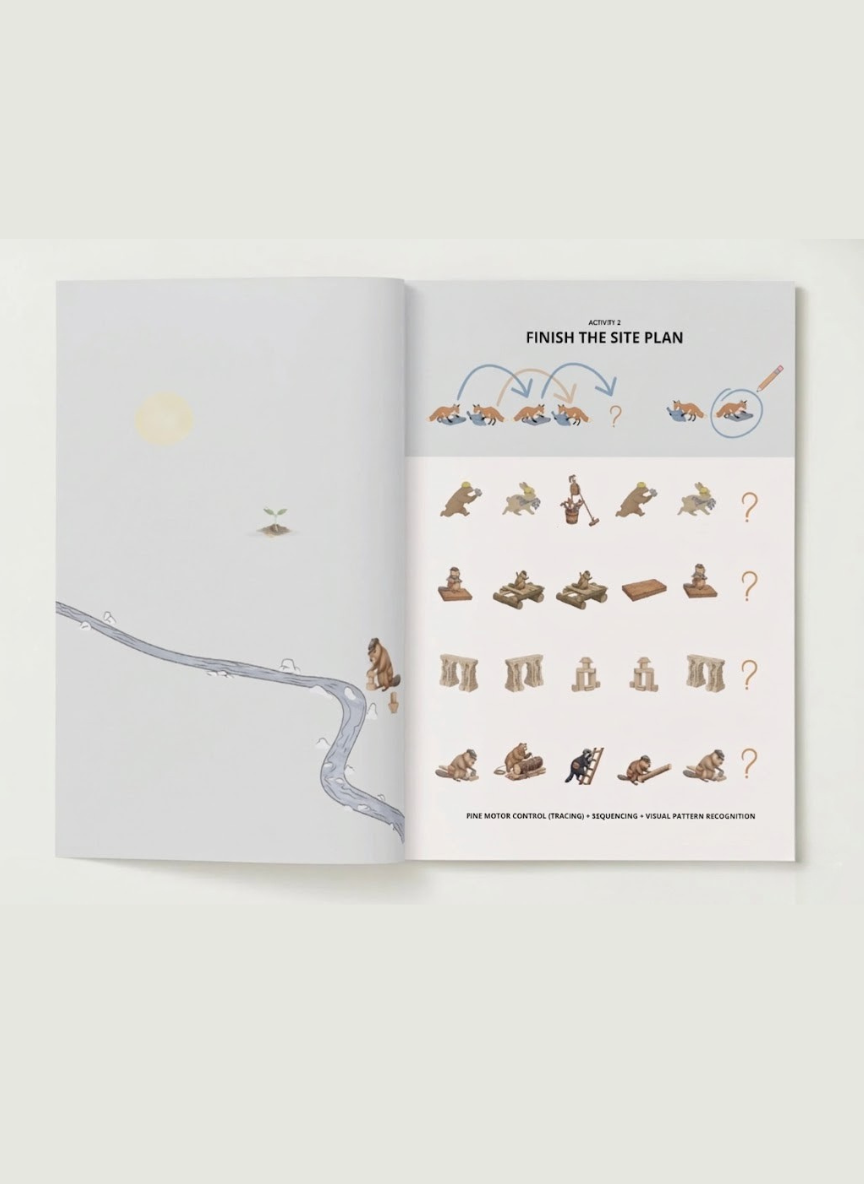
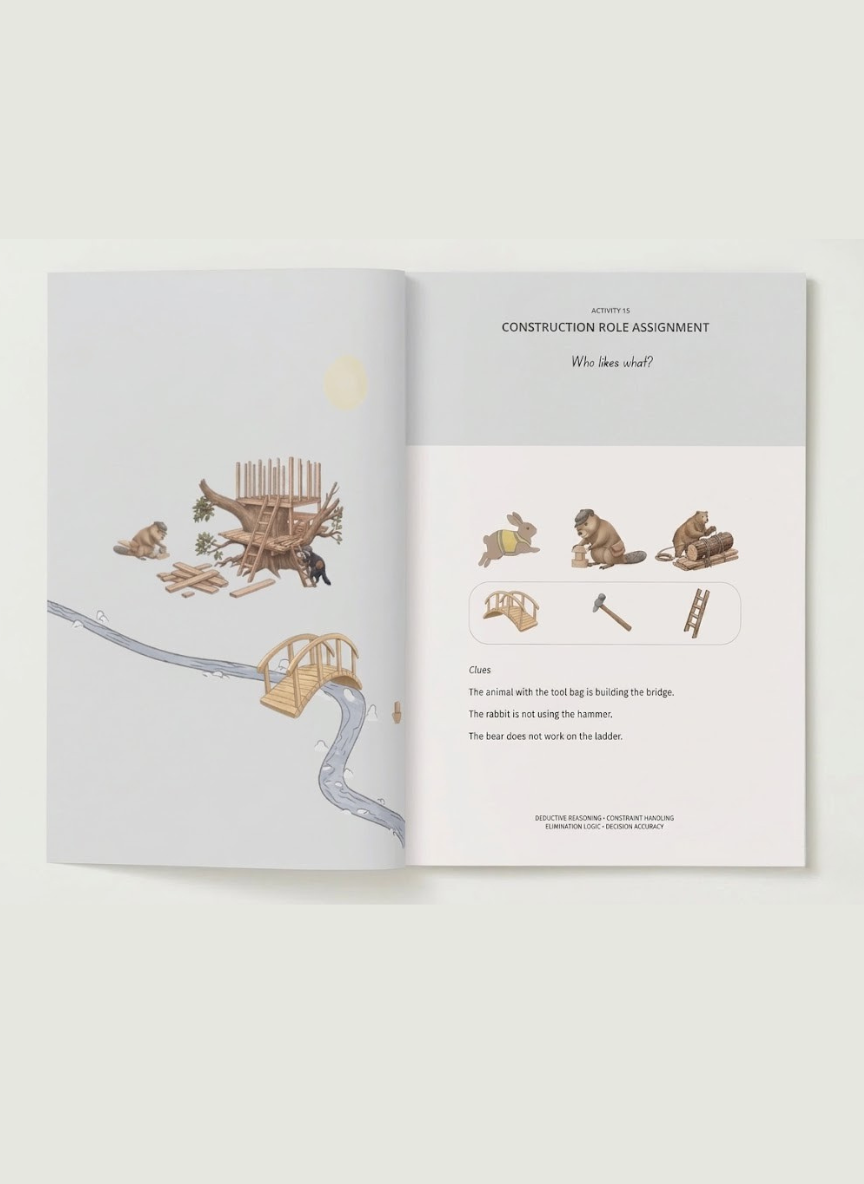
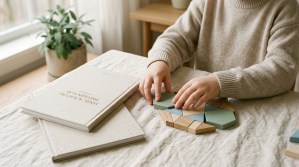
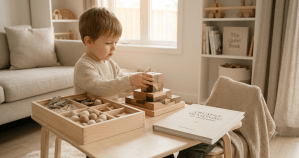
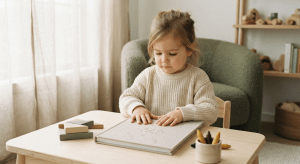
None of these skills develop by telling a child to “just go play.” They grow through repeated, low-pressure exposure to activities that are well-matched to a child’s stage, simple puzzles, tracing tasks, matching games, building sets, and sequencing activities that have a clear beginning, middle, and end.
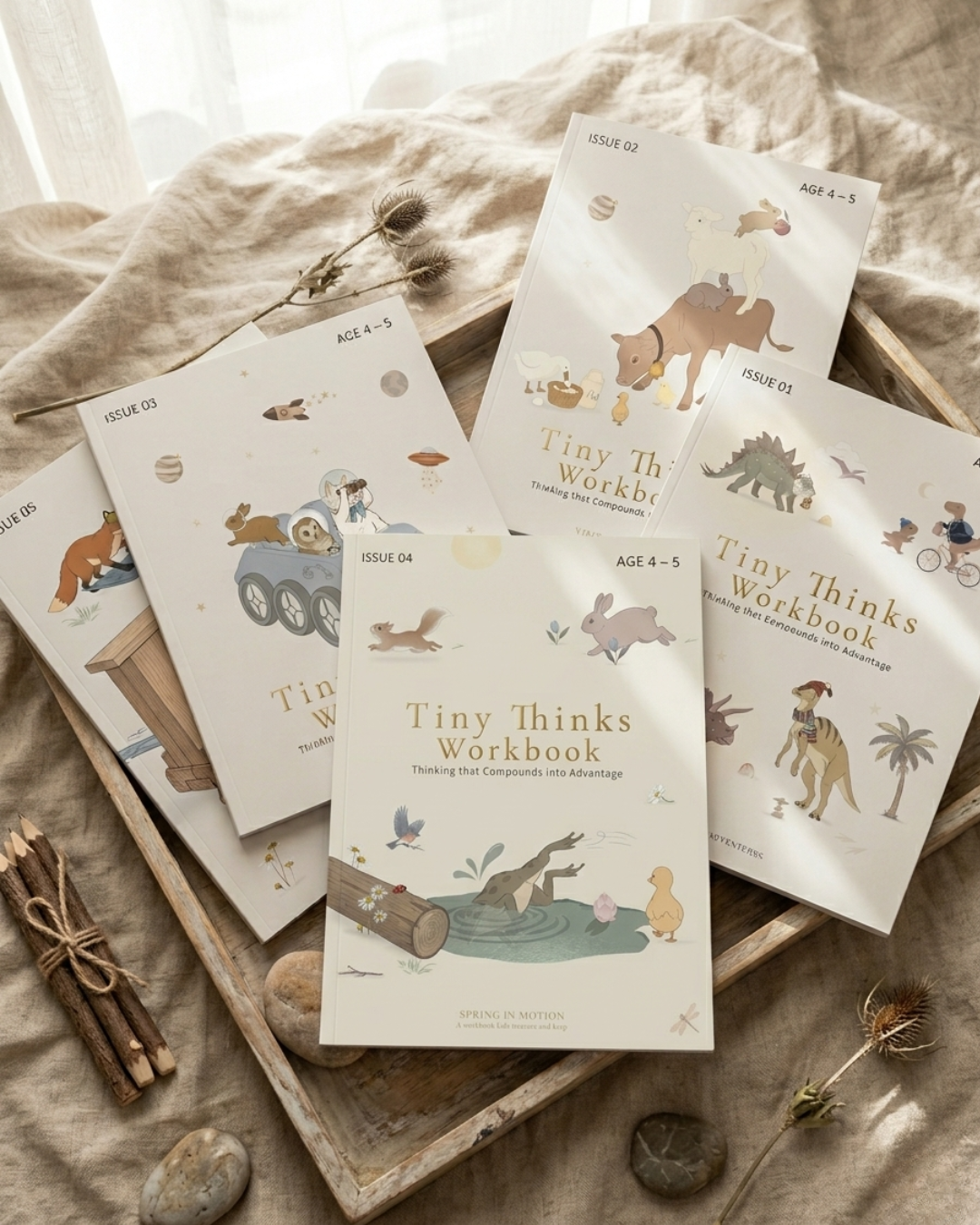
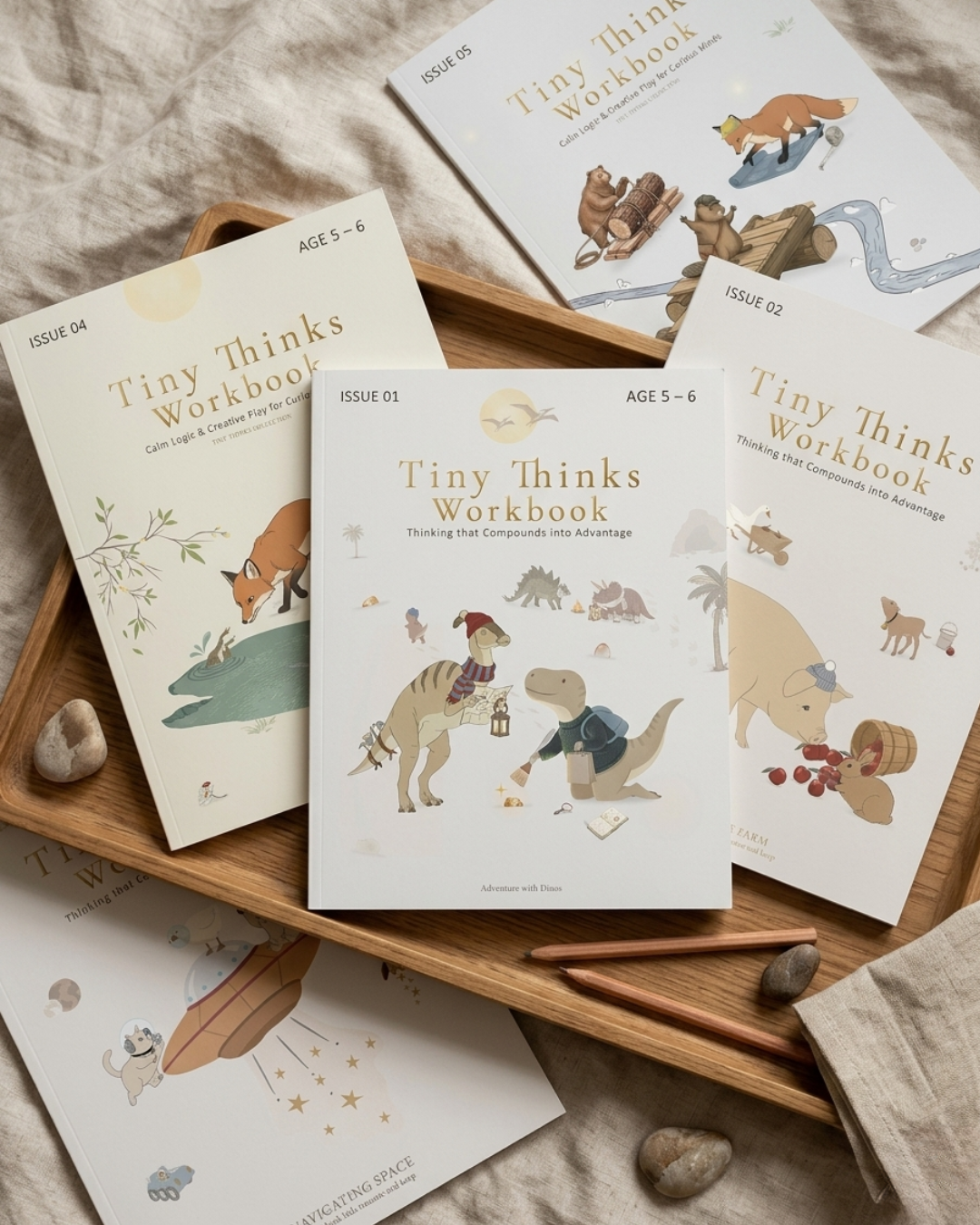
This is the foundation The Pre-Seven Learning Method is built on the thinking habits underneath learning: sustained attention, persistence, and independent thinking. Tiny Thinks workbooks are designed around exactly this, in calm, short sessions children can pick up on their own.
What Does Screen Time Do to a Child’s Attention?
Not all screen time is the same. A slow-paced programme that asks a child to think, choose, and respond is meaningfully different from autoplay content that moves without pause. This distinction matters most for young children, whose attention systems are still forming and are highly sensitive to the pace and structure of input.
Fast, algorithmically driven content designed to hold attention through constant novelty, sound effects, and visual change places children in a reactive state. They are not initiating, problem-solving, or self-regulating. They are responding to an uninterrupted stream of stimulation that requires nothing of them except continued watching.
Over time, repeated exposure to fast content can make slower activities feel less rewarding by comparison.. A child who has spent an hour with rapid-fire content may find a simple puzzle dull not because the puzzle is too hard, but because the pace is unfamiliar. The attention system, accustomed to fast input, struggles to settle into something quieter and more rewarding on its own terms.
Parents often describe this as the “after-screen slump” restlessness, low frustration tolerance, an inability to settle into anything slower. It is a recognisable pattern in Reddit parenting threads and a common search: “why can’t my child play independently after screen time.” This is not a behavioural problem. It is a regulatory one: the child’s attention system is still winding down from fast input and needs time and something quieter to recalibrate. The child is still winding down from fast input and often needs time and something slower to settle..
Screen Time vs Independent Play: The Real Developmental Difference

When we compare screen time vs independent play side by side, the contrast becomes clearer.
With fast or passive screen time, the child responds to input rather than generating it. No initiation is required. Frustration tolerance stays low because the content adapts instantly. Children often emerge restless. With independent play, the child must begin, persist, and self-regulate. Frustration tolerance builds through natural challenge. Working memory is used to hold steps and sequence. Children often emerge calm and satisfied.
With independent play, attention is generative and self-directed. The child must begin the activity independently. Frustration tolerance builds naturally through challenge. Working memory is actively used to hold sequence and steps. Children often emerge calm and satisfied. Skill development is consistent across activity types.
This does not mean screen time is harmful in itself. Slow, interactive, well-designed digital content can support language development, pattern recognition, and problem-solving. The concern is not screens per se it is fast, passive, autoplay-driven content that makes no demands on a child’s attention system except continued watching.
The question every parent can usefully ask is: what is this screen experience building and is independent play getting enough space alongside it?
When the Imbalance Shows Up at Home
The screen time vs independent play imbalance tends to show up most clearly at predictable moments in the day.
After school is one of the most common. Children arrive home already regulation-depleted after hours of structured input. Offering a screen in this window is understandable, it provides immediate calm and requires nothing of the adult. But fast content often extends the overstimulated state rather than resolving it. A brief, low-key independent activity a simple workbook page, a quiet puzzle, a patterning task can help a child shift gears more effectively.
Mealtimes are another flashpoint. Screens at the table interrupt conversation, reduce sensory awareness, and remove one of the day’s most reliable low-stimulation anchors. Protecting mealtimes as screen-free creates a predictable rhythm that children’s nervous systems recognise and respond to.
Transition times waiting rooms, car journeys, the period before bed are often filled with screens by default. These are also the moments when calm, portable independent activities have the most impact on a child’s ability to settle and self-regulate.
Tiny Thinks’ Free Calm Pack is built for exactly these windows structured thinking activities children can pick up independently, without adult setup. It’s a practical starting point for after school, mealtimes, or waiting rooms.
How to Build a Healthier Balance at Home
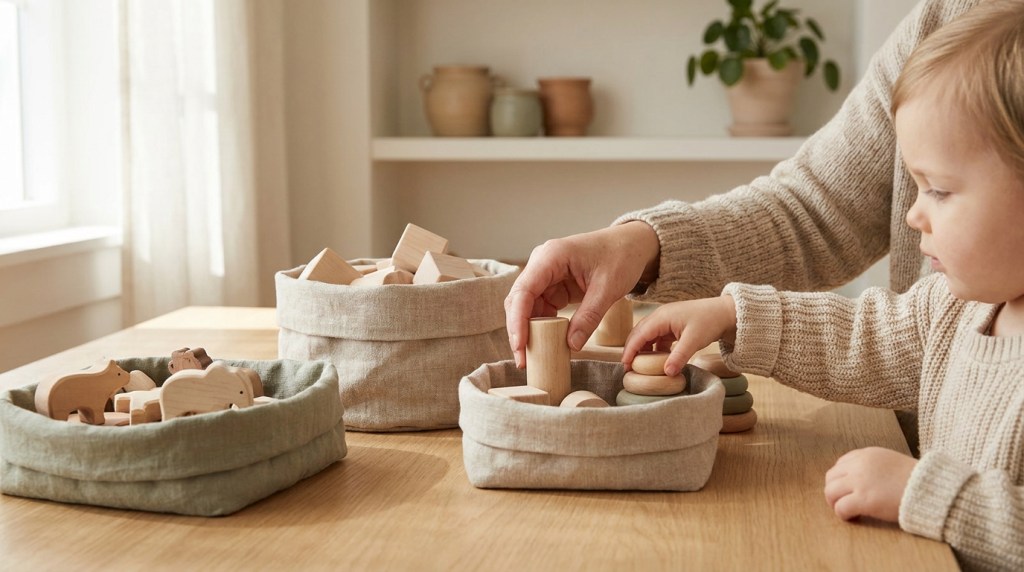
Building a better balance does not require strict rules. It begins with a few predictable moments in the day where a child knows what to expect and where that involves something calm and screen-free.
Make independent activities visible and accessible. A toy in a cupboard is rarely chosen independently. Activities left out at child height, in a predictable place, invite self-initiation without adult prompting a workbook on the coffee table is more likely to be picked up than one stored in a drawer..
Start alongside, then step back. Young children often need a moment of adult involvement to begin. Sitting together briefly, then gradually withdrawing, allows a child to build confidence before going solo.
Resist rescuing too quickly. When a child struggles, the instinct is to step in immediately. A short pause enough time to let the child attempt their own solution, builds far more frustration tolerance than instant help does.
Keep choices small. Too many options can be as overwhelming as none. A small selection of calm, manageable activities leads to more settled engagement than a room of competing stimulation.
Praise the process, not just the outcome. “You stayed with that for a long time” or “You worked that out on your own” reinforces the behaviours that actually matter persistence, self-direction, and focus.
Conclusion
The difference between screen time and independent play is not about screens being harmful. It is about what a child’s attention system is practising most. Fast, passive content asks nothing of a child except continued watching. Slow, self-directed activity asks them to begin, persist, and finish on their own terms and those repeated acts of beginning and persisting are how the habits that matter most get built.
Tiny Thinks turns ordinary quiet moments into thinking practice children come back to on their own.
Built for the years before seven, when the thinking habits that last attention, persistence, working it out first take shape. Rapid digital input fragments attention and keeps children in a perpetual search for overstimulation. Slow, structured play particularly when it’s tranquil and predictable assists kids to settle, focus, and develop independent thinking skills. In daily life, this difference shows up most during high-pressure moments: after school, at dinner, in waiting rooms, or before bed. Dependable, low-stimulation rhythms provide kids a path to self-regulate and return to self without requiring continual adult guidance.
Tiny Thinks gives children a calm, structured way to practise thinking in ordinary moments. Many families notice their child settling into focused tasks more comfortably over time and returning to them on their own
Frequently Asked Questions
What is the difference between screen time and independent play?
Screen time refers to time spent on tablets, phones, or TVs. Independent play means a child engaging with toys, puzzles, or imaginative activities on their own, without a screen
How much screen time is recommended for children?
According to experts, kids aged 2 to 5 should be limited to 1 hour of screen time per day. For older kids, parents ought to establish regular age and needs appropriate limits.
What are the benefits of independent play for children?
It’s independent play that fosters creativity, problem-solving, and self-confidence, offering preschoolers opportunities to engage in creative exploration and develop essential skills without screens.
Can screen time be educational for kids?
Yes, screen time can be educational if content is age-appropriate and interactive. Balance with other things is important.
How can parents encourage independent play?
After: Parents can create a safe space, offer open-ended toys, and acknowledge when a child sticks with something independently.. By limiting excess screen time and encouraging outdoor play, you’ll help your preschoolers engage in unstructured play.
Are there negative effects of too much screen time?
Excessive screen time can cause sleep problems and hinder social skills, making it essential for preschoolers to engage in more active play and unstructured play.
How do I balance screen time and independent play?
Establish boundaries for screens on a daily basis and carve out independent play. Here’s where involving your kids in selecting non-screen activities to keep them occupied becomes important.