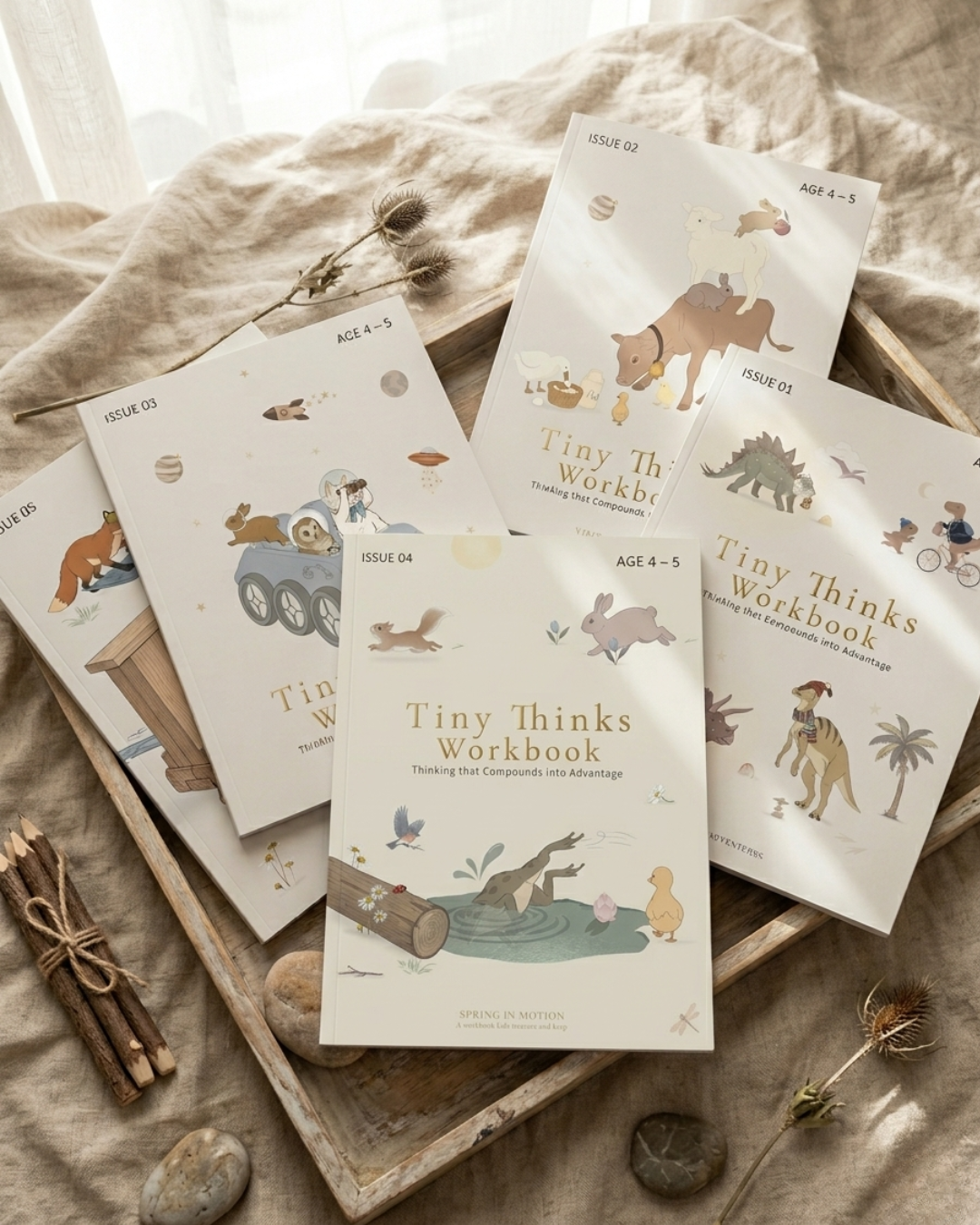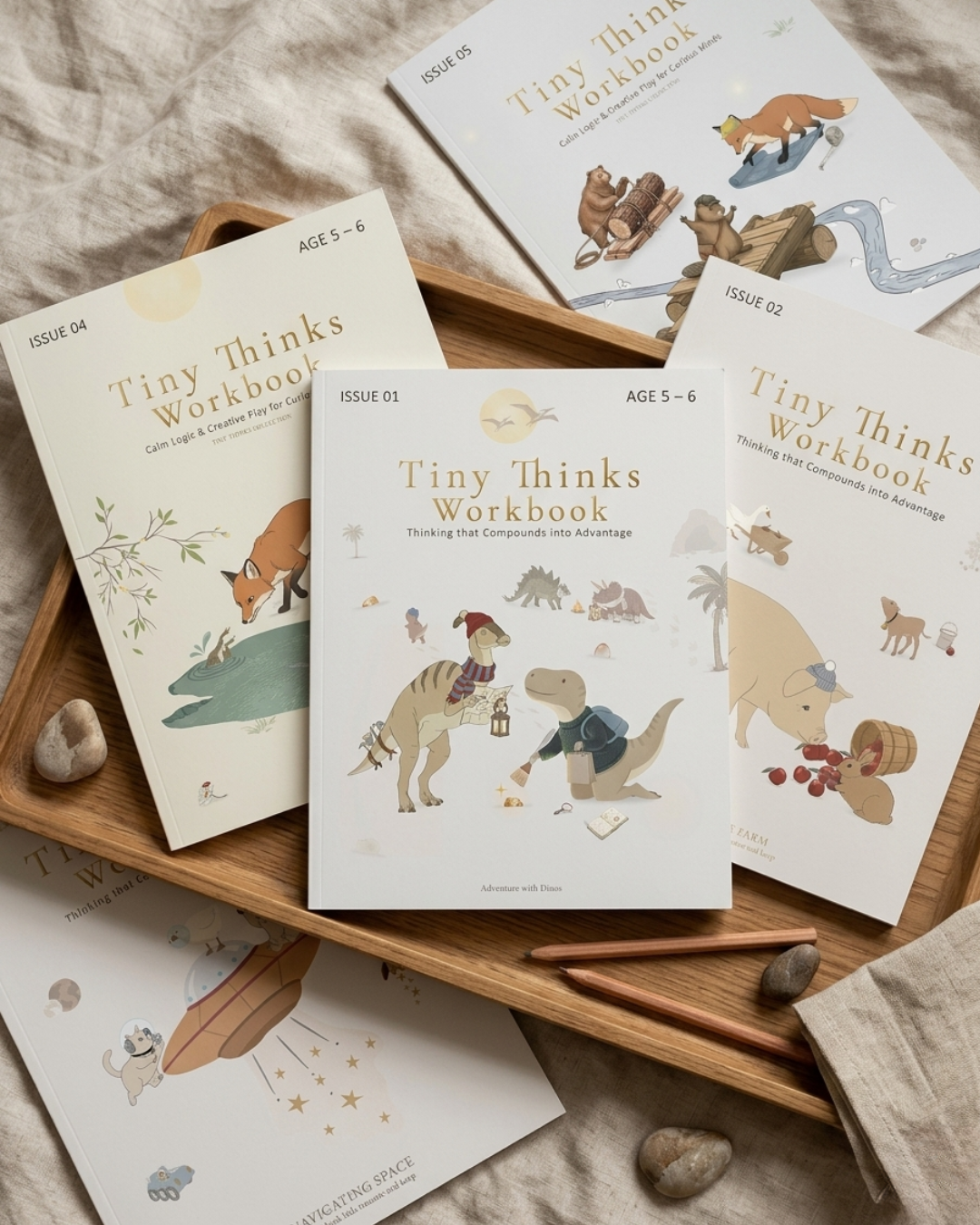



Key Takeaways
- A preschool worksheet only builds thinking skills if the child has to notice, hold, try, or check something while doing it, not just fill in a mark.
- There is no research-backed number of worksheets a preschooler should complete each day. What matters more is whether the child finishes the task with attention, not how many pages get done.
- Worksheets that ask a child to trace, match, sort, or spot a pattern practice sustained attention, working memory, and early self-control, three of the ten capabilities in the Pre-Seven Learning Method.
- Worksheets are not harmful, but a stack of repetitive tracing pages given without adult attention often becomes passive busywork rather than thinking practice.
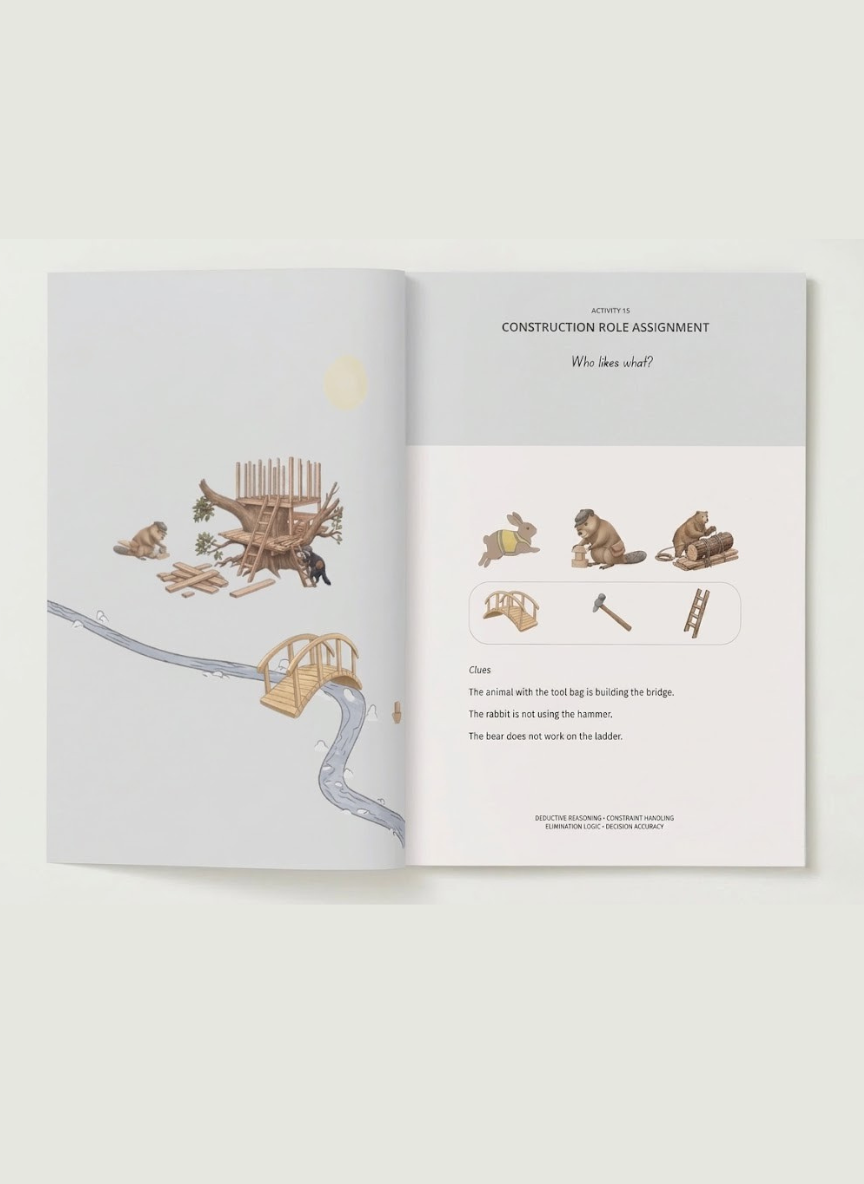
- By ages 5 to 7, useful worksheets should ask a child to check their own answer or complete more than one step, not just copy or color.
- The Pre-Seven Learning Method is a four-stage, screen-free approach for ages 3 to 7 that builds sustained attention and nine other cognitive capabilities through small, calibrated thinking missions, and worksheets are one small piece of that practice, not the whole of it.
Preschool Learning Worksheets PDF: How to Choose Printables That Actually Build Skills
A good preschool learning worksheet PDF is not automatically educational just because it has letters or numbers on it. Its real value comes from whether your child has to notice something, hold an instruction in mind, try an approach, or check their own work while completing it. A worksheet that only asks for a mark on a page, with no thinking required, is not doing much for your child even if it looks tidy when finished.
That distinction matters more than which printable pack you download. Two worksheets can look almost identical and do completely different jobs. One might build a habit of finishing a task with attention. The other might just keep a child’s hand busy for four minutes.
What Parents Really Mean by Preschool Learning Worksheets PDF
When parents search for preschool learning worksheets PDF, they usually want something specific: a free, printable, ready-to-use page that feels educational, takes little planning, and gives their child independent practice before kindergarten. There is often a quiet worry underneath the search, something like: am I doing enough at home, or will my child start school behind the other kids?
That worry is common and it is not a sign you are behind. Most families are not looking for a full curriculum. They want a simple page to print at nine at night that will give their three, four, or five-year-old ten calm minutes of something useful the next morning.
Are Worksheets Good for Preschoolers?
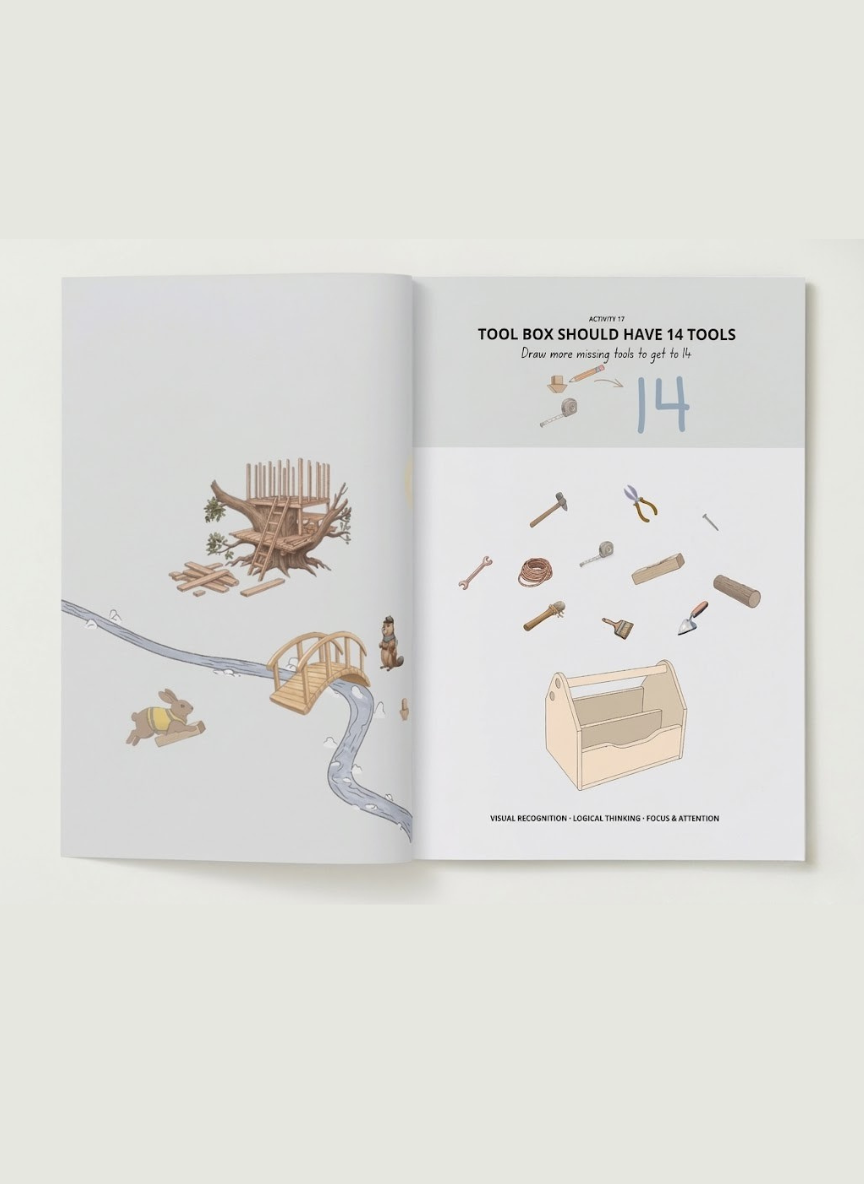
Worksheets can be good for preschoolers when they are short, age-matched, and used with some adult attention. They are not automatically good just because they are labeled preschool or educational. A worksheet becomes worthwhile when it asks a child to do something slightly effortful, like matching a pattern, tracing a shape with control, or finding the item that does not belong.
Worksheets stop being useful when they turn into repetition without engagement, like fifteen identical tracing lines a child scribbles through without looking. At that point the page is filling time, not building a skill. This is one of the few places where a worksheet-versus-hands-on debate is worth having directly: worksheets are not harmful on their own, but they are not automatically better than blocks, puzzles, or a kitchen sorting task either. The format matters less than what the task asks the child’s brain to do.
The Skills Preschool Worksheets Can Actually Build
The most useful preschool worksheets build attention and follow-through, not just letter or number recognition. A child who traces a wavy line from start to finish without lifting the pencil is practicing something bigger than pencil control. They are practicing staying with a task past the point where it stops being new.
This is worth naming plainly. Some children give up the moment a task gets slightly harder, moving to a new page, a new toy, a new distraction, before finishing what they started. Other children keep going, checking their own line against the dotted path, correcting a wobble, staying with it a beat longer than the child next to them who has already wandered off. That difference points to three capabilities still forming: sustained attention, working memory, and planning and self-control. These are three of the ten capabilities the Pre-Seven Learning Method is built around. Parents interested in executive function and school readiness skills can explore resources from Harvard’s Center on the Developing Child.
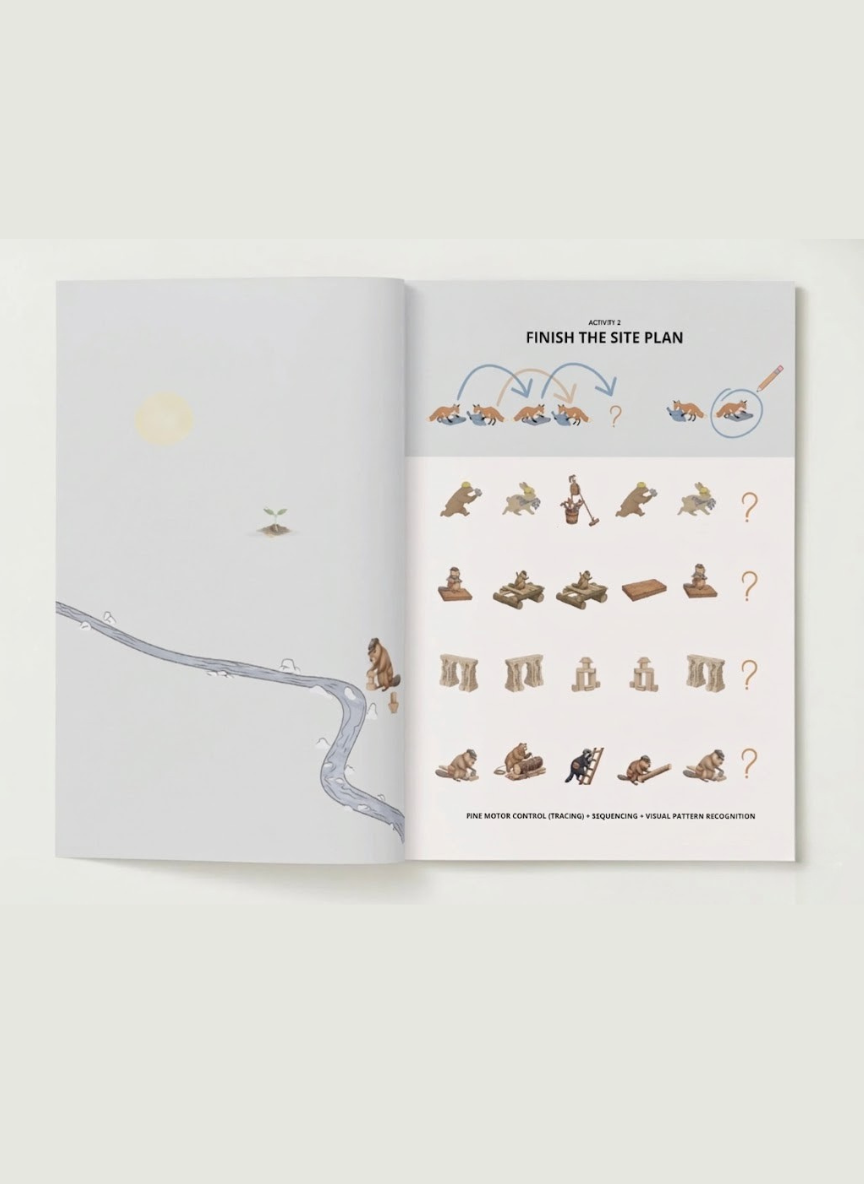
A matching worksheet where a child has to spot which two shapes are the same practices pattern recognition. A simple sequencing page, where a child figures out what comes next in a row of triangle, circle, triangle, circle, does the same thing. These are quiet, unglamorous skills. They rarely get mentioned when people talk about preschool readiness, but they show up constantly in a kindergarten classroom, in the child who can sit through a full instruction, hold it in mind, and actually do the thing that was asked.
The Best Worksheet Types by Age and Developmental Stage
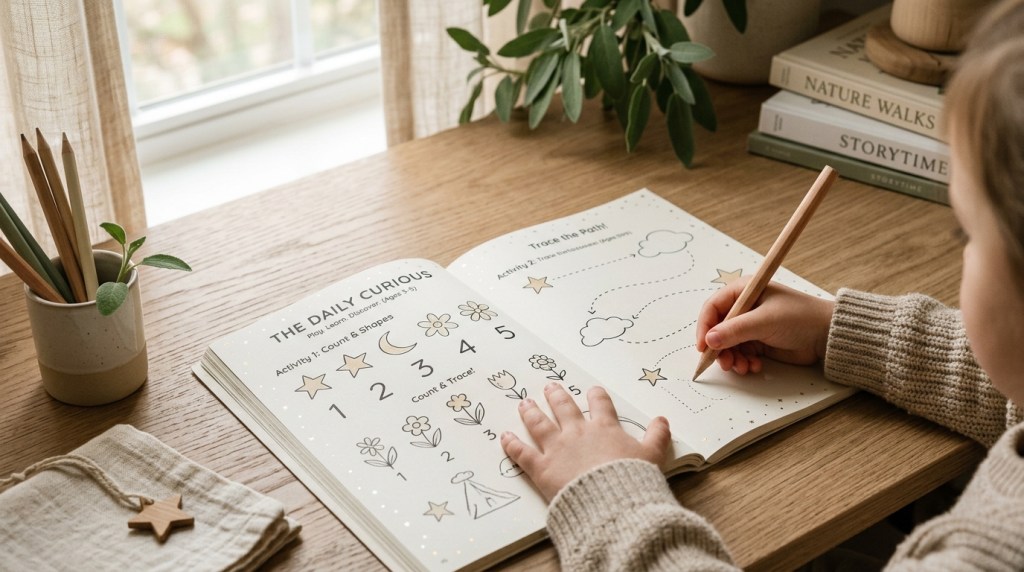
The right worksheet depends more on your child’s current skill level than their exact birthday. At ages 3 to 4, worksheets should be short and mostly physical: tracing thick dotted lines, matching identical pictures, simple coloring within a bold border, or sorting objects by one clear trait like color or size. The goal at this stage is finishing a small, visible task, not academic content.
By ages 5 to 7, worksheets can ask for more. This is the stage where a worksheet should require some checking, some explaining, or more than one step: circle the shape that does not belong and say why, count the dots and write the matching number, follow a two-part instruction like color the big circle red and the small circle blue. A worksheet that only asks a five or six-year-old to trace a letter for the tenth time is likely below their current level.
- Ages 3-4: short matching, tracing, and simple coloring tasks with one clear goal
- Ages 5-7: worksheets that require checking an answer, following two-step directions, or explaining a choice out loud
- Any age: a worksheet is well-matched if your child can complete it with some effort but without frustration or total disengagement
How to Use PDFs Without Turning Learning Into Pressure
The simplest way to avoid pressure is to treat worksheets as one small activity among many, not a daily requirement. A single page done with attention is worth more than a packet done to get it over with. If your child resists table time, that is useful information, not a failure on your part or theirs.
In Tiny Thinks terms, a worksheet works best when it gives a child one small chance to stay with a task, notice a pattern, or check an answer. It is the thinking inside the page that matters.
Try pairing the worksheet with something physical or verbal. After a matching page, ask your child to find two matching objects somewhere in the room. After a counting page, count the stairs together on the way to bed. This turns the worksheet into a starting point rather than the whole activity, and it gives the practice a second, more playful life. For more calm alternatives beyond printables, see Screen-Free Activities for Kids (Ages 3–7): Calm, Focused Alternatives That Actually Work.
What to Look for Before Downloading Free Preschool Worksheets
Before printing a free preschool worksheets PDF, check whether the page asks your child to do something beyond marking or coloring. Look for a task with one clear goal, minimal clutter, and enough white space that your child is not overwhelmed by tiny details. A worksheet crowded with ten unrelated pictures and a paragraph of instructions is usually built for a search algorithm, not a four-year-old.
- One clear task per page, not five mixed activities
- Print quality that does not depend on color ink, since most home printers run out fast
- No answer keys printed on the same page where a child can see them
- Content that matches your child’s current skill, not just their age in years
- No excessive branding, ads, or watermarks that clutter the page
What Is The Pre-Seven Learning Method?
The Pre-Seven Learning Method is a four-stage, screen-free approach for children ages 3 to 7 that builds ten cognitive capabilities underneath learning and academics through small, calibrated thinking missions during the formative years before age seven. Worksheets can be one small format within this approach, but the method treats them as thinking practice rather than academic content to memorize.
Within the method, a worksheet is chosen for the capability it practices, not the topic printed on it. A tracing page is useful because it builds sustained attention and pencil control, not because it happens to feature the letter B. A matching page is useful because it builds pattern recognition, not because it features farm animals. This shift, choosing by thinking skill instead of subject, is the core idea behind how Tiny Thinks approaches printable practice.
Common Worksheet Mistakes Parents Can Avoid
The most common mistake is handing over a large packet all at once, hoping it will keep a child busy for an afternoon. This often backfires. Long packets tend to cause the exact resistance parents are trying to avoid, turning a five-minute task into a daily battle.
A second common mistake is choosing worksheets that are too advanced, which leads to a child either giving up or guessing without understanding. A third is repeating the same tracing pages so often that a child starts scribbling through them automatically, without really looking at the line. When that happens, the worksheet has stopped building attention and started training disengagement.
Tiny Thinks treats printable practice as a small thinking mission, not a pile of pages to get through. The aim is a child who finishes one well-matched challenge with attention, not one who completes the most sheets.
A Simple Weekly Preschool Worksheet Routine
A workable routine is far smaller than most parents expect. One short worksheet a day, four or five days a week, done alongside you rather than handed over alone, tends to work better than a big weekend packet. Keep sessions to five or ten minutes for younger preschoolers and up to fifteen for children closer to kindergarten age.
Vary the type across the week rather than repeating the same skill daily: one tracing page, one matching or pattern page, one counting page, one page that asks your child to circle a mistake or explain their answer out loud. This gives attention, memory, and pattern recognition all a small turn, instead of only ever practicing one skill.
If you want printable practice that feels calm and purposeful, Tiny Thinks workbooks use The Pre-Seven Learning Method to turn short table-time tasks into regular practice for attention, pattern recognition, working memory, and follow-through. Start with the Free Calm Pack, or browse the Tiny Thinks workbooks for age-matched screen-free activities.
FAQ
Are worksheets good for preschoolers?
Worksheets can be good for preschoolers when they are short, age-matched, and involve some adult attention, but they are not automatically educational just because they look like schoolwork.
What worksheets should preschoolers do?
Preschoolers benefit most from short tracing, matching, sorting, and simple pattern worksheets that ask them to notice or complete one clear task rather than memorize facts.
How many worksheets should a preschooler complete?
There is no research-backed number of worksheets a preschooler should complete daily, but one short page done with attention is more useful than a full packet rushed through.
Are free preschool worksheets enough?
Free preschool worksheets can offer useful short practice, but they work best alongside hands-on play, conversation, and physical activity rather than as a full replacement for them.
What skills should preschoolers practice?
Preschoolers benefit from practicing sustained attention, following simple directions, recognizing patterns, and building pencil control, all of which show up later in classroom tasks. Everyday practice like this is what the Pre-Seven Learning Method focuses on in the years before seven.
Is age three too young for worksheets?
Age three is not too young for very short, simple worksheets like large tracing lines or basic matching, as long as sessions stay brief and pressure-free.
Should my child already write letters by preschool?
Most preschoolers are still developing pencil control and are not expected to write letters independently, so tracing and pre-writing practice is developmentally appropriate at this stage.
Is it bad if we skip worksheets some days?
Skipping worksheets on some days is not harmful, since play, conversation, and everyday tasks like sorting laundry or counting snacks build many of the same skills.
When should worksheets be replaced with play?
Worksheets should be balanced with play whenever a child shows frustration, boredom, or disengagement, since play offers many of the same attention and problem-solving opportunities without pressure.
References
Activities and Programs That Improve Children’s Executive Functions (Diamond, 2012), Current Directions in Psychological Science
https://journals.sagepub.com/doi/abs/10.1177/0963721412453722
Interventions and Approaches Targeting Early Self-Regulation or Executive Functioning in Preschools (Muir et al., 2023), Educational Psychology Review
https://link.springer.com/article/10.1007/s10648-023-09740-6