


Key Takeaways
- Calm down worksheets work best when they teach a repeatable sequence: notice the body, name the feeling, choose a strategy, then reflect, rather than a single breathing exercise.
- Practicing a calm down plan during quiet moments matters more than introducing it mid-meltdown, since a dysregulated brain has limited capacity to learn something new.
- Children as young as three can begin noticing body signals like a hot face or clenched hands, even before they can choose or name a coping strategy on their own.
- A calm down corner and a calm down worksheet serve different jobs: one is a physical space, the other is the thinking plan a child rehearses so the space actually gets used.
- Persistent, daily dysregulation that does not ease with practice and connection is worth mentioning to a pediatrician, separate from typical big feelings.
- Calm down worksheets are most effective when they build planning and self-control, two of the ten capabilities in the Pre-Seven Learning Method, by giving children a chance to think a step ahead before their emotions take over.
Calm Down Worksheets for Kids work best when children practise using them before emotions become overwhelming.The child who is mid-meltdown on the kitchen floor is not thinking about a worksheet. Neither is the child who has just thrown a shoe across the room because a sock felt wrong. Most parents searching for calm down worksheets have already tried handing one over in the heat of the moment, and most have watched it get ignored, ripped, or thrown along with everything else.
A Calm Down Worksheets for Kids is not really about making a child quiet. Before age seven, it becomes useful when it teaches a child to notice body signals, choose a strategy, and rehearse self-control before a meltdown peaks, not during it. The worksheet itself does not do the calming. The practice behind it does.
What Calm Down Worksheets Are Really For
A calm down worksheet is a visual tool that walks a child through a sequence: notice how the body feels, name the feeling, pick a strategy, then check how it went. It is not a punishment chart, and it is not a magic trick that stops a tantrum on contact.
Most printables available online focus on one piece of that sequence, usually breathing. A single breathing card can help some children, but it skips the steps that come before it. A child cannot choose a strategy they have never practiced, and they cannot choose anything at all if they have not yet noticed their body is heating up.
The stronger worksheets treat calming as a small plan with a few steps in order, something a child can eventually run through on their own. That sequencing is the part most calm down printables leave out.
When Calm Down Worksheets Work Best
Calm down worksheets work best when they are introduced and practiced before a child is upset, not handed over during the meltdown itself. A dysregulated brain has very little capacity for reading a new chart or following unfamiliar instructions.
This is the part that frustrates a lot of parents. You reach for the worksheet in the moment because that is when you remember it exists. But that is the hardest possible moment for a child to learn anything new. The learning has to happen earlier, when everyone is calm and nothing is on fire.
A workable rhythm looks like this: look at the worksheet together during a quiet afternoon, walk through what each strategy feels like, then let your child pick a favorite. Only after a few calm run-throughs does it become something they can reach for mid-storm, and even then, expect them to need your voice alongside it for a while.
What to Include on a Calm Down Worksheet
A useful calm down worksheet usually includes four things: a way to name the feeling, a way to notice body signals, a short list of strategy choices, and a simple space to reflect afterward.
- Feelings check: simple faces or words like mad, scared, frustrated, so a child can point instead of explain.
- Body signals: a basic body outline where a child marks where they feel it, hot cheeks, tight fists, a fast heart.
- Strategy choices: two to four options, not ten. Squeeze a pillow, take five breaths, get a hug, count to ten, go to the calm corner.
- A reflection line: did it help, a little, or should we try something else next time.
Keep the choices few. A child who is already overwhelmed does not benefit from scanning eight cartoon strategies. Two or three real options, practiced ahead of time, beat a laminated poster of everything.
Best Calm Down Strategies by Age 3-7
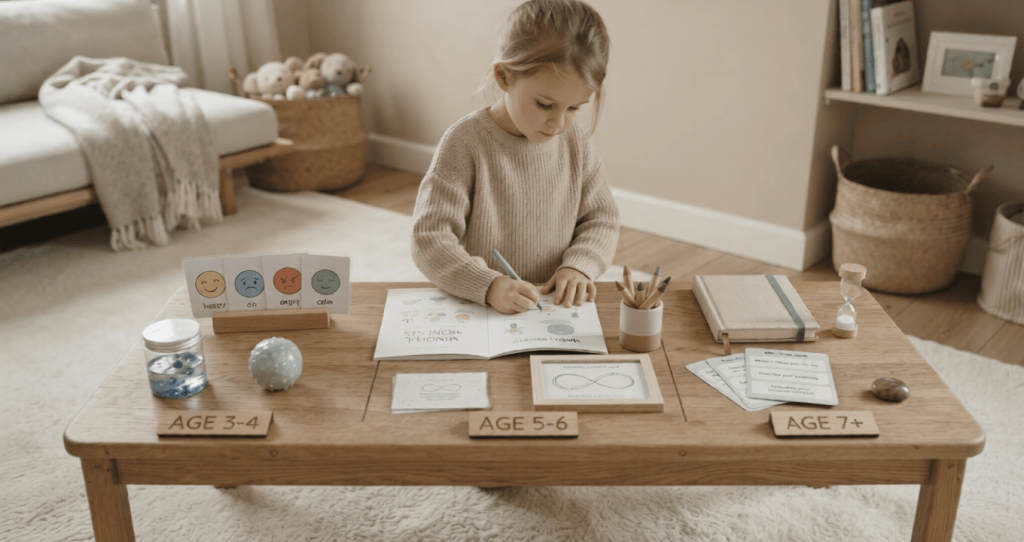
The right calm down strategy depends heavily on age, since younger children are still learning to notice their own body signals, while older children can begin choosing and reflecting with more independence.
Ages 3 to 4 are mostly learning to notice that something is happening in their bodies at all. A parent narrating helps more than any worksheet: your hands are in fists, your voice is loud, I wonder if you are feeling frustrated. This is the noticing stage, not the choosing stage.
Ages 4 to 5 can start choosing between two simple strategies you have practiced together, like squeezing a pillow or taking slow breaths. They still need you nearby holding the plan with them.
Ages 5 to 7 can usually plan ahead in calmer moments, try a strategy with less prompting, and talk briefly afterward about whether it worked. This is where a written or drawn plan starts to do real work, since the child can now hold more of the sequence in mind.
Calm Down Corner vs Calm Down Worksheet
A calm down corner is a physical space set aside for regulating emotions, while a calm down worksheet is the thinking plan that gives that space a purpose. Neither works well without the other.
A corner with bean bags and no plan often turns into a play area, which is a common complaint from parents. A worksheet with no corner to use it in is just paper. Put together, the corner becomes the place a child goes, and the worksheet becomes the plan for what they do once they get there.
A calm down corner is not a timeout, and it should not be framed as punishment. It works better described as a place to go when big feelings show up, the same way you might step outside for air.
Why Some Worksheets Fail
Calm down worksheets often fail for three reasons: they are introduced for the first time during a meltdown, they offer too many choices at once, or they are treated as a single magic fix rather than a skill built through repetition.
Breathing cards sometimes backfire for a specific reason worth naming. A child who is already flooded with anger can experience being told to breathe as another demand, not a relief, which can make things briefly worse before it helps. This does not mean breathing is useless. It means it needs to be practiced calmly first, and offered gently rather than instructed firmly, in the moment.
Worksheets are not harmful, but they are also not a shortcut. A printable that is handed over cold, with no prior practice, is asking a child to learn a brand new skill at the worst possible moment. That is a timing problem, not a worksheet problem.
How Worksheets Build Planning and Self-Control
A child who checks a strategy card, picks one, and tries it is practicing a small, complete version of planning ahead. Parents interested in learning more about executive function skills in young children can explore resources from Harvard’s Center on the Developing Child. Trouble calming down usually points to capabilities still forming: planning and self-control, error detection, and working memory. These are three of the ten capabilities the Pre-Seven Learning Method is built around.
Picture the child who, before a hard transition, glances at their strategy cards, points to the pillow-squeeze one, and walks to the corner without being told. That small sequence, noticing the feeling coming, choosing ahead of time, and acting on the plan, is the same thinking a child later uses to check their work before turning it in or to pause before blurting out an answer.
In Tiny Thinks terms, this is not random calming practice; it is a small rehearsal of noticing, choosing, and following a plan.
What Is The Pre-Seven Learning Method?
The Pre-Seven Learning Method is a four-stage, screen-free approach for children ages 3 to 7 that builds ten cognitive capabilities underneath learning and academics through small, calibrated thinking missions during the formative years before age seven.
Planning and self-control sits at the center of this article. A calm down worksheet, used consistently, gives a child small, low-stakes chances to notice a rising feeling, choose from a few known options, and act before things escalate. That rehearsal is what the method calls thinking a step ahead before starting, and it shows up again later in schoolwork, friendships, and any task that requires a pause before reacting. For more practice ideas around calm, focus, and self-control, see Self-Regulation Activities for Preschoolers.
What to Do If Your Child Refuses
If a child refuses a calm down worksheet, the most useful response is usually to lower the pressure rather than push harder. Refusal often means the worksheet feels like a new demand, not a tool they trust yet.
Try practicing without asking anything of your child in the moment. Fill it out together for a stuffed animal or a character in a book. Let your child watch you use a strategy card when you are frustrated, out loud, so they see it modeled rather than assigned. Some children need weeks of low-pressure exposure before they use the worksheet themselves, and that timeline is normal, not a sign it is failing.
That low-pressure repetition is often where emotional regulation begins to feel usable rather than imposed.
When to Seek Extra Support
Occasional meltdowns, refusal of coping tools, and slow progress with a calm down plan are typical for children under seven and do not usually signal a deeper problem. Consider talking with a pediatrician if dysregulation is daily, intense, and shows little change over months despite calm, consistent practice.
This is context, not a diagnosis. A calm down worksheet is a practice tool, not a treatment, and it is not designed to address anxiety, sensory processing differences, or other clinical concerns. A pediatrician can help sort out what is developmentally typical from what deserves a closer look.
Do Calm Down Worksheets Actually Work
Calm down worksheets can help children pause, name a feeling, and choose a strategy, but they work best as a practiced plan rather than a one-time fix pulled out during a crisis. Some children respond quickly. Others need months of quiet, low-stakes repetition before a worksheet does much during a real meltdown.
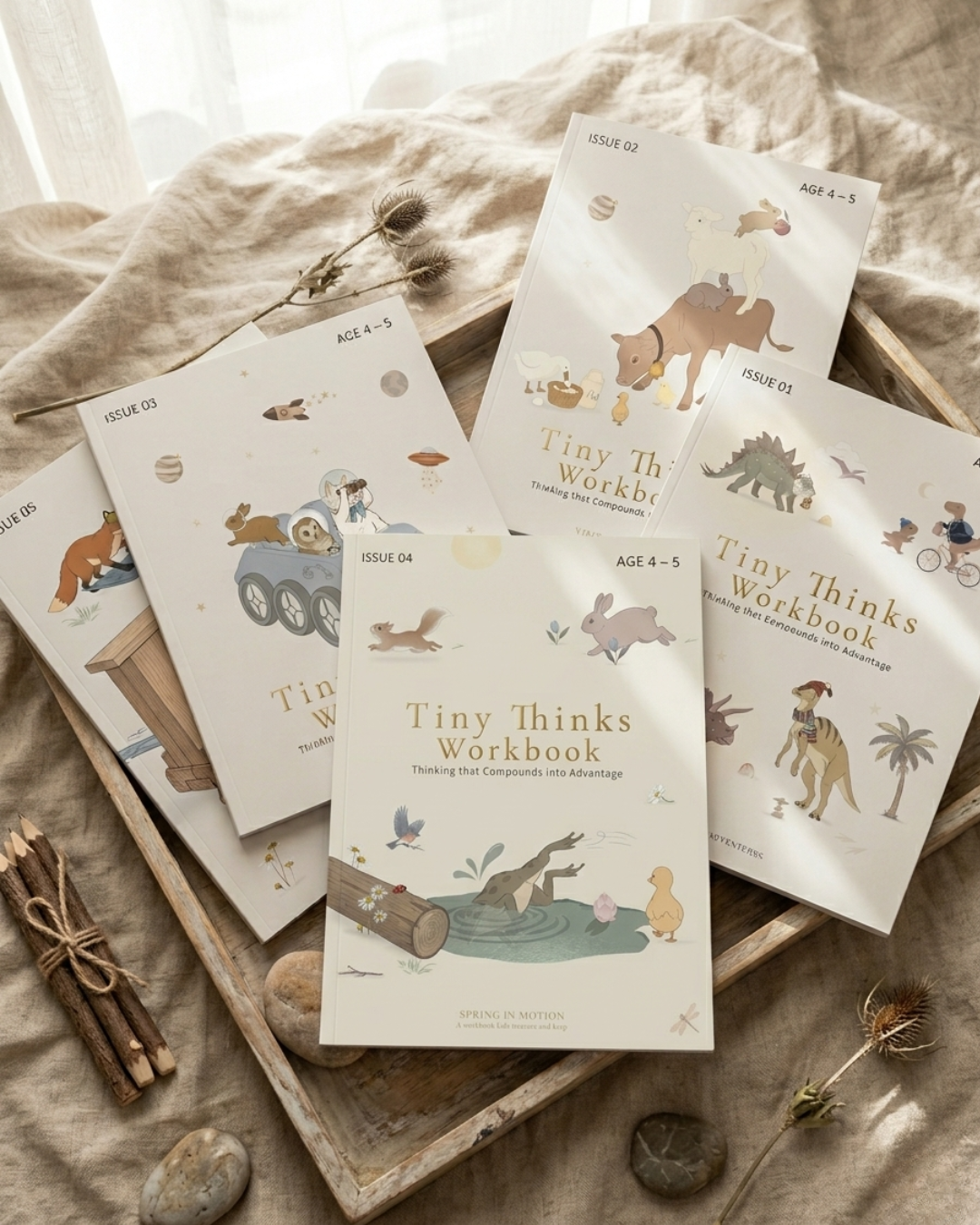
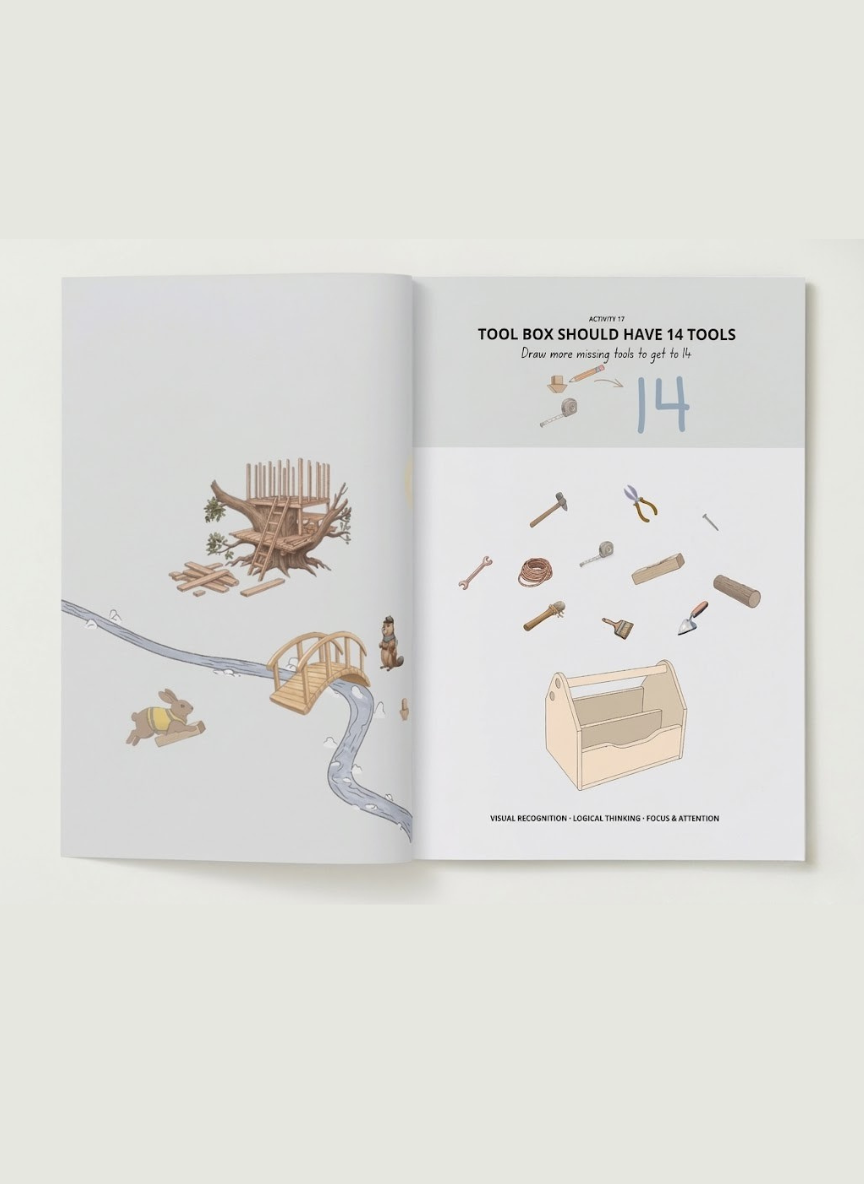
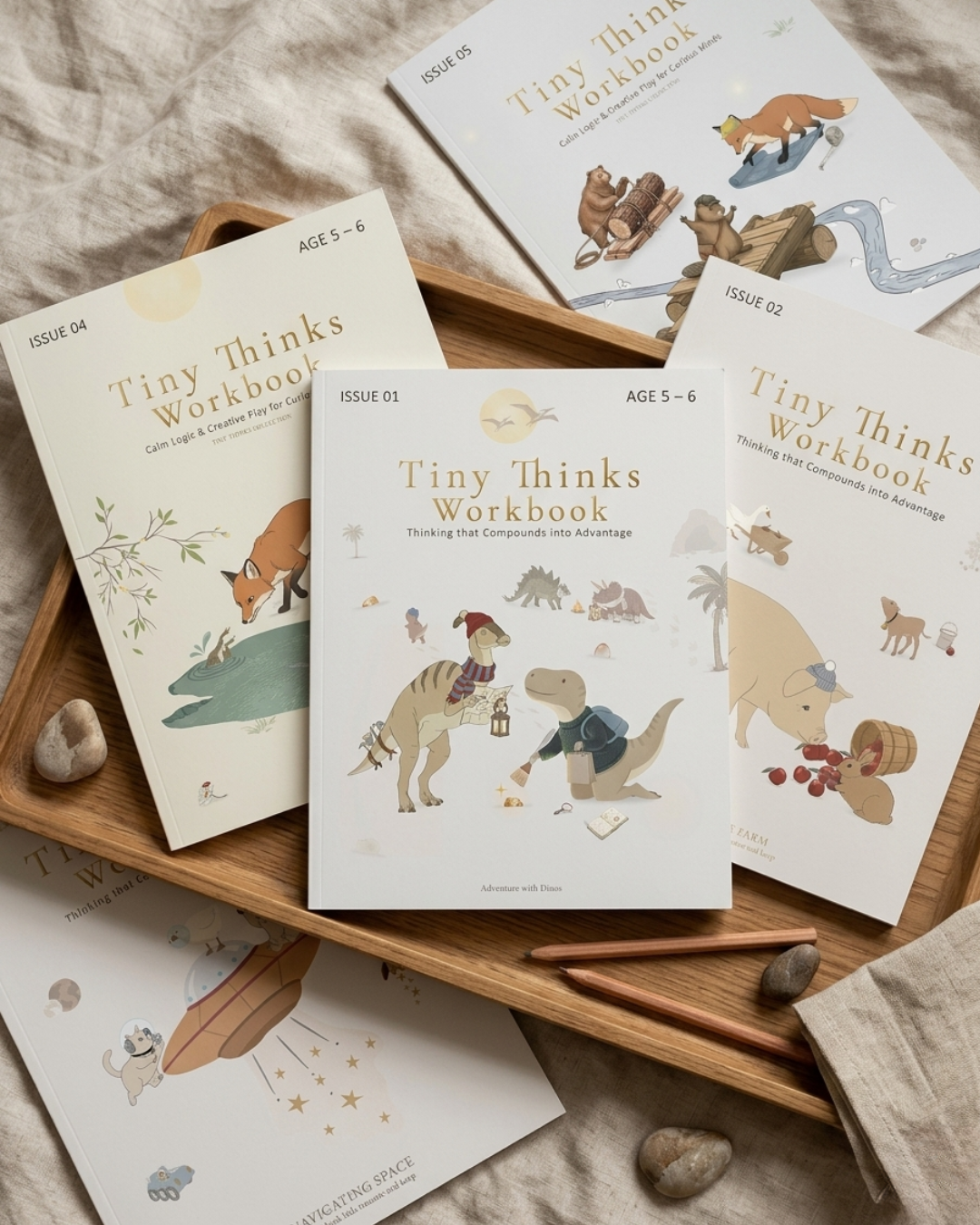
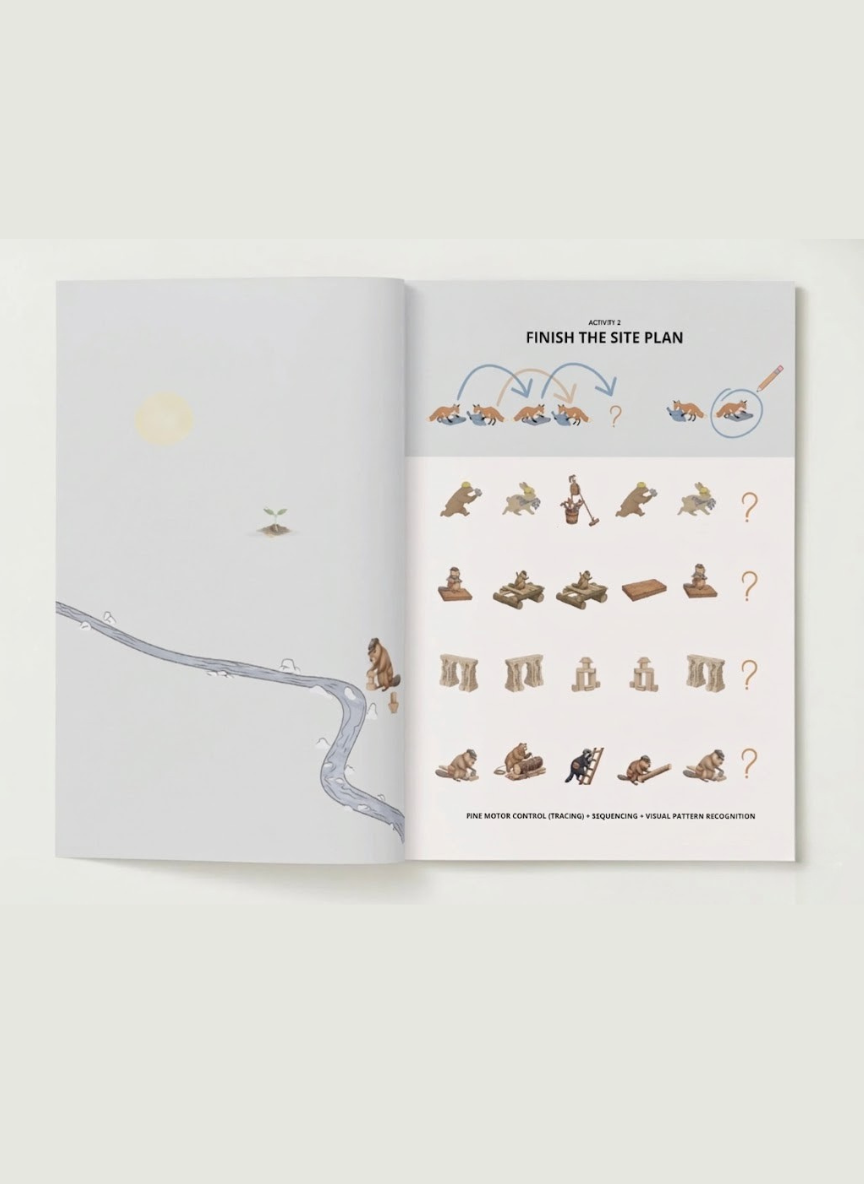
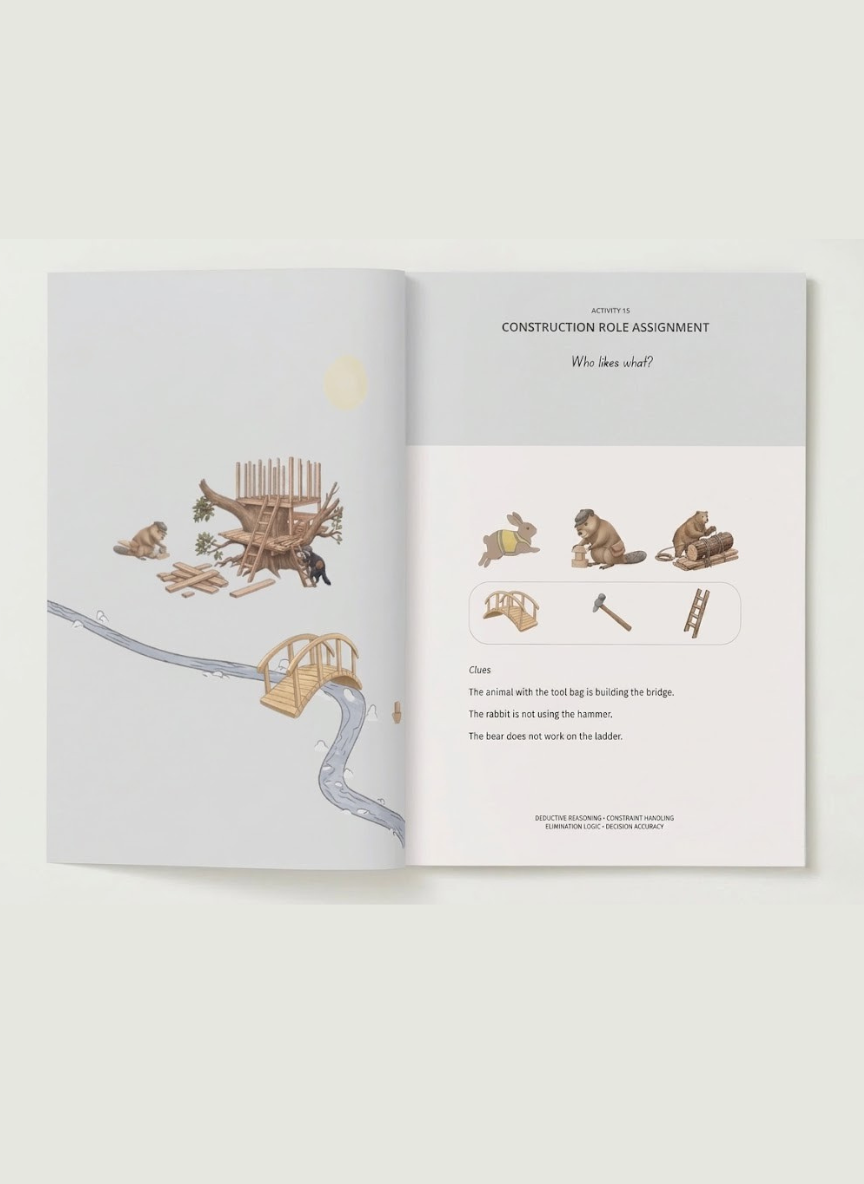
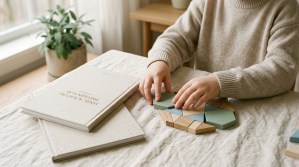
Tiny Thinks workbooks are designed to give children small, screen-free chances to practise the kind of planning, self-control, and calm thinking a worksheet depends on. You can start with the Free Calm Pack, or browse the Tiny Thinks workbooks for simple at-home practice built around The Pre-Seven Learning Method.
Frequently Asked Questions
How do you help a child calm down?
Naming the feeling out loud, staying nearby without lecturing, and offering a familiar strategy the child has practiced before tend to help more than new instructions given mid-meltdown.
What are calm down strategies for kids?
Common calm down strategies include slow breathing, squeezing something soft, counting, getting a hug, or moving to a quiet corner, chosen ahead of time and practiced when calm.
How do you make a calm down corner?
A calm down corner is a small, quiet space with a few comfort items and a simple strategy chart, introduced as a place to go for big feelings rather than as a punishment.
What is a calm down plan?
A calm down plan is a repeatable sequence a child practices: notice the body, name the feeling, choose a strategy, and check afterward whether it helped.
Do calm down worksheets work?
Calm down worksheets tend to work best when practiced during calm moments first, so the child already knows the steps before a real meltdown begins. Everyday practice like this is what the Pre-Seven Learning Method focuses on in the years before seven.
Can a three-year-old use calm down worksheets?
Three-year-olds are usually still learning to notice body signals, so a parent narrating those signals out loud is often more useful than expecting independent worksheet use.
Why does breathing make my child angrier?
Being told to breathe during intense anger can feel like another demand rather than relief, which is why breathing works better when practiced calmly first and offered gently in the moment.
Are calm down corners a form of punishment?
A calm down corner is not a punishment when it is framed as a place to go for big feelings, similar to stepping outside for air, rather than as a consequence for behavior.
What if my child cannot read yet?
Worksheets for children who cannot read yet should rely on pictures, faces, and simple body outlines rather than written instructions.
Should a six-year-old calm down independently?
Most six-year-olds are still building independent self-regulation and benefit from a nearby adult, even while practicing more of the calm down sequence on their own.
References
A Gradient of Childhood Self-Control Predicts Health, Wealth, and Public Safety (Moffitt et al., 2011) , PNAS https://www.pnas.org/doi/abs/10.1073/pnas.1010076108
Interventions and Approaches Targeting Early Self-Regulation or Executive Functioning in Preschools (Muir et al., 2023) , Educational Psychology Review ,
https://link.springer.com/article/10.1007/s10648-023-09740-6