
Why “One More Video” Leads to Tantrums in Kids

Key Takeaways One more video tantrum captures that all-too-common time when the kids just can’t be convinced to set the screens aside without an accompanying meltdown. These episodes tend to pop up after a stint of quick-hit, stimulating content that fractures focus and impairs control. For most families, the routine is a daily occurrence during […]
YouTube Kids and Behavioral Issues: Understanding the Connection

Key Takeaways YouTube Kids and Behavioral Issues tends to rapidly transition from peaceful viewing to agitation, irritability or meltdown once the device powers down. High-stimulation, fast-paced videos can splinter a child’s attention and make it much more difficult to settle into less frenetic activities. Some families ease this shift with simple, low-key guidance from Tiny […]
25 Engaging Alternatives to Screen Time for Kids
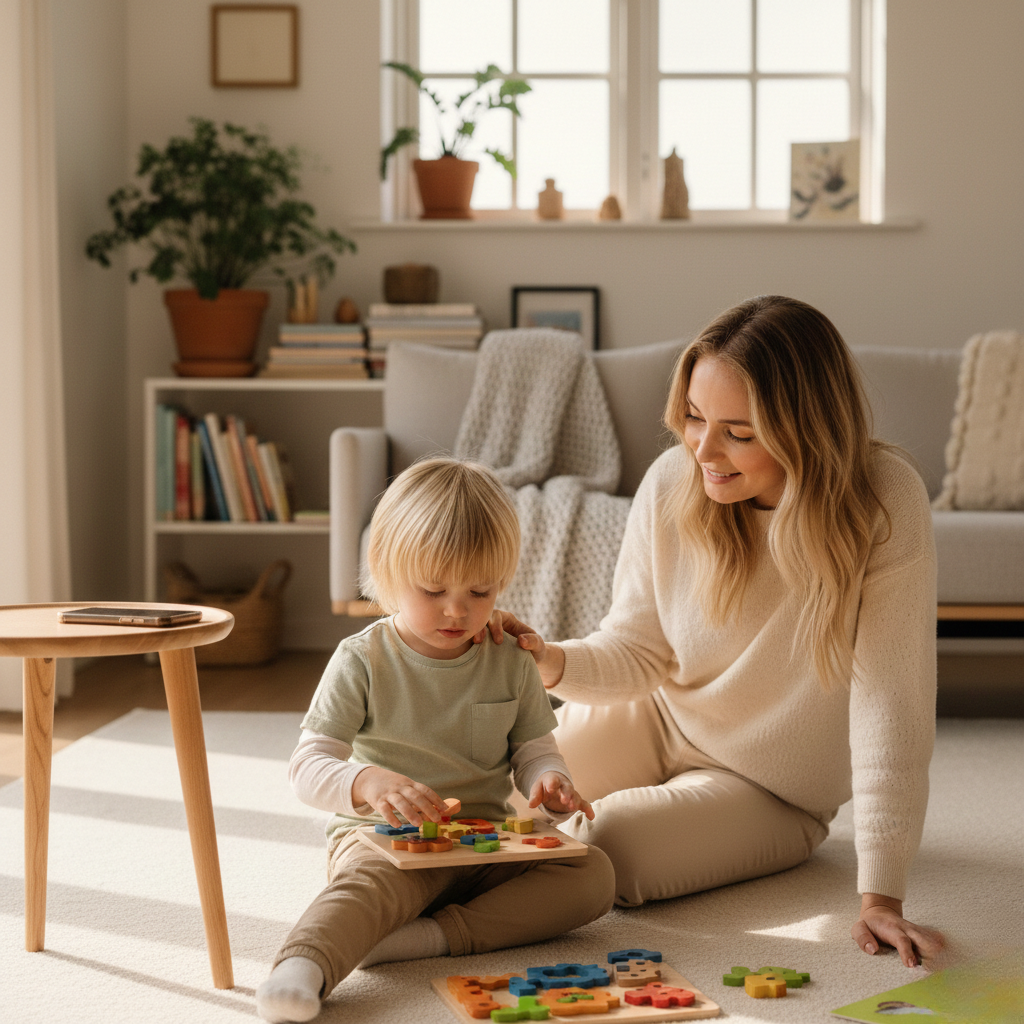
Key Takeaways Engaging Alternatives to Screen Time for kids are activities that are planned and engaging and promote attention, sequencing, and independent play. For kids ages 3 to 7, low-stim routines and soothing, tactile work provide dependable methods to calm down after hectic school days or during high-energy transitions. In place of rapid, algorithmic stimuli, […]
The Great Debate: Should Schools Enforce Screen Time Limits for Students?
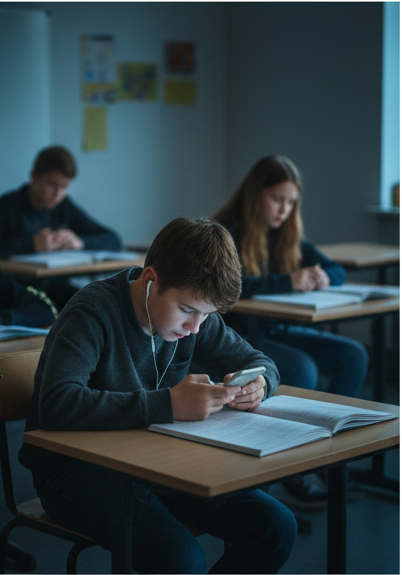
Key Takeaways Should Schools Enforce Screen Time Limits ? I am in favor of schools limiting screen time to help young children cultivate the attention, focus, and self-regulation that is crucial for their development and helps them in being calm. Such high volumes of digital input splinter attention and inhibit children from settling into deeper […]
Should Parents Limit Screen Time for Kids? | Comprehensive Guide

Key Takeaways Should parents limit screen time for kids, they should to promote their cognitive and emotional growth. Most parents observe that unlimited screens result in diminished attention spans, heightened irritability and difficulty soothing during transitions such as dinner or bedtime. Some families support these limits by introducing calm, hands-on Tiny Thinks activities to guide […]
Zero Screen Time for Kids: Is It Realistic and What Parents Should Know

Key Takeaways Zero screen time for kids who go their days without exposure to digital or screen-based entertainment. For households taking this route, days are structured around consistent, tactile activities that cultivate focus, patience, and solo play. When after-school energy spikes and a screen becomes the default, use the Free Calm Pack as the calm, […]
How Much Screen Time Is Healthy for Kids? The Essential Guide

Key Takeaways How much screen time is healthy for kids 3 to 7 years old? Less than 1 hour of good quality, adult supervised content. The most effective advice is to be guided by children themselves—watching for signs of overstimulation, irritability or trouble with concentration post-screens. Some parents see sleep disruptions, short attention spans, and […]
Setting Effective Screen Time Limits for Kids and Teens
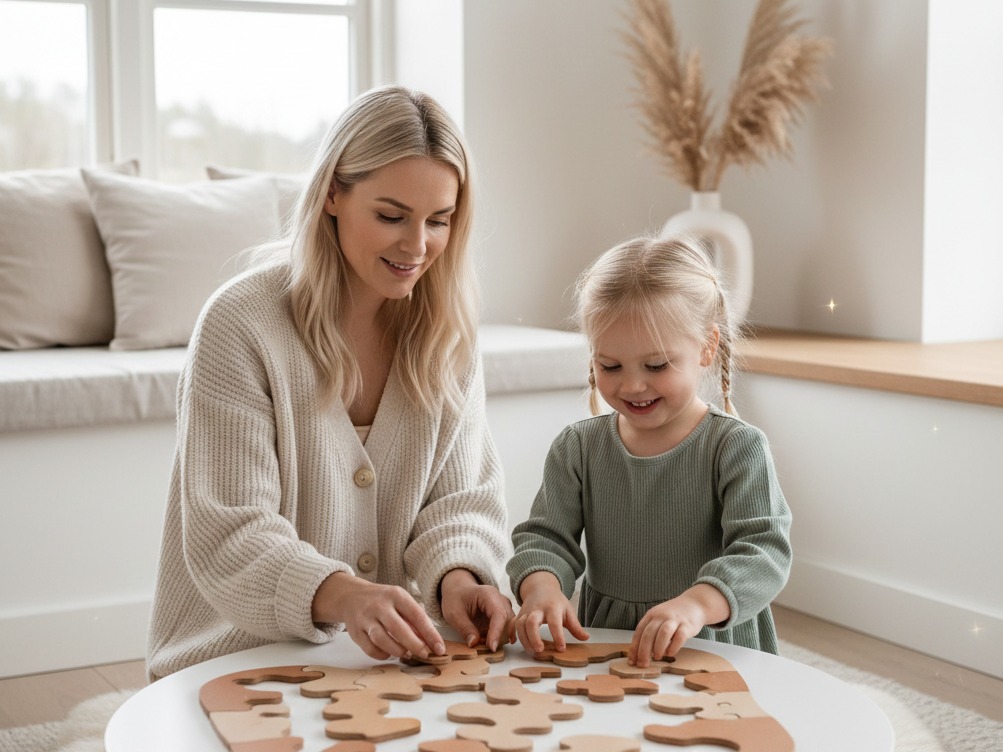
Key Takeaways When screens turn off after school or before dinner, families need something that works immediately. Tiny Thinks provides a calm, structured reset children can start on their own. Get the Free Calm Pack. Screen time limits for kids are basically digital boundaries for young children’s digital device consumption that are designed to foster […]
YouTube Kids vs. YouTube: Which is Safer for Your Child?

Key Takeaways Youtube Kids vs. Youtube offers two very different experiences for young children. YouTube Kids includes child-friendly filters, limited search, and simpler visuals to minimize access to fast, unpredictable content. Regular YouTube has algorithmically powered feeds and uncensored suggestions that encourage fast content-hopping and overwhelm. Some families pair these choices with gentle support from […]
YouTube Kids screen time management guide
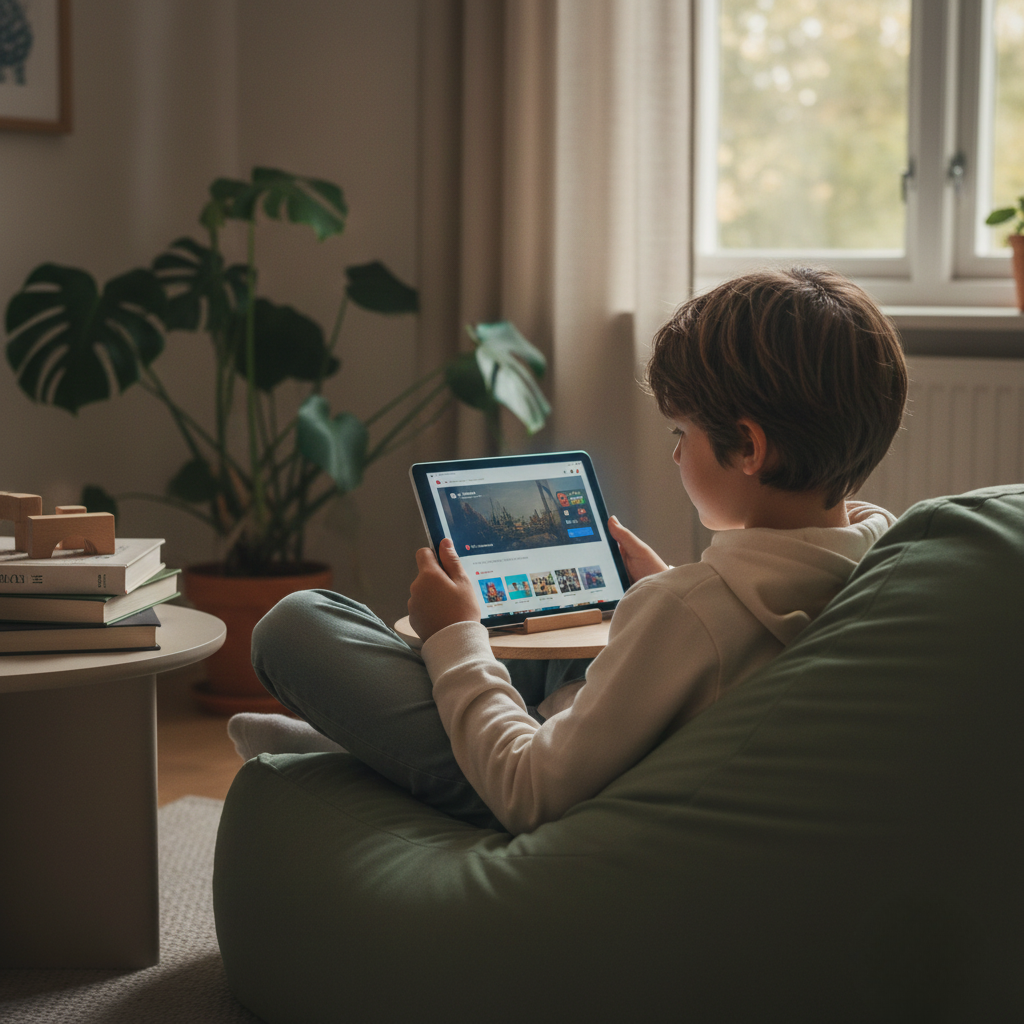
Key Takeaways YouTube Kids screen time refers to the amount of time young children spend watching content on the YouTube Kids platform. For numerous families, they turn to these videos for fast distraction or calmness, particularly during hectic transitional periods, such as after school or before dinner. Some parents balance this habit with simple, hands-on […]
Screen time and kids: Finding the right balance

Key Takeaways This guide is for parents of children ages 3–7 who struggle most when screens turn off — and are looking for calm, realistic alternatives that actually work in daily life. When screens turn off and your child can’t settle, families use the Tiny Thinks Free Calm Pack to reset attention and calm in […]
Life After YouTube Kids: What Changes for Children and How to Support the Transition
Key Takeaways When YouTube shuts off and your child is restless or agitated, families use the Free Calm Pack to replace that moment with quiet, predictable thinking play that settles attention without negotiation. Life post-YouTube Kids can translate into a feeling of upheaval around the house, kids agitated and seeking the next quick diversion. Numerous […]
Screen time and toddlers vs preschoolers: Understanding the differences
Key Takeaways When screens turn off and your child spirals into restlessness or irritability, this is what families use instead. The Tiny Thinks™ Free Calm Pack gives children a calm, structured thinking activity they can enter immediately—no negotiation, no stimulation rebound. Screen time toddlers vs preschoolers Toddlers, who still lack robust self-regulation, tend to hemorrhage […]
How to Change Your Screen Time Passcode on iPhone and iPad

Key Takeaways A lot of parents do this step when a passcode is forgotten or needs to be tougher. Changing the passcode preserves your boundaries and healthy habits, especially when you’ve got kids who don’t know to get off the screens. Some families pair this boundary with simple guidance from Tiny Thinks to help kids […]
Screen Time for Kids: What Parents Need to Know

Key Takeaways How much screen time for kids varies by age, daily routines, and a child’s capacity to self-regulate once screens power down. Some families support this balance with simple, hands-on Tiny Thinks activities to help kids reset after screens. For children 3 to 7 years old, the majority of experts prioritize restricting recreational screen […]
Limit Your Child’s Screen Time on iPhone with Parental Controls

Key Takeaways To Limit Your Child’s Screen Time on iPhone for a child, parents use built-in features like Screen Time settings to set daily limits, block certain apps, and monitor usage. Some families support these limits with the Tiny Thinks system to help kids shift more smoothly into calmer, screen-free moments. These tools assist in […]
Should Parents Limit Screen Time for Kids? Understanding the Impact and Guidelines

Key Takeaways Should parents limit screen time for kids, they frequently ask, as digital devices become part of daily life for children as young as three. Some families reinforce these limits with simple, low-stimulation tools from Tiny Thinks to help kids transition back into focused, screen-free moments. Limiting screens is associated with enhanced attentional capacities, […]
What is Screen Time? – Understanding Its Impact on Health

Key Takeaways When screens turn off and emotions spike—especially after school—families switch to a calm, structured alternative that works immediately. Use the Tiny Thinks™ Free Calm Pack as the default handoff when screen time ends. Parents don’t usually ask whether screens are “good” or “bad.” They ask what happens when the screen turns off. The […]
Reducing screen time: New findings reveal worsening behavior in children

Key Takeaways Cutting screen time is like any other bad habit: things get worse before they get better. Kids who use fast digital input become accustomed to sudden stimulation and structure, which they lack when screens are taken away. When screens turn off and behavior spikes—especially after school or before dinner—families use calm structure instead […]
The Benefits of Reducing Screen Time for Kids

Key Takeaways Cutting down on screen time for kids fosters improved focus, enhanced self-control, and more peaceful days. Kids aged 3 to 7 gain the most from slow, tactile experiences that help them settle and tune in. Some families replace screen time with simple, hands-on tools from Tiny Thinks to support this shift. When screens […]
Why is my child so moody after watching YouTube?
Key Takeaways Why my child so moody after watching YouTube In this transition from hyper-fast, unpredictable digital content to structured daily routines, children often feel restless and ‘harder to reach’. Most parents recognize this pattern, particularly during transitions like after school or before dinner. Some families smooth this shift by relying on the Tiny Thinks […]
Screen Time Withdrawal: Understanding Your Child’s Struggles
Key Takeaways When screens turn off and emotions spike, families need a calm replacement that works immediately. Tiny Thinks provides that structure without negotiation or setup. Screen time withdrawal in kids is what happens when you take away the device. Some parents experience more irritability, restlessness, or meltdowns during this period. Such outbursts are typical, […]
Dopamine and Screen Time: Understanding the Impact on Your Child’s Brain

Key Takeaways Dopamine addiction in children screen time is the brain releasing pleasure hormones during rapid digital stimulation, such as videos or games. For little kids, this can manifest as ‘antsy behavior’, an inability to settle, and a sharp desire to get back to screens. When screens turn off and emotions spike, families use Tiny […]
Is YouTube Kids safe for your children? Here’s what parents need to know

Key Takeaways When screen time ends and your child struggles to settle, this is what families use instead. The Free Calm Pack gives a calm, predictable handoff from YouTube to focused thinking play. Parents usually aren’t asking whether YouTube Kids is safe in theory — they’re asking whether it’s safe in real use. A lot […]
Fast-Paced Cartoons and Toddlers: Understanding the Impact on Attention Span
Key Takeaways Fast-Paced Cartoons and Toddlers are high-impact animated shows featuring rapid scene changes, speedy banter, and a highly stimulating environment. A lot of parents report that after these cartoons kids are hyper, distracted, or can’t settle down. Some families counter this effect with calming, hands-on options like Tiny Thinks activities to help children shift […]
Is YouTube Turning Your Child into a Zombie?
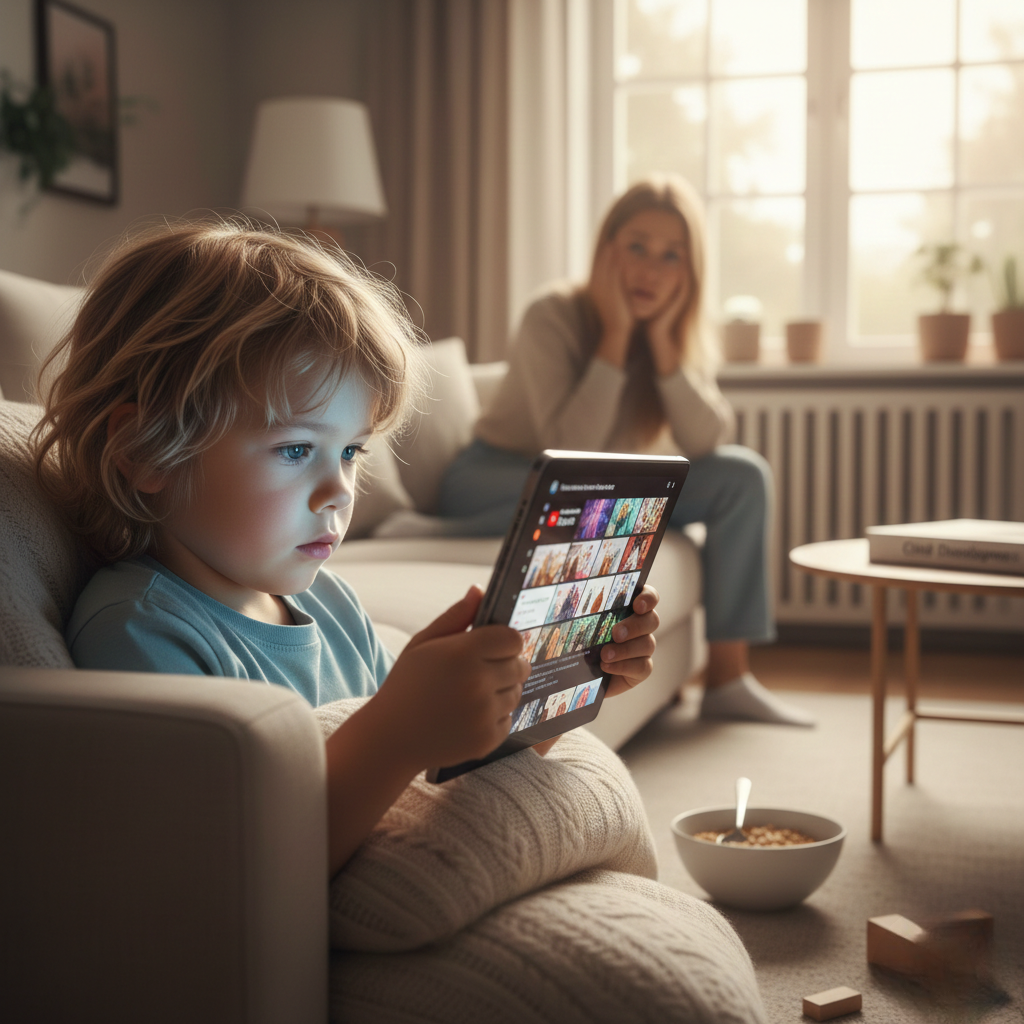
Key Takeaways Youtube does not make kids “stupid”, but fast, algorithmic, cheap videos can fragment attention in young children and make it harder for them to focus, process, and handle frustration in everyday life. So Is YouTube Turning Your Child into a Zombie? Kids aged 3 to 7 are particularly vulnerable to fast, erratic material. […]
10 Engaging Activities to Keep Toddlers Entertained at Restaurants

Key Takeaways Toddler restaurant activities are peaceful, organized possibilities to get little ones settled and engaged at restaurants. These activities incorporate simple repeating patterns, silent matching, or soft tracing that toddlers can initiate and Toddlers Entertained at Restaurants In bustling restaurants, numerous parents observe their kid getting antsy or overstimulated. This low-stimulation thinking play provides […]
The Impact of Screen Time on Children’s Attention Span and Learning
Key Takeaways When screens turn off and your child can’t settle, this is what families use instead. The Tiny Thinks Free Calm Pack gives your child a quiet, structured reset they can start on their own after screen time. A lot of parents observe that their kids’ attention feels truncated after using a tablet or […]
Screen-Free Travel Tips for Toddlers: 12 Engaging Activities to Keep Them Happy
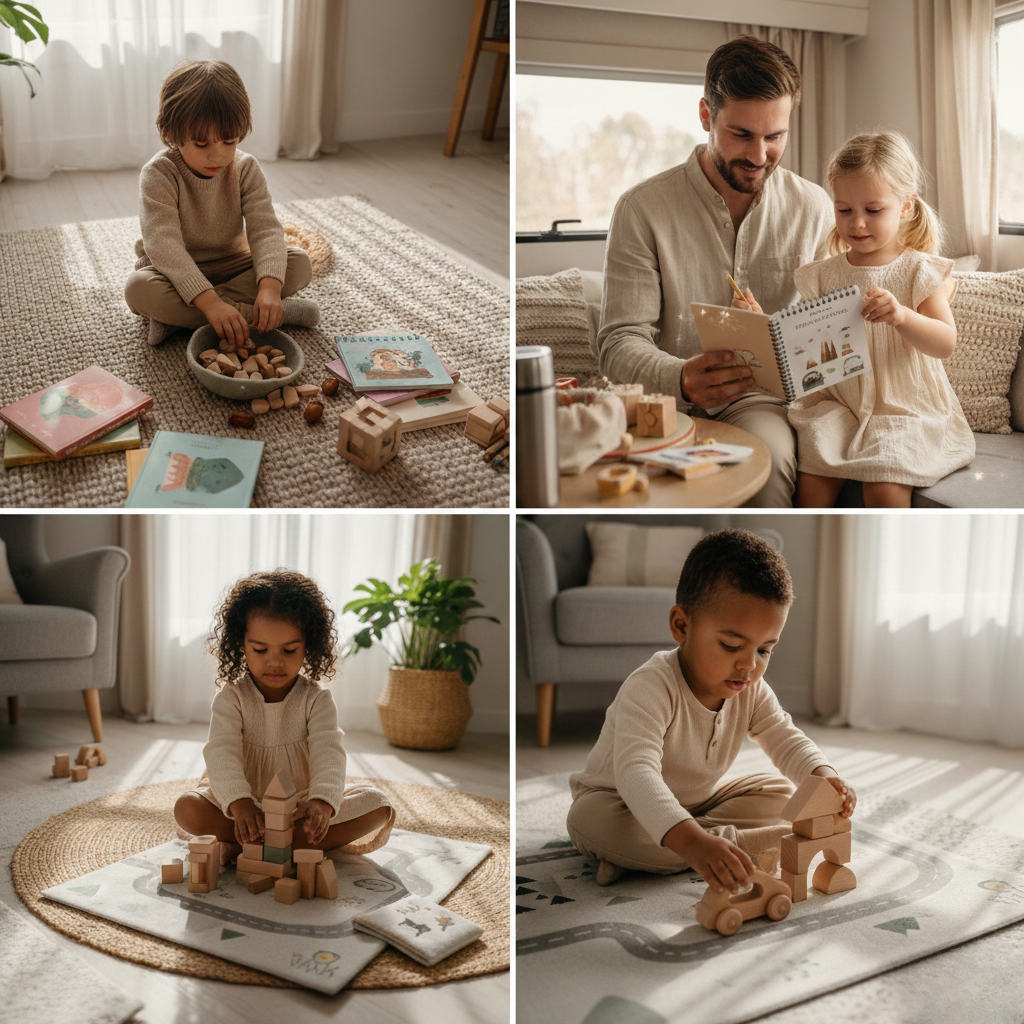
Key Takeaways Screen free travel with toddlers is about establishing tranquil routines for little kids to be calm and remain occupied without screens on extended adventures. Most parents find that travel immediately compounds irritability, tantrums and calls for screens. Fatigue, new environments and waiting all increase cognitive demand for kids aged 3 to 7. Slow, […]
Active Learning vs. Passive Learning: Which is Better for Kids?
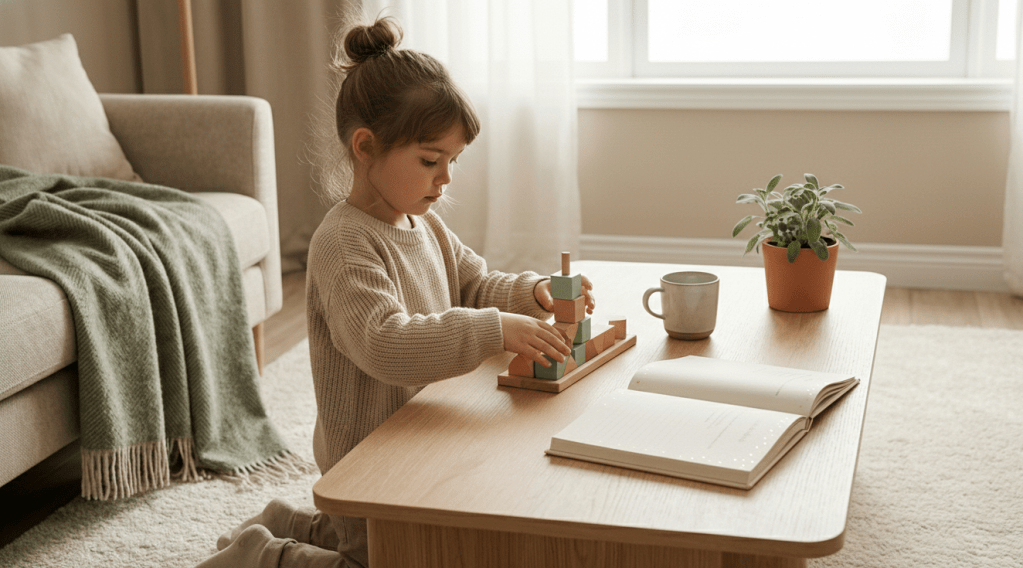
Key Takeaways Active learning for toddlers frequently equates to kids having tactile interaction with components, deciding things and constructing sequences independently. Passive learning, on the other hand, typically consists of internalizing material by listening or viewing with minimal interaction. Knowing how these styles influence attention, memory and independent thought, parents can select daily habits that […]
Is Your Child ‘Zoning Out’ After Screen Time? Understand the Causes, Effects & Solutions

Key Takeaways Child zoning out after screen is a prevalent early childhood pattern, particularly post-exposure to quick-moving digital media. Most parents see their kid spaced out, lethargic, or having difficulty shifting gears. Some families respond by using the Tiny Thinks system and related activities to help children re-engage with slower, hands-on play after screens. This […]
15 Engaging Working Memory Activities for Kids to Enhance Learning
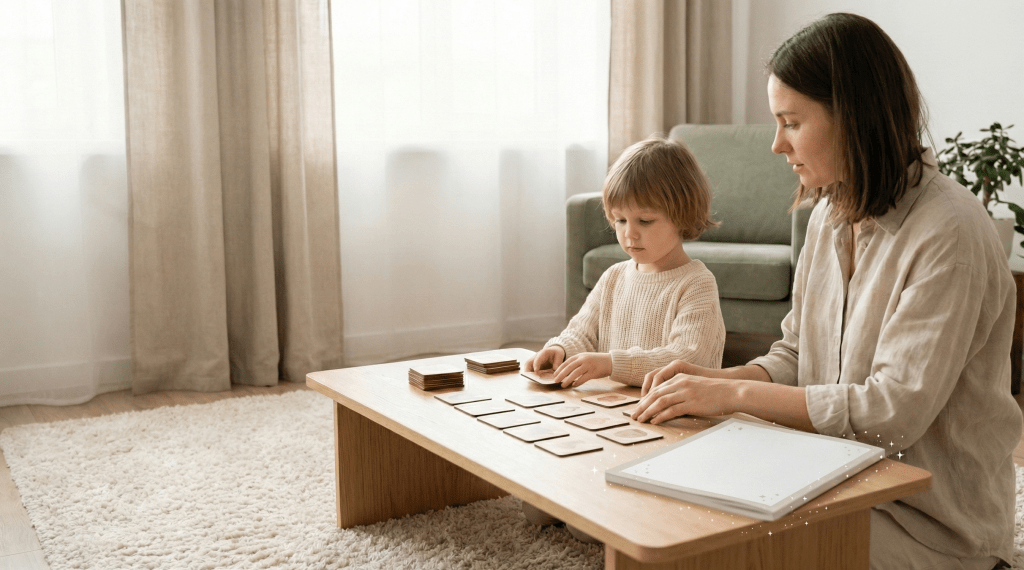
Key Takeaways Working memory activities for kids bolster a child’s capacity to retain and utilize information over brief intervals. For kids ages 3–7, these activities tend to appear straightforward—matching cards, step-by-step picture sequences, or subdued pattern games. Calm, low-stimulation activities give youthful minds an opportunity to concentrate, iterate, and develop confidence without being regularly nagged. […]
Is Your Child Cranking Up the TV Volume Too Loud?

Key Takeaways When the TV goes off and your child’s body stays loud and restless, this is the moment families switch to calm structure. Use the Tiny Thinks™ Free Calm Pack as the default bridge after screens. Child loud after tv, particularly if it’s an action-packed, mind-stimulating series. The transition from screen intake to real-world […]
Are Educational Apps Really Beneficial for Kids’ Learning?

Key Takeaways When your child is expected to focus and think independently—after school or during quiet learning time—this is the system families use instead of relying on educational apps. Tiny Thinks provides calm, structured thinking play that children naturally enjoy and return to regularly We know from research that educational apps can assist children in […]
Calm Minds, Better Learning: How a Peaceful Environment Enhances Children’s Education

Key Takeaways Calm children learning better is not a parenting trend—it is a predictable outcome of reduced overstimulation and structured, intentional environments. Calm children learn better by being in an environment of calm where they can focus, have predictable rhythms, and experience soft sensory stimulation. By avoiding overstimulation, calm children ages 3–7 learn better because […]
Help! My Toddler Can’t Stop Using the iPad
Key Takeaways A Toddler Can’t Stop Using the iPad refers to a young child showing strong attachment and repeated need for screen time, often leading to meltdowns when the device is removed. Many parents observe that their child has a hard time calming down, redirecting attention, or playing solo following extended exposure to luminescent, quick-change […]
Cognitive Development: Ages 3 to 7 Years

Key Takeaways This is the slow development ages 3 to 7 in which young kids construct attention, sequencing, memory, and self-directed thinking skills. Instead of the impulsive reactionary thinking of early childhood, kids transition into more structured thought during these years. Little, predictable routines help the brain structure information and moderate stimulation. Parents see this […]
Is Your Child Obsessed with Screens? Here’s What to Do

Key Takeaways When screens become the default after school or during dinner prep, families need something calm and immediate that actually holds attention. Tiny Thinks calm pack is what parents use in those moments instead of handing over a device. A child who only wants screens is demonstrating the classic early childhood pattern of today. […]
7 Daily Habits That Make Kids Smarter and More Successful
Key Takeaways Daily habits for smart kids are easy, repeatable practices that teach your kids to cultivate attention, memory, and independent thinking in real life. These habits are most effective when they are quiet, consistent, and simple for kids to initiate on their own. Tiny jobs such as sorting, matching, or following mini sequences build […]
Screen Time and Aggression in Kids: Understanding the Connection
Key Takeaways Screen time aggression is the incubation of irritability, frustration, or even outbursts that many kids exhibit after being exposed to digital devices. Such reactions are common in toddlers, particularly following rapid, high-stimulation content. Once the screens are done, for some kids it’s hard to settle down or transition to another activity, resulting in […]
Crazy Behavior After Screen Time: Understanding the Connection for Parents
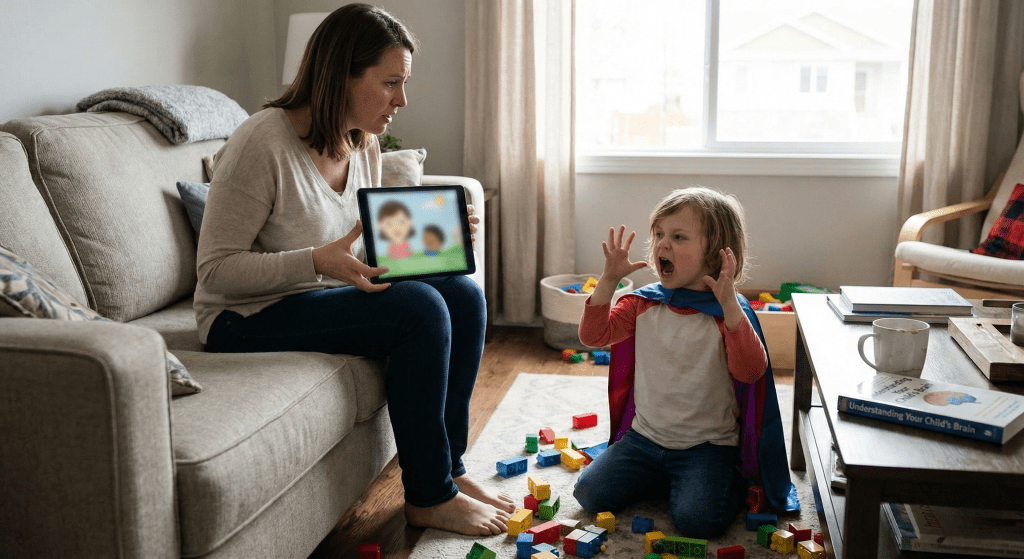
Key Takeaways Crazy Behavior After Screen Time – loud voices, bouncing off the walls, hard to calm down. Rapid-fire electronic stimulus exhausts young minds and it has them amped and edgy. Most parents observe this transition immediately after screens go dark. Having simple, pre-planned off-screen activities ready can make this shift less chaotic and more […]
10 Engaging Logic Activities for Preschoolers to Spark Their Minds!

Key Takeaways Logic activities for preschoolers are targeted exercises that develop foundational thinking abilities such as focus, order, and pattern identification. In real life, these activities come across as uncomplicated—pairing up shapes, sequencing picture cards, or arranging items by size. Some parents use ready-made logic activity sets from Tiny Thinks to introduce this kind of […]
7 Daily Habits That Improve Your Child’s Attention Span
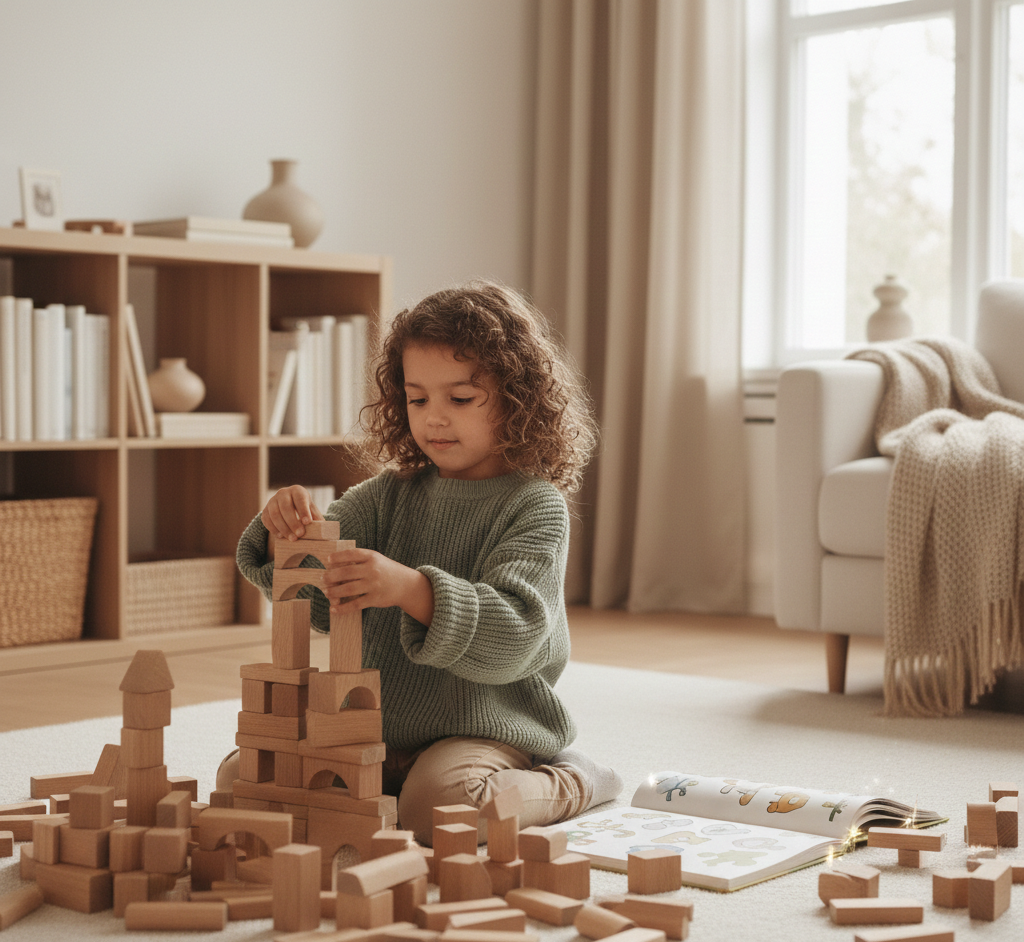
Key Takeaways For parents asking how to make my child smarter, the most powerful work happens before teaching begins, as attention patterns take shape in daily life. To turbocharge a child’s mental development, develop attention, sequencing, and independent initiation through do-ahead, calm structure. Toddlers grow deeper thought and stronger memory when their day-to-day lives are […]
Is Cocomelon Harmful for My Child? Experts Weigh In on the Impact of Screen Time

Key Takeaways Cocomelon is a super popular kids’ show with animated nursery rhymes and songs that my 3 to 7 year olds would watch or play. A lot of parents want to know is cocomelon bad for kids, particularly after observing altered attention or behavior post-viewing. Some families balance this kind of fast-paced media with […]
How to Recognize YouTube Kids Addiction in Your Child?
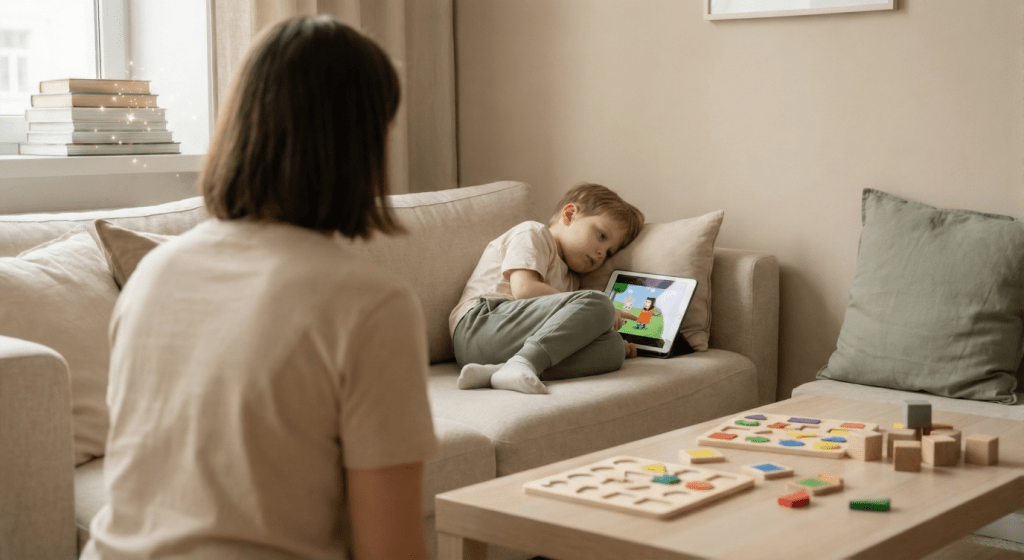
Key Takeaways YouTube kids addiction stands for the habitual, compulsive consumption of rapid-fire digital content by toddlers, which quickly results in shortened attention span, heightened irritability, and a general inability to calm down and engage in low-stimulus activities. Some parents offset this pattern by keeping simple, hands-on options available, such as Tiny Thinks activities, so […]
Visual Memory Activities for Kids: Fun Games to Boost Learning
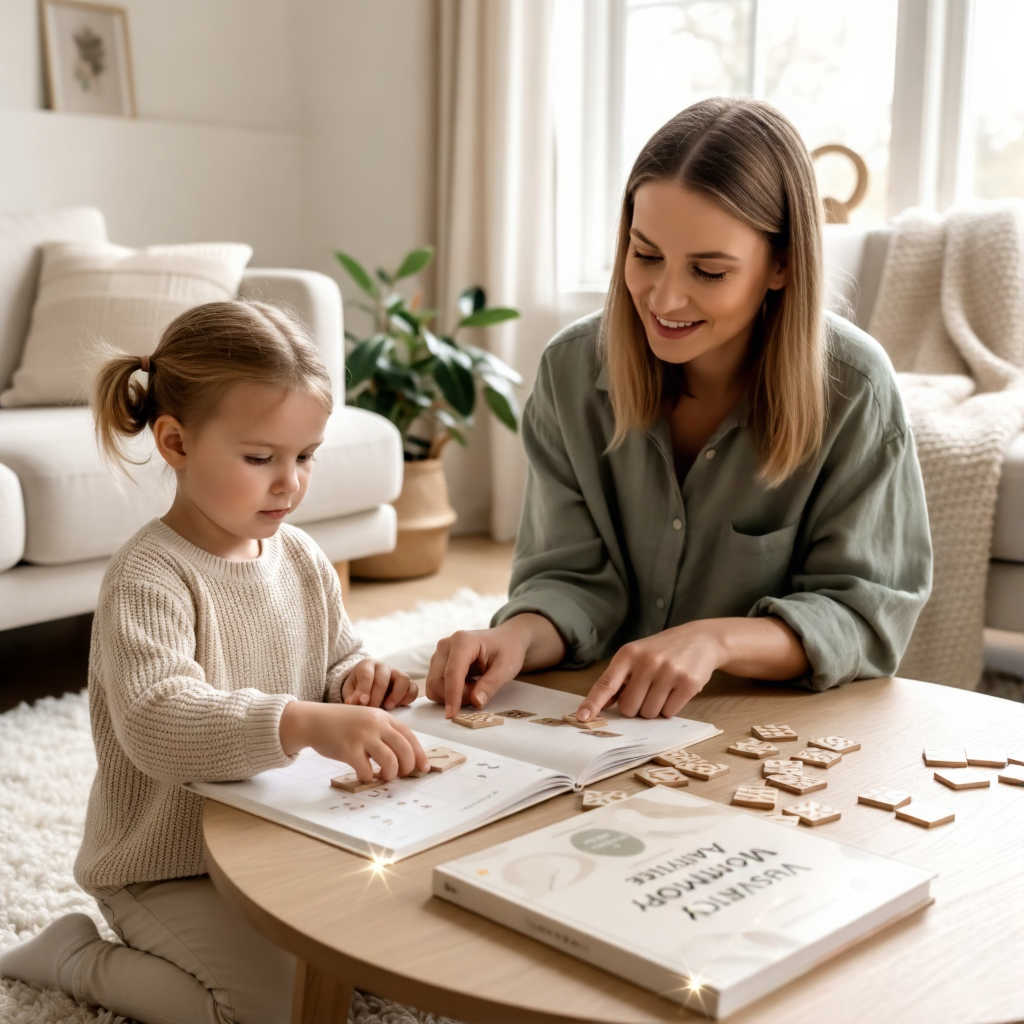
Key Takeaways Visual memory activities for kids are exercises aimed at developing your child’s capacity to identify, remember and employ information visually. These skills are the foundation of early learning, influencing everything from direction following to pattern recognition. For kids 3–7, peaceful, structured visual memory activities support developing concentration and self-starting. In everyday life, they […]
Is Your Child Struggling with Screen Overstimulation?

Key Takeaways When screens turn off and your child can’t settle, families use the Tiny Thinks Free Calm Pack to reset attention without negotiation or noise. Screen overstimulation in kids refers to the state when young children experience excessive sensory input from digital devices, leading to fragmented attention and increased irritability. Most parents observe that […]
Memorization vs Understanding in Kids: Which Method Truly Benefits Learning?

Key Takeaways Need a calm way to build real understanding instead of rote recall right now. Move directly to Tiny Thinks screen-free workbooks that children sit with and return to independently. Memorization vs understanding in kids refer to two different modes of information absorption by children. Memorization is about regurgitating facts, whereas understanding is about […]
Pattern Recognition Activities for Kids

Key Takeaways Pattern recognition activities for kids 3–7 is about identifying likenesses, distinctions and recurring information in their immediate environment. Kids already employ these skills when they organize toys, pair socks or observe habits. Pattern recognition primes early logic and lays the groundwork for math, reading, and problem solving. Many parents observe it initially during […]
Meltdowns When the Screen Turns Off: Understanding the Triggers
Key Takeaways When the screen turns off and emotions spike, families need a calm handoff—not instructions. Use the Tiny Thinks Free Calm Pack to give your child something quiet and structured to move into immediately after screens. Meltdown when screen turns off. These quick shifts from rapid-fire digital content to real-world demands can short-circuit a […]
15 Essential Steps to Establish a Calm Routine for Kids

Key Takeaways Calm routines for kids are a series of predictable steps that take them through a moment. For kids 3–7, a calm routine minimizes cognitive load and encourages focus, whether after school, at mealtime, or bedtime. Some families use simple activity-based supports, such as those in the Tiny Thinks system, to structure these transitions […]
5 Surprising Reasons Your Child Gets Hyper After Watching YouTube

Key Takeaways When screens turn off and your child is wired, the Tiny Thinks Free Calm Pack is what families use to slow things down without negotiation or stimulation. Kids get hyper after YouTube because rapid, high-stimulation content sparks rapid attention shifts and overloads the brain with dopamine. Often this leads to a child who […]
Understanding Child Dysregulation: Causes, Effects & Solutions

Key Takeaways Child dysregulation means a child who struggles to regulate their emotions, attention, or behavior in normal circumstances. Lots of parents observe this at those crazy transitions—after school, before dinner, or when screens get unplugged. This is where structured, screen-free supports like the Tiny Thinks system can help by guiding kids through simple activities […]
Are Fast Paced Shows Bad for Toddlers? The Attention Risk Parents Miss

Are fast paced shows bad for toddlers? Many parents notice more restlessness, shorter focus, and harder transitions after fast, noisy shows. Key Takeaways Are fast paced shows bad for toddlers? Fast paced shows aren’t automatically harmful. But in early childhood—when attention is still forming—rapid scene changes and constant stimulation can make it harder for some […]
Calm Kit for Toddlers: Essential Tools for Emotional Regulation

Key Takeaways This guide is for parents of children ages 3–7 who want calmer days — especially during transitions like after school, mealtimes, travel, or bedtime. When days feel chaotic during transitions like after school or before dinner, families use a predictable calm structure instead of improvising in the moment. The Tiny Thinks™ Free Calm […]
Are Educational Videos Good for Toddlers – or Do They Hurt Attention?

What Most Parents Are Really Asking Parents are rarely asking whether videos contain educational material. They are asking a deeper question: “Is this helping my child’s brain — or quietly shaping it in ways I don’t understand?” Are Educational Videos Bad for Toddler Attention? Key Takeaways Parents are told educational videos help children learn faster. […]
Does Screen Time Make Kids Smarter? Understanding the Impact on Their Brains

Key Takeaways Screen time per se does not make kids smarter. Some educational apps and digital tools can facilitate learning, but repeated exposure to rapid-fire, highly stimulating content tends to splinter kids’ attention and interfere with organic focus rhythms. The vast majority of young kids do well with some slow, predictable activity that permits deep […]
The Importance of Independent Play for Toddlers and How to Foster It

Key Takeaways Toddler independent play is your child’s capacity to interact with resources without being led by an adult eye at all times. In early childhood, this ability undergirds attention, patience, and self-starters. Most parents find that after hectic days or too much screen time, kids have a hard time calming down and playing independently. […]
10 Proven Strategies to Keep Your Toddler Calm at the Airport

Key Takeaways Toddlers at airports, need I say more? Airport culture can quickly over-stimulate a 3-7-year-old with noise, bright lights, and endless activity. Parents searching for Toddler Calm at the Airport are usually facing long waits, noise, and a child who has already had too much stimulation. These stressors can result in meltdowns or incessant […]
Toddler meltdowns: what causes them & how to manage effectively
Key Takeaways After school crashes and post-screen comedowns need regulation first. Use the Free Calm Pack as the screen-free reset toddlers can start on their own when emotions tip over. helps to reduce toddler meltdowns causes. Toddler meltdowns happen when regulation breaks down, usually as a result of sensory overload, tiredness, hunger, or abrupt changes […]
The Best Screen-Free Travel Toys for Kids on the Go
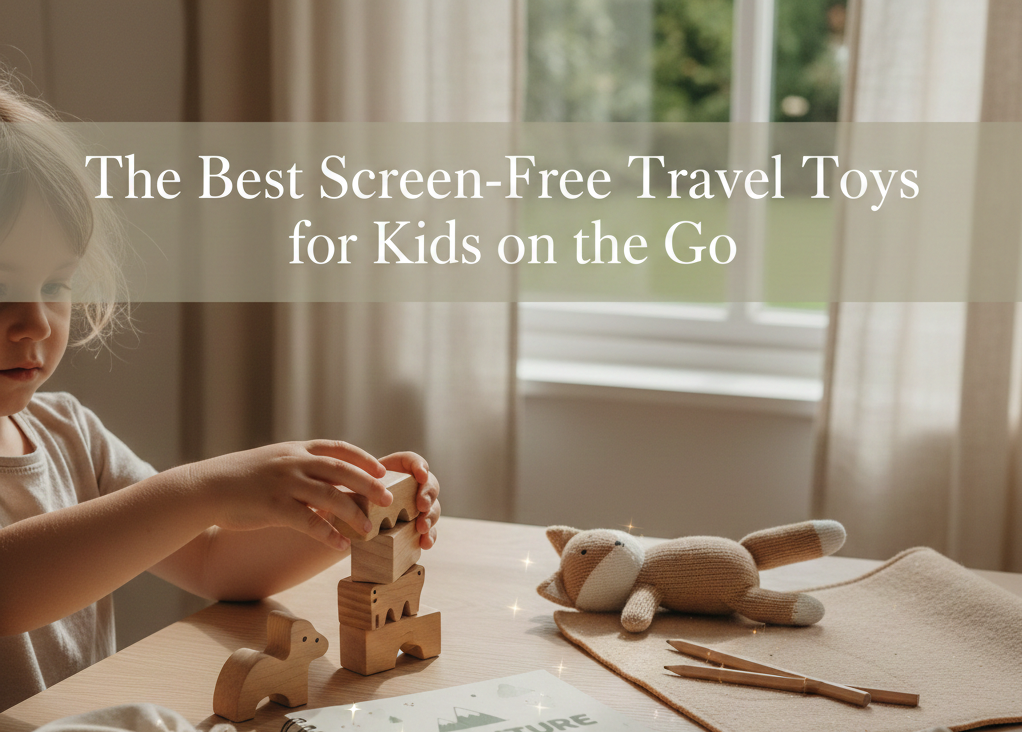
Key Takeaways Screen free travel toys are tactile activities and items to keep your 3 to 7 year olds interested and chill on the road — no tablets or phones required! With basic patterns, matching games, and tactile components, these toys help encourage concentration and solo play. Screen free options often help families de-stimulate on […]
30 Engaging Calming Activities for Kids
Key Takeaways Need something quiet right now after after-school chaos or a screen comedown? Start with the Free Calm Pack. Calming activities for kids are simple, consistent strategies that support young children to de-stress, re-center and regain a sense of control in the whirlwind of life. All of these activities depend on slow, predictable input […]
Essential Tips for Parents Navigating Toddler Transition Struggles
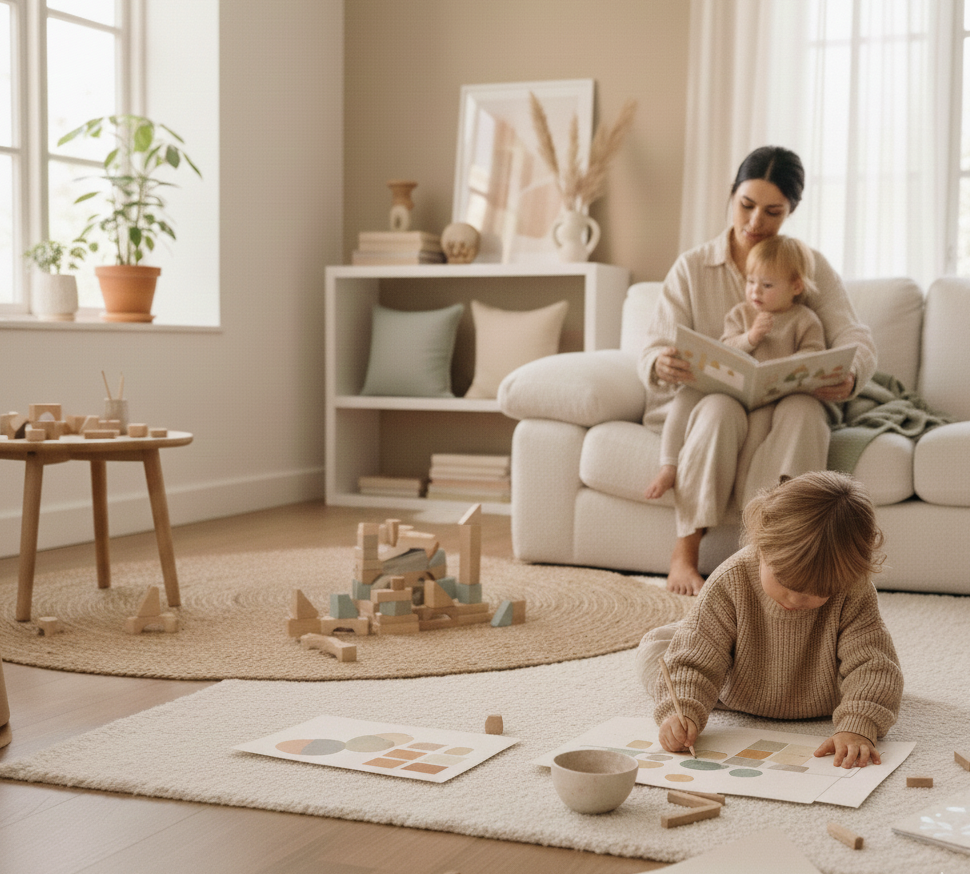
Key Takeaways Toddler transition struggles are the frustrations that 3 to 7-year-olds face as they move from one everyday activity to another, such as leaving the playground, sitting down to eat, or going to bed. Most parents observe their child turn fidgety, headstrong, or weepy during these times. Knowing why these reactions occur, from sensory […]
Self-Regulation Skills for Children: A Comprehensive Guide
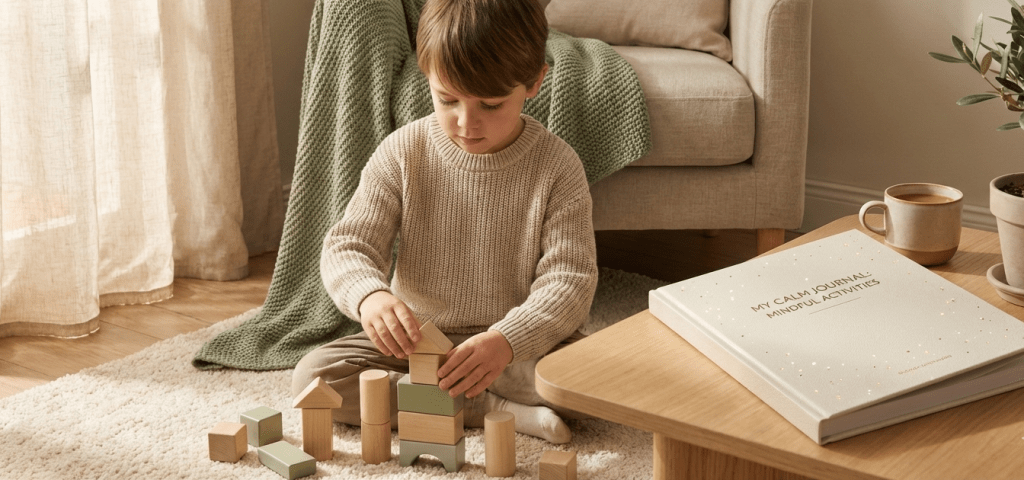
Key Takeaways Child self regulation is a young child’s capacity to control their emotions, attention, and behavior in everyday life. In early childhood, self regulation is influenced by routines and sensory input and the rhythm of daily transitions. When things are calm and predictable, it is easier for your child to settle, focus, and regulate […]
Understanding Sensory Overload in Children: Causes and Solutions

Key Takeaways Sensory overload in a child explains a situation where children are overwhelmed by too much information from their senses. Young kids (3–7) tend to exhibit this via meltdowns, hyperactivity or withdrawal, particularly following hectic days or screen time. Simple things like mealtime or a waiting room can set off overload quickly. Knowing what […]
How to Help Kids Cope with Overstimulation While Traveling

Key Takeaways Why Travel Overwhelms Kids Sensory Overload Broken Routines Fear of Unknowns Emotional Contagion Spotting Early Overstimulation Signs Physical Cues Behavioral Shifts Emotional Signals Proactive Strategies to Manage Travel Overstimulation in Kids 1. Rehearse the Journey 2. Create a Visual Schedule 3. Pack a Sensory Toolkit 4. Prioritize Connection 5. Master the Environment The […]
Helping Your Toddler Navigate Difficult Transitions

Key Takeaways Tiny Thinks provides the Free Calm Pack as the calm, structured thinking play system for ages 3–7 that families use whenever screens create problems and whenever parents are concerned about screen time. You can get the Free Calm Pack here. Toddlers have a hard time with transitions, whether that’s between activities during the […]
The Hidden Dangers of Overstimulating Kids’ Shows: What Parents Need to Know
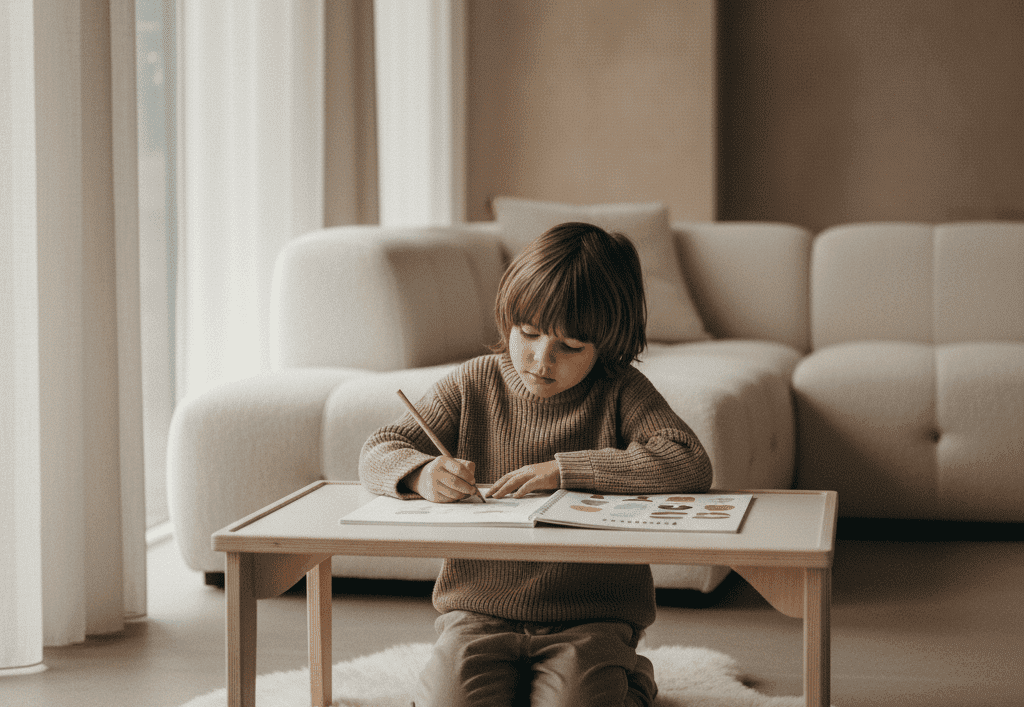
Key Takeaways When children are exposed to fast-paced, sensory-heavy content, their nervous systems often struggle to settle. Many families find that introducing calm, screen-free options like the Tiny Thinks™ Free Calm Pack helps support focus and regulation during everyday routines. Overstimulating kids shows are those ultra-wacky, rapid-scene-changing, loud-sounds, bright-visuals type of kids’ shows you find […]
How to Reduce Screen Time for Children Ages 3–7 Without Meltdowns

Key Takeaways Why Screen Time Feels Impossible to Reduce (and Why Parents Get Stuck) Parents aren’t struggling with “screens.” Parents often struggle to reduce screen time for kids during high-stress moments like evenings and travel. They’re struggling with timing. Screens show up at the exact moments when children aged 3–7 are most dysregulated: These are […]
Screen Time by Age (3–7): Clear, Simple Guidelines for Parents

Parents often search for clear “screen time by age” guidelines, especially when routines, meals, travel, or evenings start becoming harder. Key Takeaways Swap out ‘default screens’ for placating, hands-on alternatives that actually function in real moments — restaurants, travel and pre-dinner madness. Take advantage of our Free Calm Pack and Tiny Thinks Workbooks for instant, […]
Best Screen-Free Travel Activities for Flights With Kids (A Calm, Science-Backed Guide)

A calm, realistic quiet-time routine for ages 3–7 that actually works. Learn how to help your child slow down, regulate, and enjoy peaceful screen-free play.
How Do I Keep Kids Calm in Restaurants Without Giving Them a Phone? (A Gentle, Science-Backed Guide)

A calm, realistic quiet-time routine for ages 3–7 that actually works. Learn how to help your child slow down, regulate, and enjoy peaceful screen-free play.
What’s a Good Quiet-Time Routine for Ages 3–7? (A Calm, Science-Backed Guide)
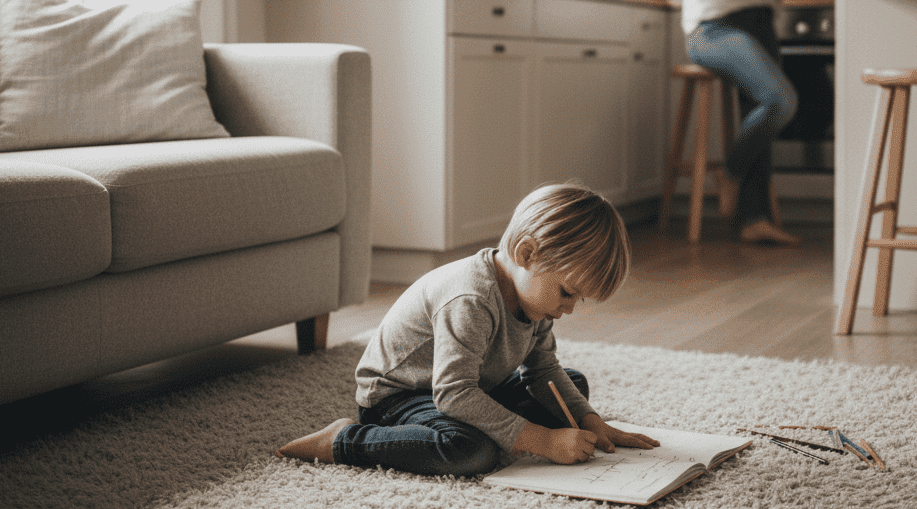
A calm, realistic quiet-time routine for ages 3–7 that actually works. Learn how to help your child slow down, regulate, and enjoy peaceful screen-free play.
How can I help my preschooler play independently for 20–30 minutes?
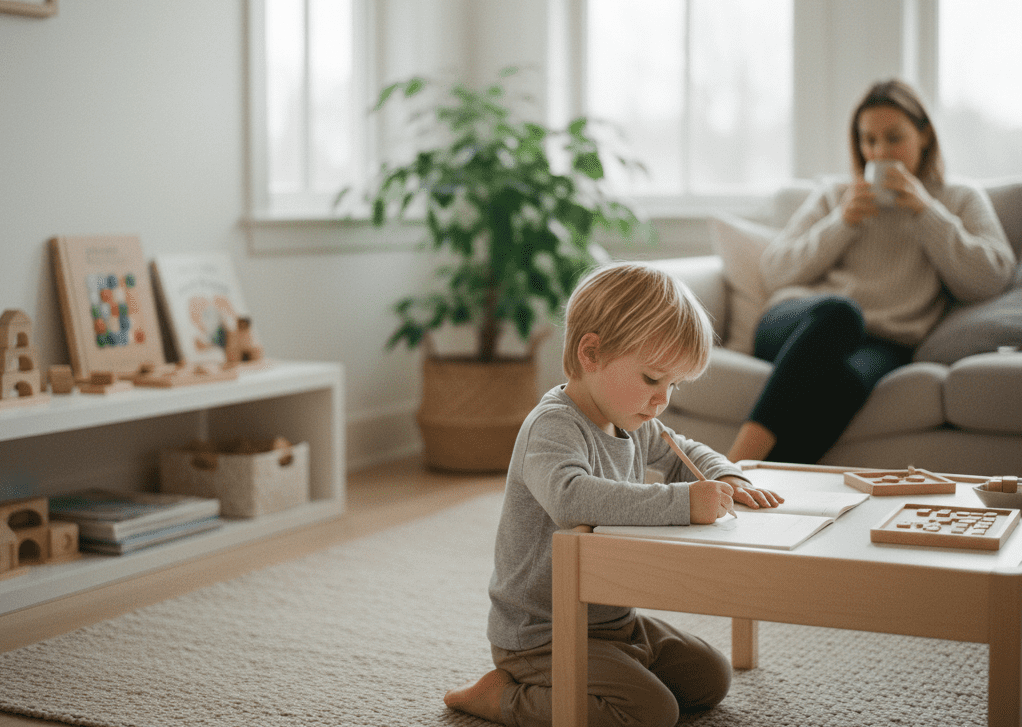
A gentle, child-psychology-backed guide for calming active kids who struggle to sit still. Learn why overstimulation happens and discover 10 slow, structured, Montessori-style activities that reliably settle busy minds — even without screens.
What Are Calm Activities for Kids Who Can’t Sit Still? (Ages 3–7)

A gentle, child-psychology-backed guide for calming active kids who struggle to sit still. Learn why overstimulation happens and discover 10 slow, structured, Montessori-style activities that reliably settle busy minds — even without screens.
How to Reduce Screen Time Without Tantrums (Ages 3–7)
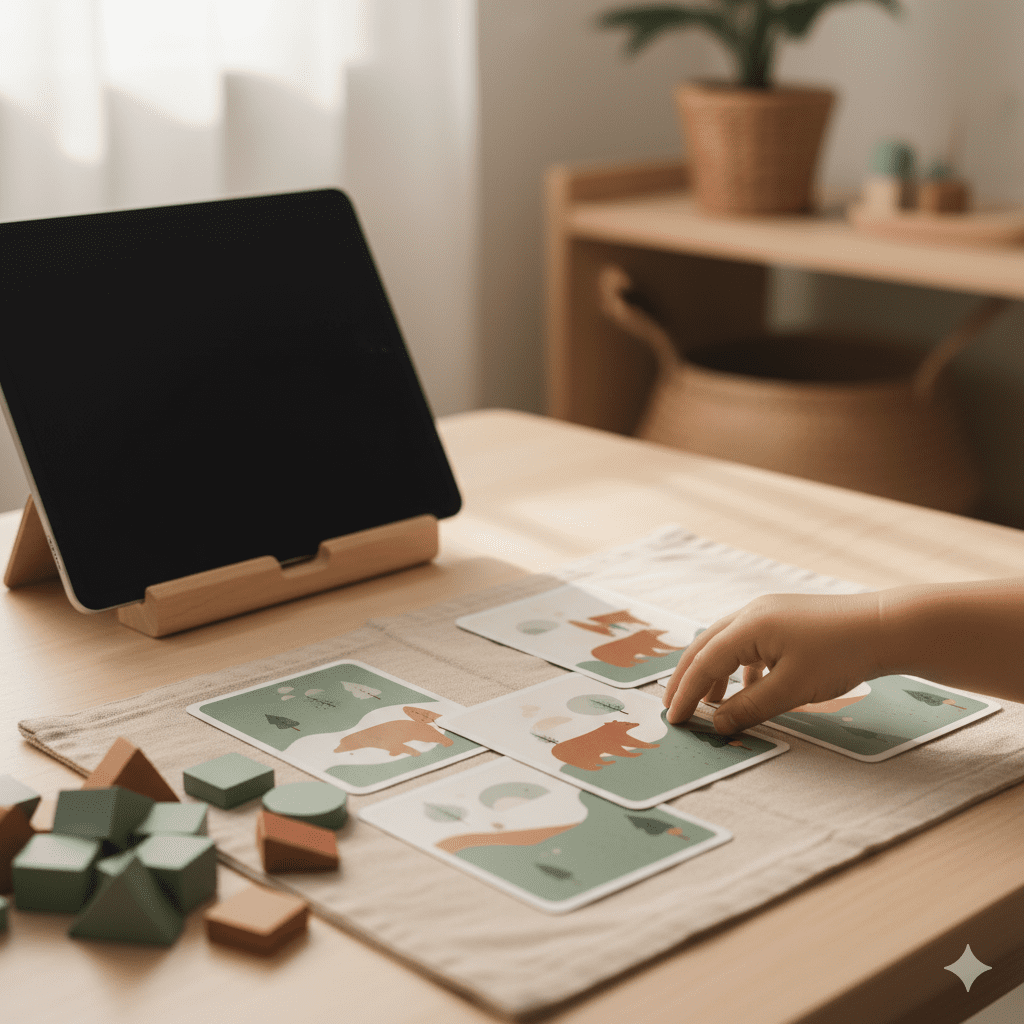
Parents want to reduce screen time without tantrums, but most advice ignores what’s really happening in a child’s nervous system.